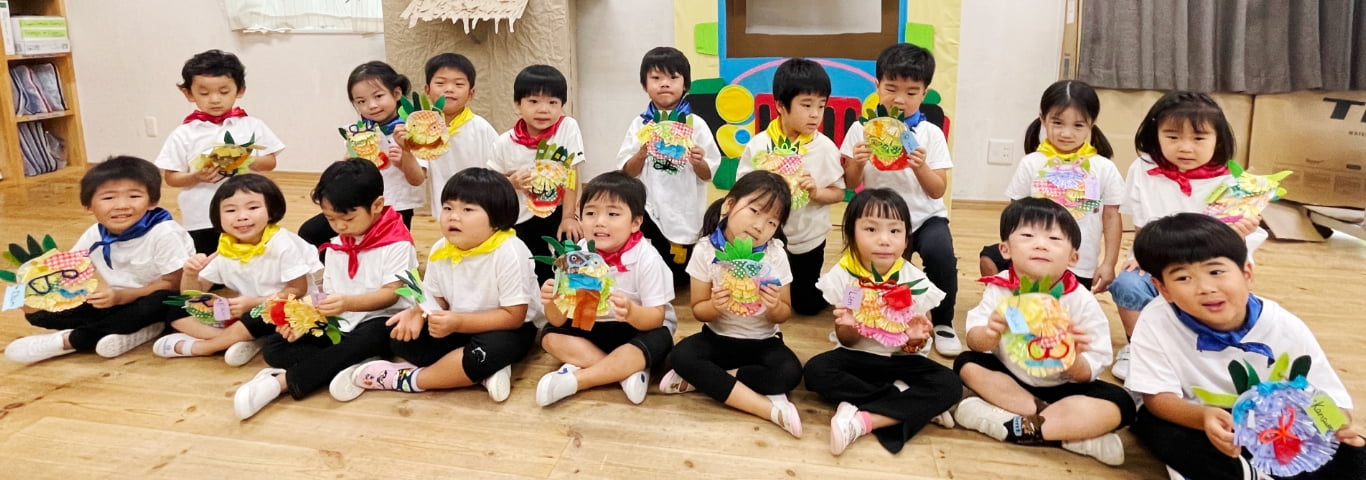
Thank you all very much for your continued support throughout 2025.
We look forward to your continued support of the ISN family again in 2026!
(英語の後に日本語が続きます)
Each month, I share a message with the ISN community through our newsletter.
Today, I would like to share one of my recent messages with you.
Thank you very much for supporting ISN in so many different ways throughout this past year. As our days pass by so quickly, the end of the year offers a moment to pause, look back, and reflect on what we have truly valued—and what we hope to continue valuing in the years ahead.
In this newsletter, as part of that reflection, I would like to share one example of a small sense of discomfort I have been noticing in everyday life over the past few years.
Personally, I believe that these moments of discomfort often hold important clues for how we think about education and our relationships with others. Valuing our ability to notice discomfort, and taking the time to gently explore where it comes from in our own values, allows us to engage in deeper reflection and inquiry. I feel that this practice of pausing and exploring more deeply can lead to essential growth as human beings.
As we begin a new year, I would like to express my sincere gratitude to everyone who continues to support ISN.
The start of the year offers a moment to pause and reflect on what we want to value as we move forward.
In this newsletter, I would like to share one example of a small sense of discomfort I have been noticing in everyday life over the past few years. I believe that such moments of discomfort hold important clues for how we think about education and our relationships with others.
By valuing our ability to notice discomfort and gently exploring where it comes from within our own values, we can engage in deeper reflection and inquiry. I feel that this process can lead to essential growth as human beings.
“Everyone Does It”—Is That Really a Reason?
For the past five or six years, there is something I have found myself thinking about and discussing with staff.
It has to do with how we address one another—specifically, the practice of adding “sensei” after someone’s name.
Many ISN parents, as well as those who support us in various ways, often call me simply by my first name.
At the same time, there are also people who address me as “sensei” or by my title, simply because “that’s what everyone does.” I am not interested in saying which is right or wrong. Personally, however, being called “○○-san” (or simply by my name) feels more natural and more equal to me.
Why is that? Today, I would like to share the background of this feeling with the ISN community.
I believe many people choose to use “sensei” out of consideration:
- to avoid being rude
- to avoid disrupting the atmosphere
However, when “everyone does it” is the only reason, we lose the opportunity to think for ourselves about:
- why we use a particular form of address
- what we truly value
- what kind of relationships that form of address creates
In an educational context, this is very close to unthinking conformity. And that is precisely the attitude we least want to teach our children.
Being called “sensei” often brings about certain unconscious dynamics:
- hierarchical relationships become fixed
- the roles of “teacher” and “learner” are reinforced
- equality of opinions becomes weaker
- expectations arise that the person must always be right and cannot make mistakes
This kind of “order based on roles” is something Japanese society has historically been good at. At the same time, it does not always align well with dialogue, inquiry, or psychological safety. Interestingly, the international teachers I work with at ISN call one another by their first names, regardless of position or age. In that culture, the focus is less on whether something is polite or impolite, and more on how we dialogue and collaborate. That is one of the reasons why being called “○○-san” feels natural to me.
I think this is because I value a worldview in which:
- we are equal as people
- even if our roles differ, our worth does not
- relationships are not fixed or rigid
- dialogue and collaboration are the foundation
This perspective connects directly to: Dewey’s democratic education, Adler’s concept of “horizontal relationships”, Edmondson’s theory of psychological safety, for example.
What matters here is that this is not about blaming anyone. In many cases, calling someone “sensei” comes from:
- not wanting to be disrespectful
- not wanting to create tension
- prioritizing the atmosphere over one’s own preference
- simply never having thought about it
In other words, it is often less about actively supporting authority and more about being in a state of not having chosen for oneself.
The Real Difference: Where We Place Respect
A common misunderstanding is:
- calling someone “sensei” means showing respect
- calling someone “san” means a lack of respect
That is not the case at all. Rather, it is the difference between:
- a culture that deposits respect in titles
- a culture that demonstrates respect through actions and relationships
I want to value the latter.
The Real Question at ISN
At its core, this conversation is actually very simple. What do we want to cultivate in children:
- respect for titles and positions, or
- respect for people themselves?
When we think about the kind of education ISN aims for, I believe the answer is quite clear.
If this comes up in conversations among adults or in the field, you might say:
- “I’m a teacher by role, but I want to relate to others as equals.”
- “I use ‘-san’ because I want children to see relationships as person-to-person.”
- “I believe respect is shown through how we interact, not just through what we call each other.”
Choosing to call someone “○○-san” is not an act of rebellion or disrespect. It is a choice made with intention, responsibility, and values. And the sensitivity that feels discomfort with the phrase “because everyone does it” is, I believe, a very healthy quality for those of us involved in education. This question—What is respect? What does it mean to be equal?—can serve as an entry point for meaningful dialogue among adults as well.
I hope this is a theme where we can bring our different perspectives together within the ISN community.
By sharing these personal moments of discomfort, we give ourselves—busy as we are—the chance to pause, reflect, and perhaps re-choose how we think and how we live going forward.
今年も一年、ISNの活動をさまざまな形で支えてくださり、本当にありがとうございました。
慌ただしく過ぎていく日々の中で、年末は、少し立ち止まり、今年を振り返りながら「自分たちは何を大切にしてきたのか」「これから何を大切にしていきたいのか」を考える時間でもあるように思います。 今回のニュースレターでは、そんな振り返りの一環として、私自身がここ数年ずっと感じてきた、日常の中の「小さな違和感」の一例について共有したいと思います。 個人的に、違和感は教育や人との関係性を考える上で、とても大切なヒントを含んでいると感じています。「違和感を感じる感覚」を大切にすること、また、その違和感は自分の価値観のどこからきているのかなど、自分自身に丁寧に向き合う力、立ち止まって深めてみる事(探究)が、人としての本質的な成長につながるのではないかと感じています。
新しい年を迎え、ISNの活動を日頃から支えてくださっている皆さまに、心より感謝申し上げます。年のはじまりは、日々の忙しさの中で立ち止まり、「これから何を大切にしていきたいのか」を見つめ直す大切な時間でもあるように感じています。今回のニュースレターでは、新しい一年のスタートにあたり、私自身が日常の中で感じてきた「小さな違和感」の一例を共有したいと思います。 こうした違和感は、教育や人との関係性を考える上で、大切なヒントを含んでいると感じています。違和感に気づく感覚を大切にし、その背景にある自分の価値観に丁寧に向き合い、立ち止まって深めてみること(探究)が、人としての本質的な成長につながっていくのではないでしょうか。
「みんながそうしているから」って、本当に理由になる?
5-6年程前から気になって、スタッフと話をしていることがあります。 名前の後に「先生」をつけて呼ぶことについてです。ISNの保護者の方や、日々さまざまな形でサポートしてくださっている方の多くは、私のことを名前で呼んでくださいます。
一方で、「みんながそうしているから」という理由で、「先生」や肩書で呼んでいる人たちもいます。どちらが正しい、間違っている、という話をしたいわけではありません。 ただ、私は個人的に「〇〇さん」と呼ばれる方が、対等で自然だと感じています。ではなぜ、そう感じるのか。 今日はその背景を、ISNコミュニティのみなさんと共有したいと思います。
「失礼にならないように」「場の空気を壊さないように」 そうした配慮から、「先生」と呼ぶことを選んでいる方も多いと思います。ただ、「みんながそうしているから」という理由のままでは、
- なぜその呼び方をするのか
- 何を大切にしたいのか
- その呼び方が関係性に何を生んでいるのか
を、自分で考える機会が失われてしまいます。教育の文脈で言えば、これは思考停止の同調にかなり近い状態です。 そしてそれは、私たちが子どもたちに一番教えたくない姿勢でもあります。
「先生」と呼ばれることで、無意識のうちに起こりやすいことがあります。
- 上下関係が固定される
- 「教える人/教えられる人」という役割が強化される
- 意見の対等性が弱まる
- 間違えられない人、常に正しい人、という期待を背負わせる
これは日本社会が得意としてきた「役割による秩序」でもあります。 一方で、対話・探究・心理的安全性とは、必ずしも相性が良いとは言えません。ちなみに、ISNで一緒に働いている外国人の先生たちは、立場や年齢に関わらず、互いを名前で呼び合っています。 そこには「失礼かどうか」を気にする空気よりも、「どう対話するか」「どう協働するか」を大切にする文化があります。だからこそ、私自身も「〇〇さん」と呼ばれる方が自然だと感じています。
私が「〇〇さん」という呼び方を自然だと感じるのは、
- 人としては対等でありたい
- 役割は違っても、価値は同じ
- 関係性を固定したくない
- 話し合いと協働を前提にしたい
という世界観を大切にしているからだと思います。これは、 デューイの民主主義的教育、 アドラーの「横の関係」、 エドモンドソンの心理的安全性 とも、一直線につながっています。
ここで大切にしたいのは、誰かを責めることではないという点です。多くの場合、それは
- 失礼にならないように
- 波風を立てたくない
- 自分がどう呼びたいかより、場の空気を優先
- そもそも考えたことがない
という、防衛や配慮、無自覚から来ています。つまり、権威を積極的に支持しているというより、「自分で選んでいない状態」であることが多いのだと思います。
本当の違いは「敬意の置きどころ」: よくある誤解ですが、
- 「先生」と呼ぶ = 敬意がある
- 「さん」と呼ぶ = 敬意がない
ということではありません。むしろ、
- 呼称で敬意を“預ける”文化
- 関わり方や態度で敬意を“示す”文化
この違いだと感じています。私は、後者を大切にしたいと思っています。
ISNでの本当の問い: この話の核心は、実はとてもシンプルだと思っています。私たちは子どもたちに、
- 「肩書きに敬意を払う力」と
- 「人そのものに敬意を払う力」
どちらを育てたいのでしょうか。ISNの目指す教育を考えると、 答えはかなり明確なのではないかと思います。
現場や大人同士の会話で聞かれたときは、 こんな伝え方もできます。
- 「役割としては先生だけど、人としては対等でいたくて」
- 「子どもたちにも“人と人”の関係を見せたくて、さん付けにしています」
- 「敬意は呼び方より、関わり方で示したいと思っています」
「〇〇さん」と呼ぶ選択は、 反抗でも無礼でもなく、思想と責任のある選択と捉えています。そして、 「みんながそうしているから」という理由に違和感を覚えるような「感性」こそ、 教育に関わる私たちにとって、とても健全なものだと思います。
この問いは、 「敬意とは何か」「対等とは何か」 を考える、大人同士の対話の入り口にもなるはずです。ISNコミュニティの中で、 ぜひそれぞれの考えを持ち寄ってみたいテーマだと感じています。そして、このような個人的な違和感を共有することによって、忙しく動き続けている私たちが、立ち止まってみる機会をつくる。そして、今後の考え方、生き方を、再選択する機会になれば本望です。
