Hello everyone!
We had a joyful and meaningful week filled with cultural learning, laughter, and hands-on experiences as we continued our Unit of Inquiry (UOI) exploration. From Japanese New Year traditions to learning new languages through music, here’s a look at what we’ve been up to!
みなさま、こんにちは!今週も文化的な学びや笑顔、そして体験的な活動がたくさん詰まった、楽しく意味のある一週間となりました。Unit of Inquiry(UOI)の探究を続けながら、日本のお正月の伝統から音楽を通した多言語学習まで、さまざまな活動に取り組みました。今週の様子をご紹介します。
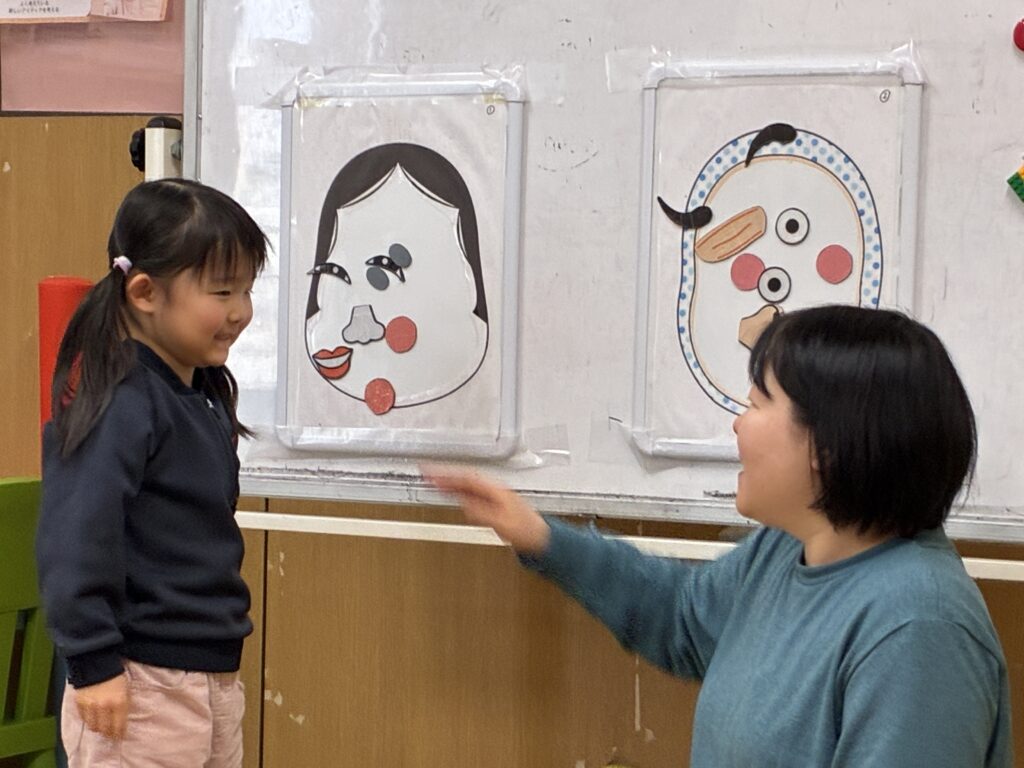
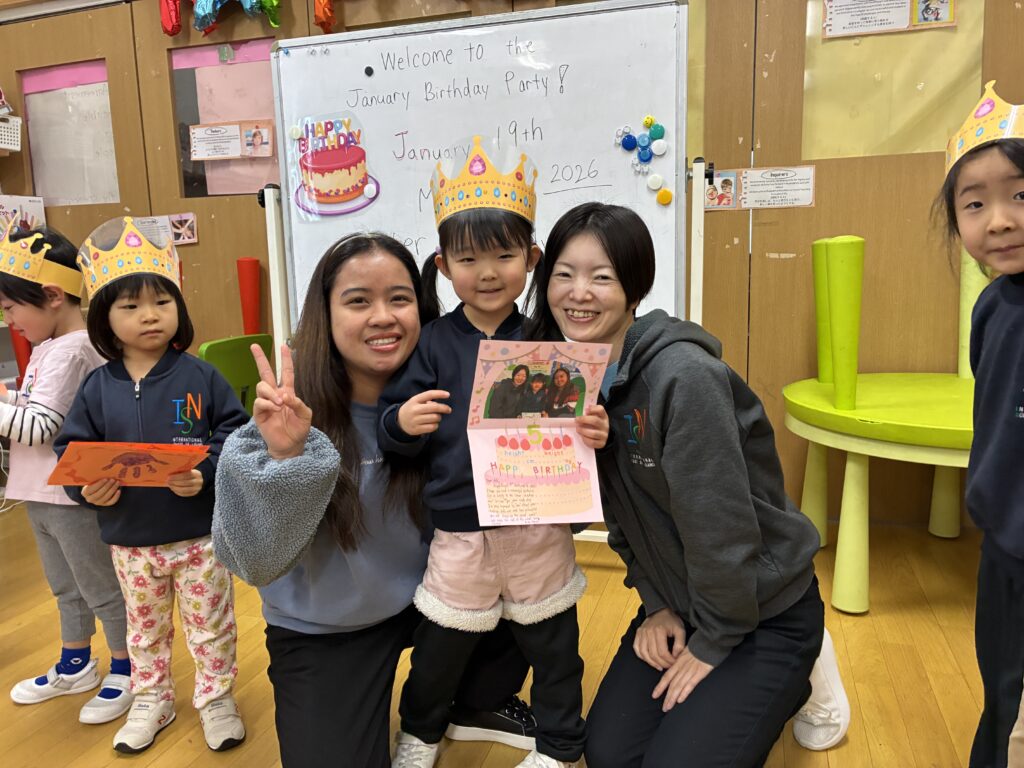
Our Monday began with a very fun birthday party for the January birthday boys and girls. The room was filled with laughter as the celebrants played a traditional Japanese New Year game called Fukuwarai. They did their best to create perfect faces, but while wearing blindfolds, they ended up making very funny ones instead. This made everyone laugh, which is the main purpose of the game—bringing joy and laughter to everyone. One of our friends turned 5 years old this week. Happy, happy birthday! 🎉🎂
月曜日は、1月生まれのお友だちのお誕生日会からスタートしました。教室は笑い声でいっぱいになり、誕生日のお友だちは日本の伝統的なお正月遊び「福笑い」を楽しみました。目隠しをして顔を完成させようと頑張りましたが、出来上がった顔はとてもユニークで、みんな大笑いでした。福笑いの目的は、まさに「笑いと幸せをみんなで分かち合うこと」です。SSクラスでも一人のお友達が5歳になりました。お誕生日おめでとう!🎉🎂
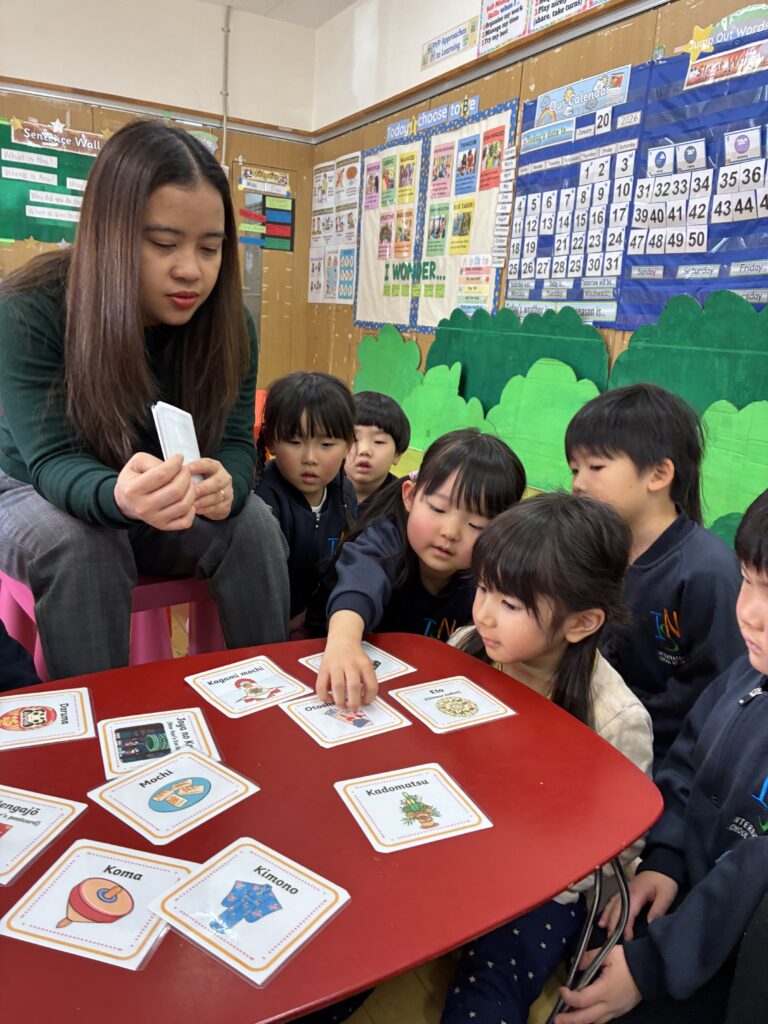
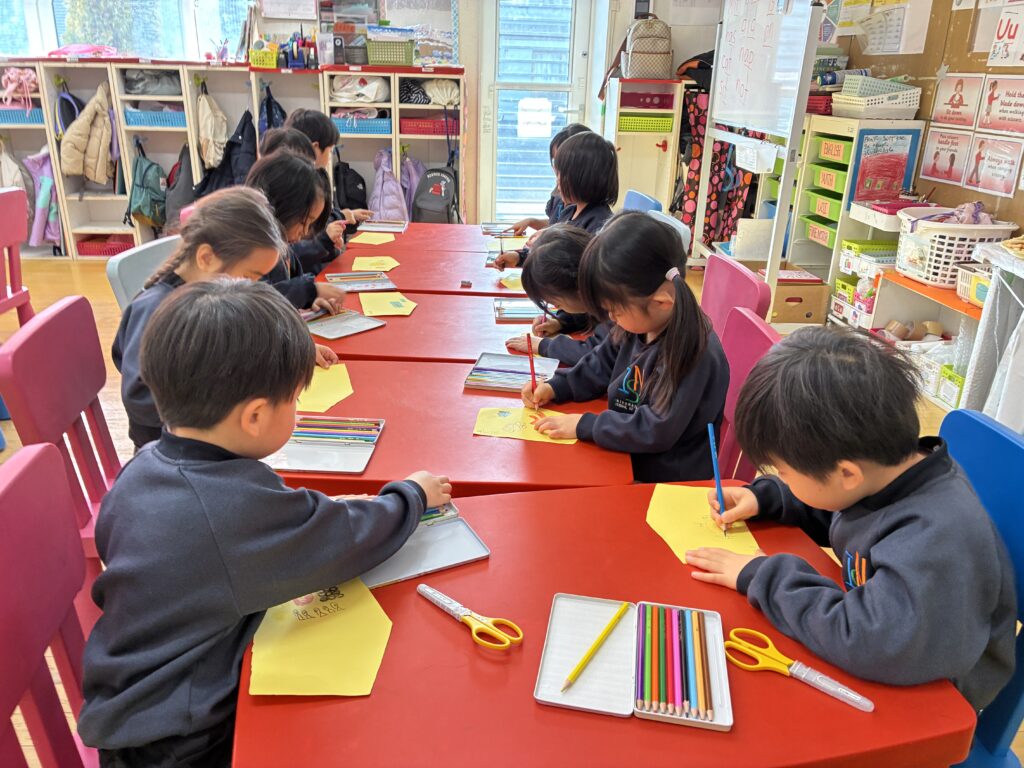
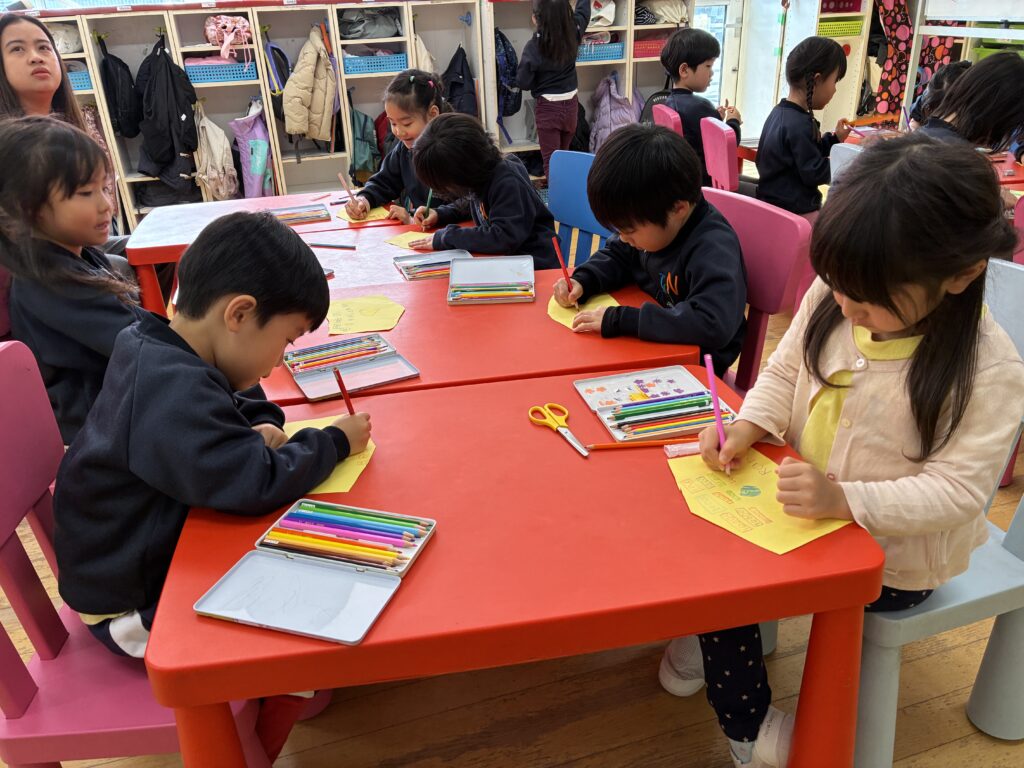
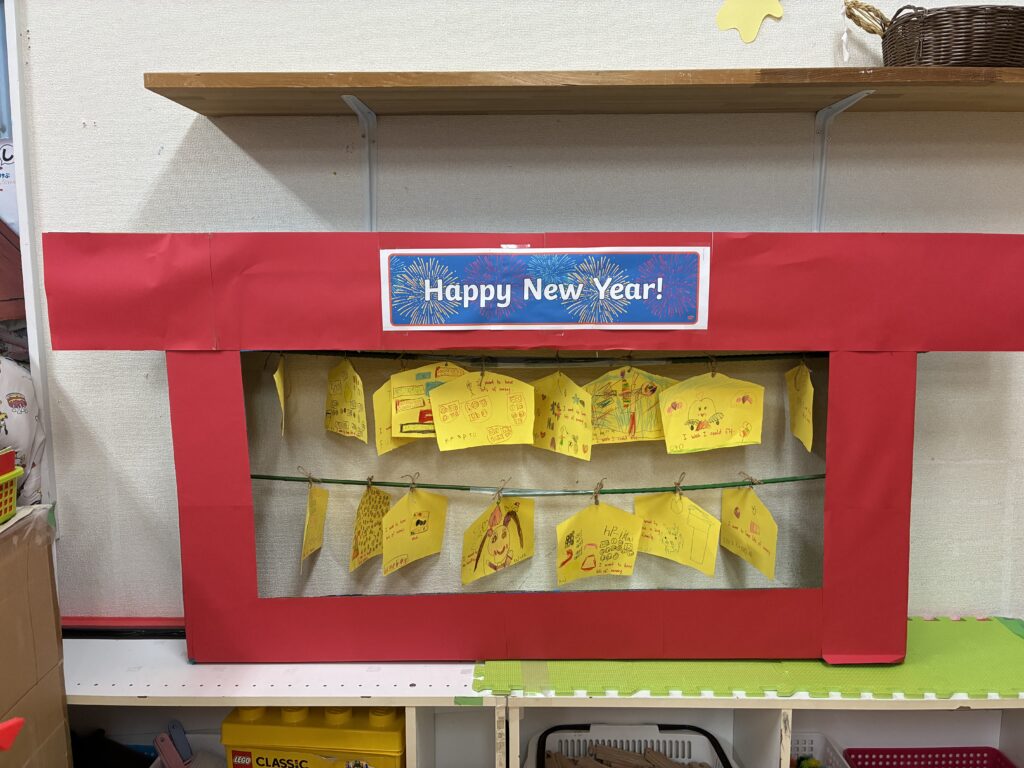
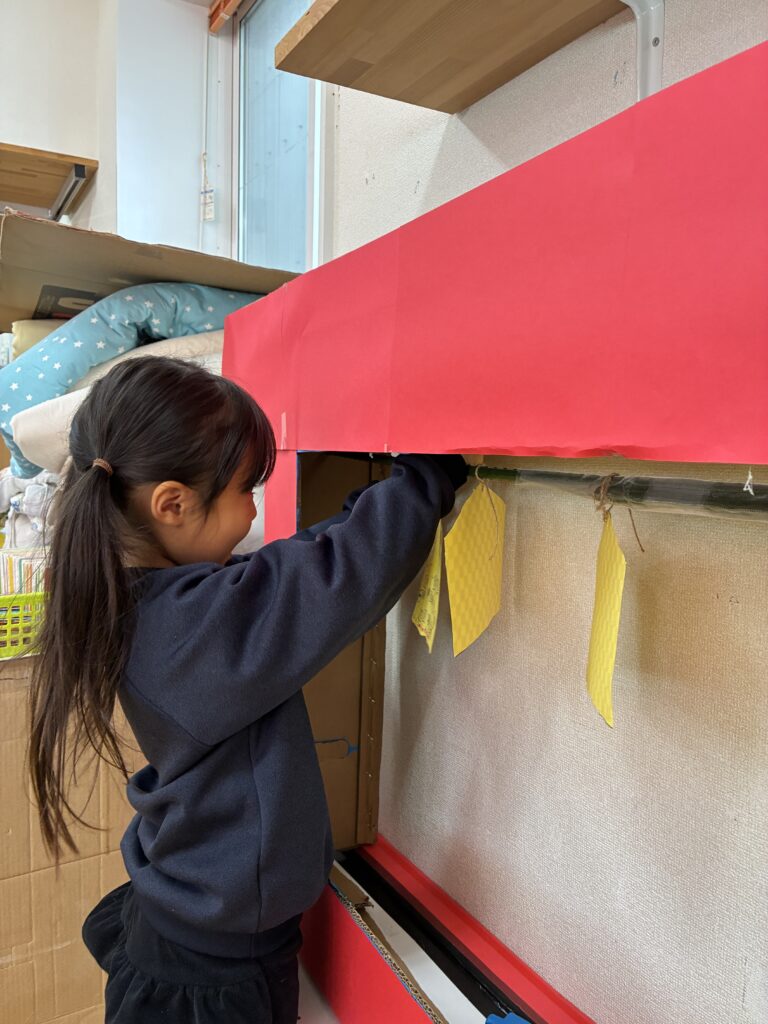
Our UOI Japanese New Year exploration continued as we learned why Japanese people eat osechi during the New Year. We were amazed to discover that each food represents a special meaning or wish. Afterward, the students shared their own wishes for the New Year, wrote them on paper ema, and hung them on a DIY shrine in the classroom. Inspired by kurikinton, one of the foods in osechi, many students wished, “I want to have lots of money.”
UOIでのお正月探究では、日本の人々がなぜお正月におせち料理を食べるのかについて学びました。一つひとつの料理に特別な意味や願いが込められていることを知り、子どもたちはとても驚いていました。その後、新年の願い事を考え、紙の絵馬に書いて、教室に作った手作り神社に飾りました。おせち料理の一つである「栗きんとん」に影響を受けて、「お金がたくさんほしいです!」という願いを書いた子もたくさんいました。
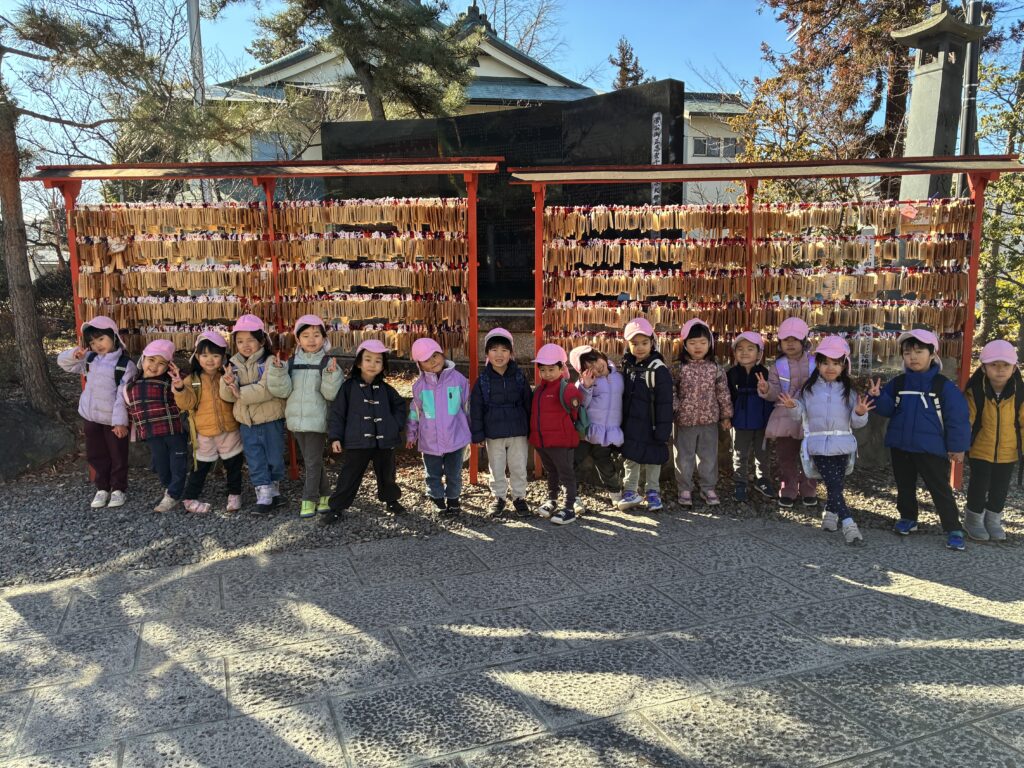
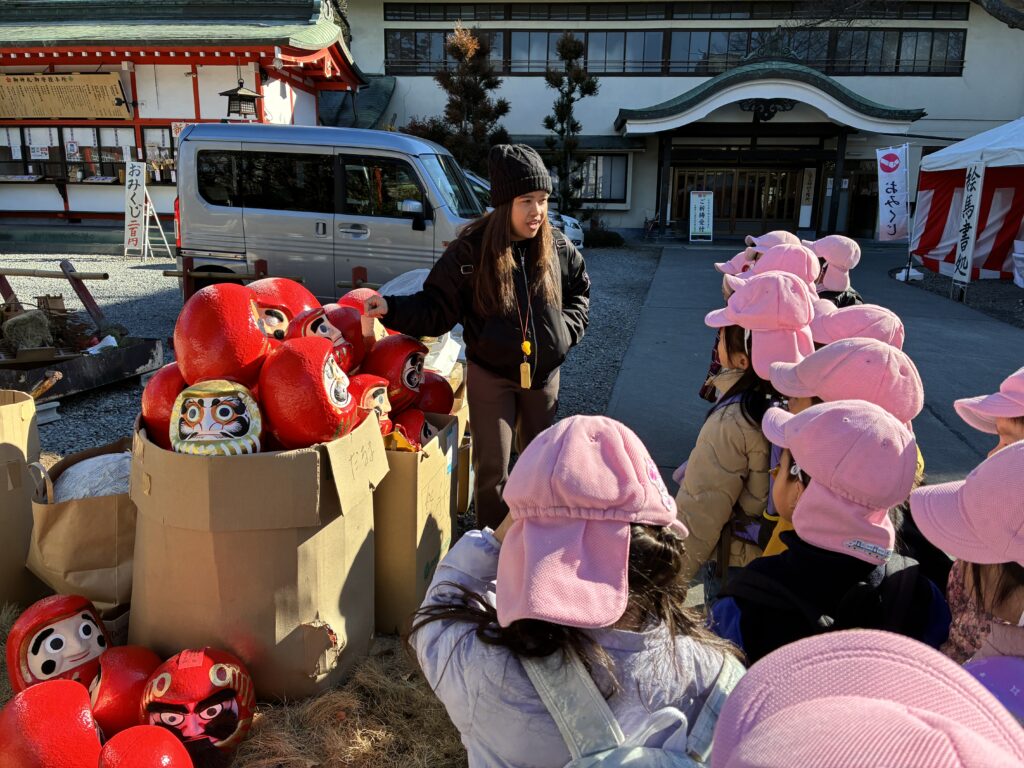
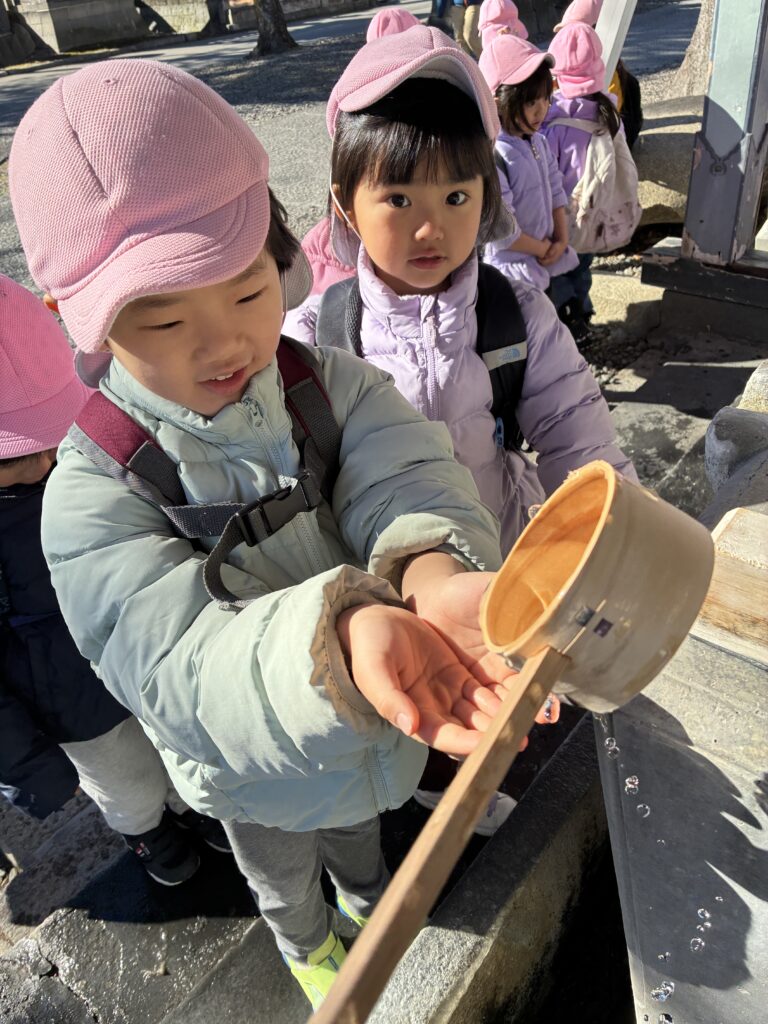
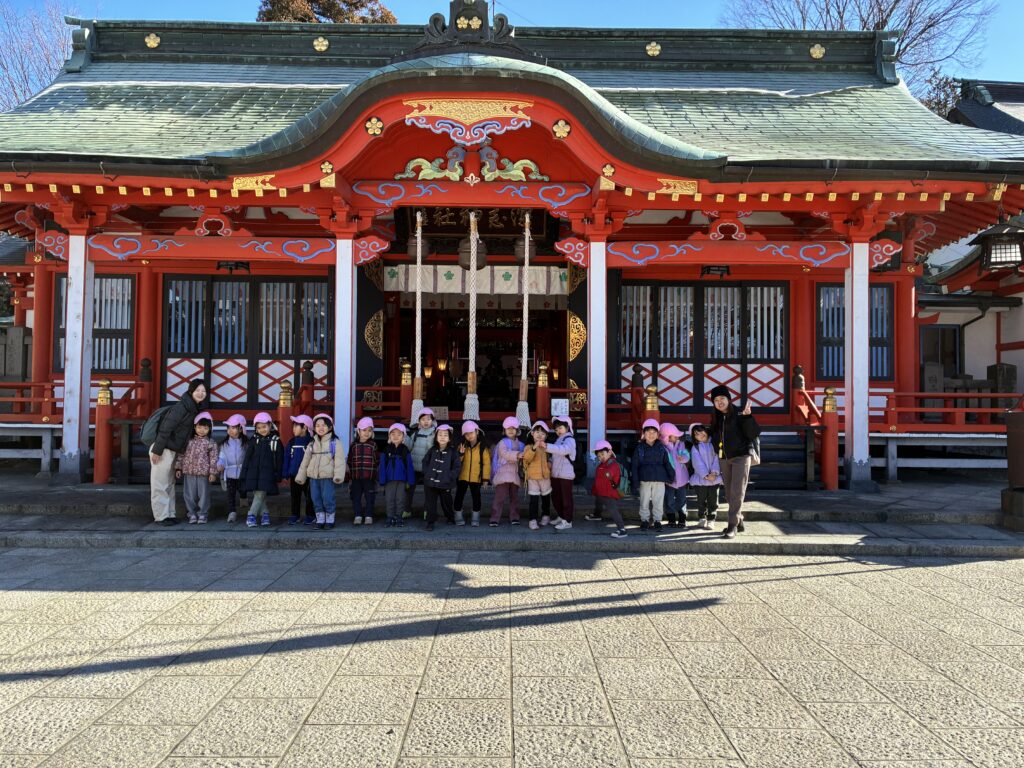
On Wednesday, we visited a shrine to observe what it looks like and what people do there. We saw many daruma and other New Year–related objects and talked about their meanings. We also found many ema and saw people praying as they did hatsumode. It was truly a wonderful experience to see in real life what we had previously learned only in the classroom and from books.
水曜日には、神社を訪れ、実際の様子や人々の行動を観察しました。たくさんのだるまやお正月に関する飾りを見て、それぞれの意味について話し合いました。また、多くの絵馬や初詣をしている人々の姿も見ることができました。これまでお部屋の中や本の中で学んできたことを、実際に目で見て体験できたことは、本当に素晴らしい経験でした。
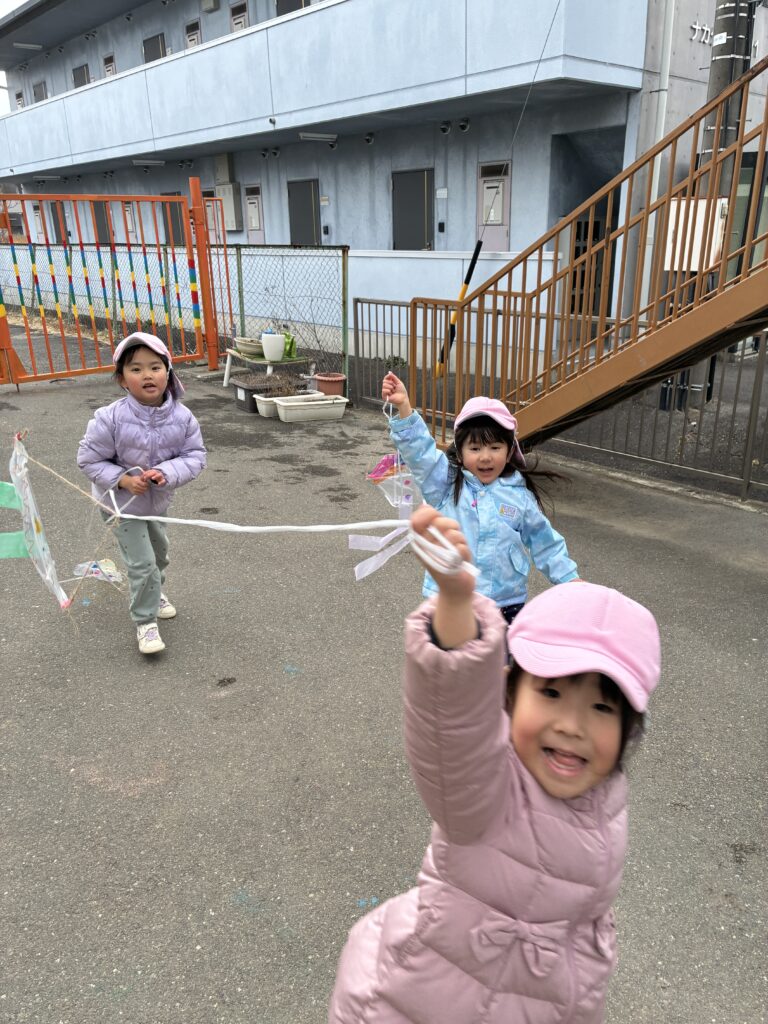
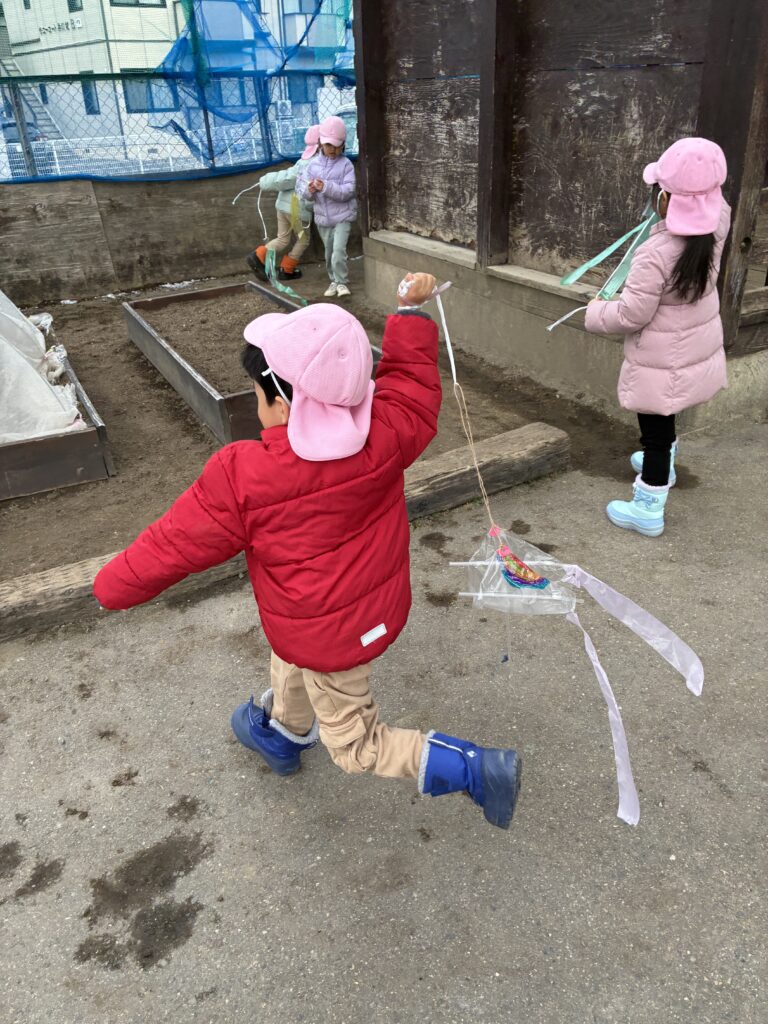
Last week, we remembered that many students wanted to try making or flying a kite next New Year—so we thought, why not do it now? The Shooting Star students made their own kites for the first time and enjoyed flying them outside. Kite flying is also a traditional Japanese New Year activity, and it was really fun to experience it together.
先週、「来年のお正月に凧を作ったり、凧揚げをしてみたい!」という声が多くあったので、「それなら今やってみよう!」ということになりました。Shooting Starクラスの子どもたちは、初めて自分たちで凧を作り、外で凧揚げを楽しみました。凧揚げも日本のお正月の伝統的な遊びの一つで、みんなで一緒に体験できてとても楽しかったです。
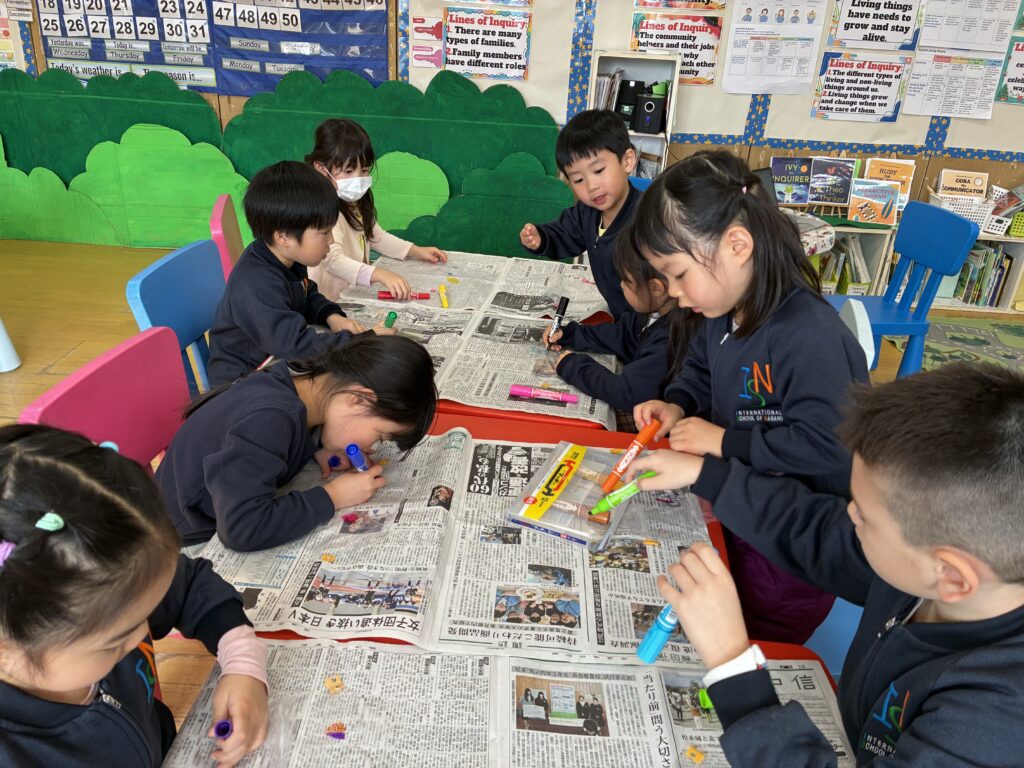
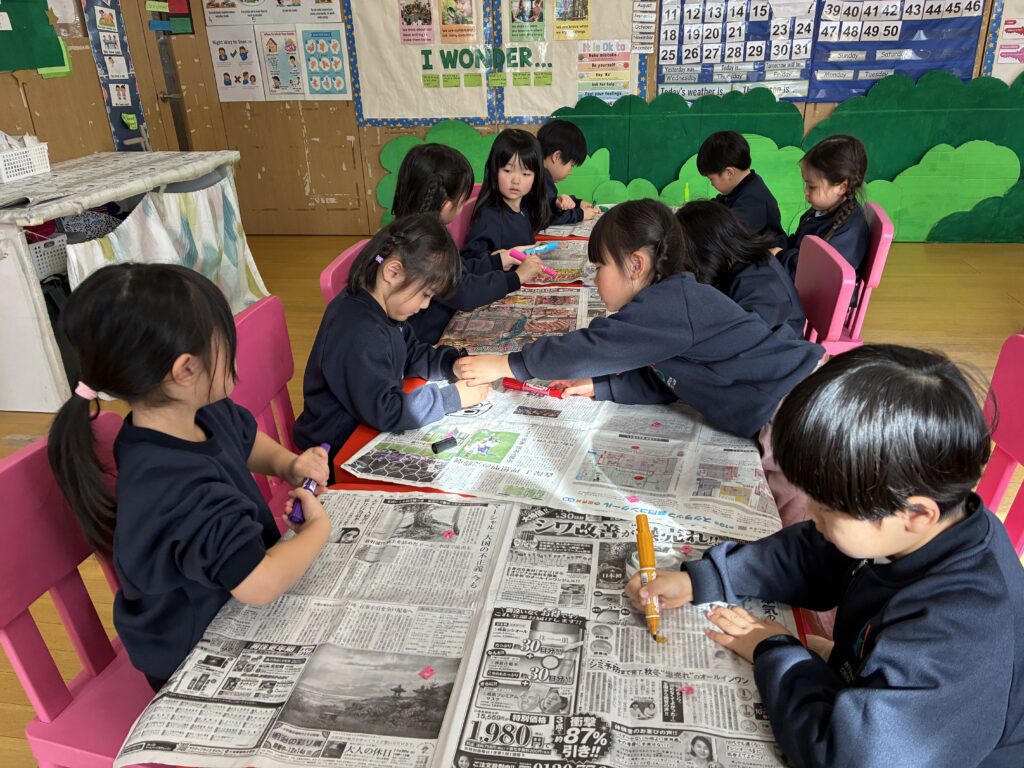
As we prepare to talk about celebrations around the world, we thought it would be a great idea to learn other languages through singing. Everyone is enjoying Spanish songs about the months of the year, the days of the week, and counting from 1 to 10. Even though we just started last week, many students are already remembering the Spanish words! We also have a friend who is half Japanese and half Thai, which sparked our interest in learning Thai. We have begun learning how to count from 1 to 10 in Thai as well. Next week, we will continue learning about Japanese celebrations, such as Setsubun and birthdays.
これから世界のさまざまなお祝いについて学ぶにあたり、歌を通して他の言語にも触れてみようということになりました。現在は、月・曜日・1から10までの数を学べるスペイン語の歌を楽しんでいます。始めたばかりですが、すでにたくさんの子どもたちがスペイン語の言葉を覚え始めています。また、日本とタイのハーフのお友だちがいることから、タイ語にも興味が広がり、1から10までの数え方を学び始めました。来週は、節分や誕生日など、日本のさまざまなお祝いについて引き続き学んでいきます。
Thank you for reading about our exciting week of learning and exploration. We wish you a relaxing and happy weekend, and we look forward to sharing more experiences with you next week!
今週の学びと探究の様子をお読みいただき、ありがとうございました。どうぞリラックスした素敵な週末をお過ごしください。また来週、子どもたちの新しい経験をお伝えできることを楽しみにしています。
