Our new Unit of Inquiry, Sharing the Planet, has begun with an exciting exploration of ecosystems. Our Central Idea is: Relationships within ecosystems influence the survival and well-being of living things.
This week, students started investigating Line of Inquiry 1: Ecosystems contain living and non-living elements that interact with one another.
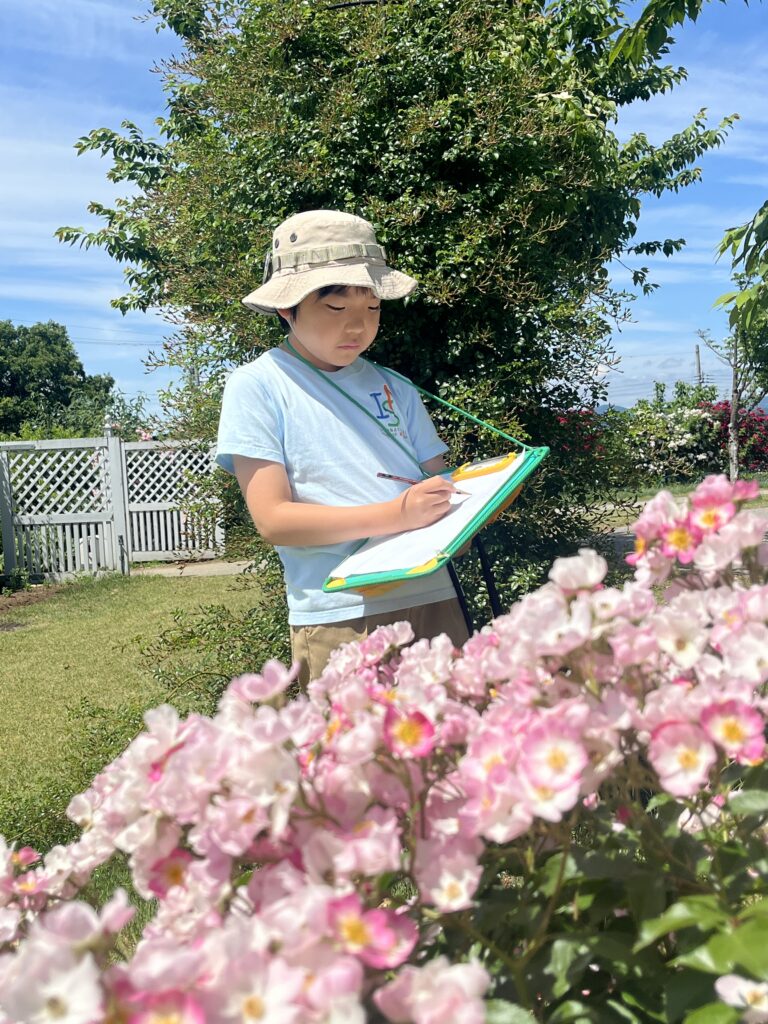
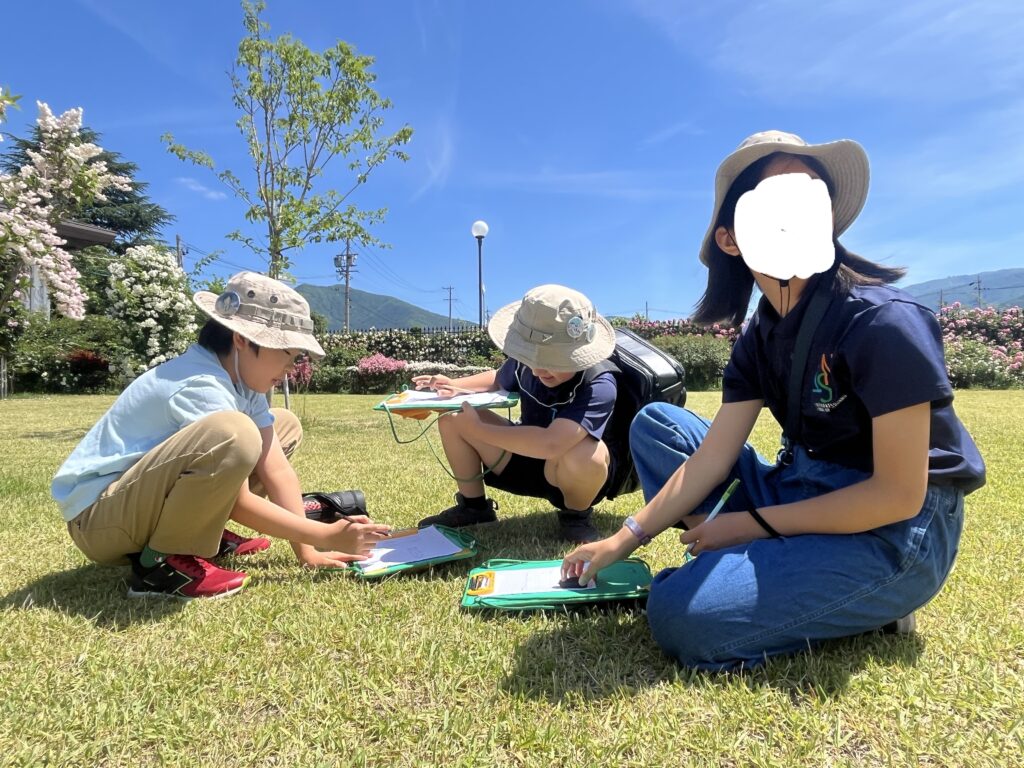
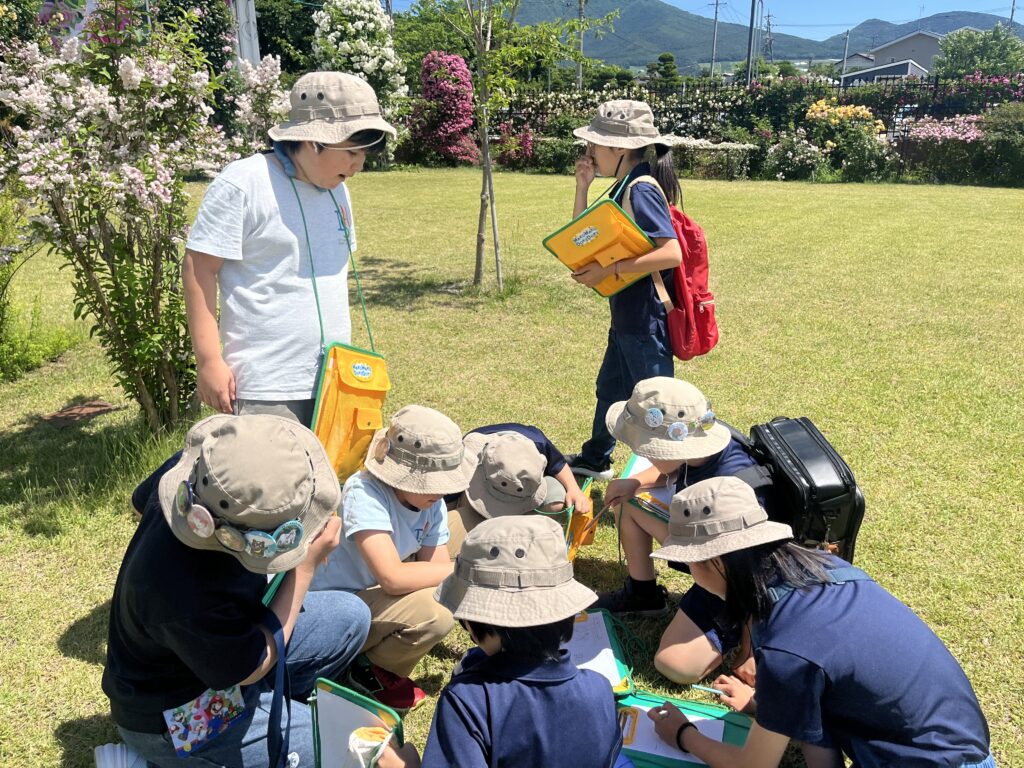
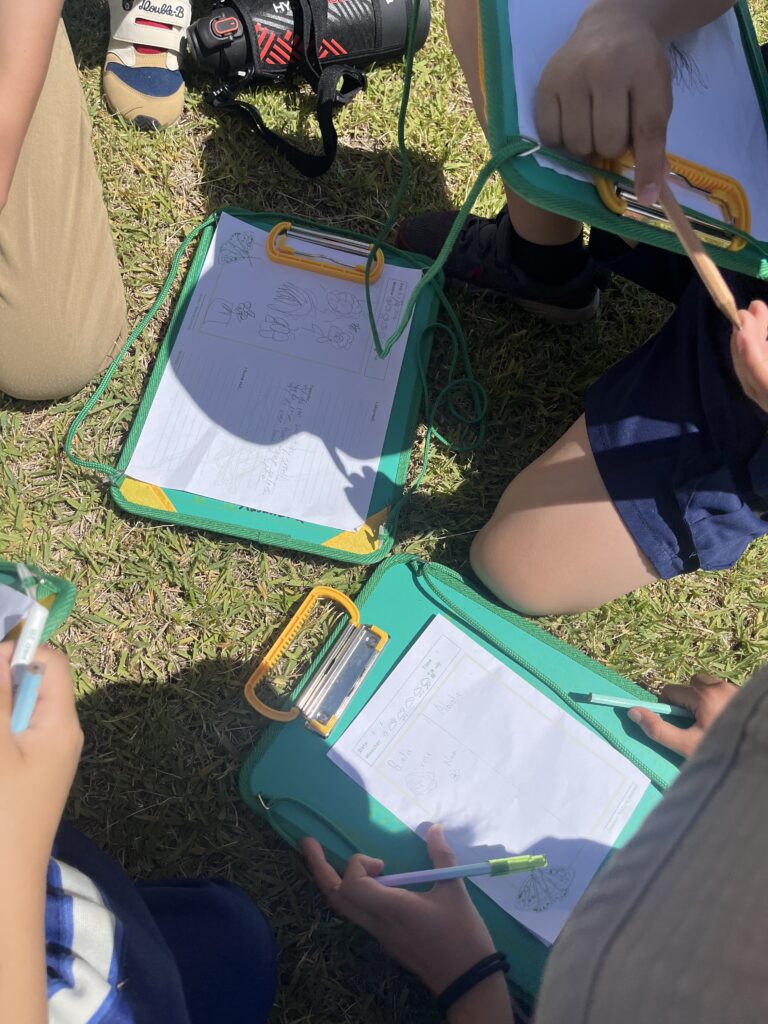
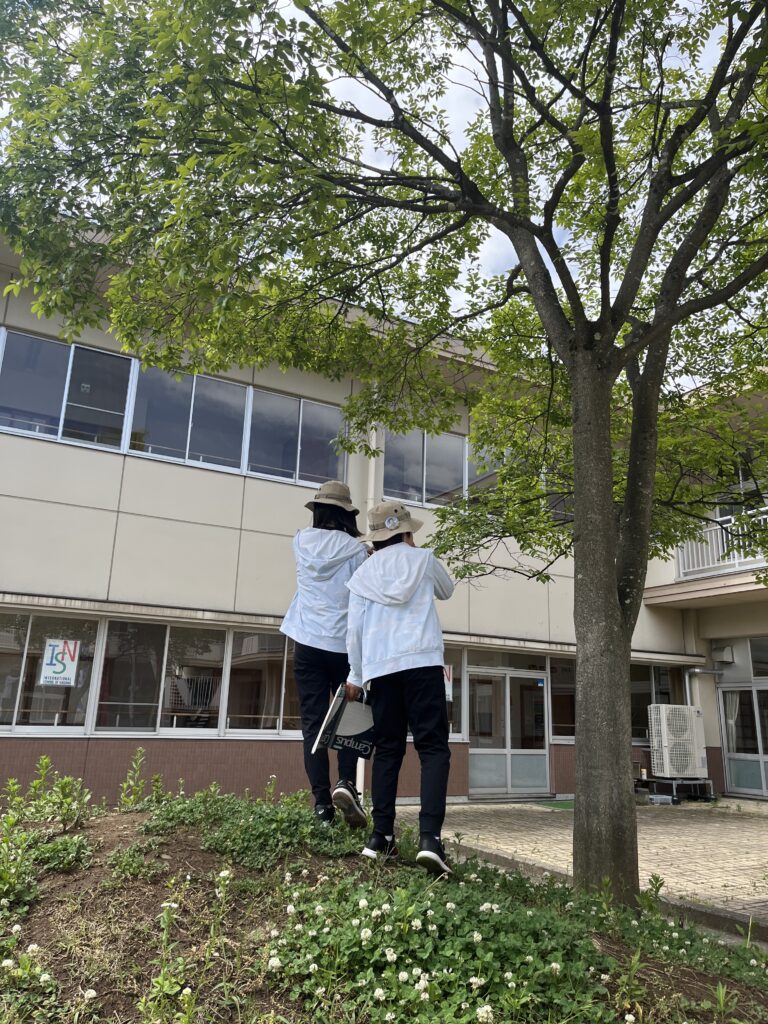
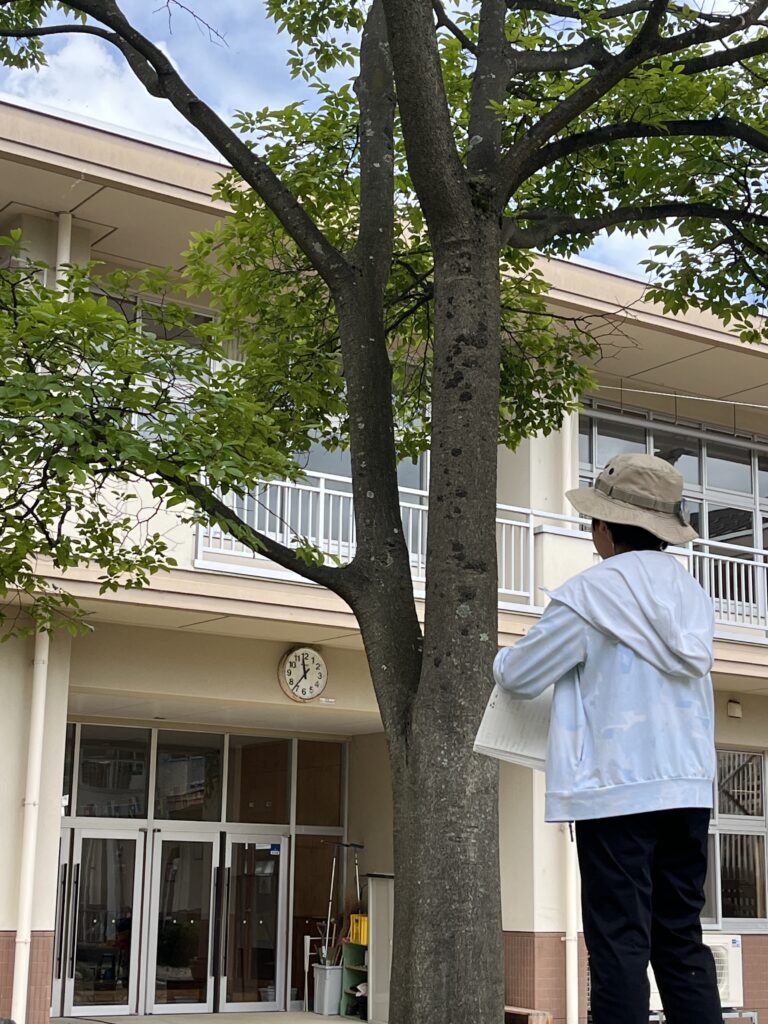
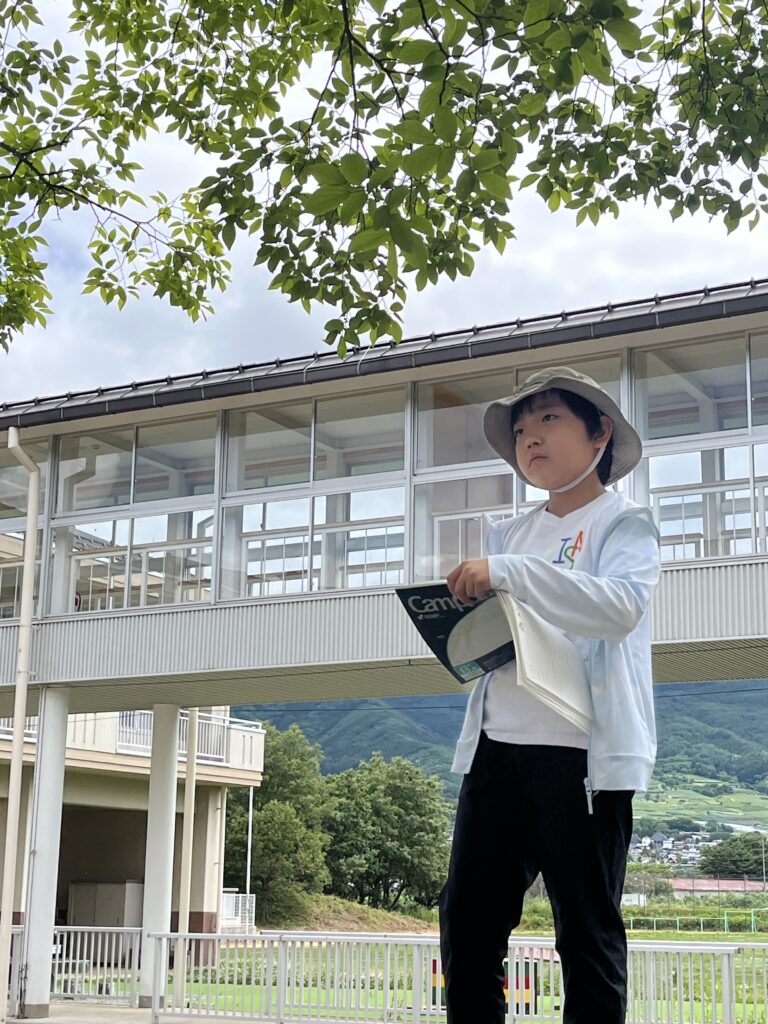
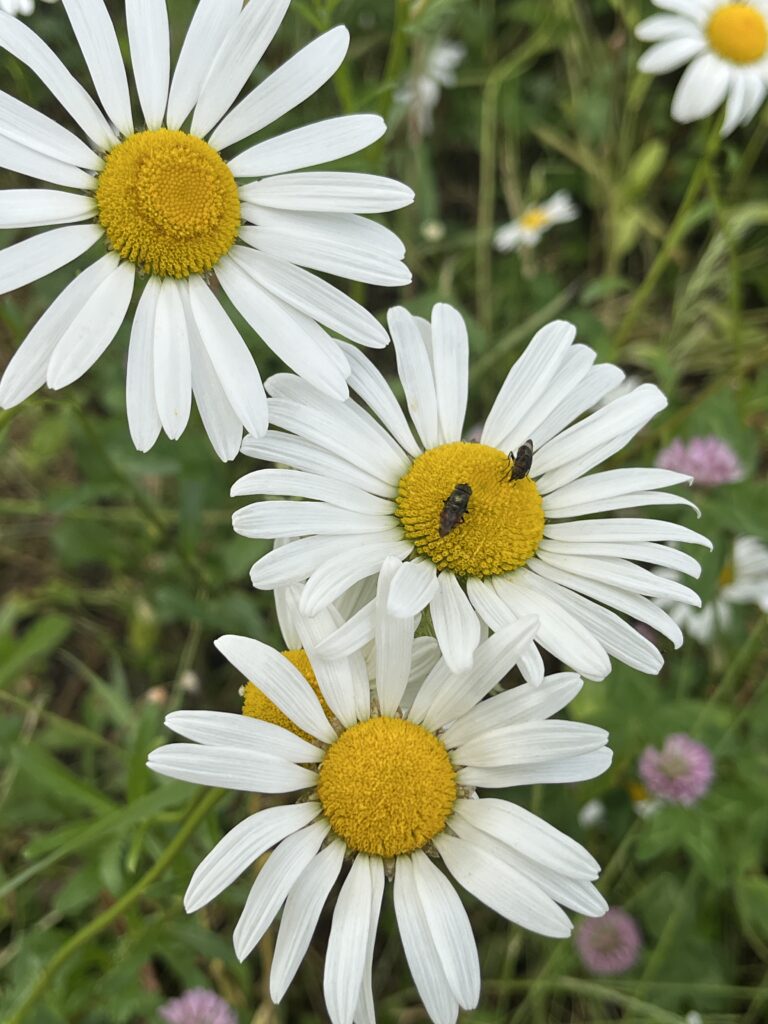
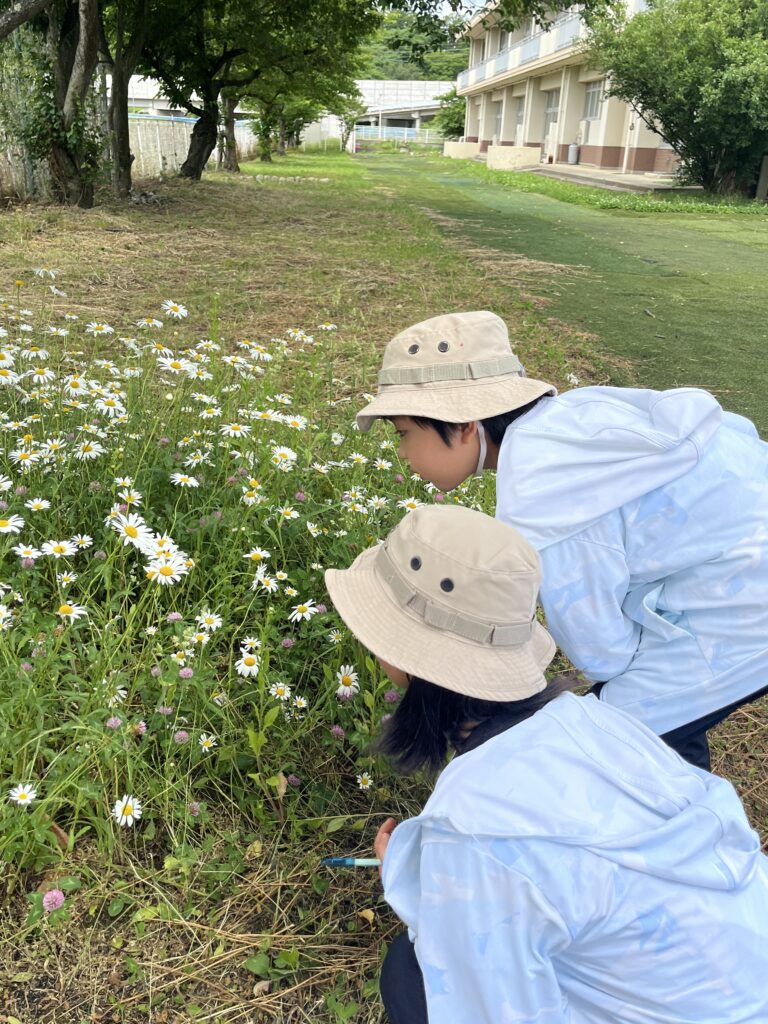
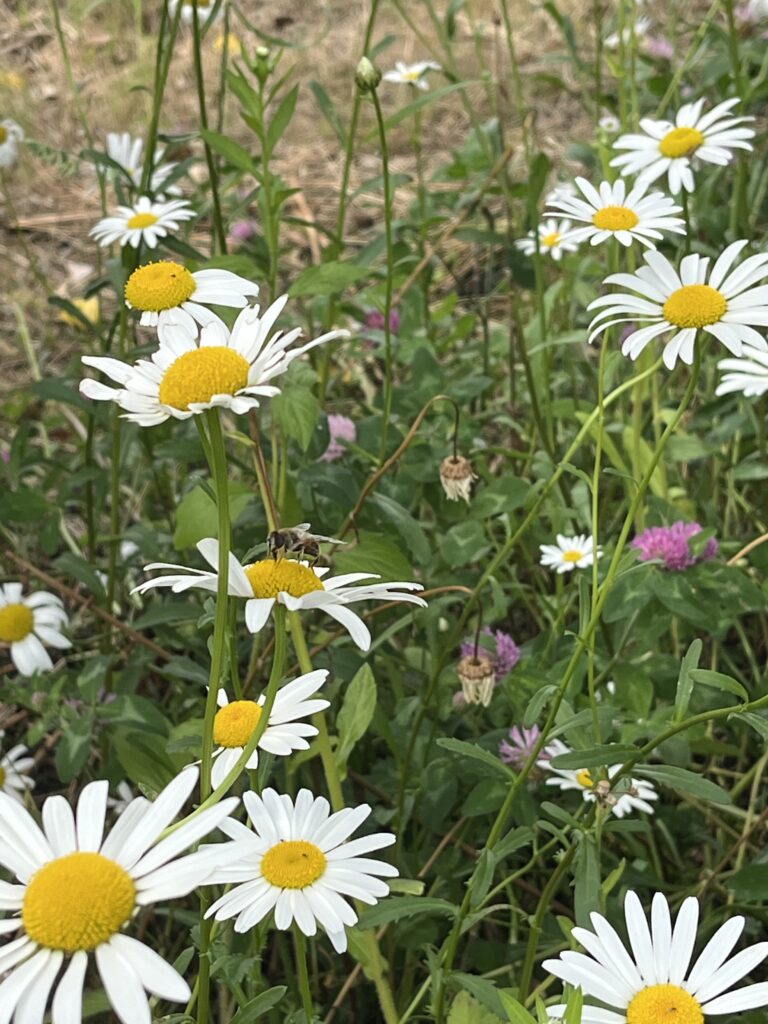
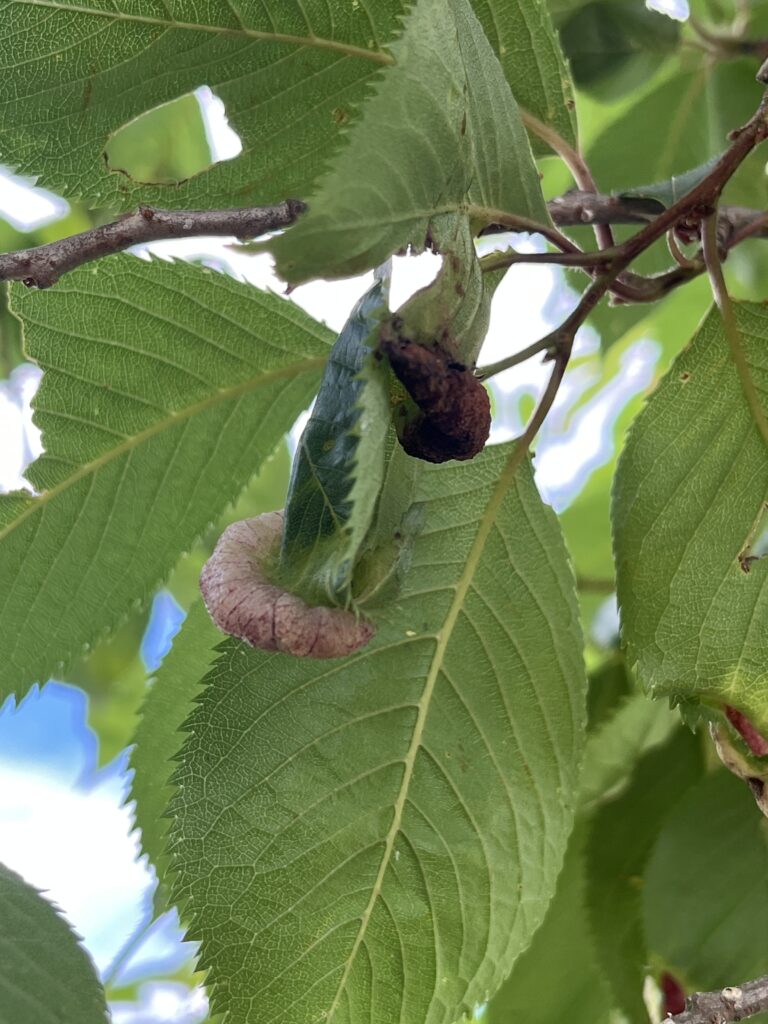
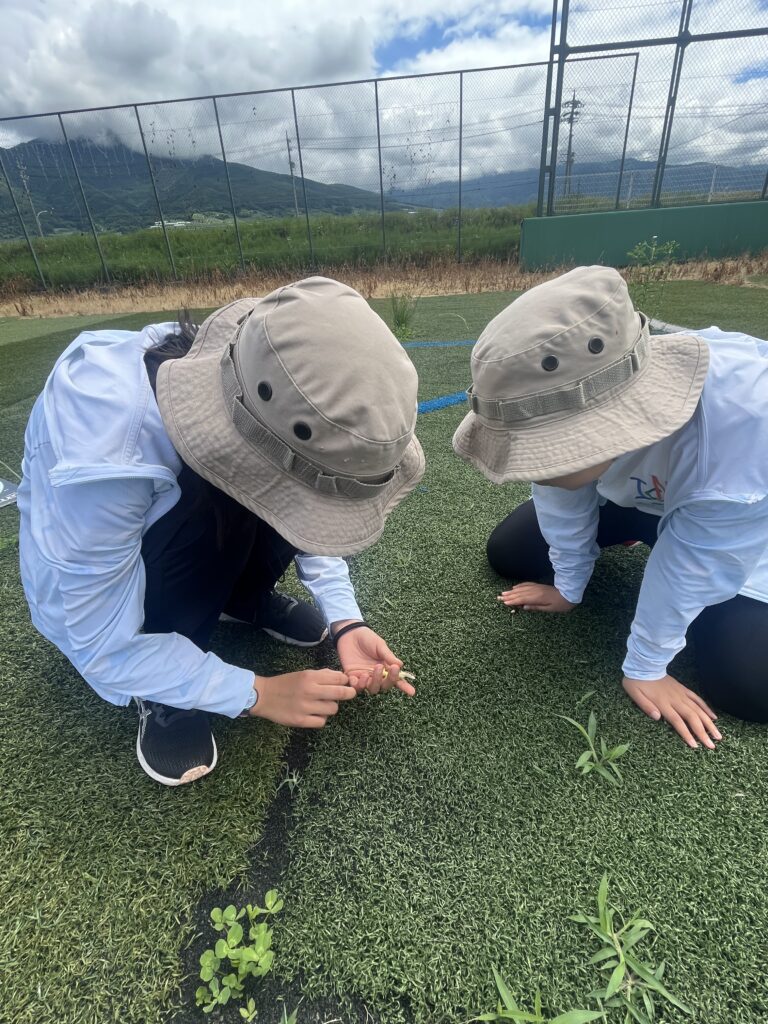
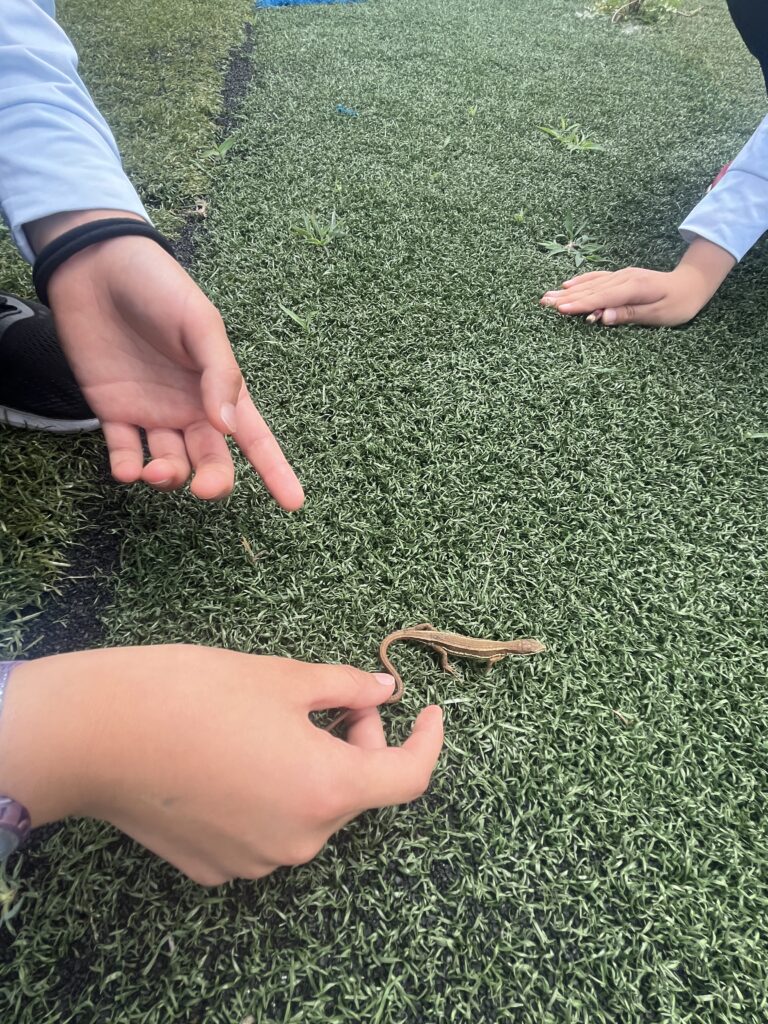
To tune in to the unit, we took our learning outside and explored the school grounds. Students carefully observed their surroundings and identified examples of biotic (living) and abiotic (non-living) elements within our local ecosystem. They found plants, insects, trees, and grass, while also recognizing the importance of sunlight, air, soil, rocks, and water.
As they explored, students discussed how living things depend on non-living elements to survive. They began making connections between organisms and their environment, noticing that ecosystems are made up of many interacting parts. These observations led to thoughtful questions and sparked curiosity about how ecosystems function.
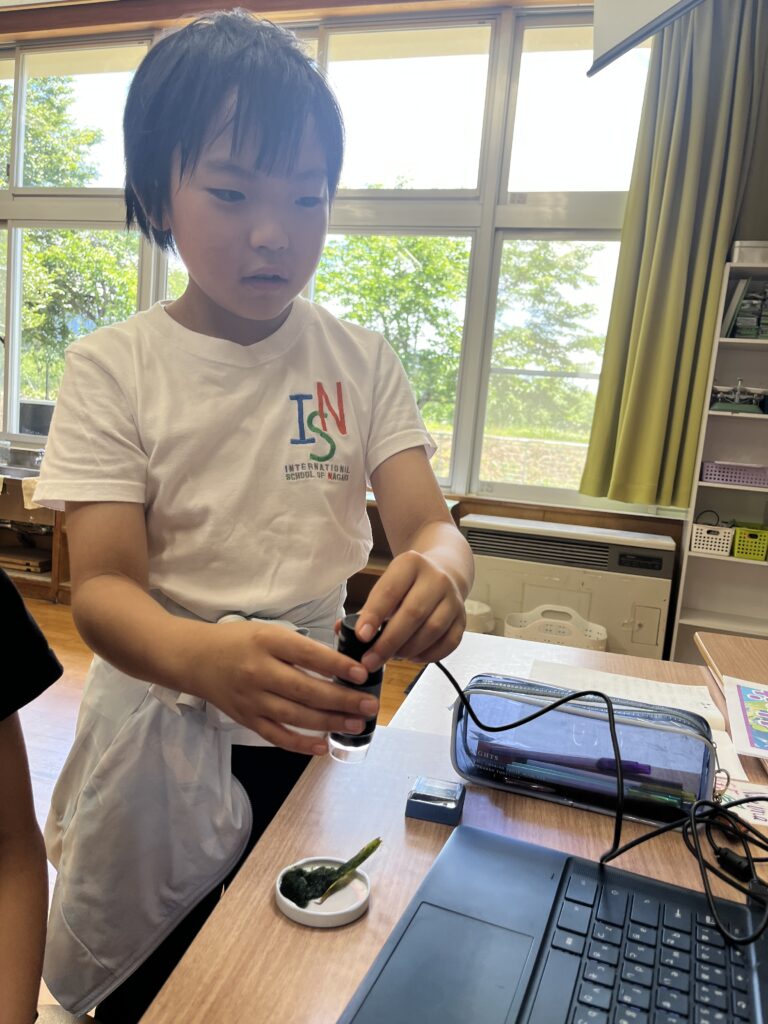
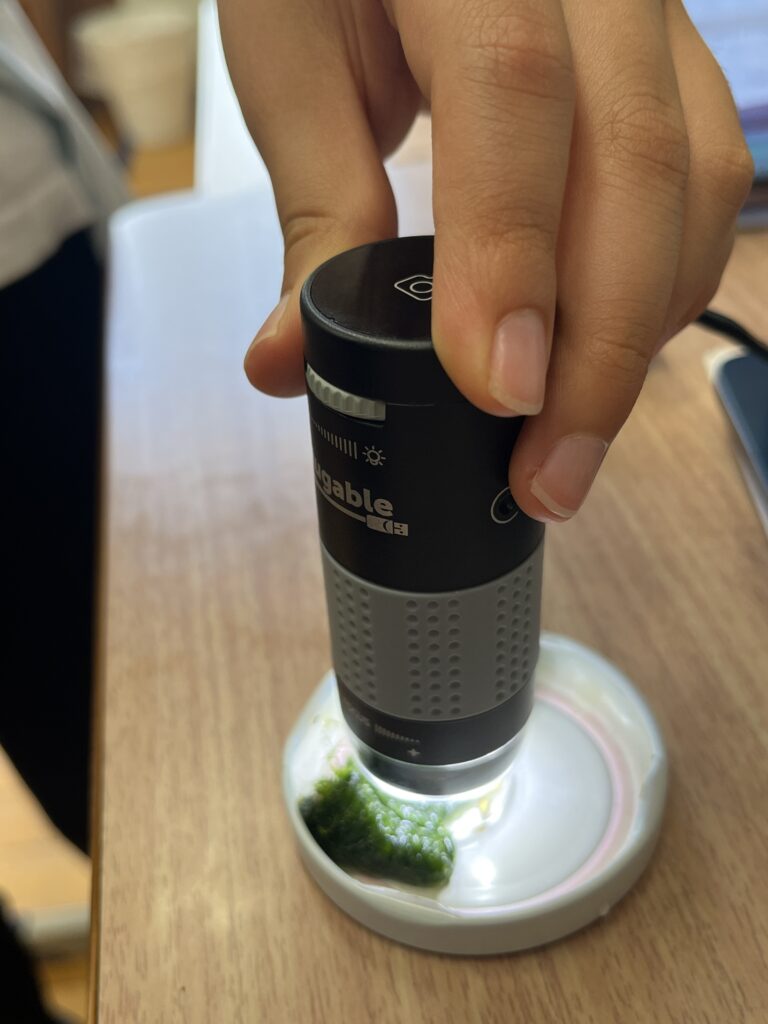
Our inquiry continued with a closer investigation of algae. Students collected a sample and examined it using a digital microscope.
Next week, we will continue our inquiry by exploring the interactions between biotic and abiotic elements in greater depth and investigating how these relationships affect the survival and well-being of living things.
私たちの新しい探究ユニット 「Sharing the Planet(地球を共有する)」 では、生態系についてのわくわくする探究が始まりました。今回のセントラルアイデアは、
「生態系の中の関係性は、生き物の生存と健康に影響を与える。」
です。
今週は、探究の視点1(Line of Inquiry 1):「生態系には、互いに関わり合う生物的要素と非生物的要素が存在する」 について学び始めました。
ユニットの導入として、校内を散策しながら学習を行いました。子どもたちは周囲を注意深く観察し、地域の生態系の中にある**生物的要素(生きているもの)と非生物的要素(生きていないもの)**を見つけました。植物や昆虫、木、草などを観察する一方で、太陽光、空気、土、岩、水といった非生物的要素の大切さについても考えました。
観察を進める中で、子どもたちは生き物がどのように非生物的要素に依存して生きているのかについて話し合いました。そして、生き物と環境とのつながりに気づき、生態系が多くの要素の相互作用によって成り立っていることを理解し始めました。これらの観察は、子どもたちにさまざまな疑問を生み出し、生態系の仕組みについてもっと知りたいという好奇心を高めました。
探究はさらに続き、藻類(そうるい)について詳しく調べました。子どもたちはサンプルを採取し、デジタル顕微鏡を使って観察しました。普段は見ることのできない小さな生き物の世界に触れ、多くの発見をすることができました。
来週は、生物的要素と非生物的要素の相互作用についてさらに深く探究し、それらの関係が生き物の生存や健康にどのような影響を与えるのかを学んでいきます。
A Visit to Ippongi Park
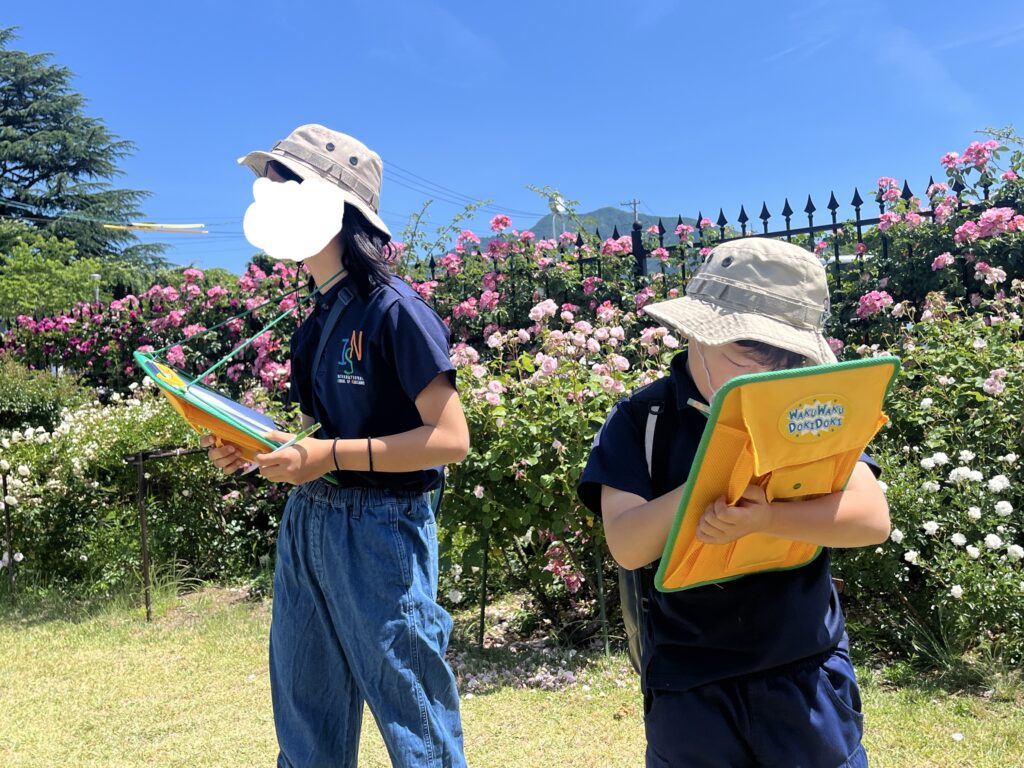
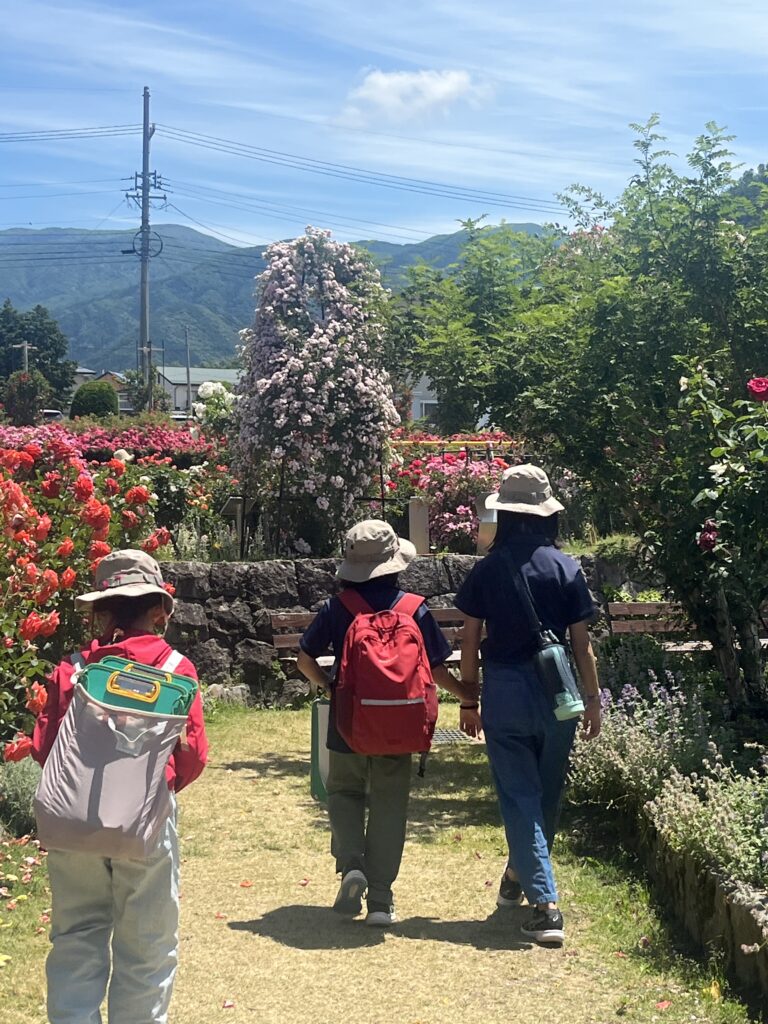
As part of our exploration of ecosystems, we also visited Ippongi Park to observe nature in a different environment. Students enjoyed walking through the beautiful rose garden, where they had the opportunity to see and smell a wide variety of roses. The different colors, shapes, and fragrances sparked curiosity and encouraged students to appreciate the diversity of living things within an ecosystem.
During our visit, students observed how the roses, insects, soil, sunlight, and water all contribute to a healthy environment. This real-world experience helped them make connections between the biotic and abiotic elements we have been discussing in class.
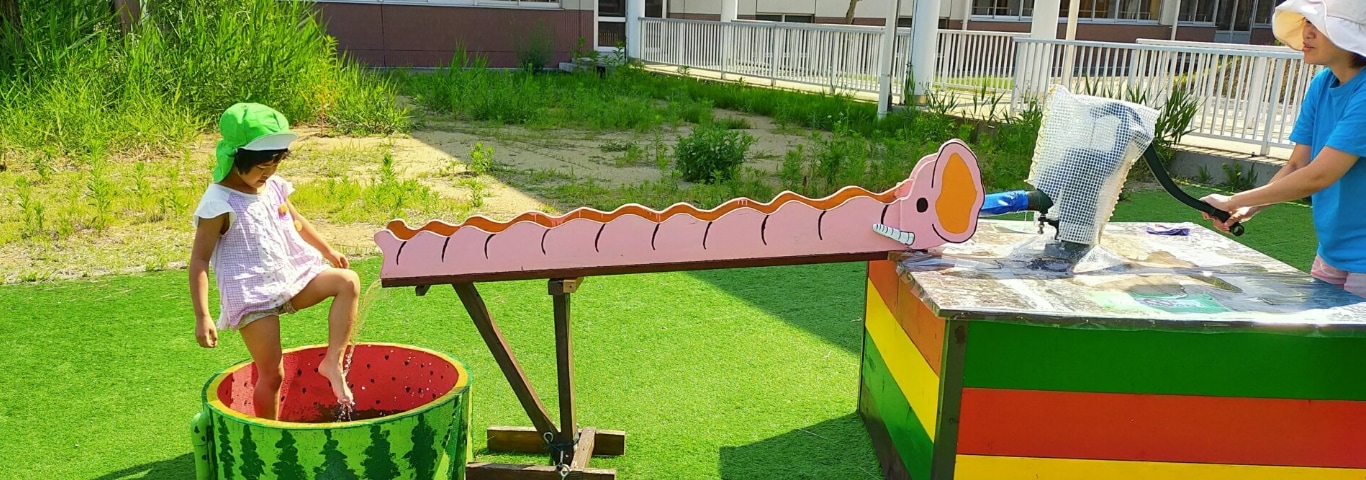
After exploring the garden, students had time to play at the playground. This was a wonderful opportunity to enjoy the outdoors, build friendships, and reflect on the day’s discoveries. The visit to the park provided a meaningful and memorable learning experience, allowing students to connect classroom concepts with the natural world around them.
一本木公園への校外学習
生態系についての探究の一環として、私たちは Ippongi Park を訪れ、普段とは異なる環境の自然を観察しました。子どもたちは美しいバラ園を散策し、さまざまな種類のバラを見たり香りを楽しんだりしました。色や形、香りの違いに触れることで、生態系の中に存在する生き物の多様性への関心を深めることができました。
見学中、子どもたちはバラや昆虫、土、太陽の光、水などがどのように健康な環境づくりに関わっているのかを観察しました。この実体験を通して、授業で学んでいる生物的要素(生きているもの)と非生物的要素(生きていないもの)のつながりについて理解を深めることができました。
バラ園の散策後は、遊具広場で楽しい時間を過ごしました。自然の中で体を動かしながら友達との交流を深め、その日に発見したことを振り返る良い機会となりました。
今回の公園訪問は、教室で学んだ内容と実際の自然環境を結び付けることができる、意義深く思い出に残る学習体験となりました。