The holiday season is here! It is a time of celebration, of family, and of looking forward to the new year. Happy holidays to you all!
We often talk about how we’re building our Middle School curriculum around inquiry-based education. But, new incoming parents have asked, what does that mean? I went to Mr. Igor, a member of our MS team here at ISN, for answers to this and related questions.
- What is “inquiry-based education?”
Inquiry-based education is an approach to learning that places students at the center. They ask questions, explore, reflect, do things on their own, and learn by doing. It doesn’t focus on memorizing facts, but rather on discovering things on one’s own.
- How does it follow from ISN Elementary?
Being the first IB accredited Elementary school in Nagano prefecture, we feel like ISN is one of the schools at the helm of bringing an inquiry-based approach to our region. We don’t want to speak negatively of the traditional view on education that is still prevalent in most Japanese public schools, but we are very proud of what ISN has achieved and of our students. We want to bring those same ideas and approaches practiced within the Elementary school to the PIC program as well.
- How does it compare to the Japanese public junior high program?
An inquiry-based classroom can still cover the same curricula as traditional schools, it’s just that the way of learning is different. The student in an inquiry-based classroom is not tasked with memorizing facts and reproducing them to pass a test. Our goal is for students to become life-long learners. The first step towards that is having them discover their interests, the way they personally learn best, and their own personal goals.
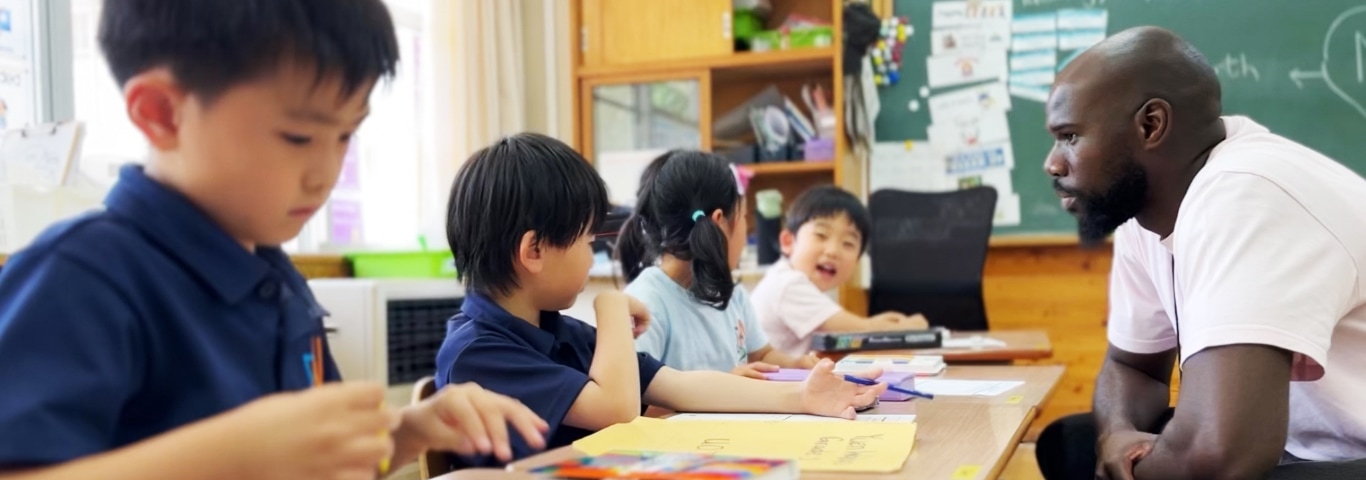
The teacher in an inquiry-based classroom acts as a facilitator of learning. They guide discussion and provide challenges for students. We approach each student individually based on their interests, their own way of learning and their goals, and make sure they are satisfied with the learning they do. Their understanding is assessed individually, at their own level.
Through this, the students come to see learning as an exciting adventure rather than a boring lesson, and they develop their problem-solving, communication, and independent thinking skills (among others) that make them grow into life-long learners.
- What is concept-based and project-based learning, and how do they link to inquiry-based learning?
Concept-based education and project-based education are closely connected to inquiry-based education because they both provide structures through which inquiry can happen. Concept-based education focuses inquiry on big, transferable ideas. Students explore concepts through guiding questions, seeing patterns and making connections across subjects and real-world contexts. Project-based education provides that context. Students investigate problems, ask questions, research, collaborate, and create an outcome they can reflect upon and be proud of.
- What does concept-based, project-based, inquiry-based learning mean to you?
I’m sure many of us don’t remember the facts we memorized during our time at school. For example, computer technology has changed drastically since I was a student. But, being interested in new things and knowing how to learn on my own has enabled me to follow the changes in technology that have taken place. It’s the same way with learning more about my interests or about the things I need in my day-to-day work – those weren’t taught at school to me directly either, but being ready to acquire new knowledge, and knowing how to do so, helped immensely.
– Thank you very much to Mr. Igor for sharing his knowledge and insights on inquiry-based learning. Have a wonderful holiday season everyone, and we’ll be back next month!
ホリデーシーズンがやってきました!
この時期は、お祝いのひとときであり、ご家族と過ごす時間であり、そして新しい年に思いをはせる季節でもあります。皆さま、どうぞ素敵なホリデーシーズンをお過ごしください。
さて、私たちはこれまで、ISNのミドルスクール(MS)カリキュラムが「探究型学習(Inquiry-based Education)」を軸に構築されていることをお伝えしてきました。しかし、新しく入学を検討されている保護者の方からは、「それは具体的にどういう意味ですか?」というご質問をいただくこともあります。そこで今回は、ISNミドルスクールチームの一員であるイゴール先生に、この考え方や関連する質問についてお話を伺いました。
「探究型学習」とは何ですか?
探究型学習とは、学習の中心に生徒を置く学びのアプローチです。生徒自身が問いを立て、探究し、振り返り、自ら行動しながら「体験を通して学ぶ」ことを大切にします。事実を暗記することに重点を置くのではなく、自分自身で発見するプロセスを重視します。
ISN小学部から、どのようにつながっているのですか?
ISNは、長野県で最初にIB認定を受けた小学部です。私たちは、この地域に探究型学習を広めていく先導的な役割を担っていると感じています。現在も多くの日本の公立学校では、従来型の教育観が主流ですが、それを否定するのではなく、ISNがこれまでに築いてきた取り組みや、生徒たちの成長をとても誇りに思っています。エレメンタリースクールで実践してきた同じ考え方やアプローチを、PICプログラムにもつなげていきたいと考えています。
日本の公立中学校の教育と比べると、どう違いますか?
探究型の教室でも、従来の学校と同じカリキュラム内容を扱うことは可能です。ただし、学び方が異なります。探究型学習では、テストに合格するために事実を暗記して再現することが目的ではありません。私たちの目標は、生徒が「生涯にわたって学び続ける学習者」になることです。その第一歩として、生徒自身の興味関心、自分に合った学び方、そして個々の目標を見つけることを大切にしています。
探究型学習における教師の役割は、「学びの促進者(ファシリテーター)」です。教師は話し合いを導き、生徒に適切なチャレンジを提示します。生徒一人ひとりの興味や学習スタイル、目標に寄り添いながら学びを支え、その理解度も、それぞれのレベルに応じて個別に評価していきます。
こうした学びを通して、生徒たちは学習を「退屈な授業」ではなく「わくわくする冒険」として捉えるようになります。そして、問題解決力、コミュニケーション力、自立した思考力など、生涯学習者として成長するための力を身につけていきます。
- 概念型学習・プロジェクト型学習とは何ですか?また、探究型学習とどのようにつながっていますか?
概念型学習とプロジェクト型学習は、どちらも探究型学習と深く結びついています。これらは、探究が起こるための「枠組み」を提供するものです。
概念型学習では、教科を超えて応用可能な「大きな概念」に焦点を当て、問いを通してパターンを見つけたり、教科横断的・現実世界とのつながりを考えたりします。
プロジェクト型学習は、その探究の「場」を提供します。生徒は課題を調べ、問いを立て、調査・協働を行い、振り返りができる成果物を作り上げていきます。
- 概念型・プロジェクト型・探究型学習は、あなたにとってどのような意味を持っていますか?
私たちの多くは、学校時代に暗記した事実を今でも覚えているでしょうか。例えば、私が学生だった頃と比べて、コンピューター技術は大きく変化しました。それでも、新しいことに興味を持ち、自分で学ぶ方法を身につけていたことで、技術の進化に対応することができました。
これは、私自身の興味や日々の仕事に必要な知識についても同じです。それらは学校で直接教わったものではありませんが、新しい知識を身につける準備ができており、その方法を知っていたことが大きな助けとなりました。
Igor先生、探究型学習について貴重なお話をありがとうございました。
皆さま、どうぞ素晴らしいホリデーシーズンをお過ごしください。また来月のニュースレターでお会いしましょう!
