Hello everyone!
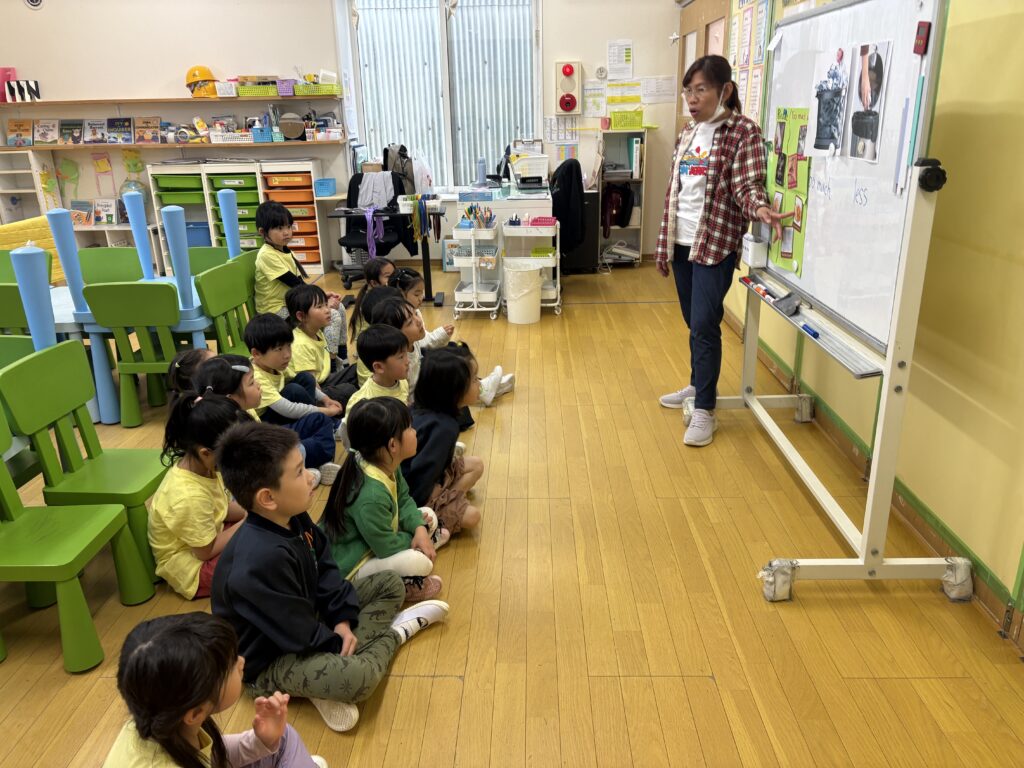
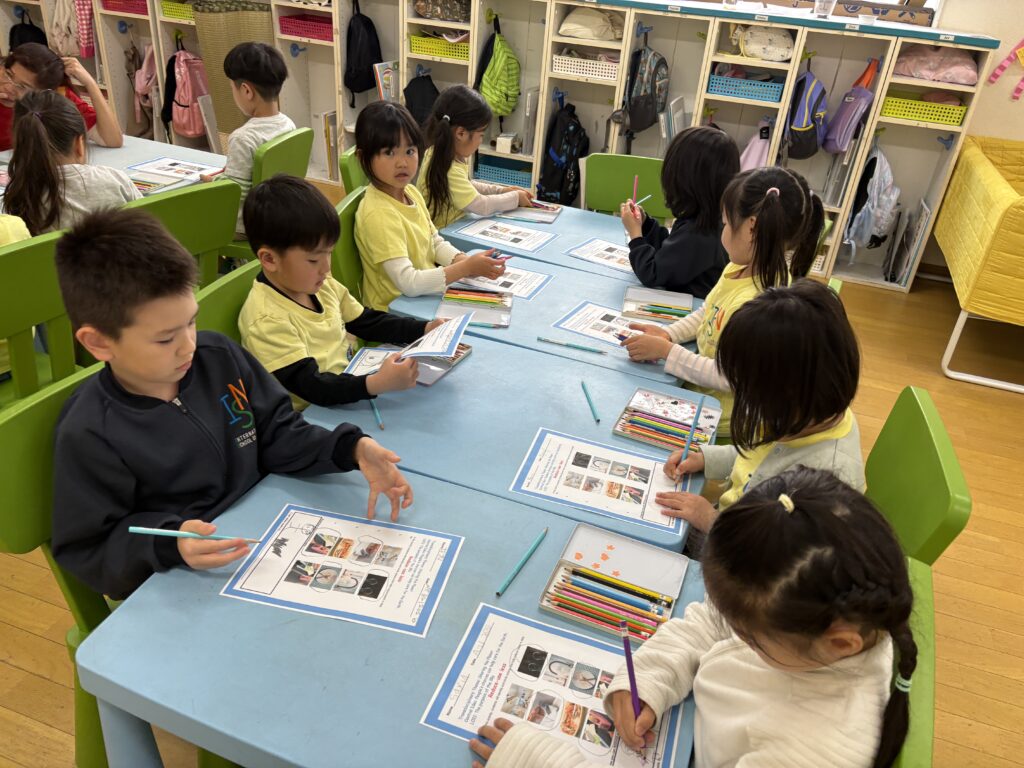
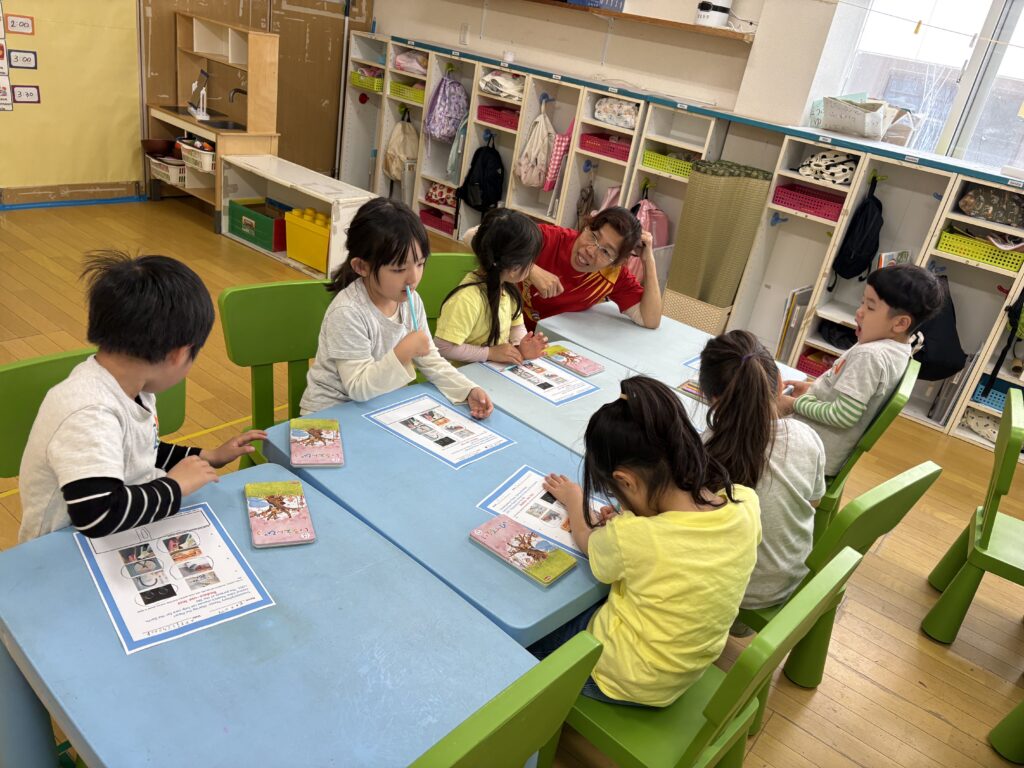
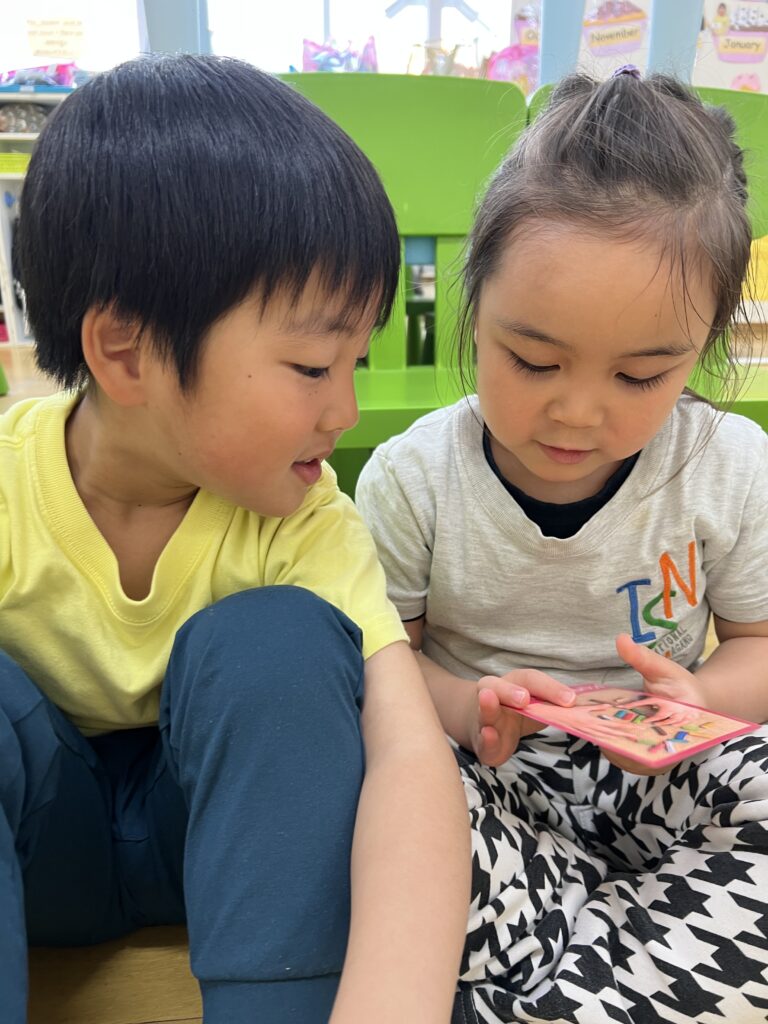
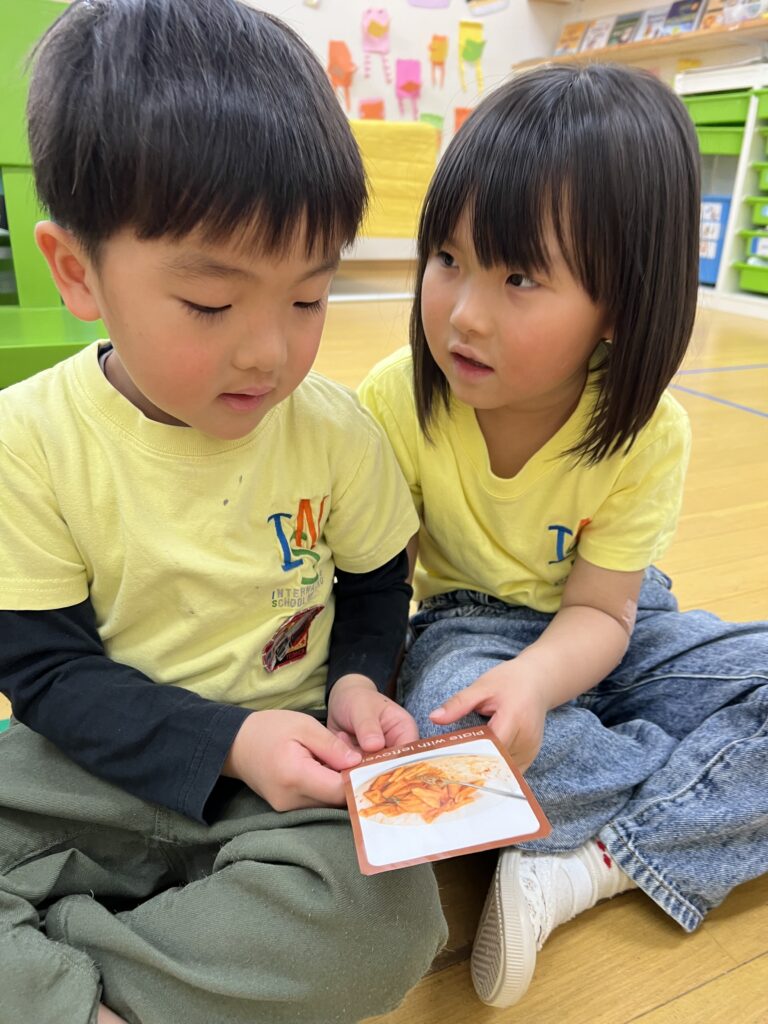
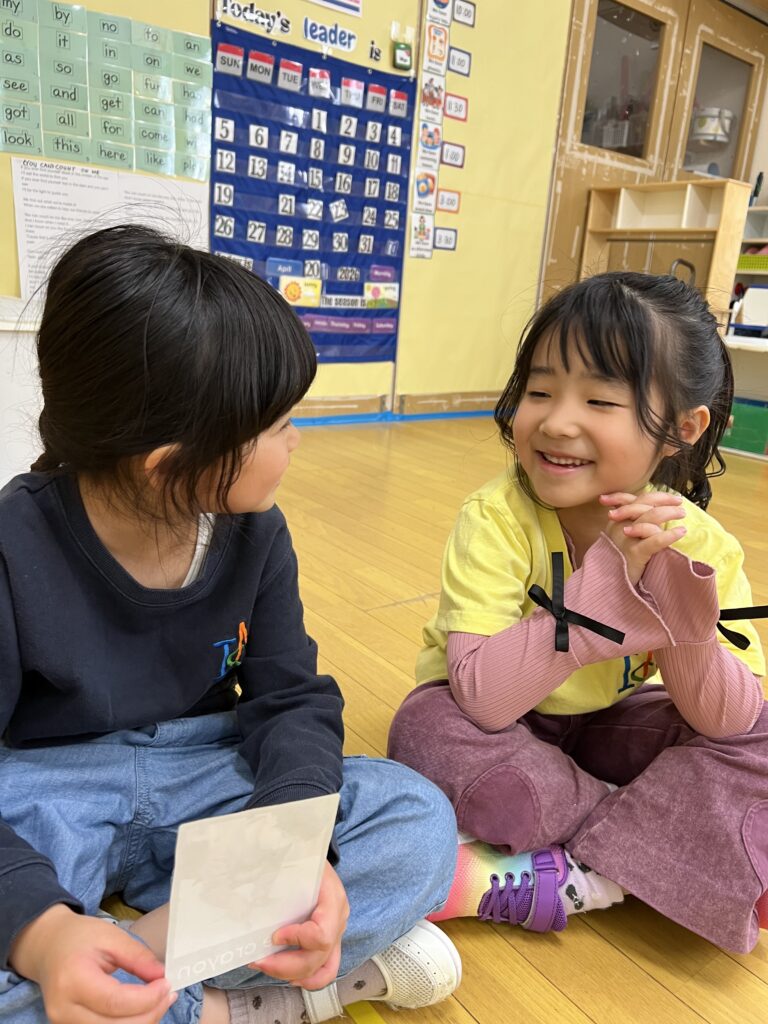
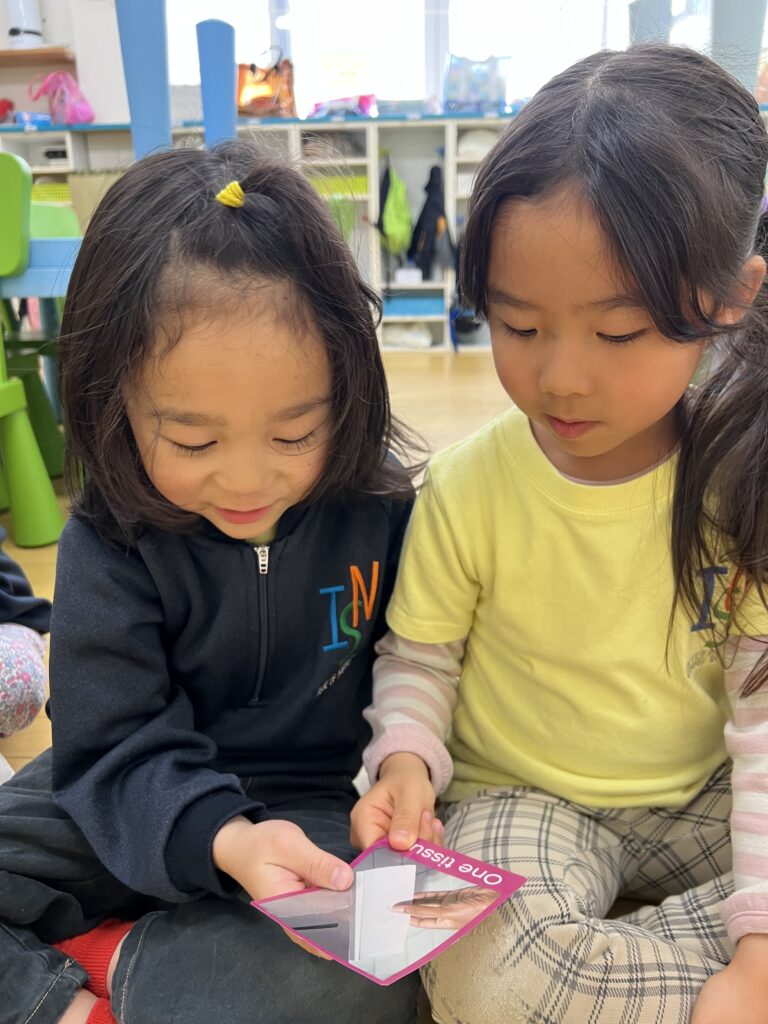
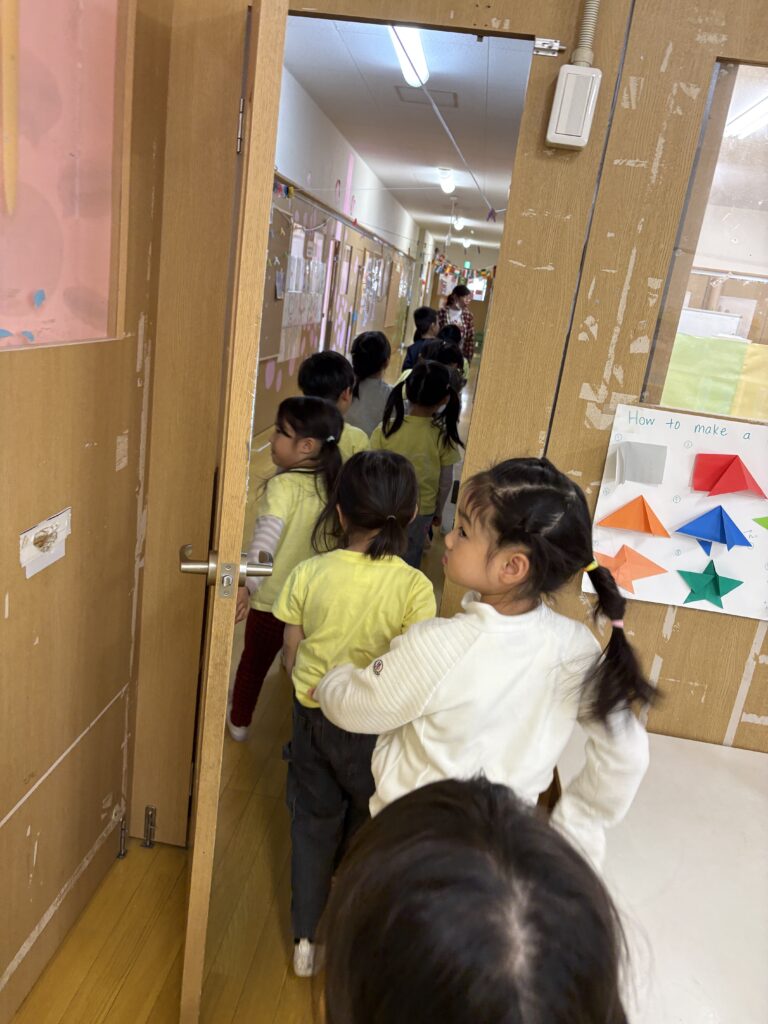
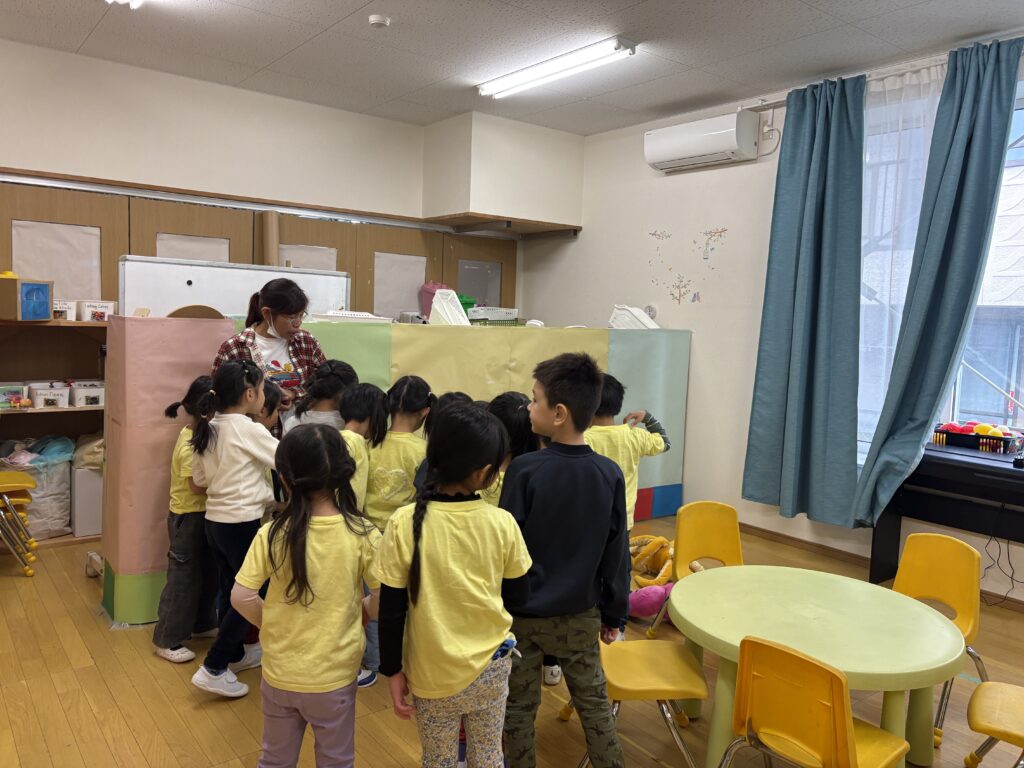
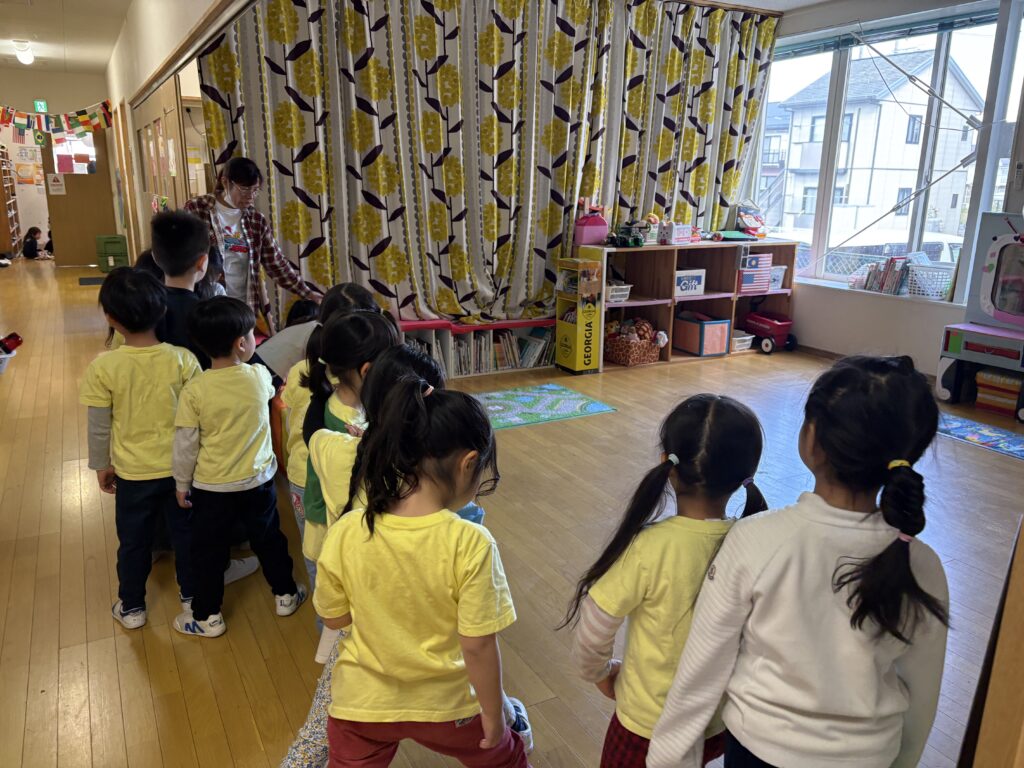
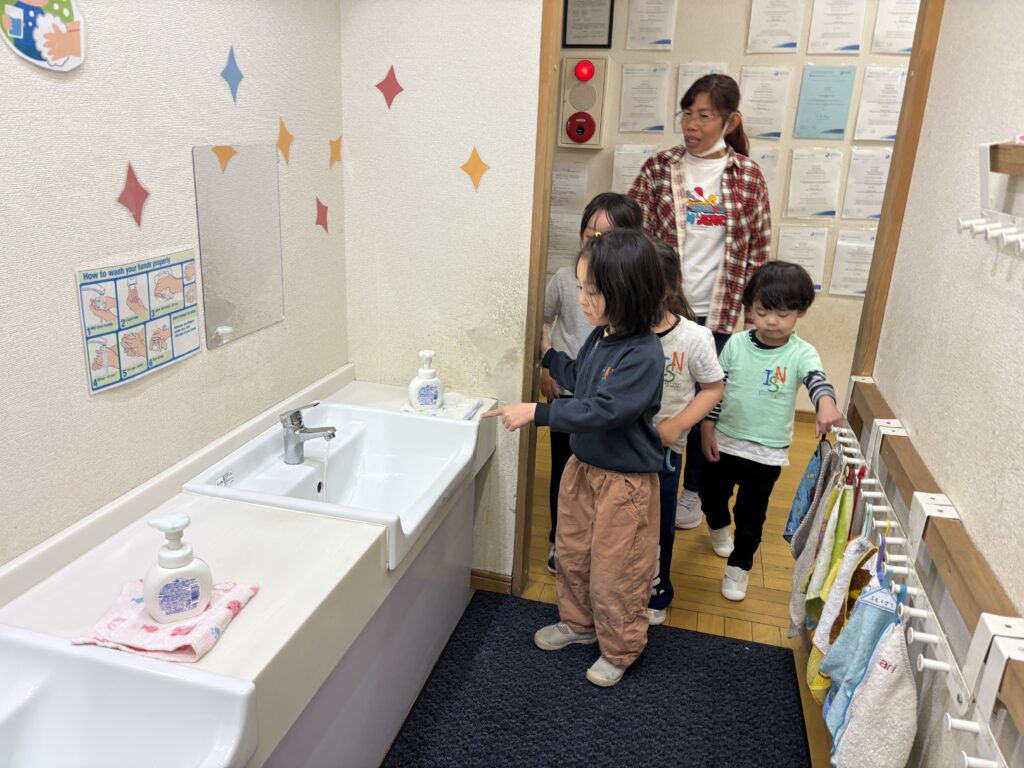
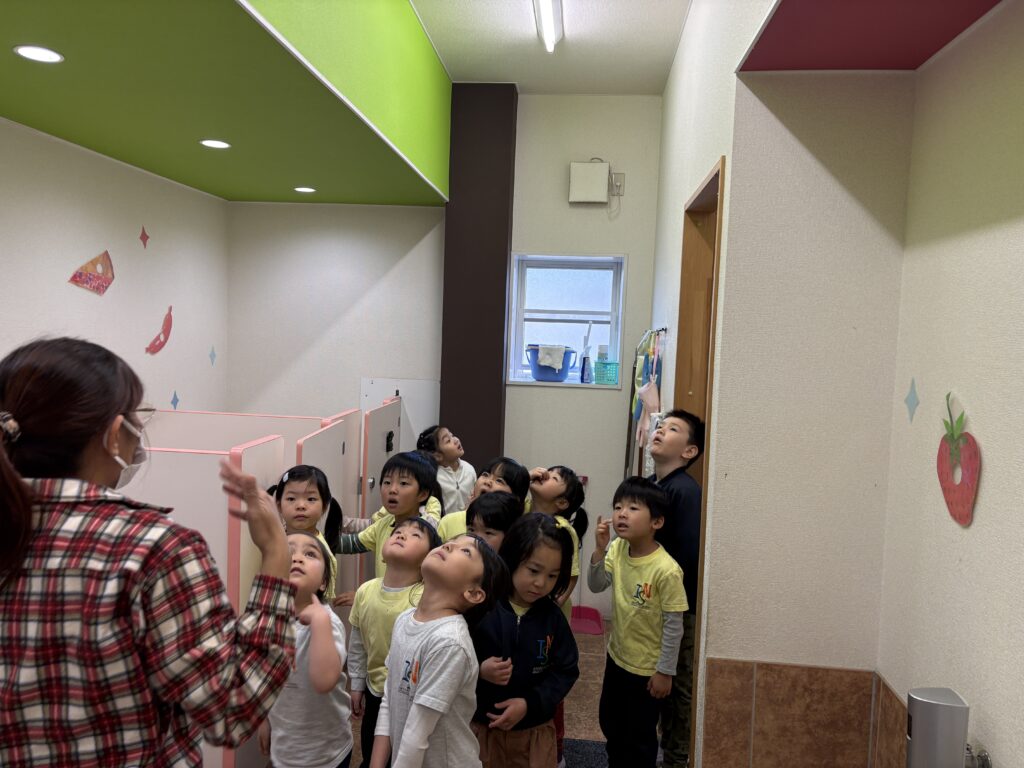
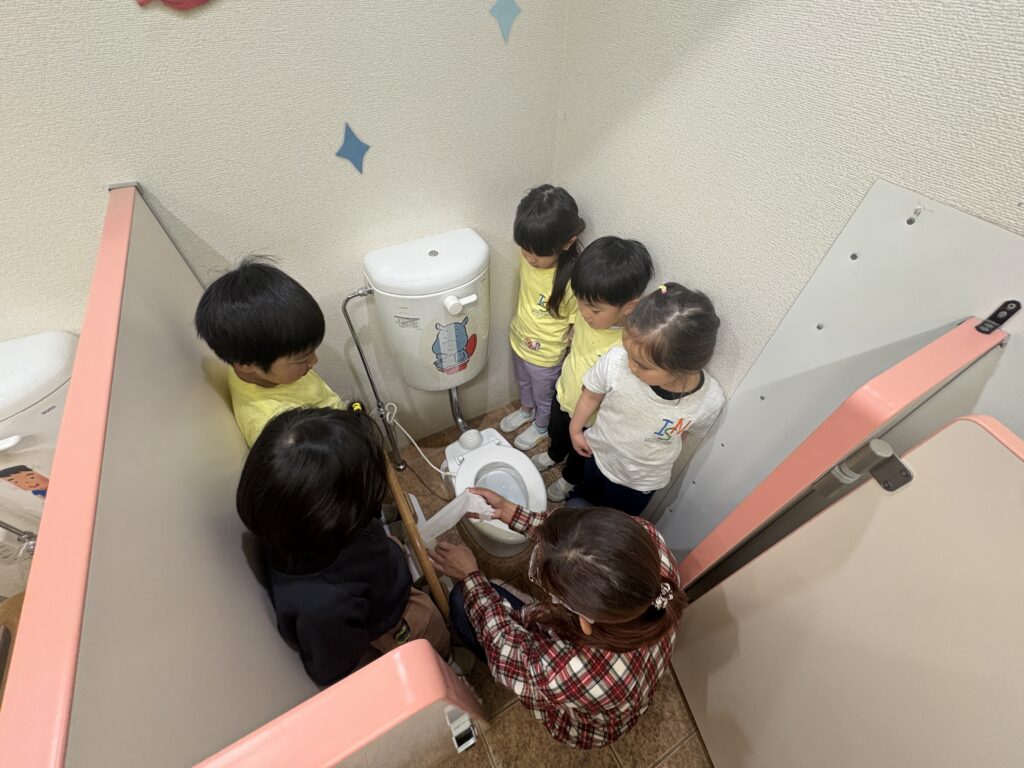
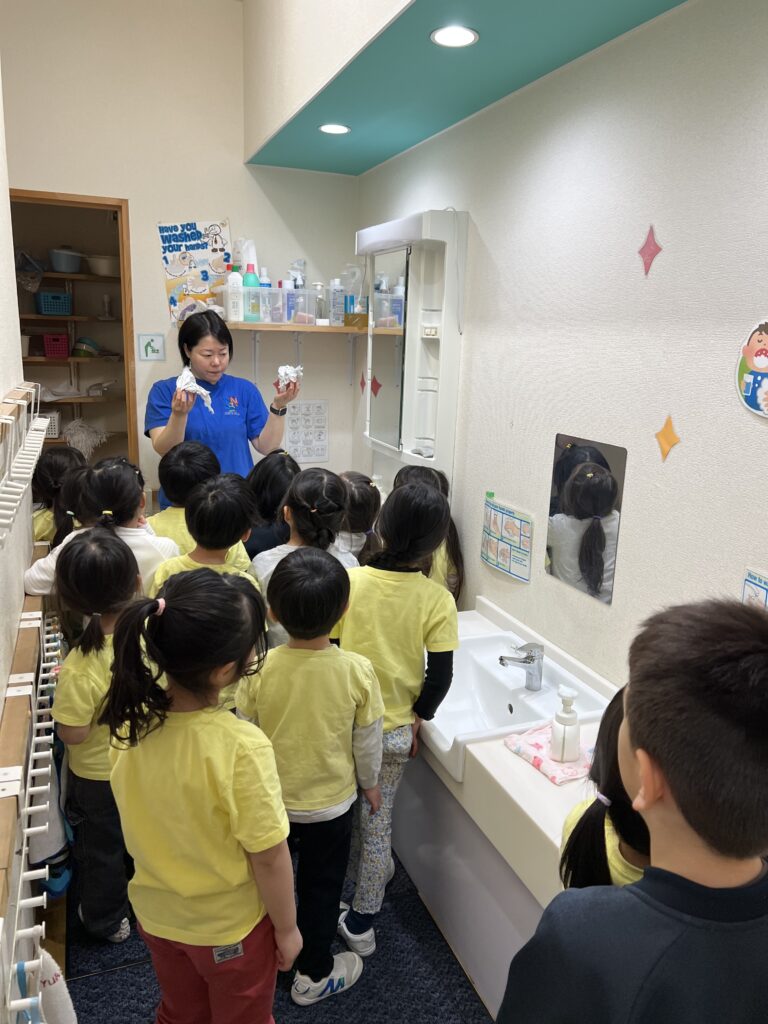
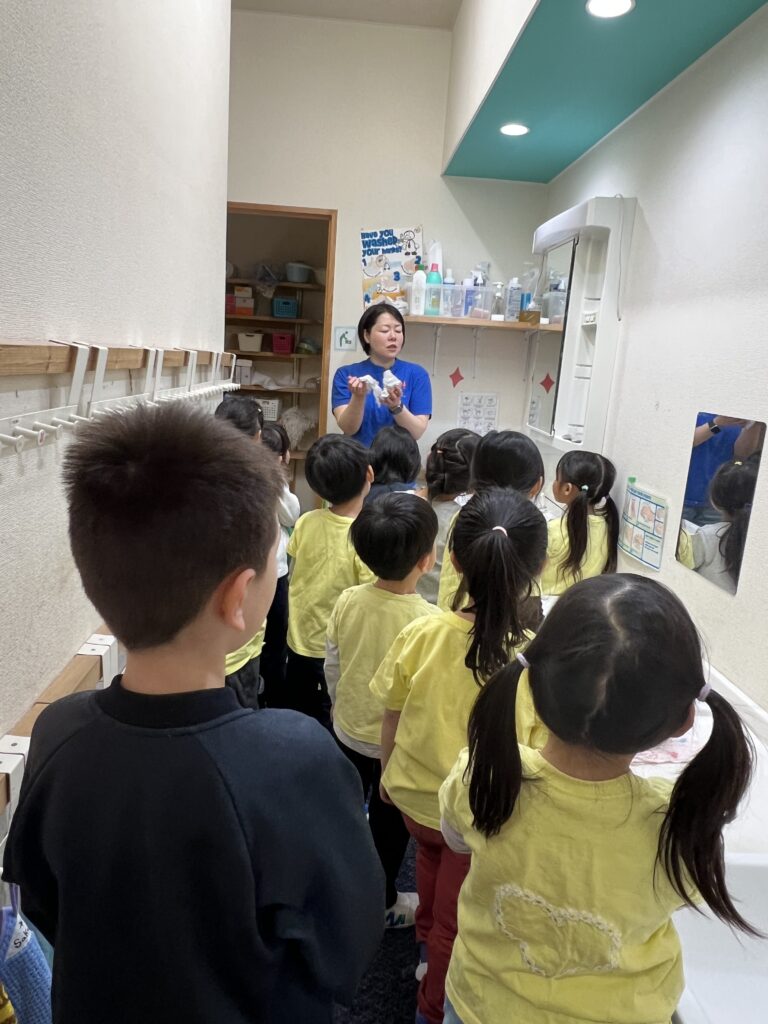
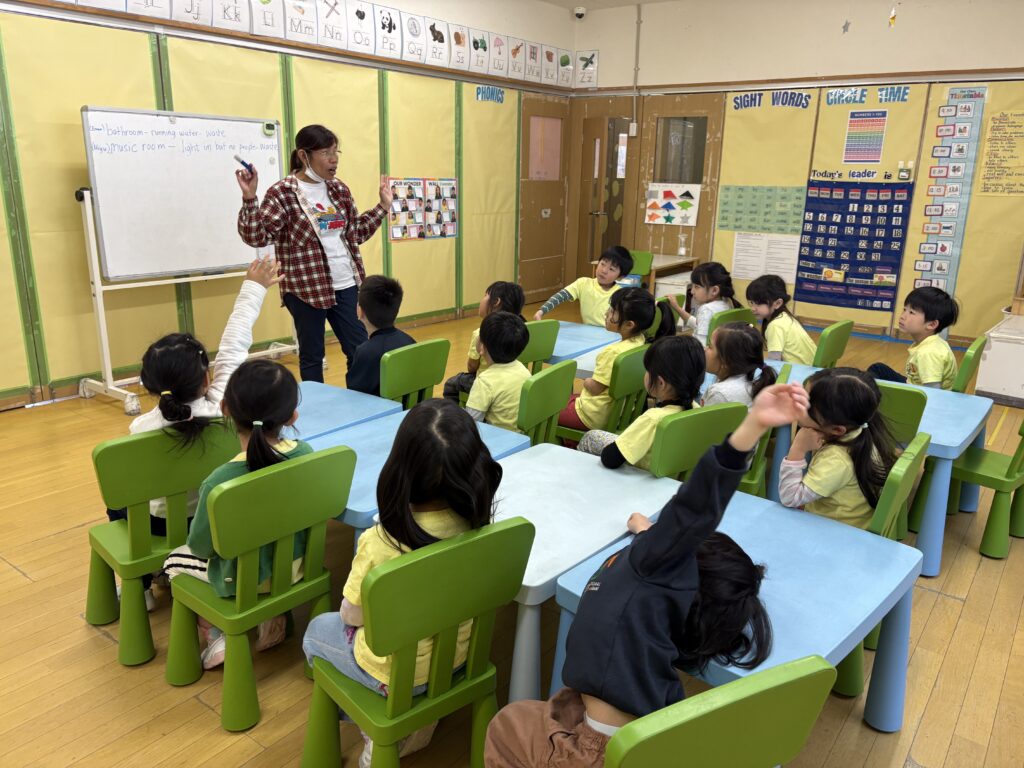
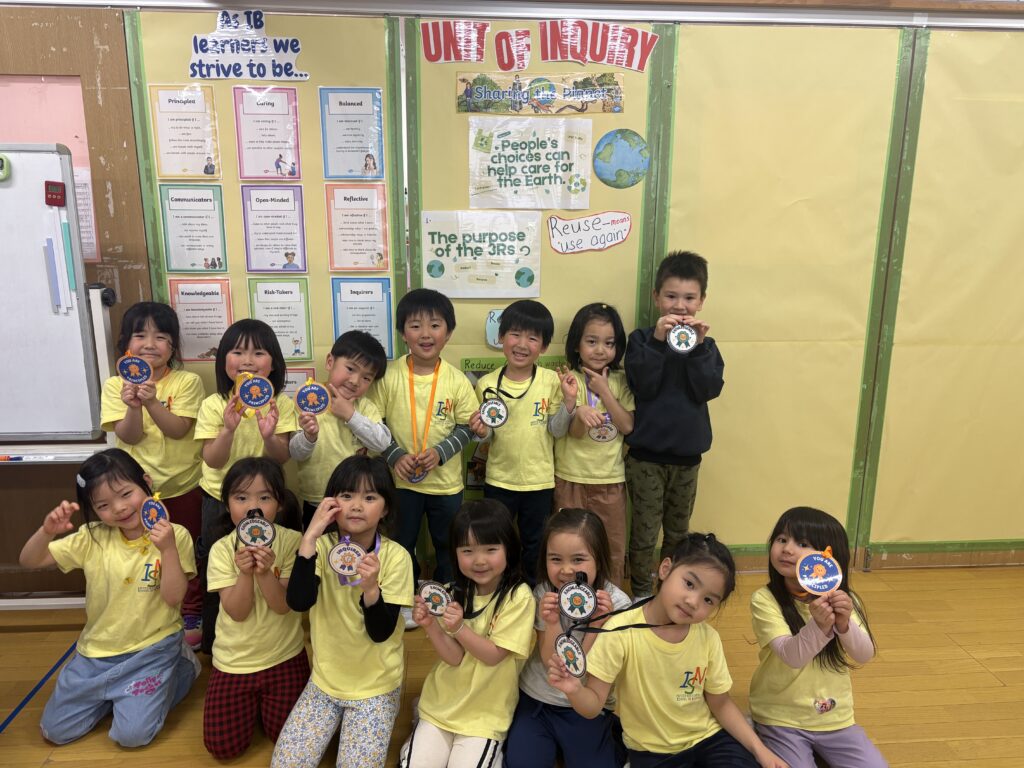
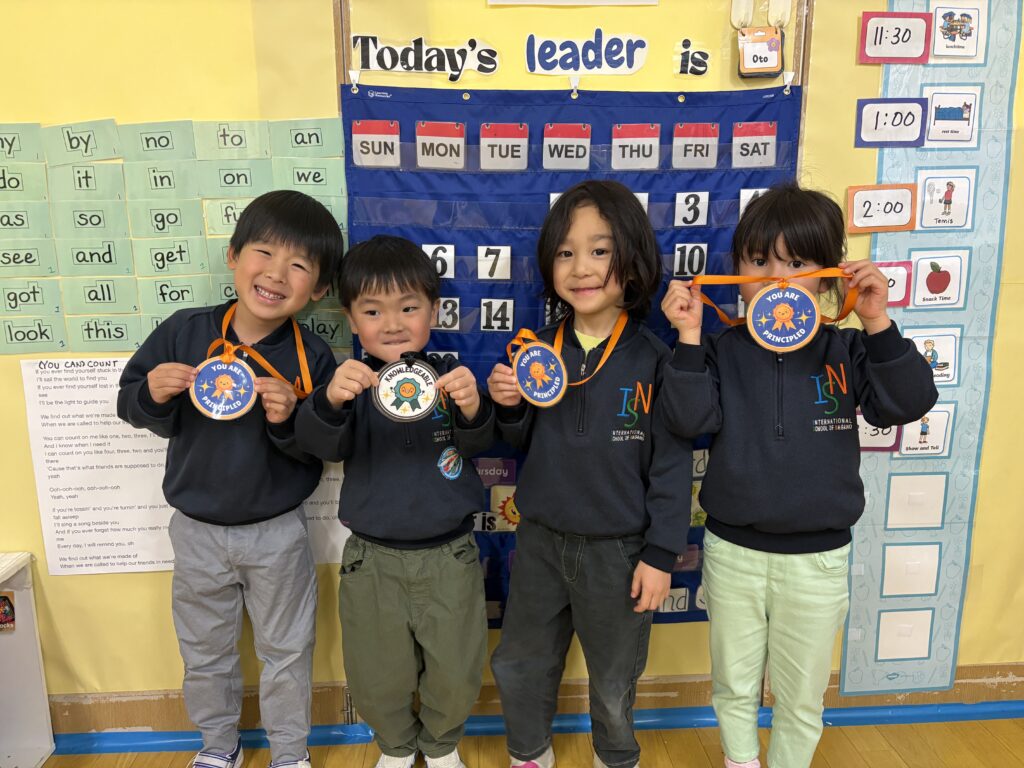
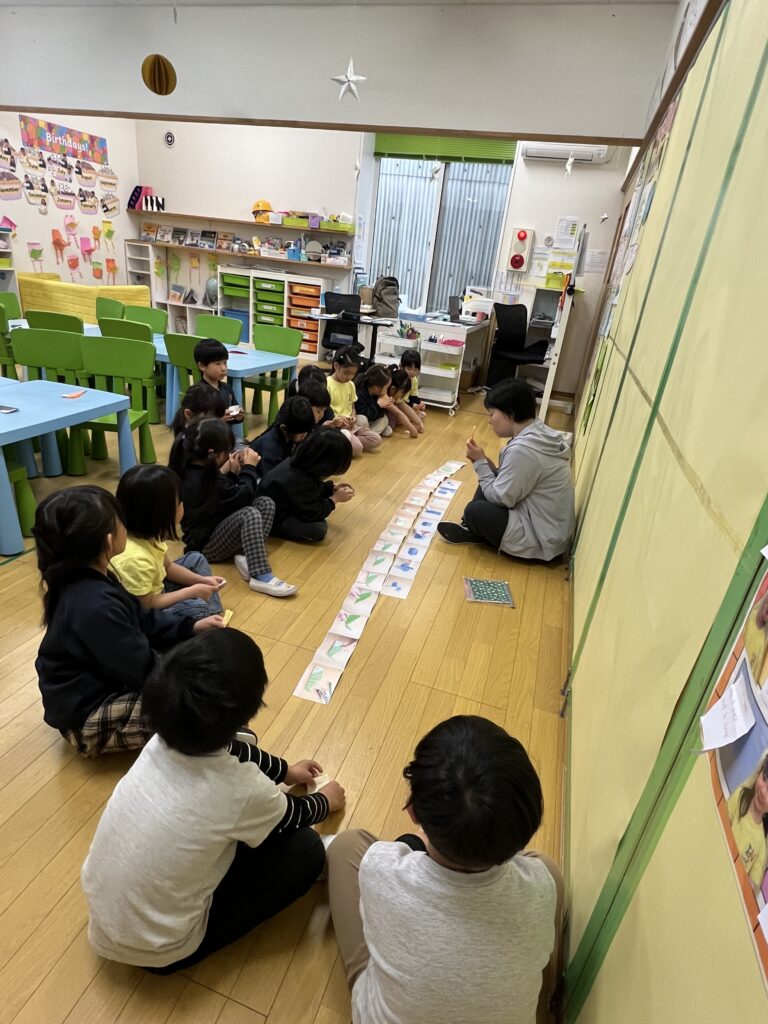
This week in our classroom was filled with exciting learning and joyful discoveries as we continued our Unit of Inquiry on the 3Rs, focusing on REDUCE. We began by tuning in to the concept through a simple yet powerful provocation. Students observed two contrasting images—one of an overflowing trash bin and another with very little waste. With curious eyes and thoughtful minds, they shared what they noticed. One student explained that one picture had “many trash” while the other had “little trash,” which sparked a meaningful discussion about the difference between “too much” and “less.” From this, students naturally began building their understanding, and together we came up with a simple definition: Reduce means to use less. To deepen this idea, students watched a demonstration where many paper towels were dropped into a bin, followed by just one. Together, we repeated, “Many → too much waste. One → less waste.” This clear comparison helped students see how small choices can make a big difference. Working in pairs, students became active thinkers as they sorted picture cards into two groups: ✅ Reduce and ❌ Too Much Waste. The cards showed everyday situations such as using less napkin versus many, turning lights off or leaving them on, and closing or leaving the water tap running. This activity encouraged collaboration, discussion, and thoughtful decision-making. We also enjoyed an energetic game called “Reduce and Too Much Waste.” Students stretched up tall to represent “too much waste” and crouched down low for “reduce.” The movement and laughter made learning engaging and memorable. During our discussions, we explored the question, “Why do we reduce waste?” One thoughtful student shared, “We reduce to help the Earth stay clean,” showing a growing awareness of environmental responsibility. Students then worked independently to identify and circle actions that help reduce waste in daily life, focusing on examples like paper, water, food waste, and scotch tape. Our learning extended beyond the classroom as we went on a school tour, becoming “Reduce Detectives.” Students observed different areas around the school and carefully considered whether actions showed reducing or not. They checked lights (energy use), water taps, tissue towels, and tissue paper. Back in the classroom, we reflected on our observations and discussed ways we could help our school. Students then expressed their good choices through drawings, showing how they can help the school. Some shared that they can turn off lights when not in use, use less tissue, and turn off the tap after using water. To deepen their understanding, students also watched videos about saving water and energy. It has been wonderful to see students beginning to understand the concept of reducing—an important step in developing responsible habits. Throughout this unit, we are focusing on three learner profile attributes: Knowledgeable, Inquirers, and Principled. Knowledgeable by understanding why reducing waste is important and share what they have learned to others, inquirers by asking questions and finding the answers to their questions through the books, and principled by making good choices—even in small ways like using less tape or tissue paper. Students proudly celebrated their small achievements, receiving their medals with big smiles as they put their learning into action. Overall, it was a week full of learning, thinking, and fun. We are proud of our young learners as they take small steps toward caring for our Earth.
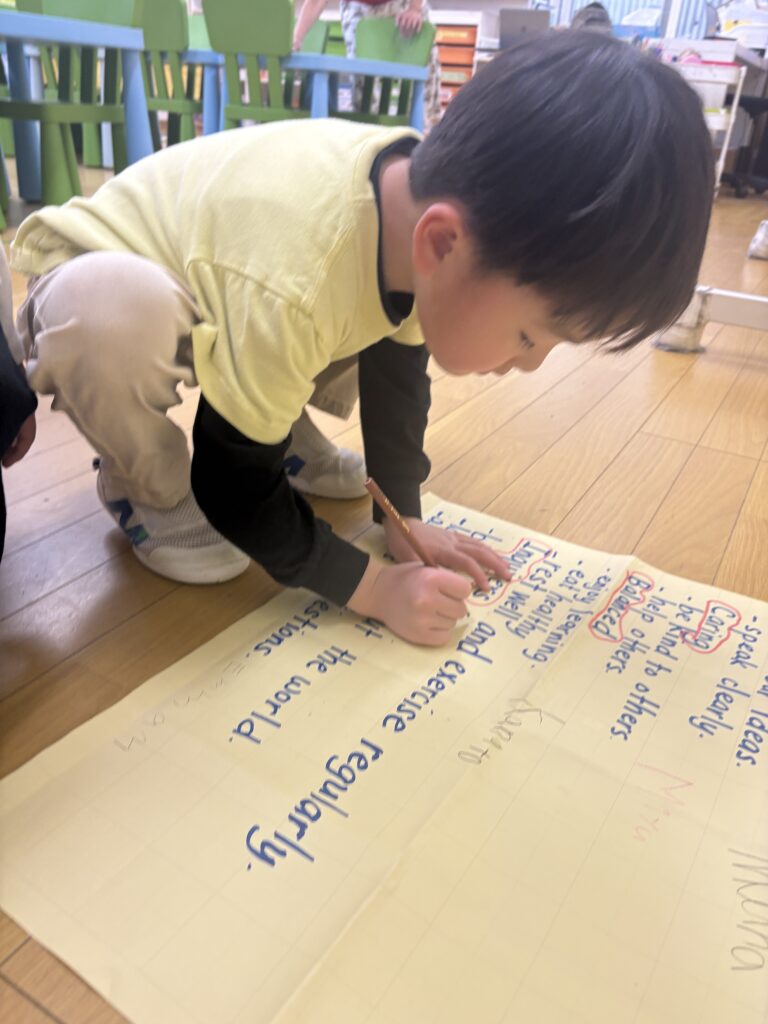
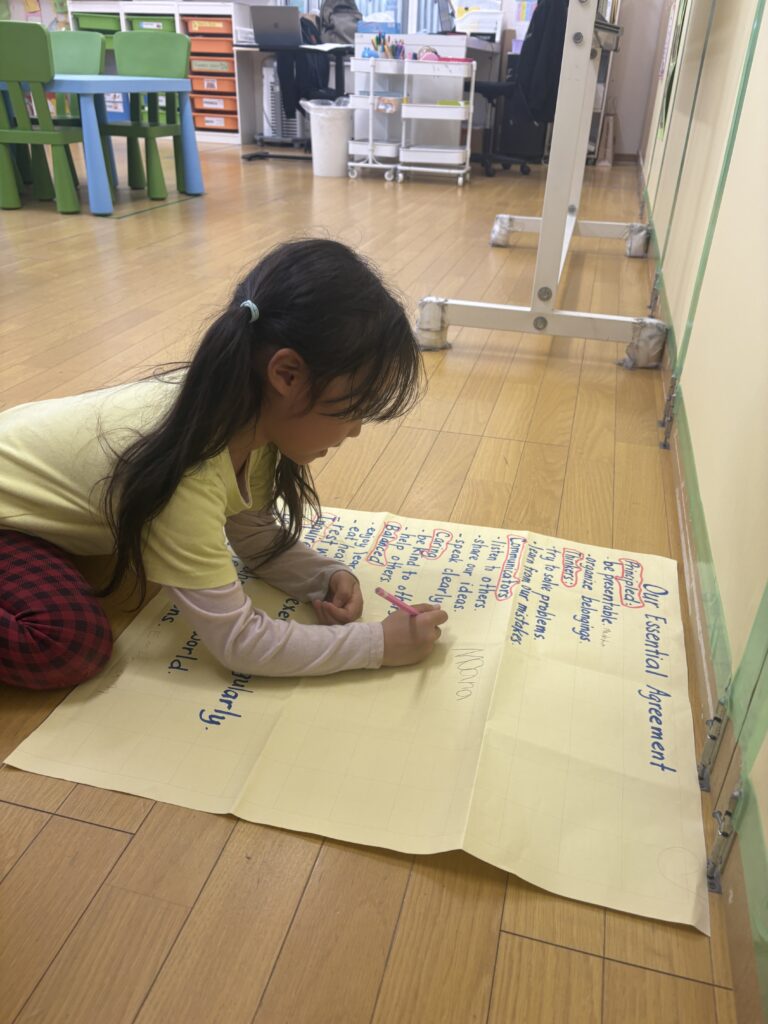
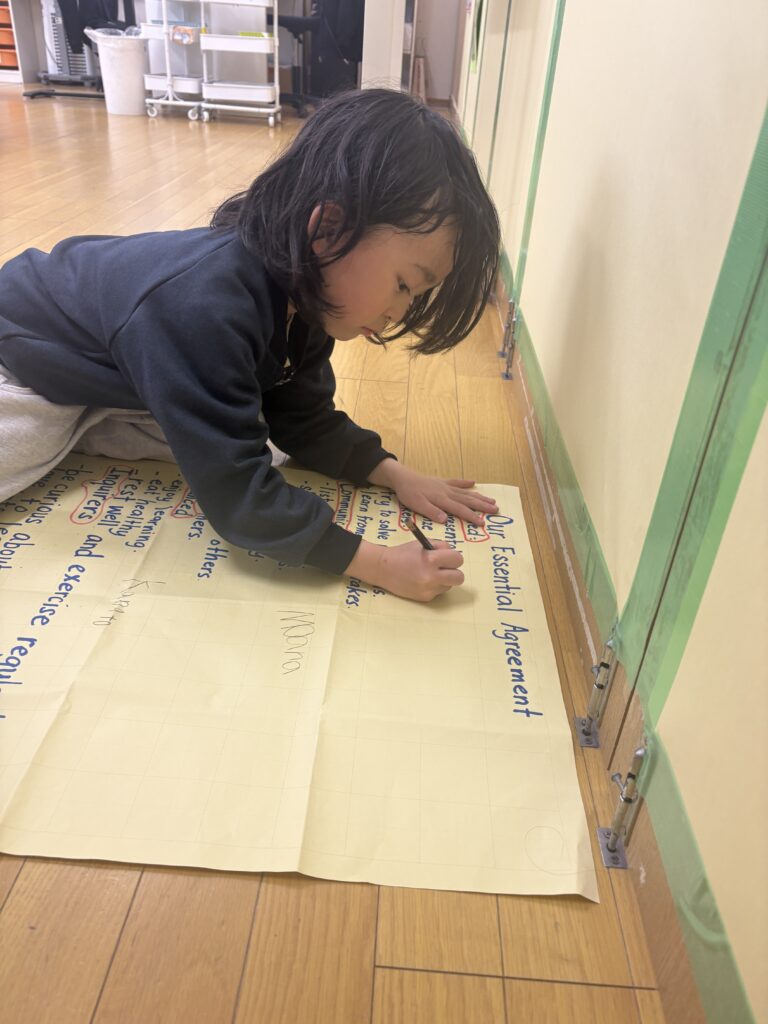
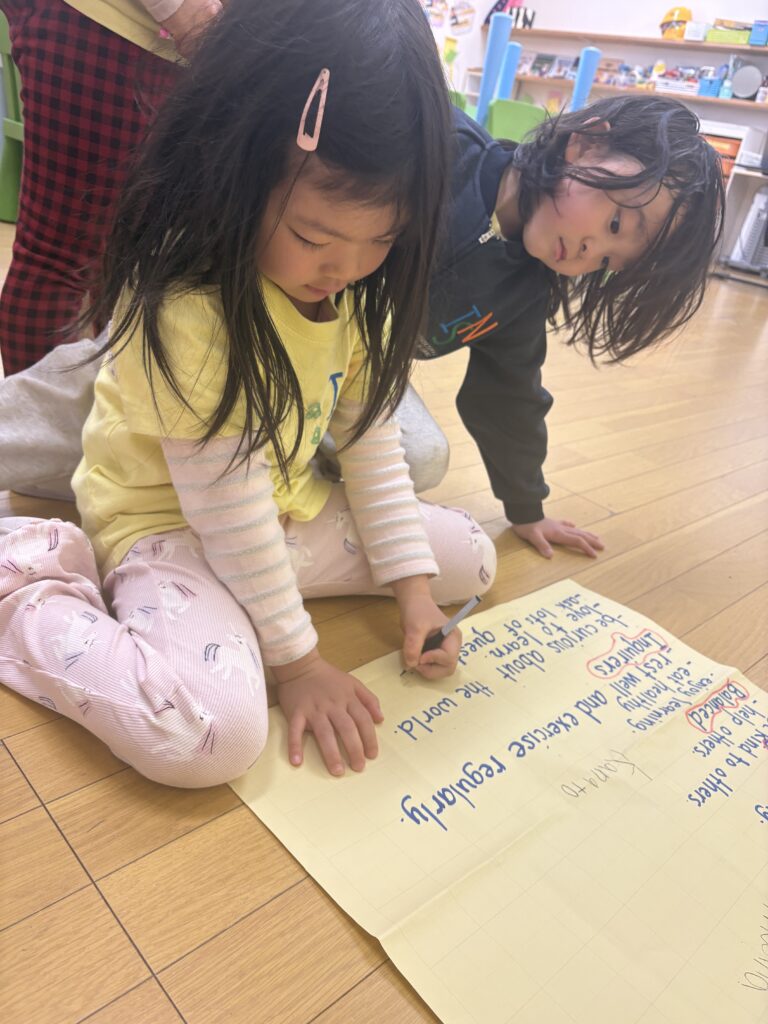
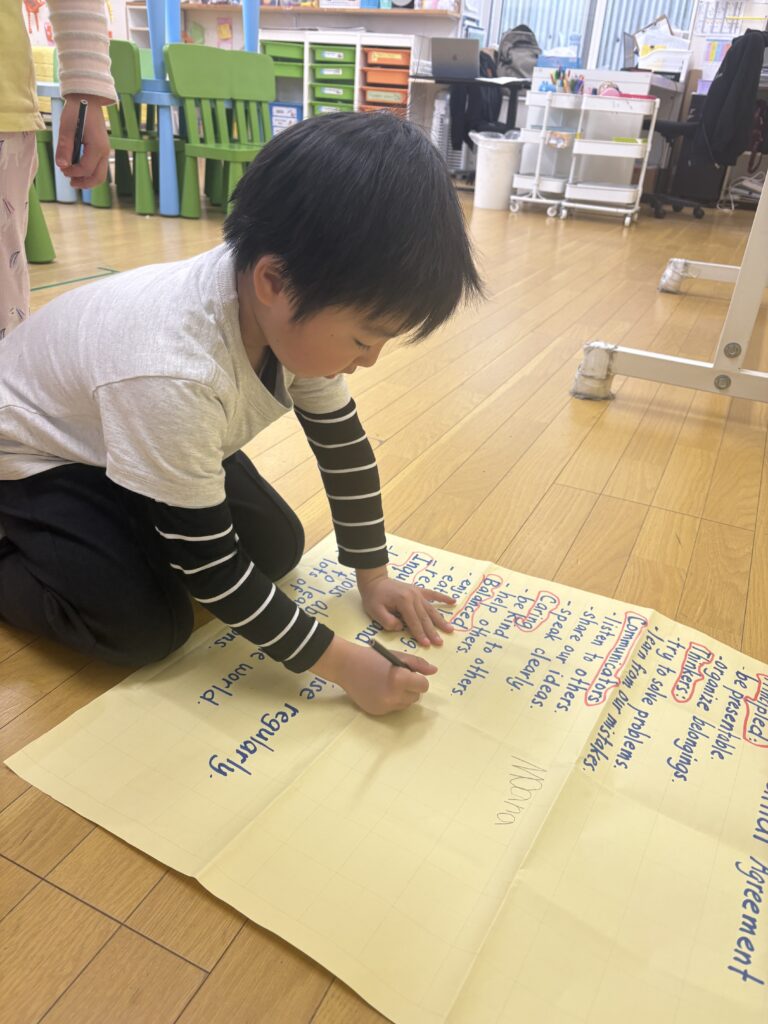
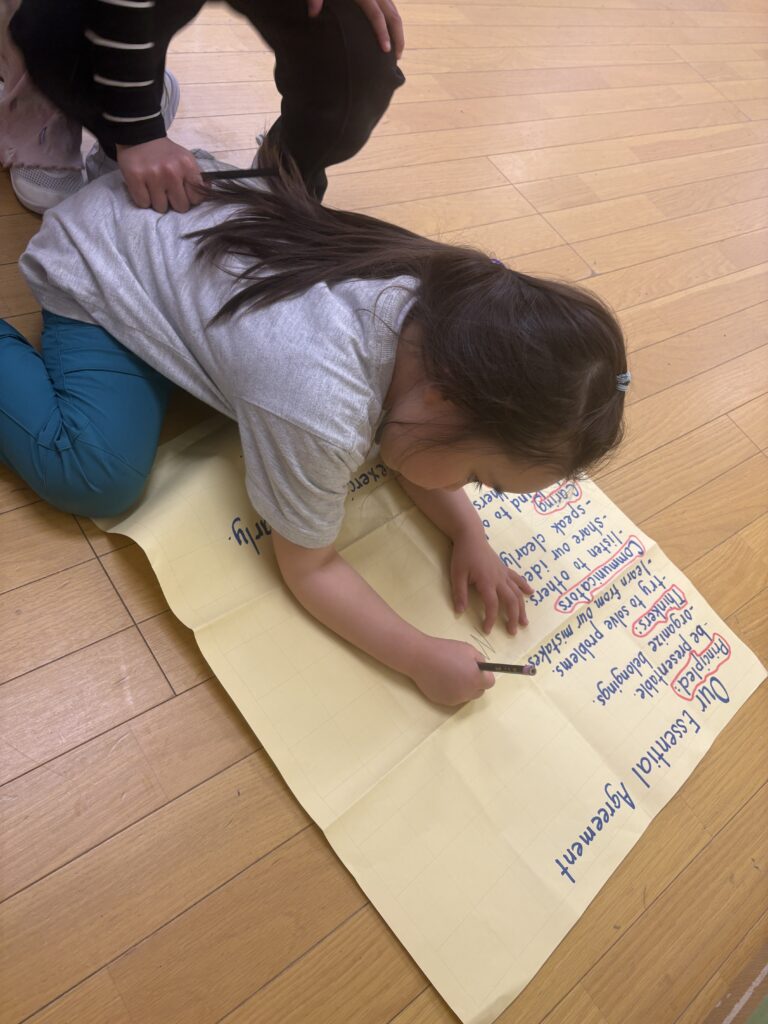
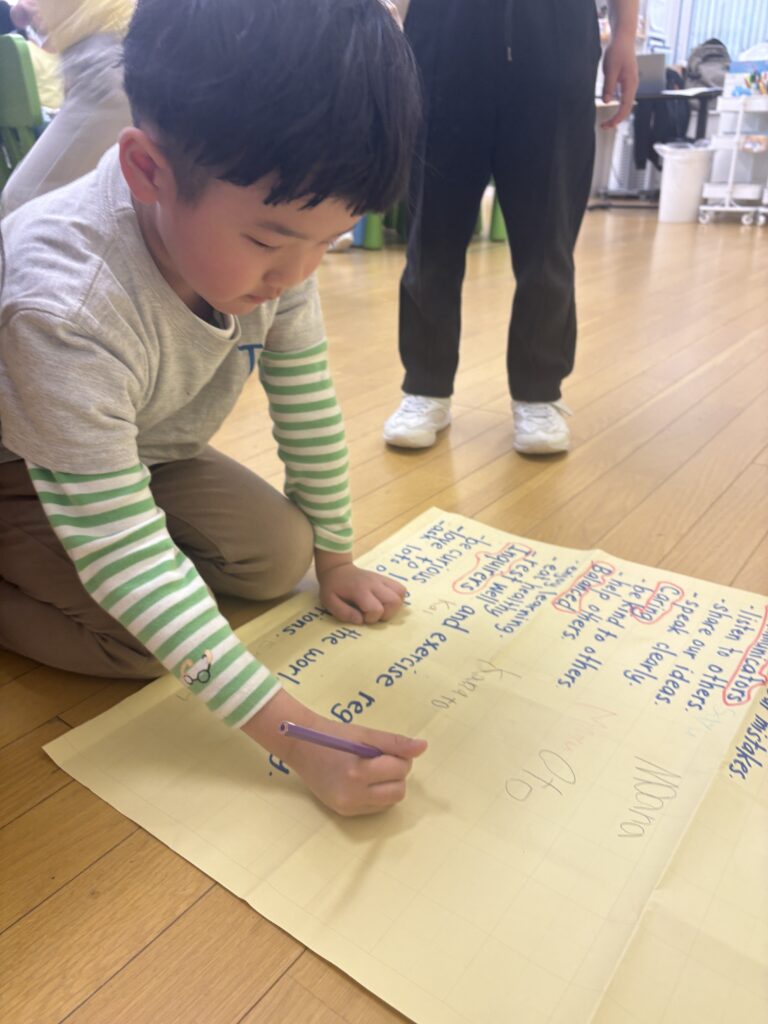
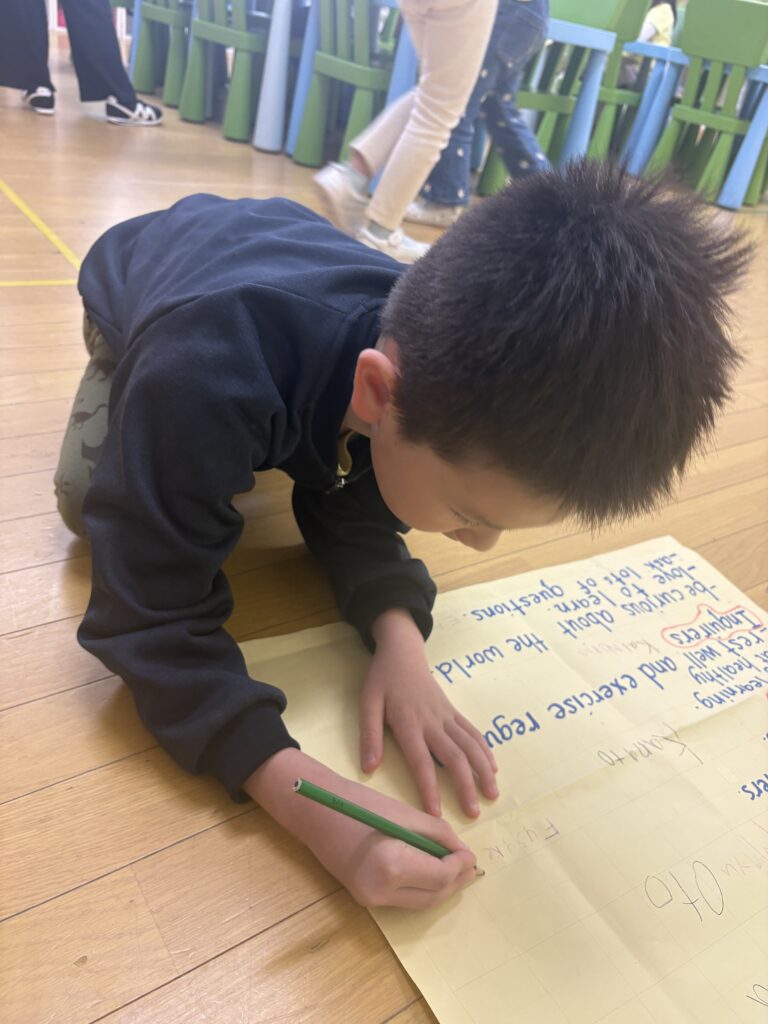
Our class revisited the Essential Agreement that we created together last week. It was a wonderful opportunity for students to reflect on the ideas we shared and to remind ourselves how we can work and learn together while keeping those agreements in mind. Everyone agreed and signed their names.
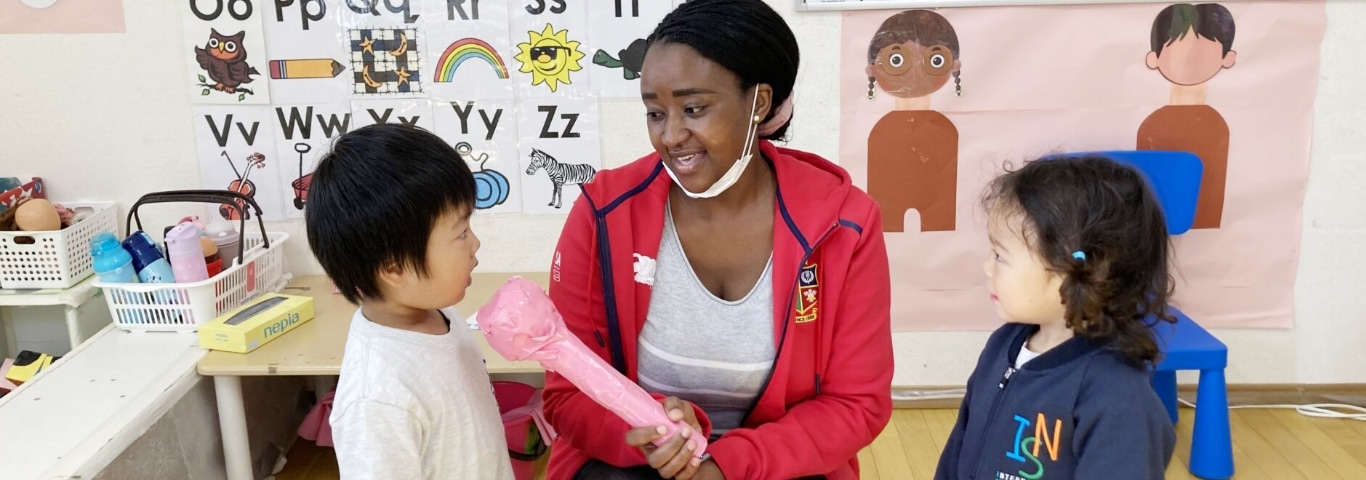
Show and Tell time! Students were invited to bring an item they wanted to present to their friends. Two students stood confidently in front of the class and shared three things about their special item. This helped them practice speaking clearly, organizing their ideas, and building confidence in front of an audience. After sharing, the presenters carefully walked around the classroom to give their classmates a closer look. This created a wonderful opportunity for everyone to observe, explore, and stay engaged. After the presenter walked around to give everyone a closer look, students asked questions and shared wonderful comments. The presentation ended with the presenter saying, “Thank you for listening,” and the students responding, “Thank you for sharing.”
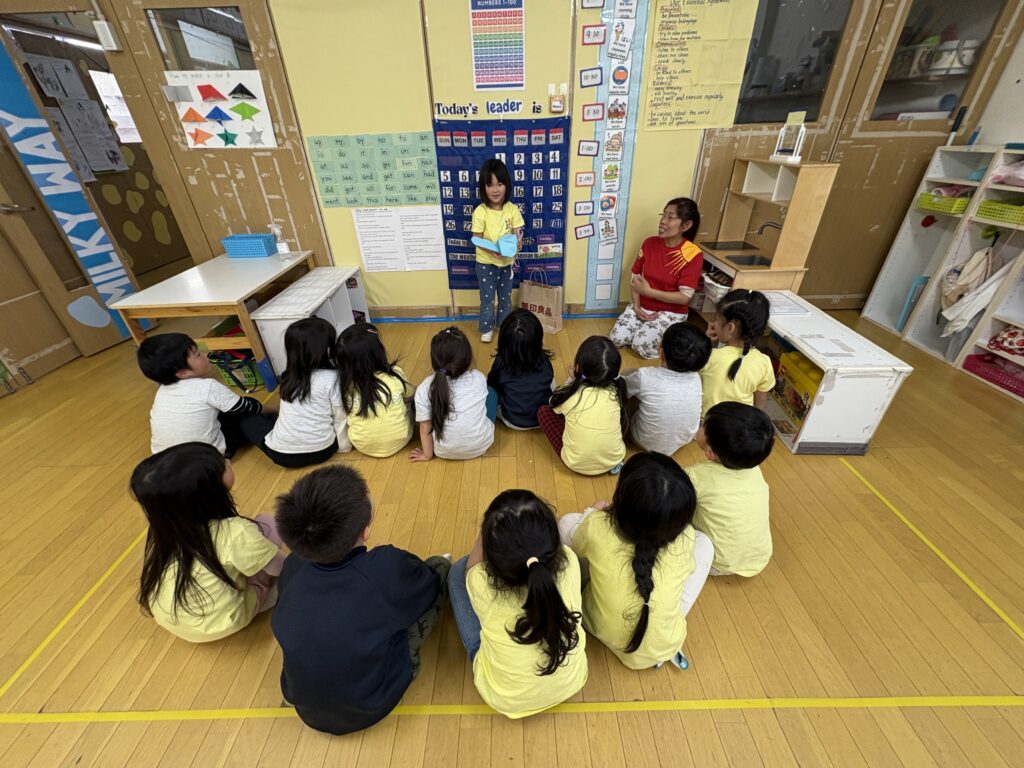
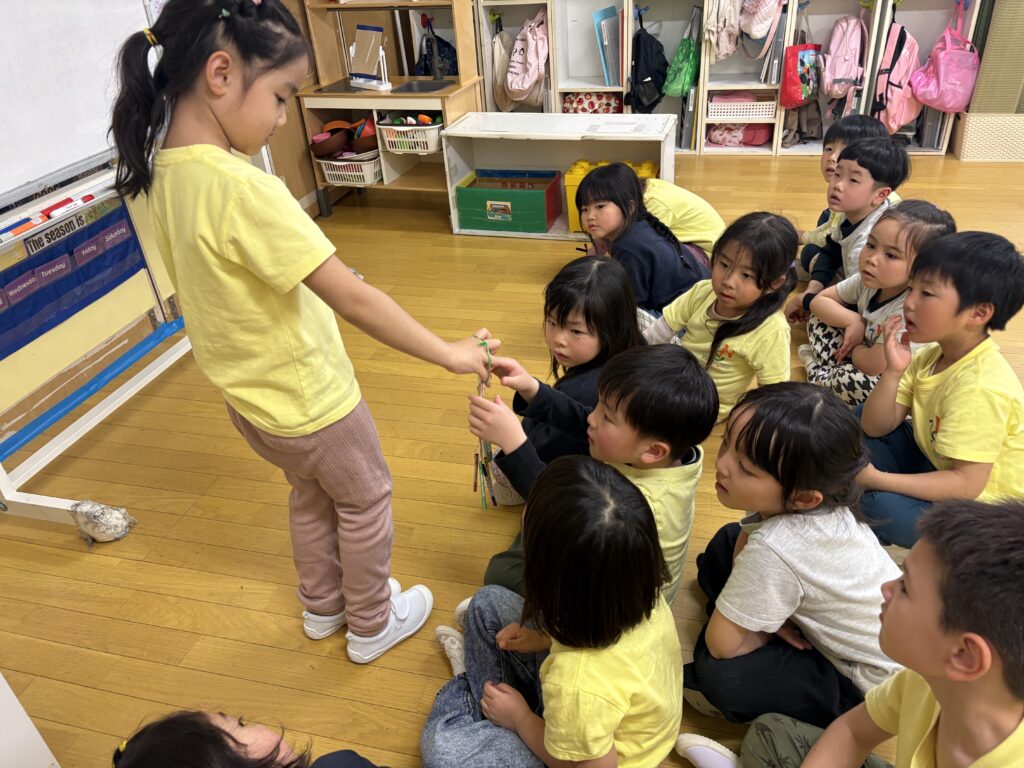
READING TIME! We had a fun and engaging reading time with the story We Go. Students listened carefully as the teacher read the story. Then, we read together while pointing to each word with our fingers. This helped students follow along and build confidence. After that, students practiced reading on their own. They also read with a partner, taking turns and helping each other. Finally, each student had a chance to read to the teacher. Students were very engaged and enjoyed the activity. It was wonderful to see them having fun while learning and growing as readers. Please take time to read the book with your child when they bring it home over the weekend.
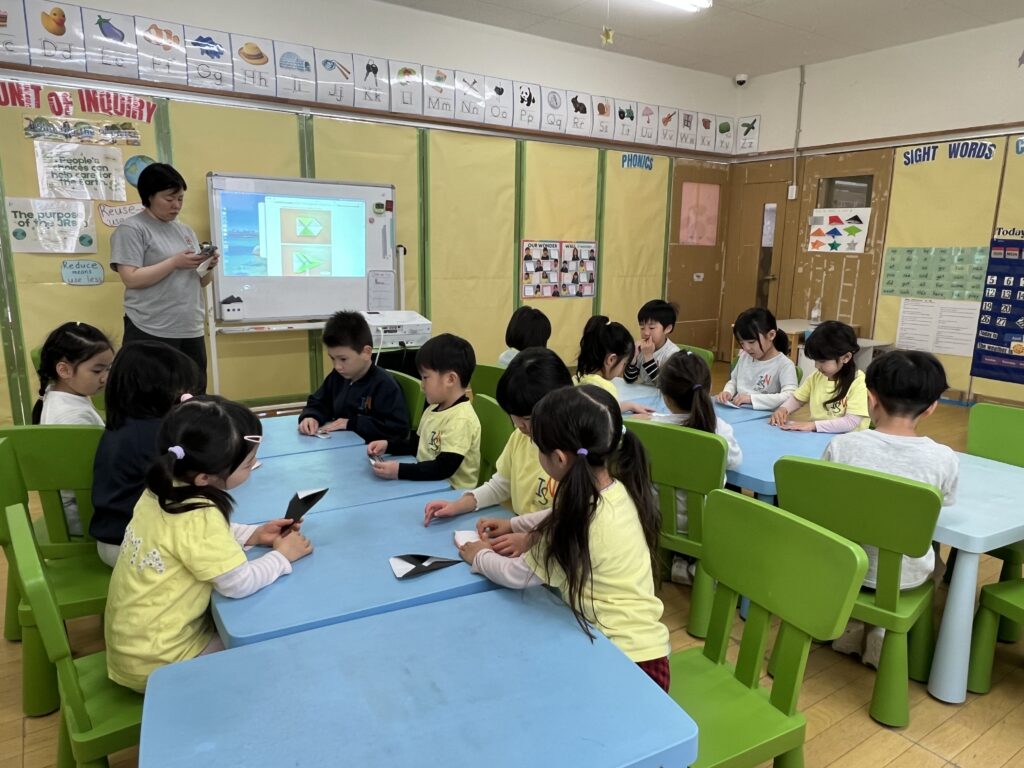
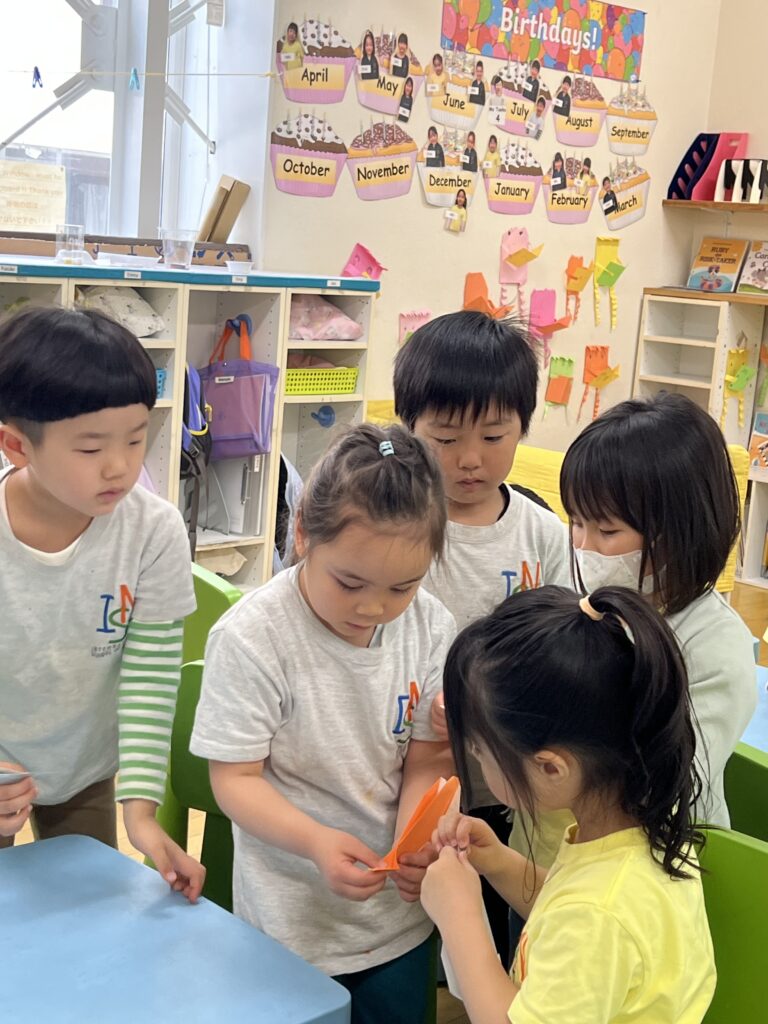
During our Japanese Inquiry Time, students began by watching a video about Children’s Day. They learned that it is a special celebration in Japan to wish children happiness, health, and strength. Students were especially interested in the colorful carp streamers, called koinobori, flying in the sky. After the video, students moved into a fun craft activity where they made their own koinobori using origami paper. They carefully followed the step-by-step guide to practice folding. Some parts were a bit challenging, but students showed great effort and focus. It was wonderful to see students supporting each other. Those who were more confident in folding kindly helped their friends who needed assistance. This created a caring and cooperative learning environment. As the activity required time and careful work, we were not able to finish it in one session. We will continue and complete our craft next week. Through this activity, students not only learned about Japanese culture but also practiced patience, teamwork, and perseverance.
This week, students also enjoyed their gym lesson, swimming lesson, tennis lesson, and music lesson, making their learning experience active, balanced, and full of fun.
Next week, in our Unit of Inquiry, we will be focusing on RECYCLE. We will also continue and complete our koinobori craft, along with our usual classroom activities.
Happy weekend!
