Hello ISN Community,
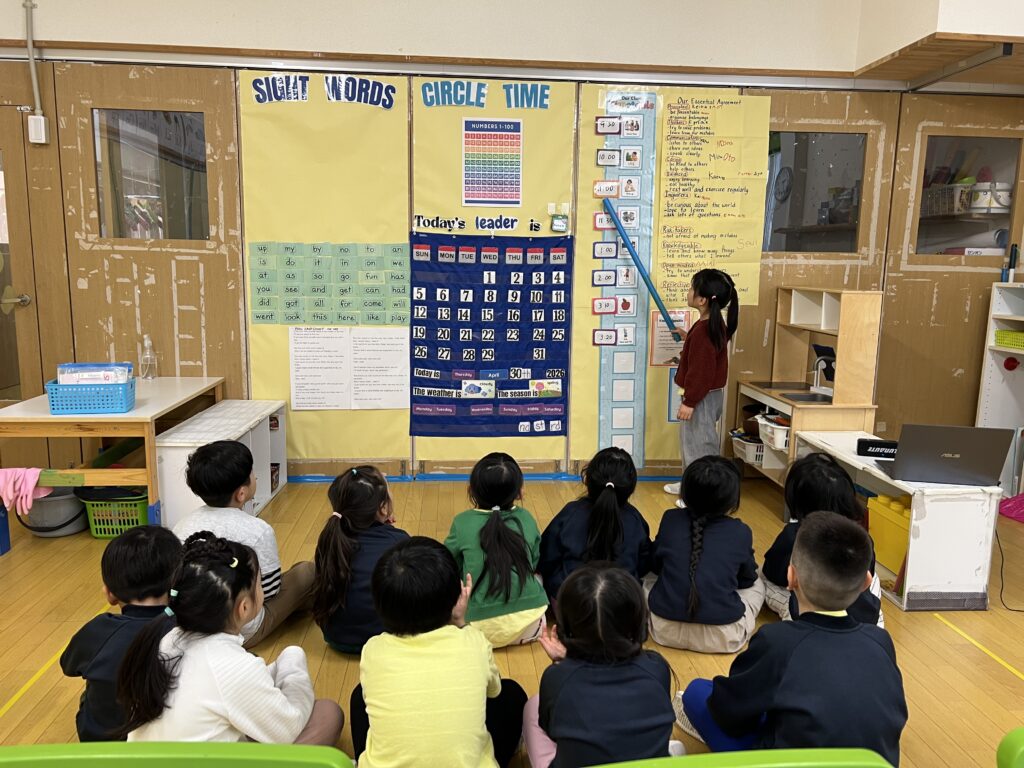
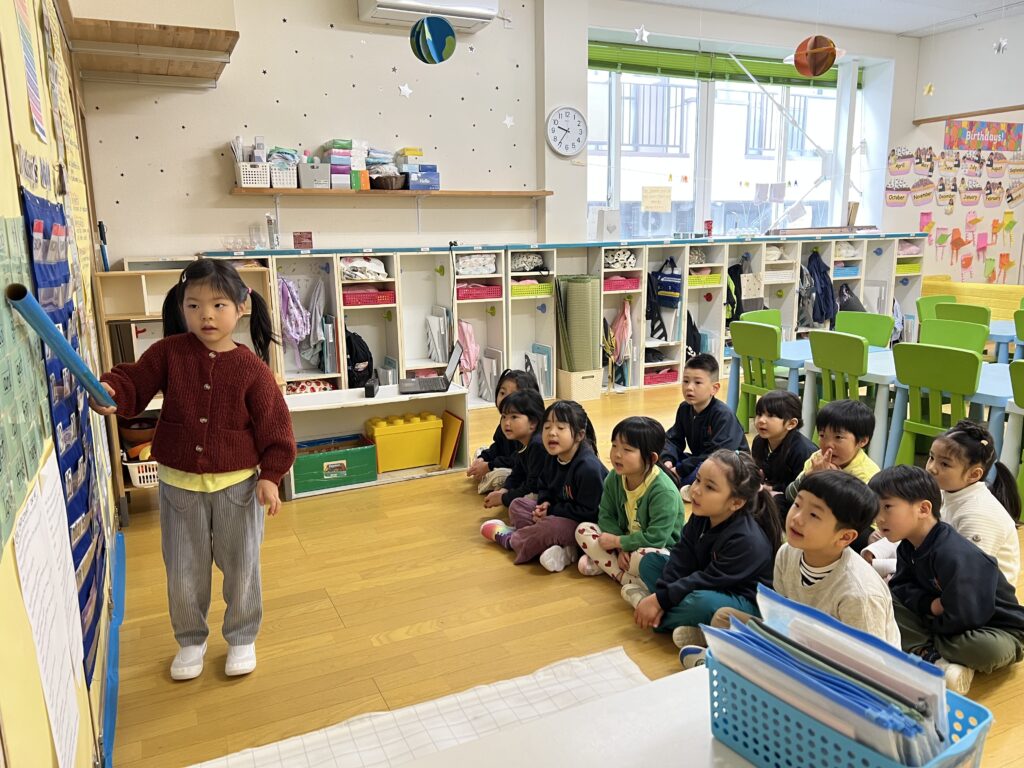
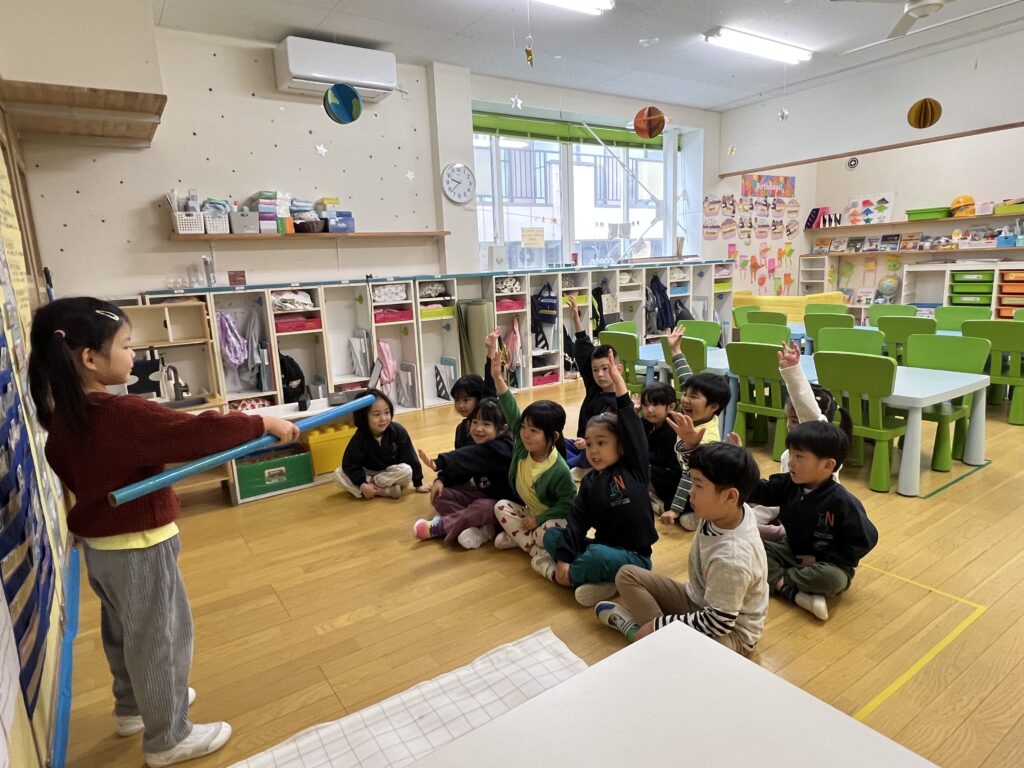
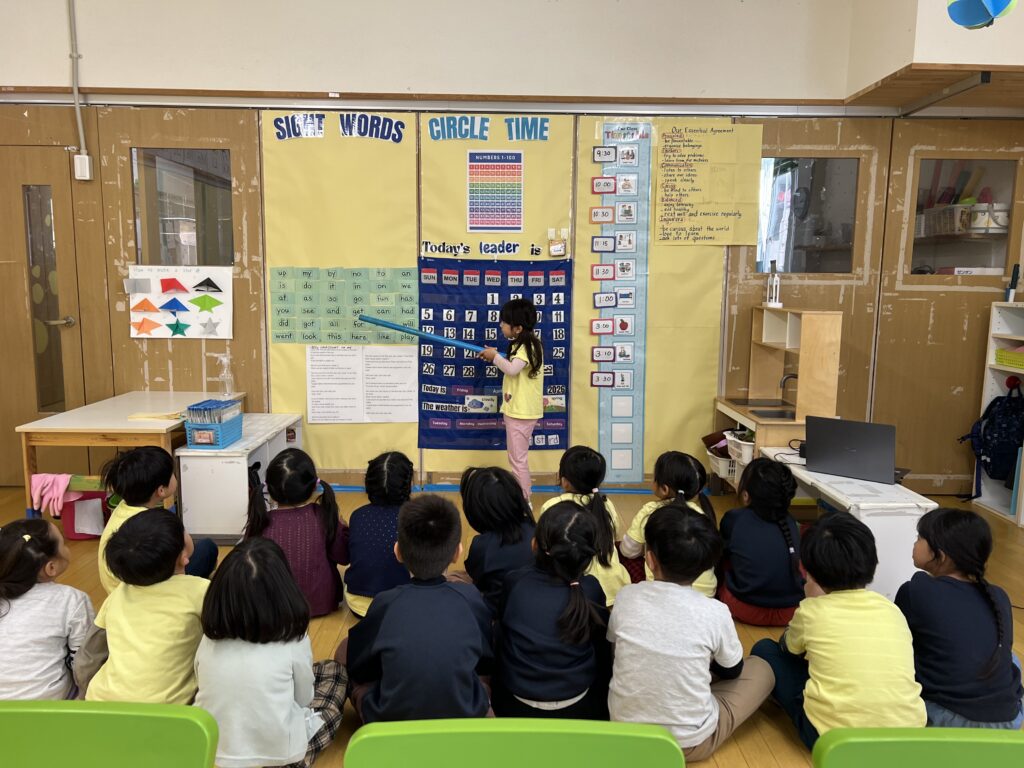
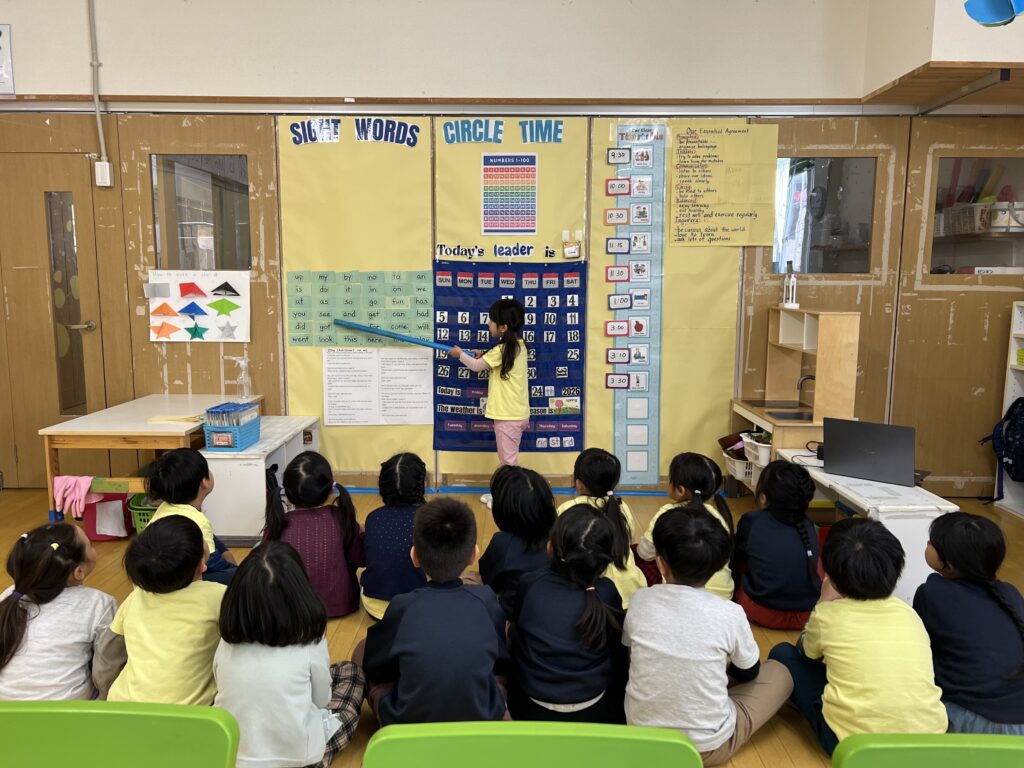
In our classroom, every day is an opportunity for students to grow—not just academically, but as confident leaders. One of the ways we nurture this is through our Daily Leader role, a special responsibility that each student gets to experience. The Daily Leader plays an important part in our classroom routine. They help update the calendar, guide the class through the timetable, and lead their peers in reading sight words. After the class reads together, the leader chooses one sight word and uses it in a sentence. Then, they invite three to four classmates to each pick a sight word and create their own sentences. This interactive process not only strengthens literacy skills but also encourages participation and creativity. Our leader also becomes our ‘time keeper,’ checking the clock and letting everyone know when it’s time to clean up. This helps everyone stay organized while working together as a team. This role gives students a sense of ownership and helps them feel valued as active contributors to our learning environment. What makes this routine even more meaningful is that every student gets a turn. By rotating the role daily, each child is given the chance to stand in front of the class, speak with purpose, and lead their peers. Over time, we see students become more confident, expressive, and independent. Through this simple yet powerful practice, we are helping our students develop into confident communicators, responsible learners, and supportive classmates. Watching them grow into these roles is truly one of the most rewarding parts of our learning journey. Keep shining, Milky Way leaders—kudos to all of you!
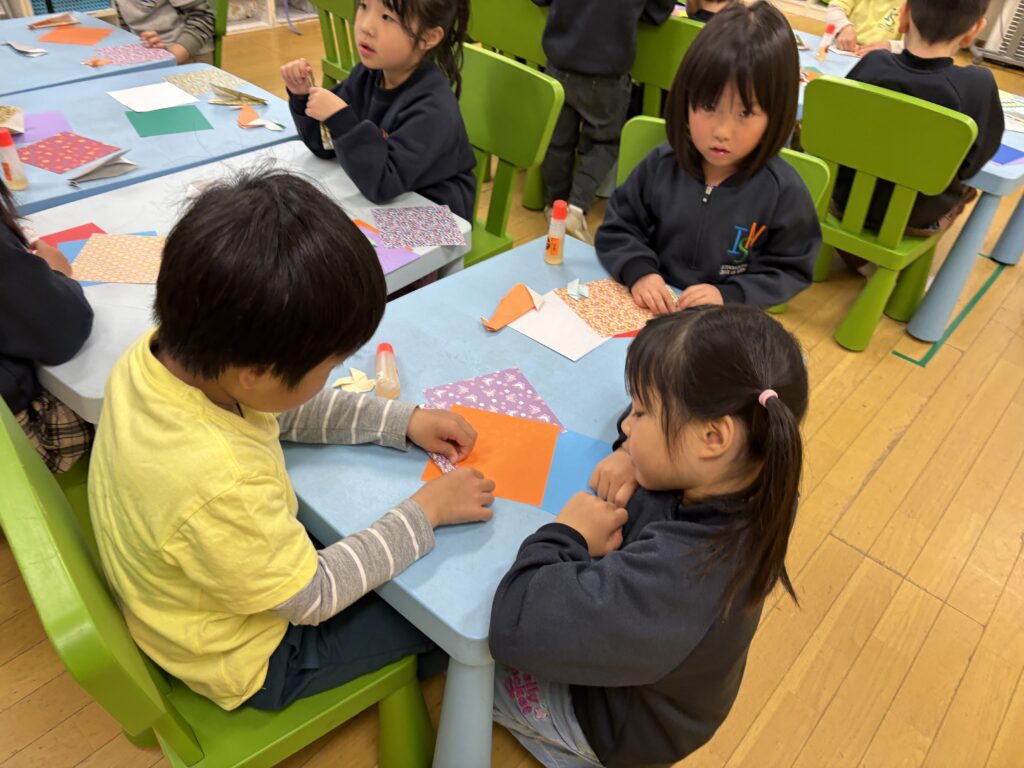
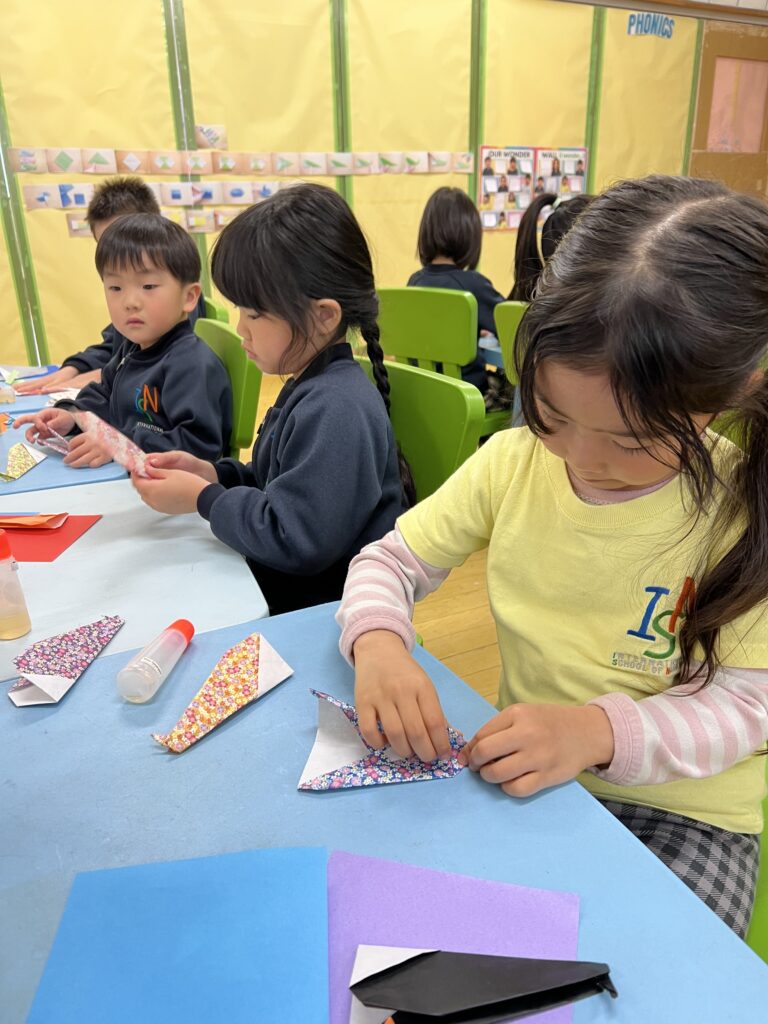
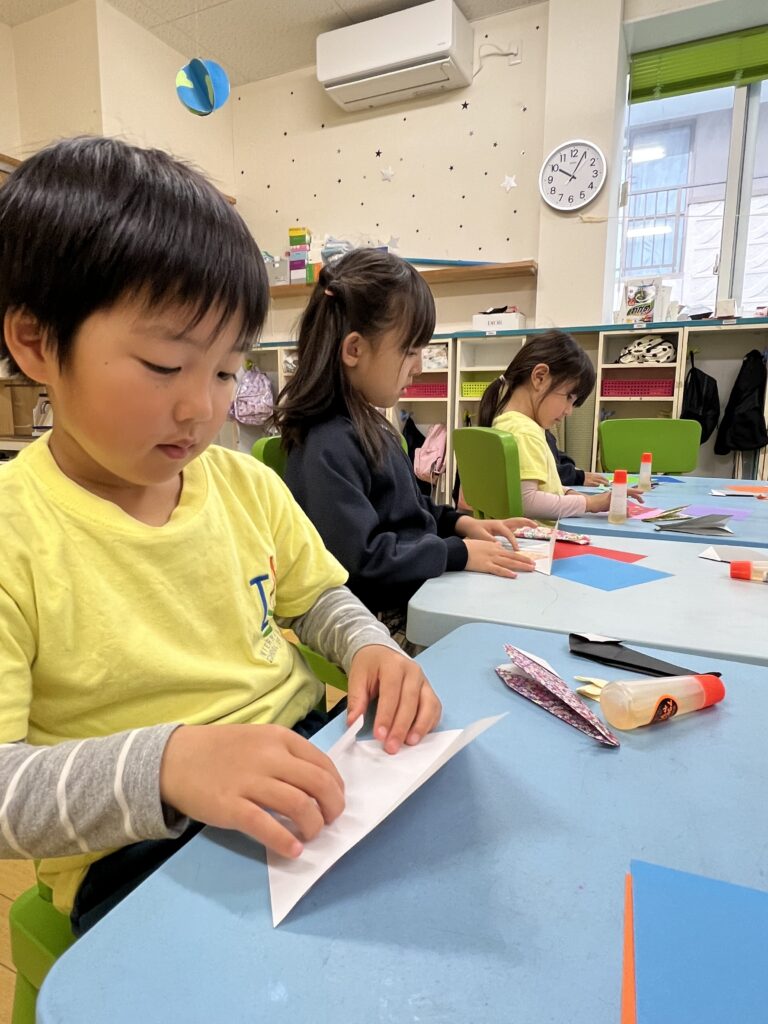
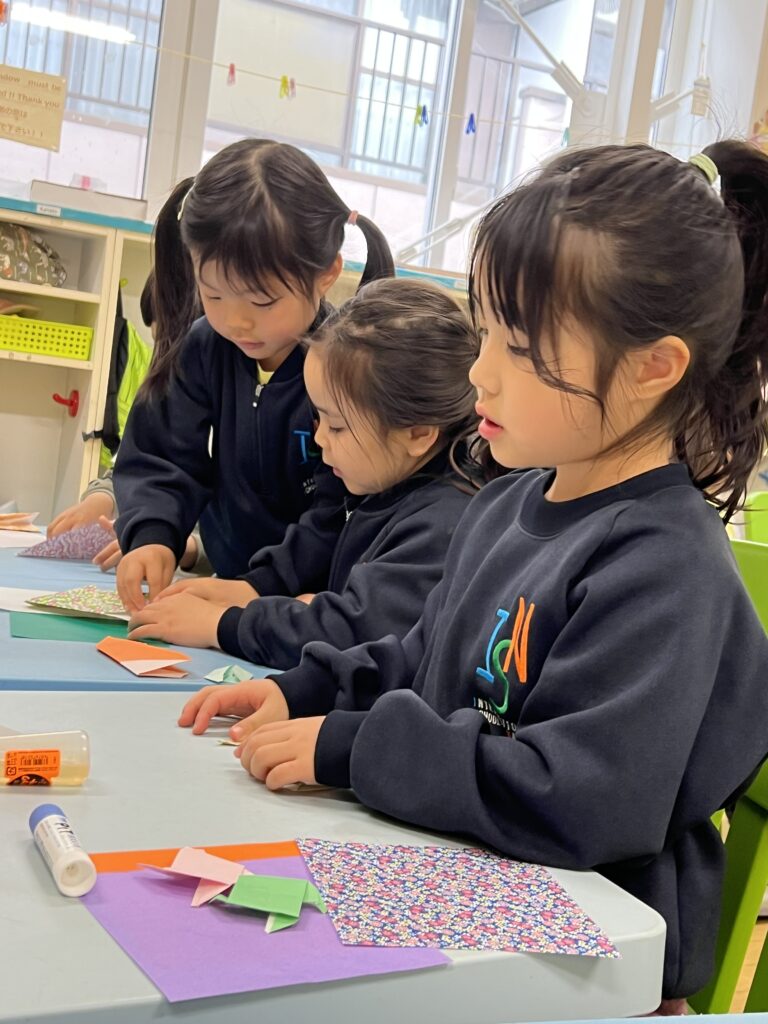
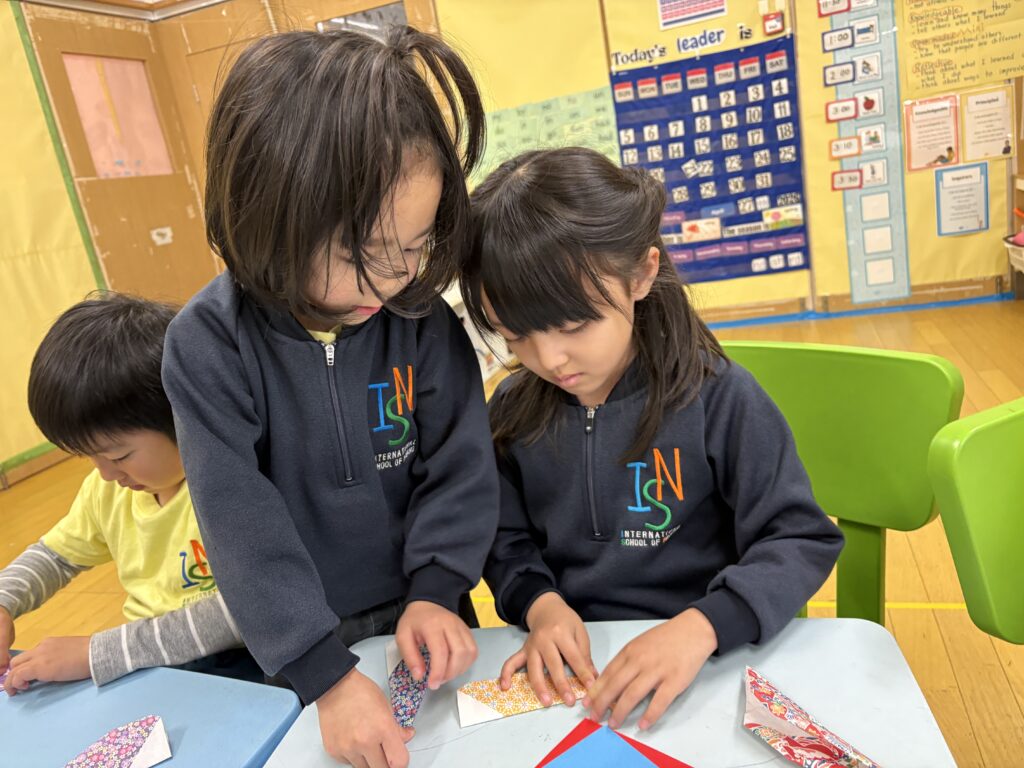
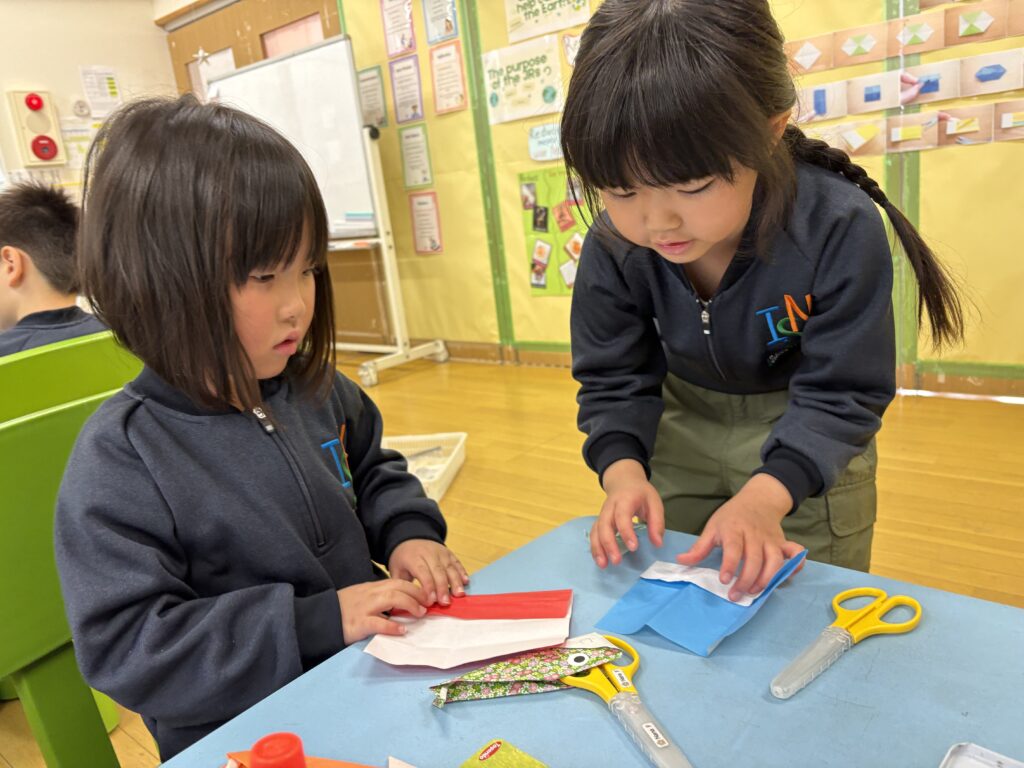
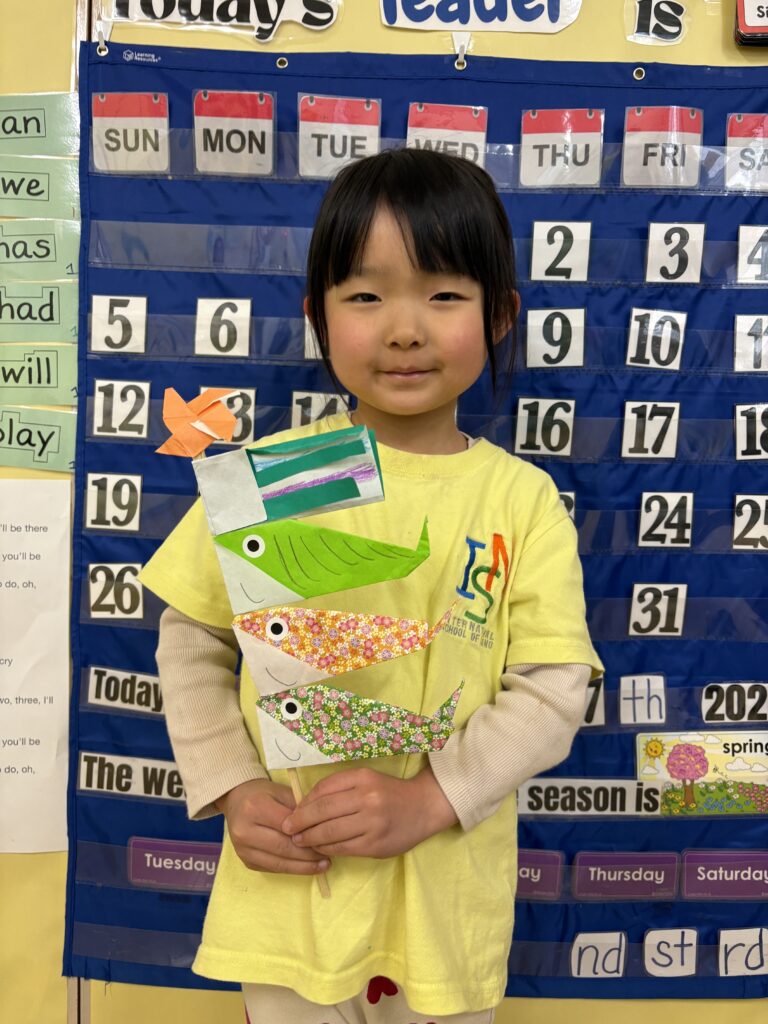
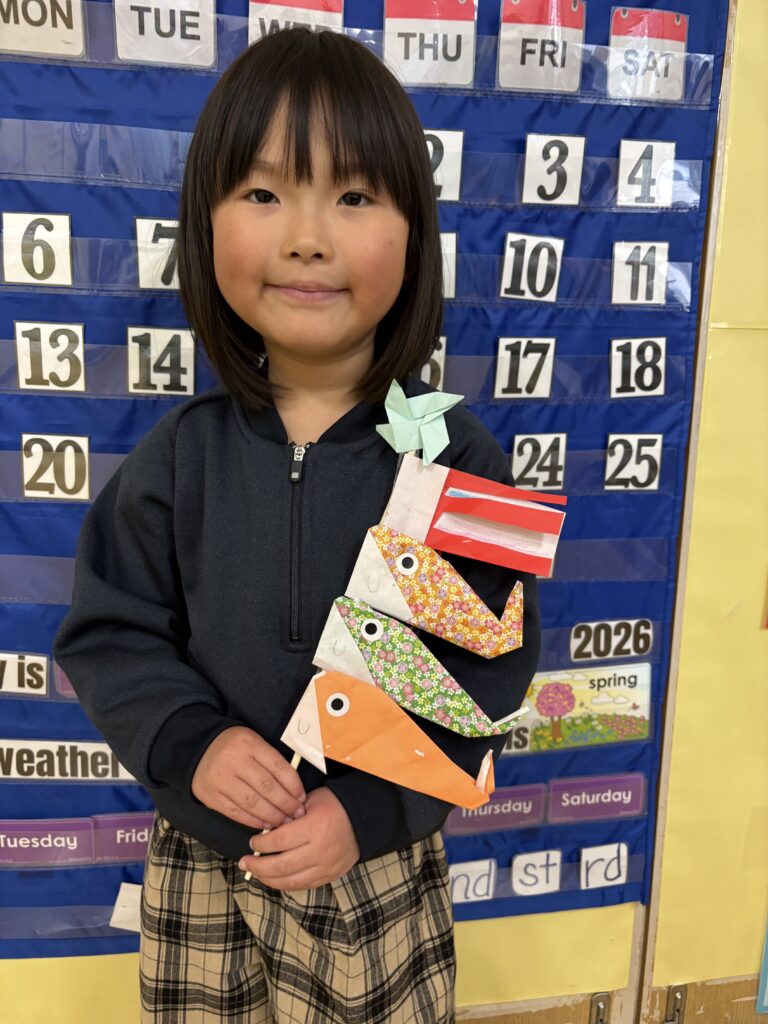
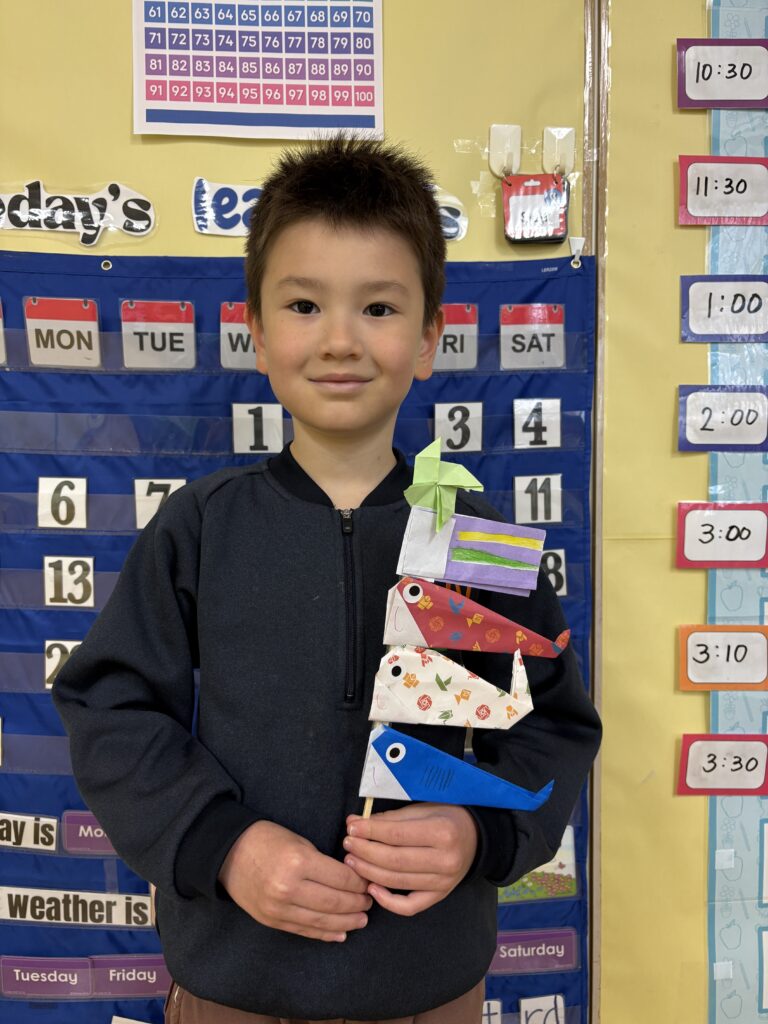
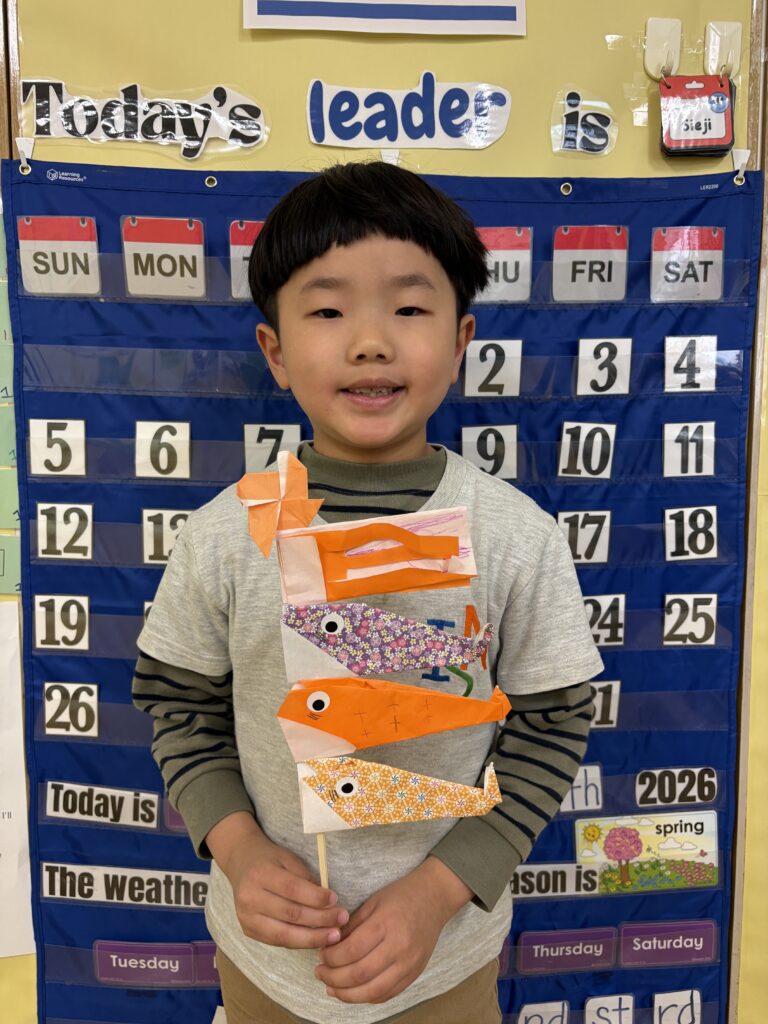
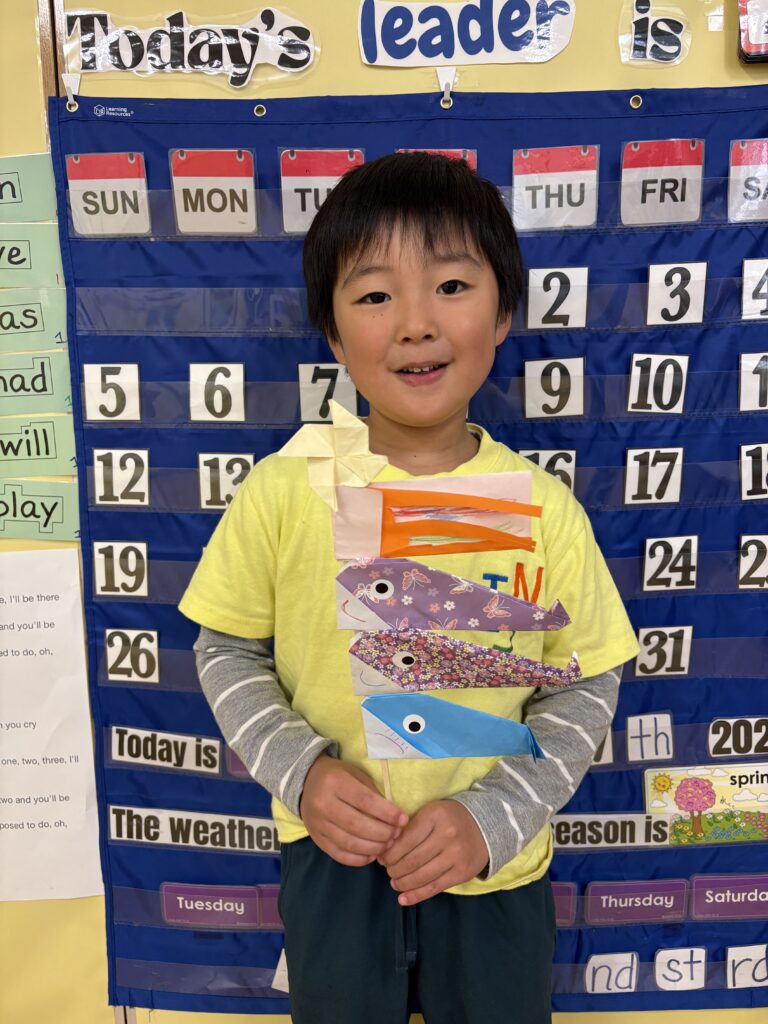
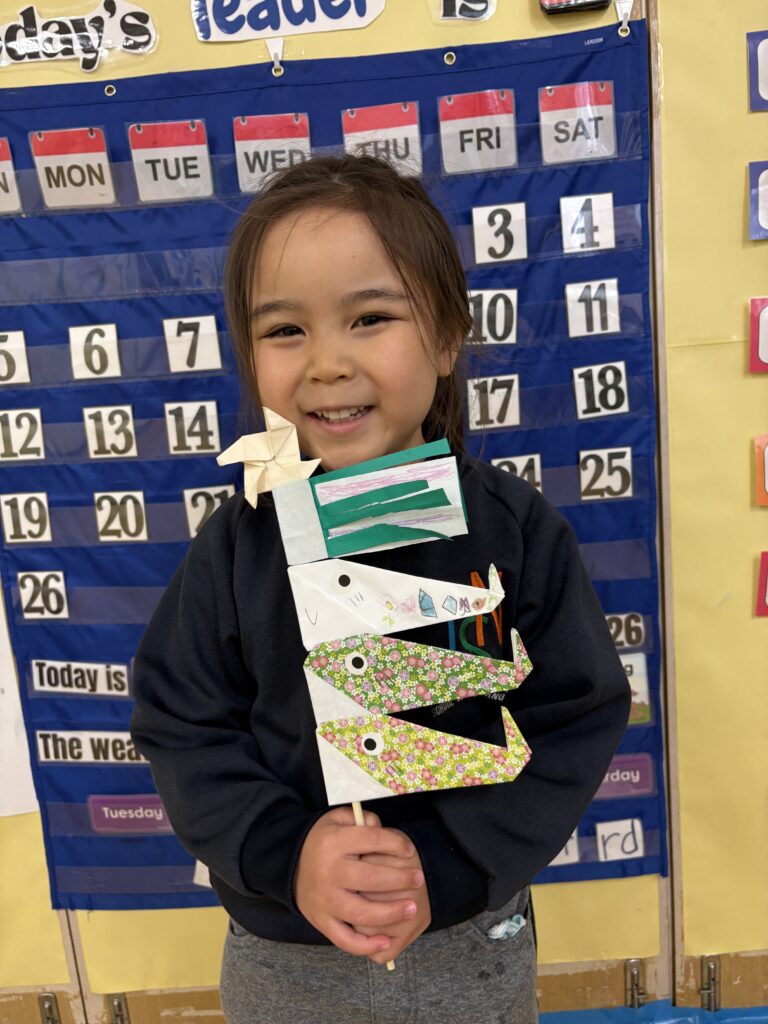
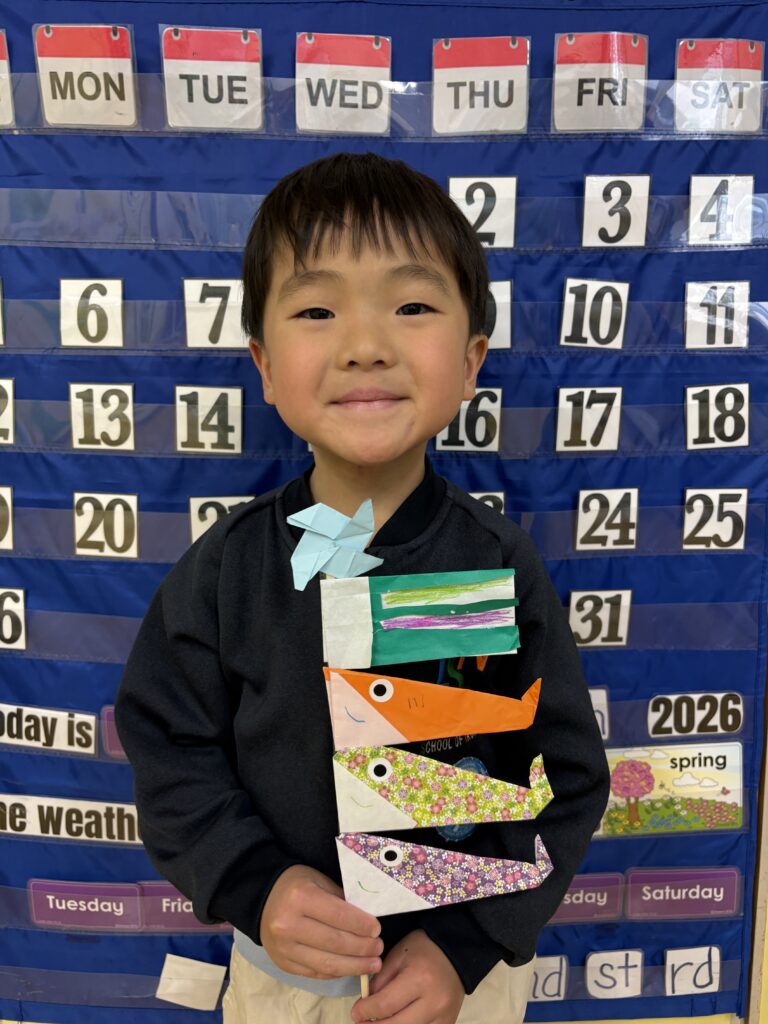
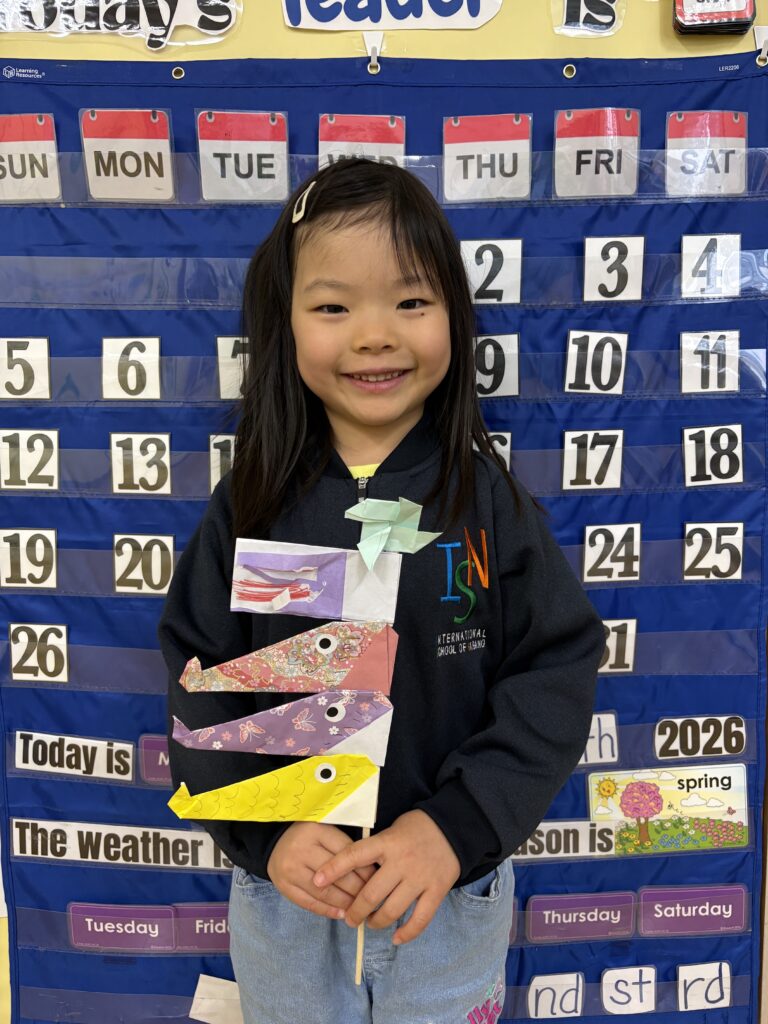
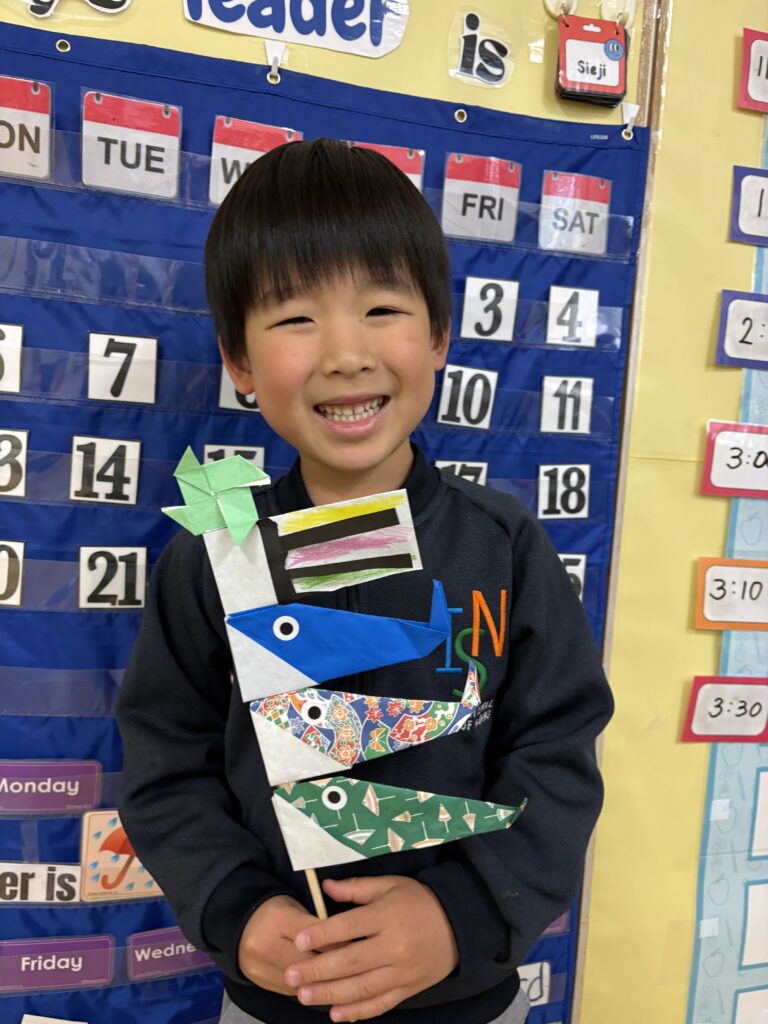
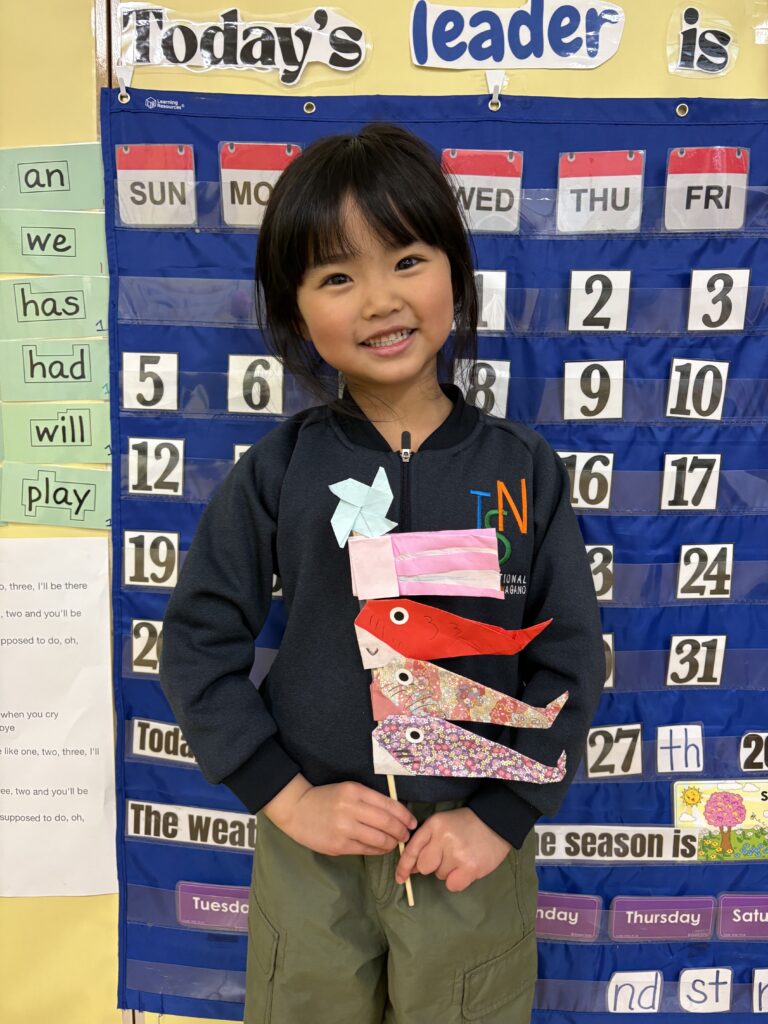
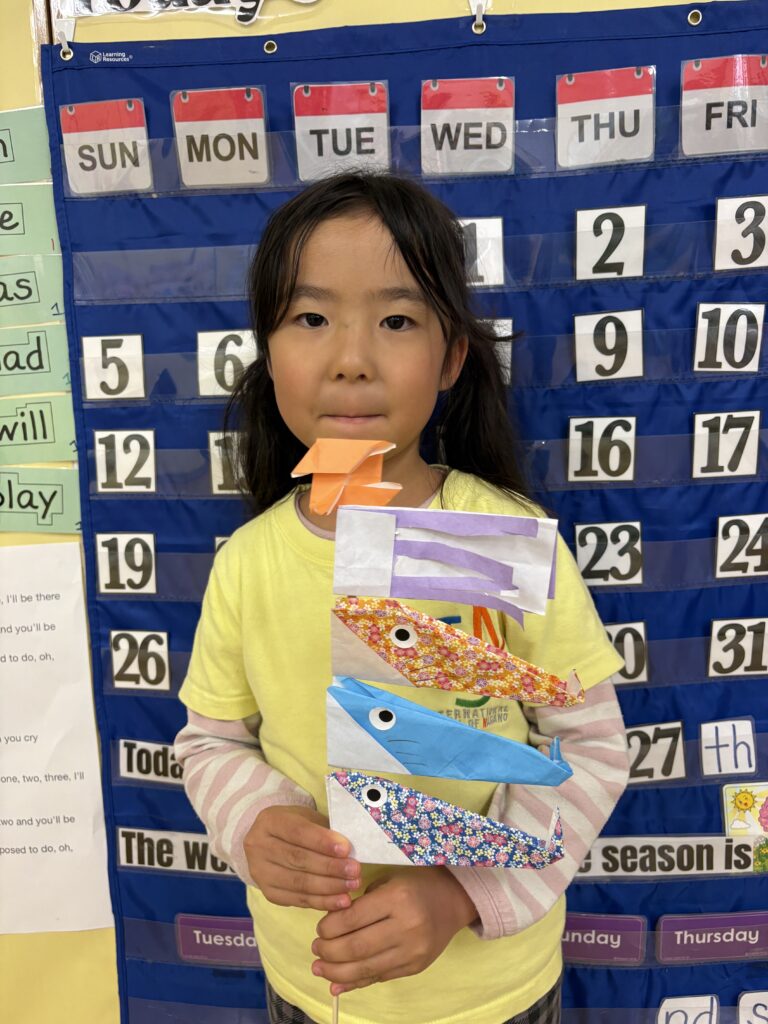
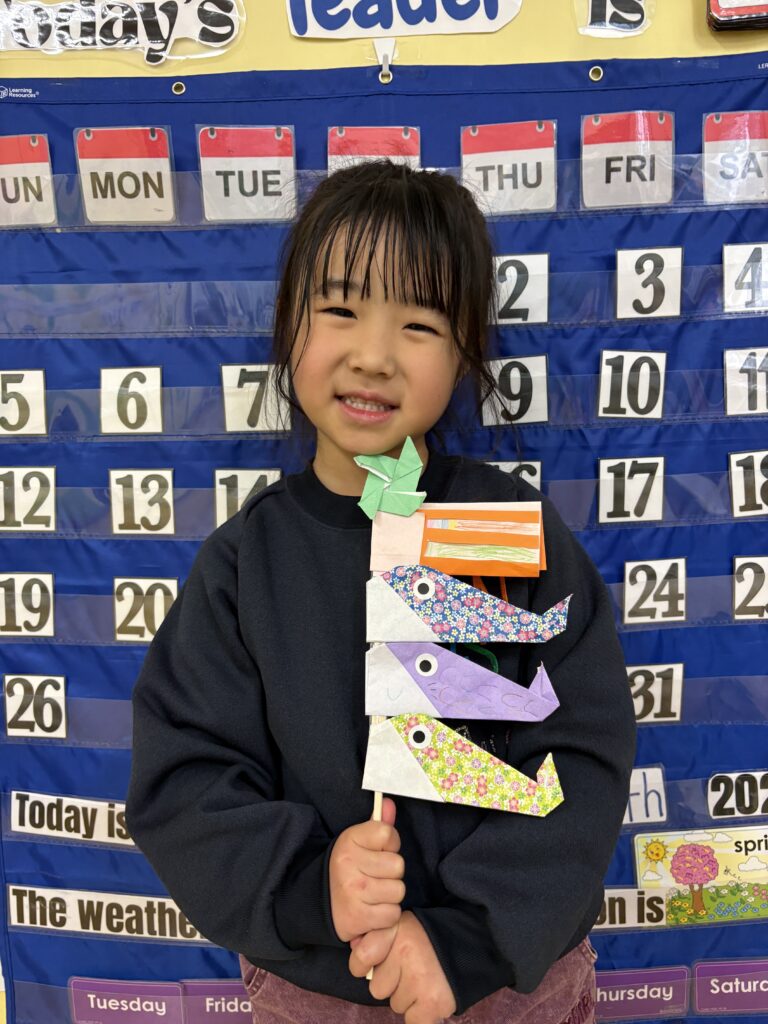
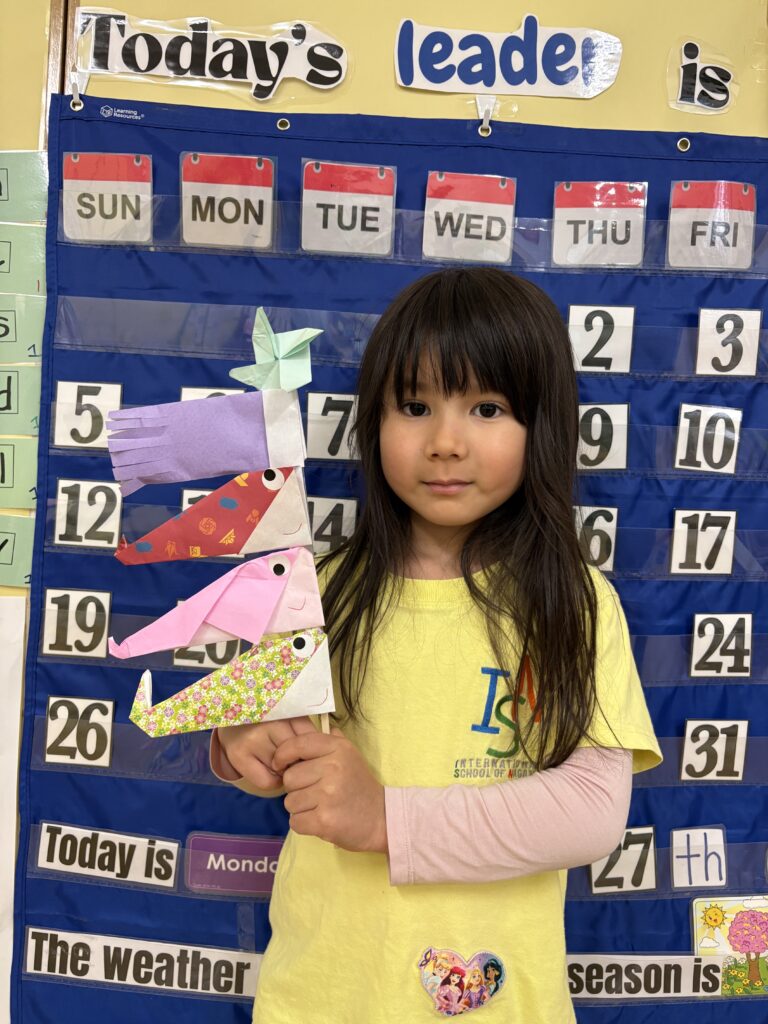
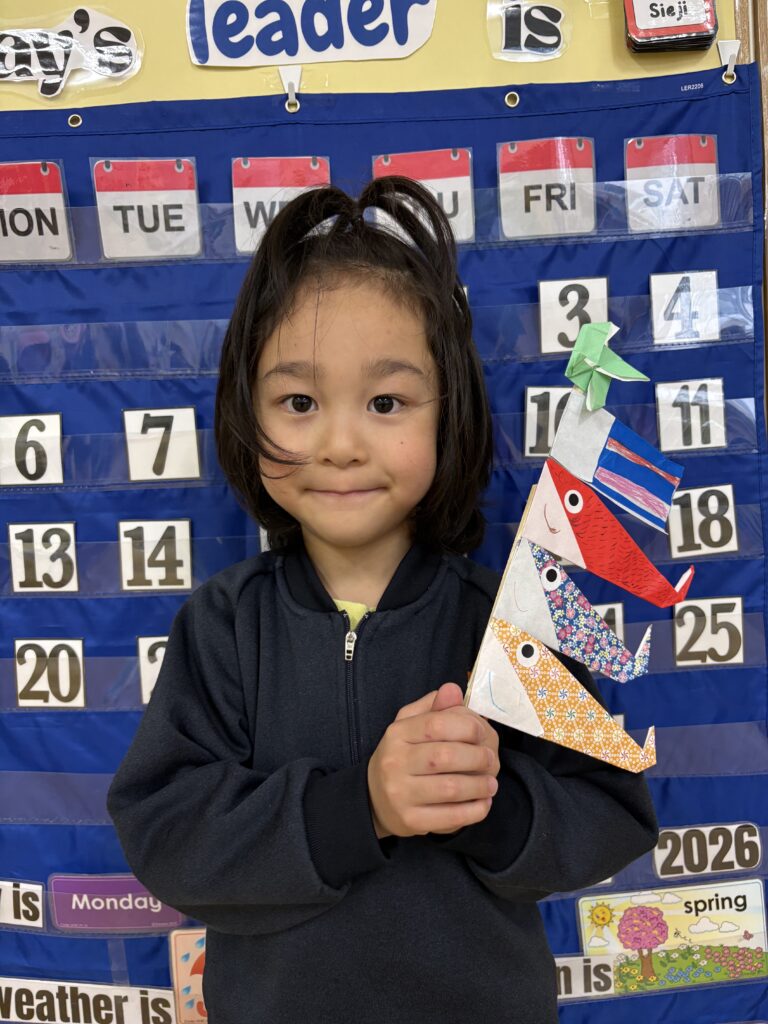
After many days of carefully folding origami paper, our classroom was filled with excitement and a sense of accomplishment as we finally completed our beautiful Koinobori craft. This project was more than just creating art—it became a meaningful experience of collaboration and kindness. It was wonderful to see students helping one another, guiding their friends through tricky folds, and celebrating small successes together. These moments truly reflected the caring and supportive environment we strive to build in our classroom. Through patience, teamwork, and creativity, each child contributed to bringing our Koinobori to life. The finished crafts are not only colorful and eye-catching but also represent the effort, resilience, and cooperation of our young learners. We are so proud of what they have achieved. Well done, everyone! Keep soaring high, just like the Koinobori!
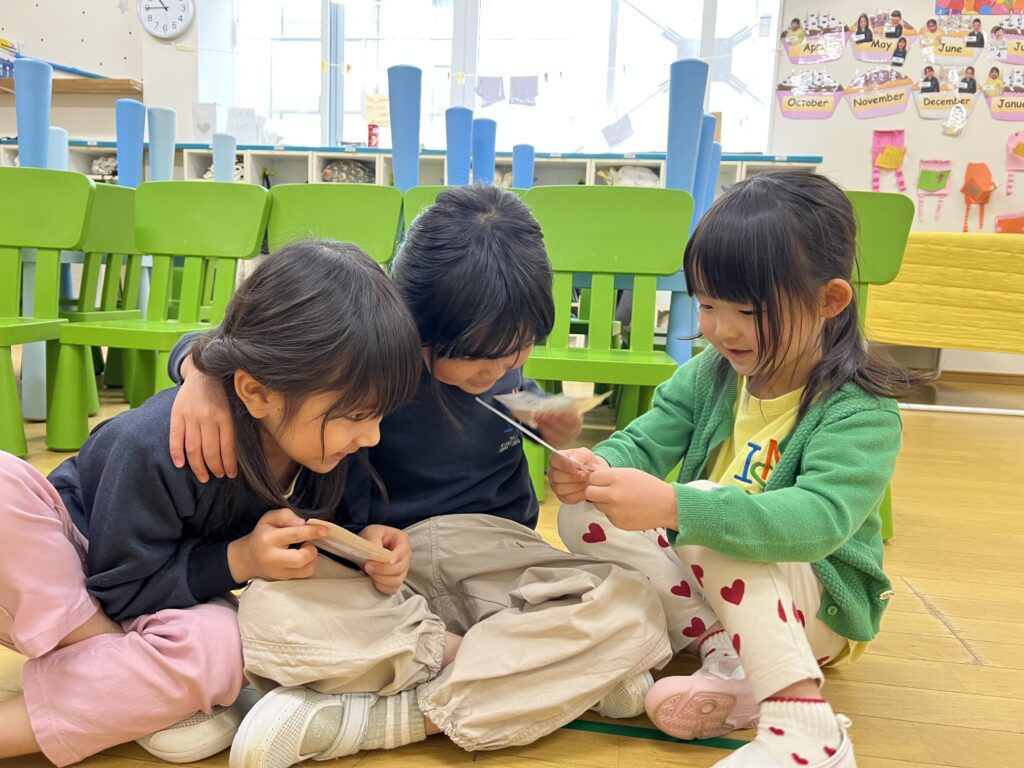
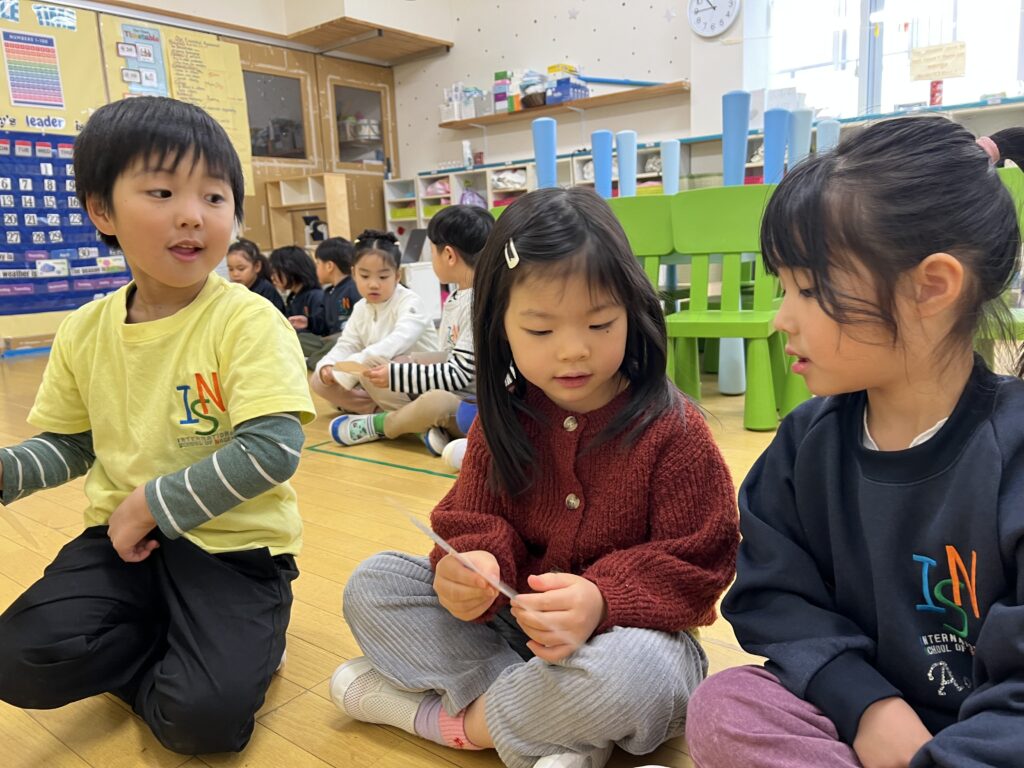
This week, our Unit of Inquiry focused on an important and meaningful topic—recycling. We began by exploring what “recycle” means through a simple provocation. Students observed how old bottle caps could be transformed into a new product—a trash bin. This helped them understand that recycling is about turning old or used materials into something new and useful. To deepen their understanding, we played a fun game called “Recycle or Not Recycle.” Students used choice cards to decide whether items could be recycled or not. This interactive activity encouraged them to think critically while actively participating in the lesson. Students then worked independently on a worksheet, where they circled recyclable materials. This gave them the opportunity to apply what they had learned and reflect on their understanding. As we continued, we explored the question: What can be recycled? After watching an engaging video, we discussed the four main types of recyclable materials—glass, paper, plastic, and metal. Students learned to identify their differences: paper is soft and easy to tear, plastic is light and can be bent, metal is hard and strong, and glass can break easily. To bring their learning to life, students were divided into groups and worked together to sort different materials into the correct recycling bins. It was wonderful to see their collaboration and cooperation as they discussed and made decisions as a team. We concluded our learning by saying together: “We can recycle paper, plastic, glass, and metal. Through these hands-on and engaging activities, students not only built their understanding of recycling but also developed important skills such as teamwork, communication, and responsibility for the environment.
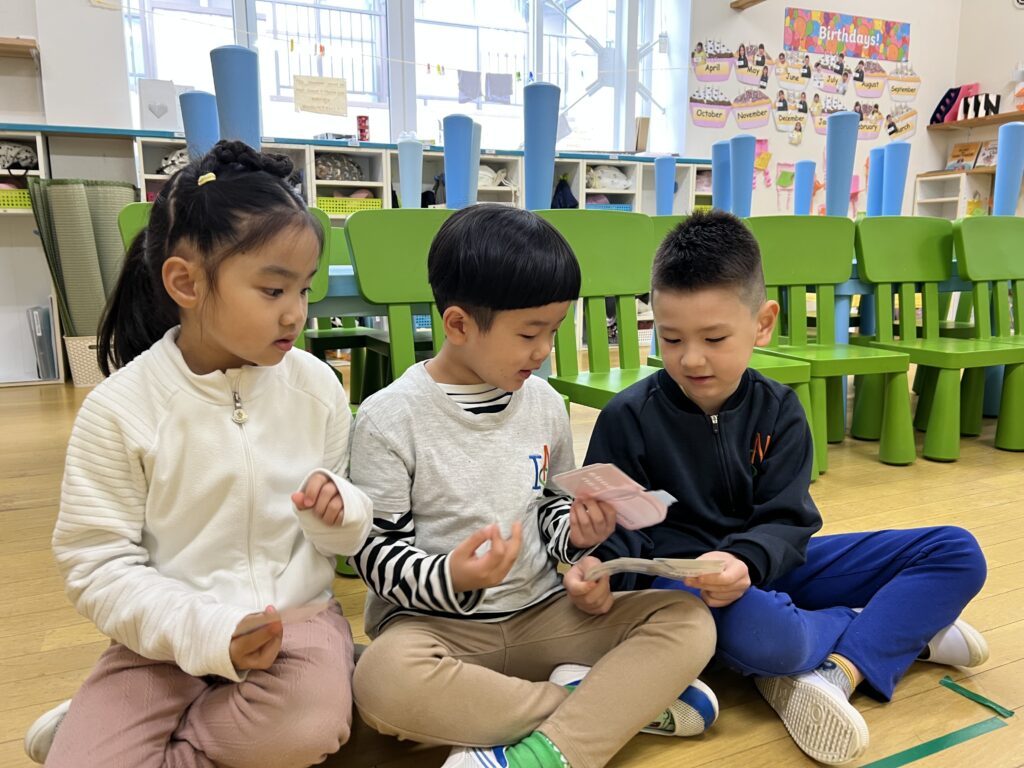
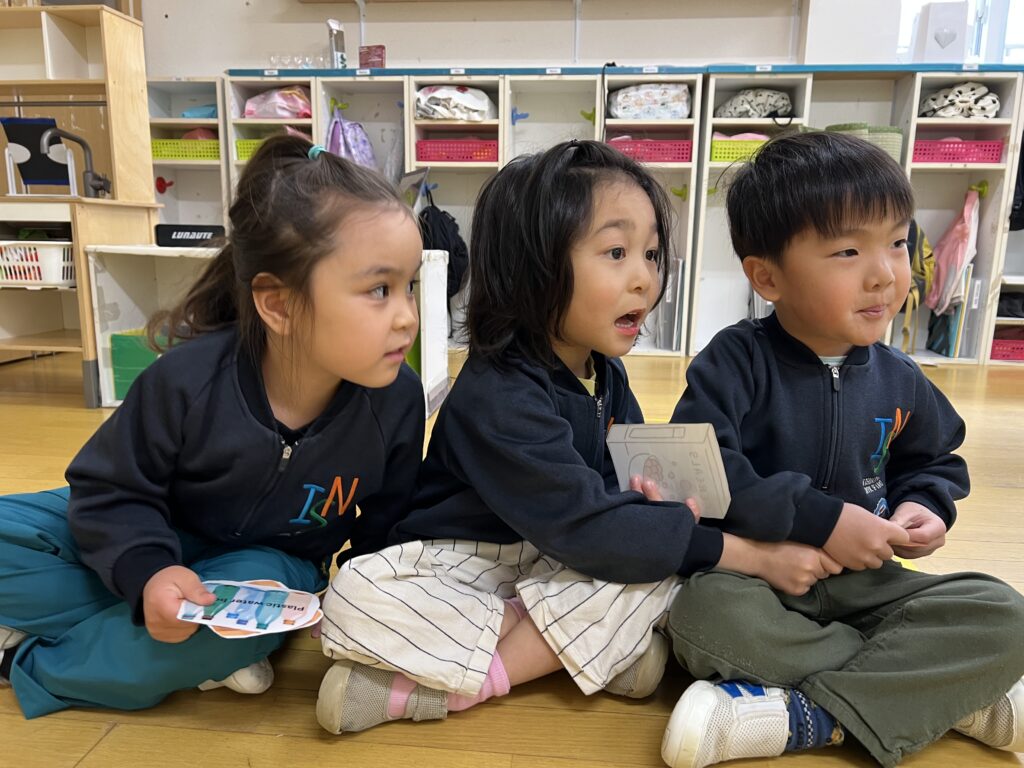
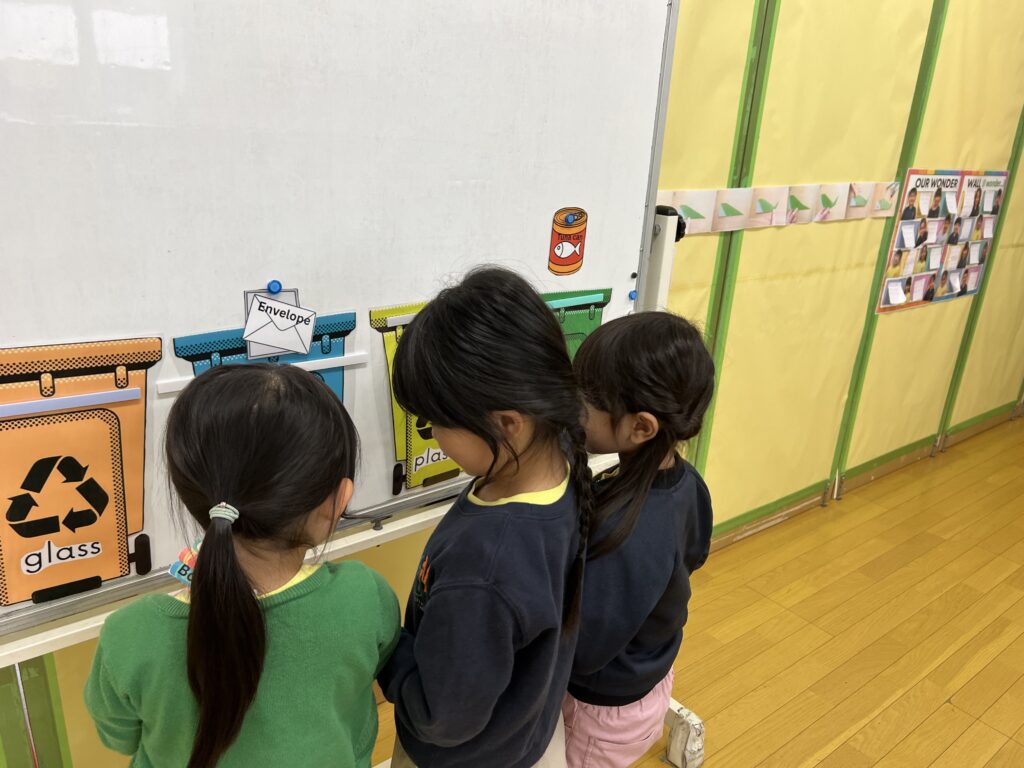
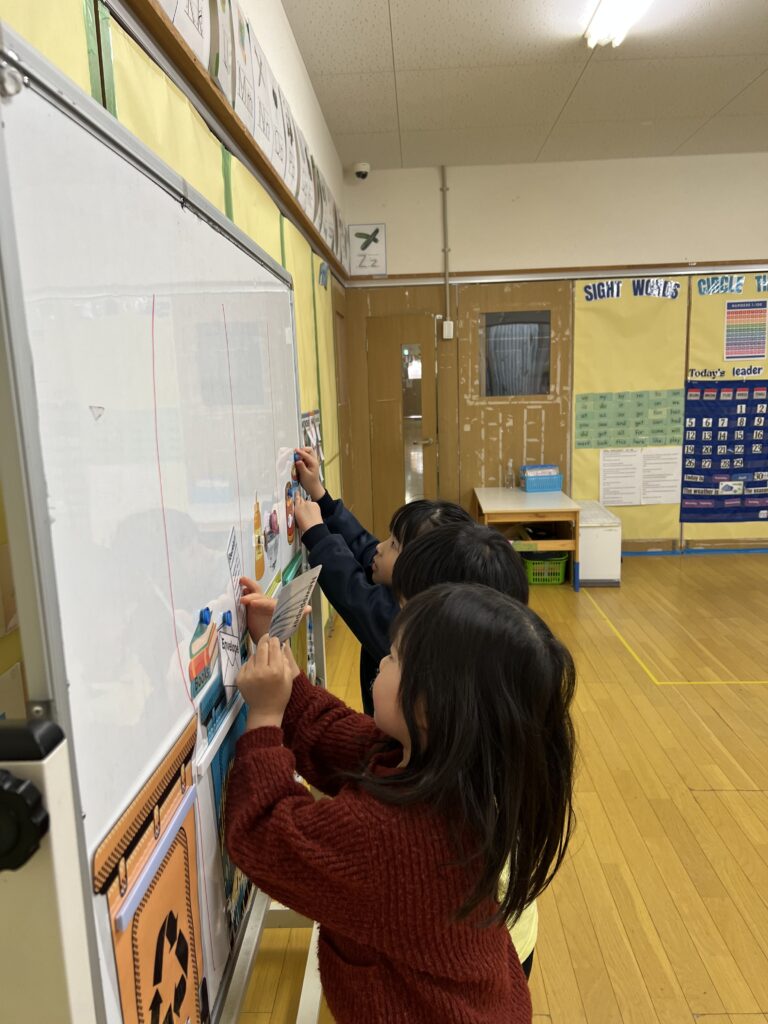
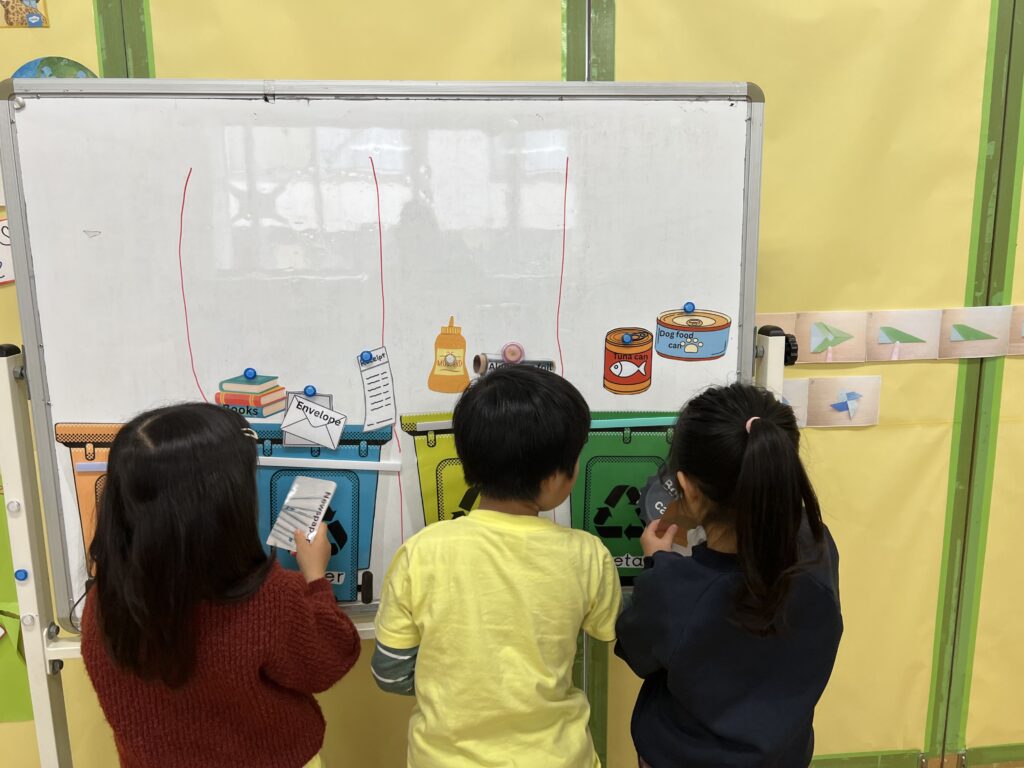
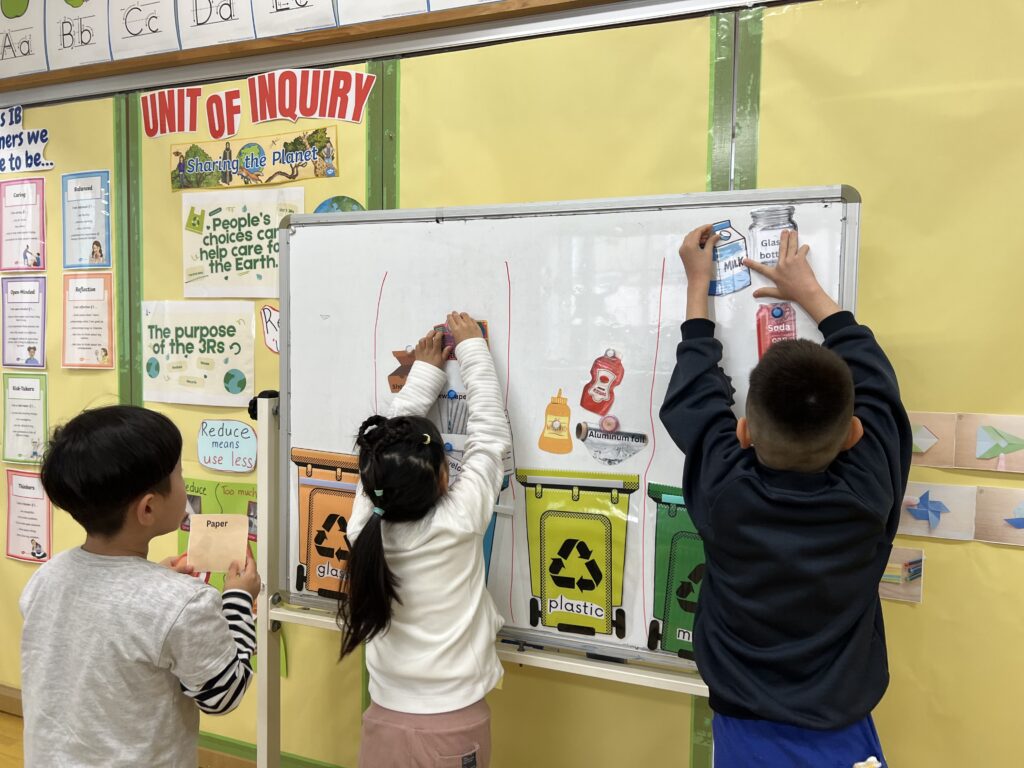
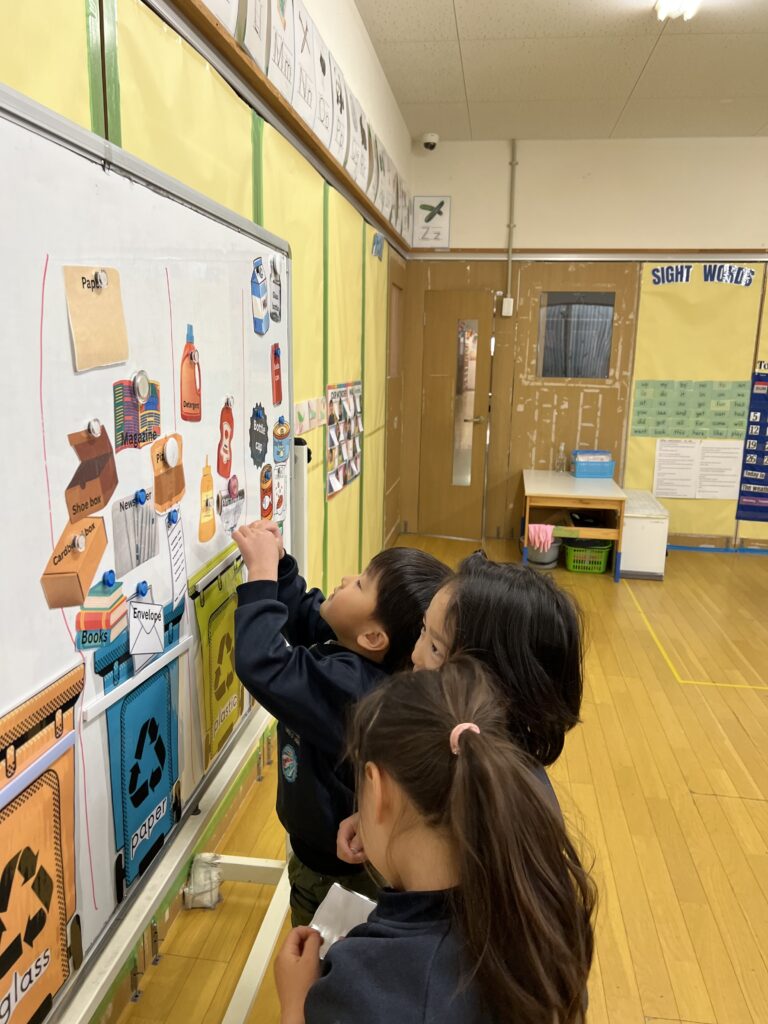
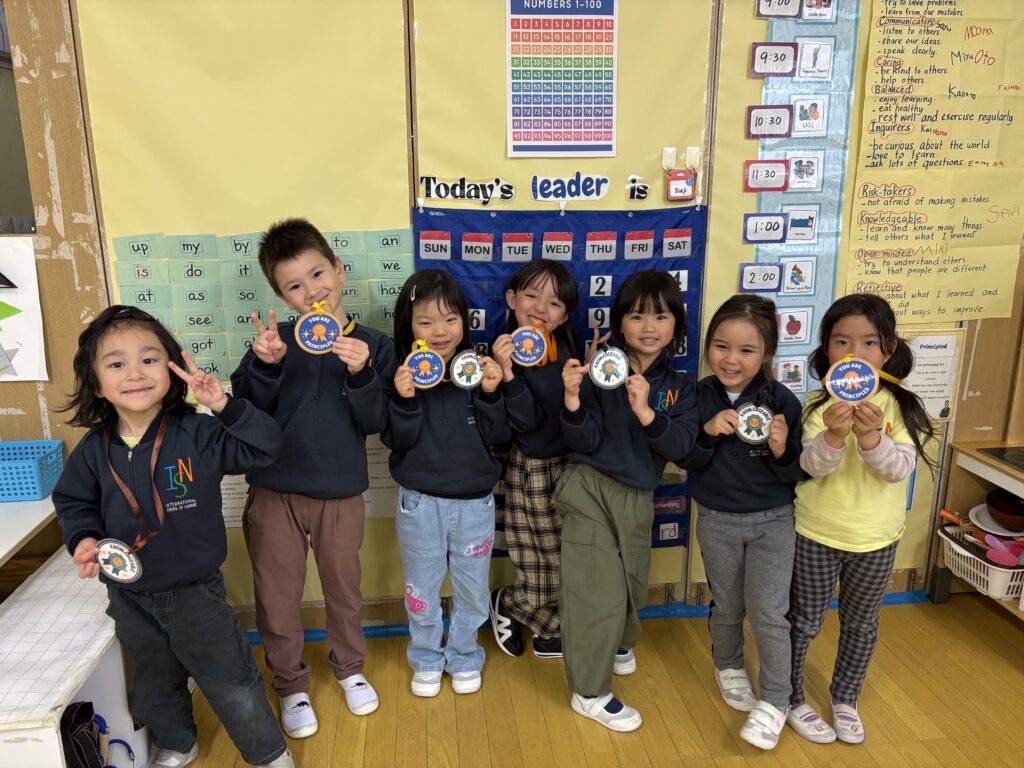
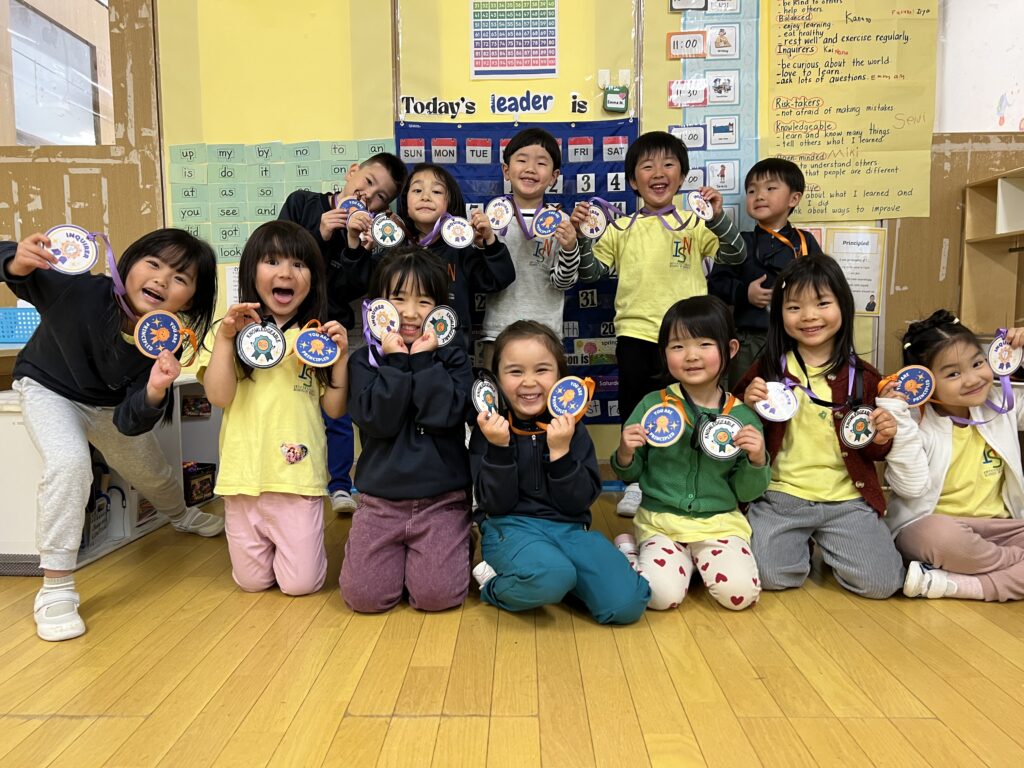
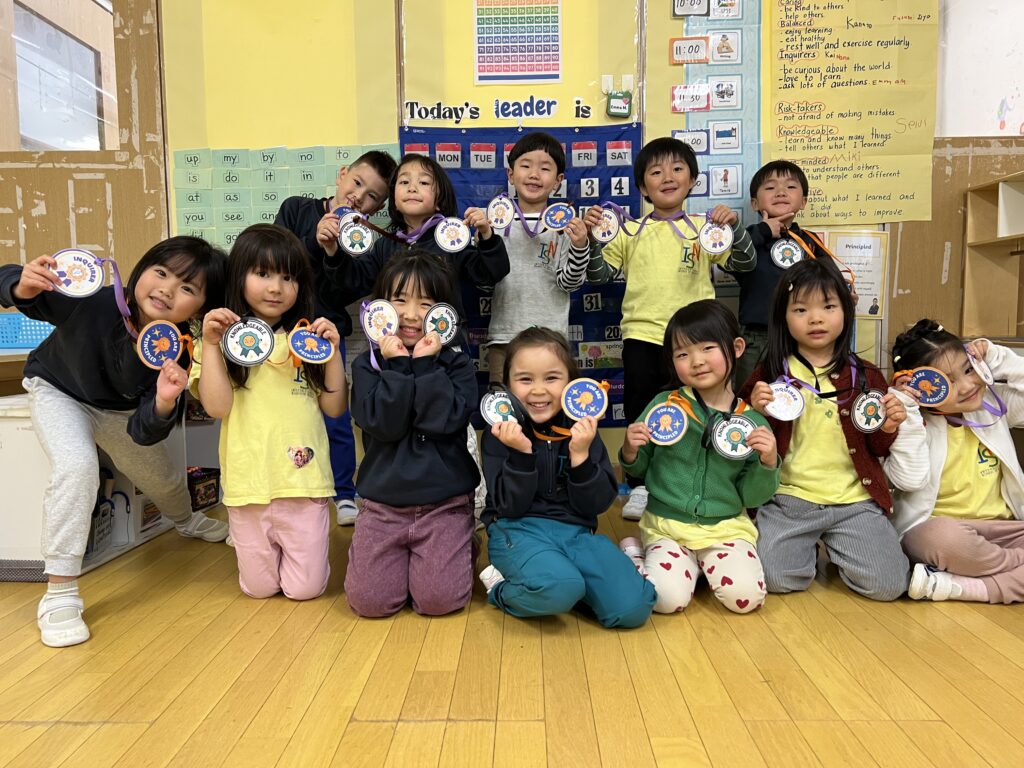
Our classroom was filled with pride and excitement as all students received their Learner Profile attribute medals. It was a joyful moment to recognize their growth and the wonderful attitudes they have shown throughout this week. They have demonstrated that they are Knowledgeable by confidently identifying the difference between recyclable materials and trash. They showed a clear understanding of how to sort paper, plastic, glass, and metal into the correct recycling bins. They also proved to be true Inquirers. As we revisited our Wonder Wall, many students asked thoughtful questions, showing their curiosity and eagerness to learn more about recycling. Most importantly, our students showed that they are Principled. They are beginning to apply what they have learned in the classroom to real-life situations—making responsible choices and understanding the importance of caring for the environment. We are incredibly proud of each and every student for their efforts and achievements. These medals are not just awards, but symbols of their growth as learners and individuals. Well done, Milky Way leaders—keep shining and leading the way!
After Golden Week, we will continue exploring our topic on recycling, together with our reading, writing, tennis, and music lessons.
Wishing everyone a joyful and restful Golden Week holiday!
