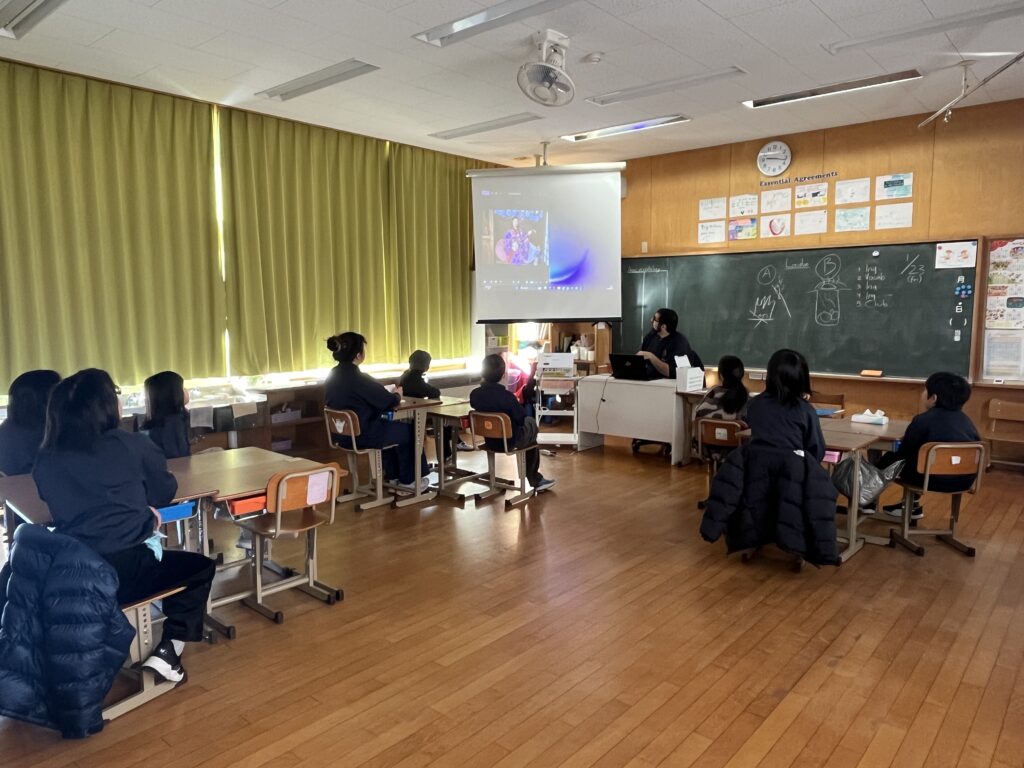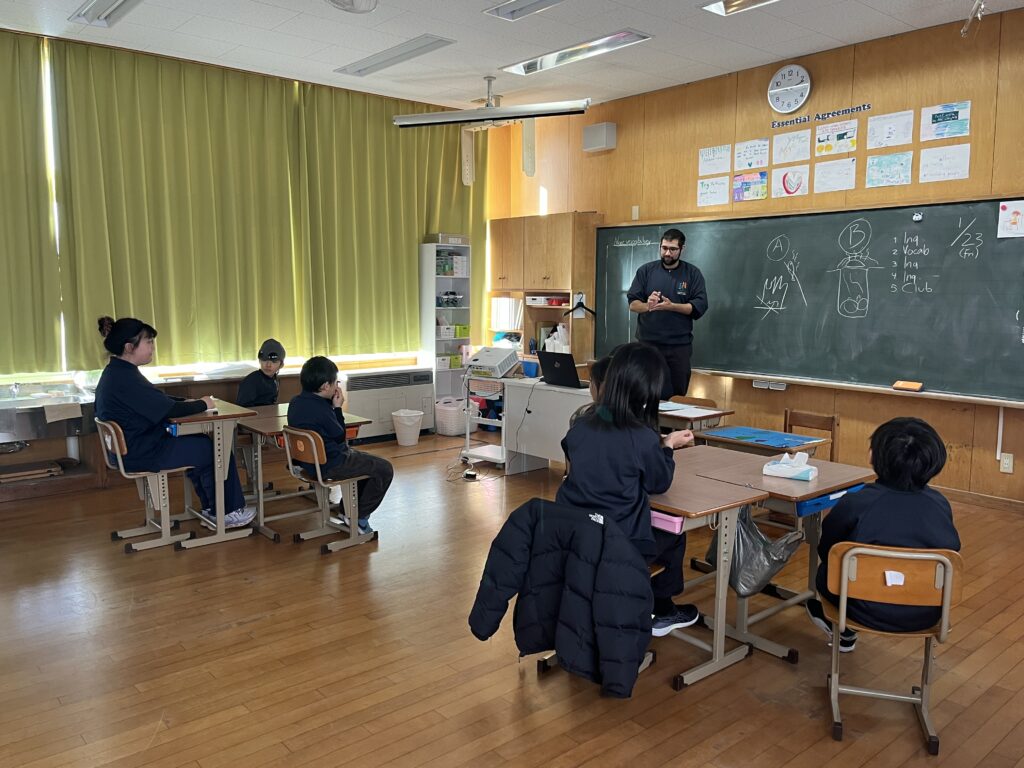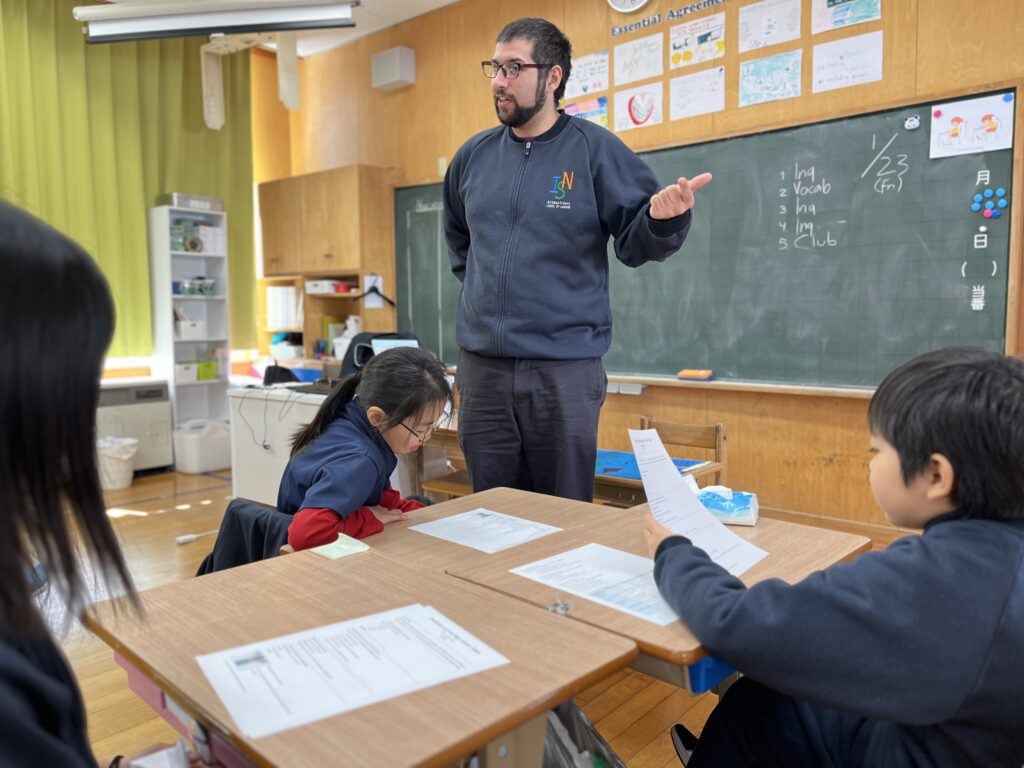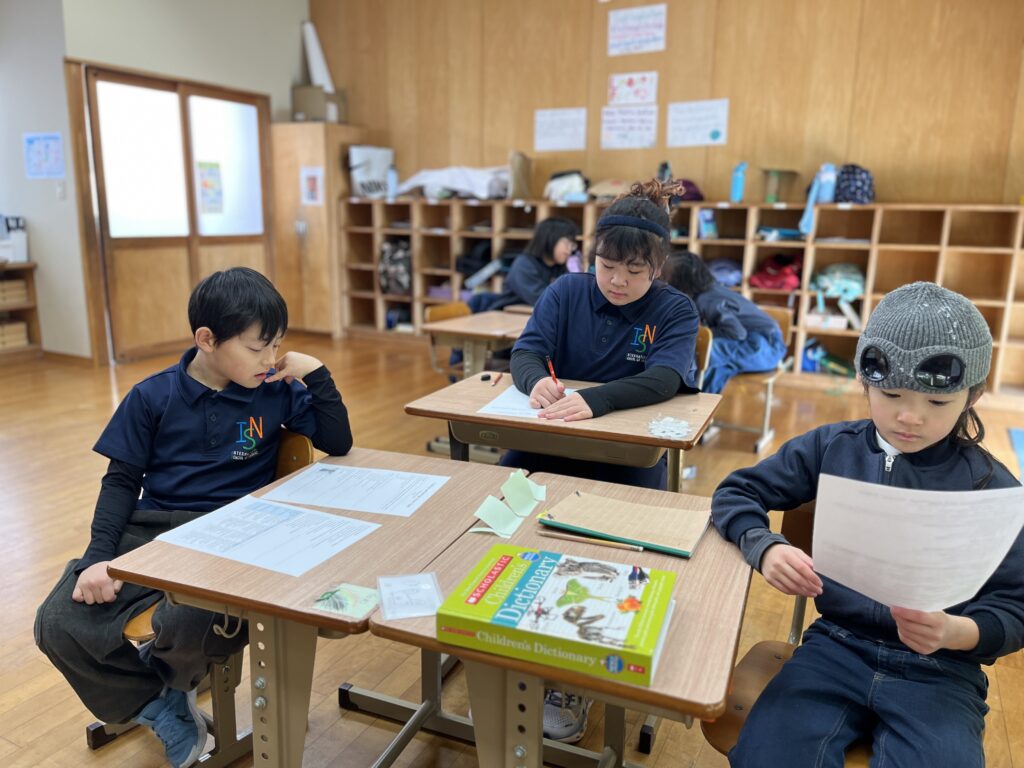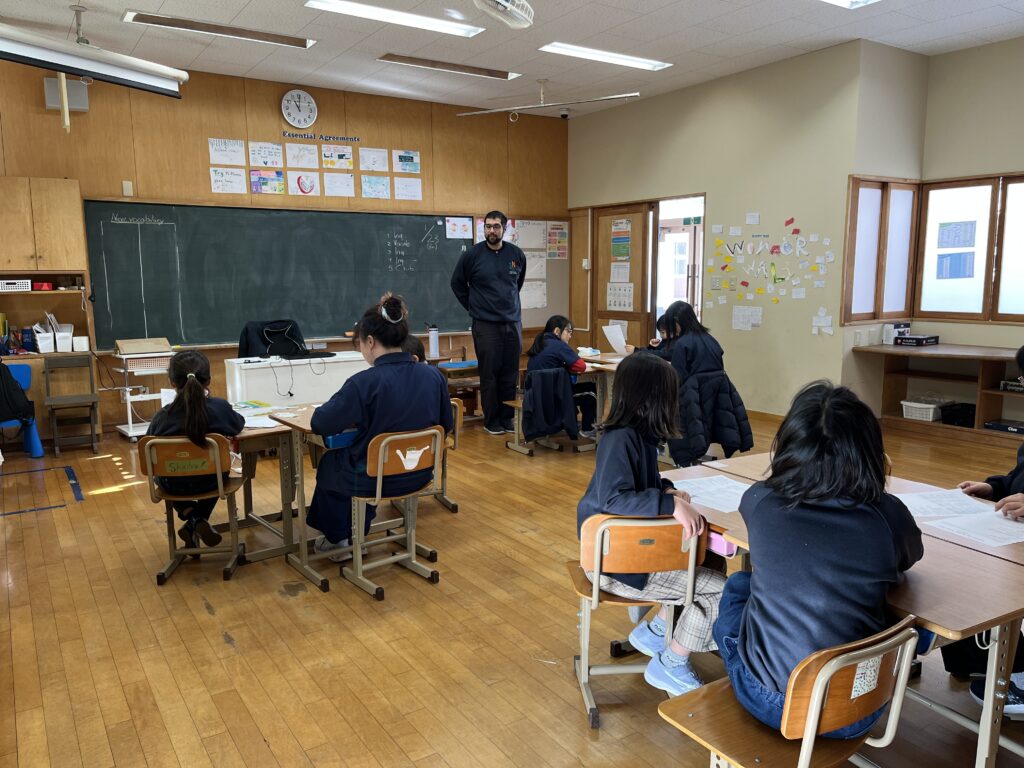
This week in our inquiry unit Tradition and Heritage, students explored how traditions and ways of life are shaped by where people live. Through comparisons of different regions in Japan, students examined how climate, geography, and history influence traditions such as clothing, housing, and daily customs.
A key focus of the learning was helping students understand that traditions are not random, but developed over time as people responded to their environment and the needs of their communities. By comparing different regions with life here in Nagano, students were encouraged to think more deeply about why traditions may look different from place to place.
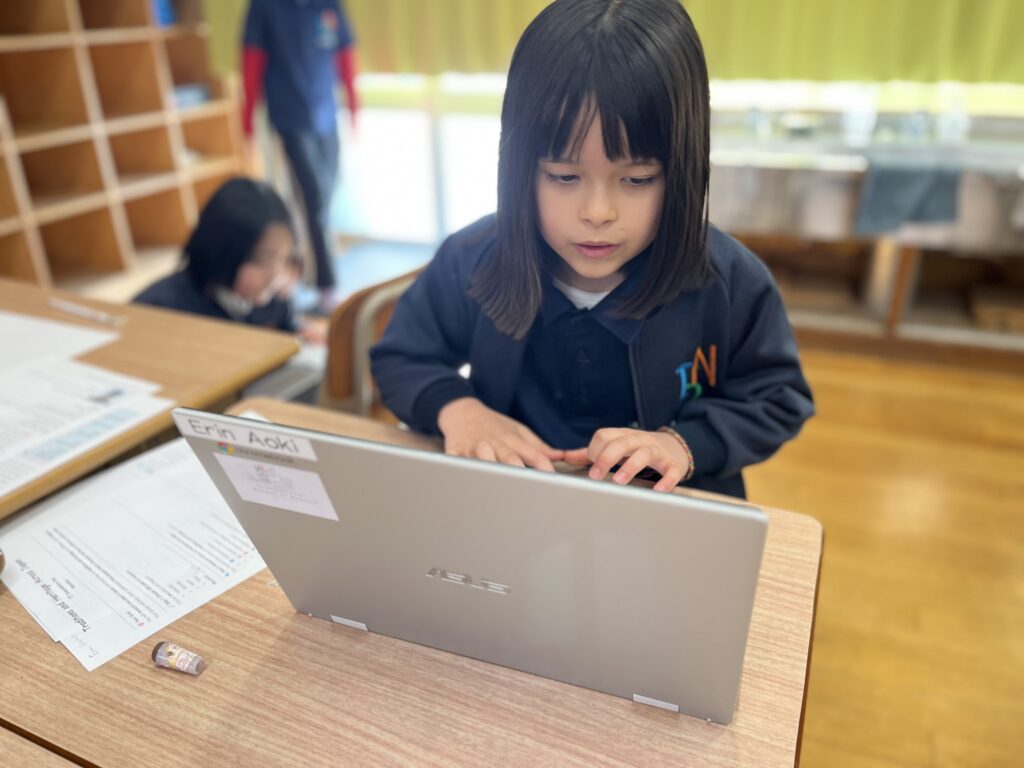
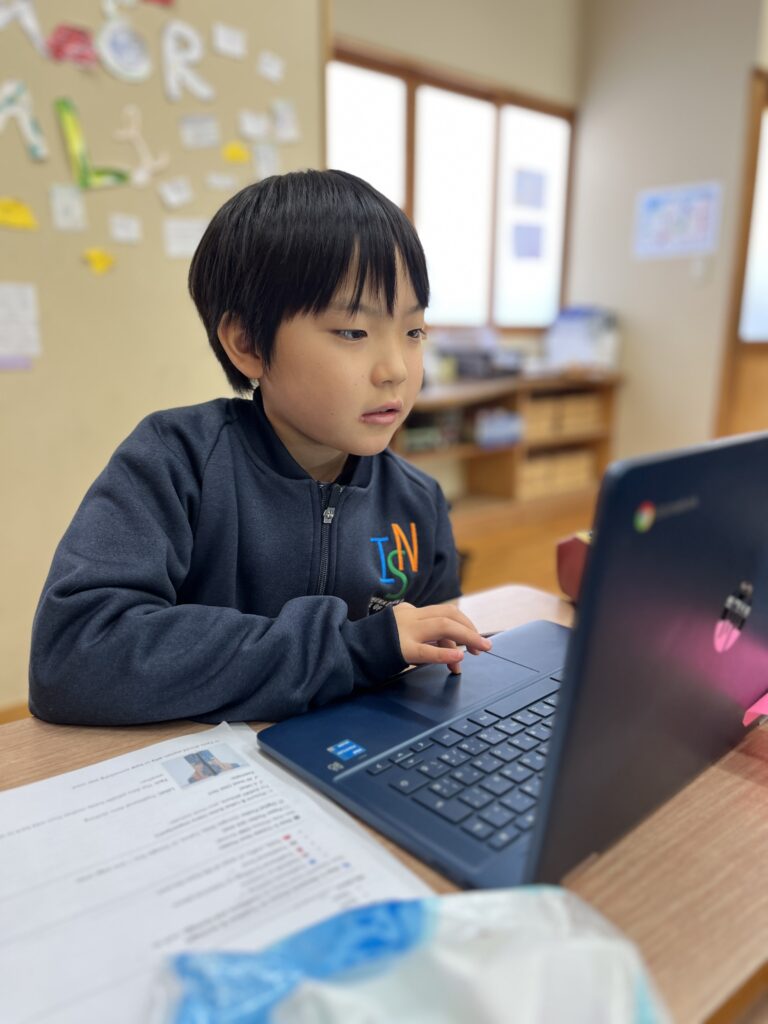
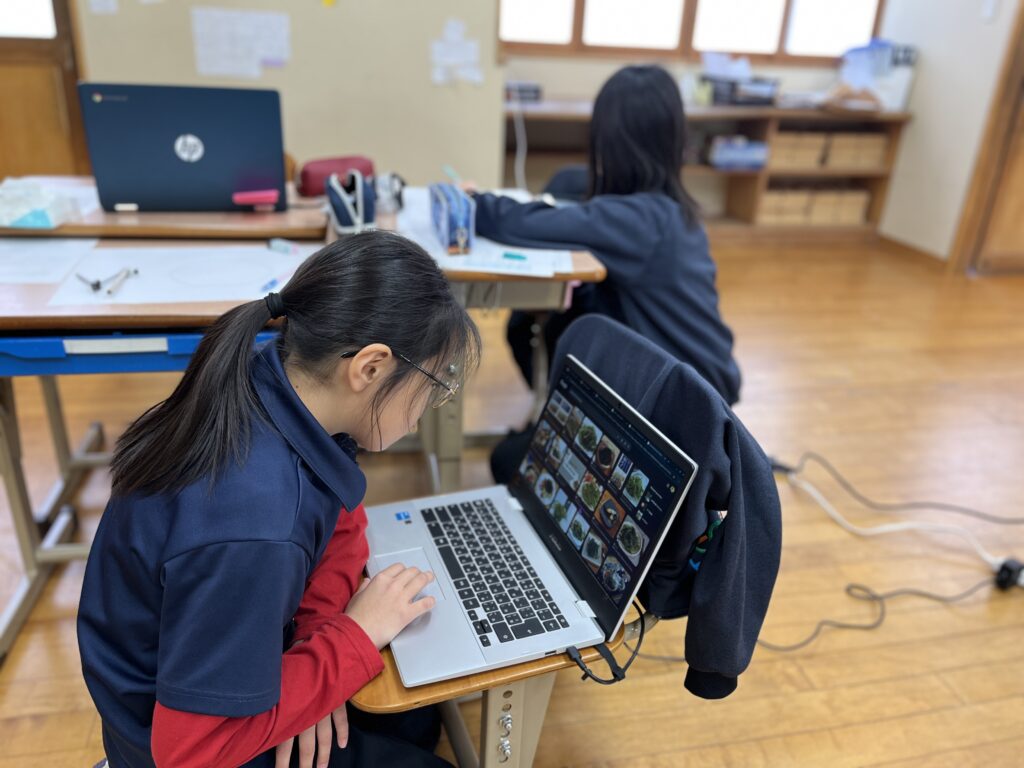
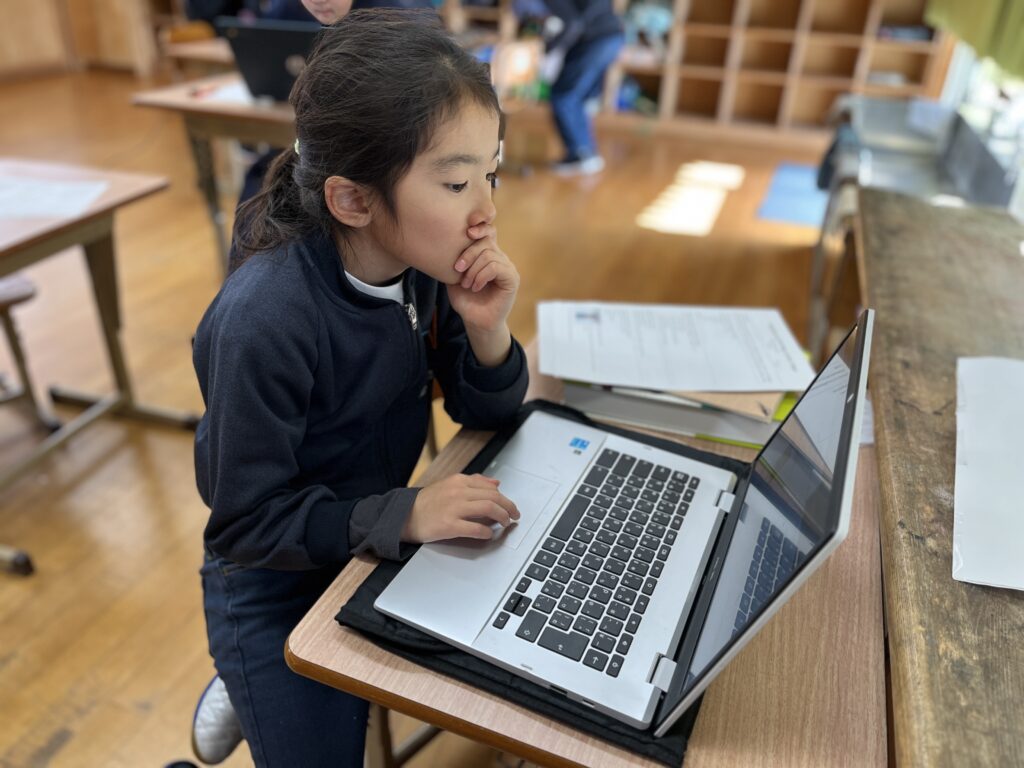
Students then applied this understanding by beginning a small inquiry task that allowed them to research traditions and cultural heritage from another area of Japan. The goal of this work is not only to gather information, but to help students explain how traditions connect the past to the present and how culture helps shape identity.
As students continue this learning, they are developing important skills such as observation, research, and communication, while also building respect and appreciation for the diversity of cultures found across Japan.
今週の探究ユニット「伝統と文化遺産」では、人々の暮らしや伝統が、住んでいる場所によってどのように形づくられてきたのかを探究しました。日本のさまざまな地域を比べながら、気候や地理、歴史が服装や住居、生活習慣などの伝統にどのような影響を与えているのかを考えました。
学習の大きな目的は、伝統が偶然に生まれたものではなく、昔の人々が環境や地域の課題に向き合いながら工夫してきた結果であることを理解することです。長野での暮らしと他の地域を比べることで、地域ごとの違いとその理由に目を向けることができました。
その理解を深めるために、生徒たちは日本の別の地域について調べ、伝統や文化遺産が過去と現在をどのようにつないでいるのかを考えています。この学びを通して、文化が人々のアイデンティティを形づくる大切な要素であることにも気づき始めています。
こうした活動を通じて、生徒たちは観察力や調査力、表現力を伸ばすと同時に、日本の多様な文化に対する理解と尊重の気持ちを育んでいます。