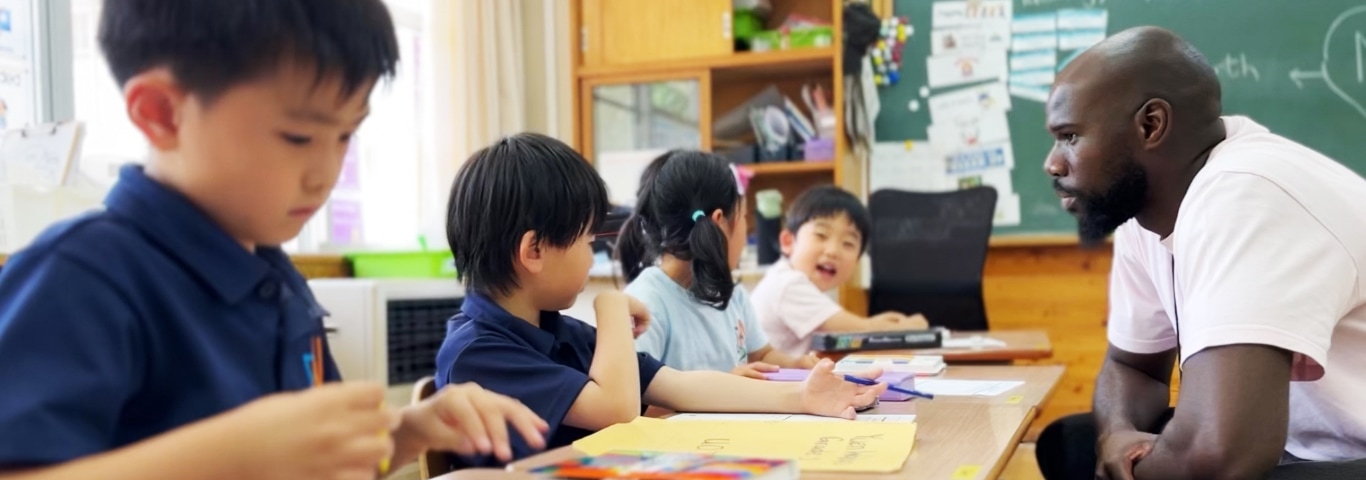
Over the past two weeks in Mathematics, we have been exploring the concept of estimation through a range of inquiry-based and hands-on learning experiences. Rather than focusing only on finding exact answers, we have been developing our ability to think critically about the reasonableness of numbers and to use different strategies to make efficient mathematical judgments. Through real-life contexts and collaborative activities, we explored how estimation can be used as a practical tool in everyday situations, helping us build confidence, flexibility, and independence in our mathematical thinking.
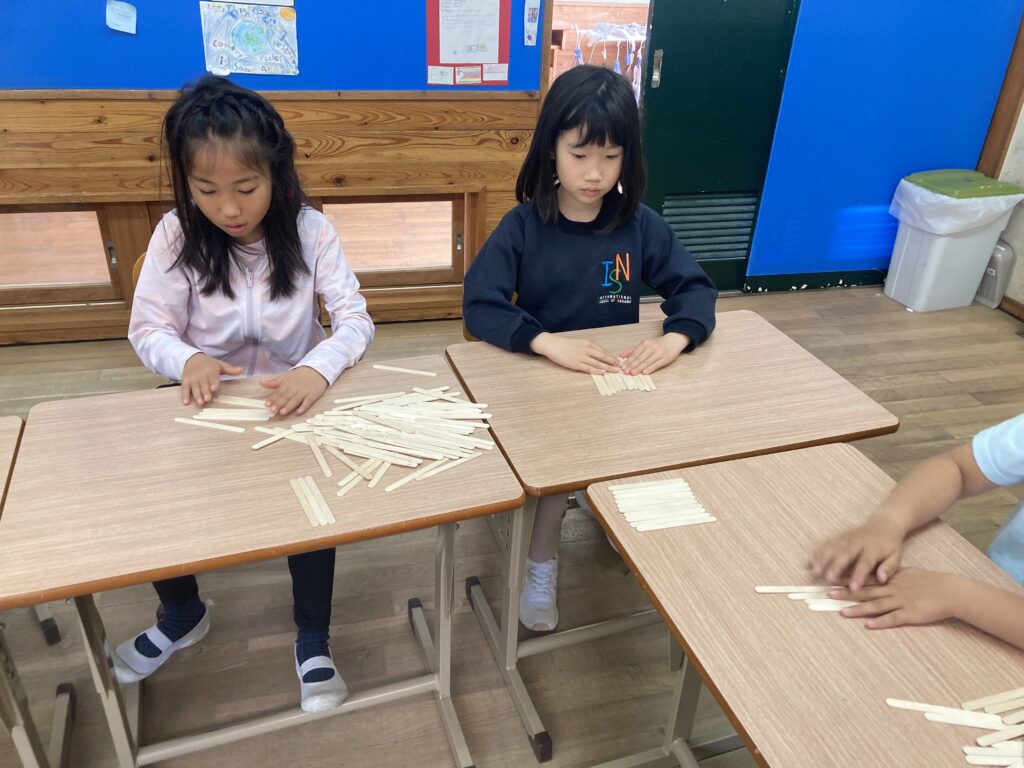
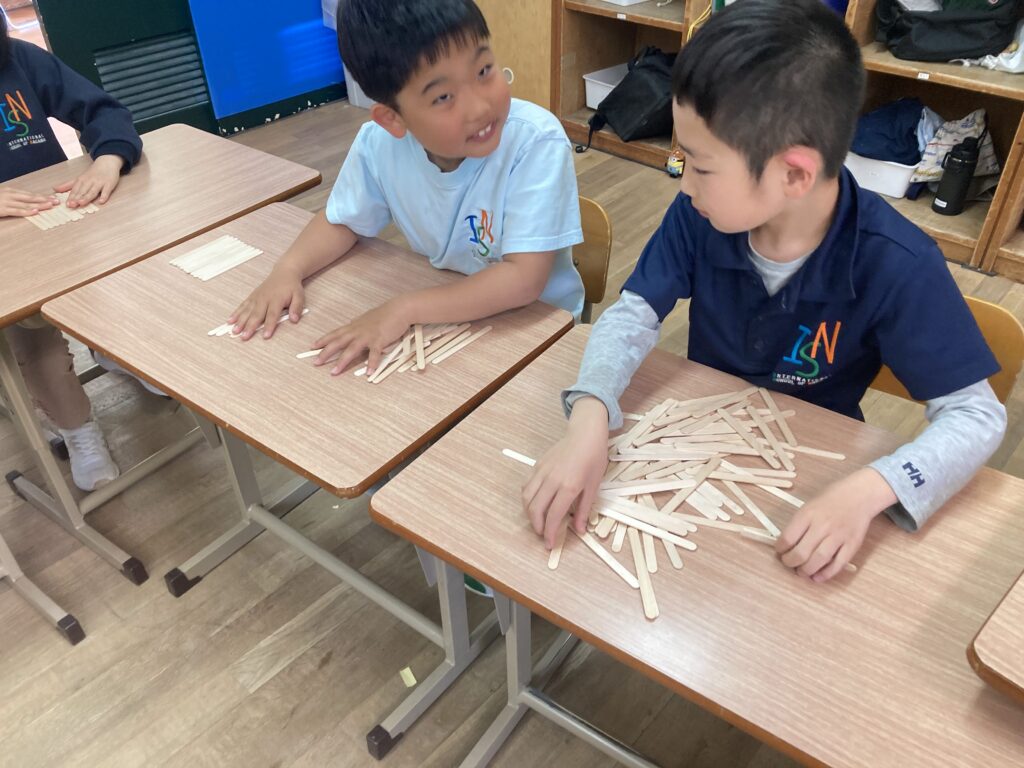
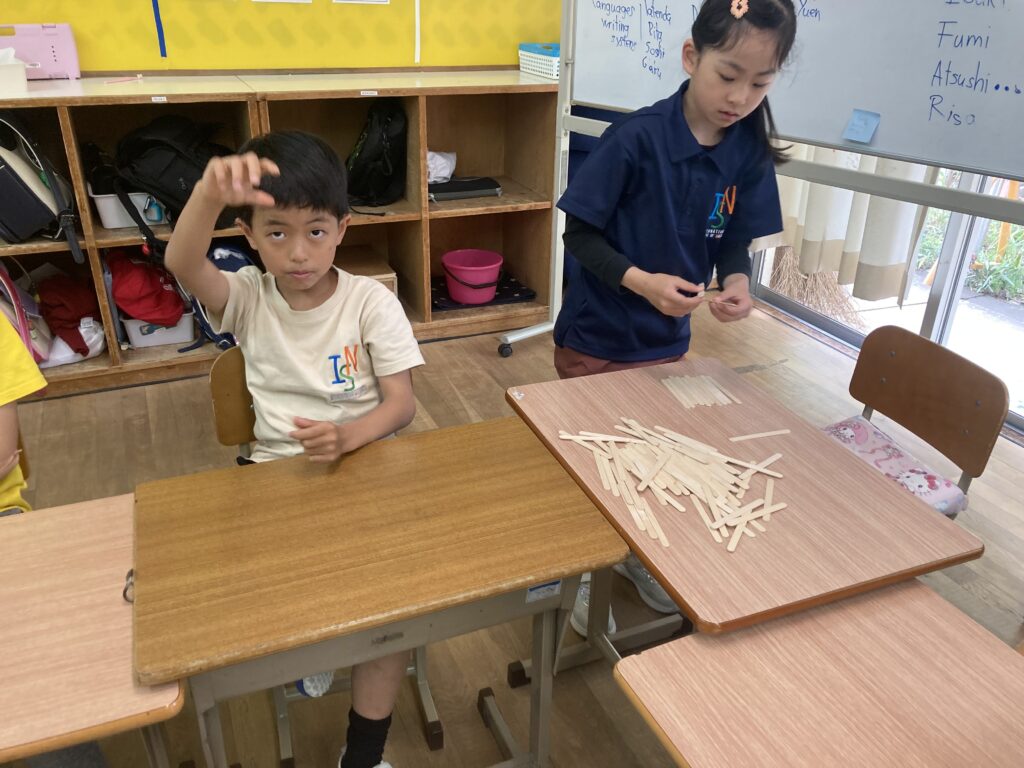
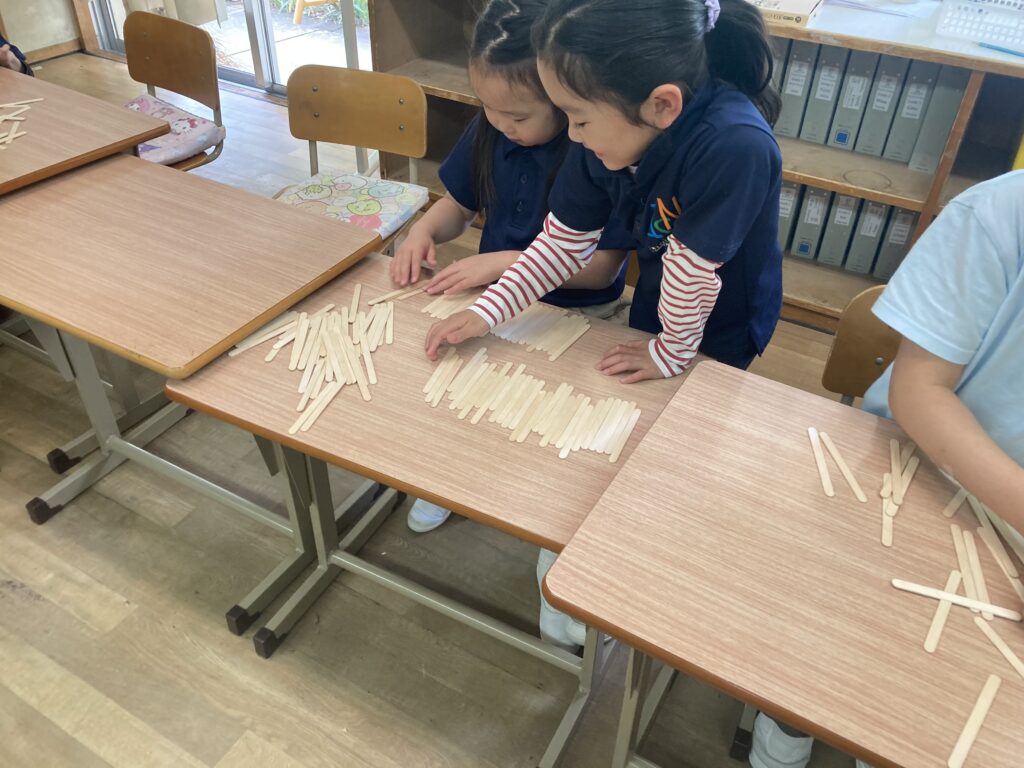
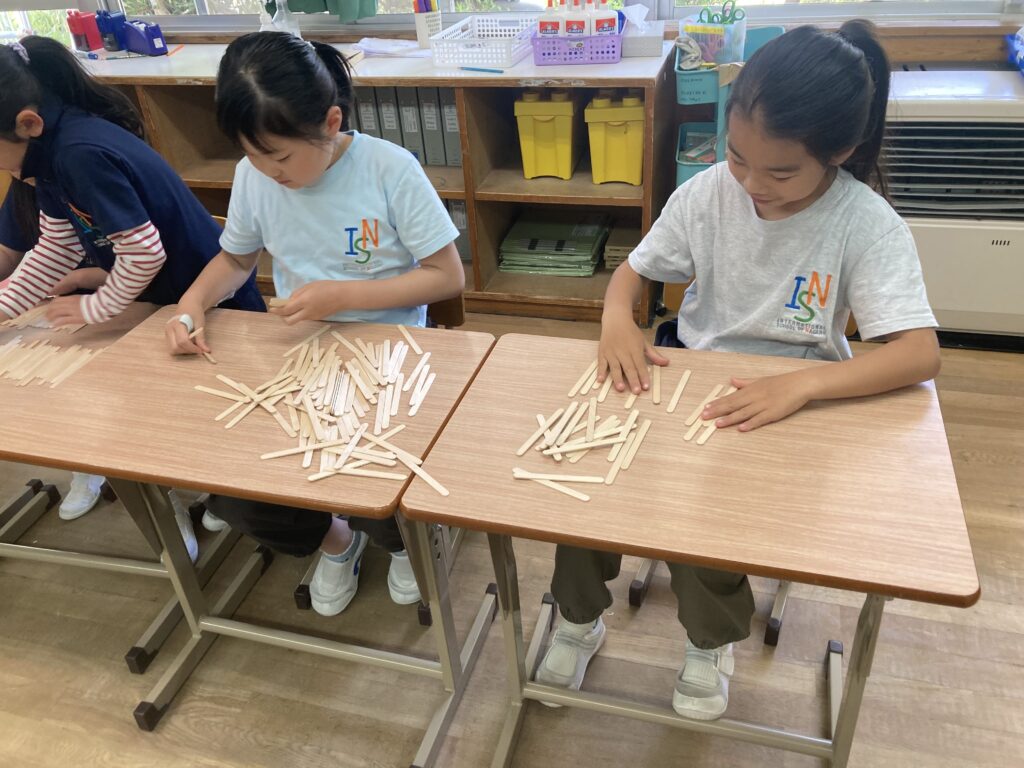
Throughout our lessons, we engaged in activities that required us to estimate quantities, measurements, and calculations before checking and refining our ideas using different methods and tools. This process strengthened our number sense and deepened our understanding of numerical relationships. By discussing and comparing different approaches, we discovered that estimation is not about random guessing, but about applying prior knowledge, logical reasoning, and mathematical understanding in purposeful ways.
A strong focus throughout our Mathematics learning has been on communication, reflection, and reasoning. We explained our thinking, justified our strategies, and reflected on the approaches used by others. Through discussion and collaboration, we explored how different pathways can lead to the same result, reinforcing the understanding that learning mathematics is about developing deep conceptual understanding rather than simply arriving at an answer. These experiences helped us become more resilient and confident learners who are willing to take risks, adapt our thinking, and learn from mistakes.
As our inquiry into estimation progressed, we also made meaningful connections between mathematics and real-world decision making. We explored how estimation helps people solve problems efficiently in everyday life and recognised the importance of flexibility and critical thinking when approaching challenges. Through these learning experiences, we continued developing important IB learner profile attributes such as being thinkers, communicators, and reflective learners, while also building strong conceptual foundations that will support future mathematical inquiry.
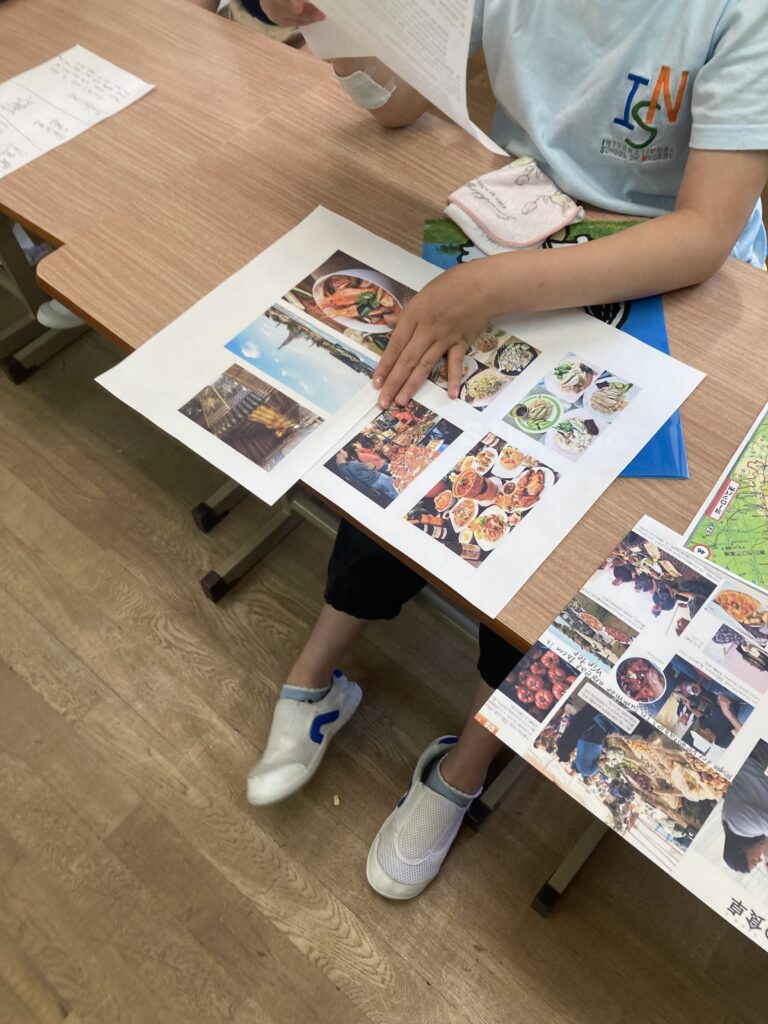
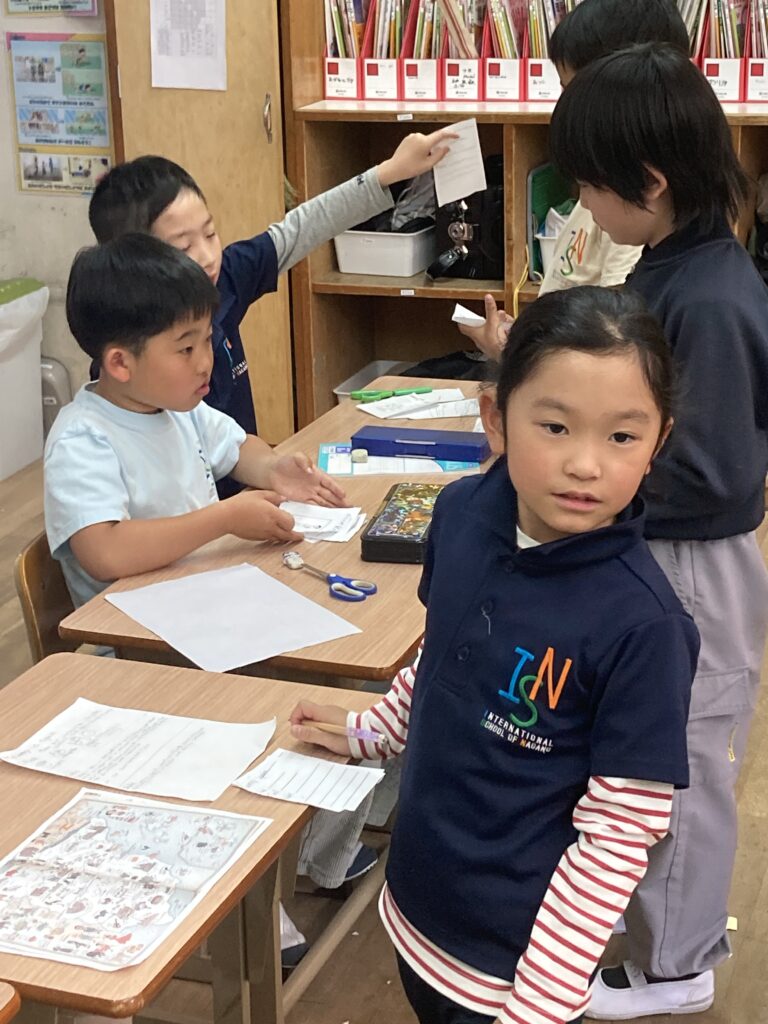
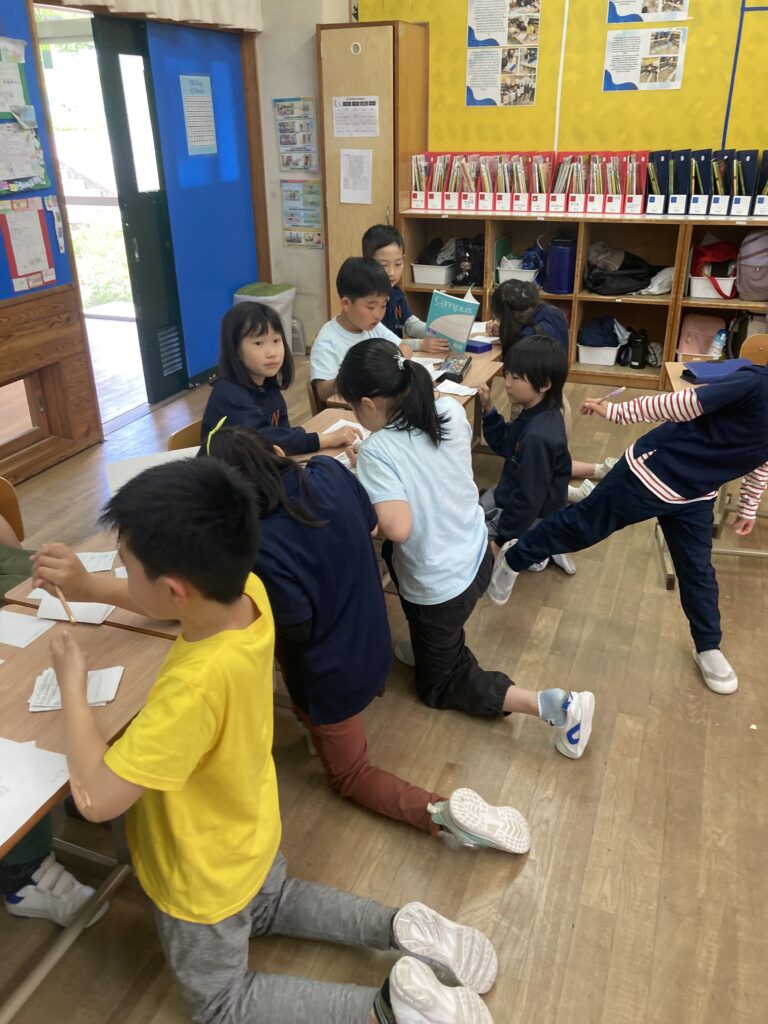
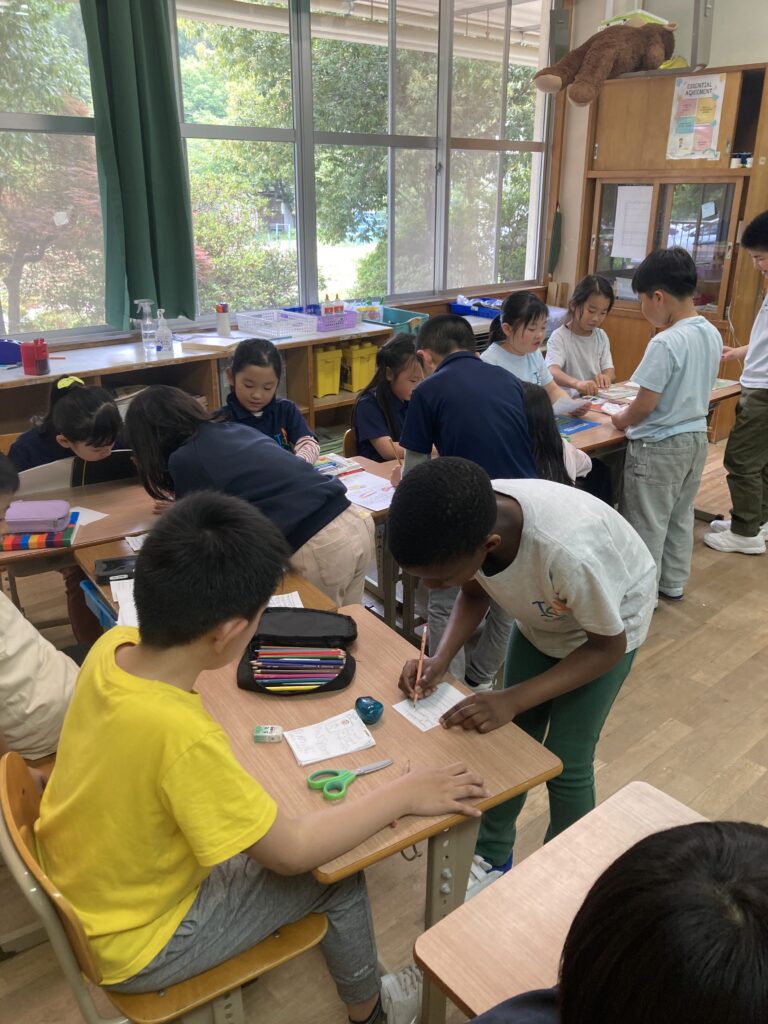
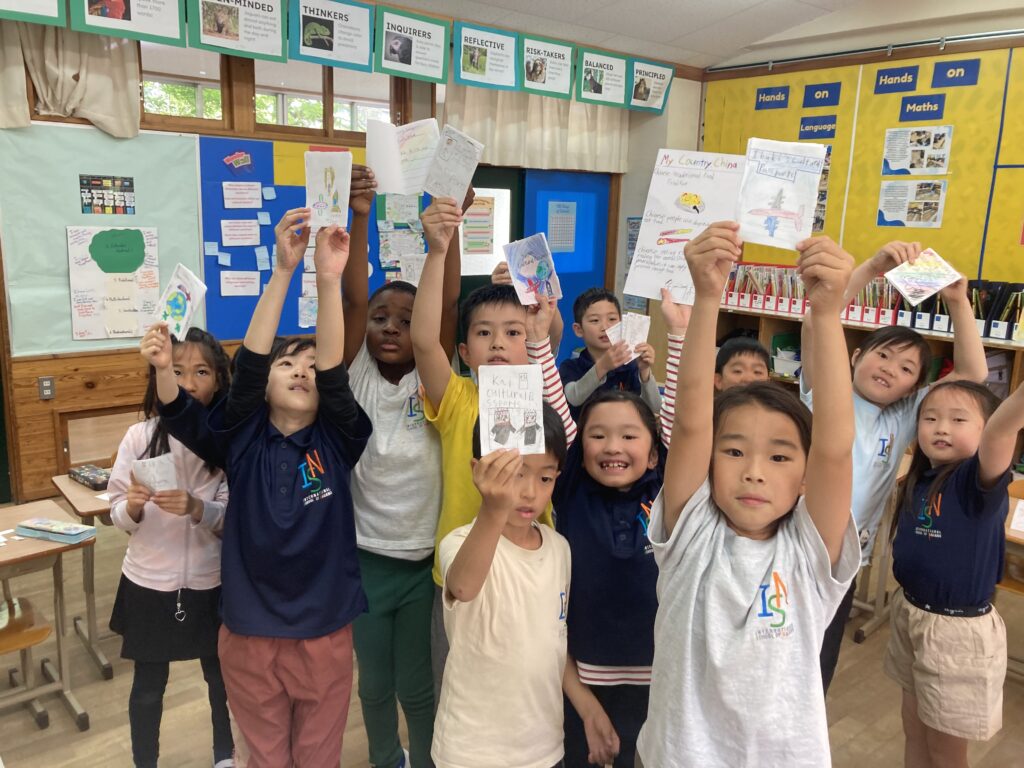
In English and our Unit of Inquiry, we continued exploring the central idea that our cultural identity shapes who we are and how we interact with others. Over the past two weeks, we focused on understanding cultures through food traditions, eating customs, and table manners from around the world. By investigating how people eat, what they eat, and which behaviours are considered respectful in different countries, we developed a deeper appreciation for the diversity of human experiences, values, and perspectives.
As part of this learning, we designed our own “Cultural Passports,” a creative project that encouraged us to reflect on our identities while also researching and representing cultures from around the world. Through this process, we explored cultural practices, traditional foods, dining etiquette, and social customs, making meaningful connections between our own experiences and those of others. This activity encouraged curiosity, empathy, and open-mindedness, while helping us understand that culture is something dynamic and deeply connected to identity, traditions, and community.
In English lessons, we also developed the vocabulary and grammatical structures needed to discuss these topics confidently and respectfully. We practised asking and answering questions such as “In Japan, people usually…,” “Do people in different countries…?” and “Is it respectful to… in this country?” Through speaking, writing, and collaborative discussions, we strengthened our ability to communicate opinions, compare perspectives, and express cultural understanding using appropriate language structures. By using language in authentic and meaningful contexts, we became more confident communicators who are able to engage thoughtfully with different ideas and perspectives.
These learning experiences also supported the development of important communication and research skills. Together, we gathered information from different sources, organised ideas clearly, and presented our findings in engaging and creative ways. Through discussion and reflection, we became increasingly aware of both the similarities and differences that exist across cultures. This inquiry continued to strengthen international-mindedness within our classroom, helping us recognise that diversity is something to value, respect, and learn from.
By connecting English learning with inquiry, we were able to apply vocabulary and grammar in purposeful and meaningful ways rather than learning language in isolation. Exploring ideas connected to identity, culture, and human interaction allowed us to deepen our understanding of the world around us while continuing to grow as communicators, inquirers, and reflective learners.
