Over the past two weeks in Mathematics, we have been exploring the concept of estimation through a range of inquiry-based and hands-on learning experiences. Rather than focusing only on finding exact answers, we have been developing our ability to think critically about the reasonableness of numbers and to use different strategies to make efficient mathematical judgments. Through real-life contexts and collaborative activities, we explored how estimation can be used as a practical tool in everyday situations, helping us build confidence, flexibility, and independence in our mathematical thinking.
この2週間の算数では、「見積もり(estimation)」の概念について、探究的かつ体験的な学習を通して学んできました。単に正確な答えを求めるだけではなく、数の妥当性について考えたり、効率的に判断したりする力を育てることを重視しています。実生活に関連した課題や協働的な活動を通して、子どもたちは見積もりが日常生活の中でどのように活用されているかを理解し、柔軟な数学的思考と自信を育んでいます。
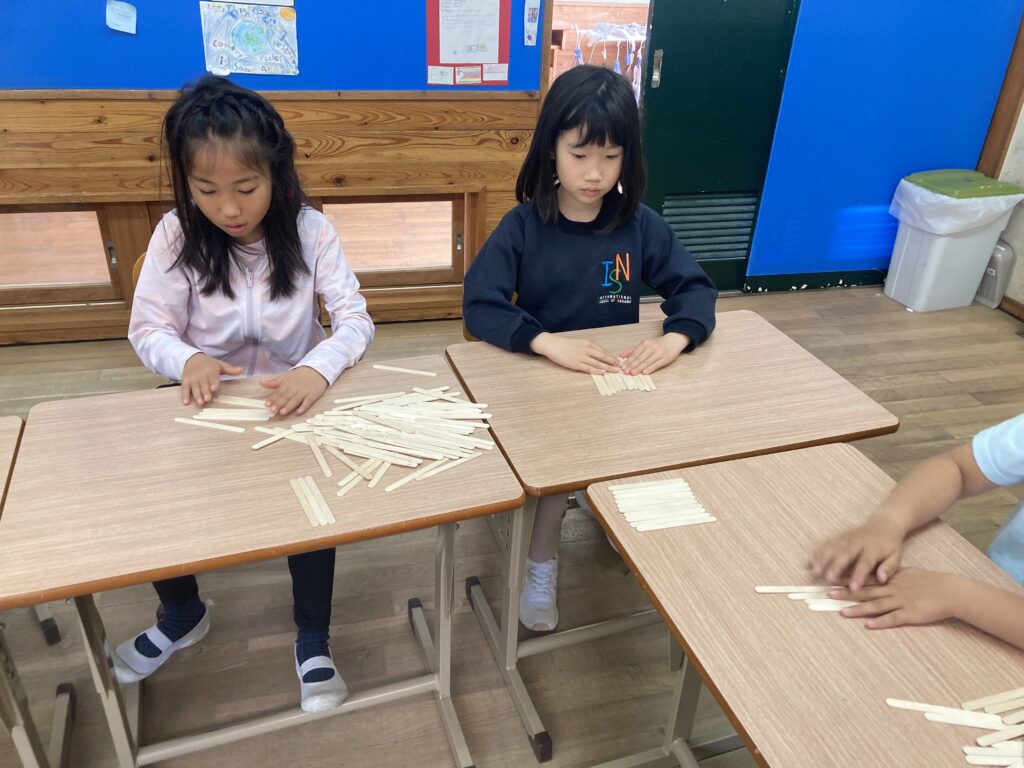
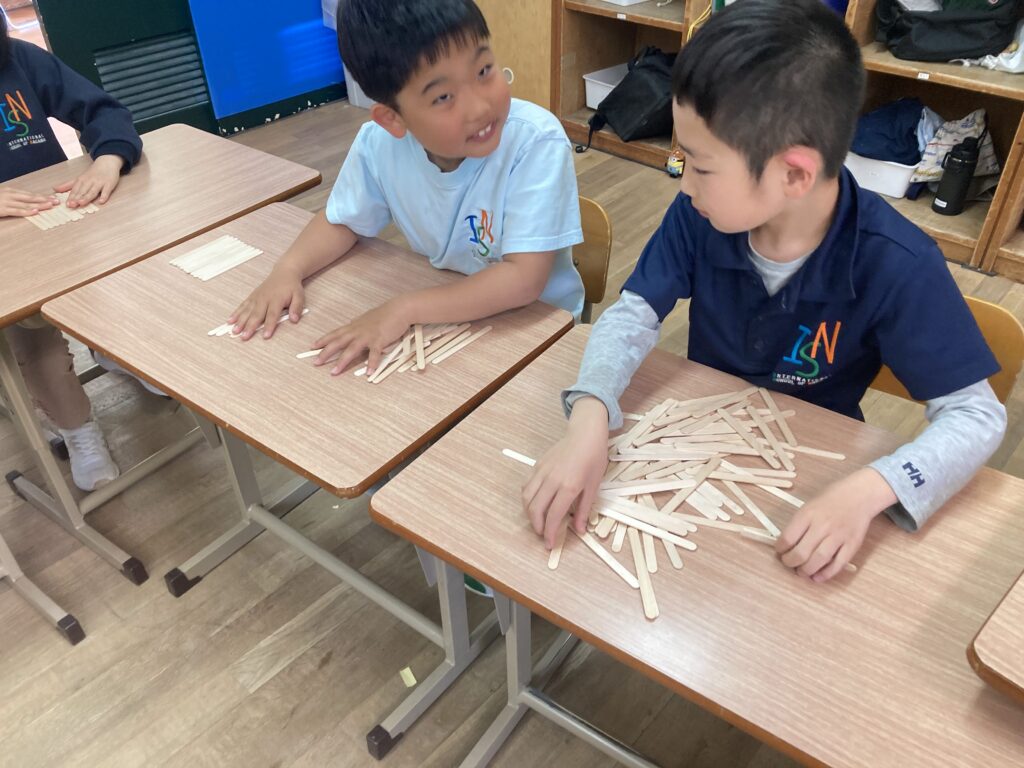
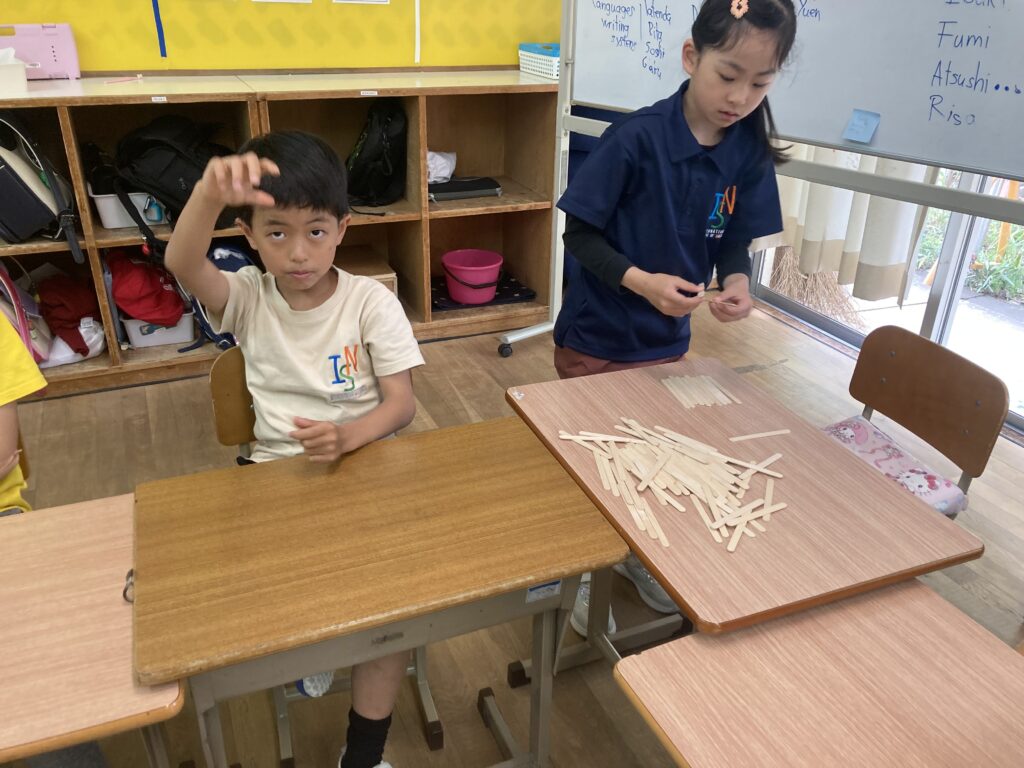
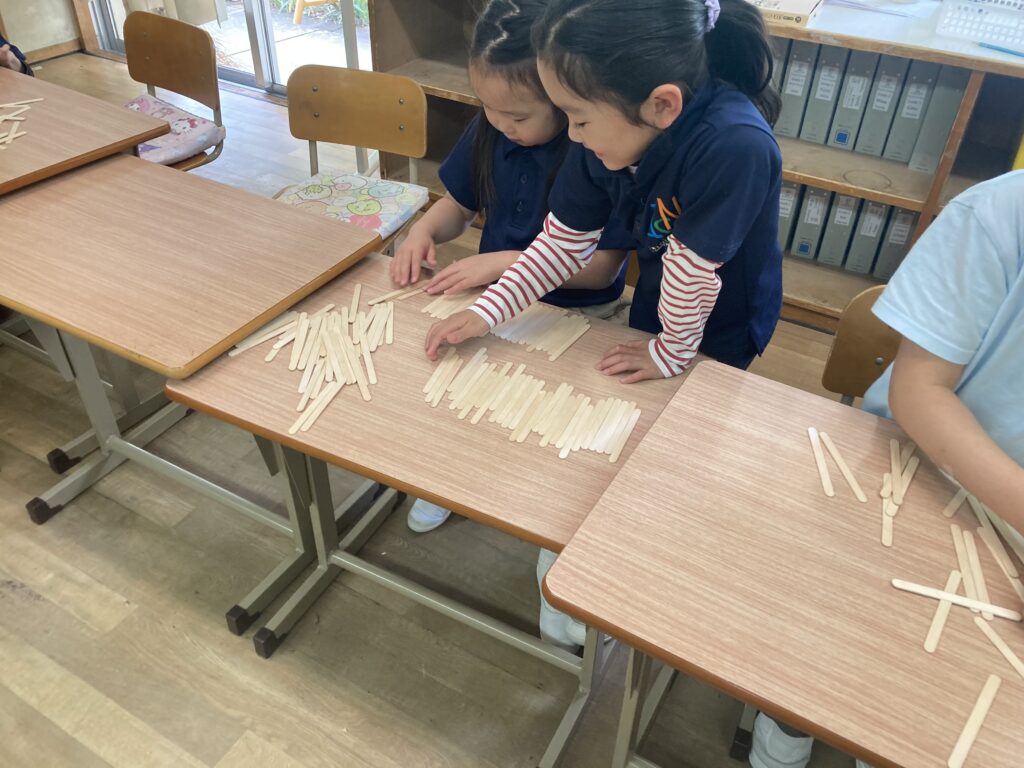
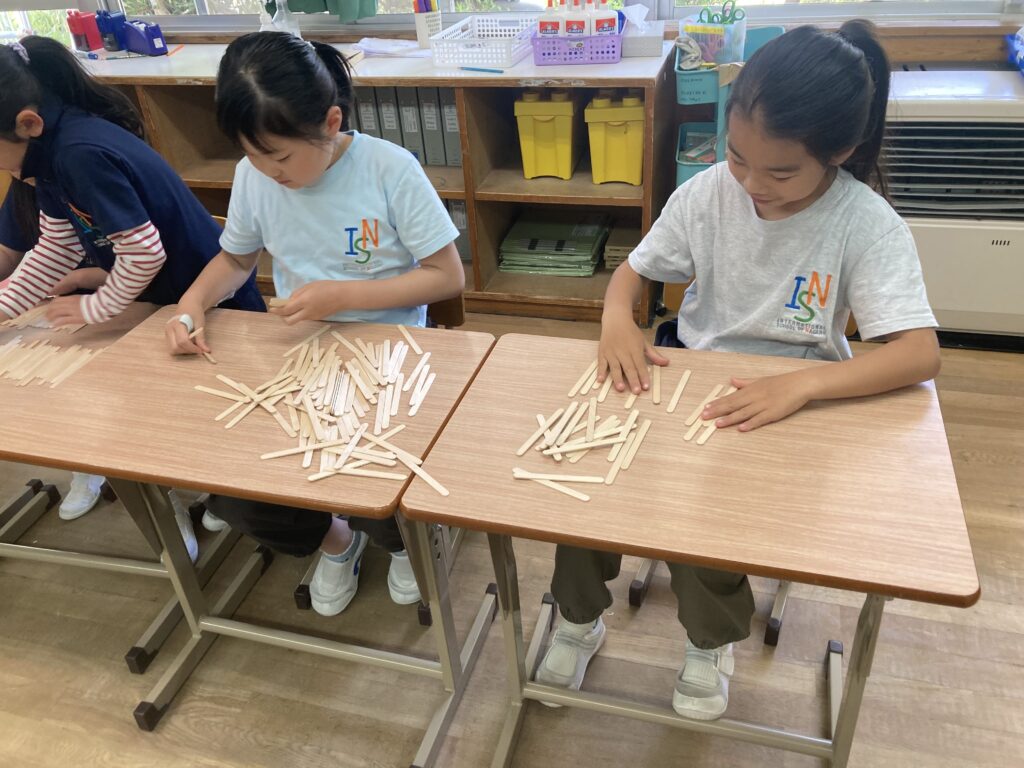
Throughout our lessons, we engaged in activities that required us to estimate quantities, measurements, and calculations before checking and refining our ideas using different methods and tools. This process strengthened our number sense and deepened our understanding of numerical relationships. By discussing and comparing different approaches, we discovered that estimation is not about random guessing, but about applying prior knowledge, logical reasoning, and mathematical understanding in purposeful ways.
A strong focus throughout our Mathematics learning has been on communication, reflection, and reasoning. We explained our thinking, justified our strategies, and reflected on the approaches used by others. Through discussion and collaboration, we explored how different pathways can lead to the same result, reinforcing the understanding that learning mathematics is about developing deep conceptual understanding rather than simply arriving at an answer. These experiences helped us become more resilient and confident learners who are willing to take risks, adapt our thinking, and learn from mistakes.
As our inquiry into estimation progressed, we also made meaningful connections between mathematics and real-world decision making. We explored how estimation helps people solve problems efficiently in everyday life and recognised the importance of flexibility and critical thinking when approaching challenges. Through these learning experiences, we continued developing important IB learner profile attributes such as being thinkers, communicators, and reflective learners, while also building strong conceptual foundations that will support future mathematical inquiry.
授業では、数量や長さ、計算結果などを予想し、その後さまざまな方法や道具を使って確かめる活動に取り組みました。このプロセスを通して、数感覚や数の関係性への理解が深まっています。また、友達と考え方を共有し比較することで、「見積もり」は単なる当てずっぽうではなく、これまでの知識や論理的思考を活用して行うものであることを理解し始めています。
さらに、コミュニケーションと振り返りも重要な要素として取り入れています。子どもたちは、自分がどのように予想を立てたのかを説明し、その考えを正当化しながら、自分の予測の正確さについて振り返りました。こうした対話を通して、自分自身の思考プロセスへの理解を深めるとともに、他者の考え方にも目を向けることができるようになっています。協働的な学びの環境の中で、困難な課題にも前向きに挑戦する姿勢や柔軟性、自信も育まれています。
また、見積もりの学習を通して、数学と実生活とのつながりについても考えました。日常の中で、人々がどのように見積もりを活用し、効率的に問題解決をしているのかを知ることで、柔軟に考えることの大切さを理解しています。こうした経験は、数学的理解だけでなく、「考える人」「コミュニケーションができる人」「振り返りができる人」といったIBの学習者像の育成にもつながっています。
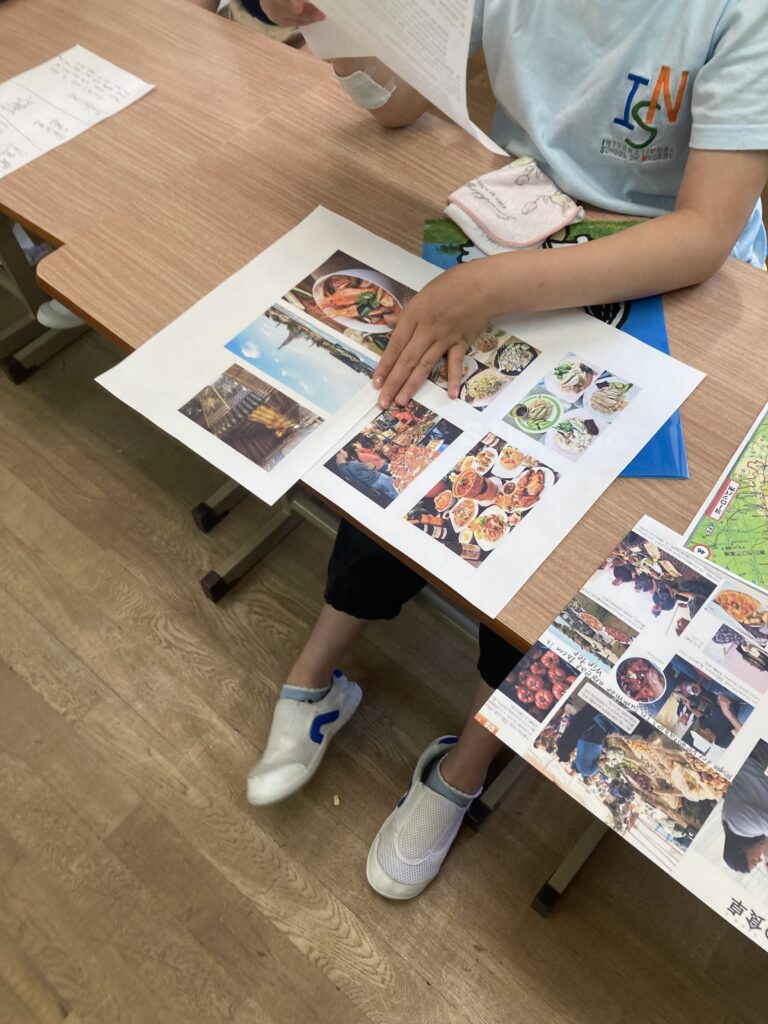
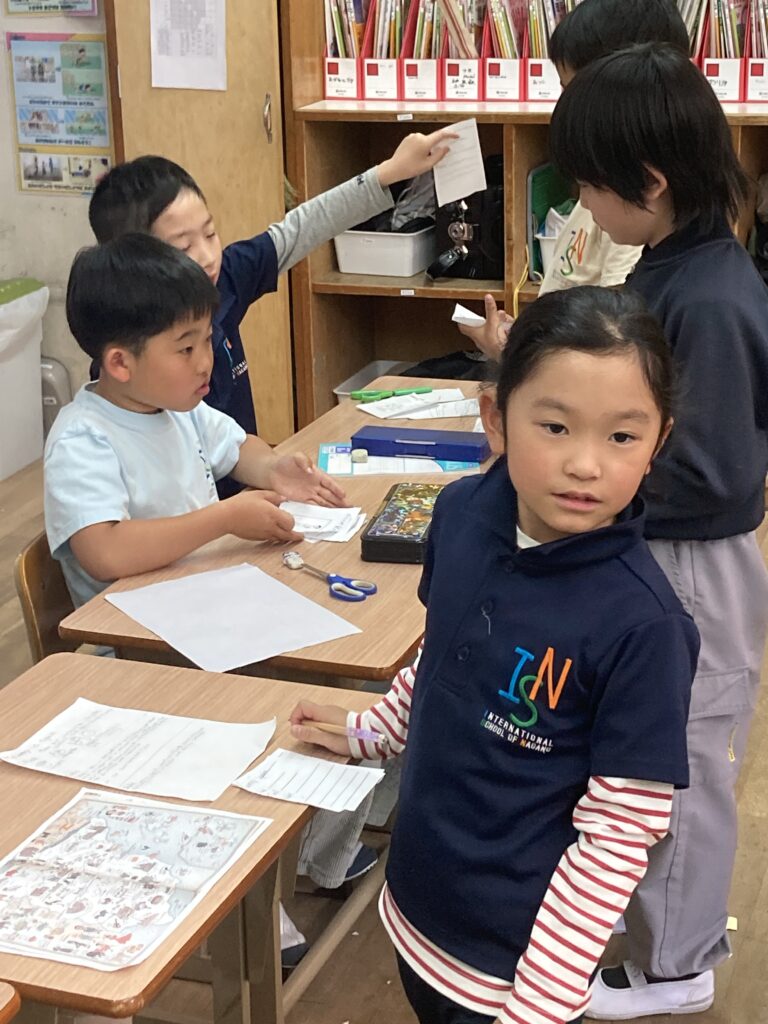
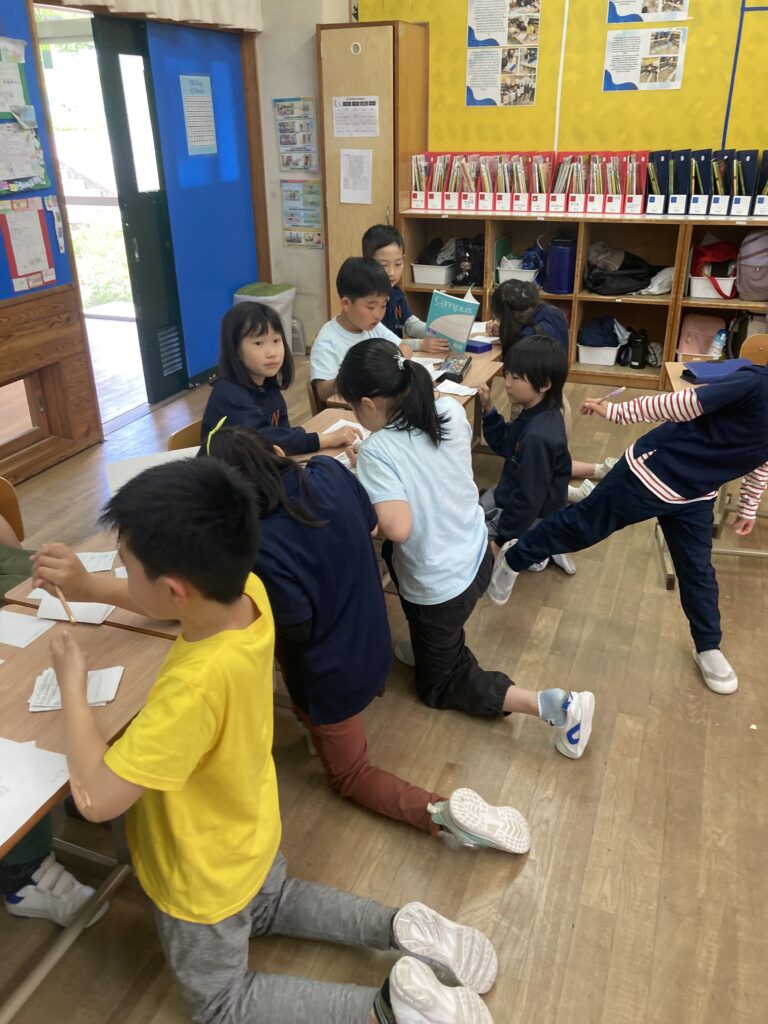
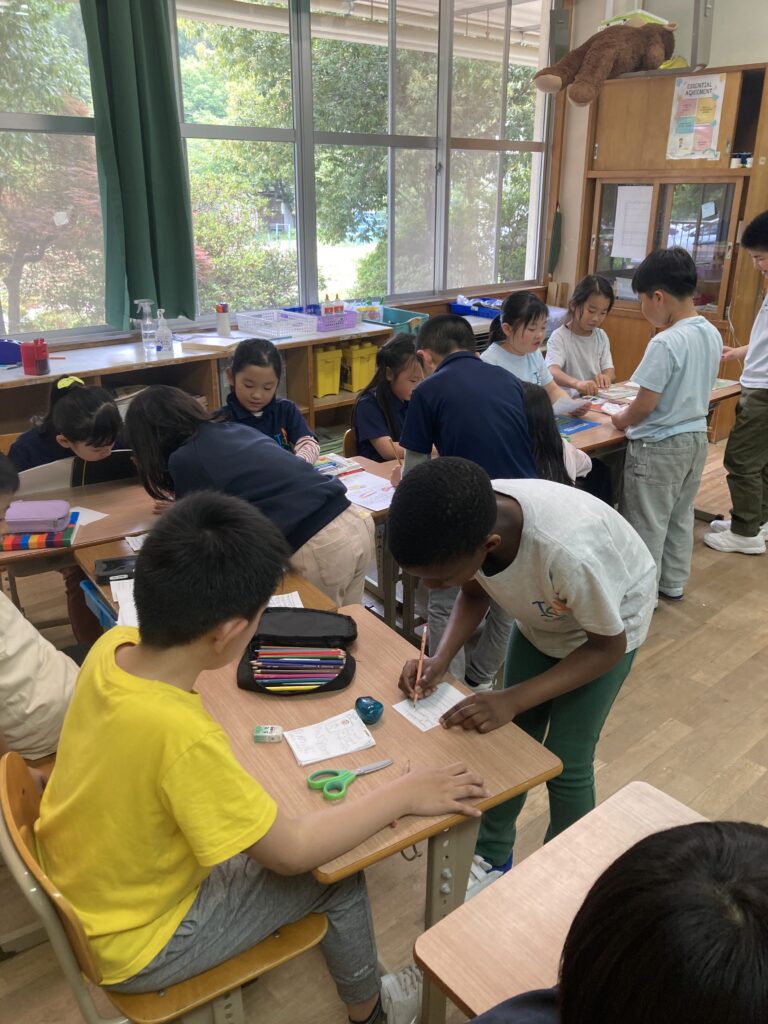
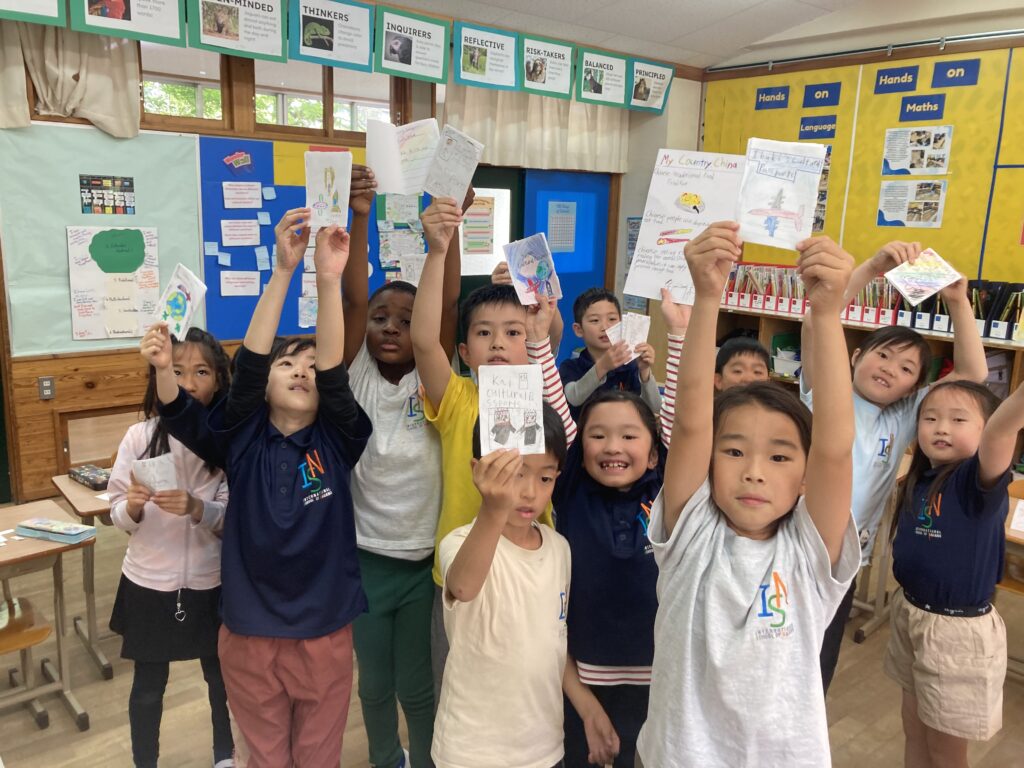
In English and our Unit of Inquiry, we continued exploring the central idea that our cultural identity shapes who we are and how we interact with others. Over the past two weeks, we focused on understanding cultures through food traditions, eating customs, and table manners from around the world. By investigating how people eat, what they eat, and which behaviours are considered respectful in different countries, we developed a deeper appreciation for the diversity of human experiences, values, and perspectives.
As part of this learning, we designed our own “Cultural Passports,” a creative project that encouraged us to reflect on our identities while also researching and representing cultures from around the world. Through this process, we explored cultural practices, traditional foods, dining etiquette, and social customs, making meaningful connections between our own experiences and those of others. This activity encouraged curiosity, empathy, and open-mindedness, while helping us understand that culture is something dynamic and deeply connected to identity, traditions, and community.
In English lessons, we also developed the vocabulary and grammatical structures needed to discuss these topics confidently and respectfully. We practised asking and answering questions such as “In Japan, people usually…,” “Do people in different countries…?” and “Is it respectful to… in this country?” Through speaking, writing, and collaborative discussions, we strengthened our ability to communicate opinions, compare perspectives, and express cultural understanding using appropriate language structures. By using language in authentic and meaningful contexts, we became more confident communicators who are able to engage thoughtfully with different ideas and perspectives.
These learning experiences also supported the development of important communication and research skills. Together, we gathered information from different sources, organised ideas clearly, and presented our findings in engaging and creative ways. Through discussion and reflection, we became increasingly aware of both the similarities and differences that exist across cultures. This inquiry continued to strengthen international-mindedness within our classroom, helping us recognise that diversity is something to value, respect, and learn from.
By connecting English learning with inquiry, we were able to apply vocabulary and grammar in purposeful and meaningful ways rather than learning language in isolation. Exploring ideas connected to identity, culture, and human interaction allowed us to deepen our understanding of the world around us while continuing to grow as communicators, inquirers, and reflective learners.
英語と探究の学習では、「私たちの文化的アイデンティティは、私たち自身や他者との関わり方にどのような影響を与えるのか」というセントラルアイデアの探究を継続してきました。この2週間は、世界の食文化や食事のマナー、食習慣を通してさまざまな文化について学びました。人々が何を食べるのか、どのように食べるのか、そして国によってどのような行動が礼儀正しいとされるのかを調べることで、子どもたちは多様な文化や価値観への理解を深めています。
学習の一環として、子どもたちは「Cultural Passport(カルチュラル・パスポート)」を制作しました。この創造的な活動を通して、自分自身のアイデンティティについて考えるとともに、世界のさまざまな文化について調べ、表現しました。食文化やテーブルマナー、社会的な習慣について探究する中で、自分たちの経験と他者の経験を関連づけながら学びを深めています。この活動は、好奇心や共感する力、オープンマインドを育むだけでなく、文化がアイデンティティやコミュニティと深く結びついていることへの理解にもつながっています。
英語の授業では、こうしたテーマについて自信を持って適切に話すために必要な語彙や文法表現も学習しました。「In Japan, people usually…」「Do people in different countries…?」「Is it respectful to… in this country?」といった表現を使いながら、文化について質問したり、自分の考えを伝えたりする練習を行いました。話す活動や書く活動、協働的な対話を通して、子どもたちは異なる文化を比較し、適切な英語表現を用いて理解や意見を伝える力を伸ばしています。
また、この学習を通して、コミュニケーション能力やリサーチスキルも育まれています。子どもたちはさまざまな資料から情報を集め、考えを整理し、自分たちの発見を分かりやすく表現しました。クラスでの対話や振り返りを通して、文化には多くの共通点と相違点があることへの理解も深まっています。この探究は、教室内におけるインターナショナル・マインデッドネスをさらに育み、多様性を尊重し、学び合う姿勢につながっています。
英語学習と探究を結びつけることで、子どもたちは語彙や文法を単独で学ぶのではなく、実際の意味ある文脈の中で活用することができました。文化やアイデンティティ、人との関わりに関する考えを探究する中で、学習者たちはコミュニケーション能力を高め、探究する姿勢を深めながら、より広い視野で世界を理解しようとしています。
