A Busy Week of History, FICTS and Sports!
What a busy and exciting week we have had in Grade 4!
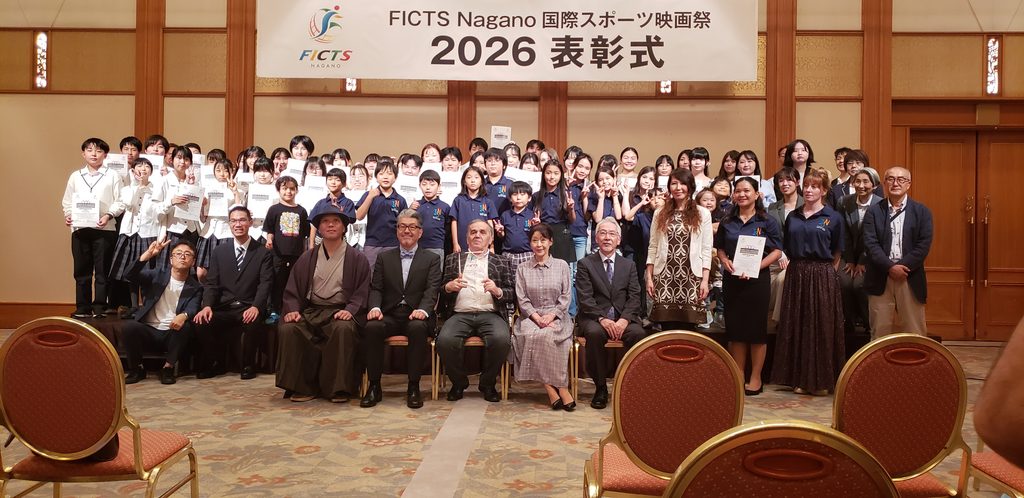
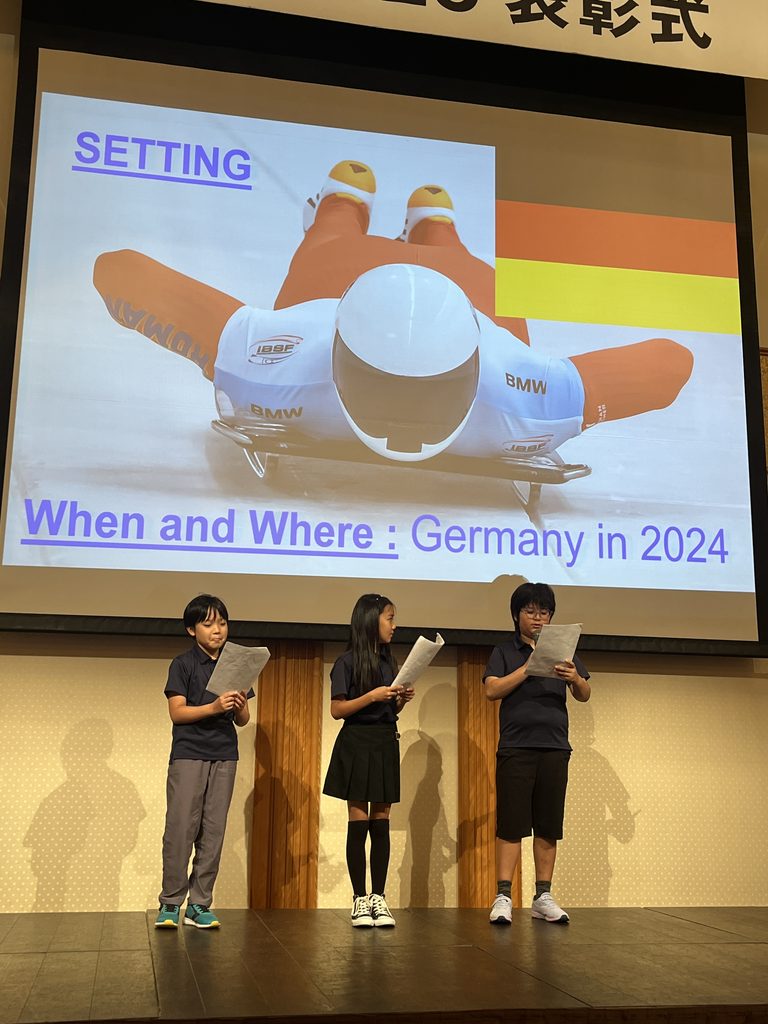
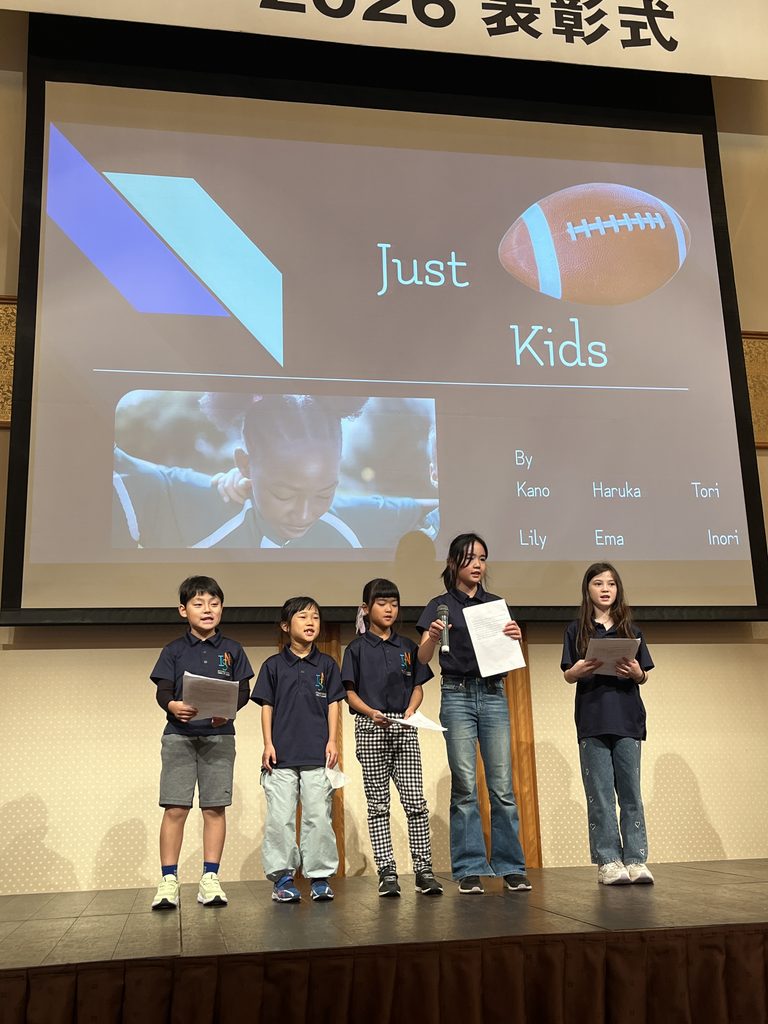
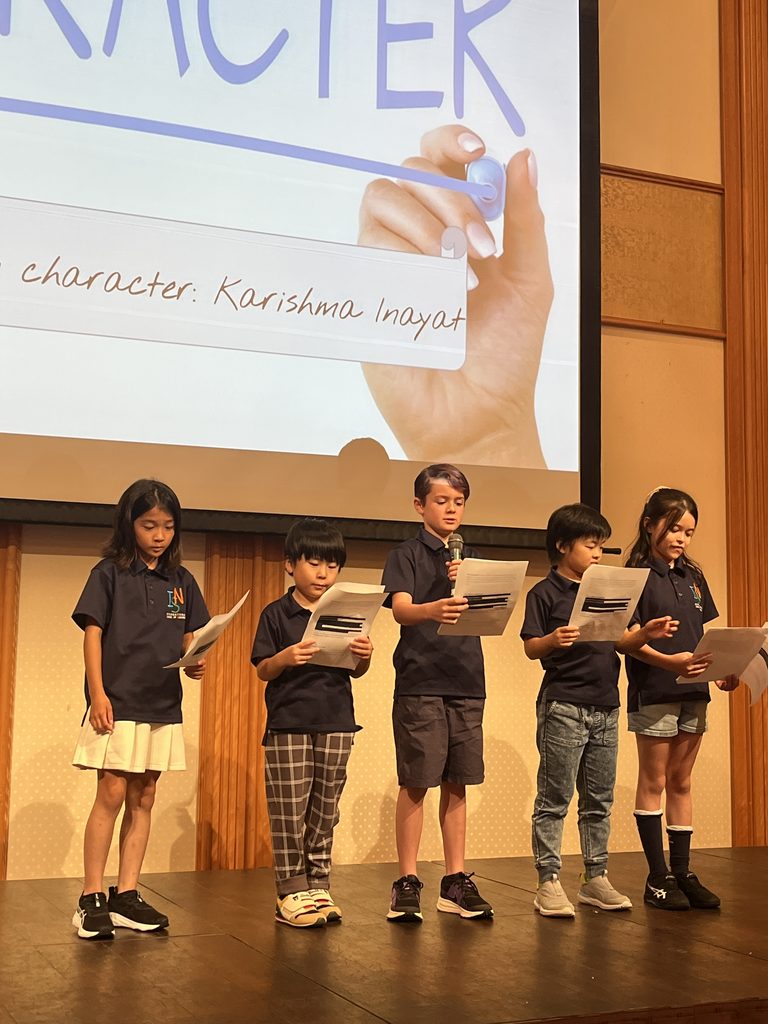
Last week, we had our FICTS presentation, and it was wonderful to see all of Grade 4 there and ready to share their work. The hotel was certainly a fancy setting for a school presentation, which made the whole experience feel extra special! The students did a wonderful job presenting their projects and showing how much work they had put into them. It was lovely to see them standing up in front of an audience and sharing their ideas with increasing confidence. Well done, Grade 4!
How Have People and Events Changed Nagano?
We have continued our inquiry into how people and events can change local areas. We have now explored a number of industries and activities that have helped shape Nagano Prefecture, including agriculture, sericulture, transport and tourism.
One of the most interesting things for the students has been discovering that these developments are not separate from one another. They are connected.
For example, the development of sericulture (silk farming) became an important part of Nagano’s history. As the silk industry grew, it created new jobs, including work in silk-related factories. This meant that some people began moving from mainly agricultural work into factory work. The industry brought money into communities and contributed to the growth of towns.
Transport was also incredibly important. As roads and railways developed, it became easier to move silk and other products to different parts of Japan. Better transport helped connect Nagano with other areas and supported the growth of industries. Later, improved transport also helped tourism develop, making it easier for people to visit Nagano for recreation and holidays.
The students have been particularly interested in this because tourism is something they can connect to their own lives. The ski resorts and other recreational areas that we enjoy today are part of this longer history of Nagano developing as a place for tourism and leisure.
It has been great to see the students beginning to think beyond simply asking “What happened?” and instead asking “What caused this change?”, “What did it lead to?” and “How are these things connected?”
History… With a Little Horror!
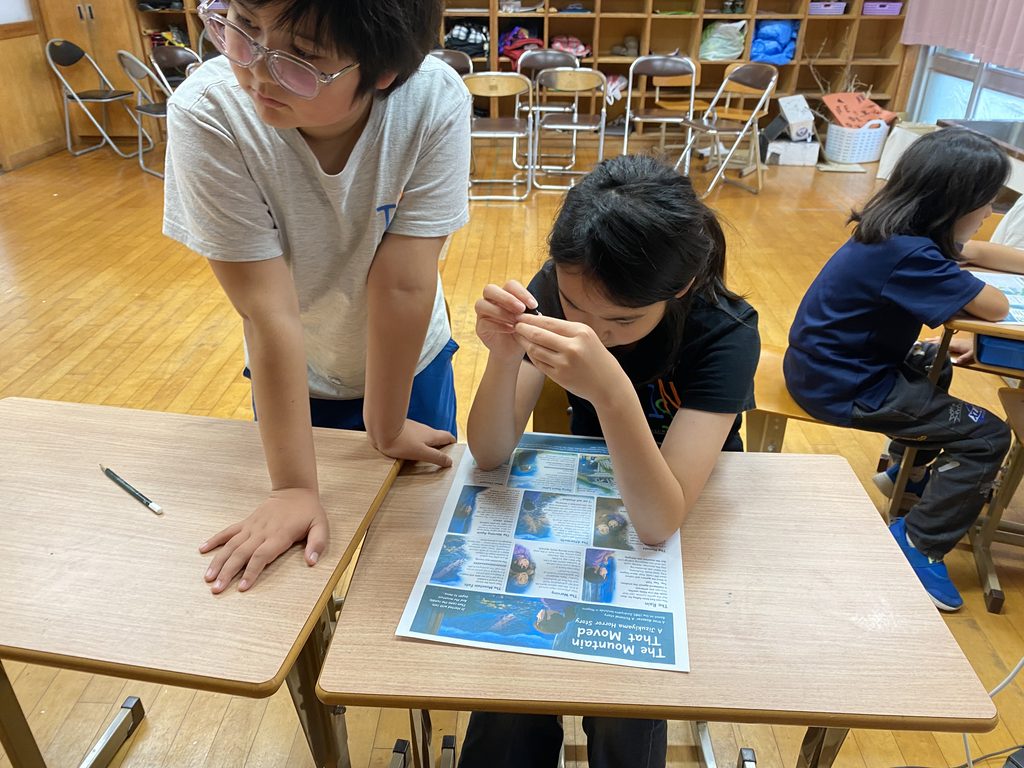
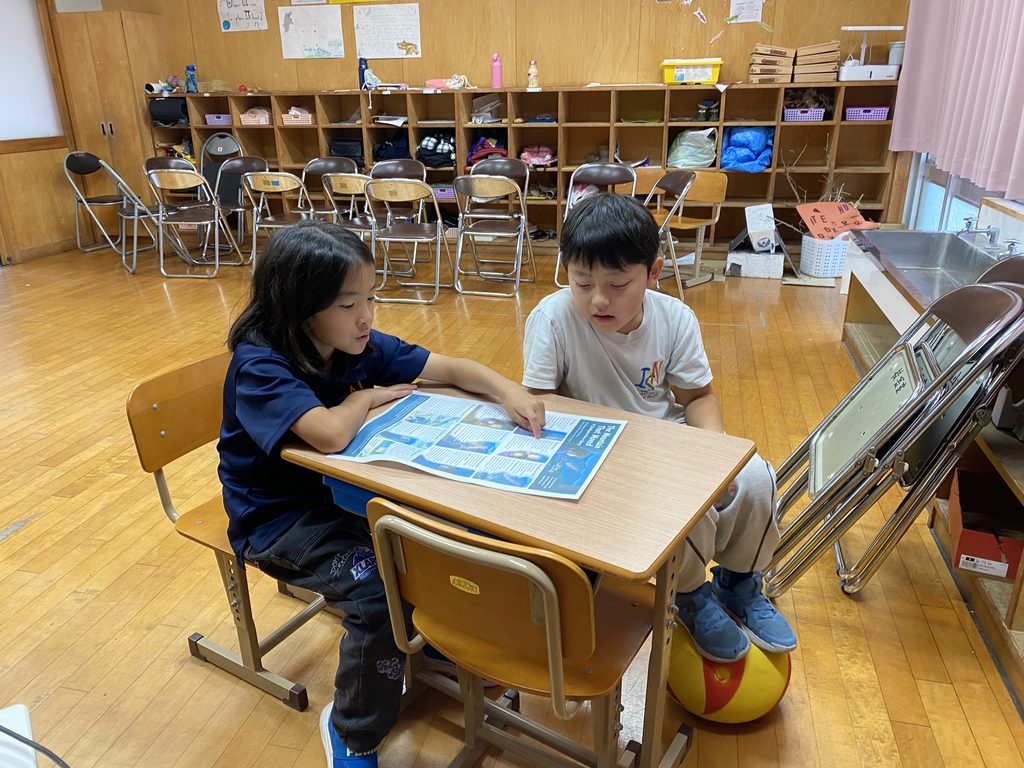
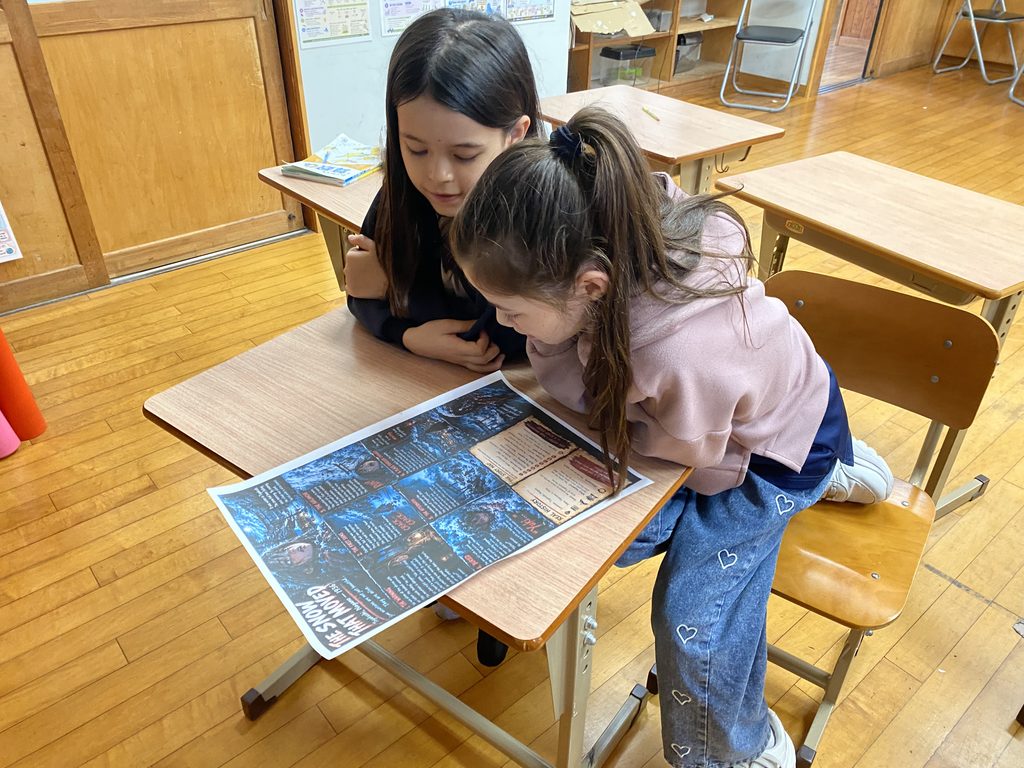
We have also continued reading historical fiction — stories that combine real historical events and settings with imagined characters and events.
The students quickly made one request:
“Can we read a horror story?”
So, of course, we had to investigate!
It actually turned out to be a fantastic fit for our learning. We began looking at how natural disasters and disease outbreaks have also shaped Nagano’s communities. We hadn’t initially planned to focus so much on these events, but they have provided some excellent examples of how a major event can create a challenge, lead people to take action and ultimately change the way a community works.
For example, we looked at the history of typhoid outbreaks and the development of better water supplies and piped water. The students were fascinated by the idea that something as ordinary to us as turning on a tap is actually the result of changes made by people in the past to solve serious problems.
This also led to an interesting comparison with life in other countries. We talked about earthquake preparedness and how children in Japan regularly practise what to do during an earthquake. The students were surprised to learn that children in England, for example, generally don’t have the same kind of earthquake drills because earthquakes are not a significant everyday risk there.
This helped us think about another important idea:
The places where we live and the challenges we face can influence the way communities live and prepare for the future.
Writing Our Own Historical Fiction
The students have now started preparing to write their own historical fiction stories.
They will use what they have learned about real history — including the people, places, industries, disasters and changes we have studied — and combine this with their own imagination.
Each student will create a character living in the past and write a story showing what life might have been like for that person. They will need to use real historical details as clues, while creating their own fictional characters, dialogue and events.
I am particularly looking forward to seeing what they come up with. After all the research we have done, they have quite a collection of interesting — and occasionally rather frightening — historical events to draw from!
Sports Day!
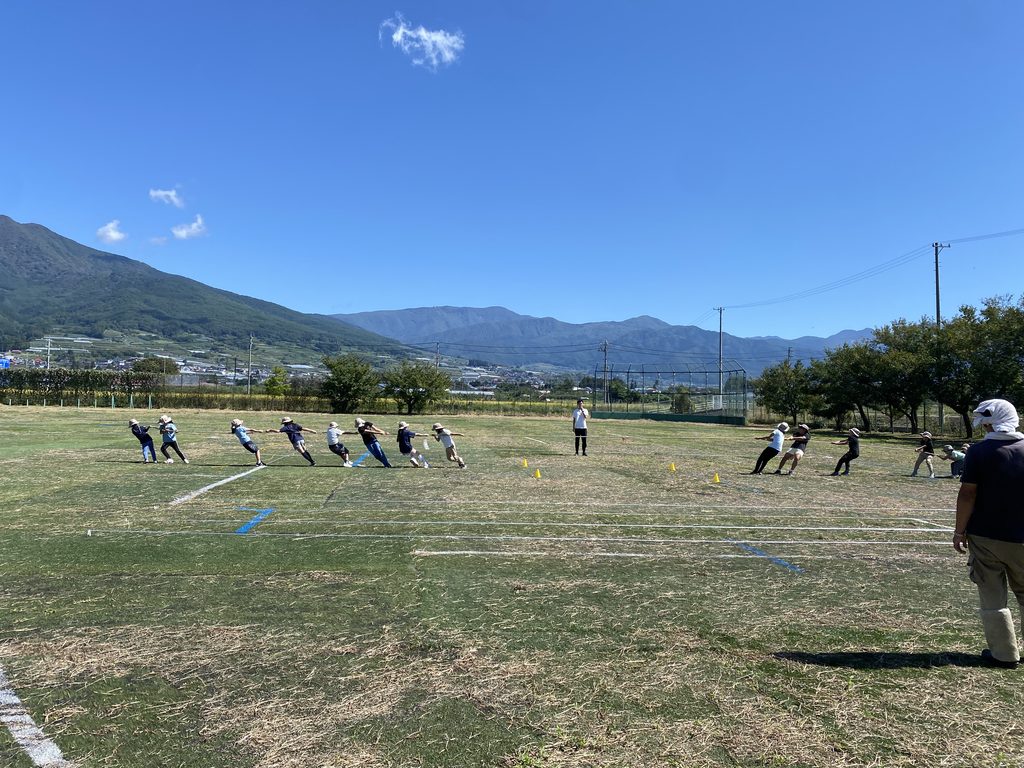
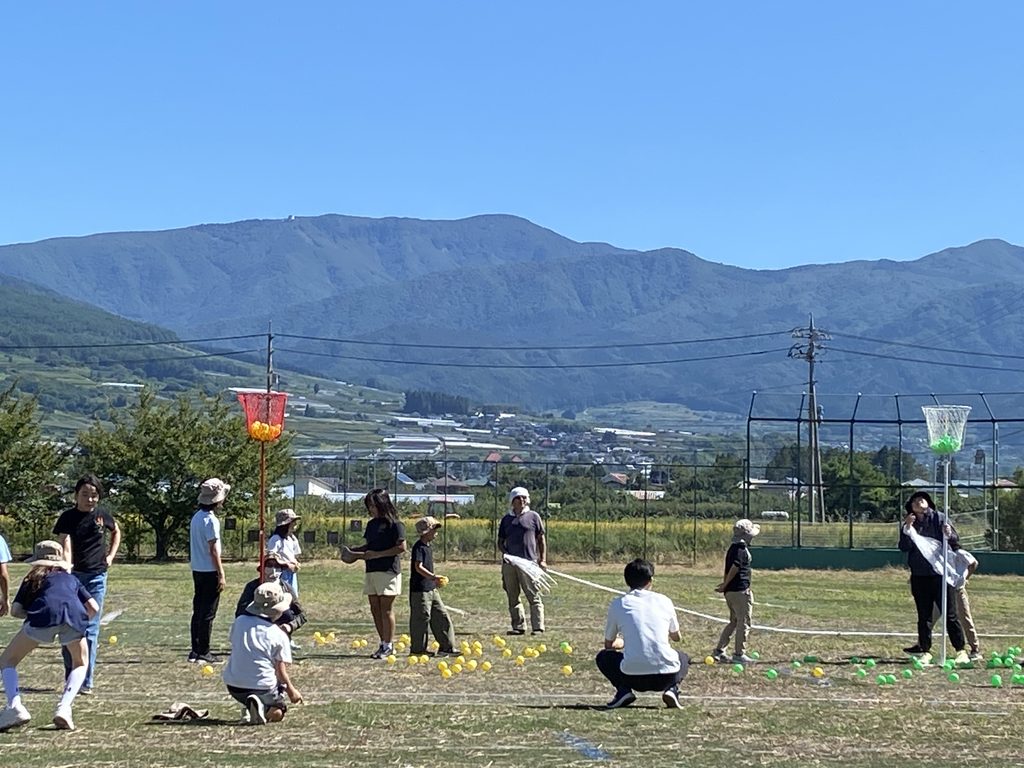
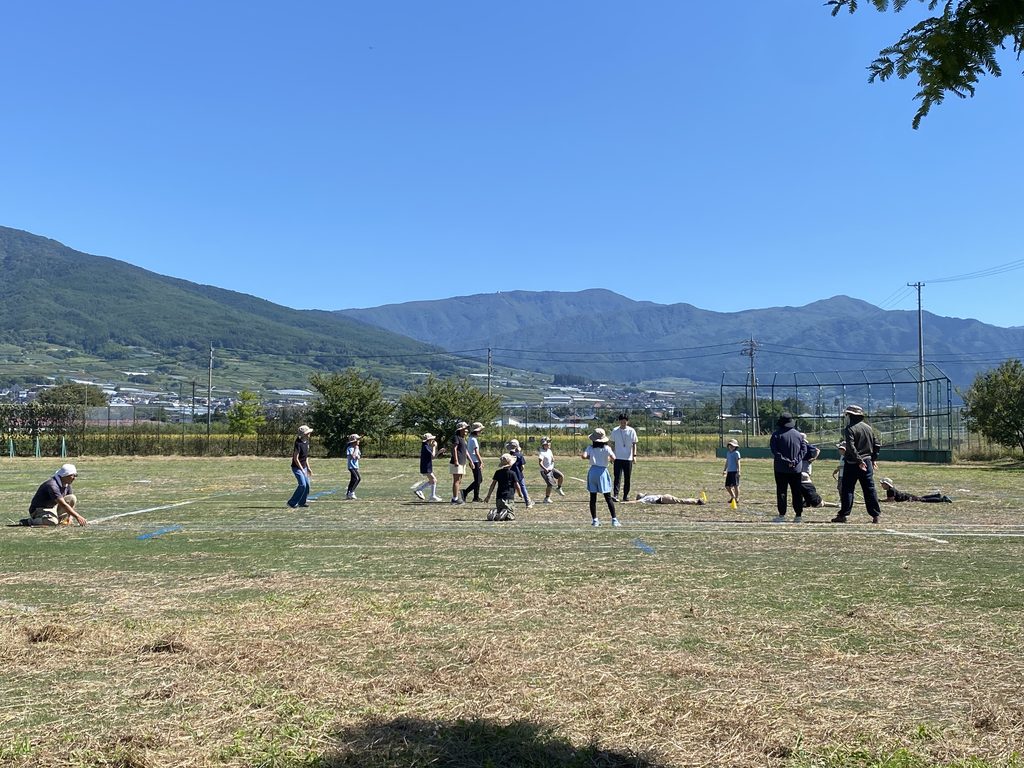
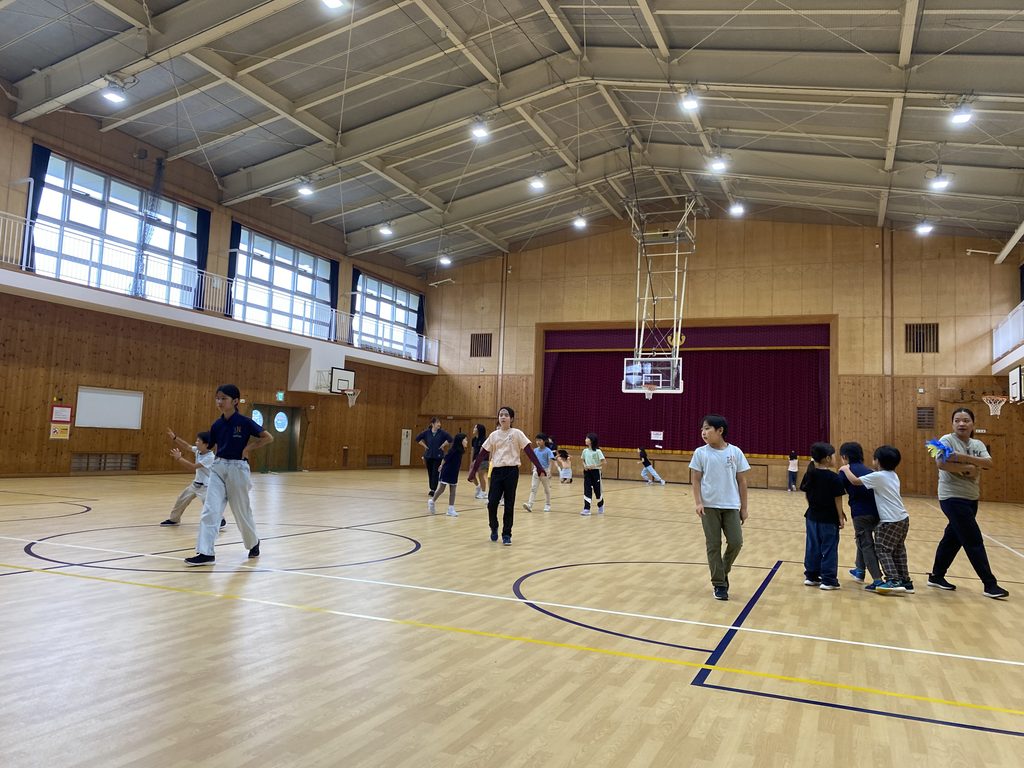
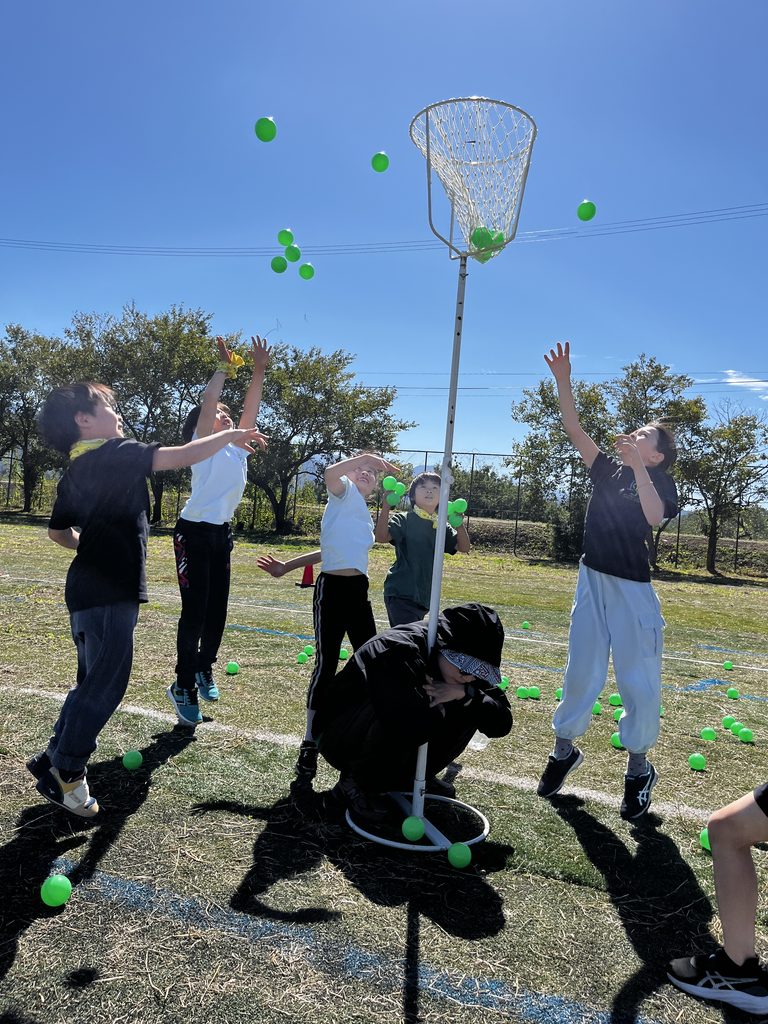
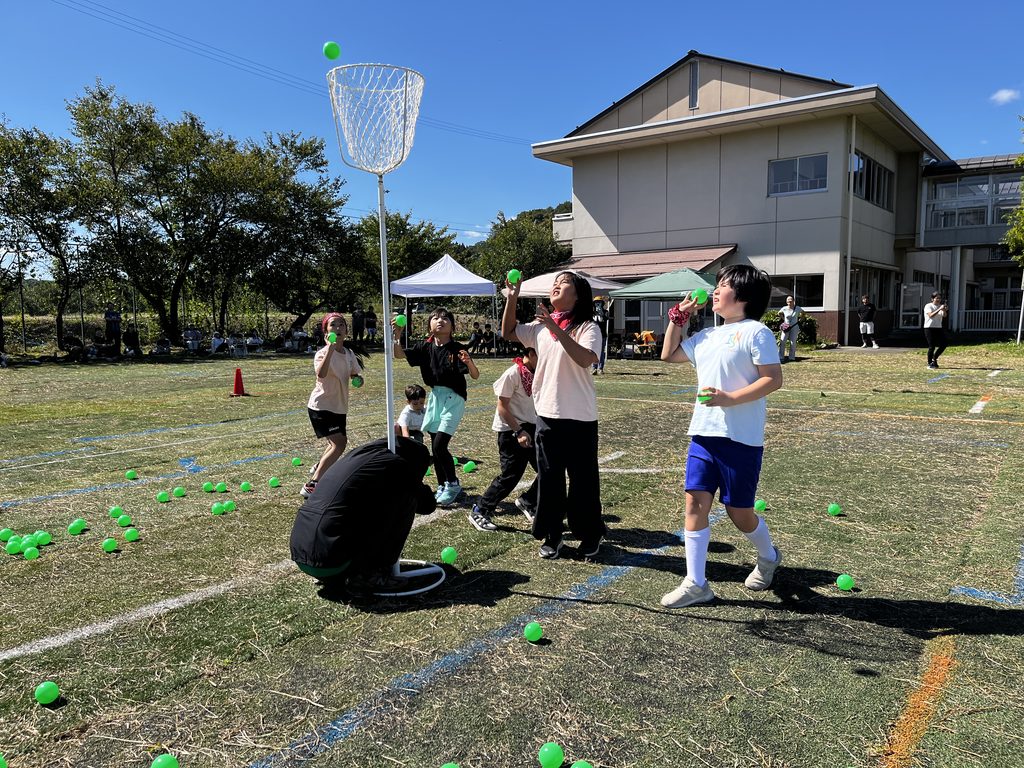
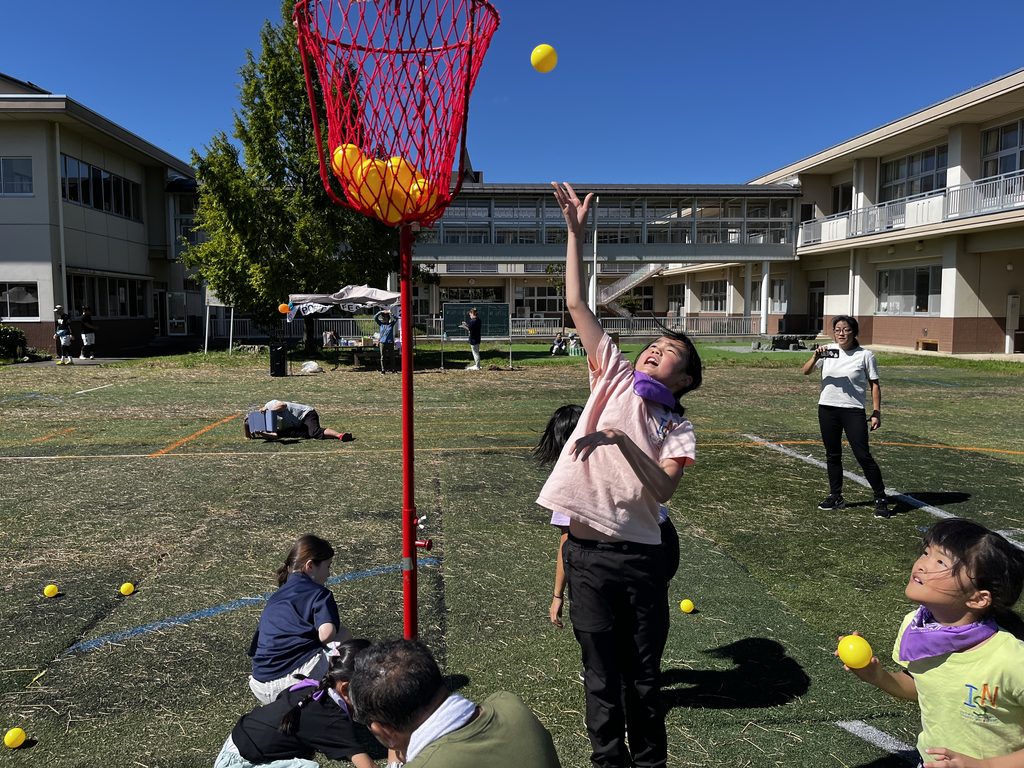
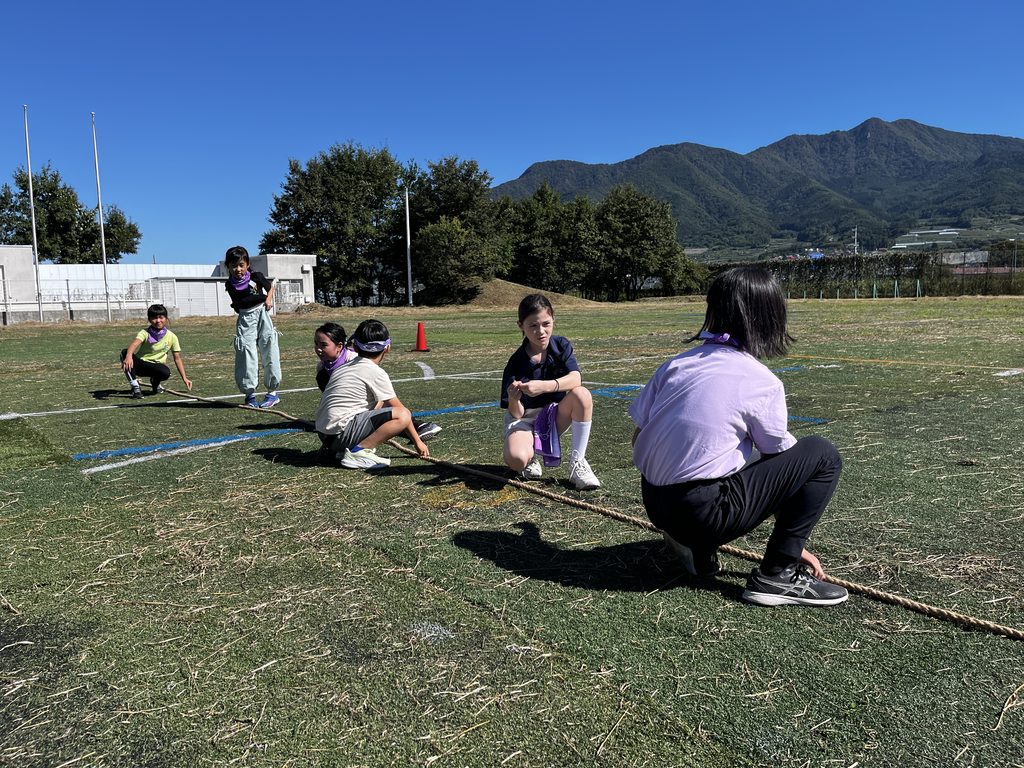
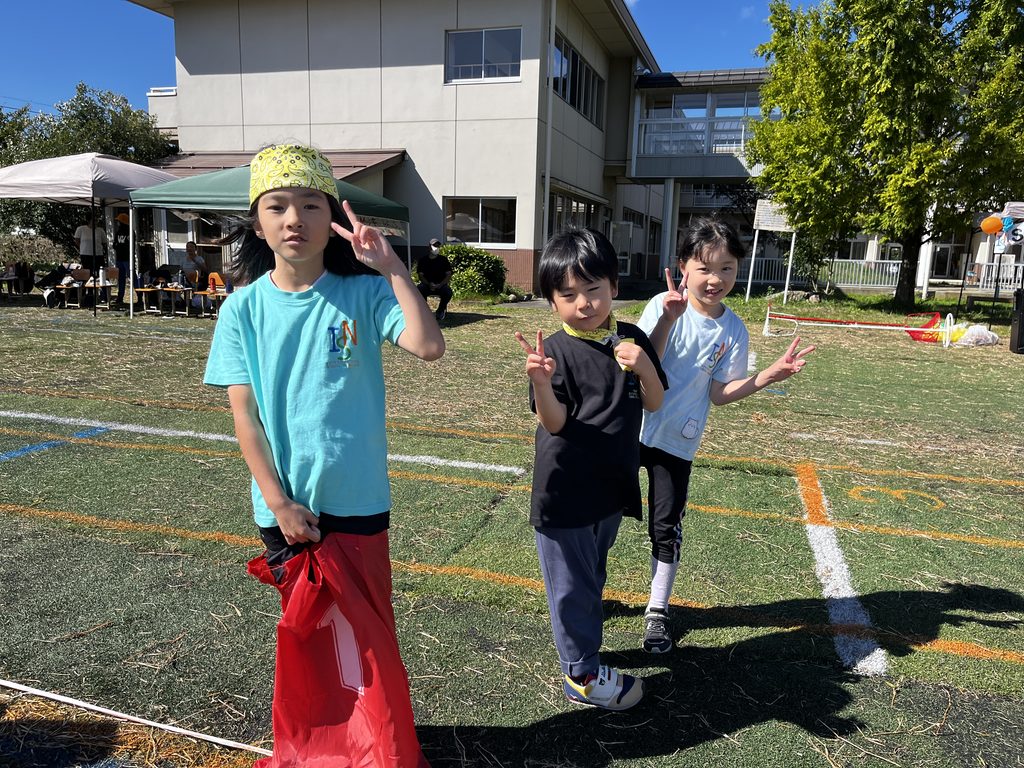
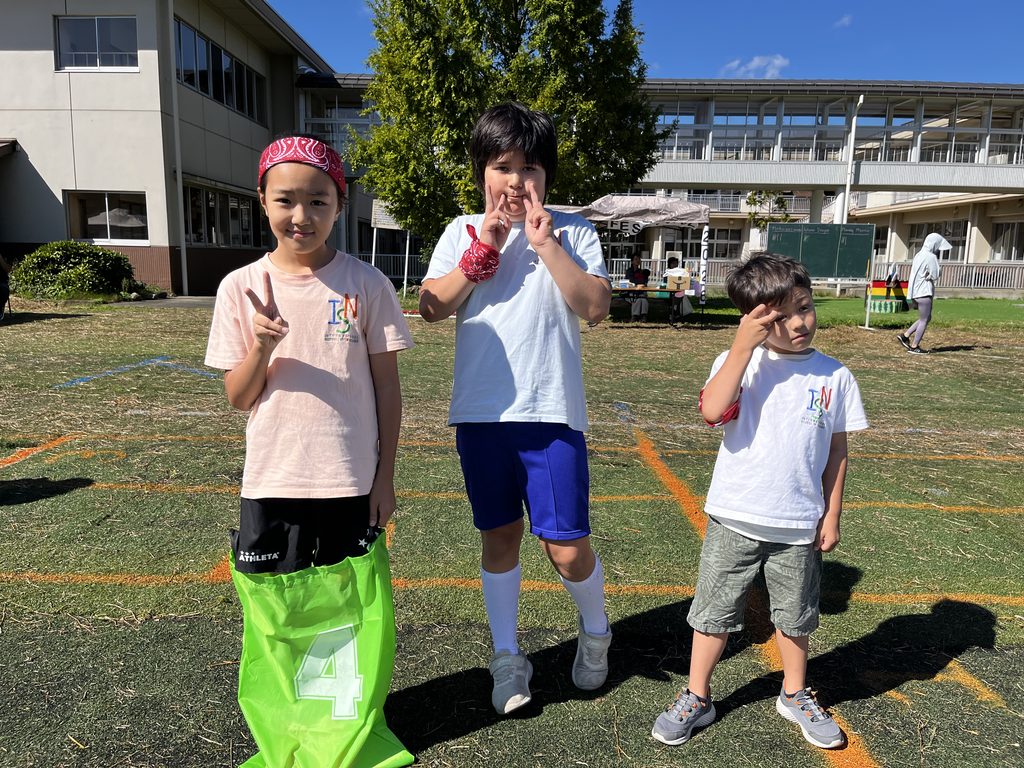
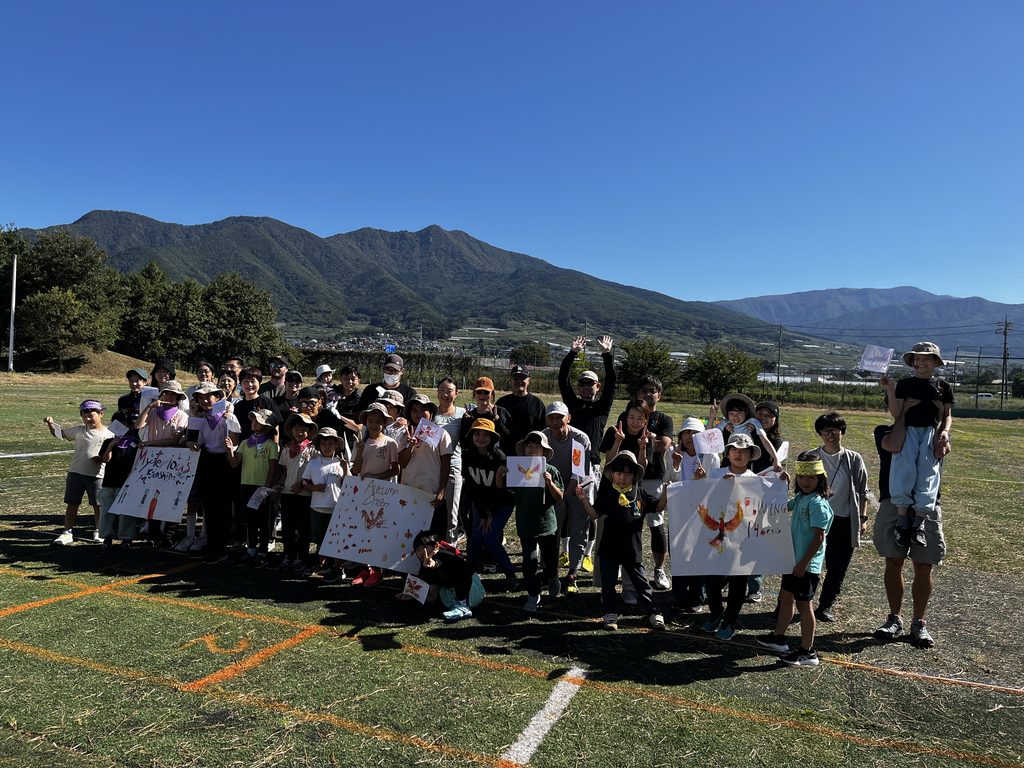
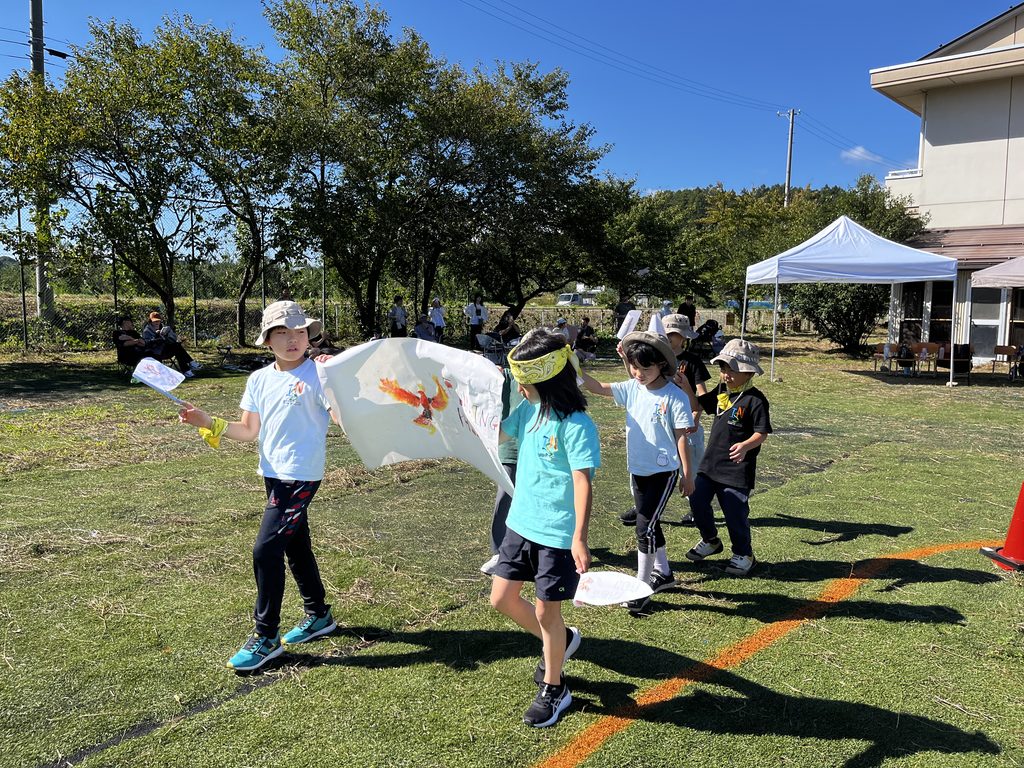
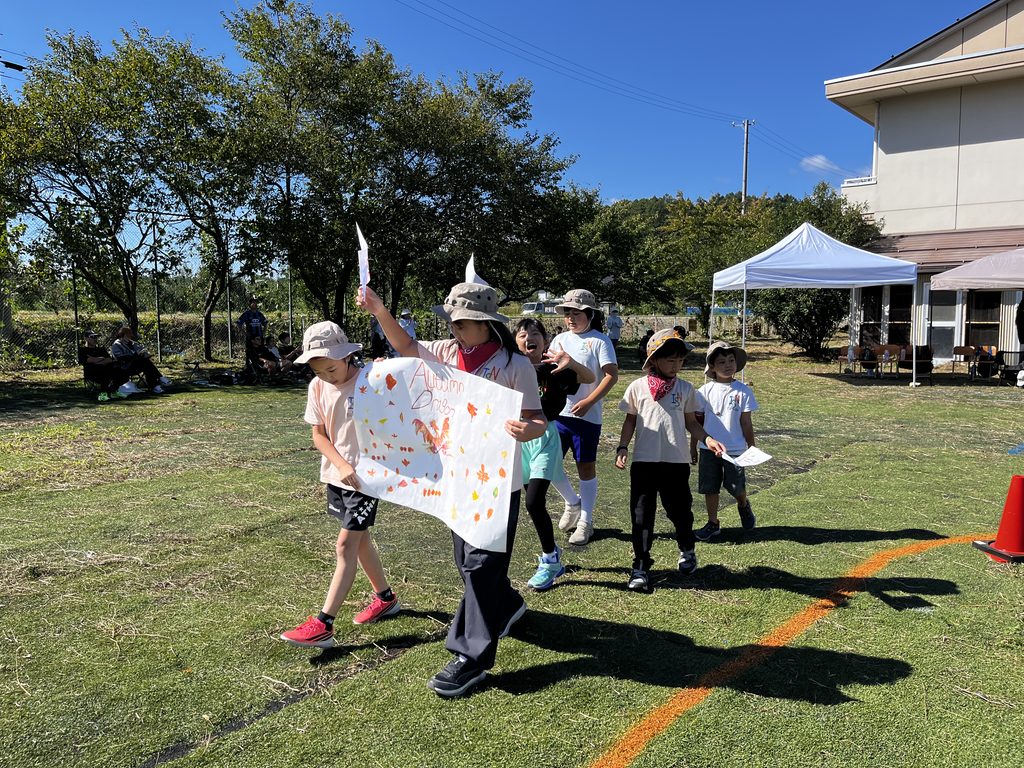
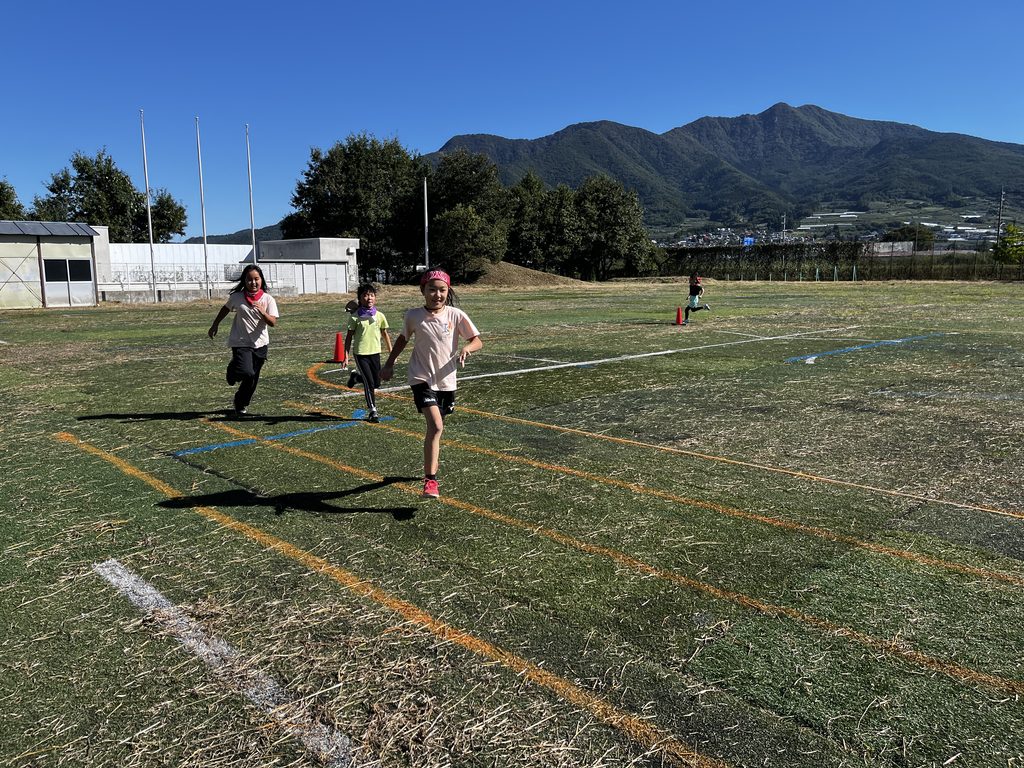
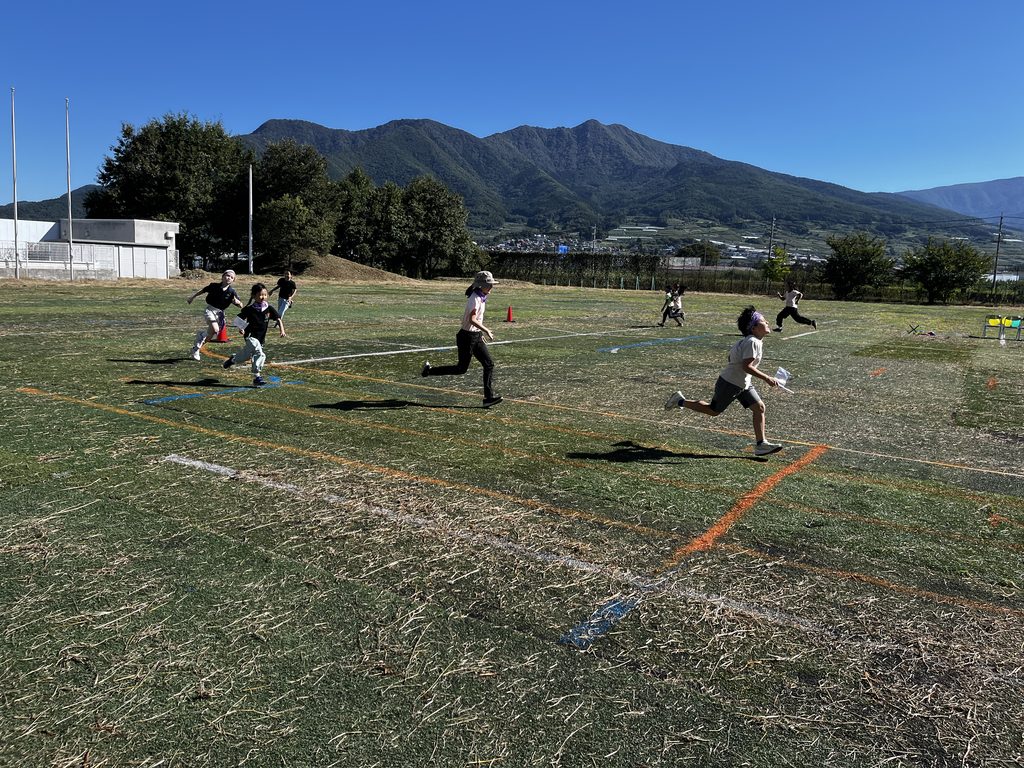
And, of course, we also had Sports Day this week, which meant lots of practice and plenty of running around!
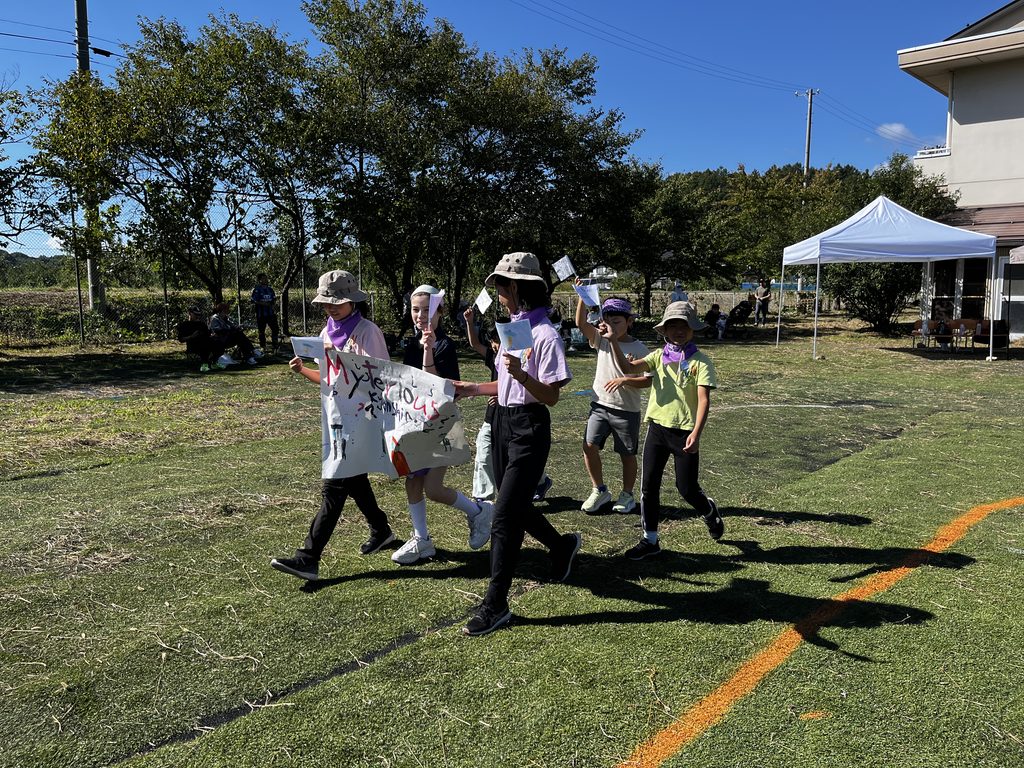
It was wonderful to finally have some sunshine and be able to hold the event outside. The students worked hard, cheered each other on and showed lots of energy and enthusiasm throughout the day.
A huge well done to everyone who took part!
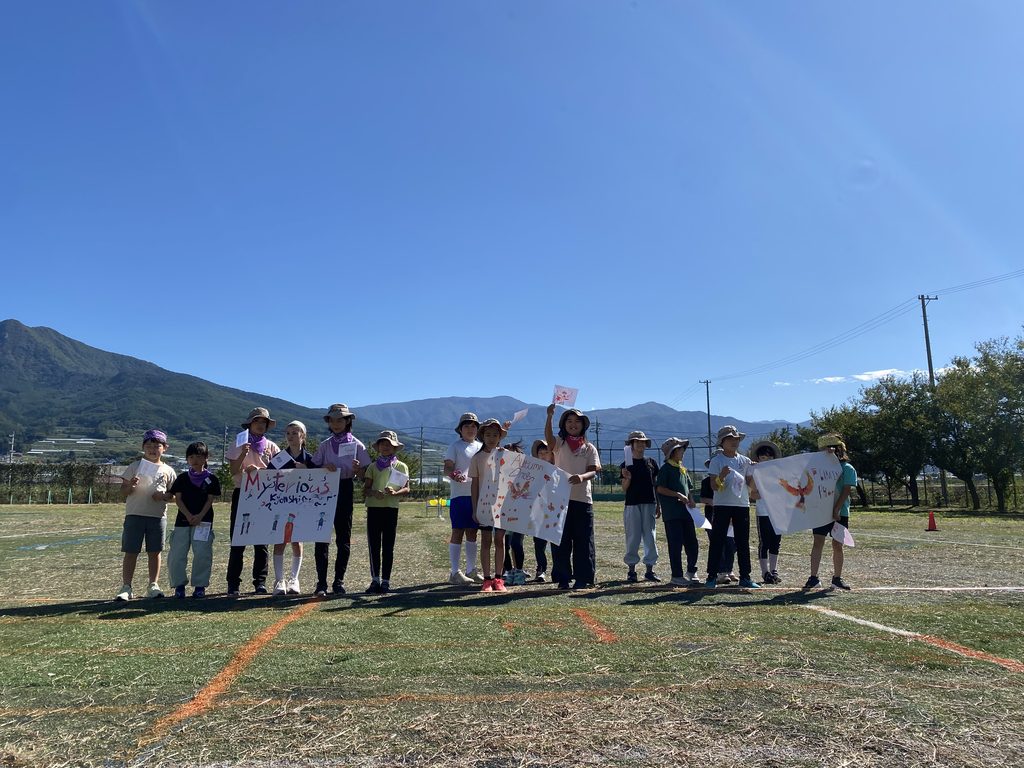
And an especially big congratulations to Mysterious Kyonshi for winning the points! 🎉🏆
It has been a very busy week, but it has been fantastic to see the students learning, performing, writing, running, collaborating and — most importantly — making connections between what they learn in the classroom and the world around them.
歴史、FICTS、そしてスポーツで大忙しの一週間!
今週も、Grade 4ではとても忙しく、楽しい一週間を過ごしました!
先週は、FICTSのプレゼンテーションがありました。Grade 4のみんなが参加して、自分たちの学習成果を発表する姿を見ることができ、とても嬉しかったです。ホテルという素敵な会場だったこともあり、いつもとは少し違った特別な雰囲気の中での発表となりました!
子どもたちは、それぞれのプロジェクトについて一生懸命発表し、これまで取り組んできたことをしっかりと伝えることができました。人前に立って自分の考えを伝える姿からも、少しずつ自信がついてきていることが感じられました。Grade 4のみんな、本当によく頑張りました!
人々や出来事は、どのように長野を変えてきたのでしょう?
私たちは現在、**「人々や出来事が地域をどのように変えてきたのか」**について探究を続けています。
これまで、農業、養蚕、交通、観光など、長野県の発展に大きく関わってきたさまざまな産業や活動について学んできました。
子どもたちにとって特に興味深かったのは、これらがそれぞれ別々に発展したのではなく、お互いにつながっているということでした。
例えば、長野の歴史において重要な役割を果たしたのが**養蚕業(蚕を育てて絹を作る産業)**です。養蚕や絹産業が発展すると、それに関わる工場などで新しい仕事が生まれました。それまで主に農業をしていた人々の中にも、工場などで働くようになる人が増えていきました。
また、絹産業の発展によって地域にお金が入り、町の成長にもつながりました。
そして、ここで重要になってくるのが交通の発達です。道路や鉄道が整備されることで、絹などの商品を他の地域へ運びやすくなりました。交通の発達によって長野県と他の地域とのつながりが強くなり、さまざまな産業の発展を支えることになりました。
その後、交通がさらに便利になると、観光も発展していきました。県外から長野を訪れて、レジャーや休暇を楽しむ人も増えていきました。
子どもたちが特に興味を持っていたのは、観光が今の自分たちの生活にもつながっているということです。私たちが現在楽しんでいるスキー場なども、長野が観光やレジャーの場所として発展してきた長い歴史の一部なのです。
子どもたちは少しずつ、
「何が起こったの?」
だけではなく、
「なぜこの変化が起こったの?」
「この変化によって何が起こったの?」
「それぞれの出来事はどのようにつながっているの?」
と考えられるようになってきています。
歴史をちょっと怖い物語で学ぶ!
今週も、**歴史小説(実際の歴史的な出来事や場所をもとに、想像上の人物や出来事を組み合わせた物語)**を読み進めました。
すると、子どもたちからすぐにリクエストがありました。
「ホラーが読みたい!」
ということで、もちろん挑戦してみました!
実は、ホラーの物語は今回の学習ととてもよく合いました。私たちは、自然災害や病気の流行も、長野の地域社会を変えてきたことについて学び始めました。
当初はここまで自然災害や病気について詳しく扱う予定ではありませんでしたが、これらは、
問題が起こる → 人々が対応する → 地域が変化する
という流れを理解するための、とても良い例になりました。
例えば、腸チフスの流行と、その後の水道や水の供給システムの改善について学びました。
今では当たり前のように蛇口をひねれば水が出てきますが、それも過去の人々が深刻な問題を解決するために行った取り組みの結果だということを知り、子どもたちはとても興味を持っていました。
また、ここから日本と他の国との違いについても話し合いました。
日本では、子どもたちは地震が起きたときにどうすればよいかを学校で定期的に練習します。しかし、例えばイギリスでは、日本のように地震が日常的なリスクではないため、学校で同じような地震避難訓練を行うことは一般的ではありません。
この比較を通して、子どもたちは、
「私たちが住んでいる場所や、そこで起こりやすい問題は、人々の暮らし方や将来への備え方にも影響する」
ということについて考えることができました。
自分たちの歴史小説を書きます!
そして、子どもたちはいよいよ自分たちの歴史小説を書く準備を始めました!
これまで学んできた本当の歴史――人々の暮らし、場所、産業、災害、そして地域の変化――をもとにしながら、そこに自分たちの想像力を加えて物語を作ります。
それぞれが昔の長野で暮らす架空の人物を作り、その人物の視点から、当時の生活がどのようなものだったのかを物語として表現します。
実際に起こった歴史的な出来事や、当時の生活についての情報を「手がかり」として使いながら、登場人物や会話、物語の展開などは自分たちで考えていきます。
これまでたくさんのことを調べてきたので、どんな物語が生まれるのか、今からとても楽しみです!
もちろん、ちょっと怖い歴史的な出来事もたくさん調べてきましたので、どんな「怖い物語」が登場するのかも楽しみです……!👻
スポーツデー!
そしてもちろん、今週はスポーツデーもありました!
練習もたくさんあったので、子どもたちは今週、本当にたくさん走り回りました!
ようやくお天気にも恵まれ、外でスポーツデーを開催することができて本当によかったです。子どもたちは一生懸命競技に取り組み、お互いに応援しながら、最後まで元気いっぱい頑張っていました。
参加したみんな、本当によく頑張りました!
そして、ポイントを獲得して優勝した**Mysterious Kyonshi(ミステリアス・キョンシー)**にも、特別なおめでとうを送りたいと思います!🎉🏆
とても忙しい一週間でしたが、子どもたちが学び、発表し、書き、走り、協力しながら、そして何より、教室で学んだことを自分たちの身の回りの世界とつなげて考えている姿を見ることができた、素晴らしい一週間でした。