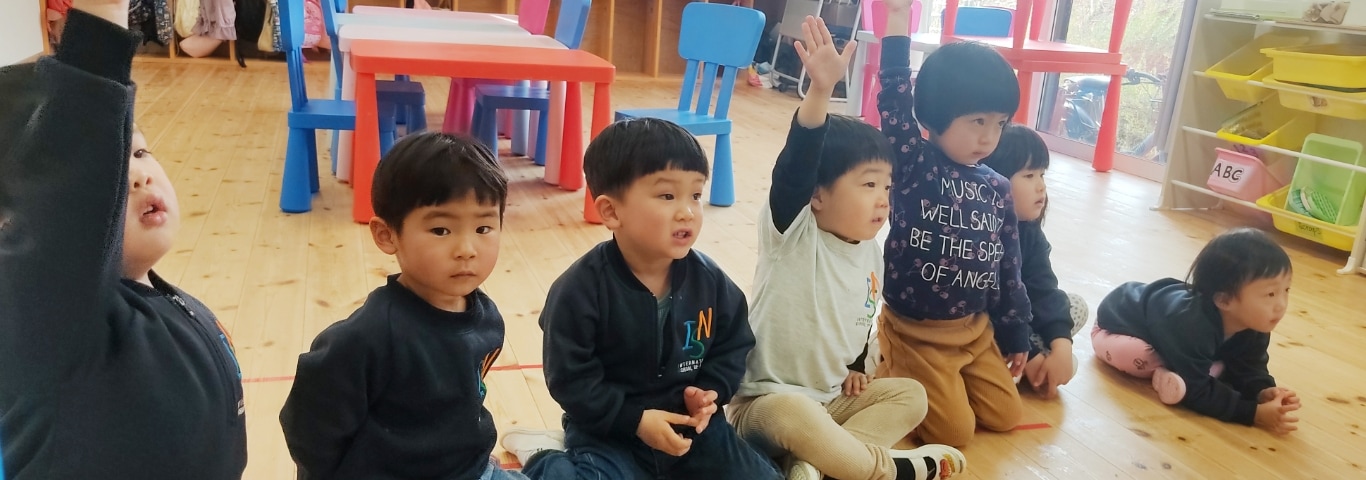
This week, in anticipation of Grandparents’ Day, our students enjoyed creating something very special—a beautiful bouquet of flowers to give to their grandparents as a heartfelt expression of their love and appreciation.The children explored a variety of materials, including paint, paper, and vegetables. They were especially excited to discover that vegetables could be used as stamps! With curiosity and wonder, they observed the cut ends of okra, lotus root, and komatsuna, noticing the different shapes and patterns they created. “A circle!” “A star!” “A flower!” they excitedly exclaimed as they looked closely at the cut vegetables.
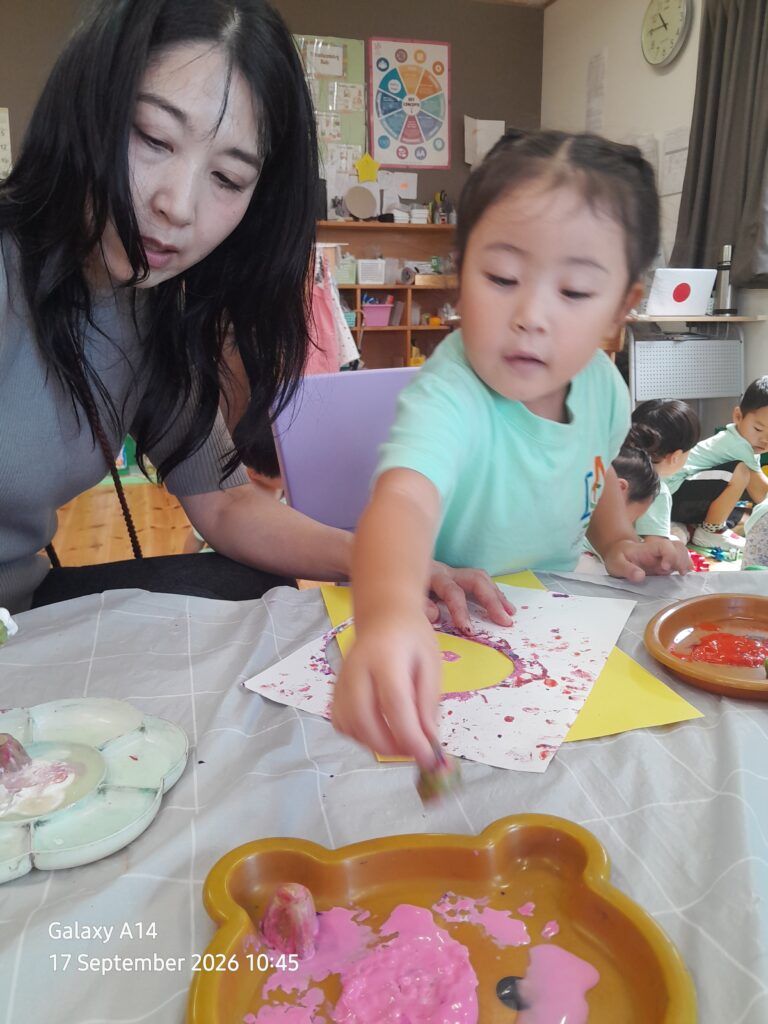
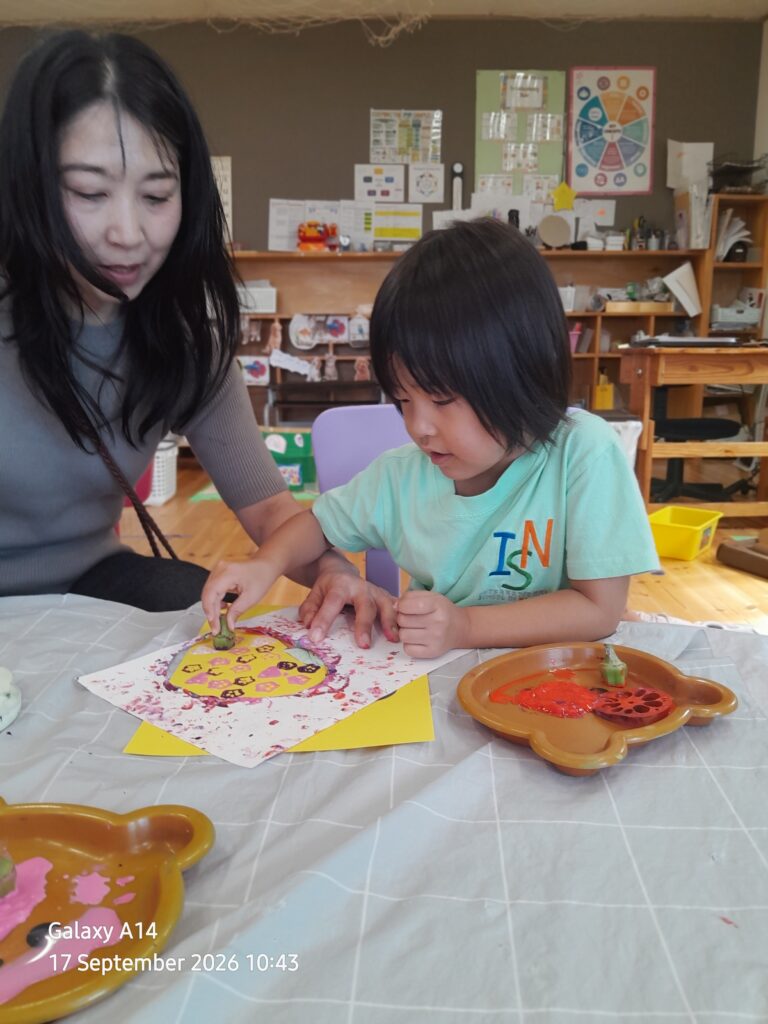
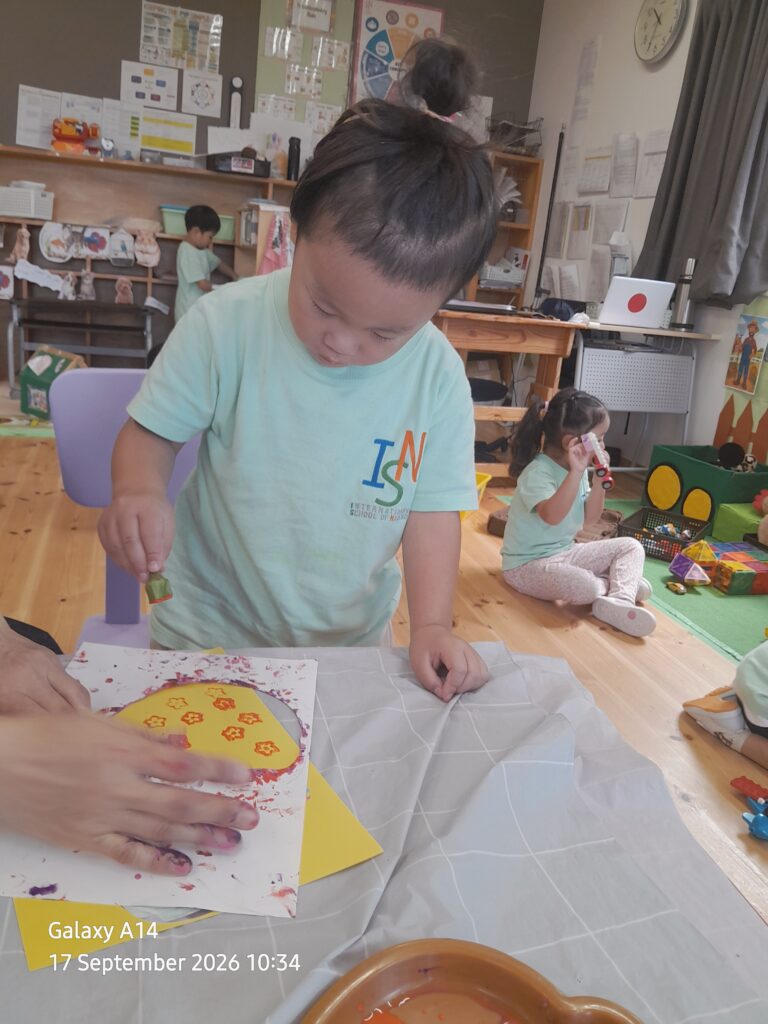
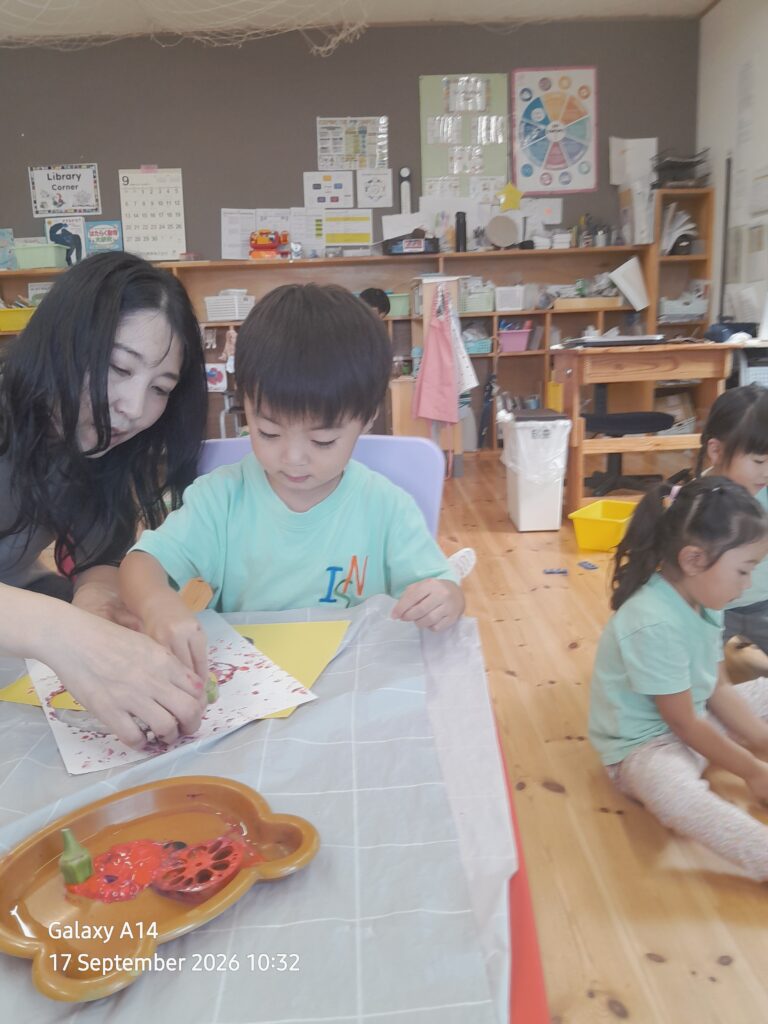
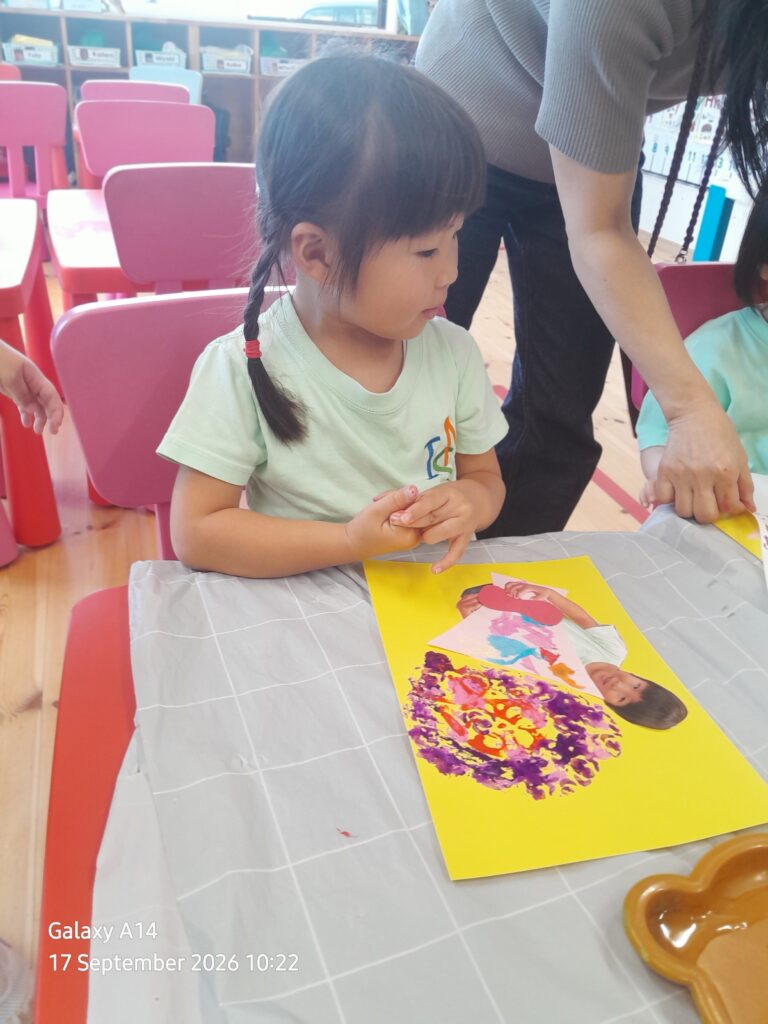
After discovering the shapes, the children carefully dipped the vegetables into paint and used them to create beautiful flower patterns. They had earlier tore paper carefully and pasted the pieces to add colour and detail to their bouquets. Each child eagerly waited for their turn to create their own special craft.
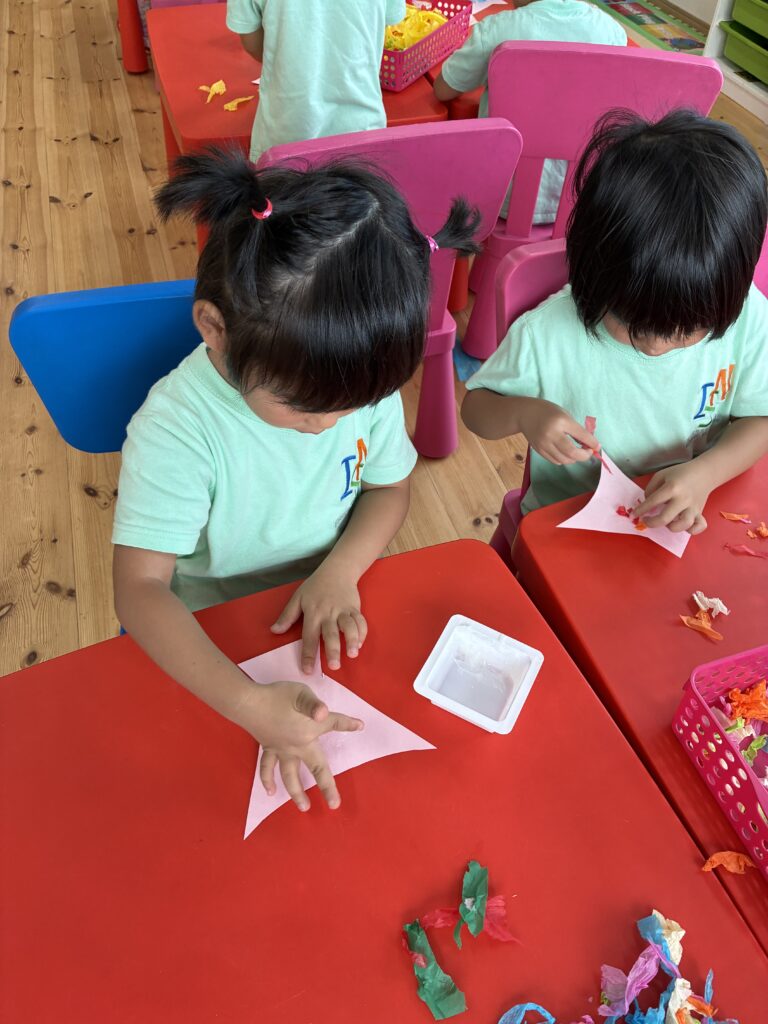
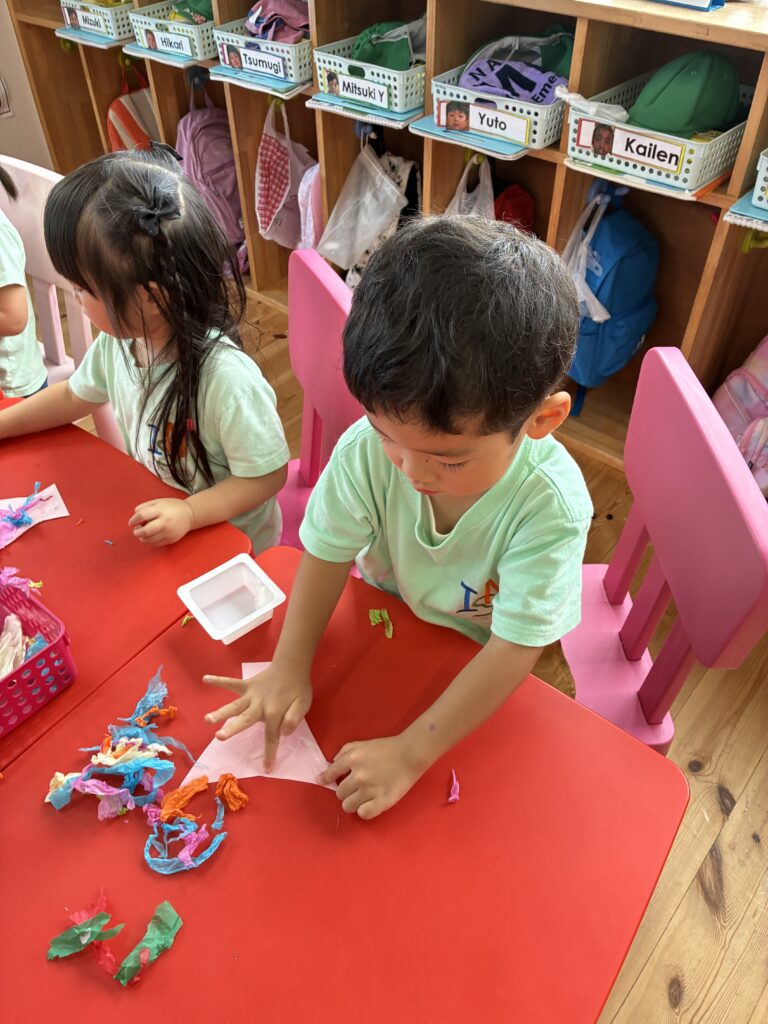
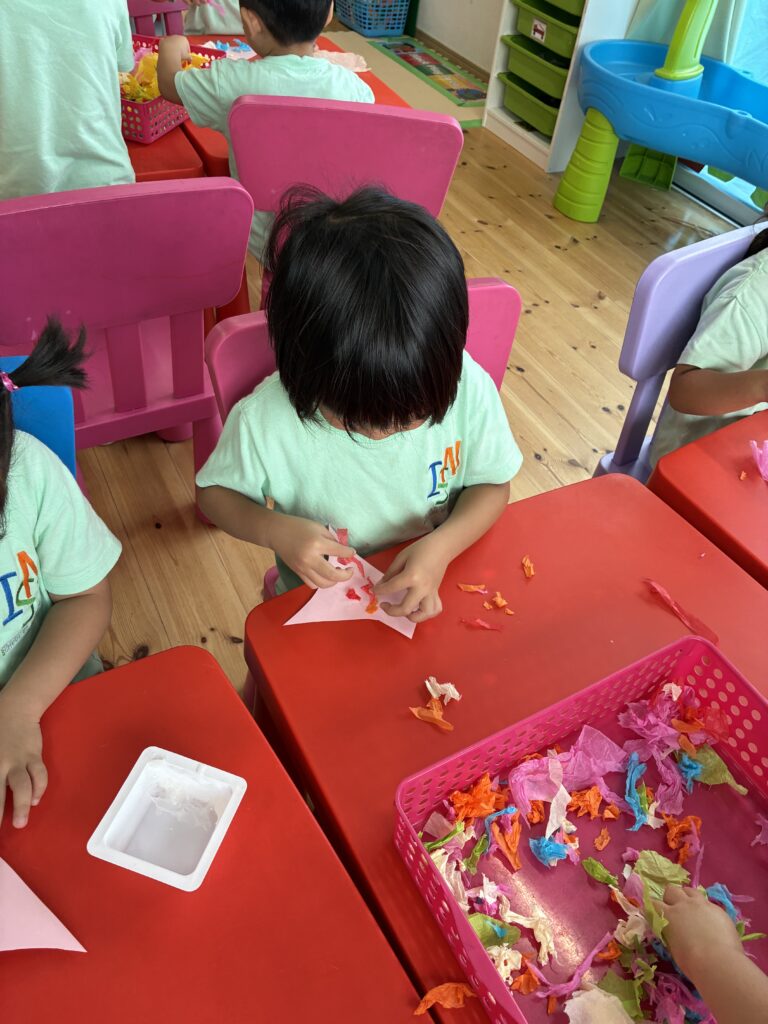
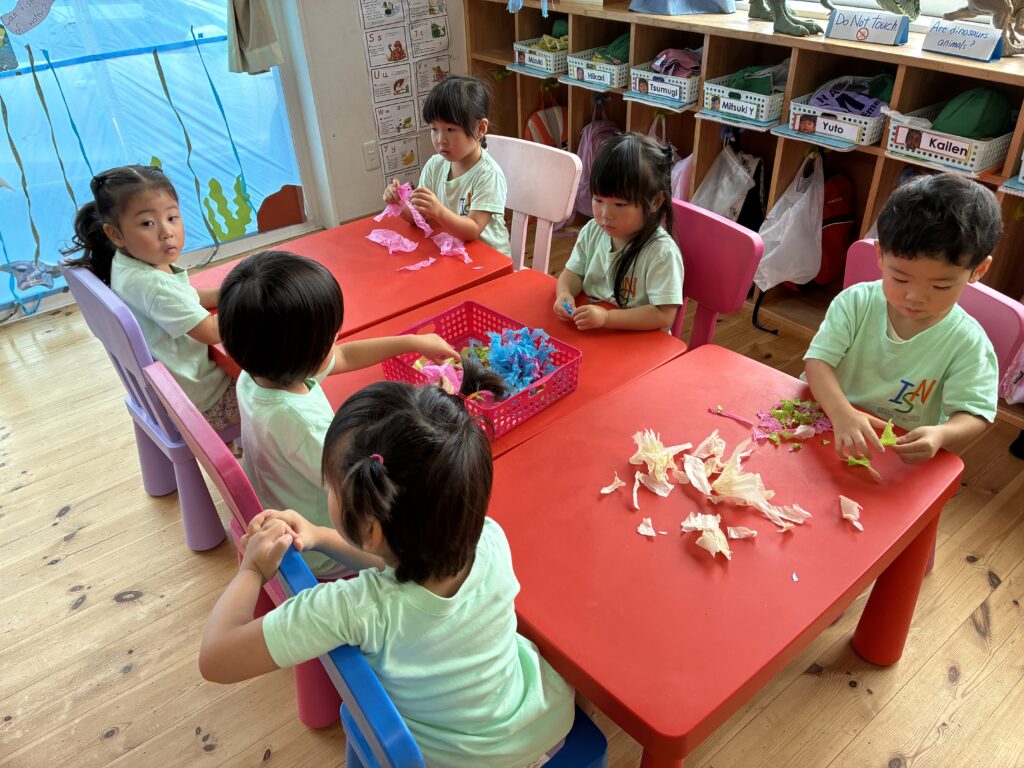
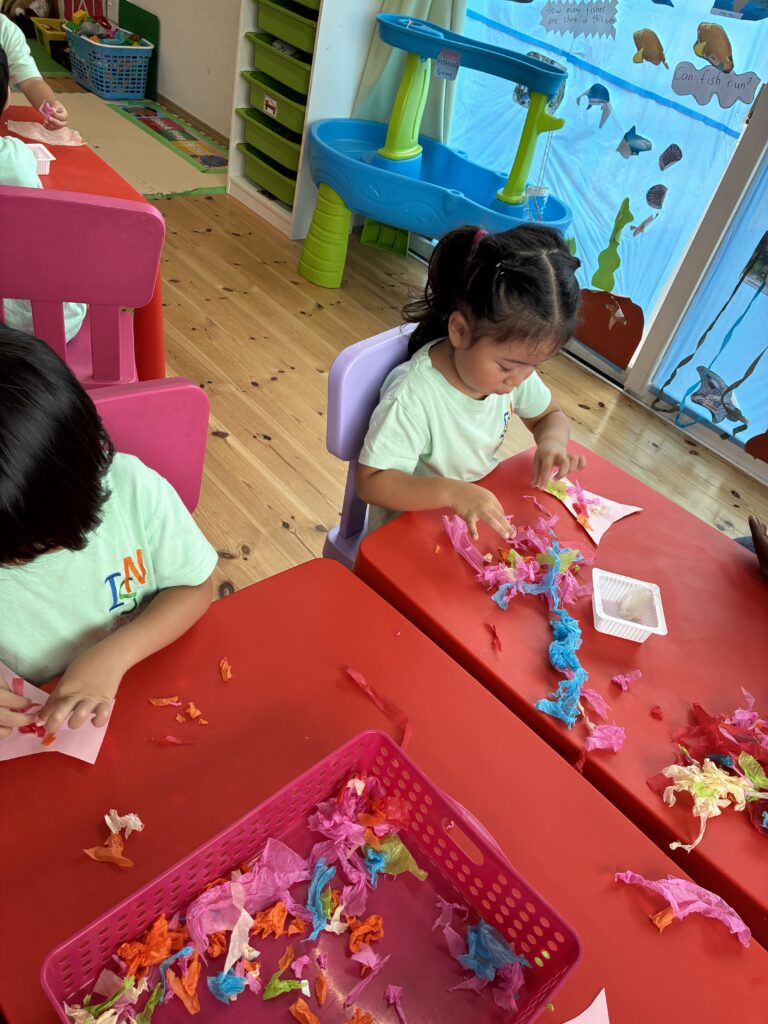
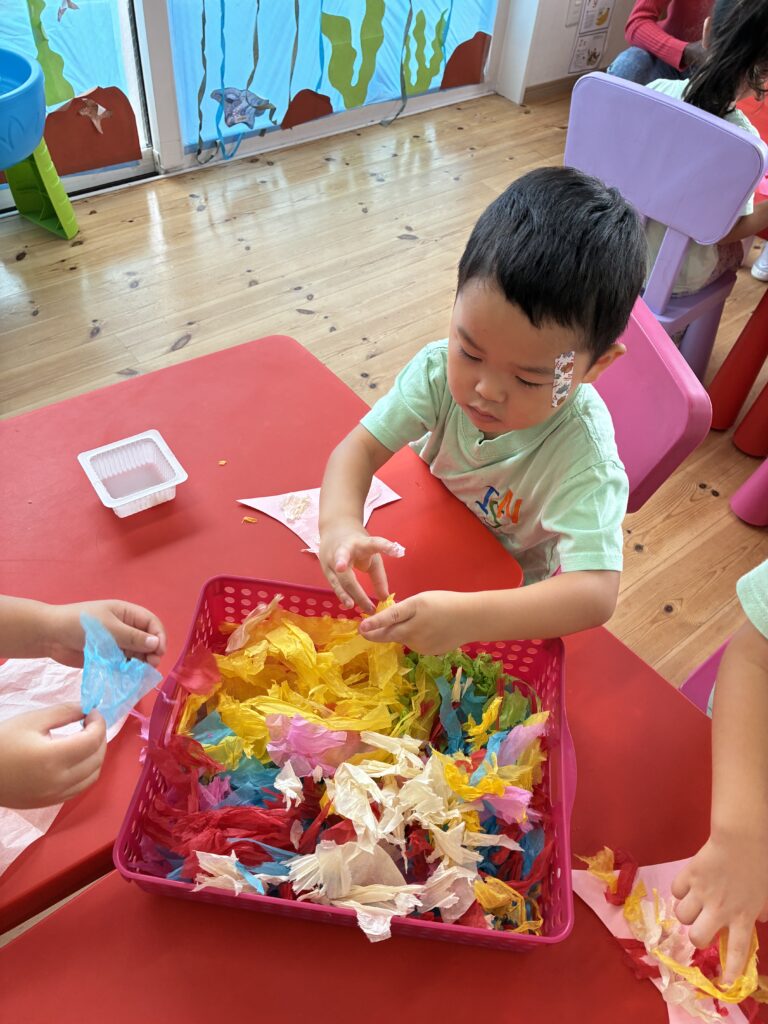
As they worked, the classroom was filled with excitement and joy. The children knew that their creations would be given to their grandparents, making the activity even more meaningful. Through this hands-on experience, they not only explored shapes, colours, textures, and creative techniques, but also expressed their love and gratitude for the care and affection their grandparents give them.
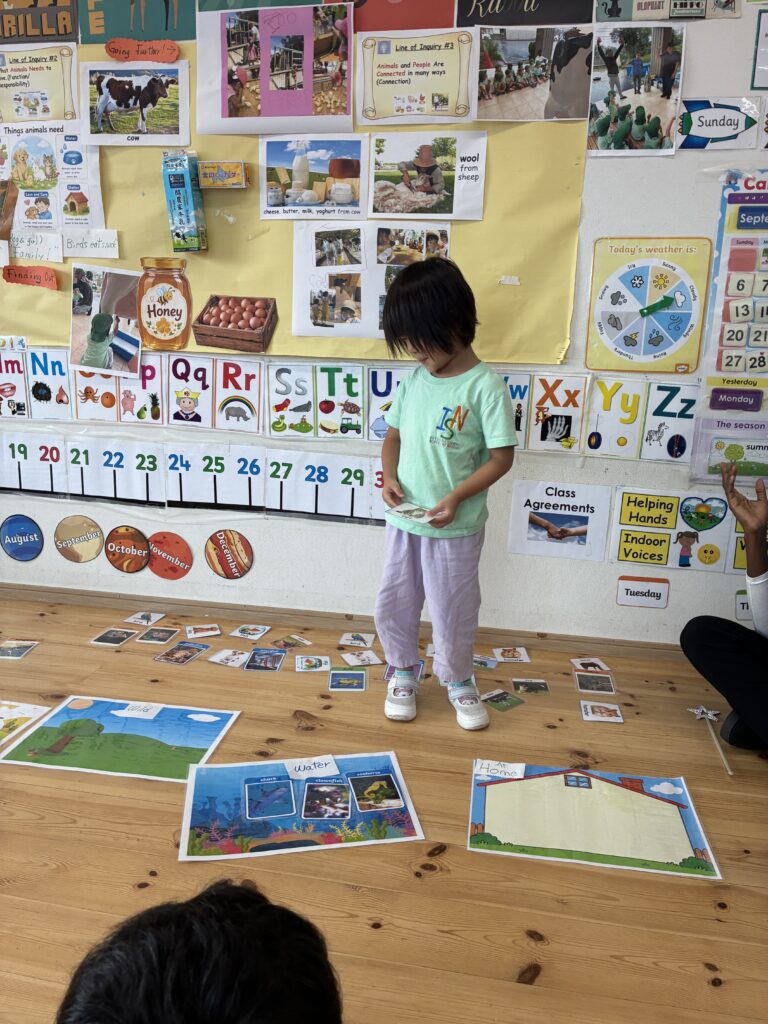
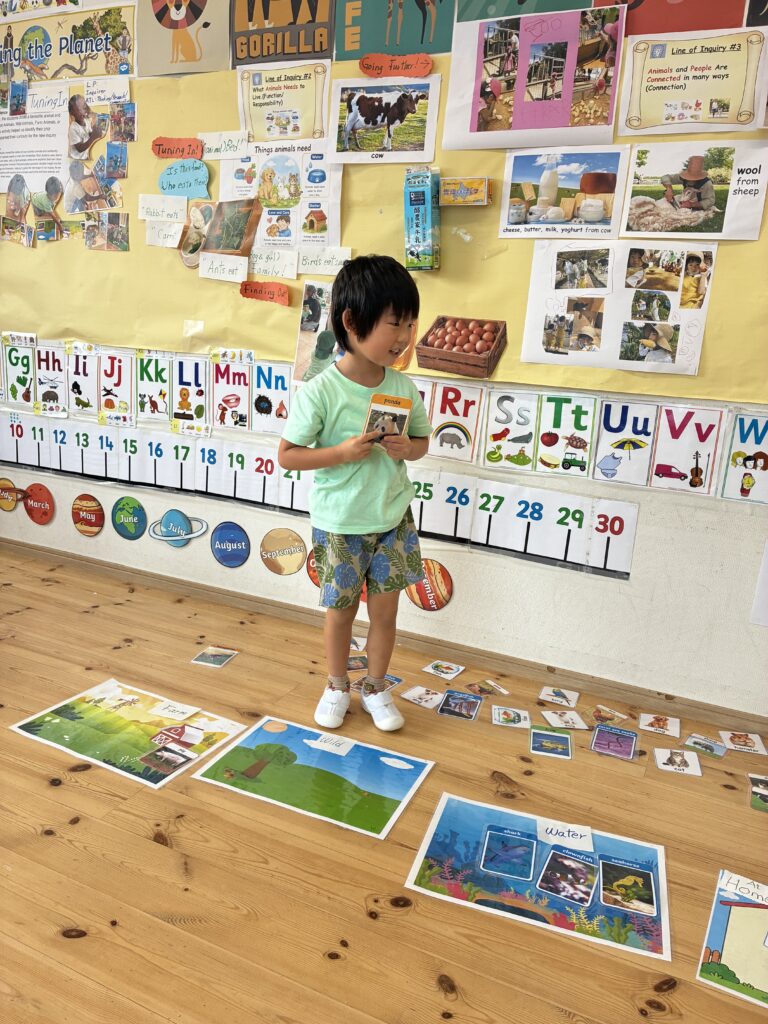
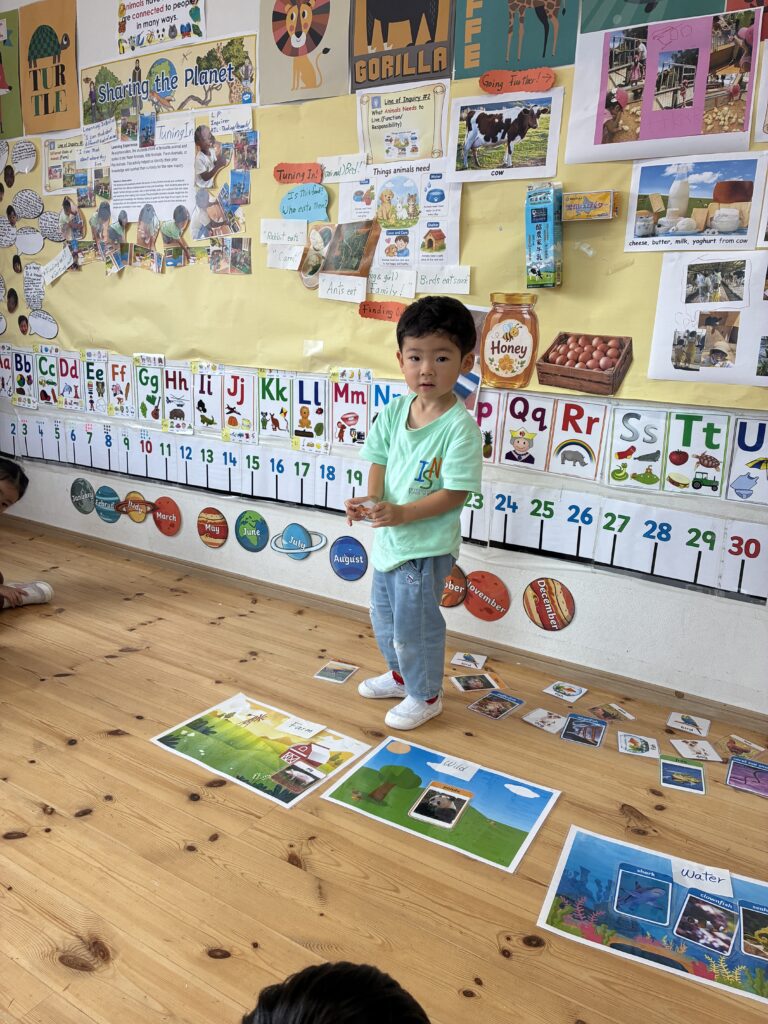
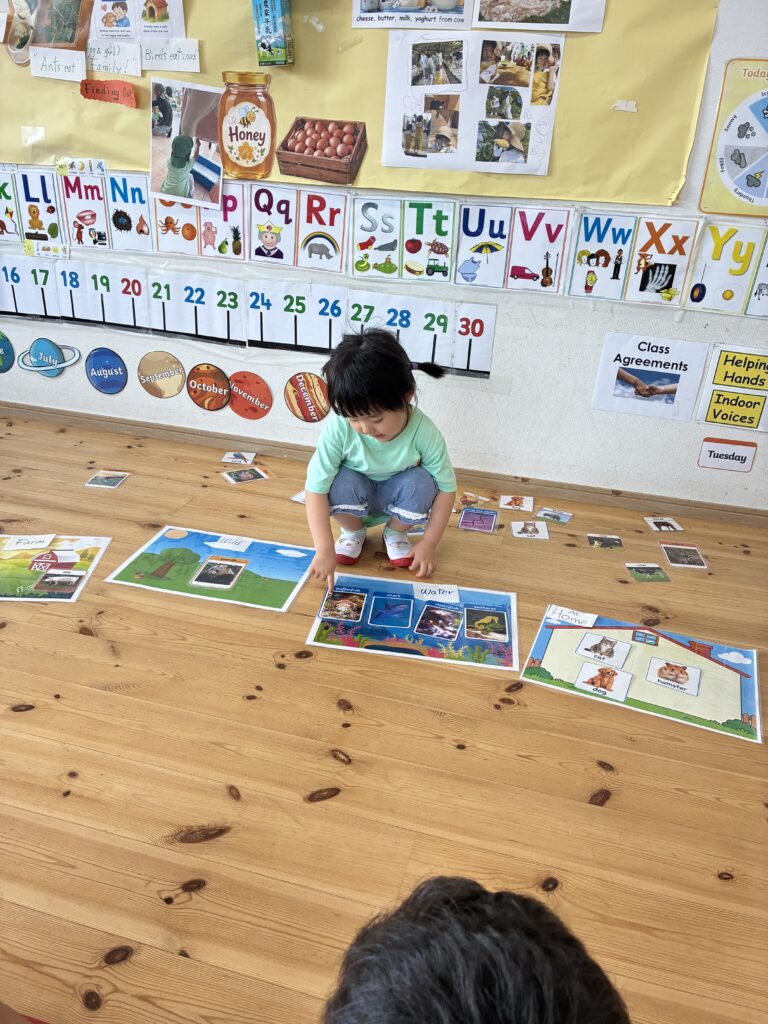
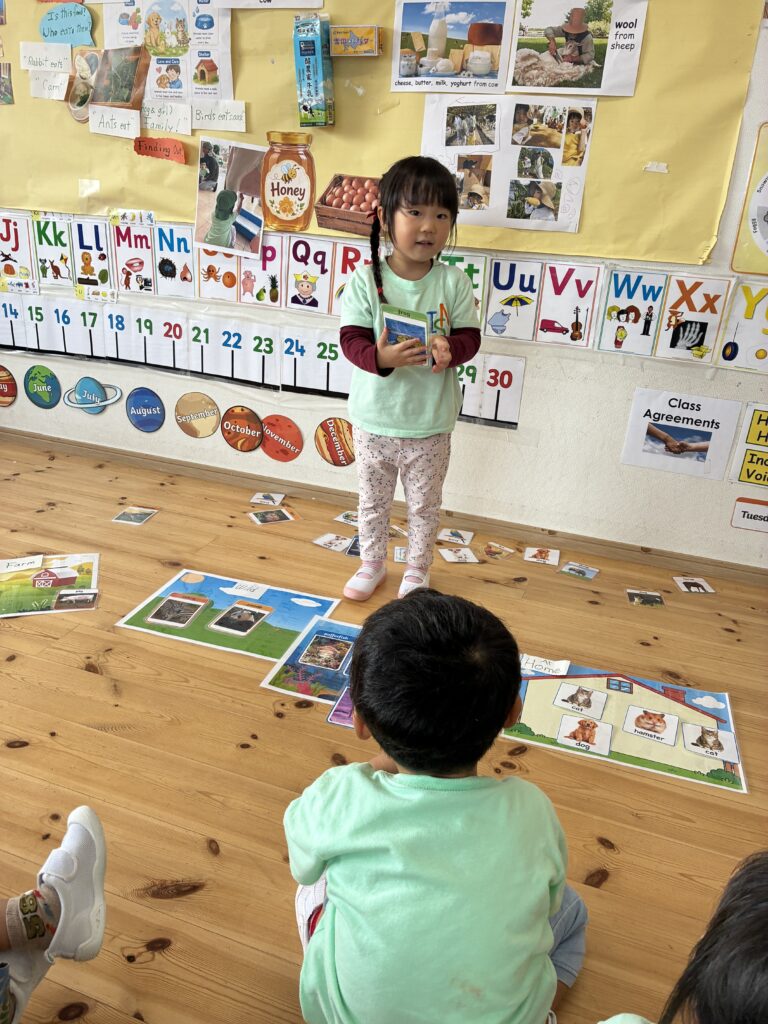
As we kept bringing our unit on animal habitats to a close, the students had the opportunity to revisit an activity they had experienced at the very beginning of the unit. During the provocation stage, they were invited to sort different animals into their respective habitats. At that point, the activity served as a diagnostic experience, allowing us to see their initial ideas and understanding.
After exploring the unit further through different experiences and discussions, the students returned to the same activity with a much deeper understanding. As they looked at their earlier work, they began to notice that some of the animals had been placed in habitats that did not seem quite right.During the week, we brought out their work again and invited them to revisit and make changes where they felt necessary. The students carefully reconsidered their choices and discussed what seemed realistic based on what they had learned.For example, some students now felt that a zebra would not live on a farm, but rather in the wild. They also began to recognise that a hamster could be found at home as a pet, while some animals might also be associated with a farm. When thinking about fish, the students shared that they could live in an aquarium at home or in natural bodies of water.It was wonderful to see the children questioning their earlier ideas and confidently making changes based on their new understanding. This revisit provided a meaningful opportunity for them to reflect on how much they had learned throughout the unit.
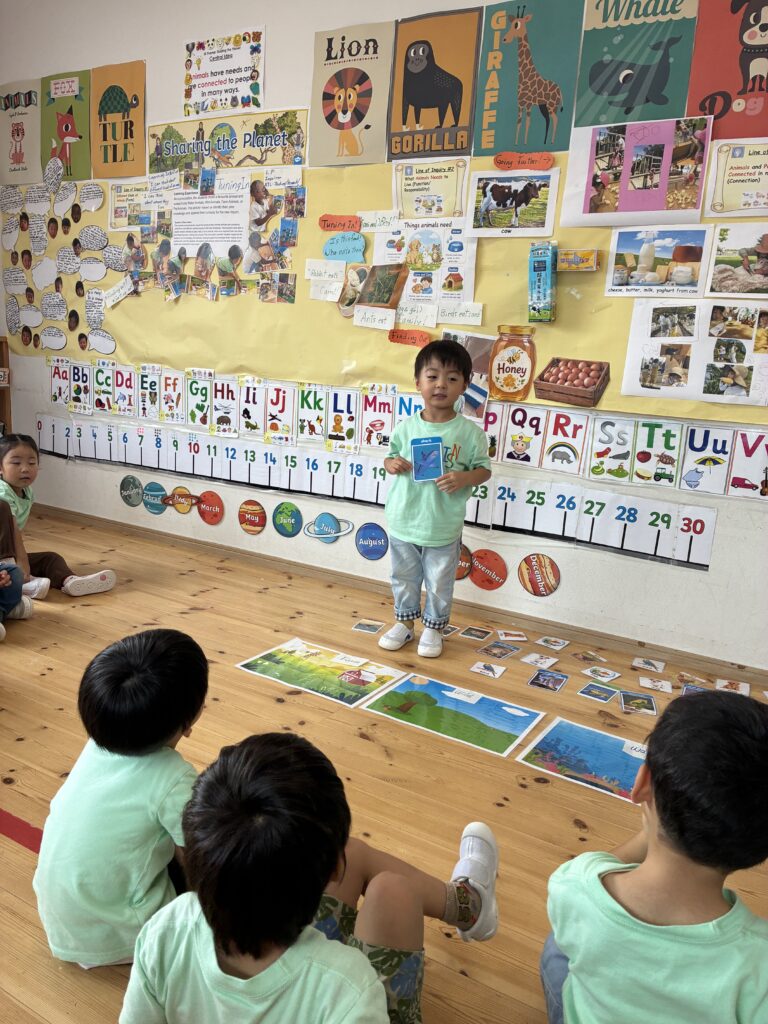
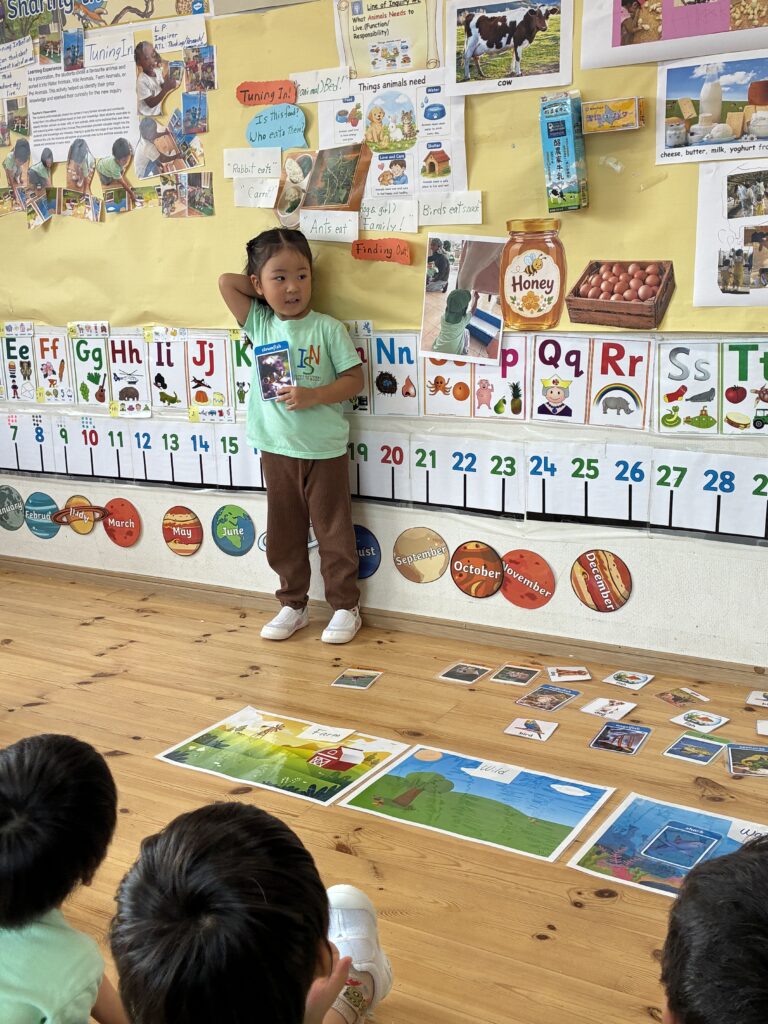
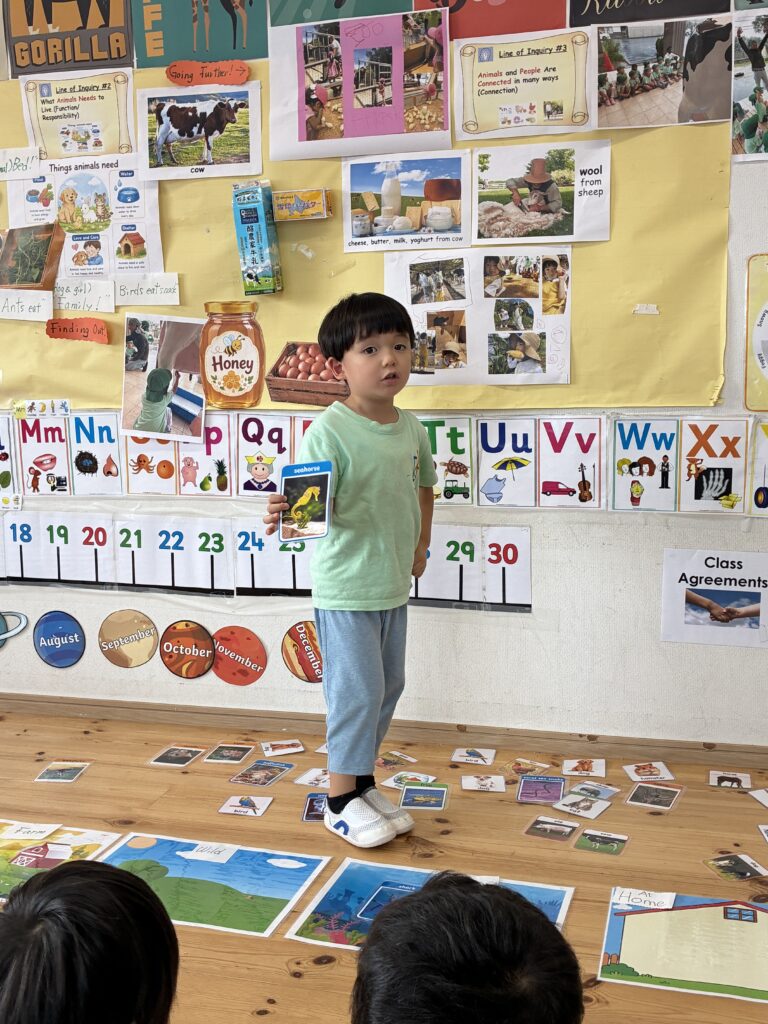
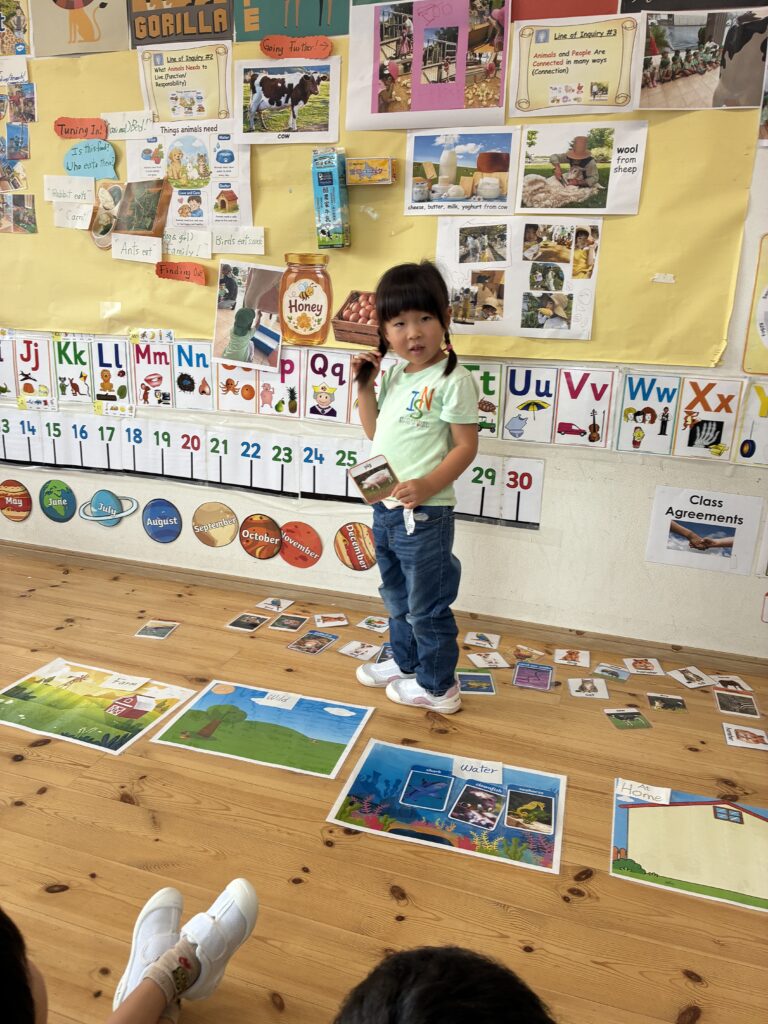
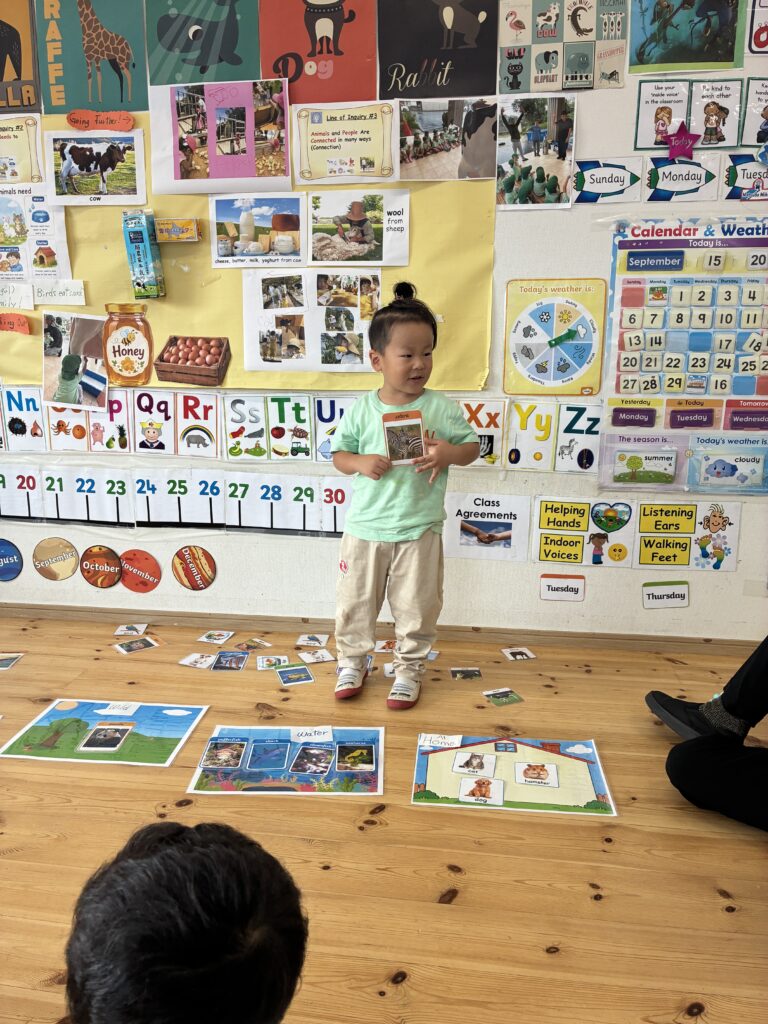
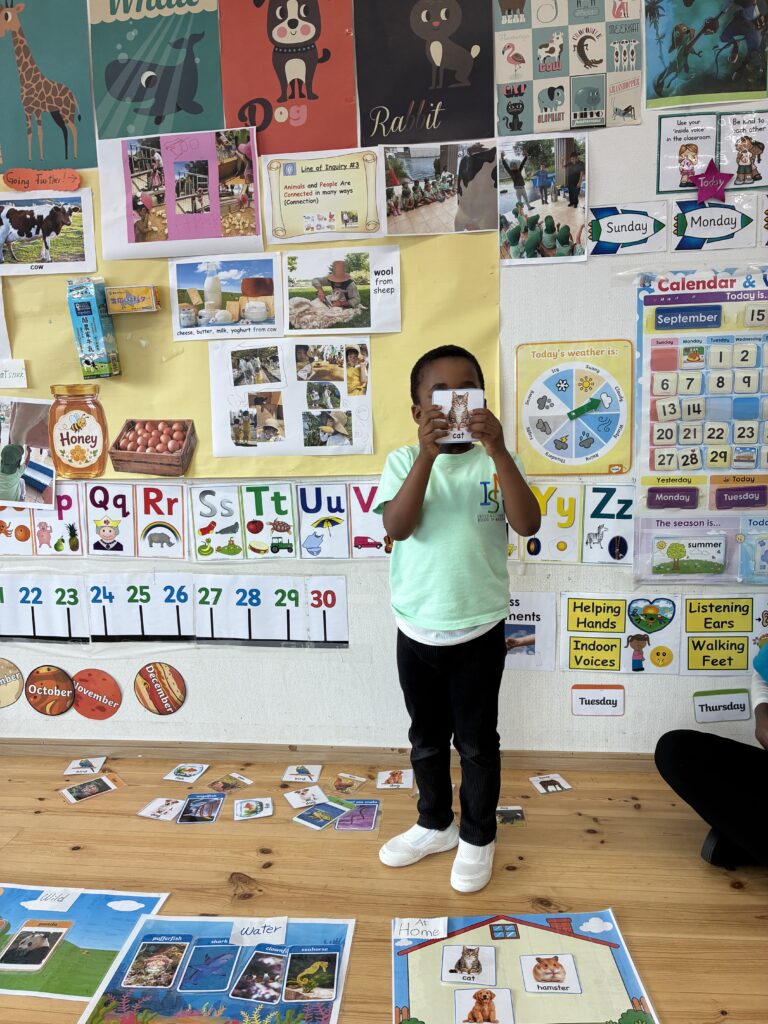
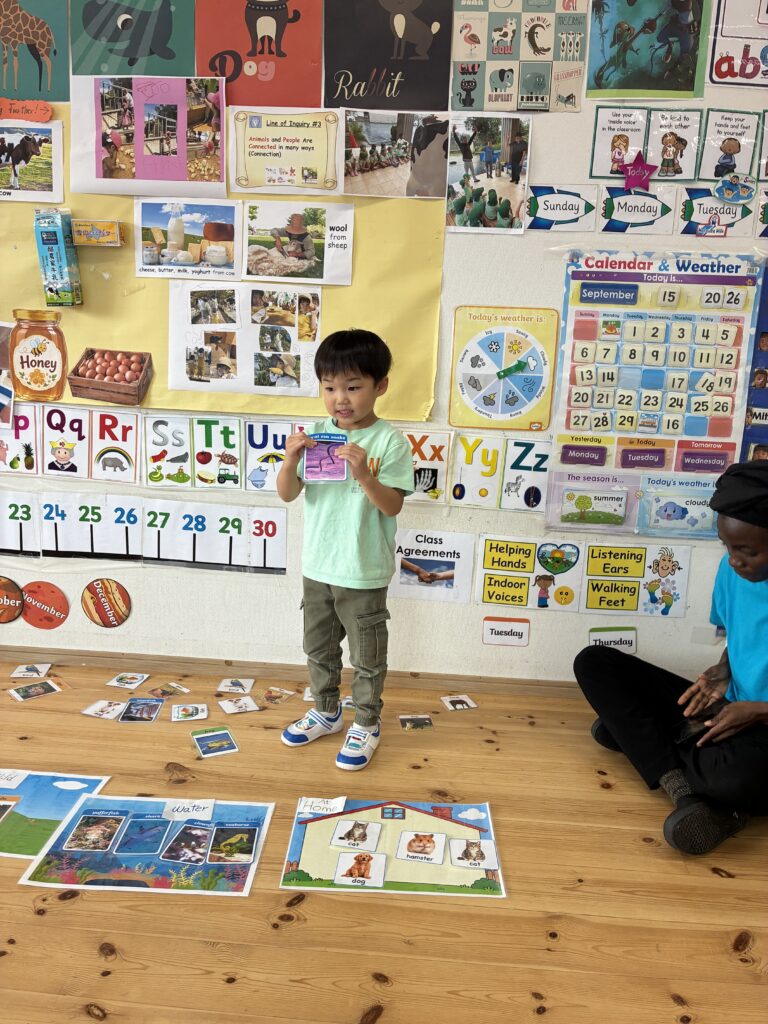
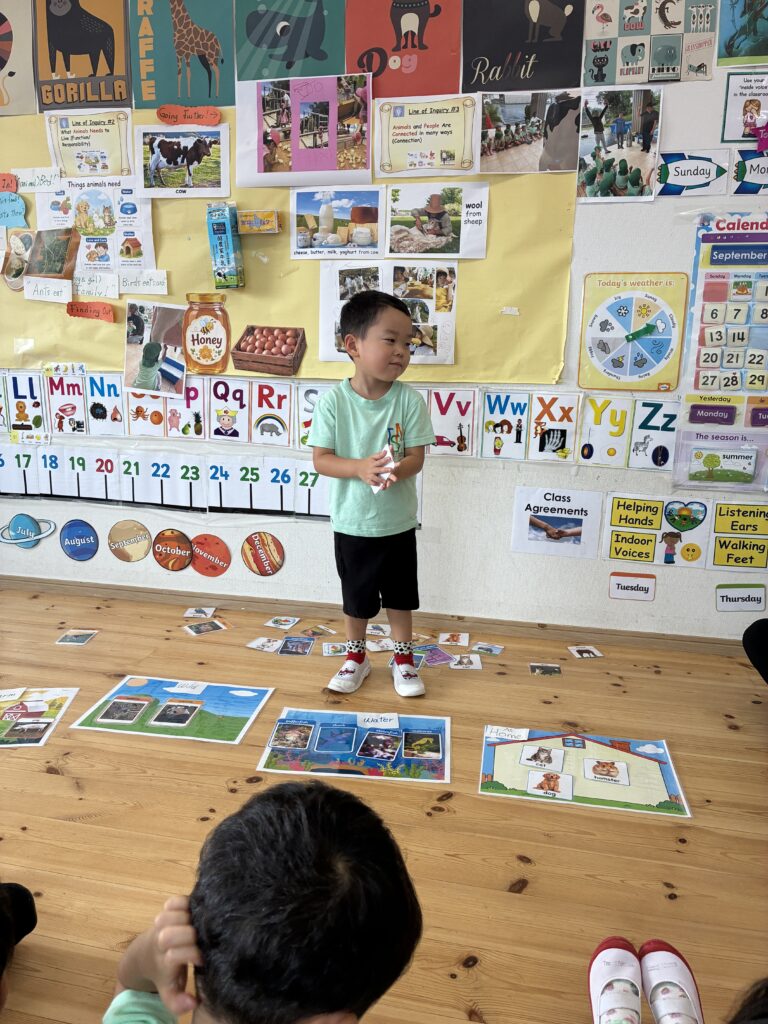
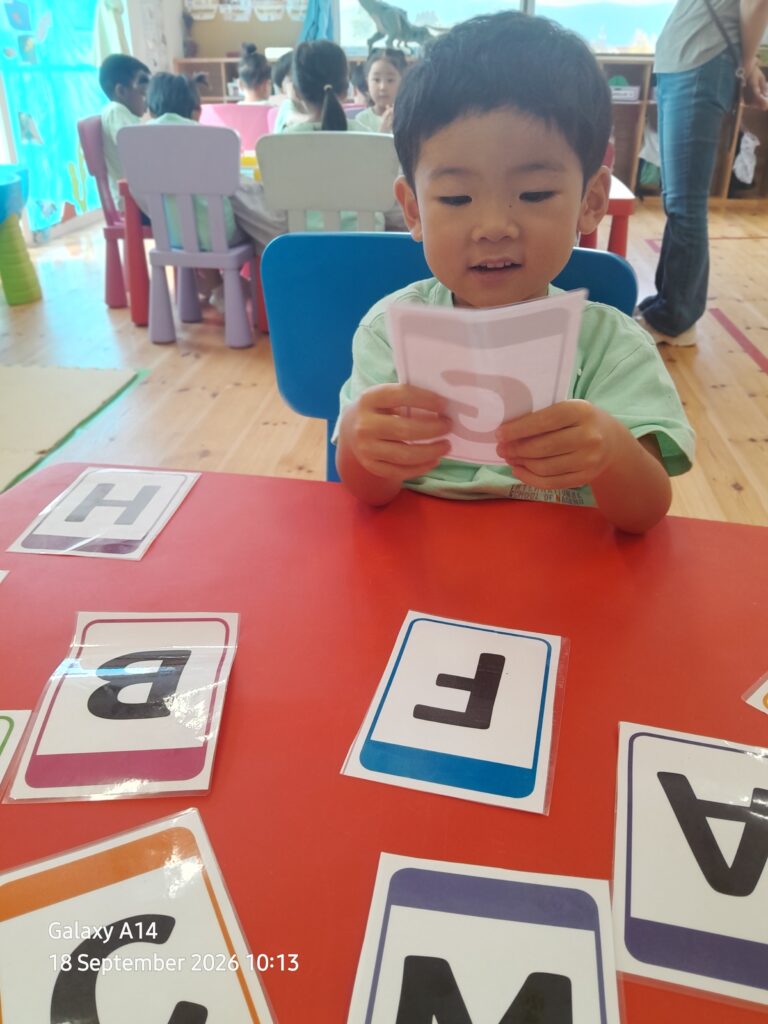
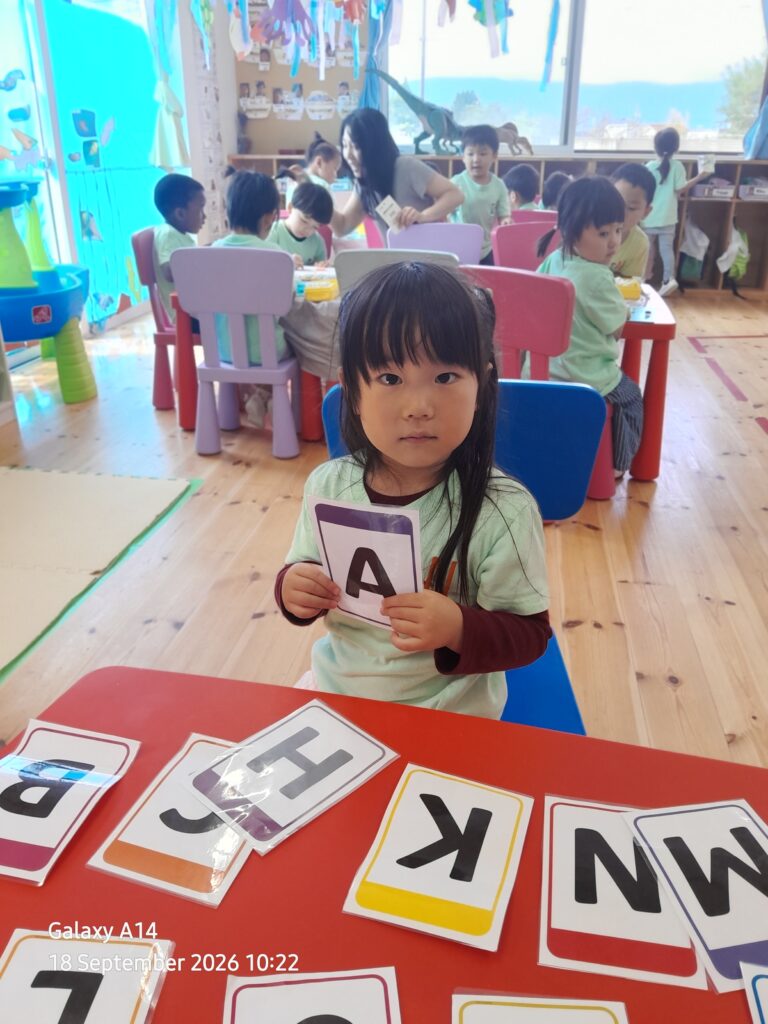
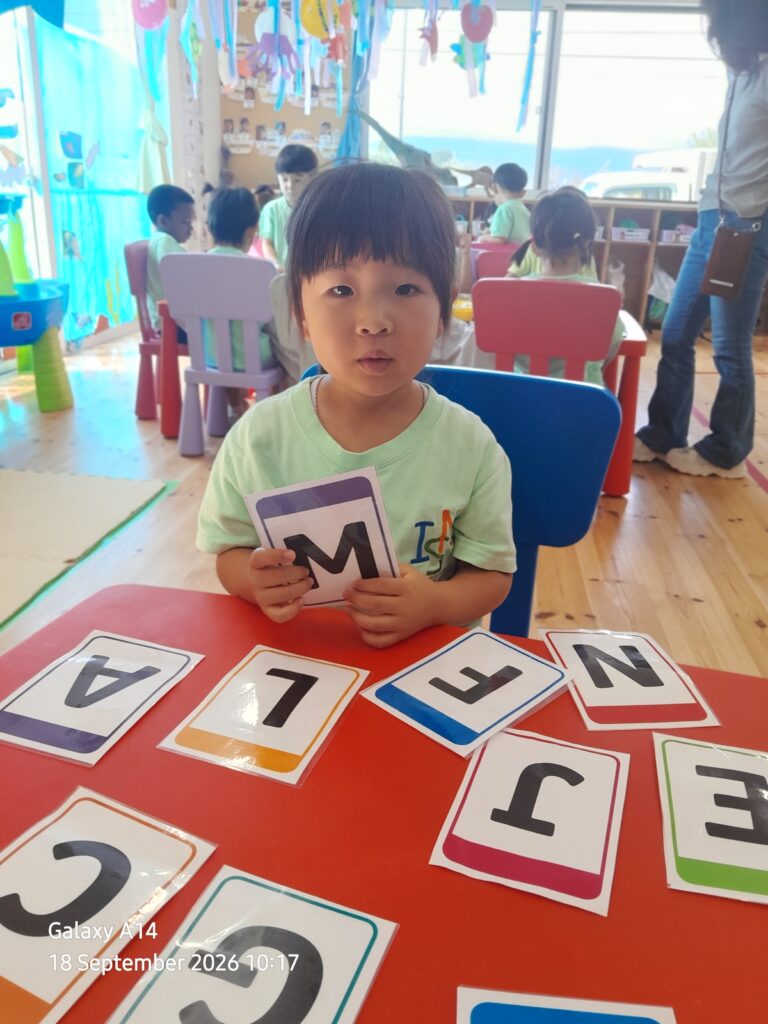
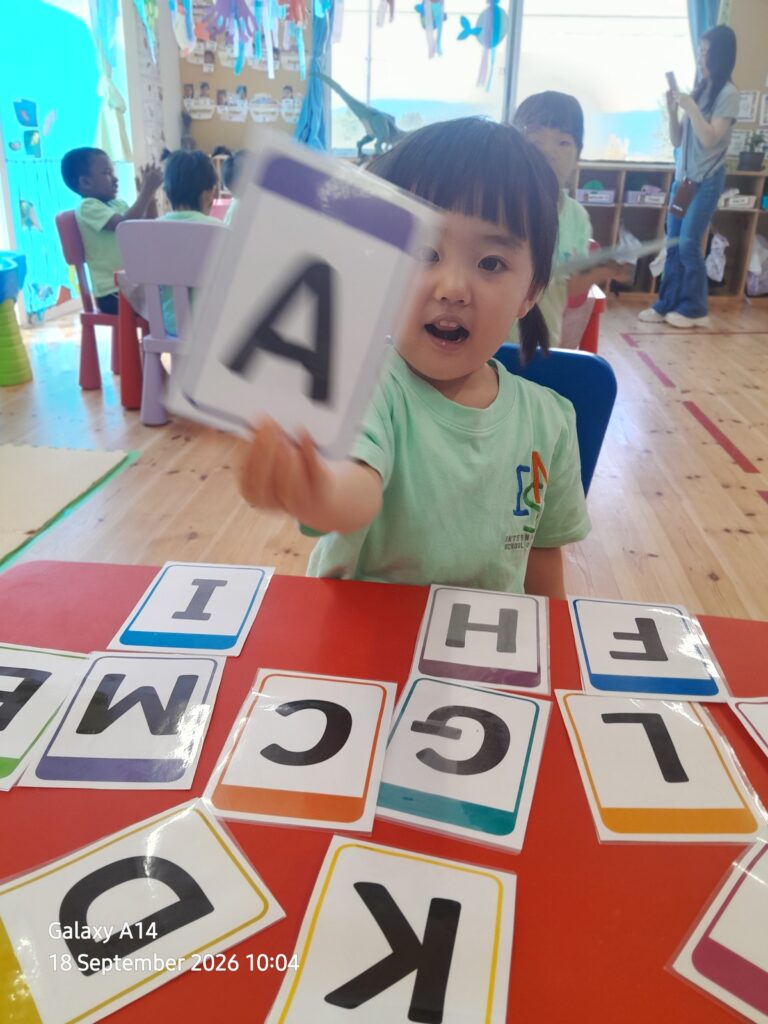
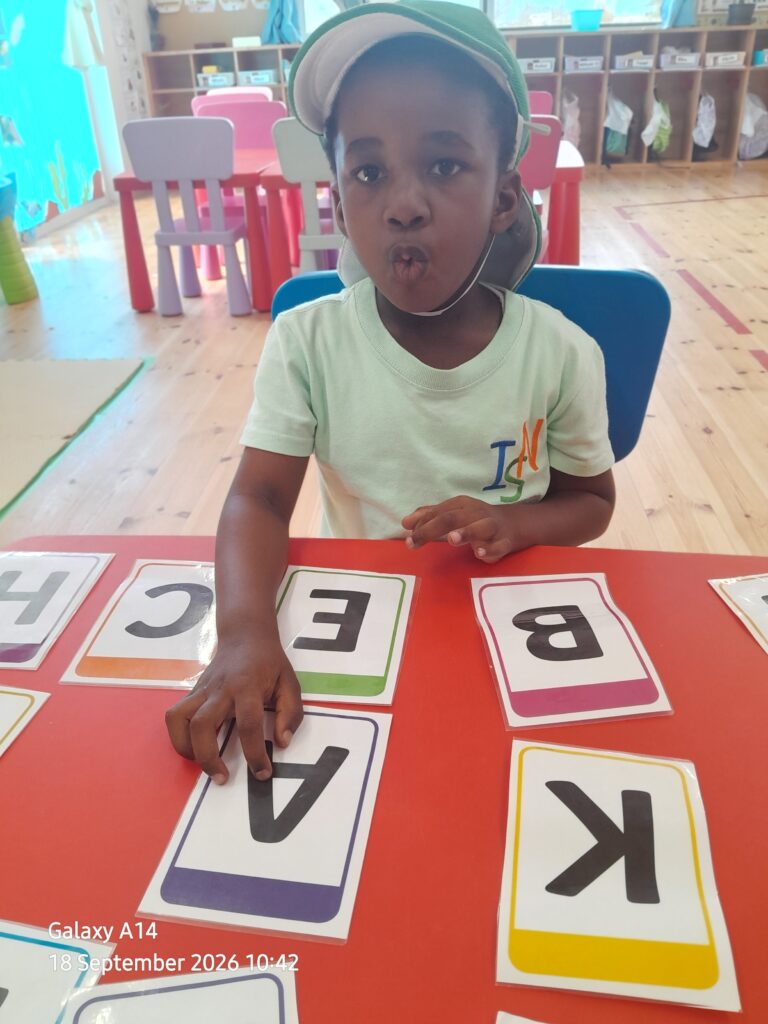
We also carried out a phonics and letter-name screening as part of our ongoing assessment of the children’s early literacy development. At this stage of their learning, it was important to check how well the foundations for reading and spelling are beginning to develop.
The children were presented with flashcards showing the letters A to N, displayed in random order. Each child was invited to pick a card, identify the letter name, and share its corresponding sound. They approached the activity happily and confidently, making the assessment an enjoyable experience rather than something to be worried about.
It was heartwarming to discover that more than half of the children are demonstrating a strong understanding of the letter names and sounds introduced so far. This is an encouraging indication that their phonics foundations are developing well. At the same time, the screening also helped us identify children who would benefit from additional practice and reinforcement.
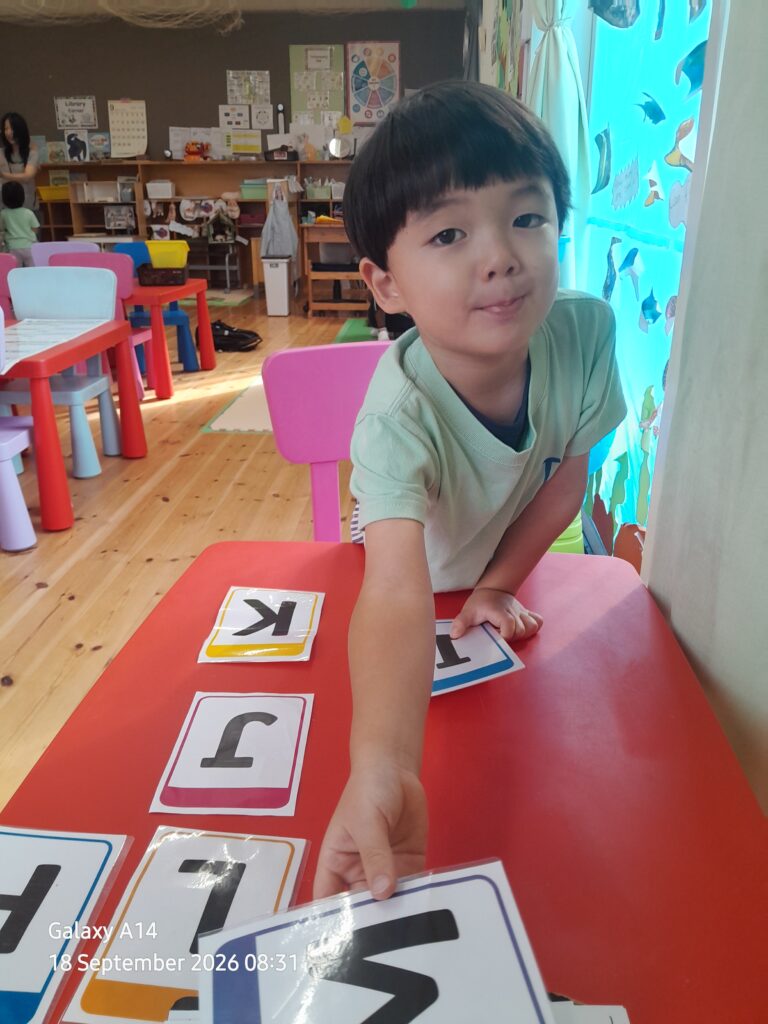
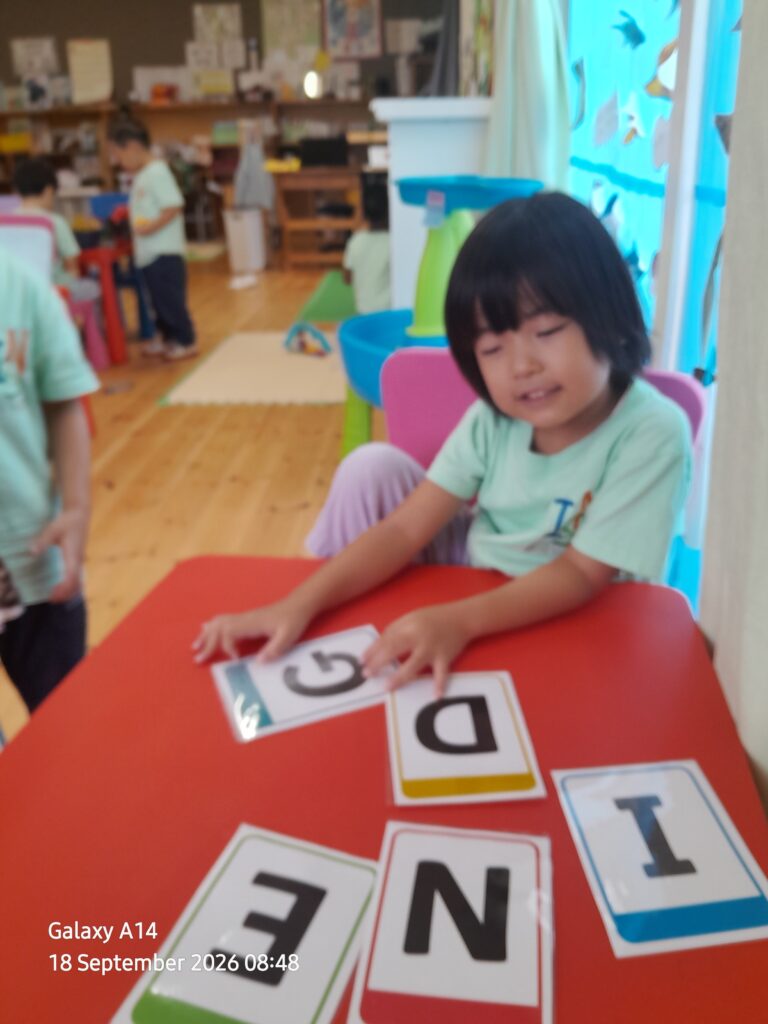
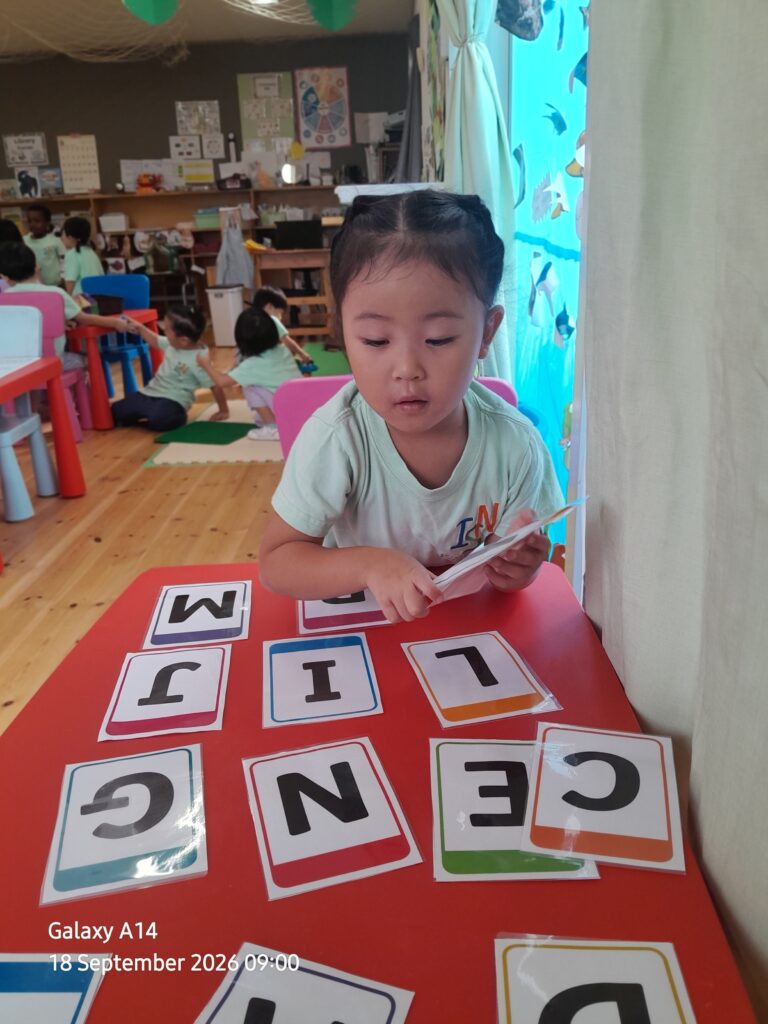
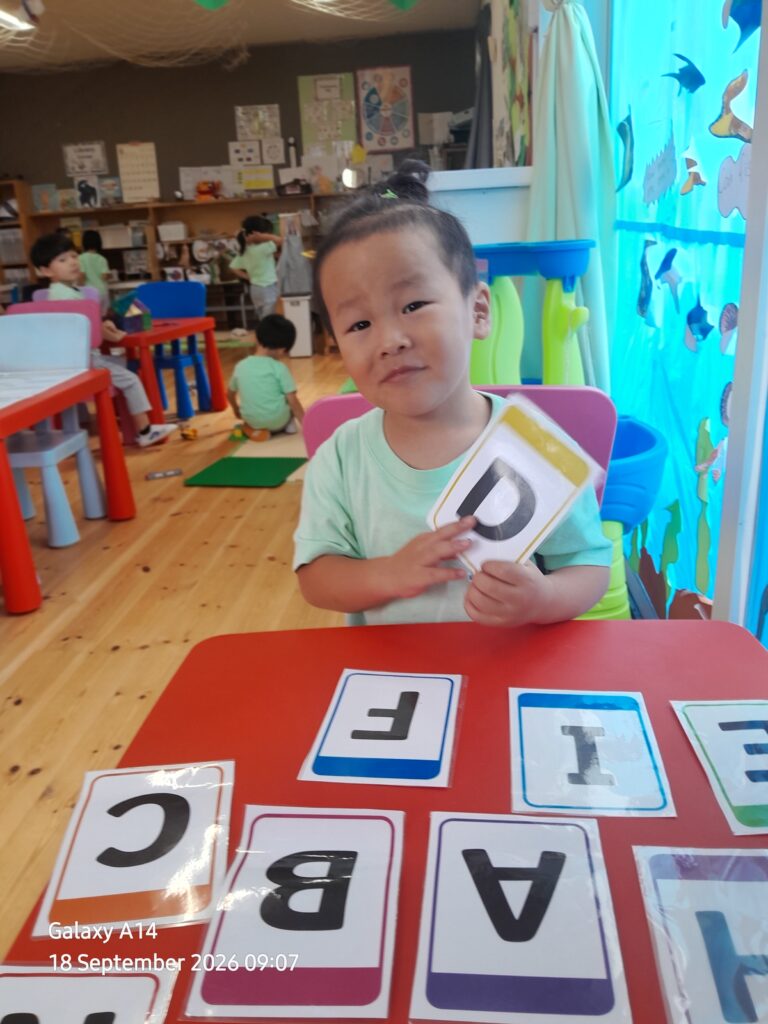
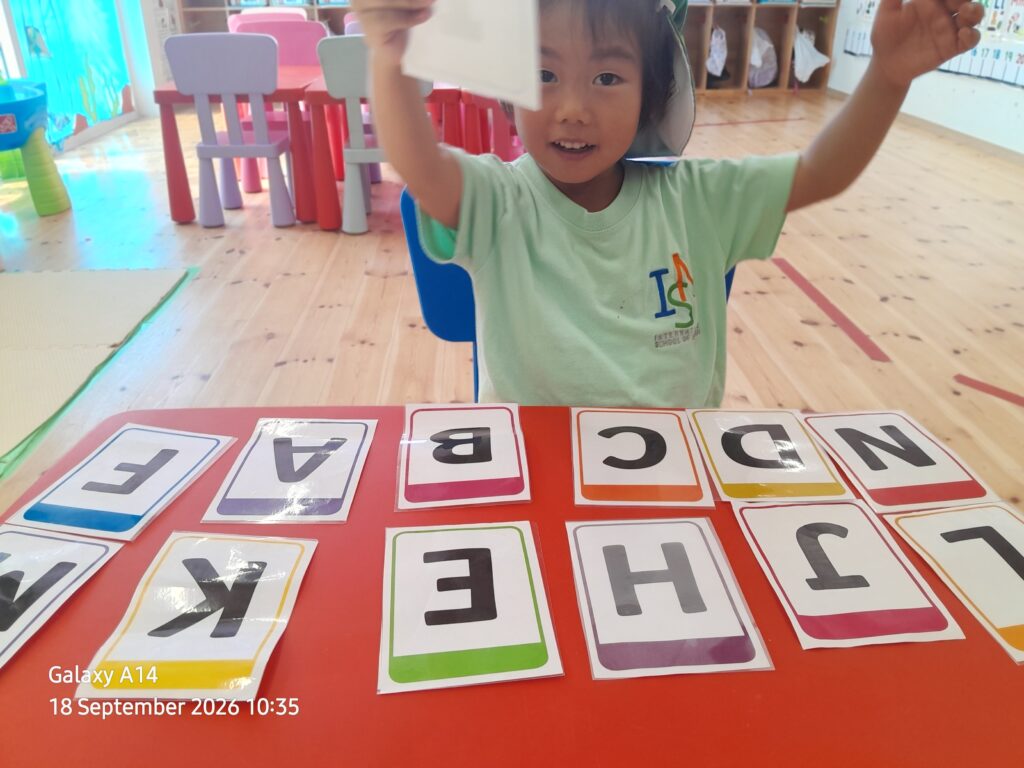
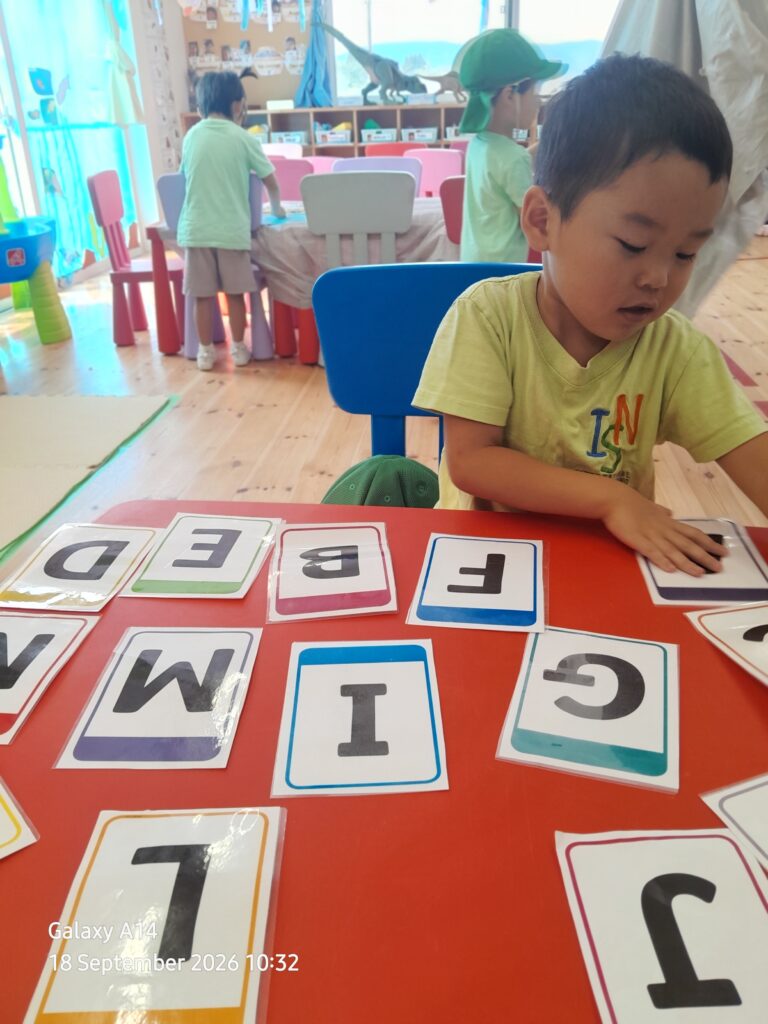
With these results in mind, we are looking forward to using a range of strategies and engaging activities to support children who may need more help with letter recognition and sound identification. Our goal is to ensure that every child continues to build confidence at their own pace and that no child is left behind.
As we look back on this week, we are happy about the many ways our students have explored, learned and grown. From expressing love and appreciation through their handmade gifts for Grandparents’ Day, to revisiting their ideas about animal habitats and strengthening their early phonics skills, each experience provided an opportunity for the children to think, reflect, make connections, and build on what they already know.
We wish you a blissful silver week.
