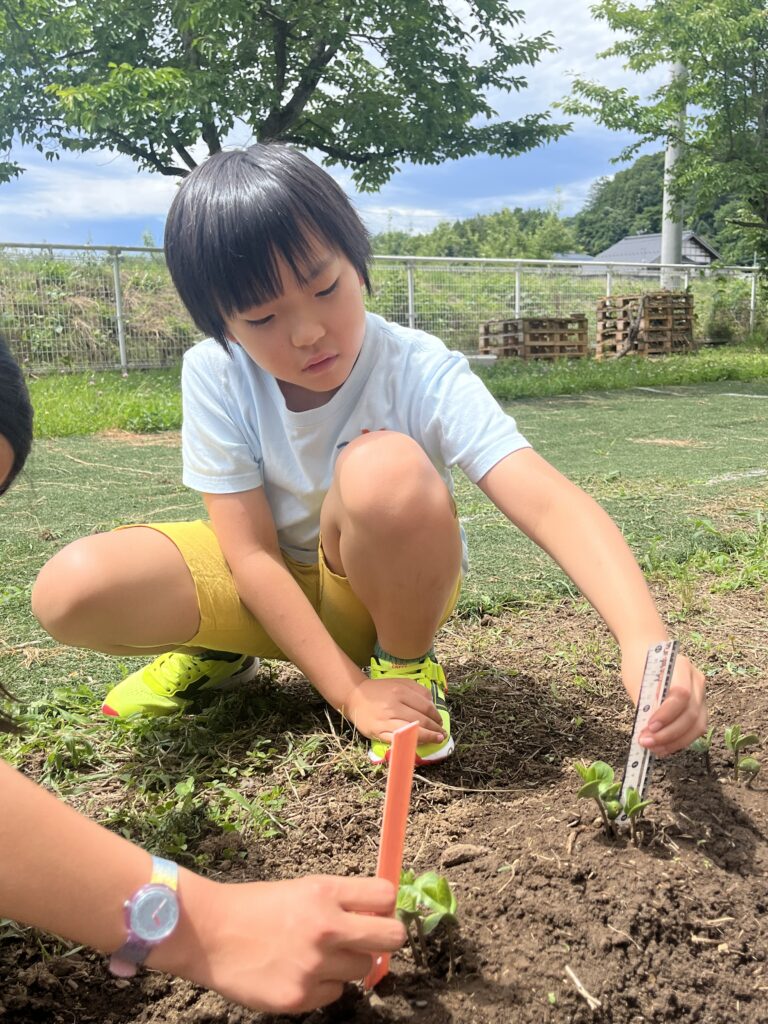
Our Grade 5 students have been developing one of the most important skills of scientists—careful observation.
As part of our current Unit of Inquiry, we are investigating how biotic (living) and abiotic (non-living) elements interact within an ecosystem. To explore this concept, we designed a simple but exciting experiment.
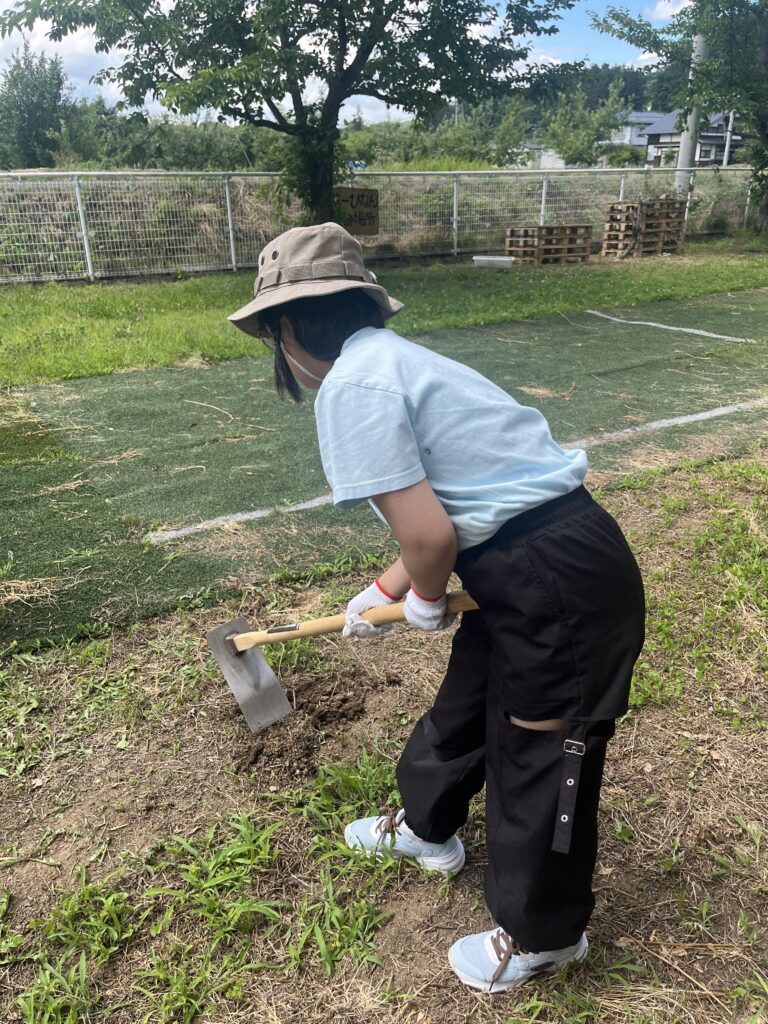
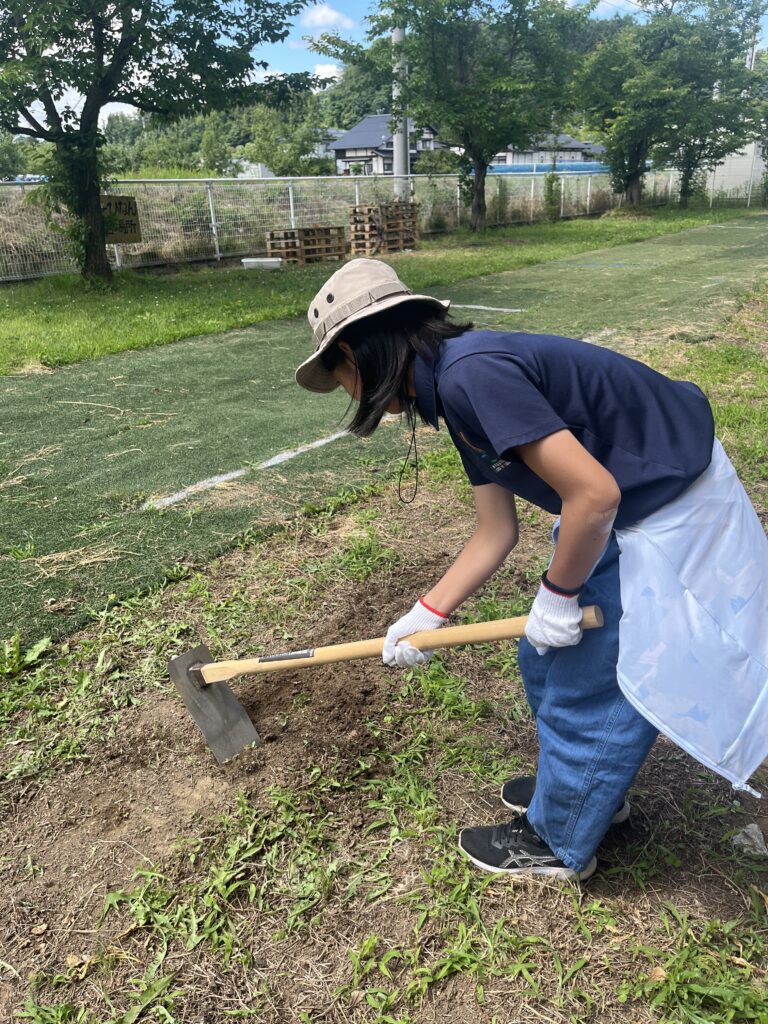
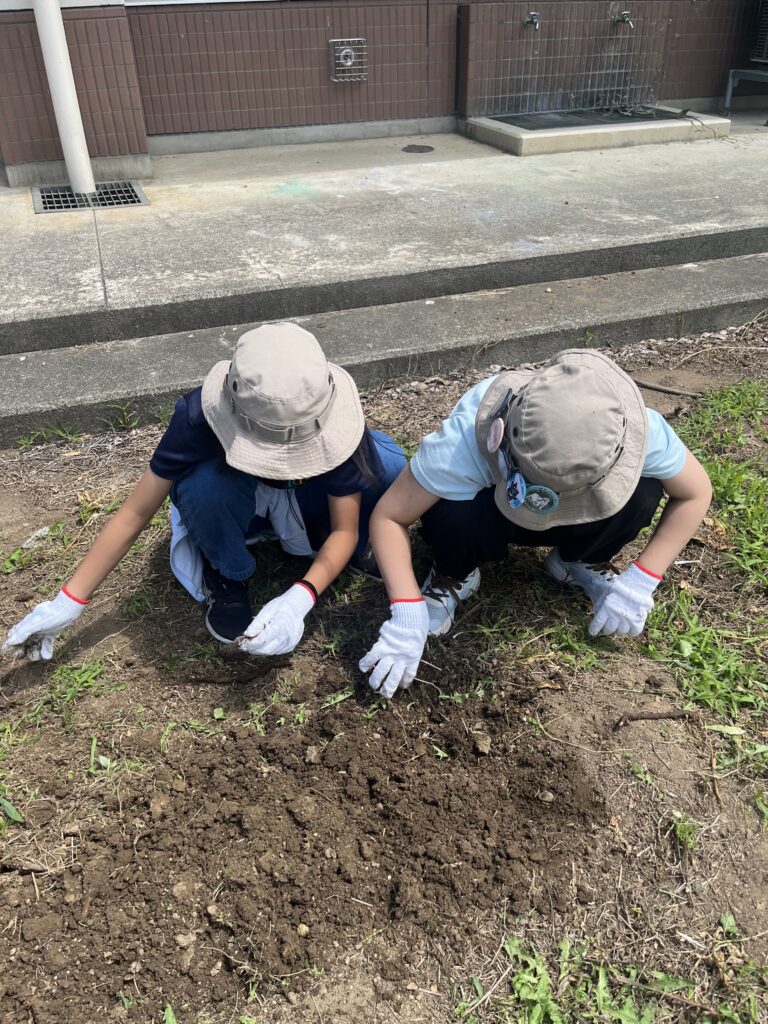
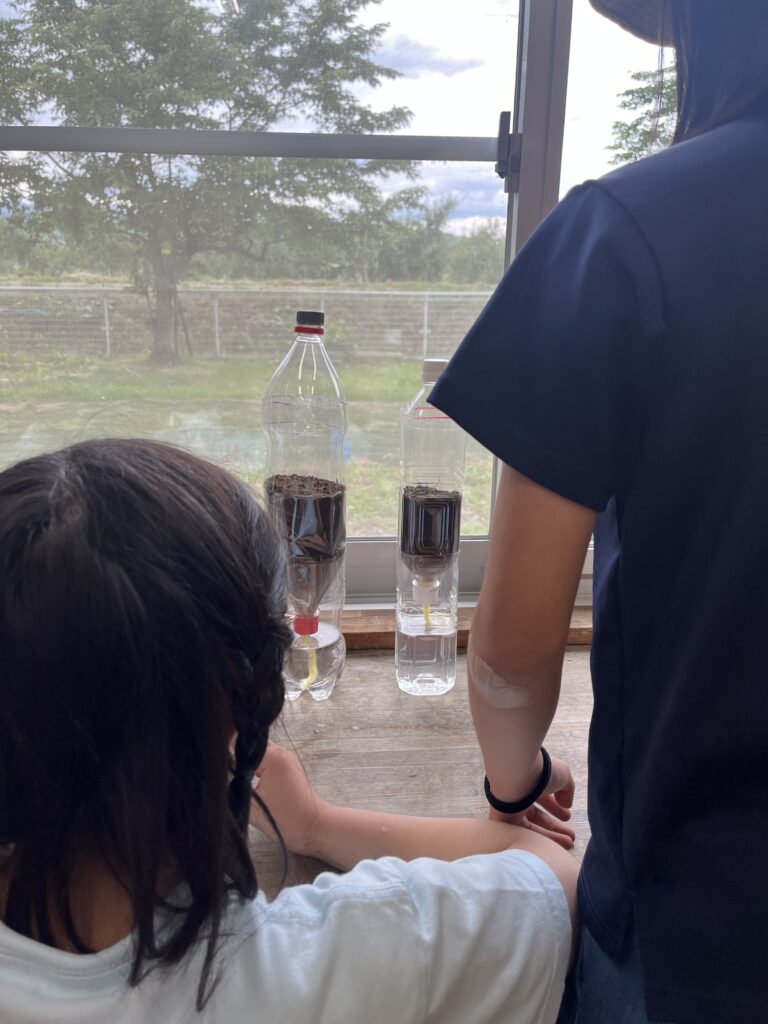
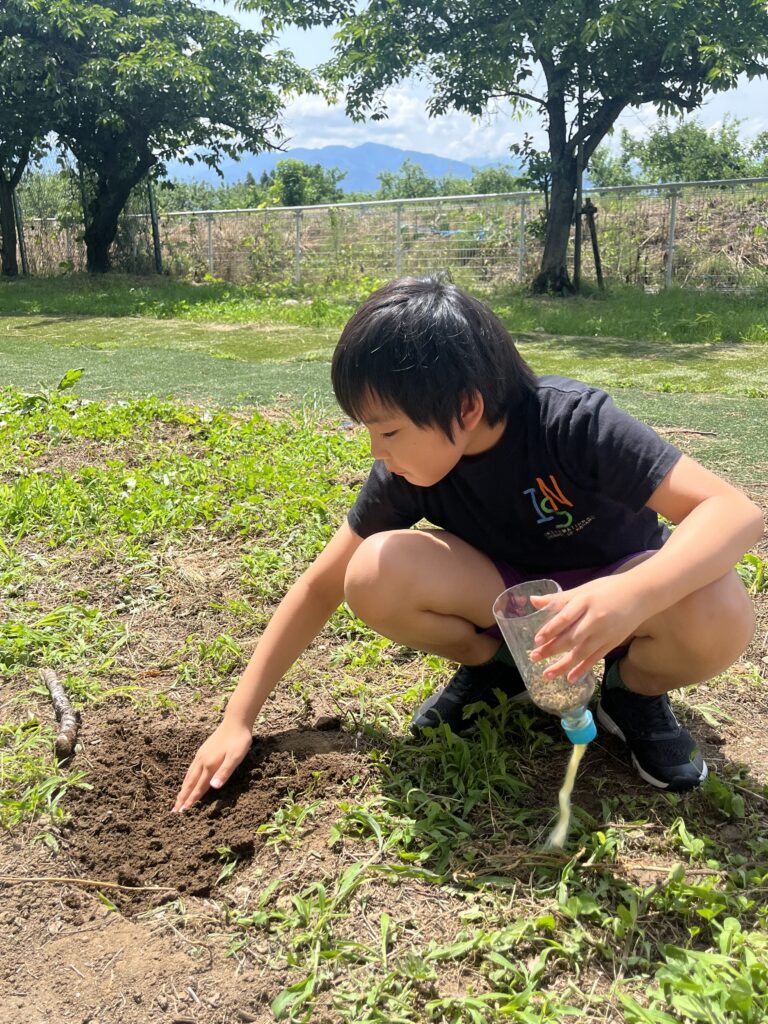
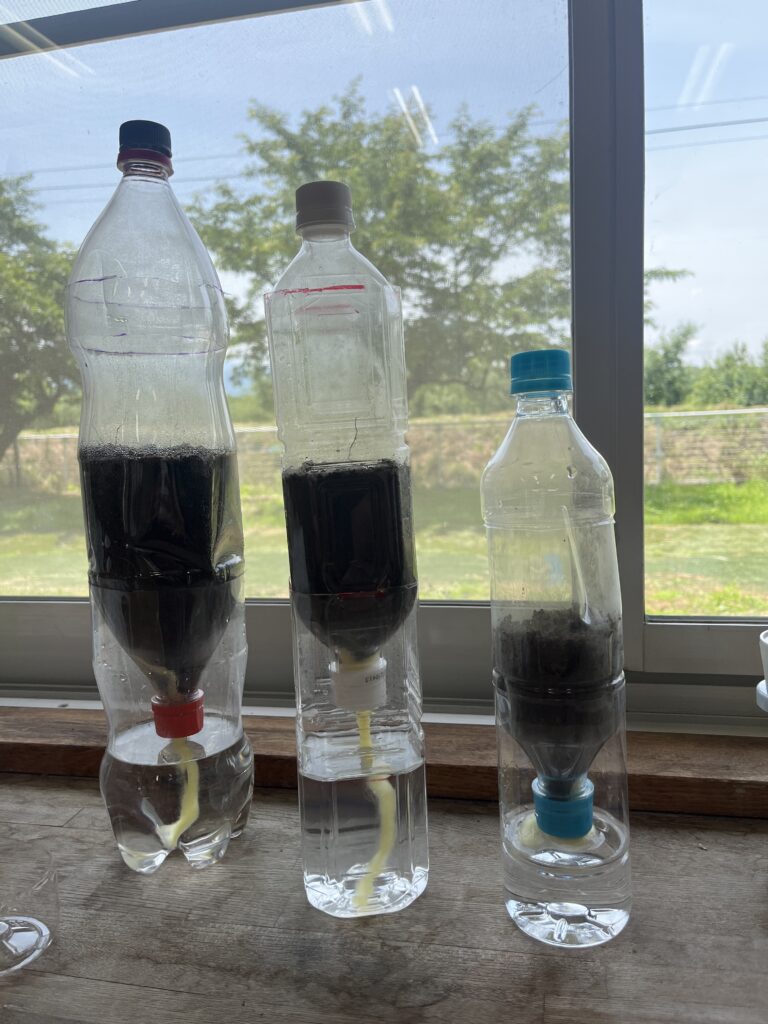
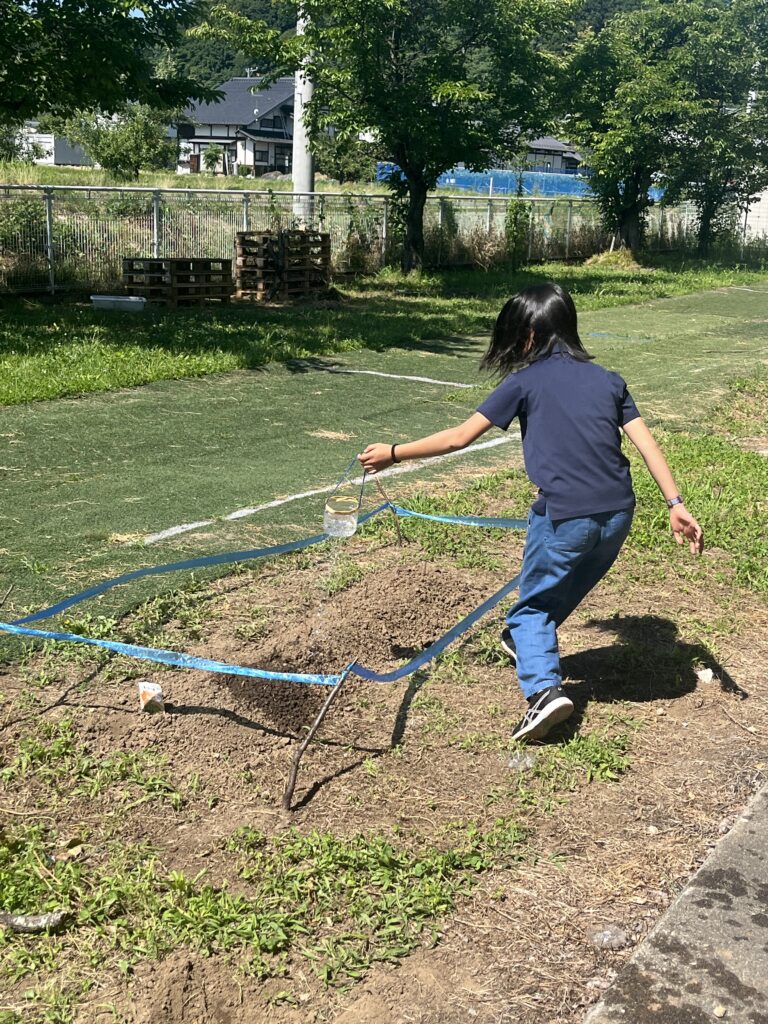
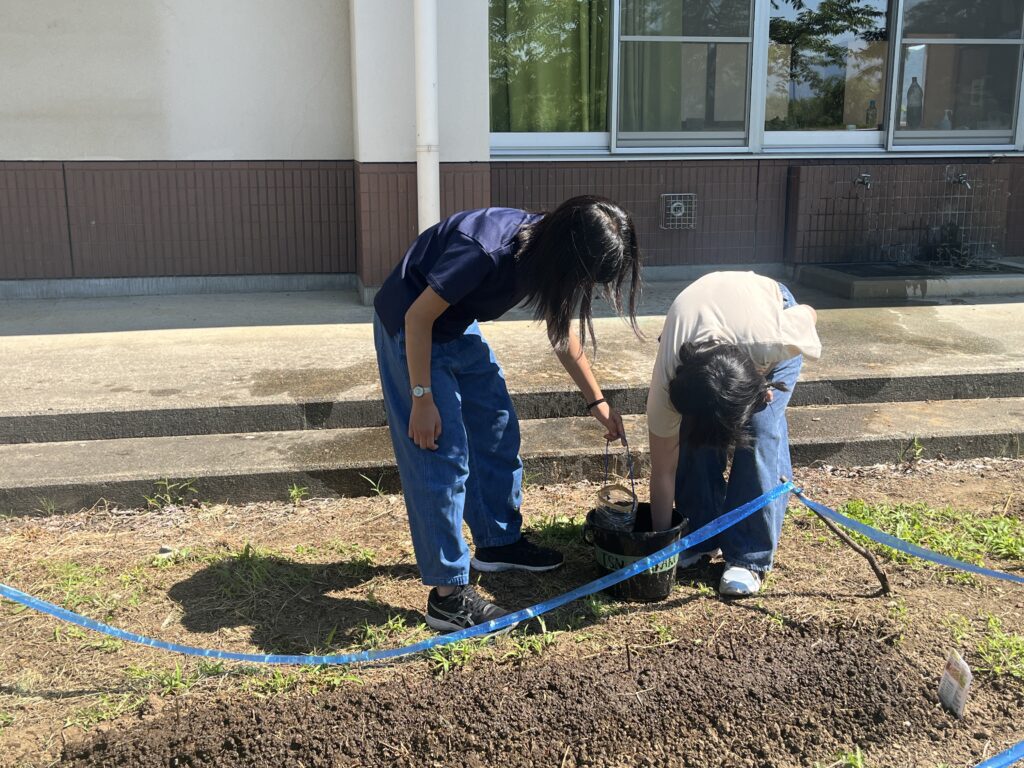
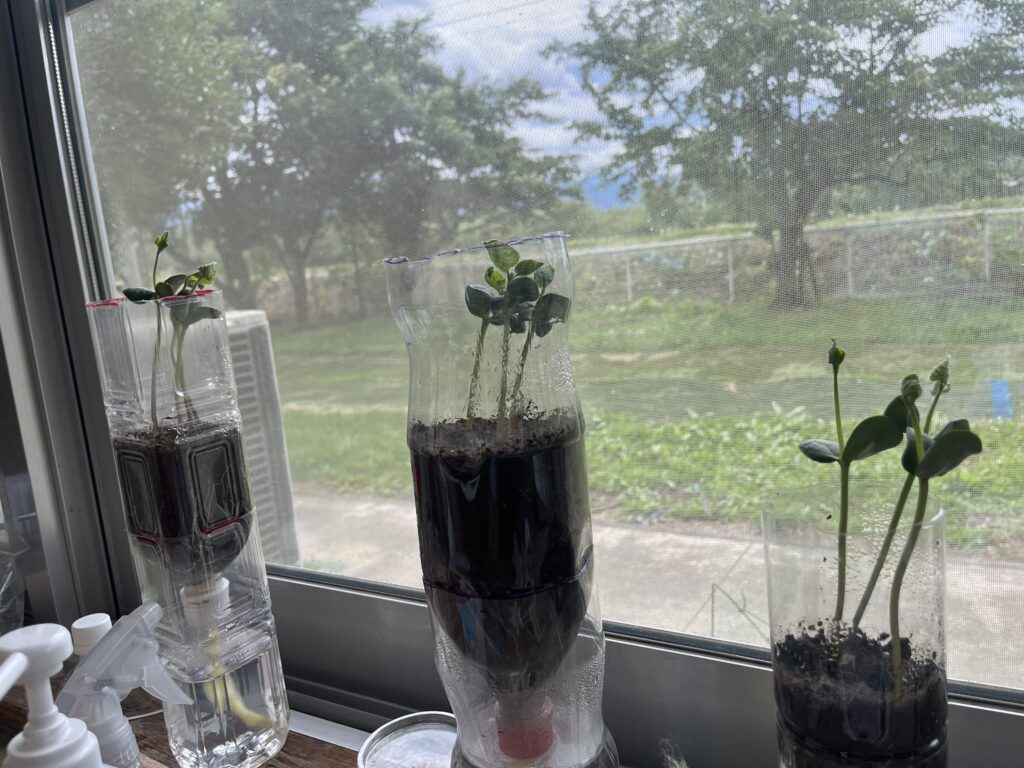
On the same day, we planted soybean seeds in two different environments. One group was planted in our school garden outdoors, while the other was planted inside our “Ecosystem in a Bottle,” a closed mini ecosystem that allows us to observe how plants grow in a different environment.
Before we began, students made predictions. Which soybeans would grow first? Would both environments provide everything the plants needed? How would sunlight, water, air, and soil affect their growth?
After one week, our observations surprised us!
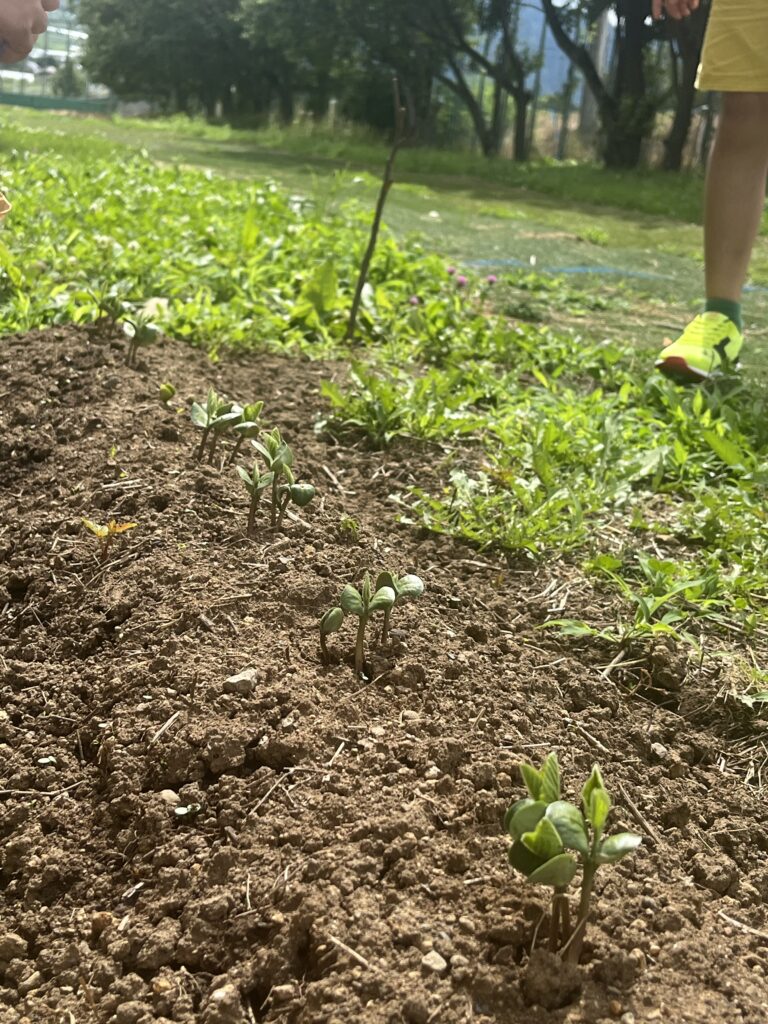
Both sets of soybeans germinated successfully. However, the soybeans growing inside the bottle sprouted first and quickly became taller than the plants growing outside.
At first glance, it seemed that the bottle plants were growing better. But as we continued to observe more closely, we noticed something interesting. Although the outdoor plants were shorter, they appeared healthier. Their leaves were larger, greener, and stronger than the leaves of the plants inside the bottle.
This led to even more questions:
- Why are the bottle plants taller?
- Why do the outdoor plants look healthier?
- Does growing taller always mean a plant is healthier?
- How do different environmental conditions influence plant growth?
Our observations suggest that the environment affects plants in different ways. The protected conditions inside the bottle may encourage rapid growth, while the natural outdoor environment may provide conditions that support stronger, healthier leaves. Rather than focusing on just one measure, such as height, we are learning that scientists consider many different pieces of evidence before drawing conclusions.
This investigation reminds us that careful observation is an essential part of inquiry. Sometimes the most interesting discoveries come from results we did not expect!
As we continue to monitor our soybeans over the coming weeks, we will collect more data, compare our observations, and use evidence to explain how abiotic factors such as light, water, temperature, and air influence the growth and health of living organisms.
Our inquiry is still growing—just like our soybeans!