Hello everyone!
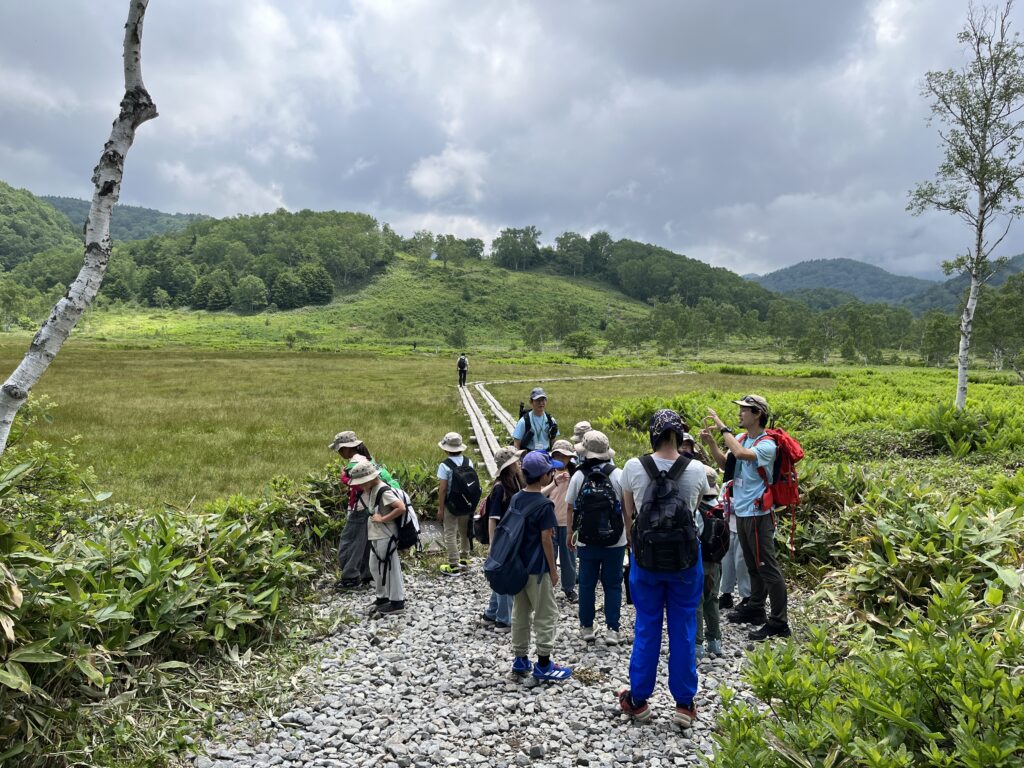
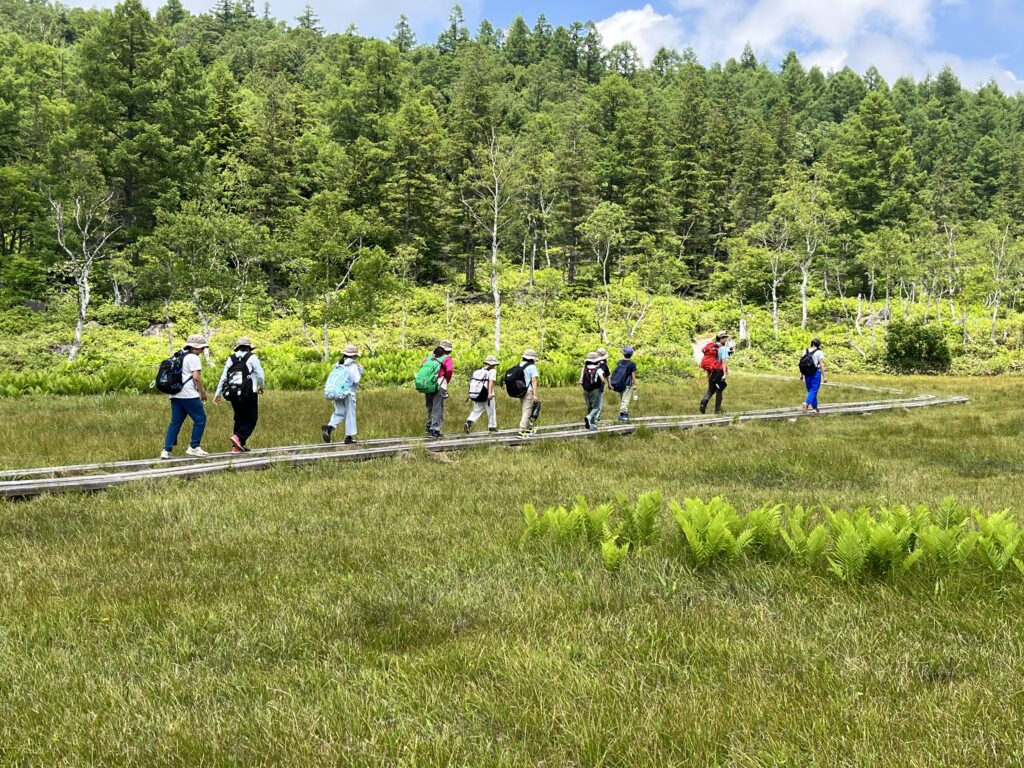
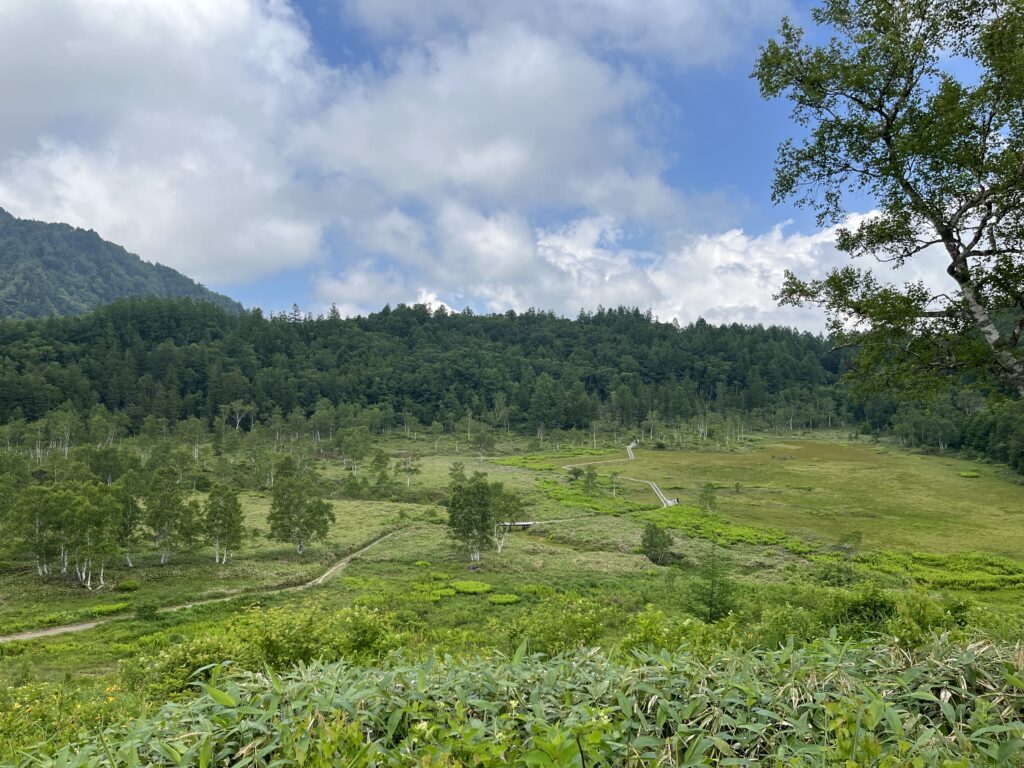
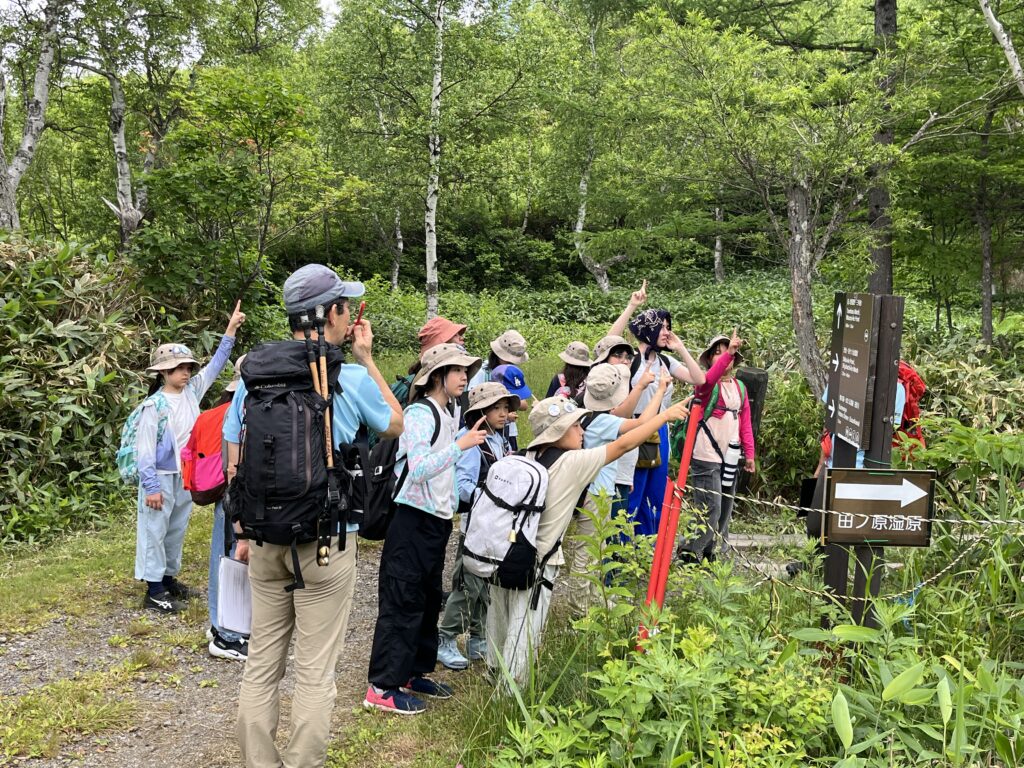
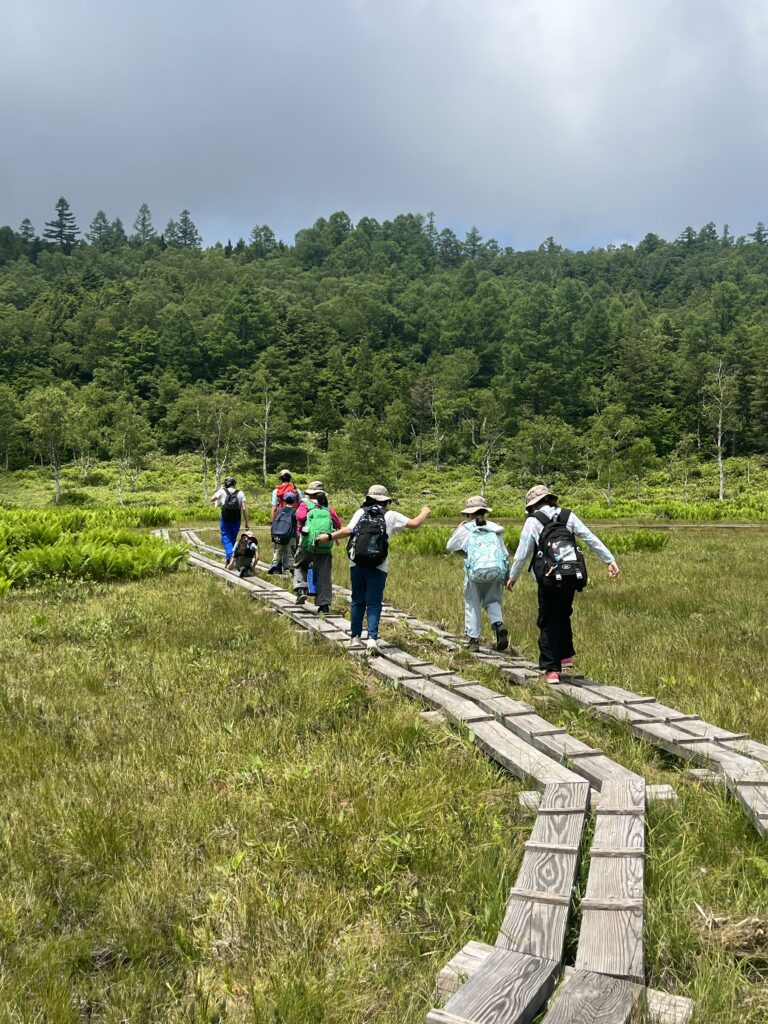
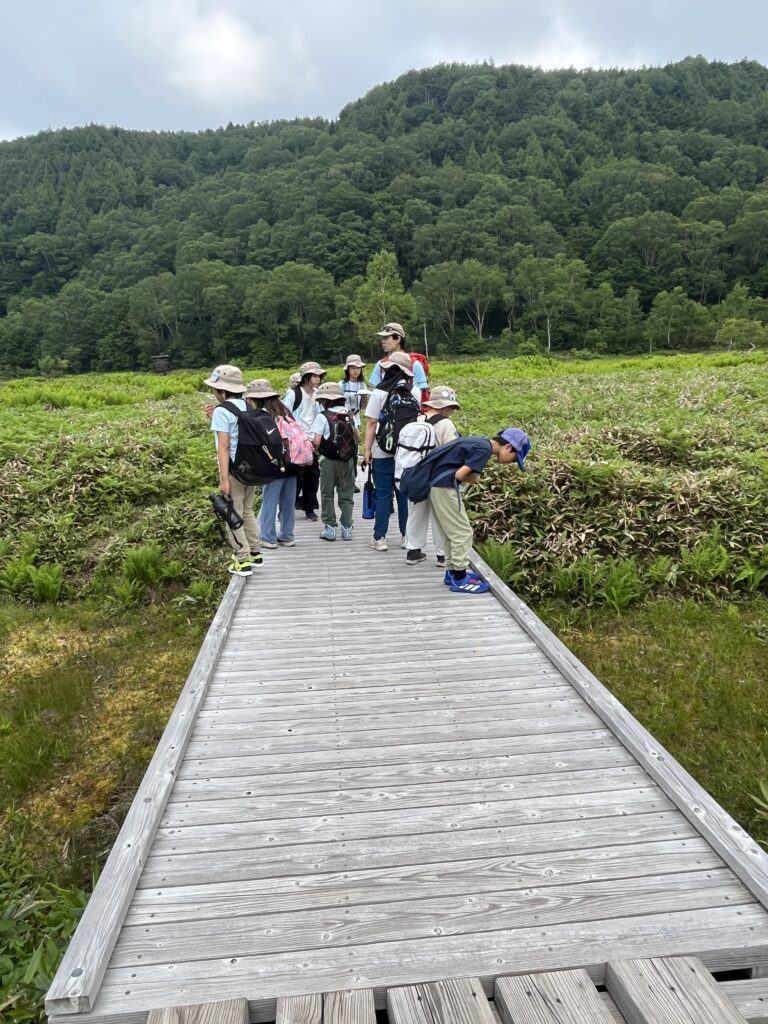
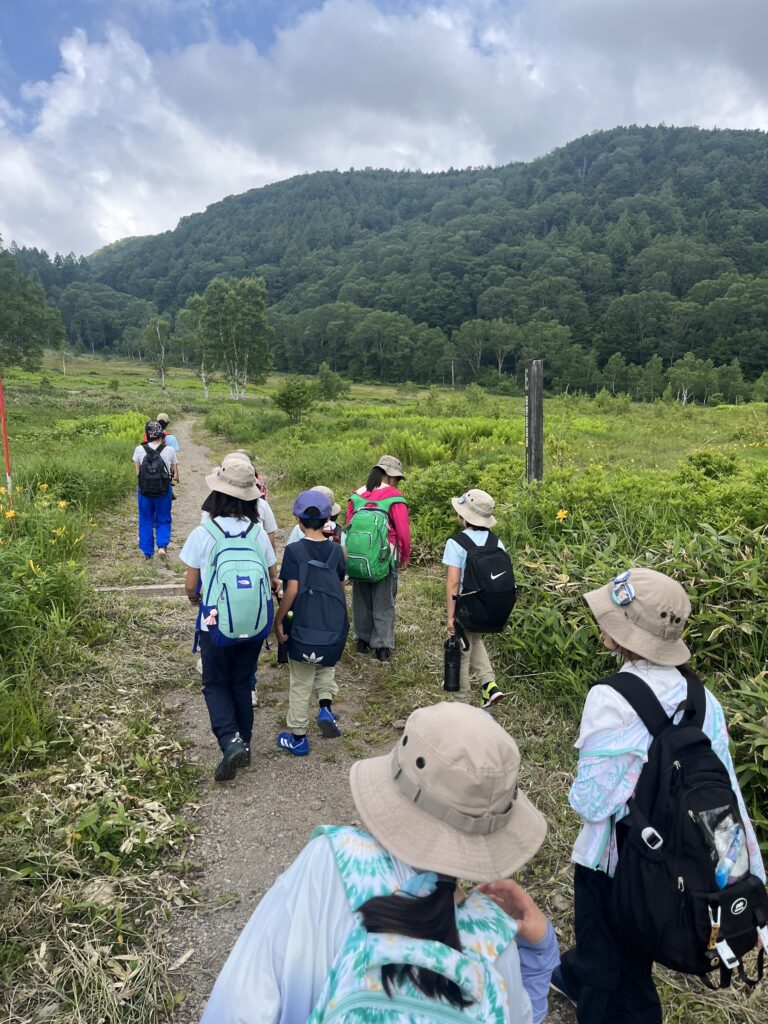
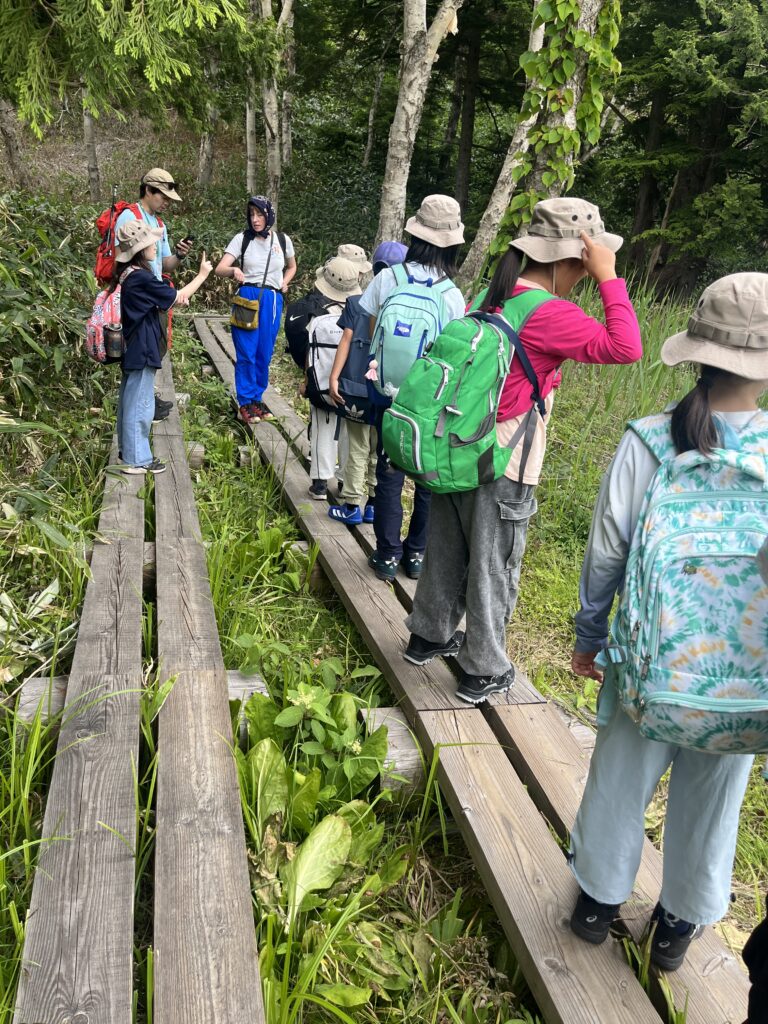
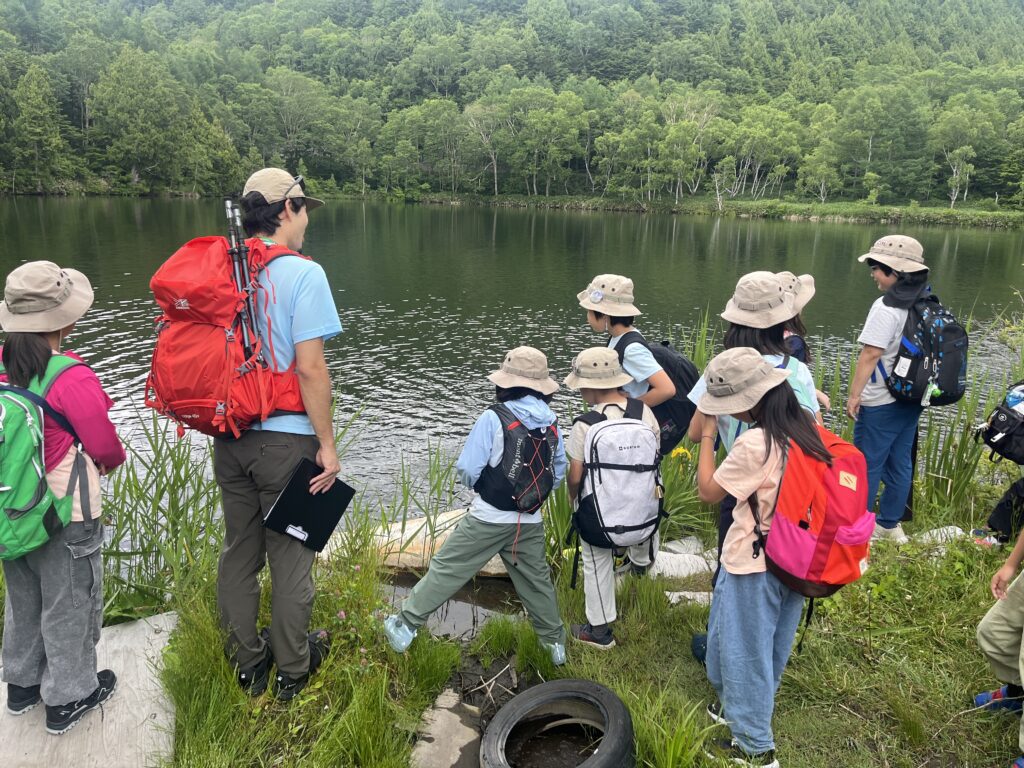
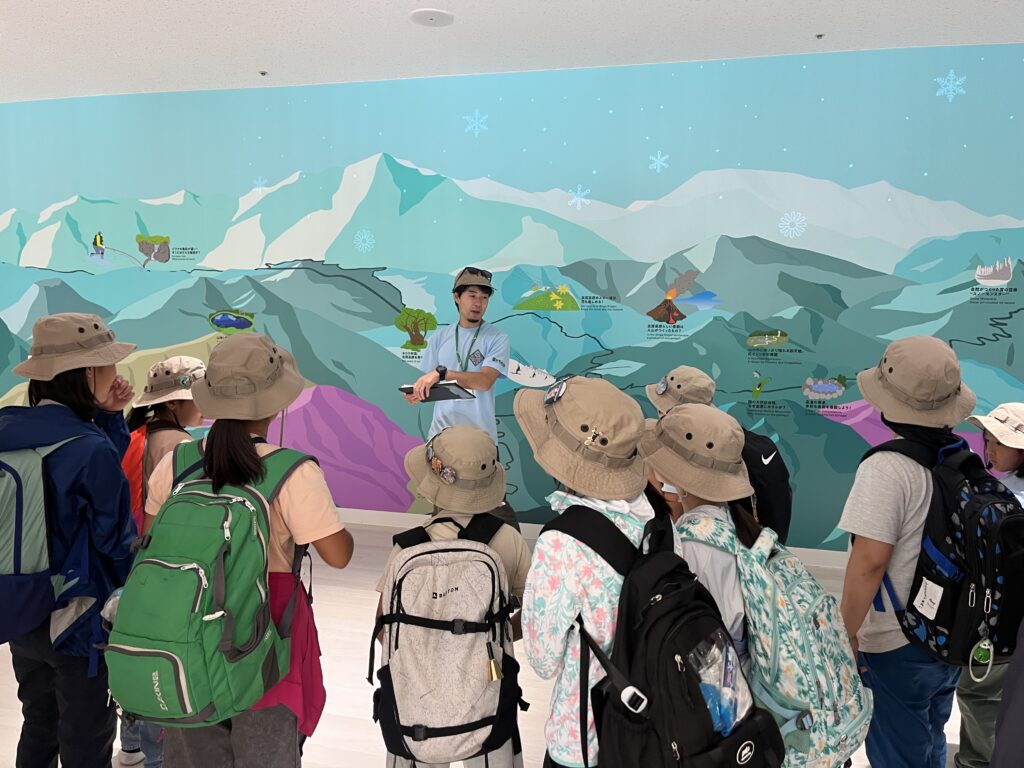
On Thursday, we had the wonderful opportunity to visit Shiga Kogen, part of Joshin’etsu Kogen National Park and a UNESCO Biosphere Reserve. We were incredibly fortunate with the weather, making it a perfect day to explore one of Japan’s most beautiful and unique natural environments.
Being high up in the mountains, surrounded by cool wetlands, soft carpets of moss, and towering tree canopies, we were able to escape the summer heat. It may have been one of our last cool adventures before the warmth of summer truly arrives!
Today, we reflected on everything we learned, and the students quickly realised that our day wasn’t just full of fascinating facts—it also taught us practical outdoor knowledge that could one day help keep us safe.
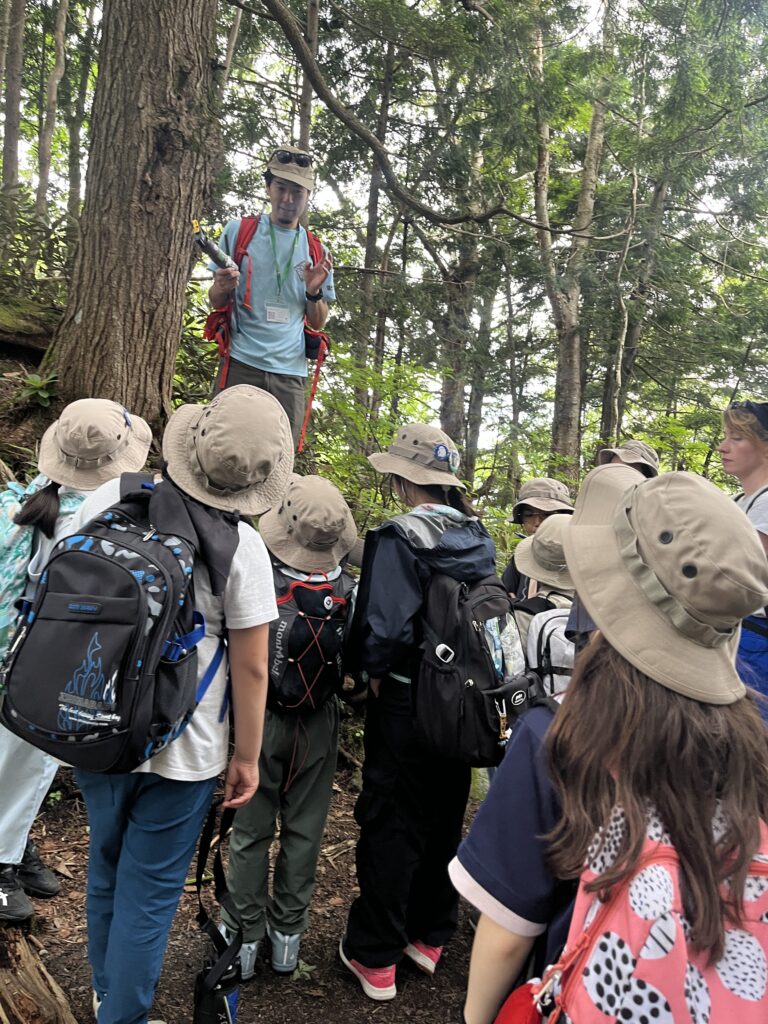
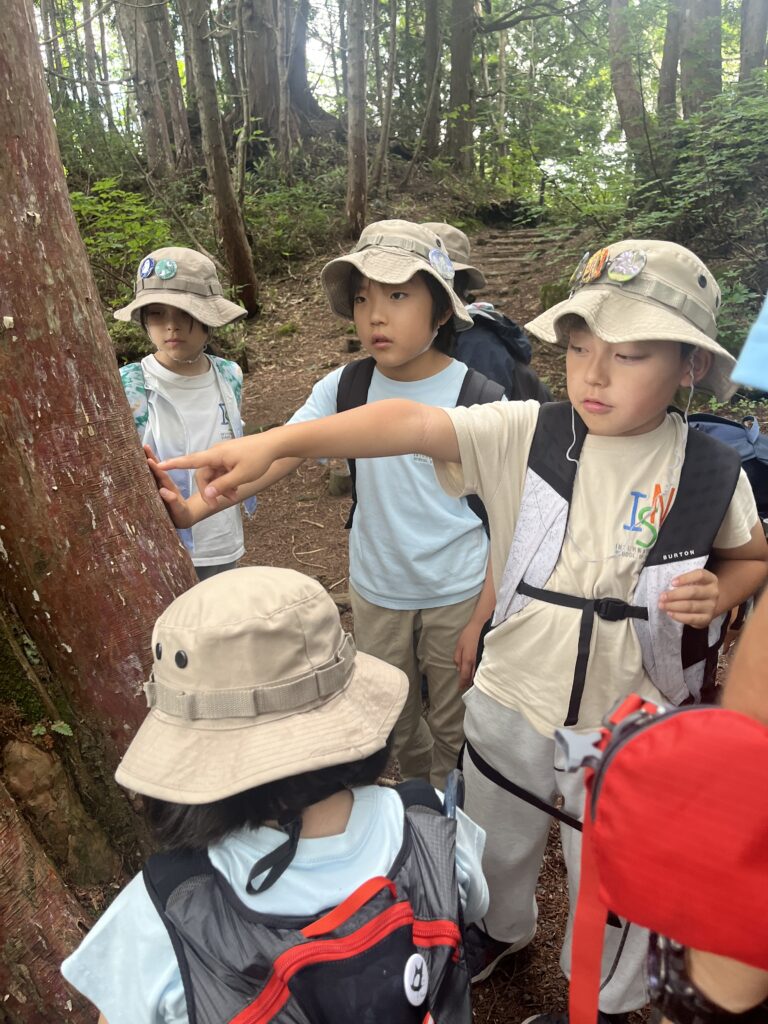
For example, we learned how to identify dead trees. Our guides showed us that dead trees are often home to bracket fungi, such as Monkey Seat mushrooms, and can sometimes be recognised by the hollow sound they make when tapped. This is important because dead trees are much weaker than healthy ones. If you ever need to tie a rope that must support weight—whether for climbing, securing a tent or hammock, or even tying a boat—you should always choose a healthy, living tree. Our guides explained that this knowledge is essential during mountain rescue operations, where choosing the right anchor point can make a critical difference.
Living in Nagano also means living in bear country, so we were interested to learn that bear spray should be replaced every three years to ensure it remains effective. We also learned to recognise potentially dangerous plants. The sumac tree can cause skin irritation if touched, while the beautiful but highly poisonous Torikabuto (monkshood) should never be handled or eaten. We were also reminded of an important rule when exploring forests: never eat wild mushrooms, as some can be deadly.
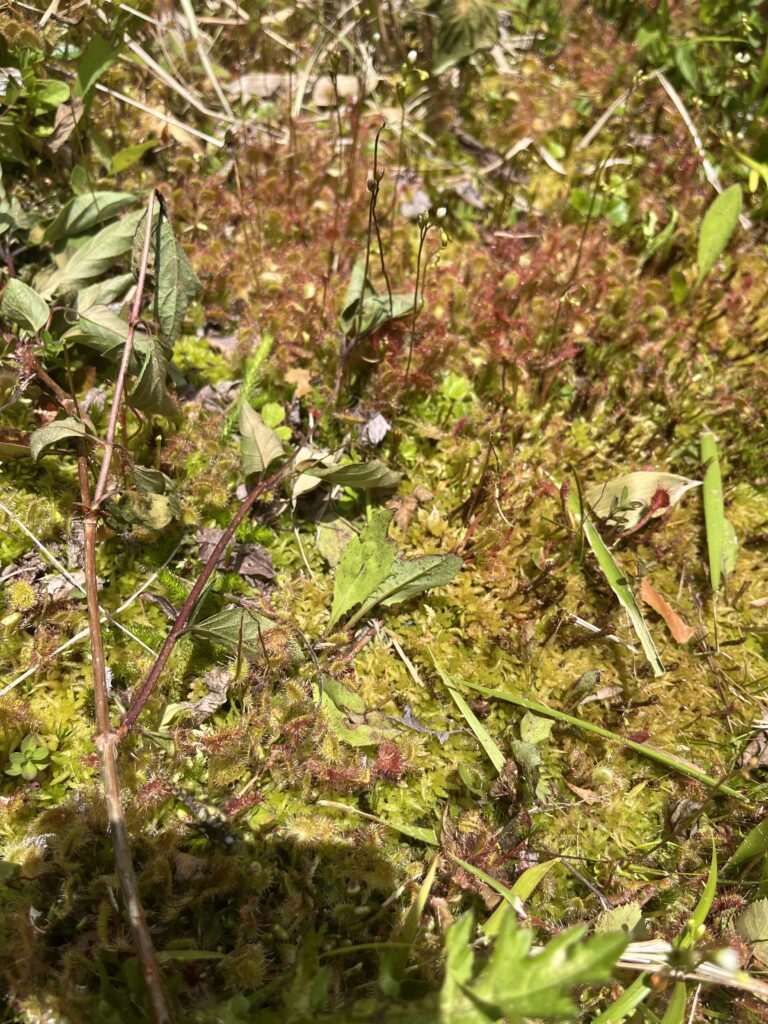
One of the highlights of the trip was learning about the incredible world of moss. In the protected wetland area, some species grow at a rate of only 1 millimetre each year. Because the cool, wet conditions prevent the moss from decomposing, moss found just 10 centimetres below the surface may have started growing over 100 years ago. It was amazing to realise that a single careless footstep could destroy decades of growth in an instant. It was a powerful reminder of just how delicate nature can be and why we must always tread carefully and respectfully.
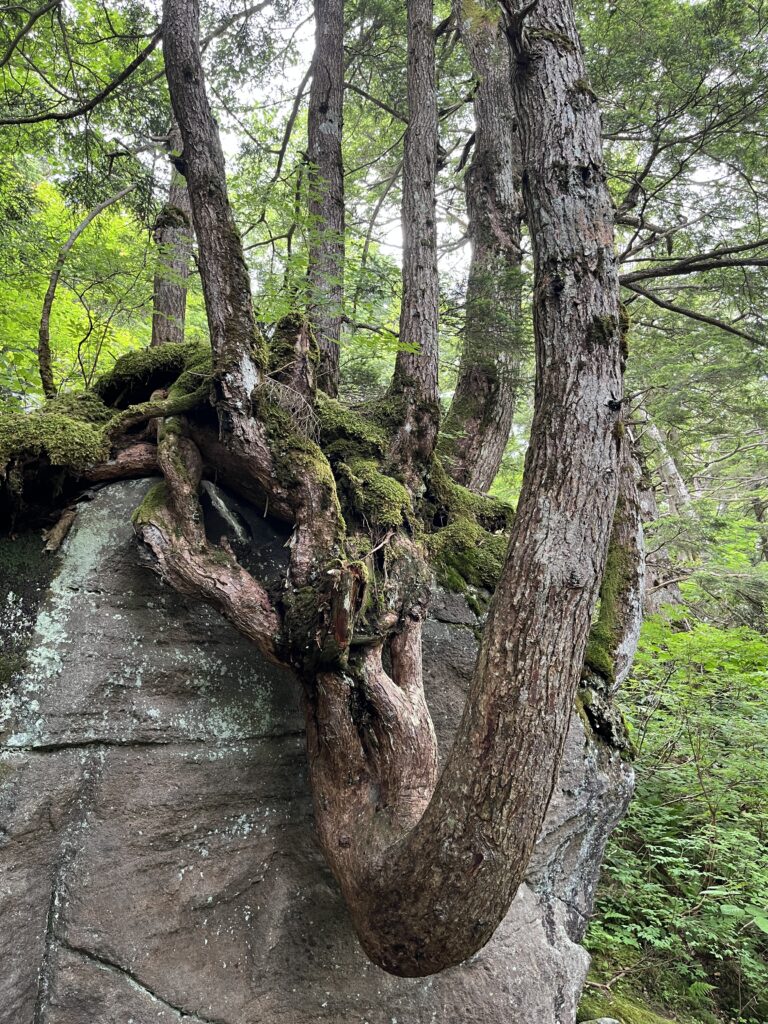
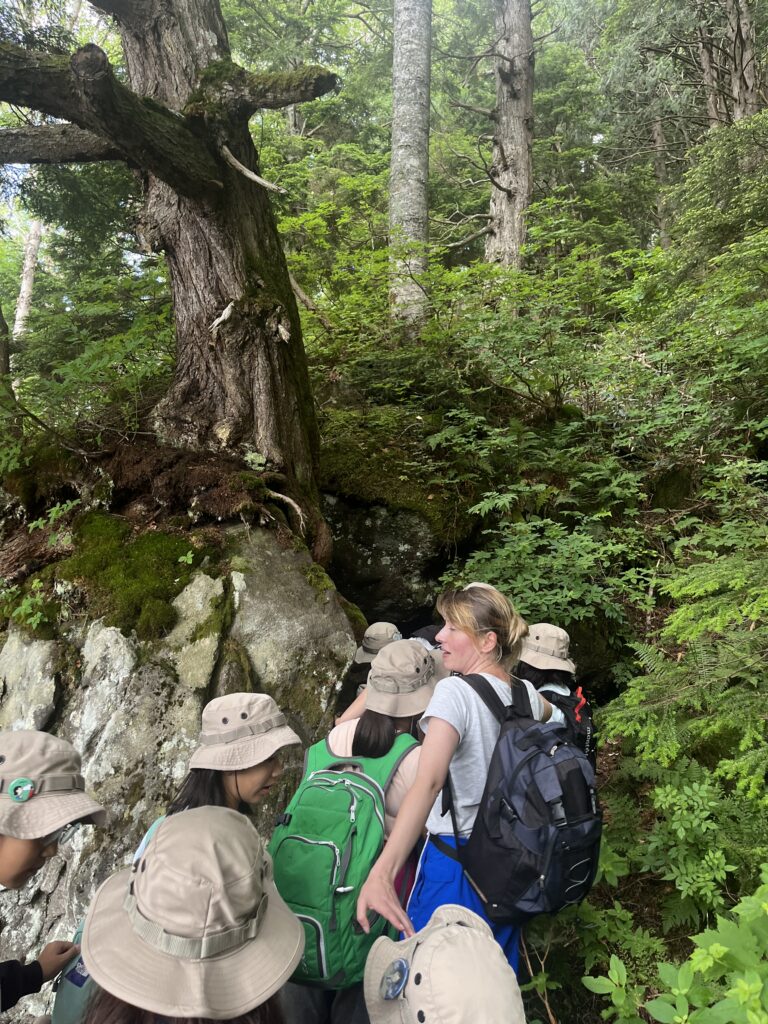
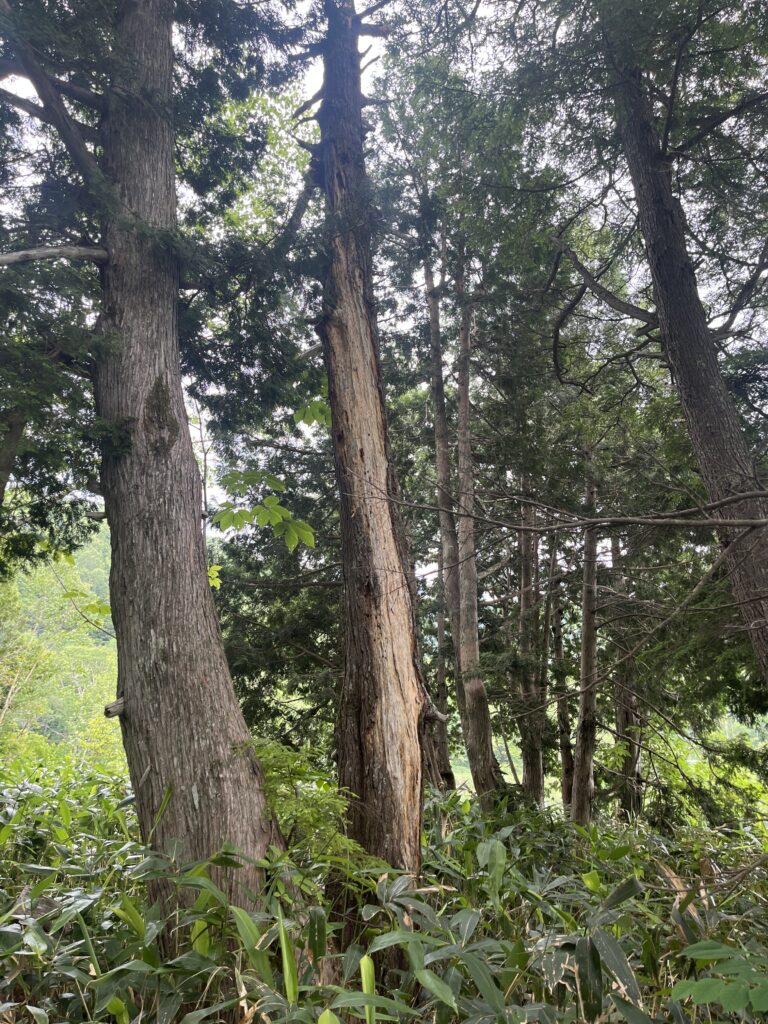
The core conservation zone felt almost magical. Dense tree canopies shaded the forest floor, creating a cool, mysterious atmosphere. The trees appeared to grow straight out of the volcanic rocks, but we learned that it is actually the moss covering the rocks that allows seeds to germinate. Over time, the tree roots wrap around the rocks, leaving loops and hollow spaces where they once surrounded fallen trees that have long since decomposed. These unusual growing conditions create wonderfully twisted trunks and fascinating tree shapes.
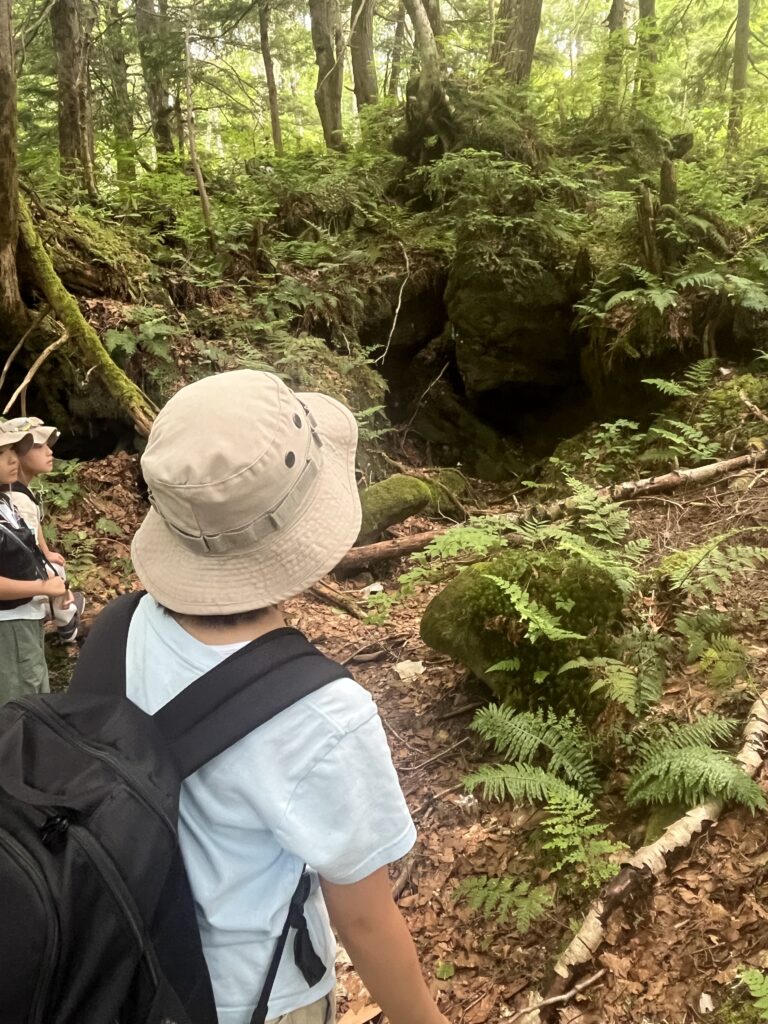
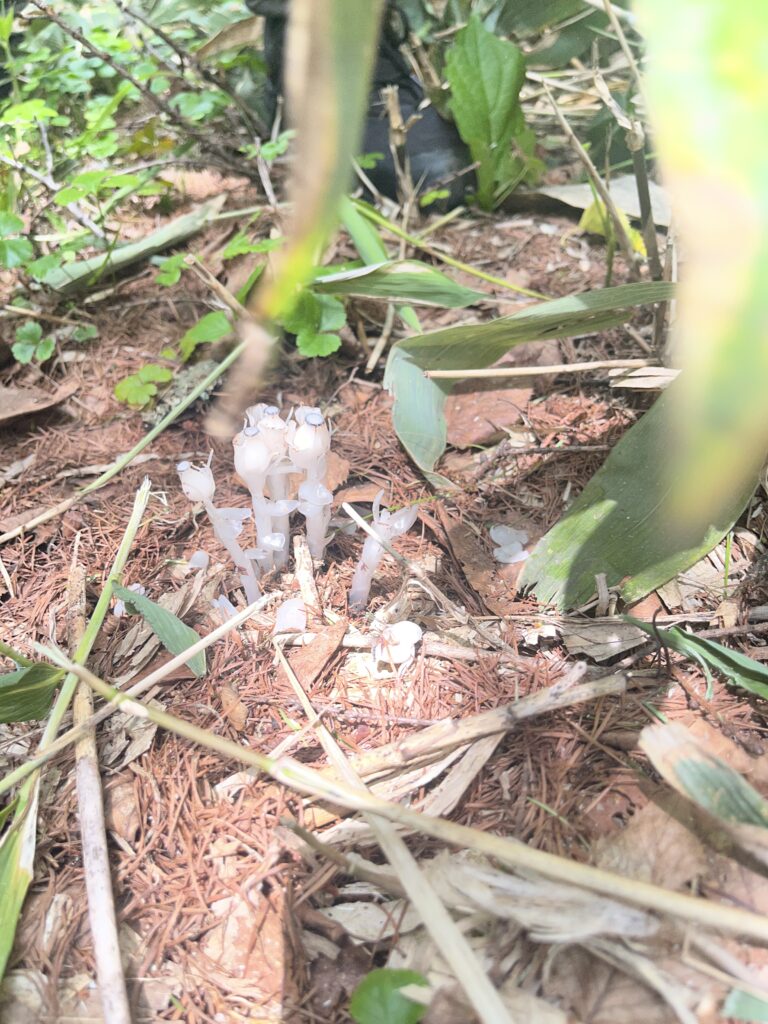
We were also excited to discover ghost plants, whose pale white stems seemed to glow among the forest floor, and a remarkable species of moss that shimmered with an almost neon green light. The whole forest had an enchanting atmosphere—it was easy to imagine that if fairies existed anywhere, they might be hiding among the cracks, caves, and moss-covered rocks!
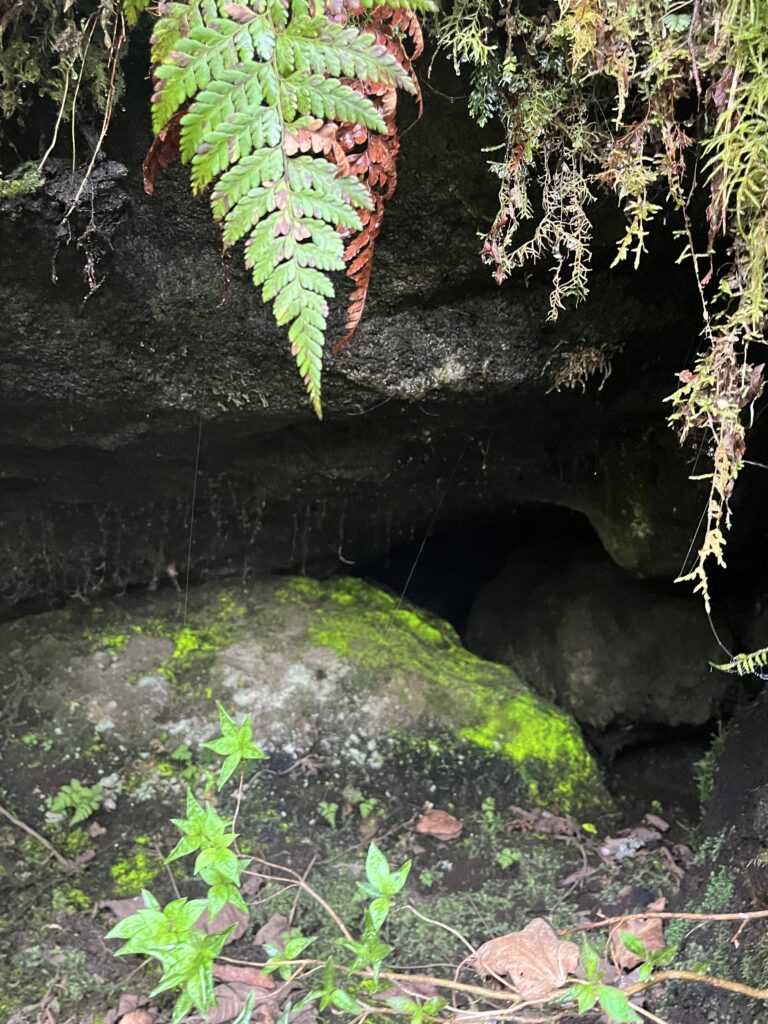
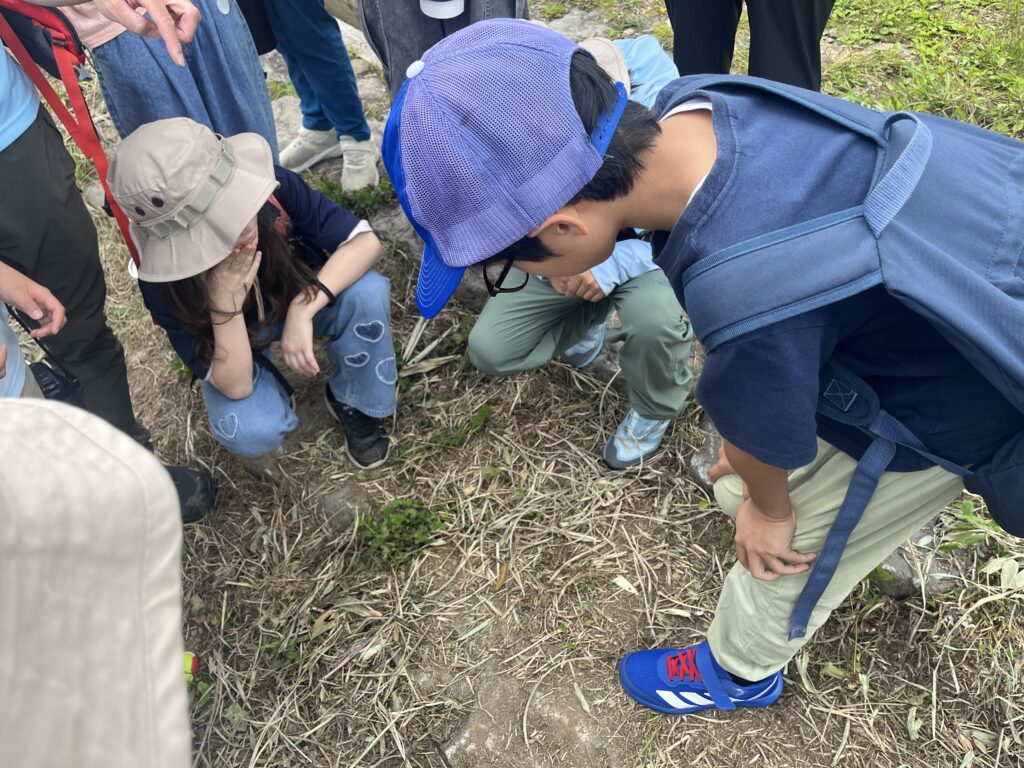
At one point, we thought we spotted a pair of eyes looking out from a small cave. Even our guide reached for his bear spray! The opening was far too small for a bear, but it certainly sparked our imaginations. It made us wonder what other creatures might be quietly sharing the forest with us.
Of course, we learned much more than can fit into one blog post, so please ask your child about their favourite discovery from the day!
Our guide also told us that it is possible to visit the wetlands in the evening to see fireflies, which sounds like a wonderful family activity to enjoy during the summer.
As we left the protected area, we were reminded of a beautiful message that reflects how we should all treat the natural world:
“Take nothing but memories. Leave nothing but footprints. Kill nothing but time.”
It is a message that reminds us to enjoy nature while protecting it for future generations. We do not inherit the earth from our ancestors, we borrow it from our children. We hope this special day has inspired our young explorers to continue asking questions, respecting the environment, and appreciating the incredible natural world that surrounds us.
こんにちは、皆さん!
木曜日に、私たちは志賀高原を訪れました。ここは上信越高原国立公園の一部であり、**ユネスコエコパーク(生物圏保存地域)**にも登録されている、とても貴重な自然環境です。当日は天候にも恵まれ、日本でも有数の美しくユニークな自然を探検するには最高の一日となりました。
山の高い場所に位置する志賀高原は、涼しい湿原やふかふかのコケ、そして大きな木々の木陰に囲まれており、夏の暑さを忘れるほど快適でした。本格的な夏が始まる前の、最後の涼しい自然体験になったかもしれません。
今日の振り返りでは、子どもたちは「面白いことをたくさん学んだ」だけではなく、「将来、自分たちの命を守ることにもつながる実践的な知識」をたくさん学んだことに気付きました。
例えば、枯れ木の見分け方を教えていただきました。ガイドさんによると、枯れ木にはサルノコシカケのようなキノコが生えていることが多く、木を軽くたたくと中が空洞になっているような音がすることがあります。
これはとても大切な知識です。枯れ木は生きている木よりも弱いため、ロープで体重を支える必要がある場面では使ってはいけません。例えば、登山や救助活動、テントやハンモックを固定するとき、ボートをつなぐときなどには、必ず健康な生きている木を選ぶ必要があります。ガイドさんは、実際の山岳救助でも適切な木を選ぶことが命を守ることにつながると教えてくださいました。
また、長野県はクマの生息地でもあります。そのため、熊撃退スプレーは3年ごとに交換する必要があることも学びました。さらに、危険な植物についても教えていただきました。ウルシは触れるとかぶれることがあり、美しい花を咲かせるトリカブトは非常に強い毒を持つため、絶対に触ったり食べたりしてはいけません。また、森で見つけた野生のキノコは絶対に食べないことも大切なルールです。中には命に関わるほど危険な種類もあります。
今回の見学で特に印象的だったのは、コケの世界について学んだことです。保護されている湿原では、種類によっては1年間にわずか1ミリメートルしか成長しないコケがあります。さらに、この湿原は寒く湿った環境のため、コケが分解されにくく、地表からわずか10センチ下にあるコケは100年以上前のものである可能性もあるそうです。
ほんの一歩踏みつけてしまうだけで、何十年、あるいは100年以上かけて育ったコケを一瞬で傷つけてしまうかもしれない――その話を聞いて、自然がどれほど繊細であり、私たちが自然の中では思いやりを持って行動することが大切なのかを改めて感じました。
保護区域のコアゾーンは、まるで別世界のようでした。木々の葉が空を覆い、森の中は涼しく神秘的な雰囲気に包まれていました。木はまるで火山岩から直接生えているように見えましたが、実は岩を覆うコケのおかげで種が発芽できることを学びました。木の根は岩に絡みつきながら成長し、昔その根が巻き付いていた木が朽ちることで、岩の間には輪や空洞のような不思議な形が残ります。そのため、この森では幹や根が曲がりくねった、個性的な木々をたくさん見ることができました。
さらに、白く透き通った**ギンリョウソウ(ゴーストプラント)**や、まるでネオングリーンに光っているように見える美しいコケにも出会いました。森全体が幻想的で、もし妖精が本当にいるのなら、岩の割れ目や洞窟、コケの間に隠れていても不思議ではないと思えるほどでした。
途中、小さな洞窟の奥に何かの目のようなものが見えた気がして、みんなでドキドキしました。ガイドさんも思わず熊撃退スプレーを手に取りました!穴はクマが入るには小さすぎましたが、「中には何がいるのだろう?」と想像がふくらみ、森には私たちがまだ知らない生き物がたくさん暮らしていることを改めて感じました。
今回学んだことは、まだまだたくさんあります。ぜひご家庭で、お子さんに**「一番印象に残ったことは何だった?」**と聞いてみてください。
また、ガイドさんによると、夏の夕方には湿原でホタルを見ることができるそうです。ご家族で訪れてみるのも素敵な夏の思い出になりそうですね。
最後に、保護区域を離れる際、ガイドさんが自然を訪れる人への大切な言葉を教えてくださいました。
「思い出だけを持ち帰り、足跡だけを残し、時だけを過ごそう。」
(Take nothing but memories. Leave nothing but footprints. Kill nothing but time.)
これは、未来の世代のために自然を守りながら、その素晴らしさを楽しもうというメッセージです。
「私たちは地球を祖先から受け継いだのではありません。子どもたちから借りているのです。」
今回の特別な体験が、子どもたちにとって自然への好奇心をさらに育み、環境を大切にする気持ちや、身近な自然の素晴らしさをこれからも感じ続けるきっかけになれば嬉しく思います。