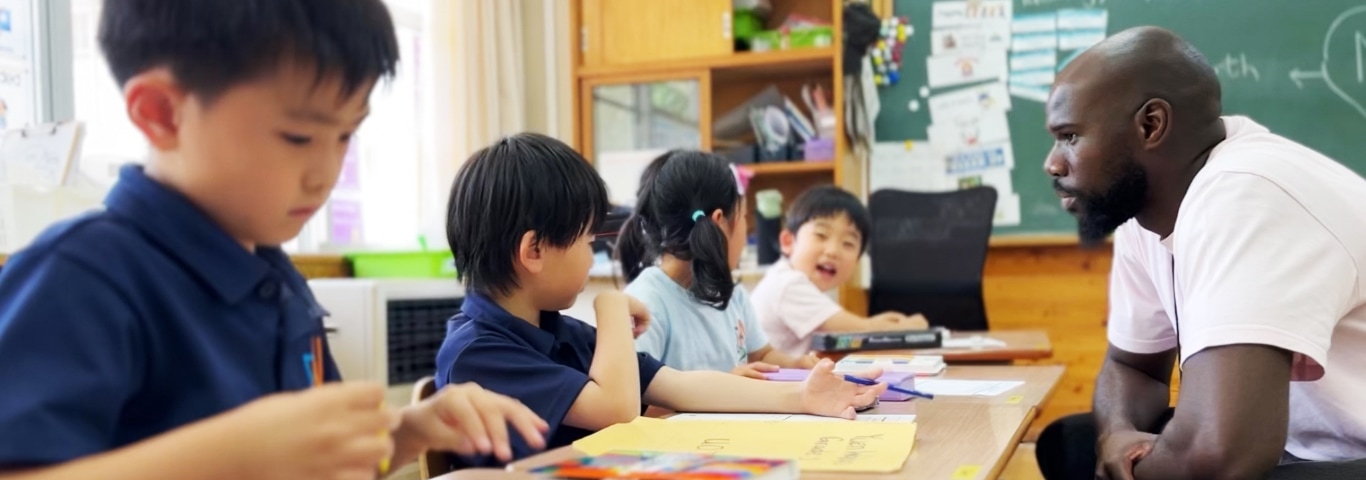
Lots has gone on over the past two weeks in Grade 3 here at the International School of Nagano, Gojo campus. Our learners have been fully engaged across all subject areas, developing key skills, deepening conceptual understanding, and making meaningful connections between their learning experiences. Through a balance of inquiry-based learning, collaboration, and hands-on exploration, we continue to nurture a classroom environment where curiosity is encouraged, thinking is made visible, and every learner feels confident to take ownership of their learning.
These past weeks have been particularly rich in opportunities for students to question, reflect, and engage with ideas in meaningful ways. We have seen learners take increasing responsibility for their learning, demonstrate resilience when faced with challenges, and show a growing ability to articulate their thinking clearly. Beyond academic development, there has been a strong focus on building a sense of community, where respect, open-mindedness, and appreciation for diverse perspectives are at the centre of our daily interactions. As a result, our classroom continues to grow as a supportive and dynamic learning space where each student’s voice is valued.
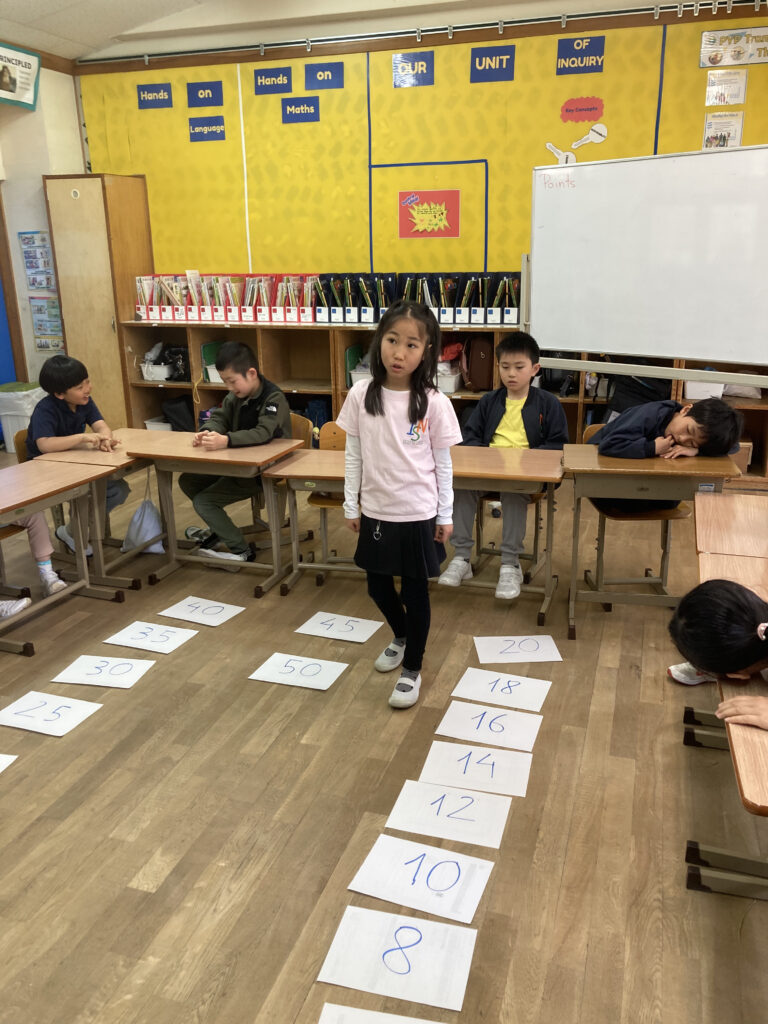
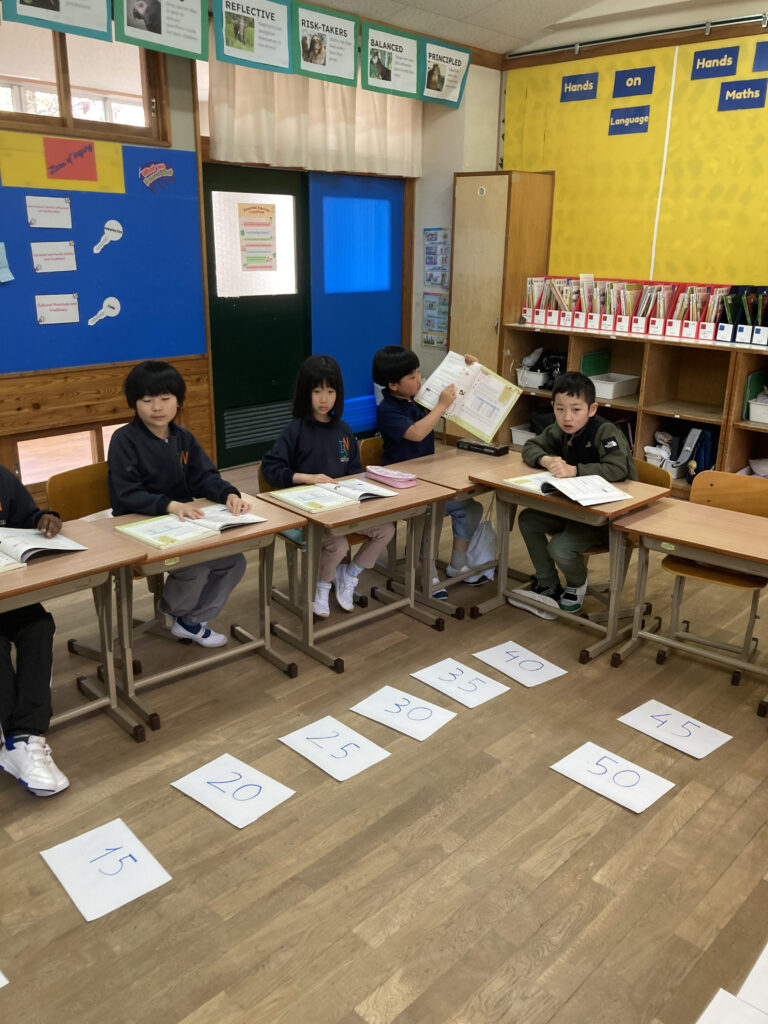
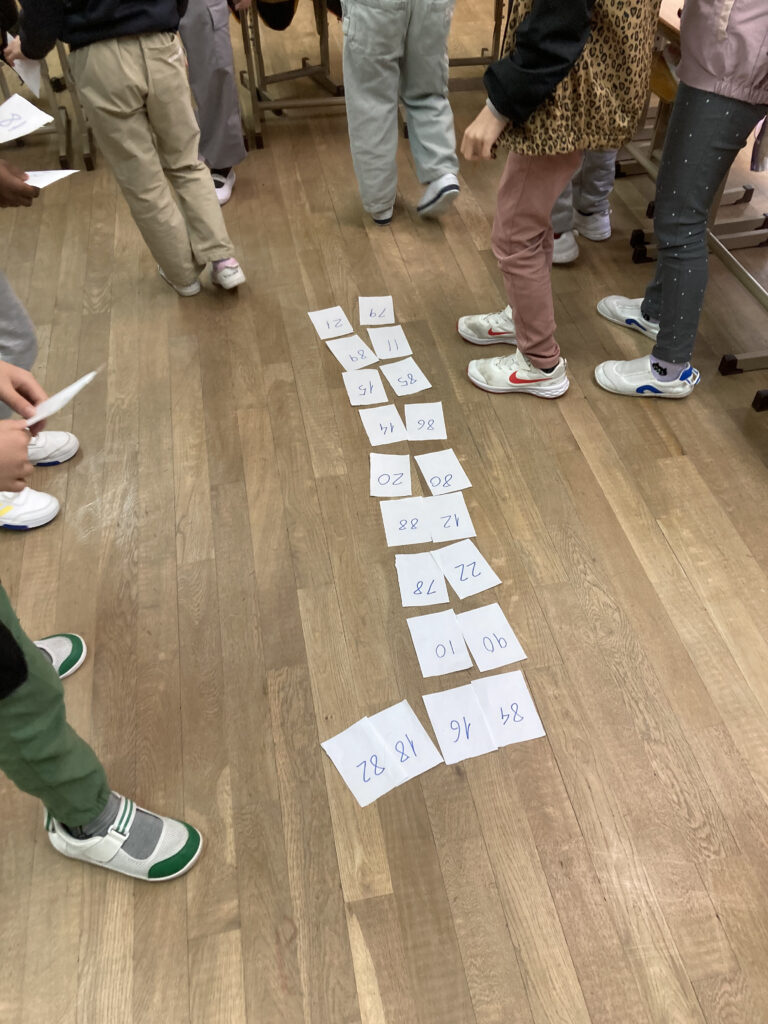
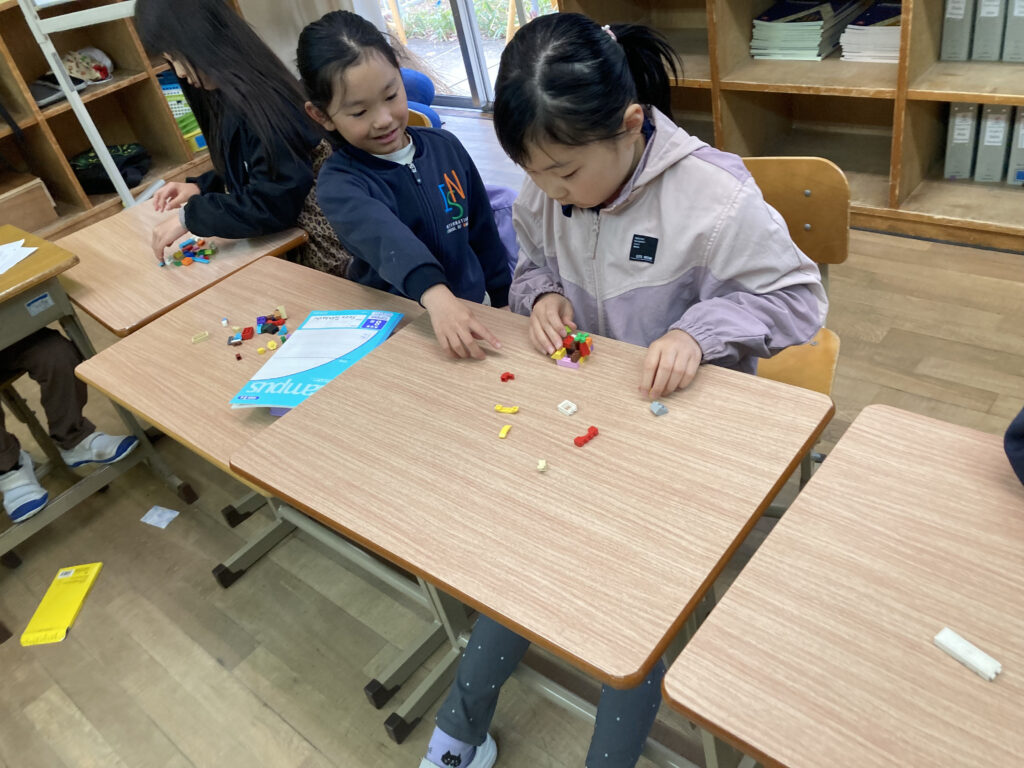
In Mathematics, we have been exploring place value and complements of 100 through a highly interactive and hands-on approach. Rather than focusing solely on procedures, we have prioritised conceptual understanding, allowing learners to build, represent, and manipulate numbers in a variety of ways. This has supported a deeper understanding of how our number system works and how numbers can be decomposed and recomposed flexibly. By engaging with different strategies, students have been able to see that mathematical thinking is not limited to a single method, but can be approached from multiple perspectives.
A key focus throughout our Mathematics lessons has been the development of reasoning and communication skills. Learners have been encouraged to explain their thinking, justify their strategies, and reflect on the approaches of others. Through discussion and collaboration, we have explored how different pathways can lead to the same result, reinforcing the idea that understanding is more important than simply arriving at an answer. These experiences have contributed to increased confidence, independence, and a willingness to take risks in learning. At the same time, students are strengthening their accuracy and fluency, supported by a solid conceptual foundation that will continue to underpin future learning.
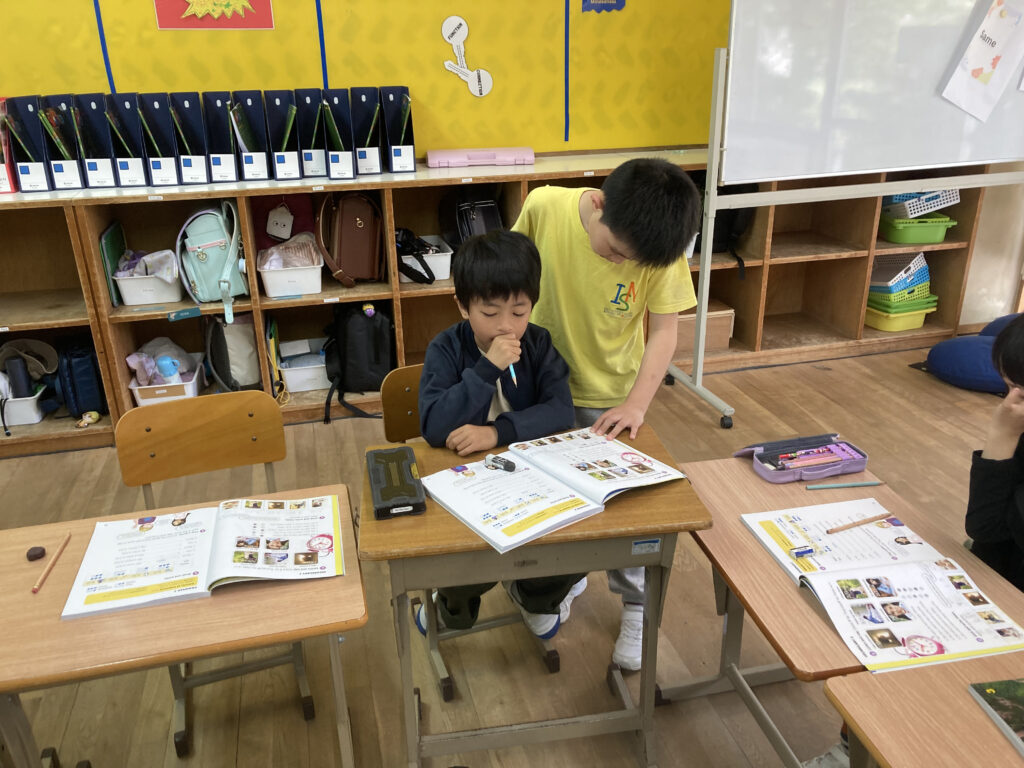
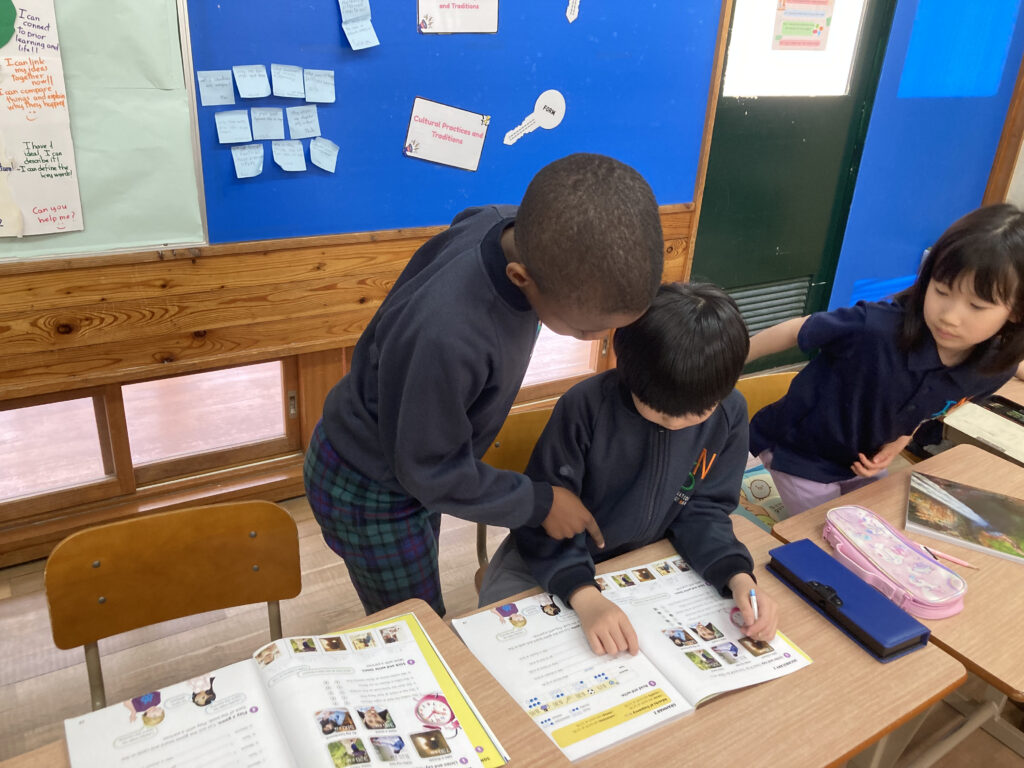
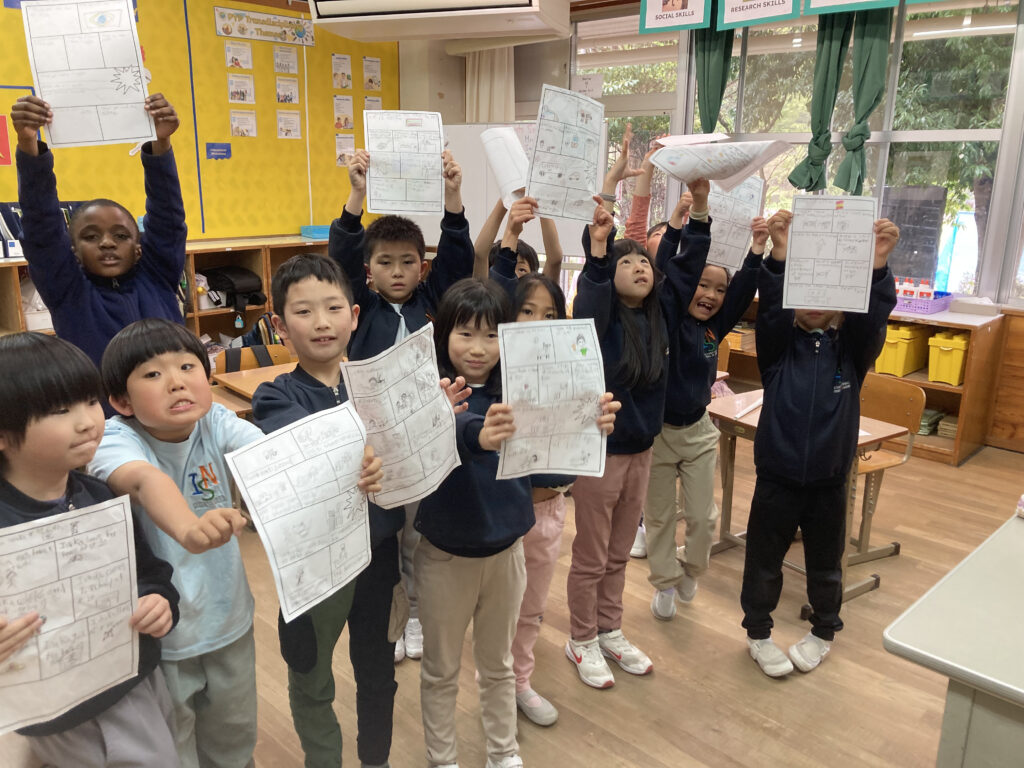
In English, our focus has been on routines and the use of adverbs of frequency to describe everyday actions and habits. Through a range of structured and creative tasks, learners have explored how language can be used to communicate patterns in daily life, while also developing greater control over sentence structure and vocabulary. By connecting language learning to their own experiences, students have been able to produce more meaningful and authentic pieces of work.
One of the highlights of this learning has been the creation of comic strips illustrating daily routines. This task required learners to organise ideas sequentially, apply target language accurately, and consider how to communicate meaning clearly to an audience. It also provided an opportunity for creativity and personal expression, allowing students to represent their own lives in engaging ways. As a class made up of learners from different cultural and national backgrounds, this activity naturally led to rich discussions about similarities and differences in routines. Through this, we have continued to develop international-mindedness, recognising that our daily lives are shaped by our experiences, environments, and cultural contexts. These conversations have strengthened empathy, respect, and an appreciation for the diversity within our classroom.
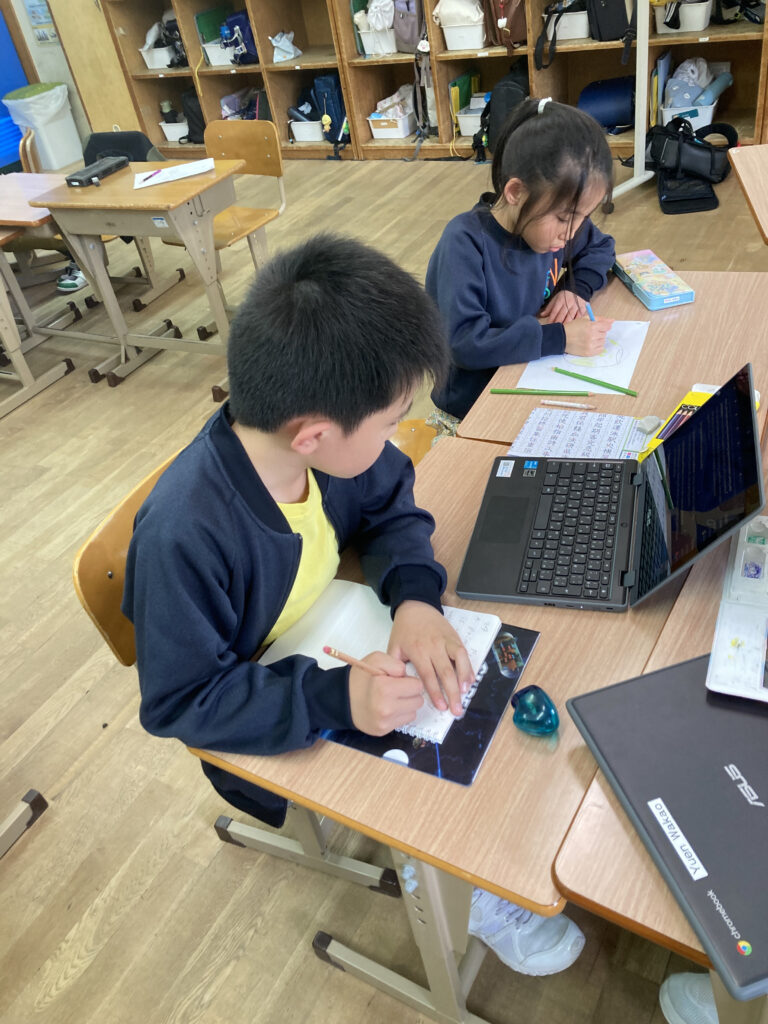
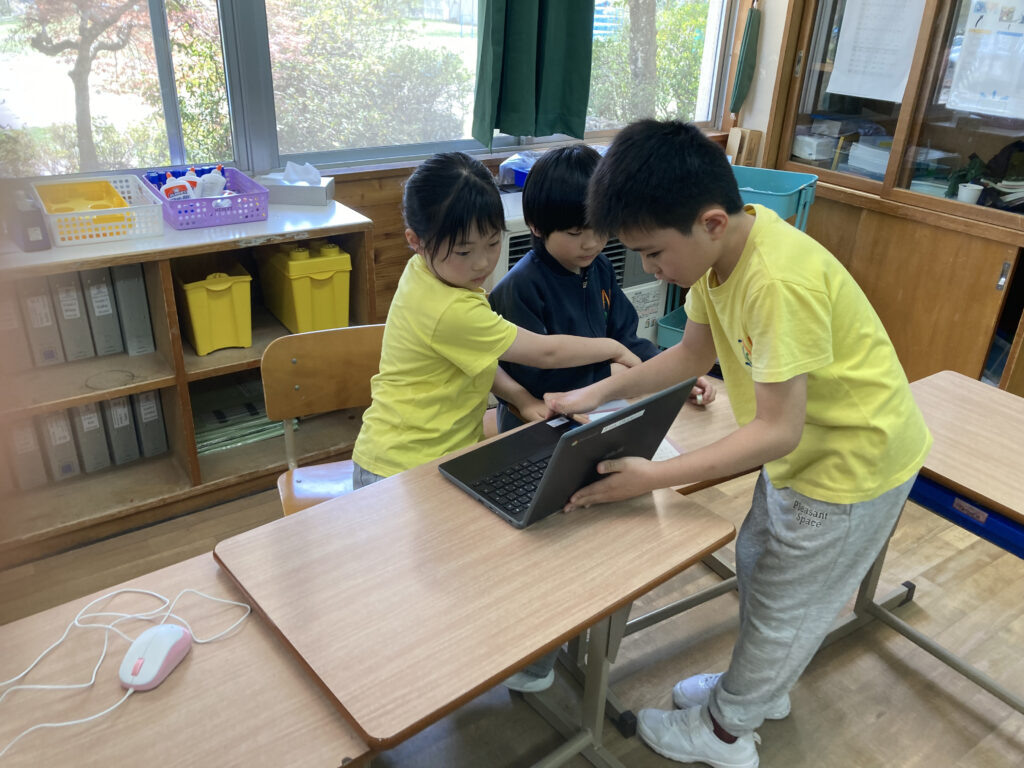
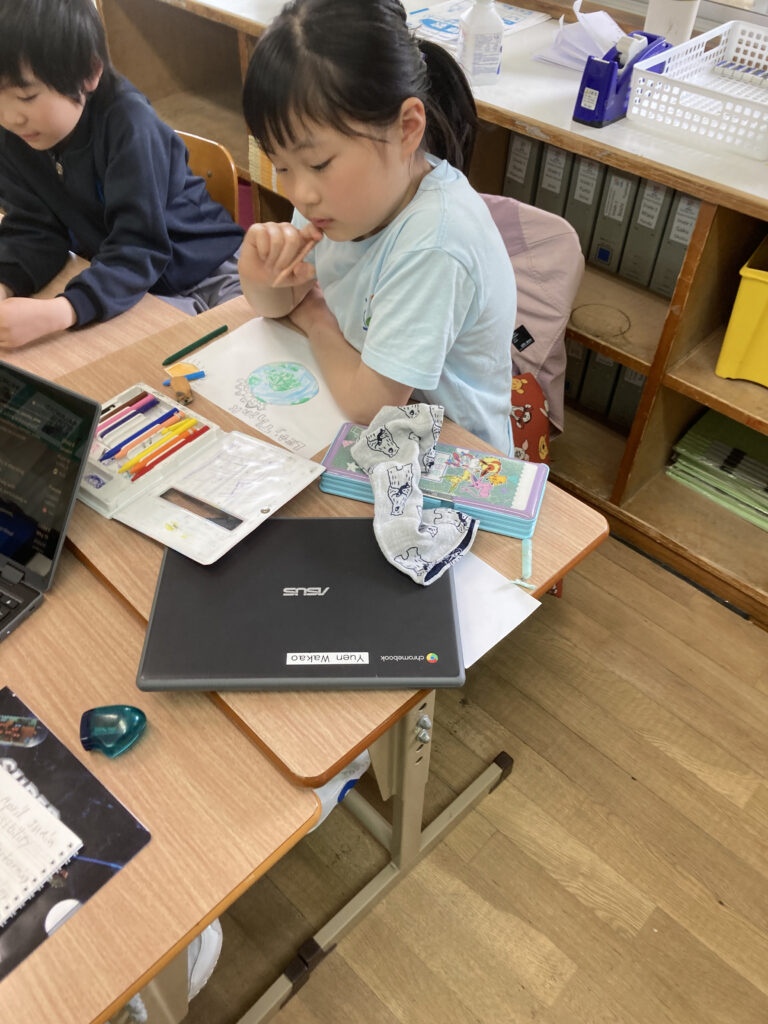
In our Unit of Inquiry under the transdisciplinary theme Who We Are, we continued exploring our central idea: our cultural identity shapes who we are and how we interact with others. Over the past two weeks, we have focused on the “tuning in” and “finding out” phases of the inquiry cycle, building a strong foundation for deeper learning. Students have shown great enthusiasm and curiosity, actively engaging in the process of questioning and investigating.
Using our Wonder Wall, learners generated a wide range of thoughtful and relevant questions connected to our lines of inquiry. This process encouraged student agency, as learners took ownership of the direction of their inquiry and identified areas of interest they wanted to explore further. We then worked collaboratively to select the most meaningful questions and used online resources to research and gather information. Through this process, students developed essential research skills, including how to locate information, identify key ideas, and make connections between different sources.
As we explored these questions, learners were encouraged to reflect on their own identities and consider how culture influences the way we think, behave, and interact with others. This has led to deeper discussions, greater self-awareness, and a growing understanding of perspectives beyond their own. The inquiry process has not only supported the development of knowledge, but also important learner profile attributes such as being inquirers, communicators, and open-minded individuals. Students are beginning to see themselves as active participants in their own learning, capable of asking meaningful questions and seeking answers with purpose.
As we reflect on these past two weeks, it is clear that learning in Grade 3 is a dynamic and interconnected process. Across all subject areas, students are developing the skills, attitudes, and understandings that will support them as lifelong learners. By making connections between Mathematics, English, and our Unit of Inquiry, we are creating meaningful learning experiences that go beyond isolated subjects and instead build a coherent and purposeful understanding of the world.
We look forward to continuing this journey of inquiry, growth, and discovery in the weeks ahead, as our learners deepen their understanding, strengthen their skills, and continue to grow as confident, reflective, and internationally minded individuals.
