Lots has gone on over the past two weeks in Grade 3 here at the International School of Nagano, Gojo campus. Our learners have been fully engaged across all subject areas, developing key skills, deepening conceptual understanding, and making meaningful connections between their learning experiences. Through a balance of inquiry-based learning, collaboration, and hands-on exploration, we continue to nurture a classroom environment where curiosity is encouraged, thinking is made visible, and every learner feels confident to take ownership of their learning.
These past weeks have been particularly rich in opportunities for students to question, reflect, and engage with ideas in meaningful ways. We have seen learners take increasing responsibility for their learning, demonstrate resilience when faced with challenges, and show a growing ability to articulate their thinking clearly. Beyond academic development, there has been a strong focus on building a sense of community, where respect, open-mindedness, and appreciation for diverse perspectives are at the centre of our daily interactions. As a result, our classroom continues to grow as a supportive and dynamic learning space where each student’s voice is valued.
ここ2週間、インターナショナルスクール・オブ・長野ゴジョウキャンパスのグレード3では、多くの学びと活動がありました。子どもたちはすべての教科において積極的に取り組み、重要なスキルを身につけながら、概念的理解を深め、それぞれの学習経験を有意味に結びつけています。探究型学習、協働学習、そして実体験を伴う学びのバランスを通して、好奇心が尊重され、思考が可視化され、一人ひとりが自分の学びに主体的に関わる自信を持てる学習環境を育んでいます。
この数週間は、子どもたちにとって問いを立て、振り返り、意味のある形で考えに関わる多くの機会に恵まれた時間でもありました。学習に対する責任感が高まり、困難に直面しても粘り強く取り組む姿勢や、自分の考えをより明確に表現する力の成長が見られています。学力面の向上にとどまらず、日々の関わりの中で、尊重の心、オープンマインド、多様な視点を大切にする姿勢を育むコミュニティづくりにも力を入れてきました。その結果、私たちの教室は、一人ひとりの声が大切にされる、支え合いと活気に満ちた学びの場としてさらに成長し続けています
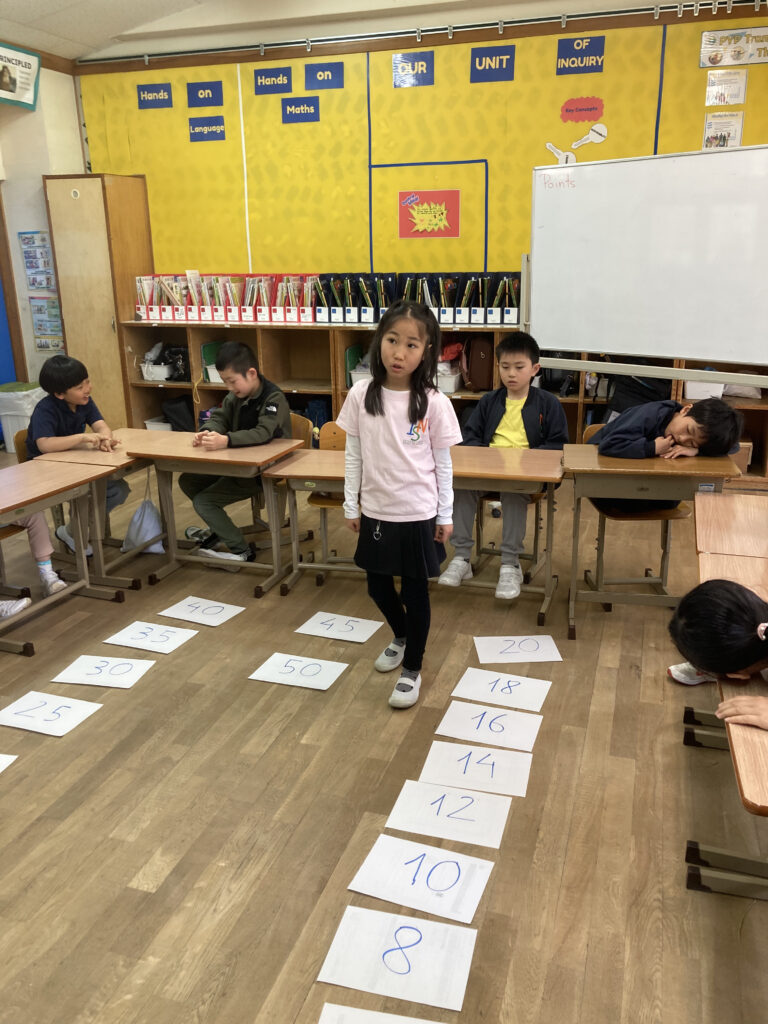
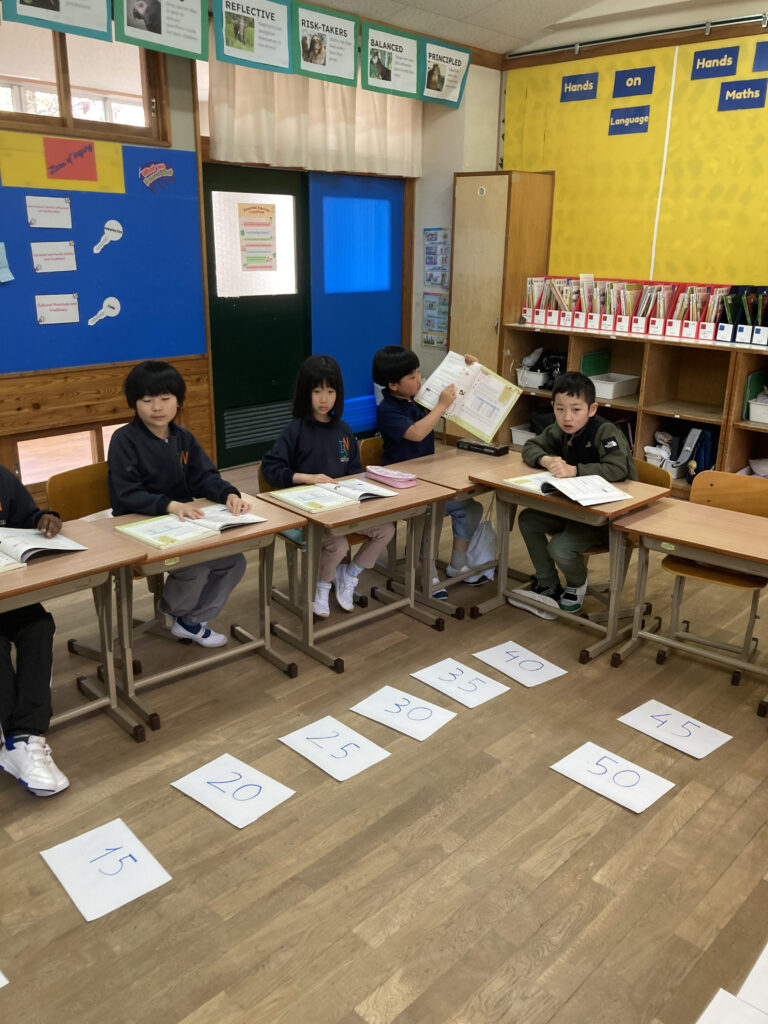
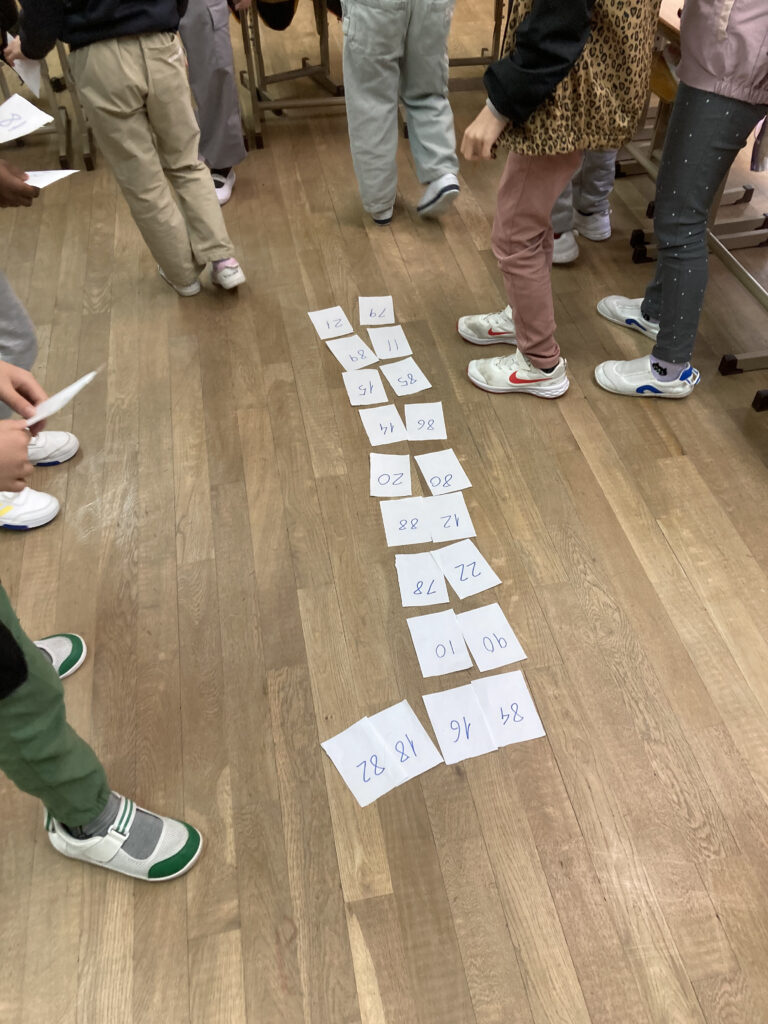
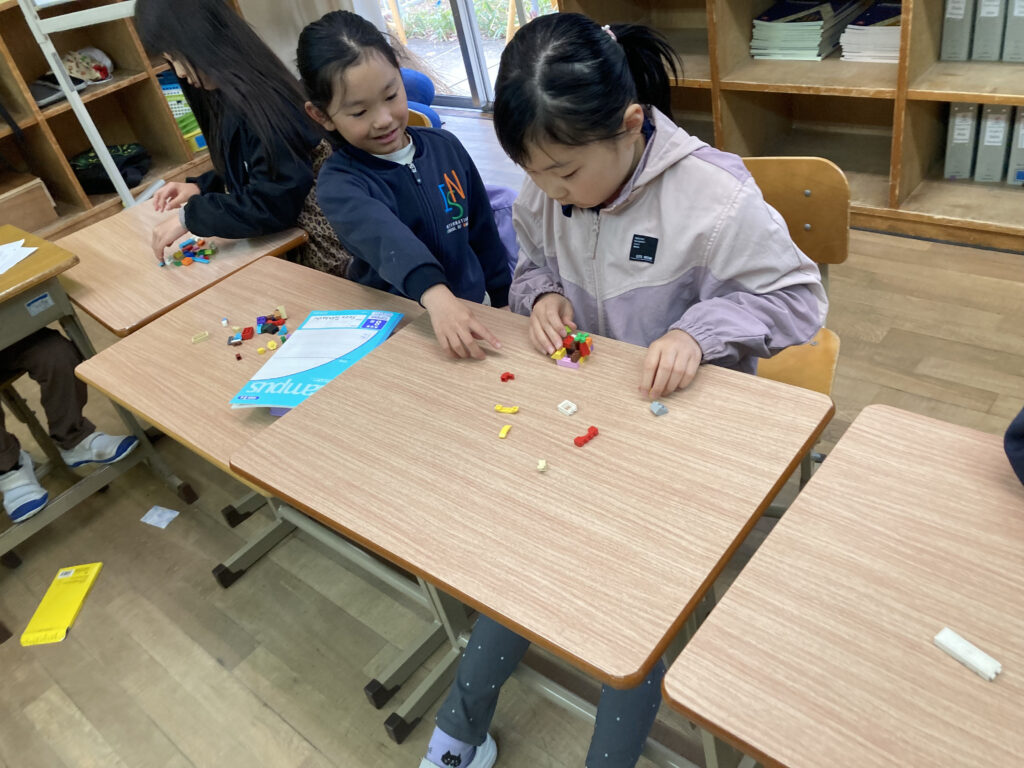
In Mathematics, we have been exploring place value and complements of 100 through a highly interactive and hands-on approach. Rather than focusing solely on procedures, we have prioritised conceptual understanding, allowing learners to build, represent, and manipulate numbers in a variety of ways. This has supported a deeper understanding of how our number system works and how numbers can be decomposed and recomposed flexibly. By engaging with different strategies, students have been able to see that mathematical thinking is not limited to a single method, but can be approached from multiple perspectives.
A key focus throughout our Mathematics lessons has been the development of reasoning and communication skills. Learners have been encouraged to explain their thinking, justify their strategies, and reflect on the approaches of others. Through discussion and collaboration, we have explored how different pathways can lead to the same result, reinforcing the idea that understanding is more important than simply arriving at an answer. These experiences have contributed to increased confidence, independence, and a willingness to take risks in learning. At the same time, students are strengthening their accuracy and fluency, supported by a solid conceptual foundation that will continue to underpin future learning.
算数では、位取りと100の補数について、高い参加型かつ体験的なアプローチを通して探究してきました。単なる手順の習得にとどまらず、概念的理解を重視し、子どもたちがさまざまな方法で数を構成・表現・操作できるようにしています。これにより、数の仕組みや、数を柔軟に分解・再構成する考え方への理解が深まりました。また、異なる戦略に触れることで、数学的思考は一つの方法に限定されるものではなく、多様な視点からアプローチできることに気づいています。
算数の学習全体を通して、特に重視しているのは、論理的思考力とコミュニケーション能力の育成です。子どもたちは、自分の考えを説明し、用いた方法を正当化し、他者のアプローチについて振り返ることが求められています。話し合いや協働を通して、異なるプロセスであっても同じ結果にたどり着くことができることを理解し、「答えに到達すること」だけでなく「理解すること」の重要性を深めています。これらの経験は、自信や自立心を高めるとともに、学びにおいて積極的に挑戦する姿勢を育んでいます。同時に、確かな概念的基盤に支えられながら、正確さや流暢さも着実に伸ばしており、今後の学習へとつながる力を養っています。
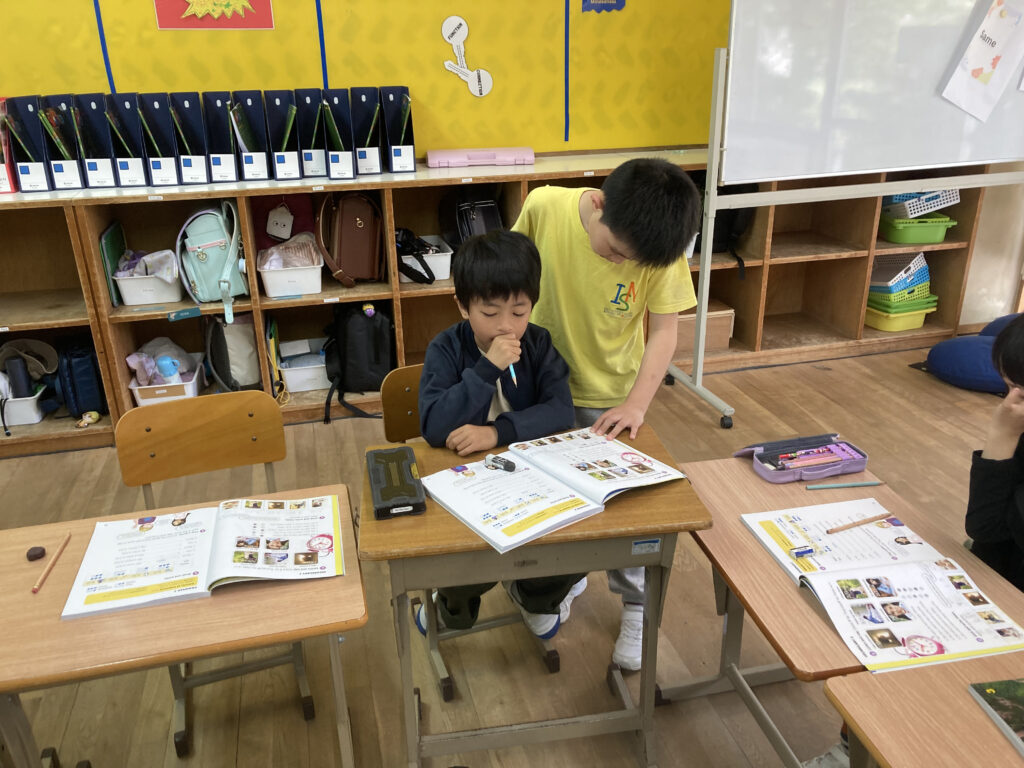
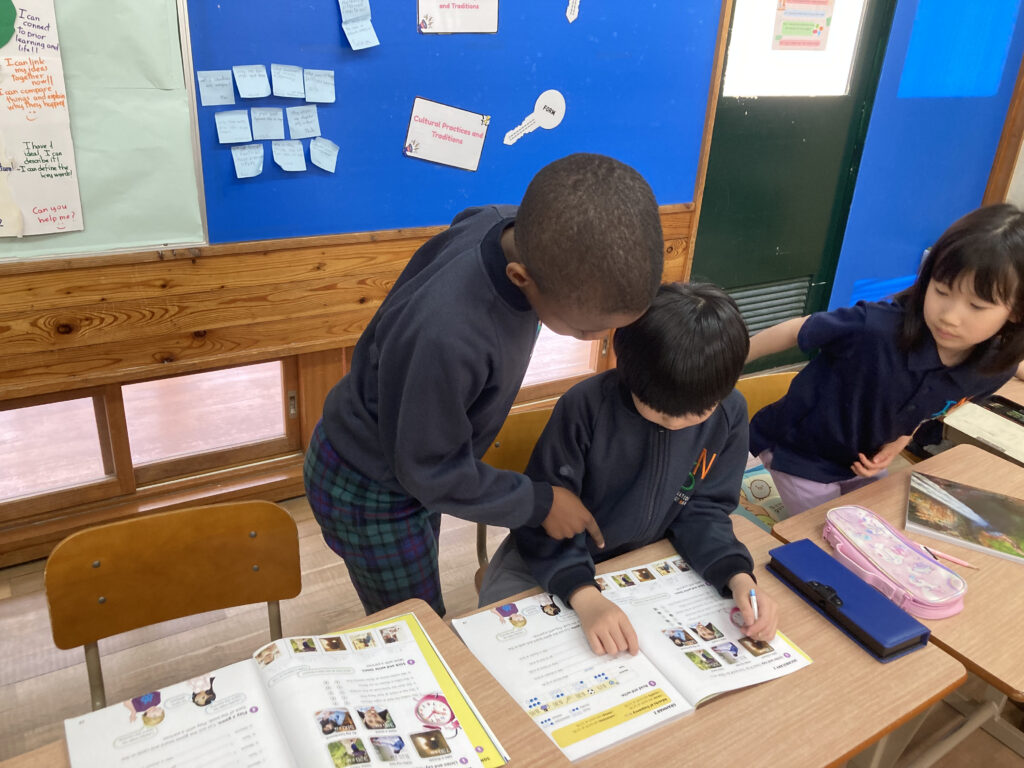
In English, our focus has been on routines and the use of adverbs of frequency to describe everyday actions and habits. Through a range of structured and creative tasks, learners have explored how language can be used to communicate patterns in daily life, while also developing greater control over sentence structure and vocabulary. By connecting language learning to their own experiences, students have been able to produce more meaningful and authentic pieces of work.
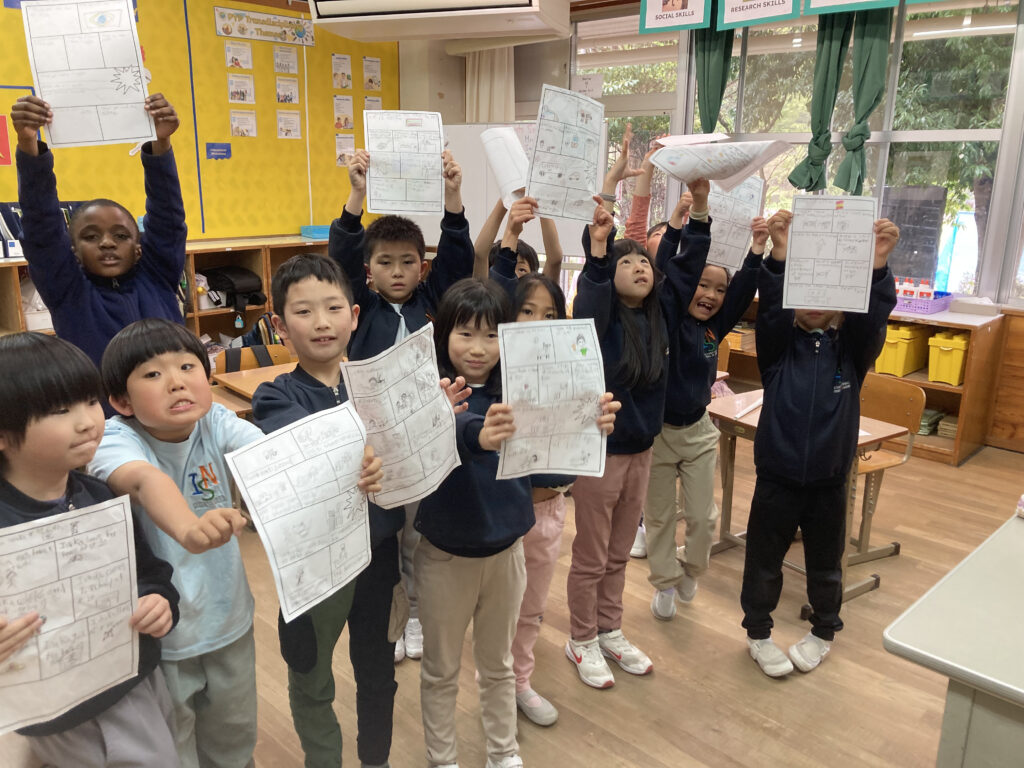
One of the highlights of this learning has been the creation of comic strips illustrating daily routines. This task required learners to organise ideas sequentially, apply target language accurately, and consider how to communicate meaning clearly to an audience. It also provided an opportunity for creativity and personal expression, allowing students to represent their own lives in engaging ways. As a class made up of learners from different cultural and national backgrounds, this activity naturally led to rich discussions about similarities and differences in routines. Through this, we have continued to develop international-mindedness, recognising that our daily lives are shaped by our experiences, environments, and cultural contexts. These conversations have strengthened empathy, respect, and an appreciation for the diversity within our classroom.
英語では、日常の行動や習慣を表現するための「ルーティン」と頻度を表す副詞(adverbs of frequency)に焦点を当てて学習してきました。構造的かつ創造的なさまざまな活動を通して、日々の生活のパターンを言語でどのように表現できるかを探究すると同時に、文構造や語彙の使い方への理解も深めています。自分自身の経験と結びつけながら学ぶことで、子どもたちはより意味のある、実際の生活に即した表現を生み出すことができるようになってきました。
この学習の中でも特に印象的だったのが、日常のルーティンをテーマにしたコミックストリップの制作です。この活動では、考えを順序立てて整理する力、目標とする言語表現を正確に使う力、そして読み手に分かりやすく意味を伝える力が求められました。同時に、創造性や自己表現の機会ともなり、子どもたちは自分自身の生活をいきいきと表現することができました。異なる国や文化的背景を持つ子どもたちで構成されたクラスであることから、この活動は自然と日常生活の共通点や相違点についての豊かな対話へとつながりました。こうした学びを通して、私たちは国際的な視野(インターナショナル・マインデッドネス)を育み、日々の生活がそれぞれの経験や環境、文化によって形づくられていることへの理解を深めています。また、これらの対話を通して、共感する力や他者を尊重する姿勢、そして教室内の多様性を大切にする意識も育まれています。
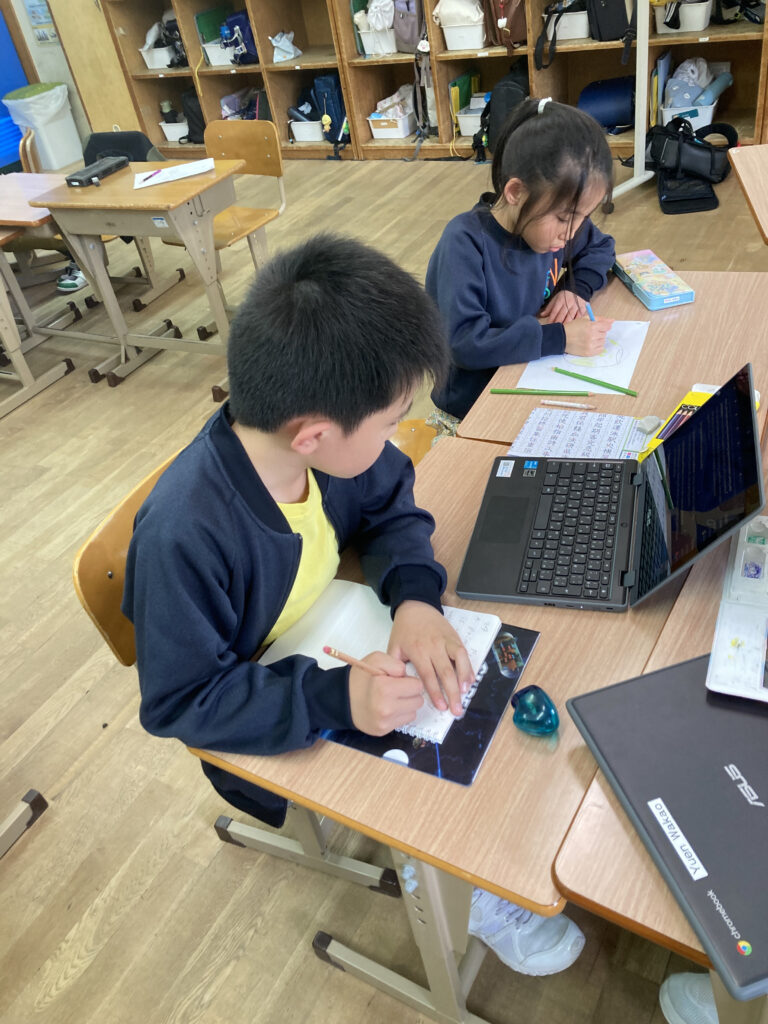
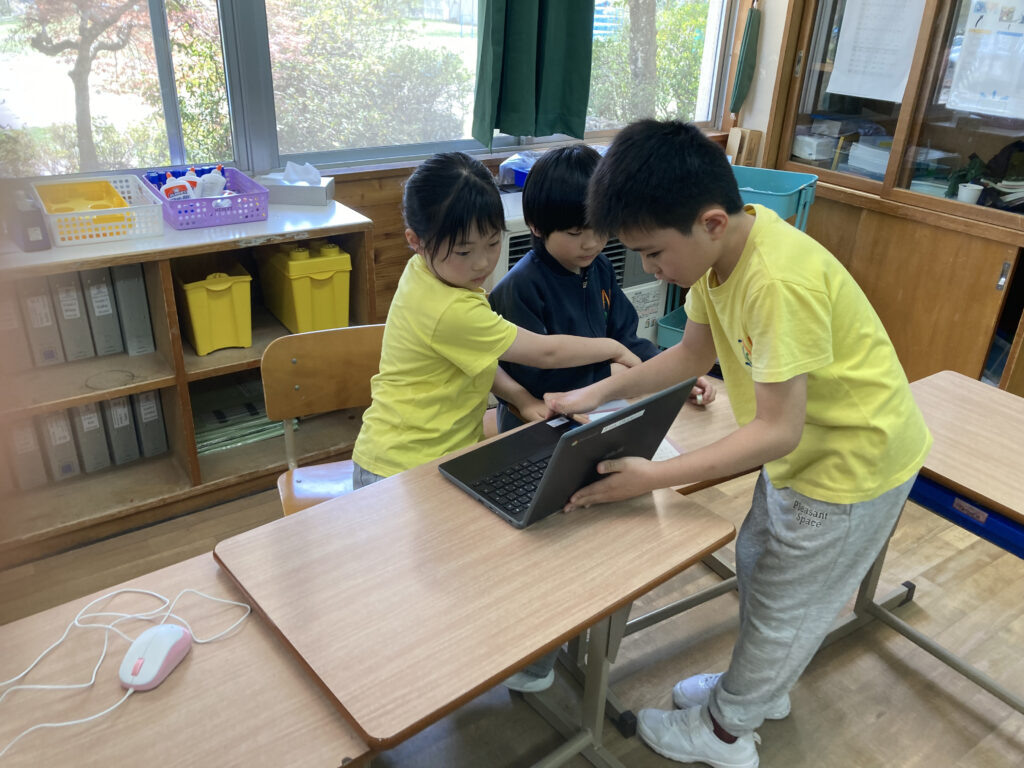
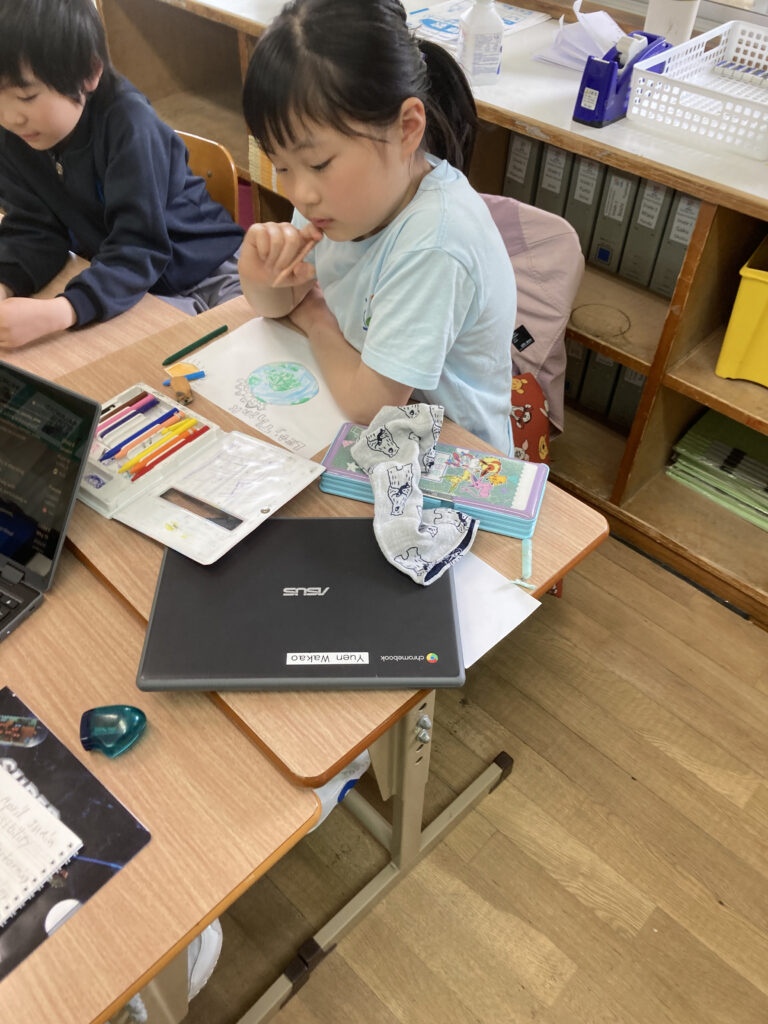
In our Unit of Inquiry under the transdisciplinary theme Who We Are, we continued exploring our central idea: our cultural identity shapes who we are and how we interact with others. Over the past two weeks, we have focused on the “tuning in” and “finding out” phases of the inquiry cycle, building a strong foundation for deeper learning. Students have shown great enthusiasm and curiosity, actively engaging in the process of questioning and investigating.
Using our Wonder Wall, learners generated a wide range of thoughtful and relevant questions connected to our lines of inquiry. This process encouraged student agency, as learners took ownership of the direction of their inquiry and identified areas of interest they wanted to explore further. We then worked collaboratively to select the most meaningful questions and used online resources to research and gather information. Through this process, students developed essential research skills, including how to locate information, identify key ideas, and make connections between different sources.
As we explored these questions, learners were encouraged to reflect on their own identities and consider how culture influences the way we think, behave, and interact with others. This has led to deeper discussions, greater self-awareness, and a growing understanding of perspectives beyond their own. The inquiry process has not only supported the development of knowledge, but also important learner profile attributes such as being inquirers, communicators, and open-minded individuals. Students are beginning to see themselves as active participants in their own learning, capable of asking meaningful questions and seeking answers with purpose.
As we reflect on these past two weeks, it is clear that learning in Grade 3 is a dynamic and interconnected process. Across all subject areas, students are developing the skills, attitudes, and understandings that will support them as lifelong learners. By making connections between Mathematics, English, and our Unit of Inquiry, we are creating meaningful learning experiences that go beyond isolated subjects and instead build a coherent and purposeful understanding of the world.
We look forward to continuing this journey of inquiry, growth, and discovery in the weeks ahead, as our learners deepen their understanding, strengthen their skills, and continue to grow as confident, reflective, and internationally minded individuals.
探究の時間では、教科横断的テーマ「Who We Are(私たちは誰なのか)」のもと、「私たちの文化的アイデンティティは、私たち自身や他者との関わり方にどのような影響を与えるのか」というセントラルアイデアの探究を継続してきました。この2週間は、探究サイクルの「導入(tuning in)」と「調査(finding out)」の段階に焦点を当て、より深い学びに向けた土台づくりを行いました。子どもたちは高い関心と好奇心を示し、自ら問いを立て、調べるプロセスに主体的に関わっています。
ワンダーウォール(Wonder Wall)を活用し、子どもたちは探究の方向性に関わる多様で意義のある問いを生み出しました。このプロセスを通して、学習者の主体性(エージェンシー)が促され、自分たちの関心に基づいて探究を進める姿勢が育まれています。その後、クラスで協働しながら重要な問いを選び、オンラインの資料を活用して調査を行いました。この活動を通して、情報を見つける力、要点を捉える力、複数の情報を関連づける力といった基礎的なリサーチスキルを身につけています。
また、これらの問いを探究する中で、子どもたちは自分自身のアイデンティティについて振り返り、文化が私たちの考え方や行動、他者との関わり方にどのような影響を与えているのかを考える機会を得ました。その結果、より深い対話が生まれ、自己理解が深まるとともに、自分とは異なる視点への理解も広がっています。この探究プロセスは、知識の習得だけでなく、「探究する人」「コミュニケーションができる人」「心を開いて受け入れる人」といったIBの学習者像の育成にもつながっています。子どもたちは、自ら問いを持ち、目的意識をもって答えを探そうとする主体的な学習者へと成長しつつあります。
この2週間を振り返ると、グレード3の学びは教科ごとに分断されたものではなく、相互につながり合うダイナミックなプロセスであることがよく分かります。算数、英語、そして探究の学びを関連づけることで、子どもたちはより意味のある理解を築き、世界を一貫性のある視点で捉える力を育んでいます。こうした学びの積み重ねが、将来にわたって活かされるスキルや態度の形成につながっています。
今後もこの探究の旅を継続しながら、子どもたちは理解をさらに深め、スキルを磨き、自信をもって考え、振り返り、行動できる国際的な視野を持った学習者へと成長していくことを期待しています。
