Finding Out Stage
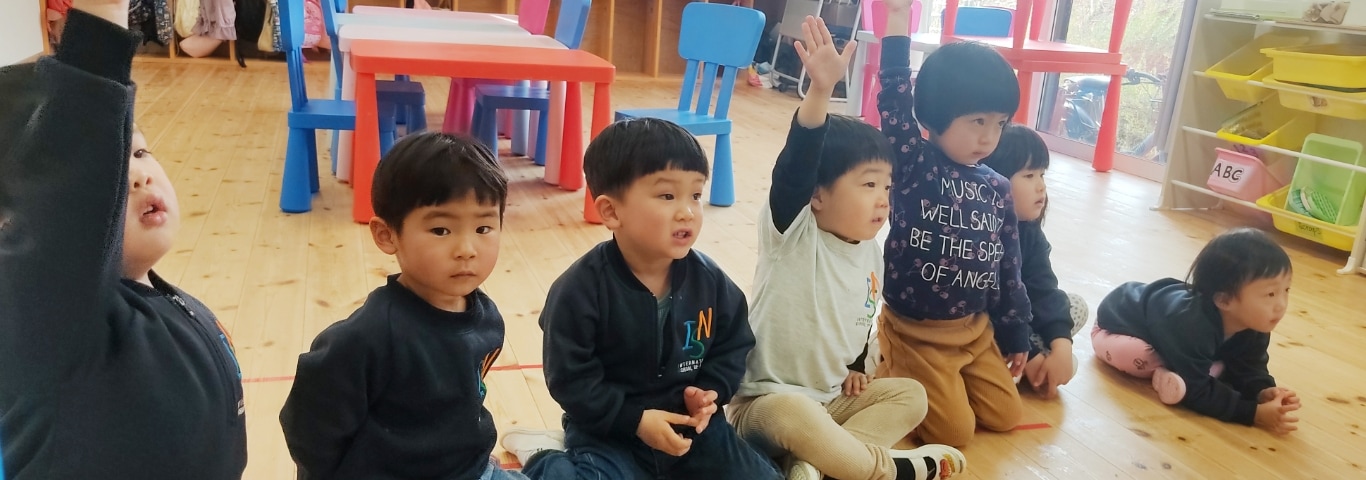
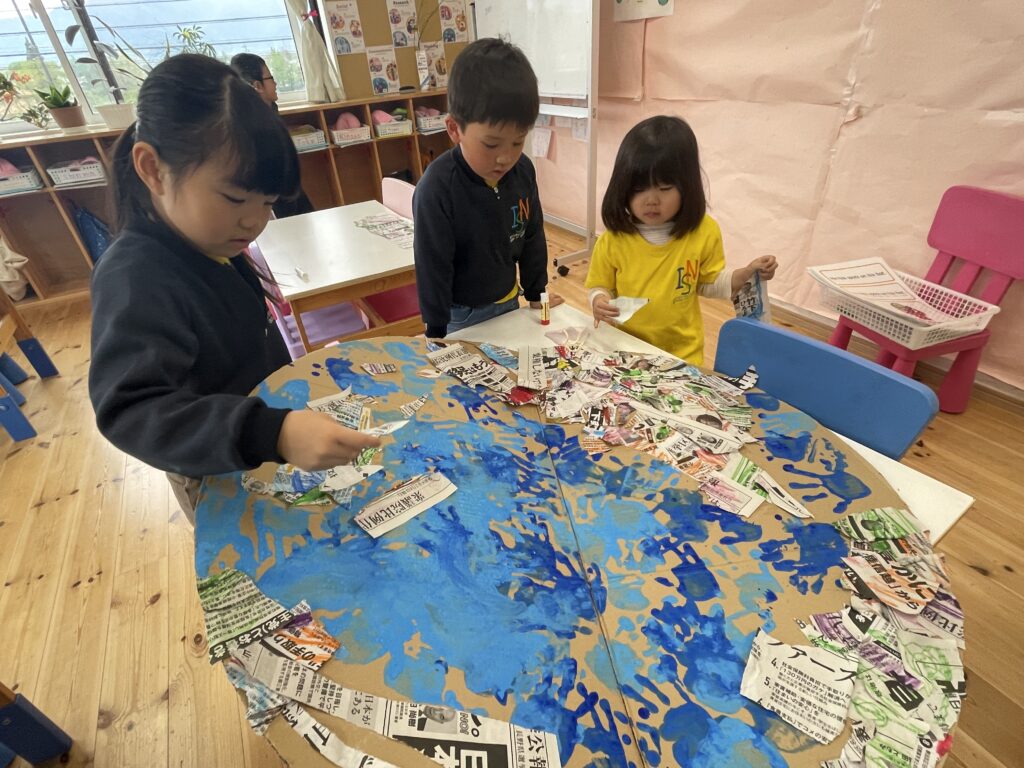
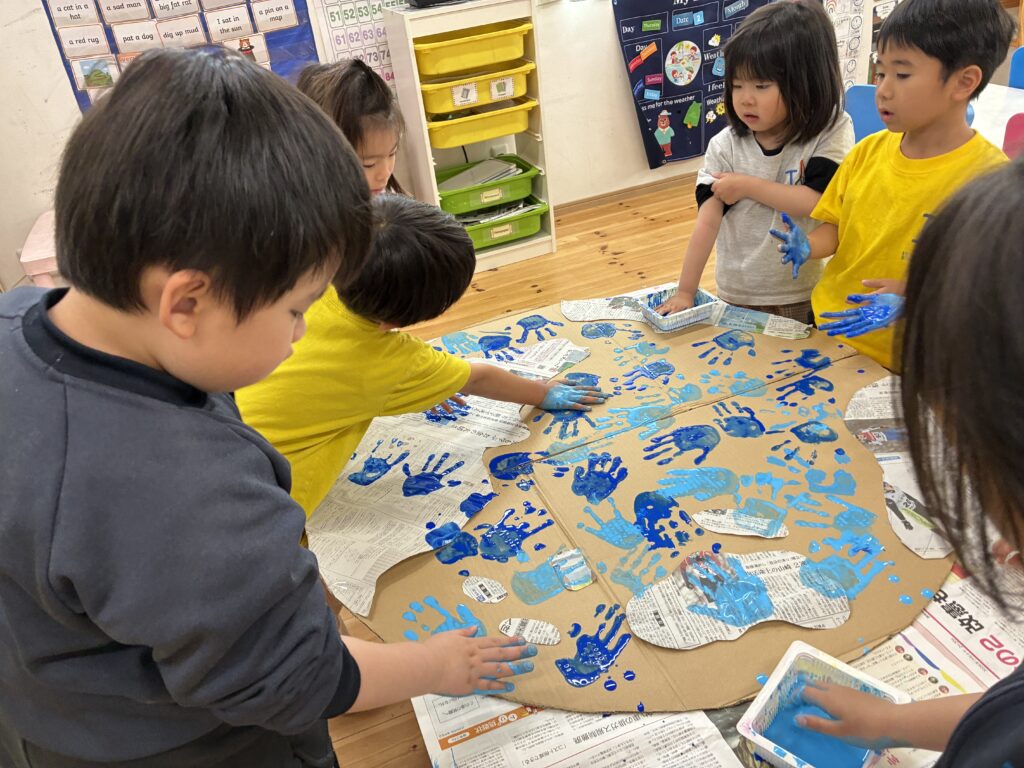
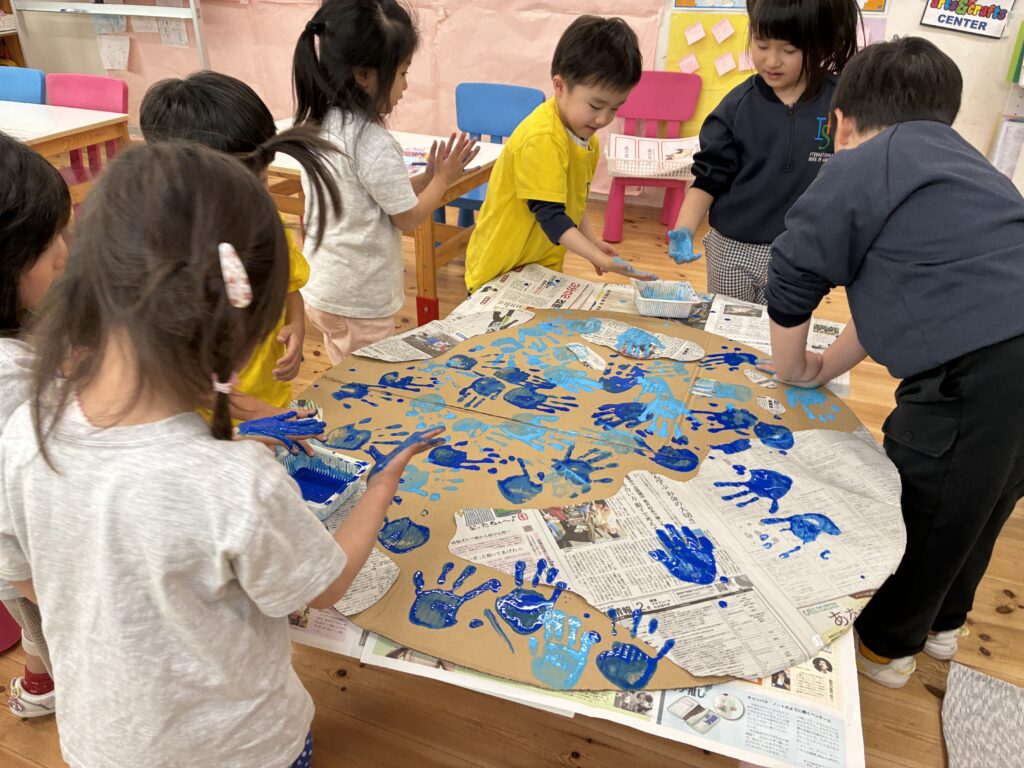
In our recent unit on caring for the Earth, the Rainforest 5–6 class has been actively engaged in the finding out stage of inquiry. Instead of beginning with definitions, the students were first given opportunities to explore real-world problems, particularly how waste affects our environment (Line of Inquiry I).
Through videos, discussions, drawings, and hands-on activities, the children investigated water, land, and air pollution. As they shared their ideas, something meaningful began to emerge. The students were not only describing what they saw—they were beginning to connect their ideas.
Many of them expressed clear cause-and-effect thinking. They shared that people throw garbage into the ocean or on land, and because of this, the environment becomes dirty. They also explained that animals may eat plastic, get sick, or even die. Some extended their thinking further by recognizing that pollution can also affect humans and the Earth as a whole.
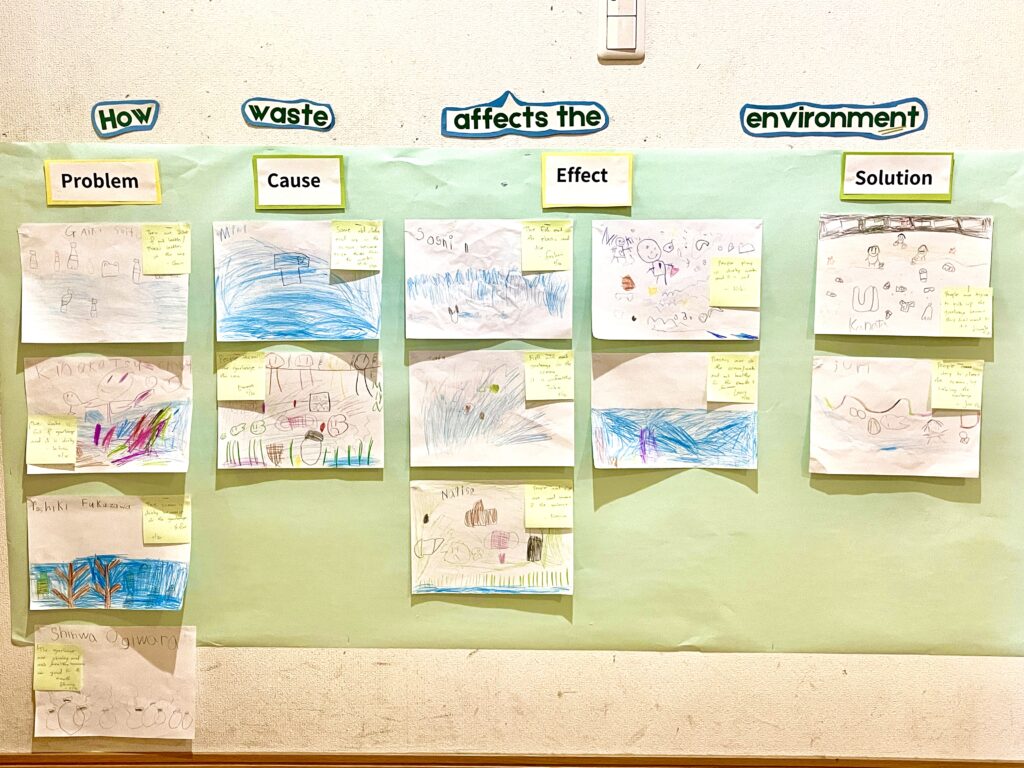
What made this even more powerful was that these ideas were not given to them. The students discovered these connections on their own. Through their drawings and explanations, they showed an understanding that actions lead to consequences. This marked an important moment in their learning, as they moved beyond simple observation and began to think more deeply about how the world works.
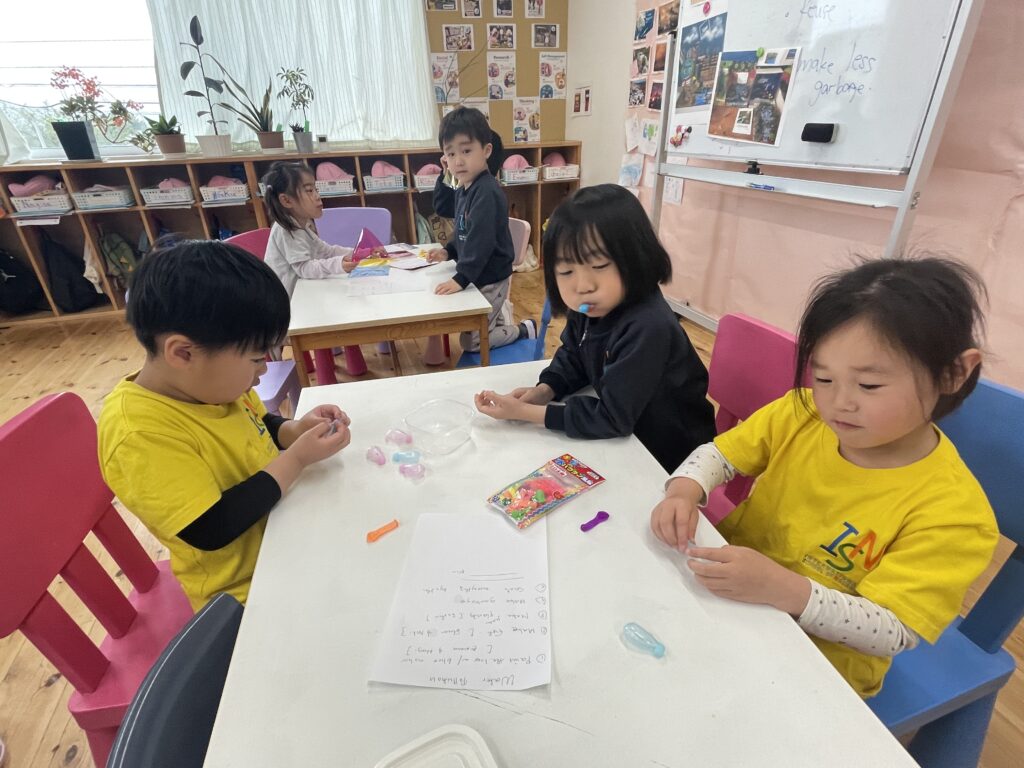
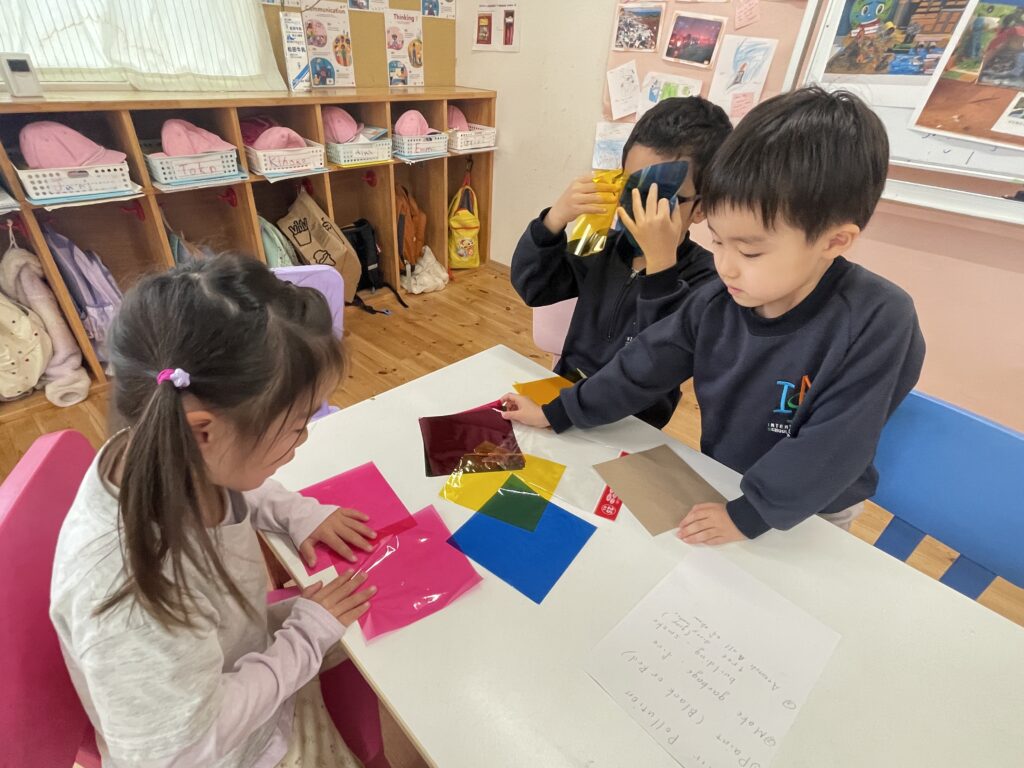
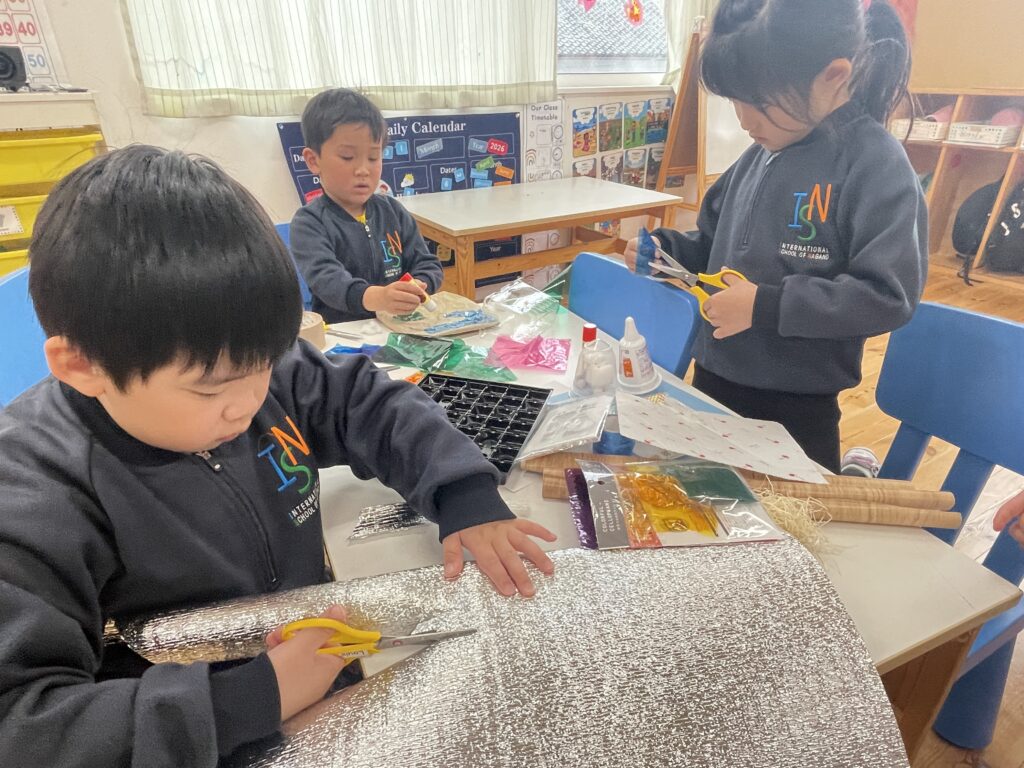
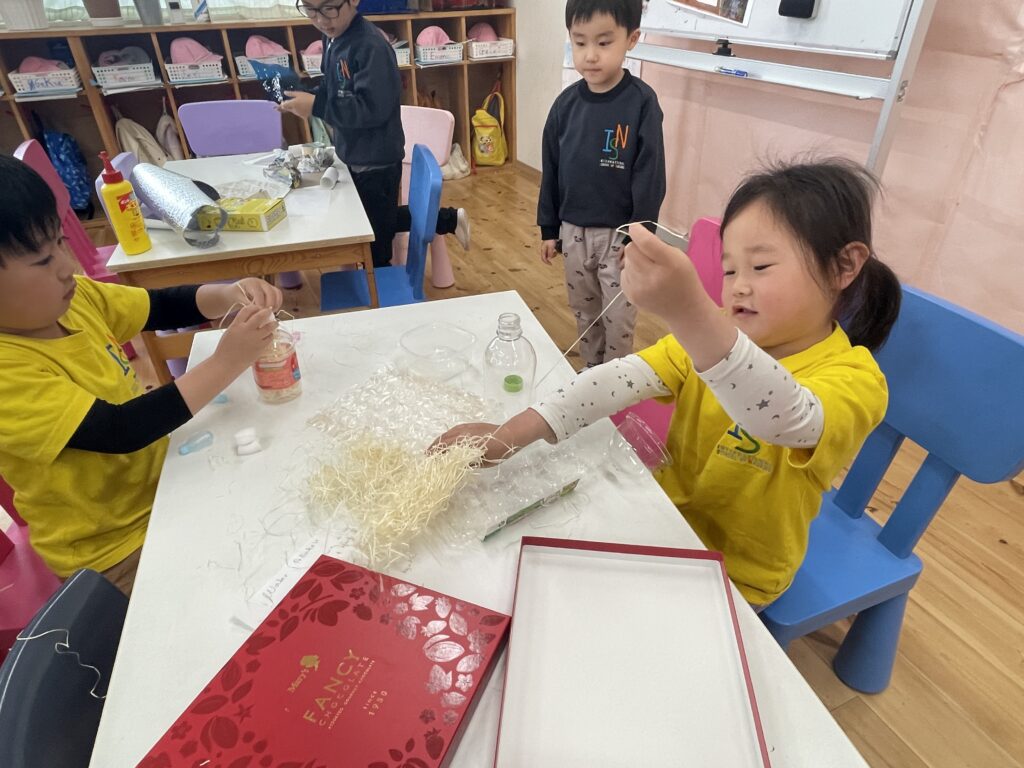
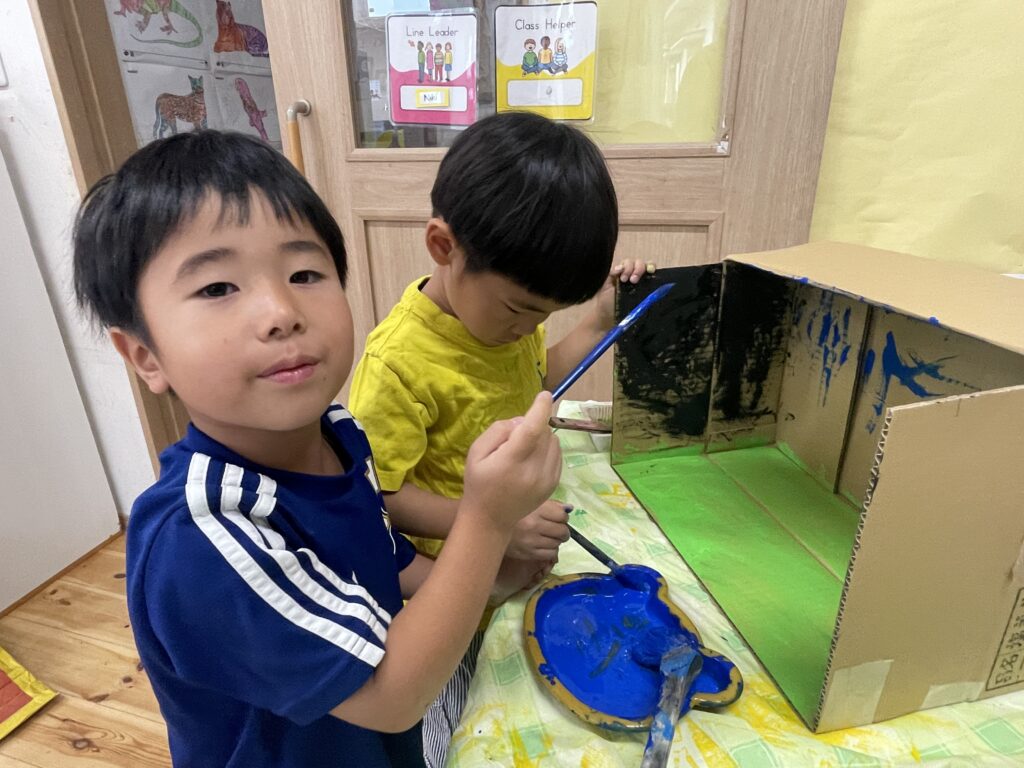
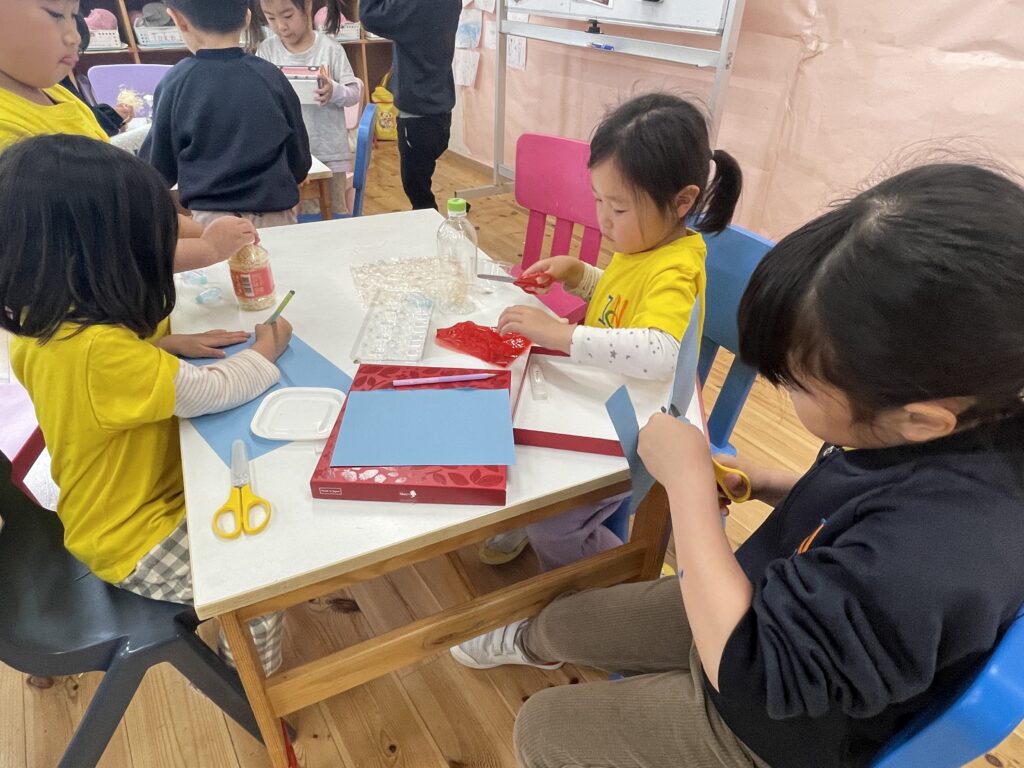
Student agency was clearly visible throughout this process. The children asked thoughtful questions, shared their own ideas, and built on each other’s thinking. Some even began suggesting possible solutions such as cleaning up garbage, reducing waste, and reusing materials—even before these concepts were formally introduced in class.
This stage of the inquiry allowed students to understand the importance of the issue first. By recognizing the relationship between cause and effect, they were able to see the impact of human actions on the environment. As we move forward, this understanding will serve as a strong foundation for introducing the 3Rs—Reduce, Reuse, and Recycle—as meaningful ways to care for the Earth.
This experience highlights how powerful inquiry-based learning can be. When students are given the space to explore, think, and discover, they are able to construct deeper and more meaningful understanding of the world around them.
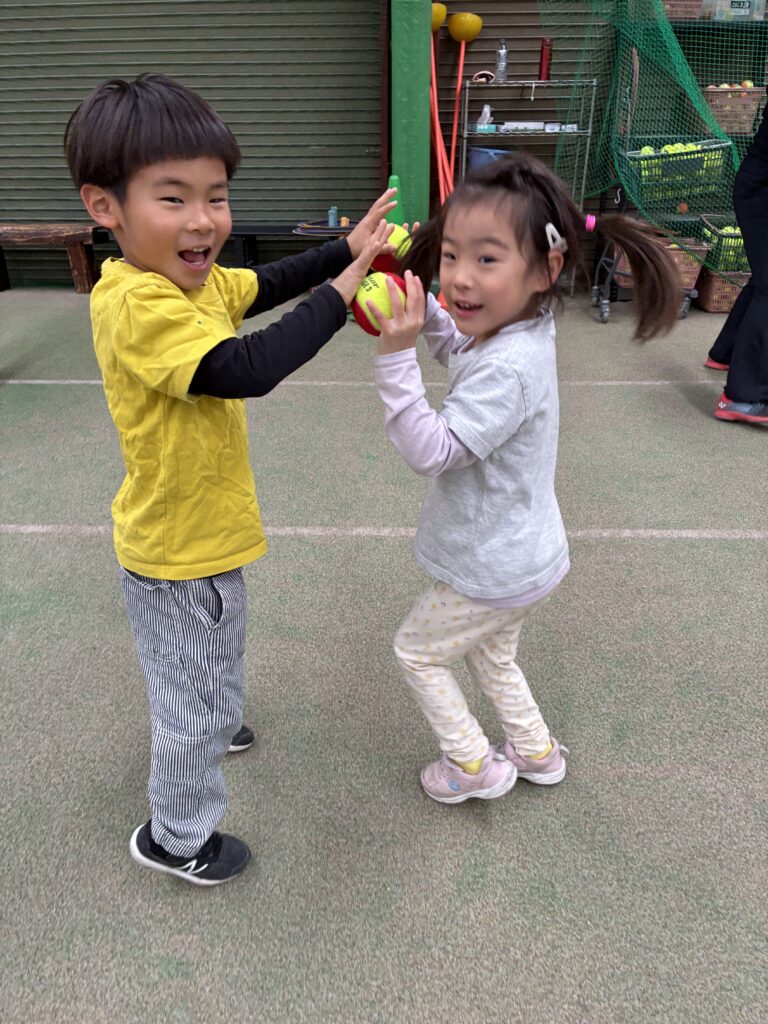
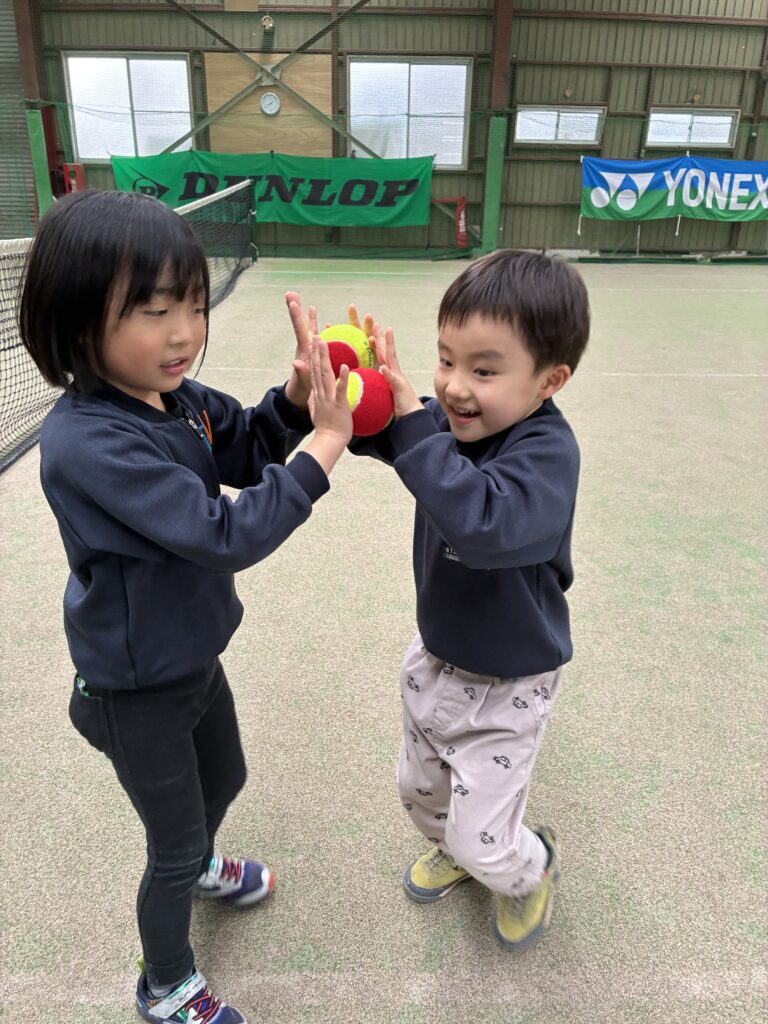
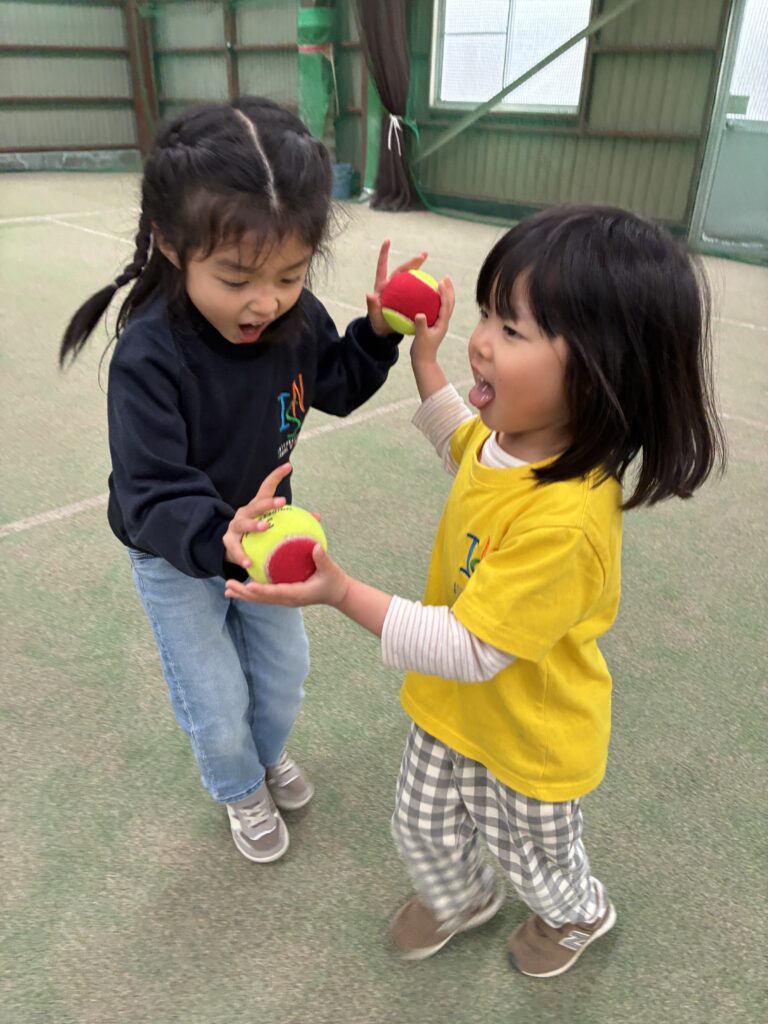
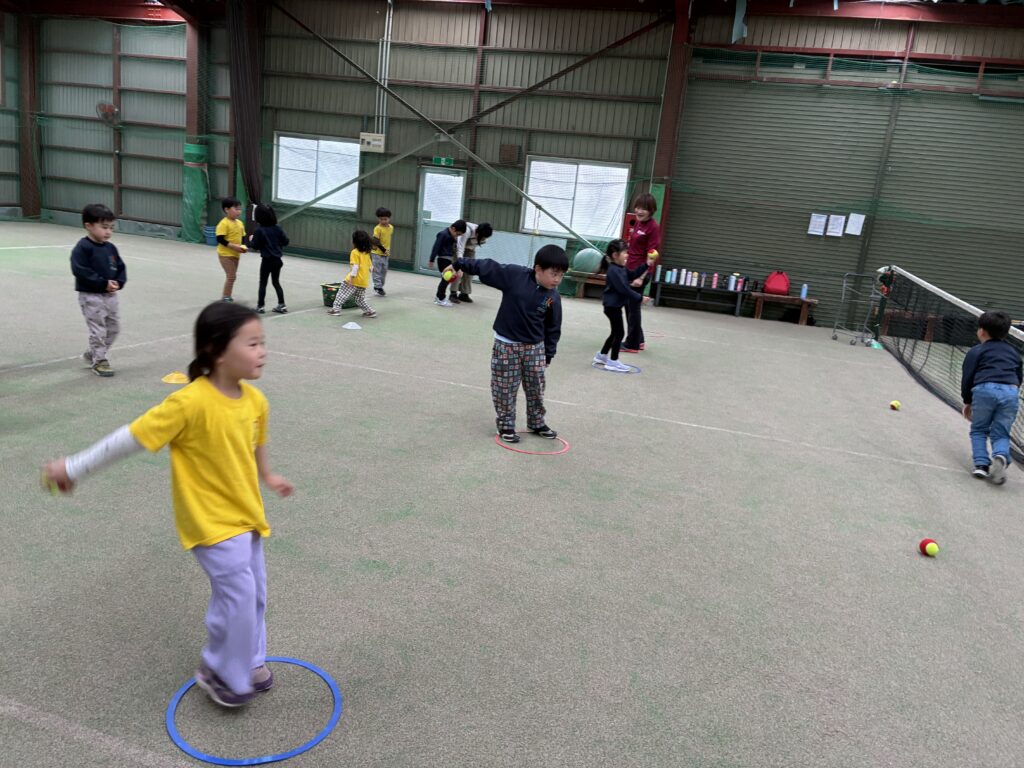
One of the most enjoyable experiences in the Rainforest class is the tennis lesson. Everyone is thrilled to participate and engage in physical activity. They learn how to hit the ball safely while having fun on the court. We eagerly anticipate the day when they can hit the ball independently.
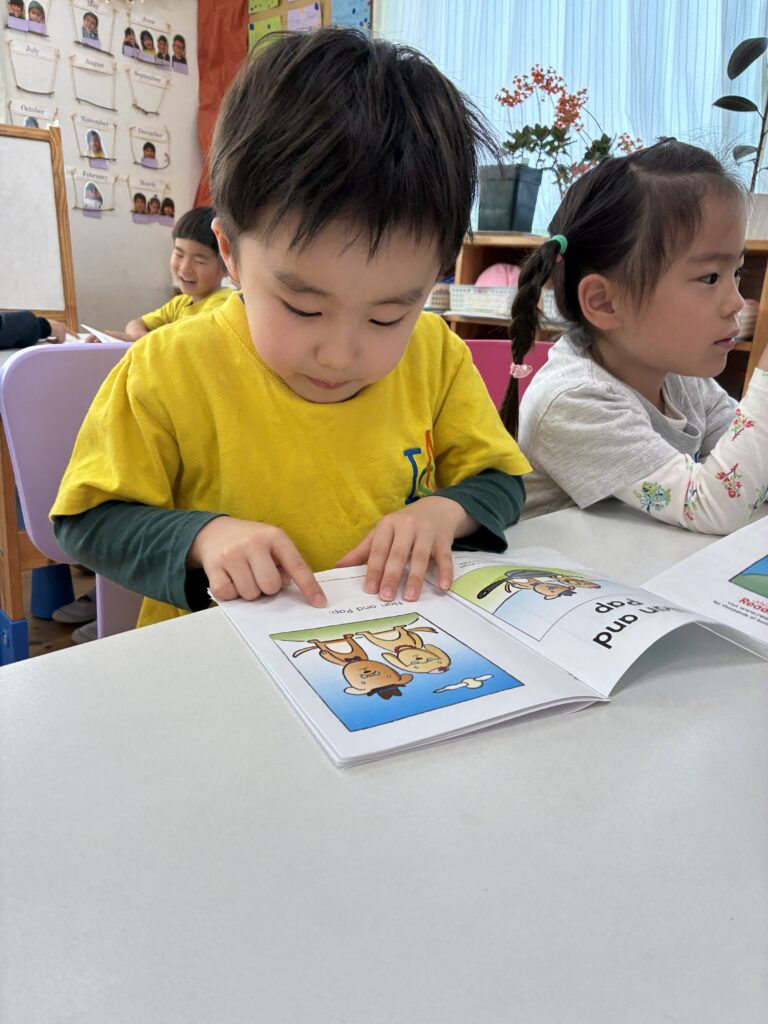
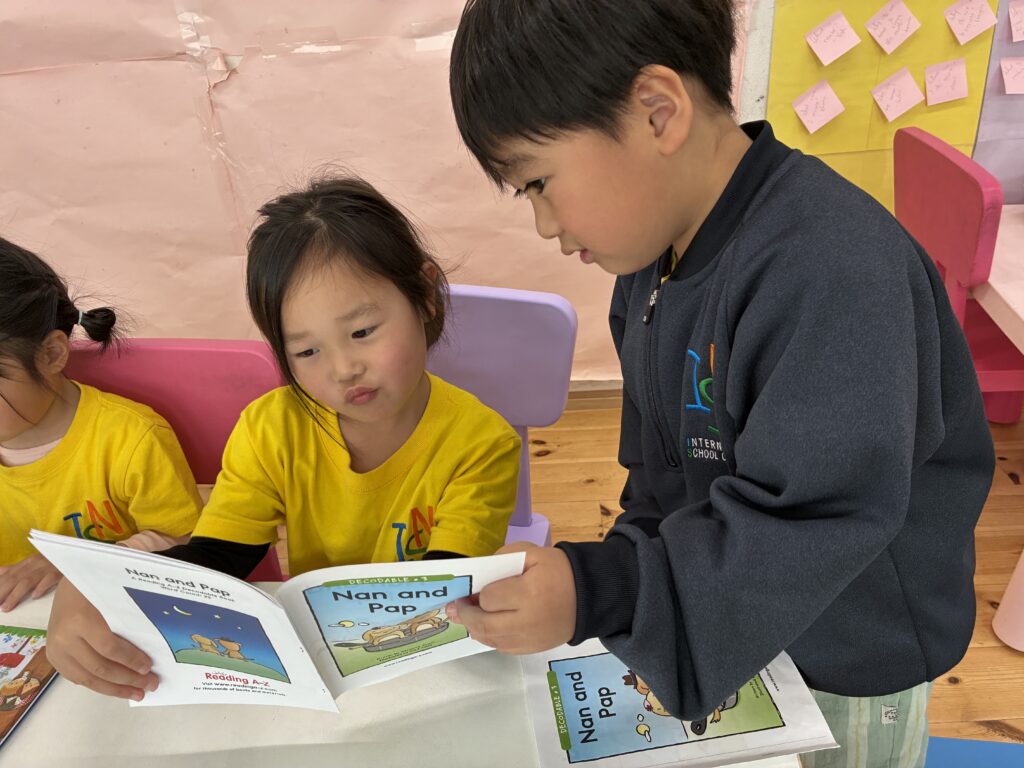
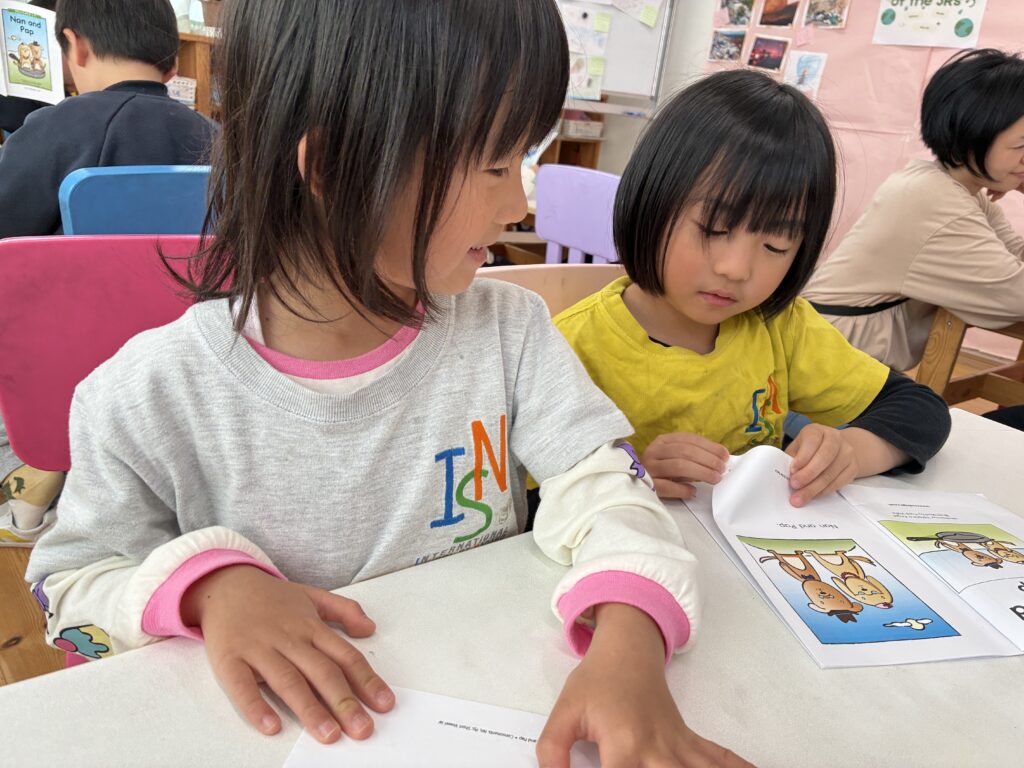
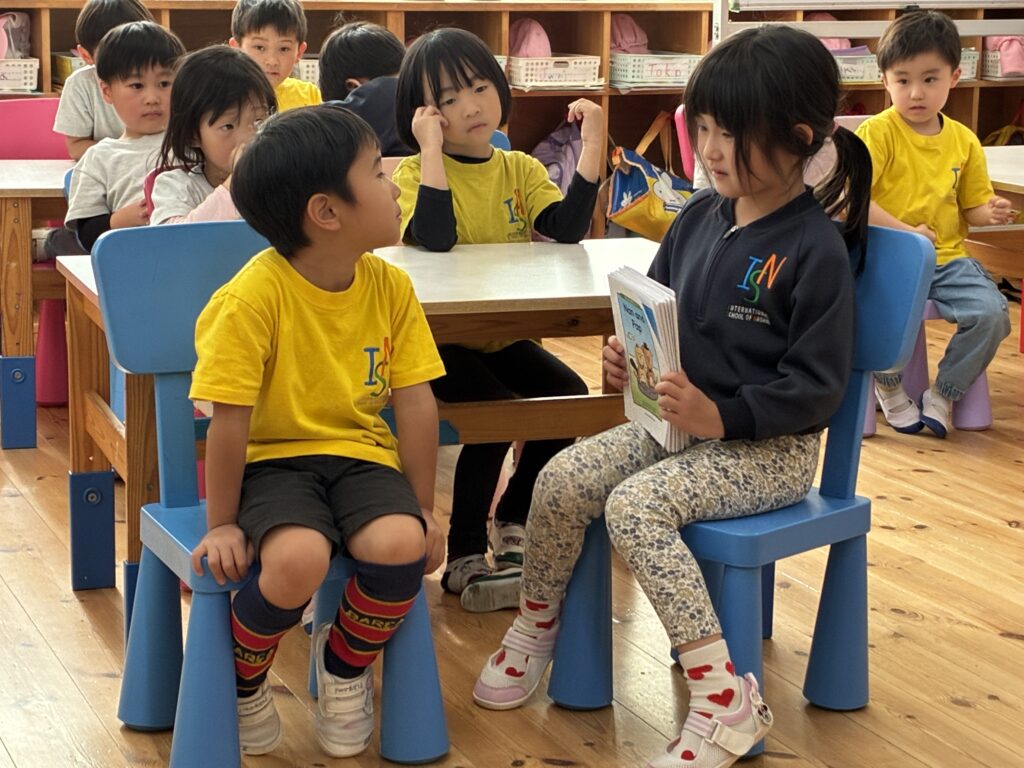
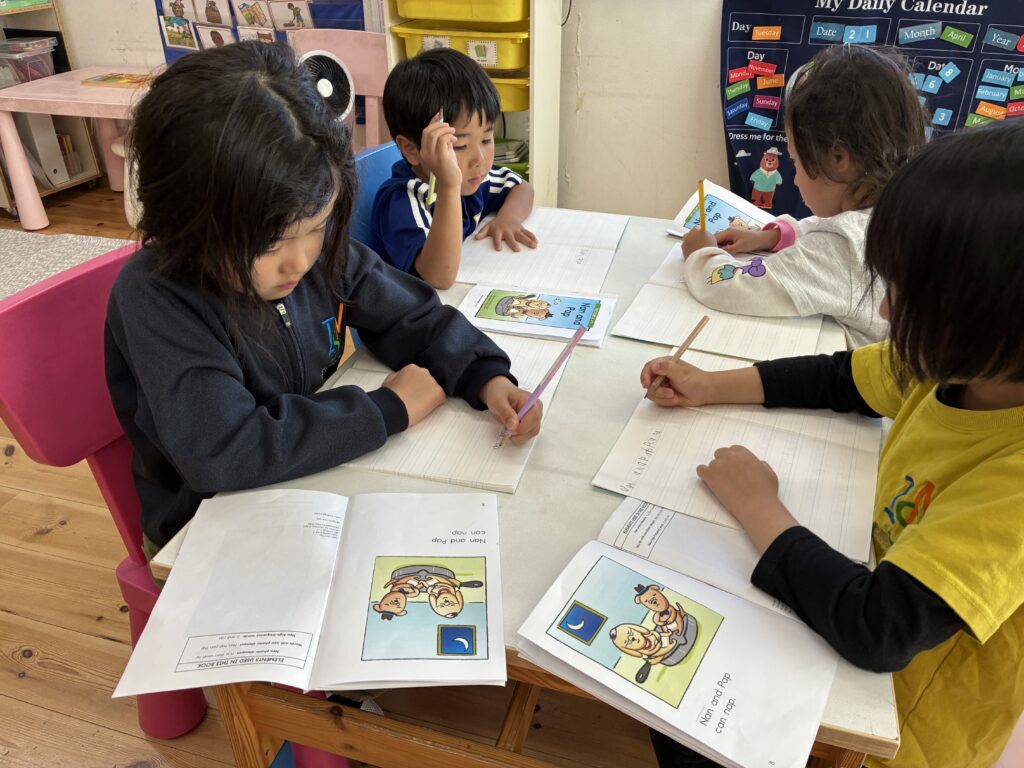
Our young readers are avid readers, and we began introducing them to books that feature high-frequency words with CVC patterns. Beyond reading, we also engage them in writing exercises in their notebooks, preparing them for the eventual task of writing a journal.
Have a lovely rest during the weekend!
