Hello everyone!
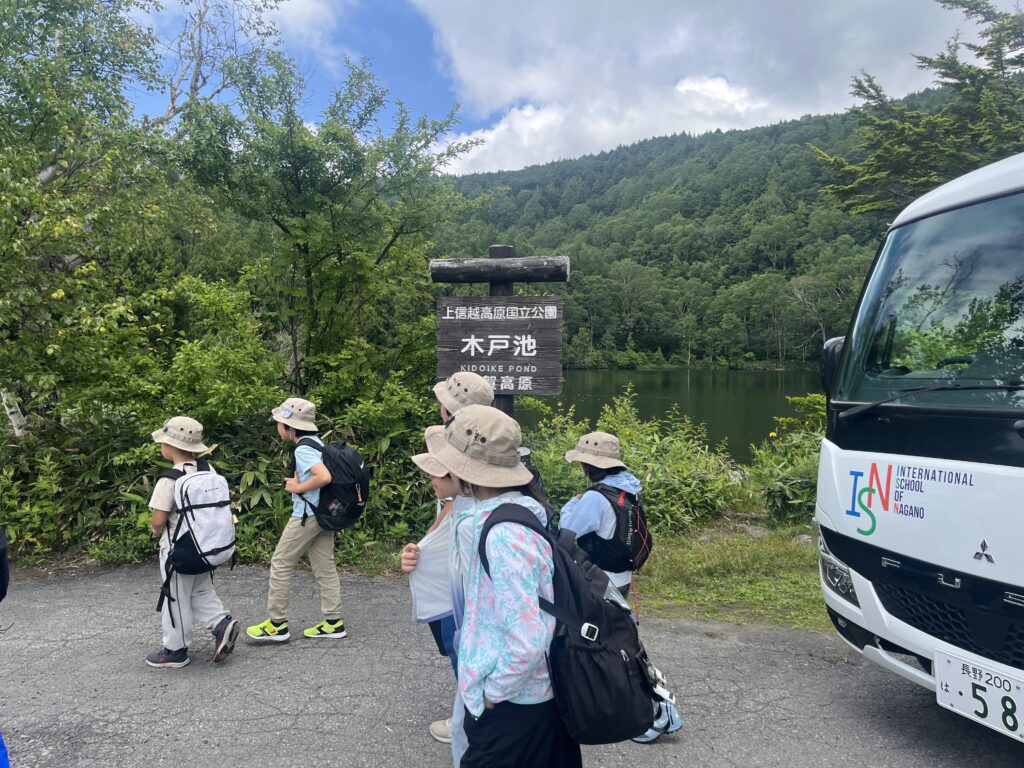
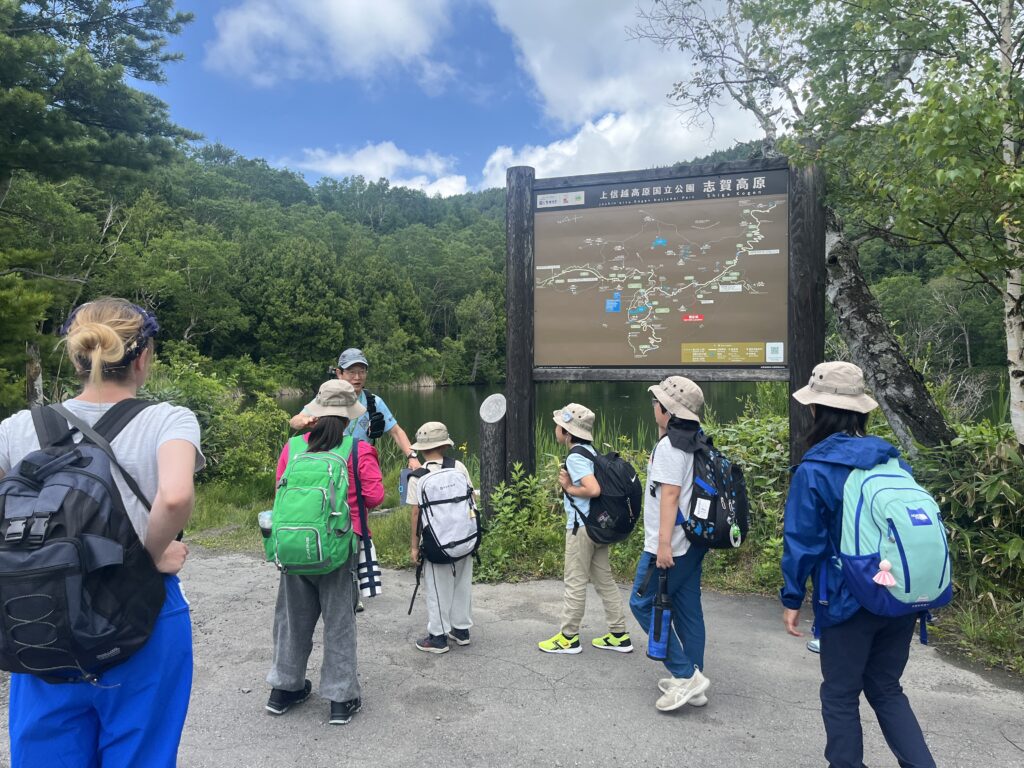
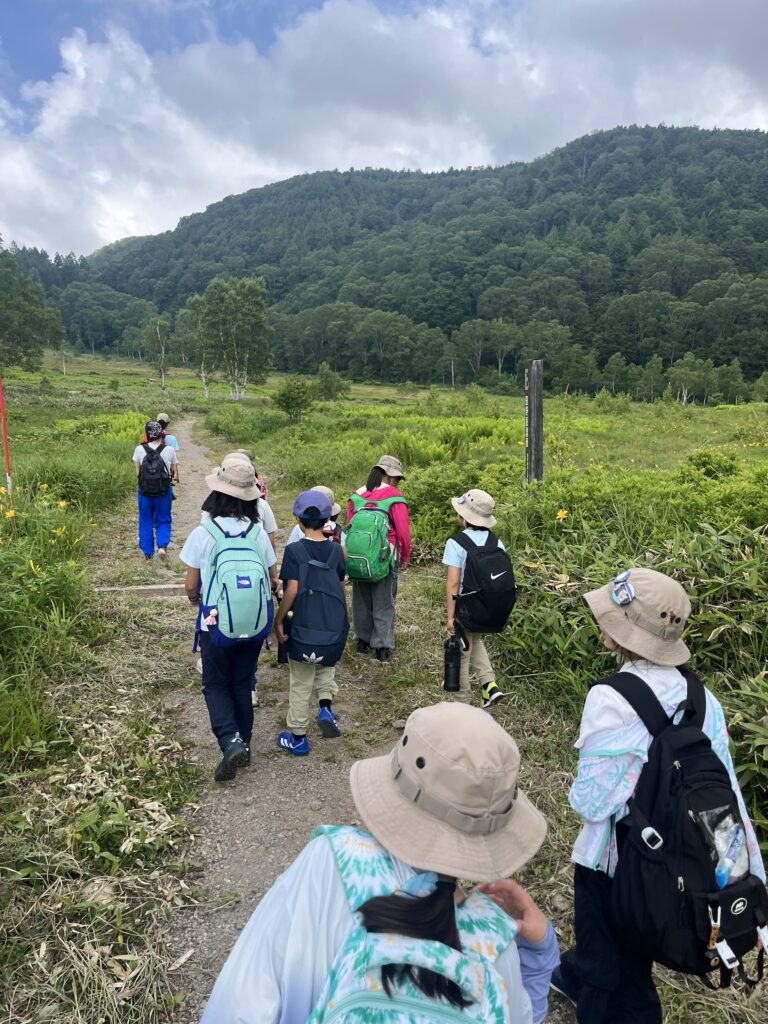
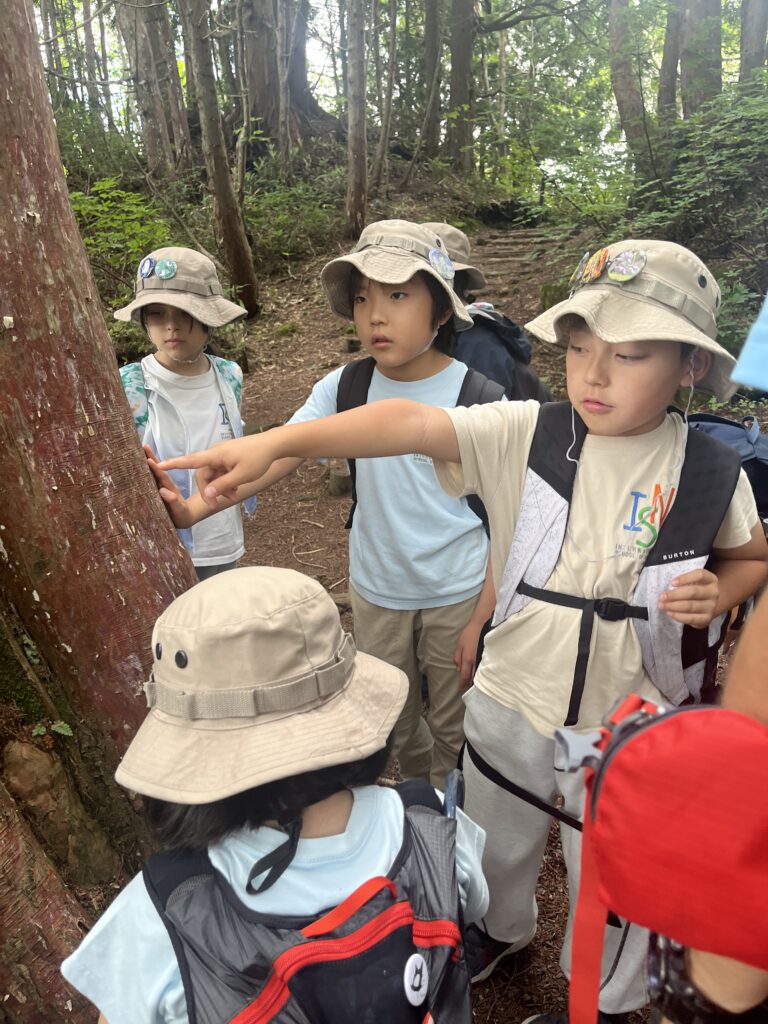
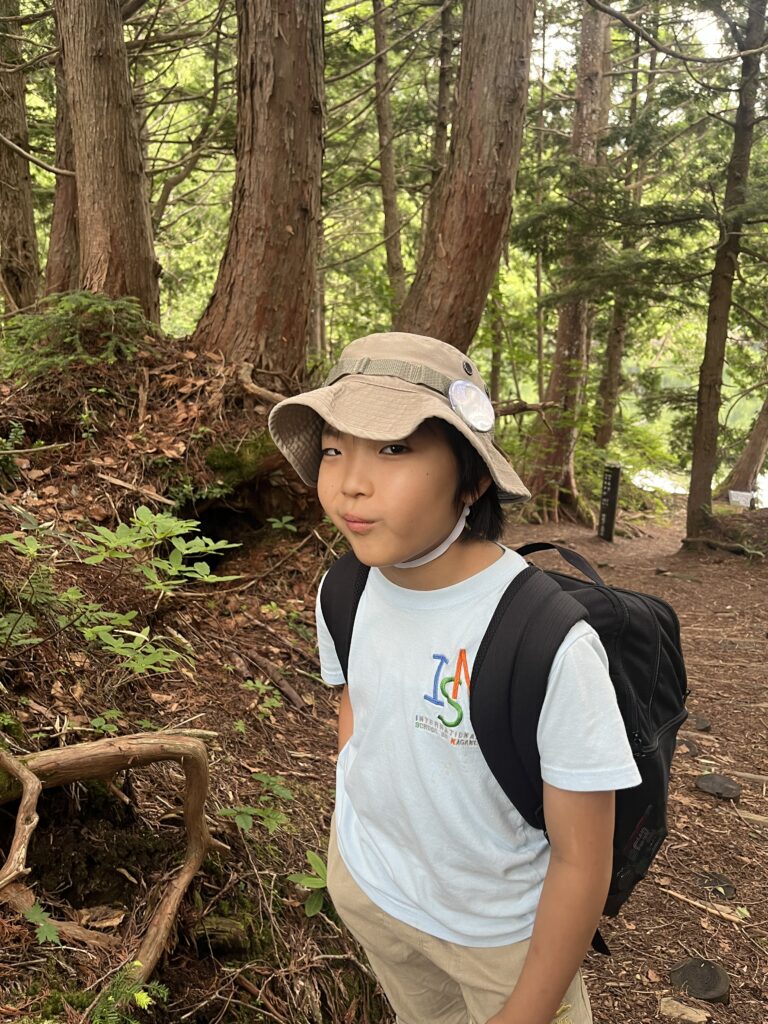
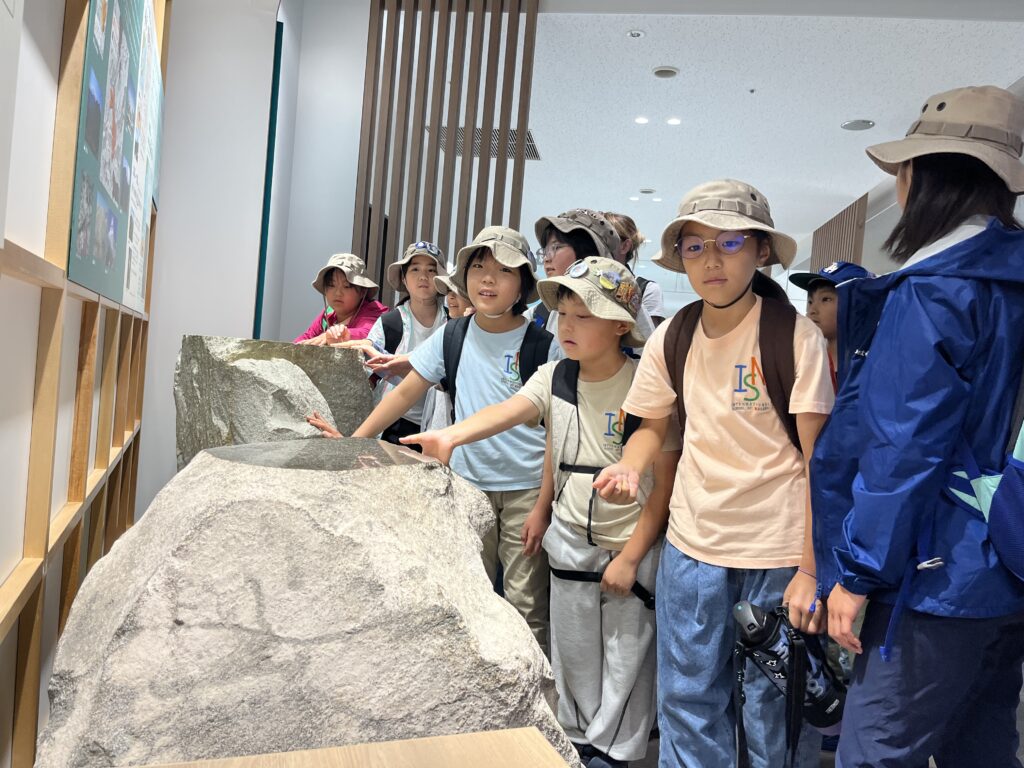
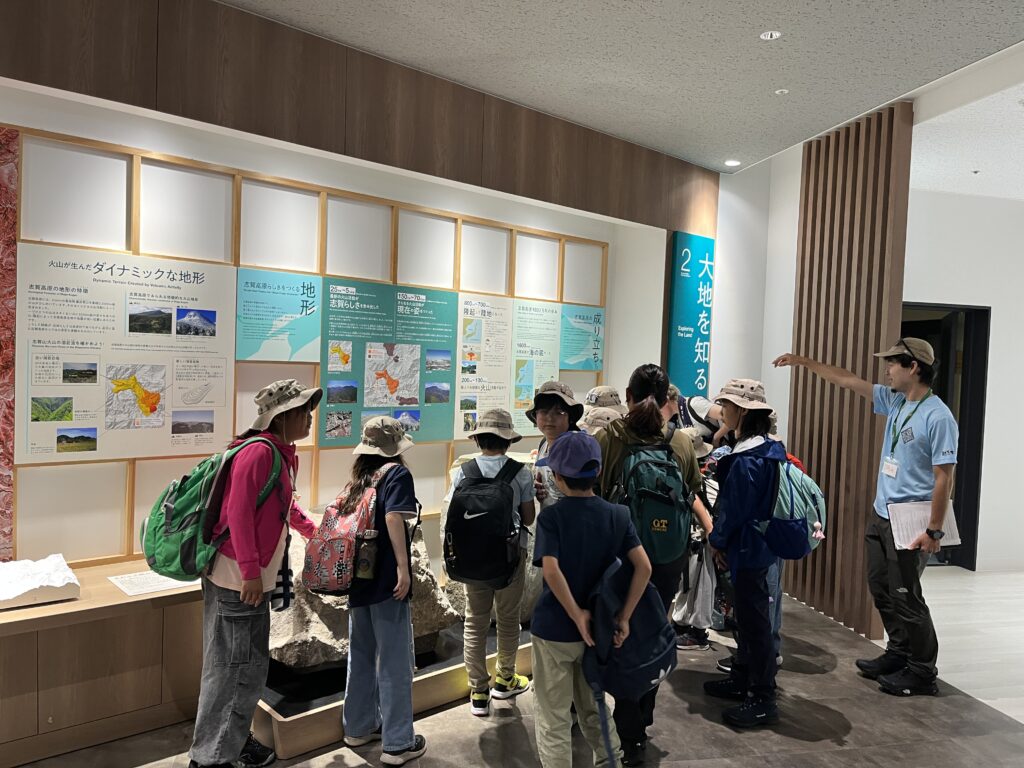
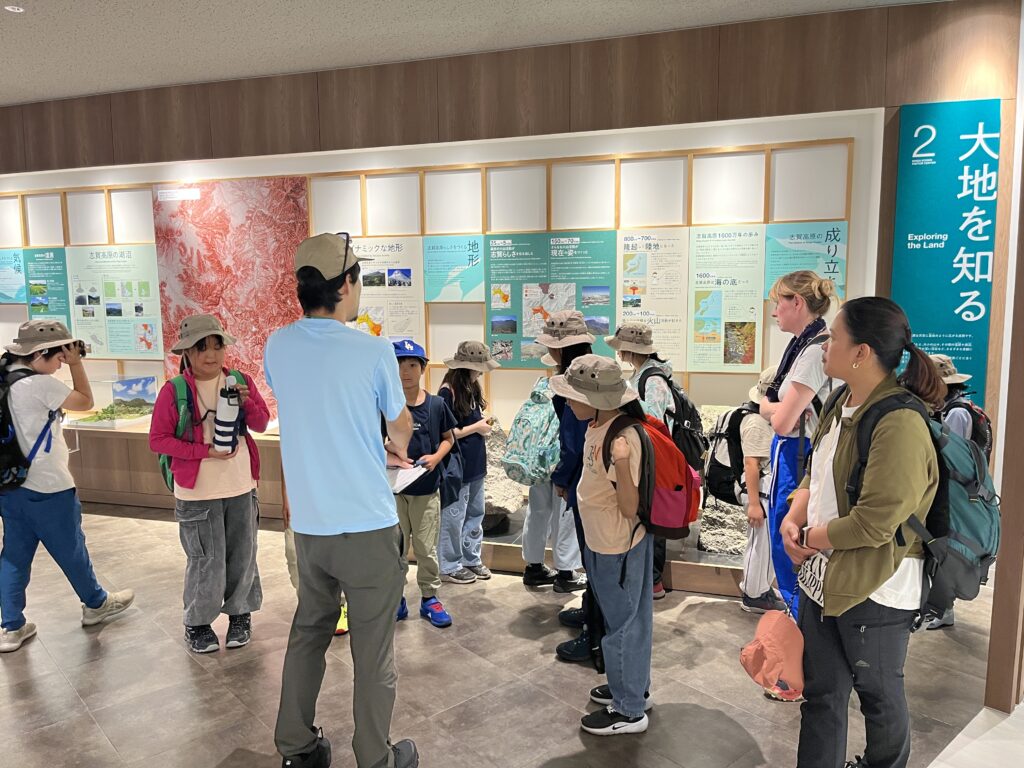
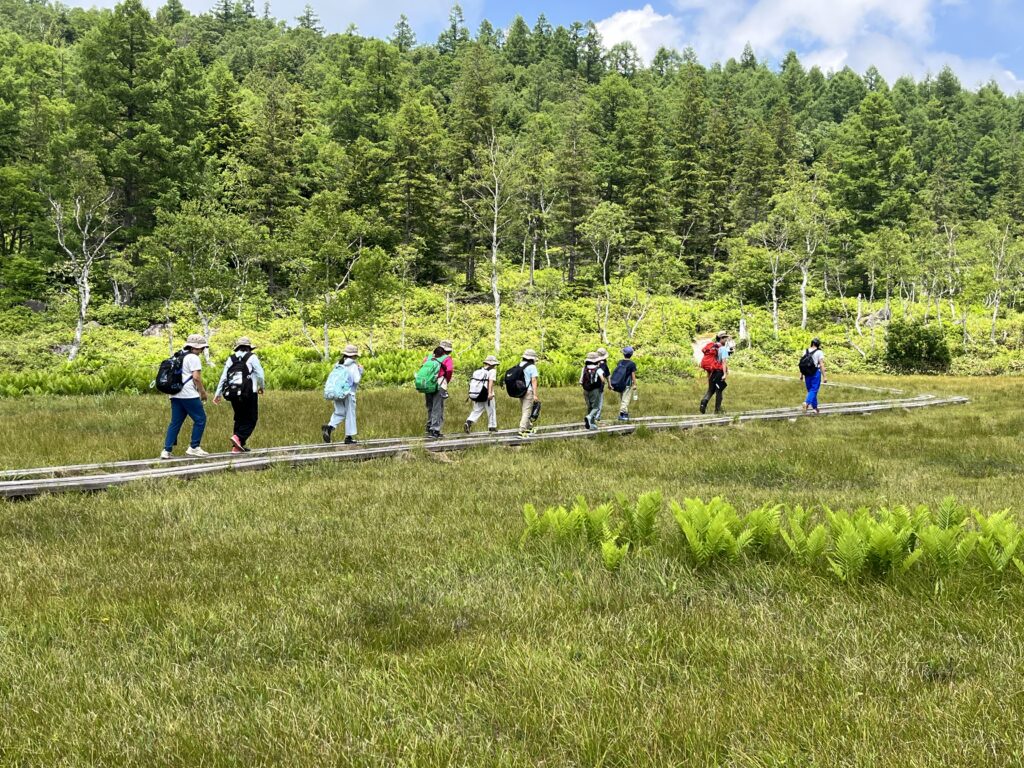
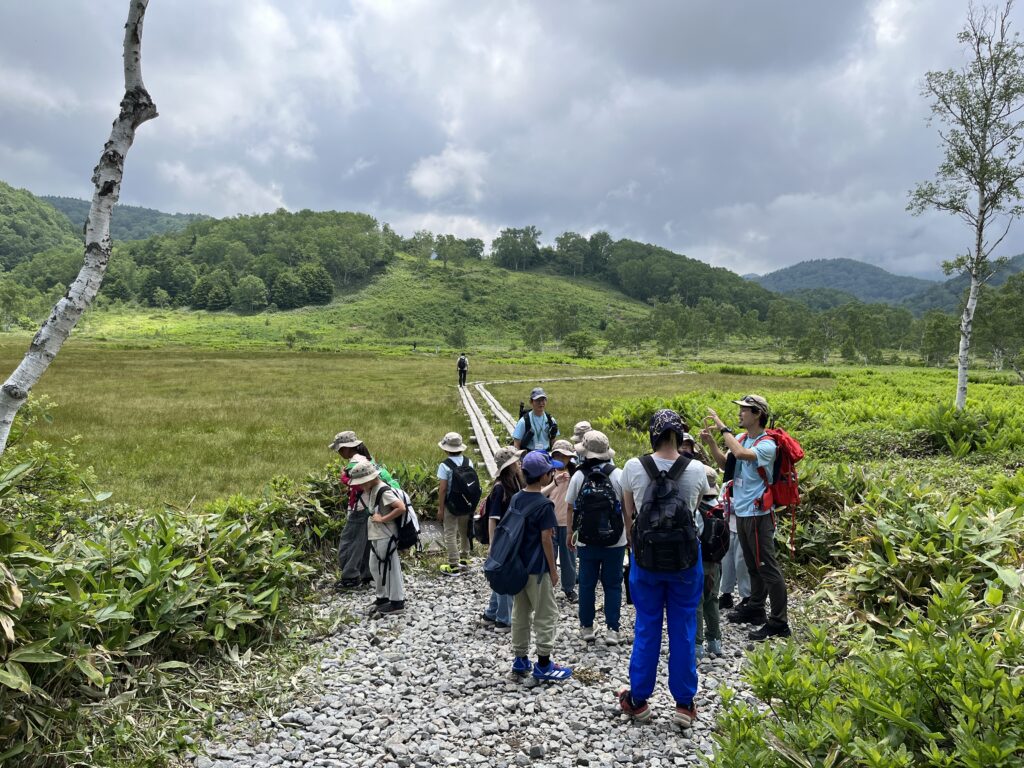
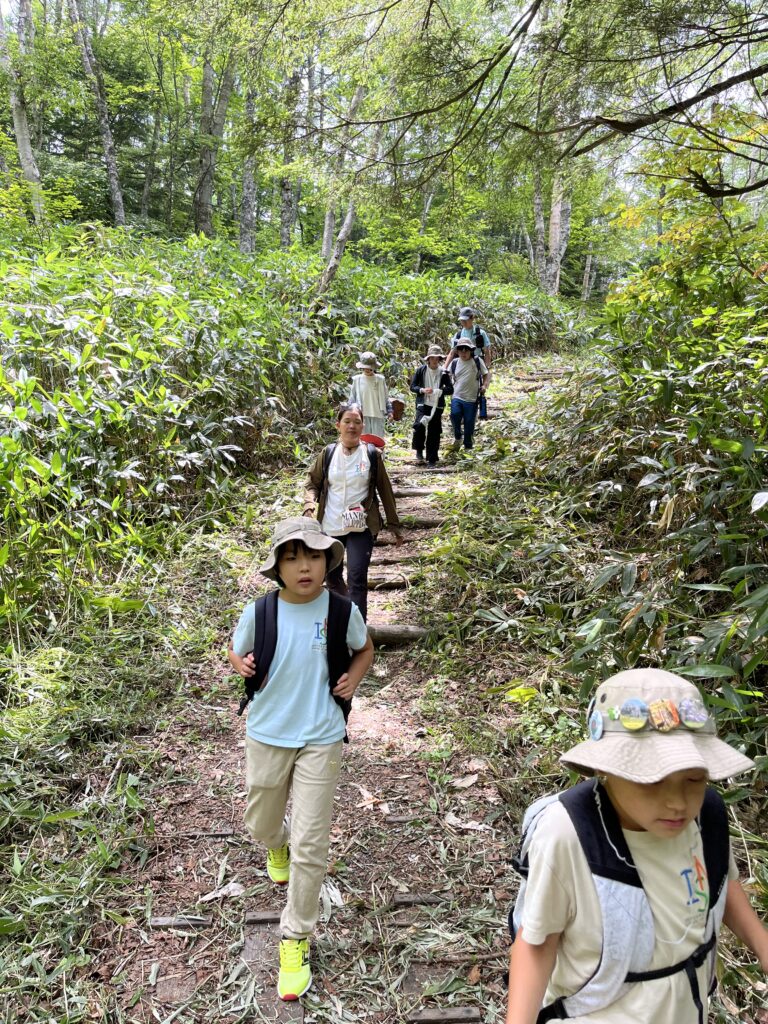
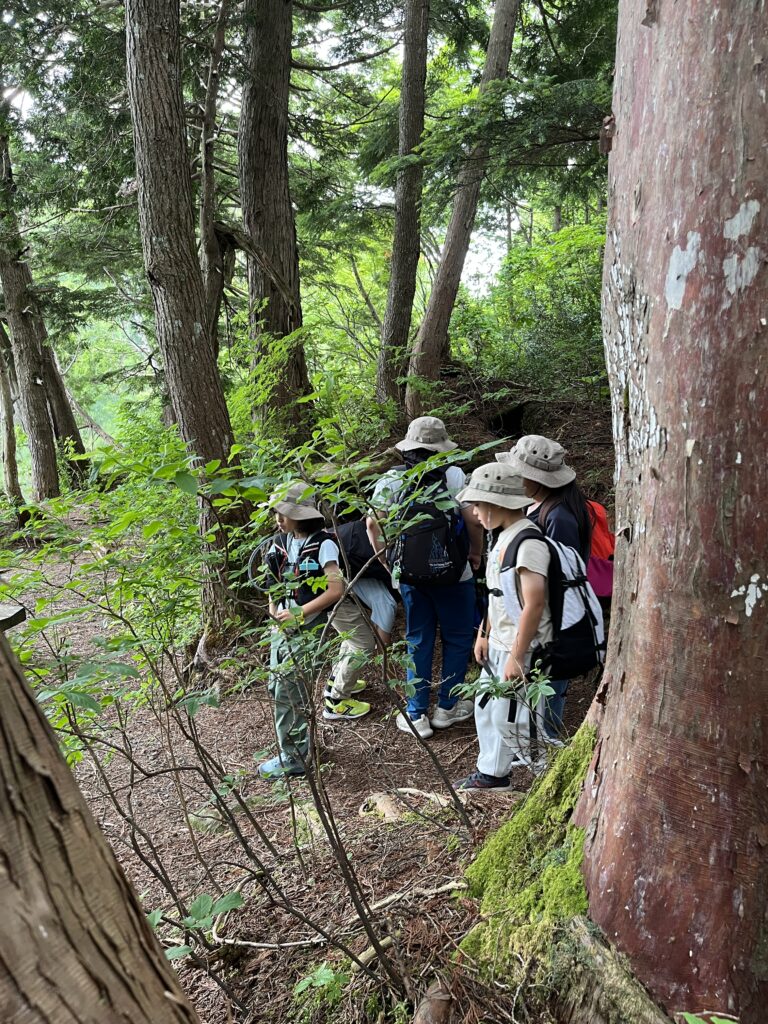
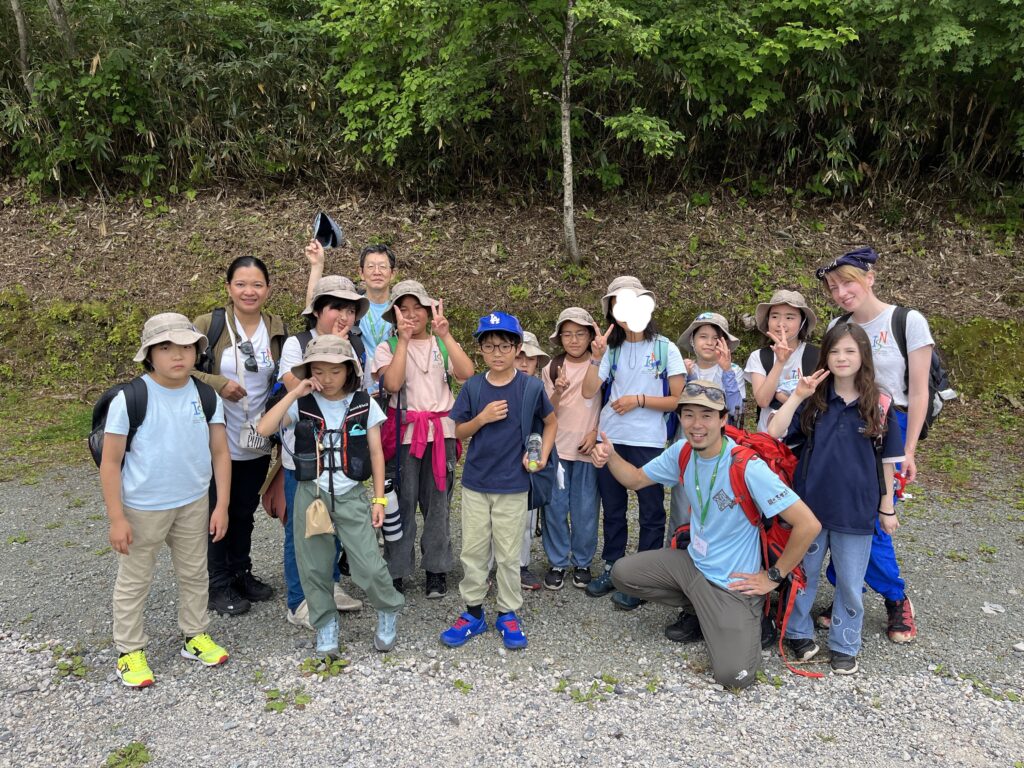
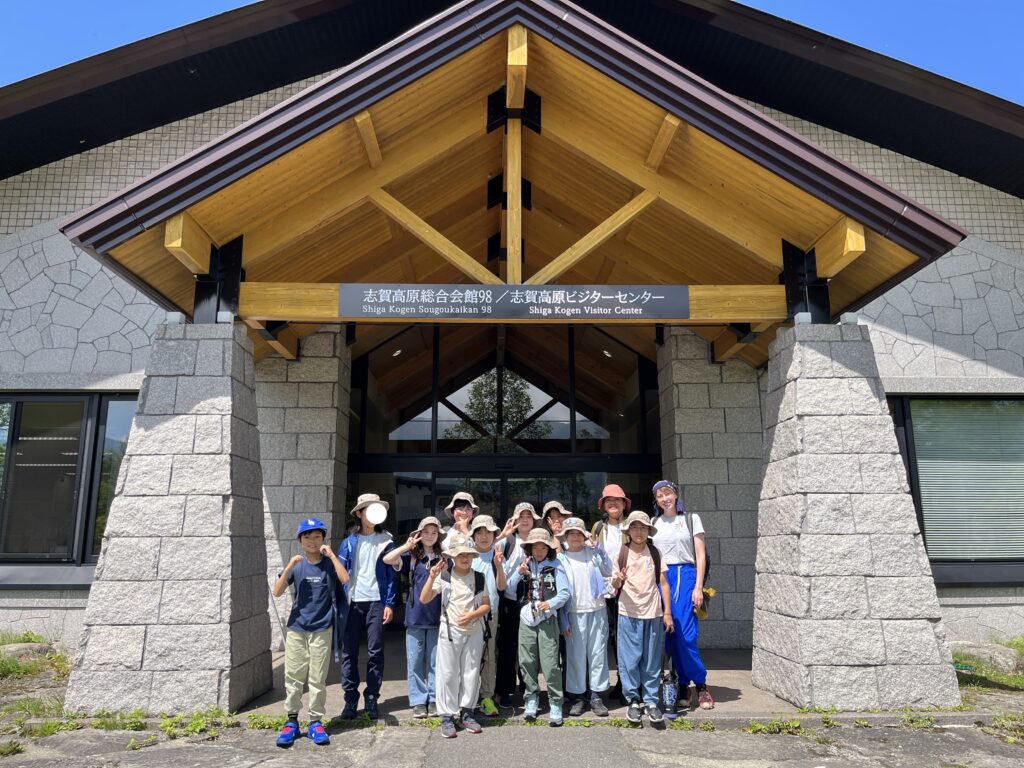
On Thursday, our Grade 5 students enjoyed an exciting day of inquiry at Shiga Kogen UNESCO Ecopark. Before setting off, we brought three big questions with us:
- Why is Shiga Kogen recognised as a UNESCO Ecopark?
- What living things can we find there?
- How do living (biotic) and non-living (abiotic) elements interact with one another?
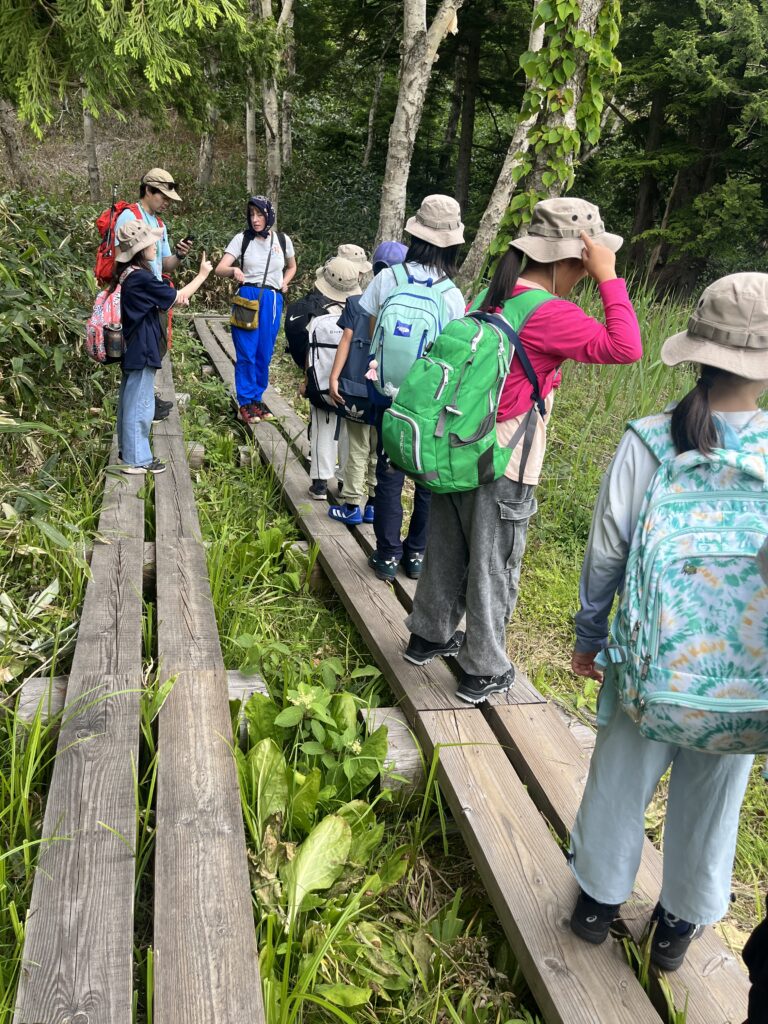
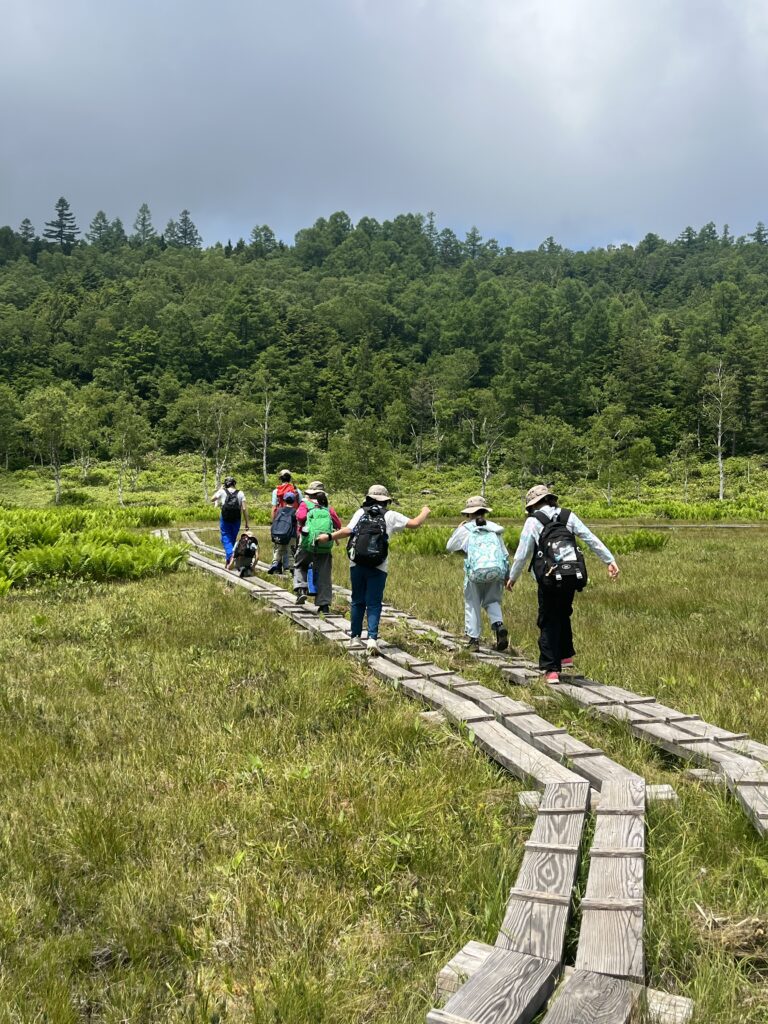
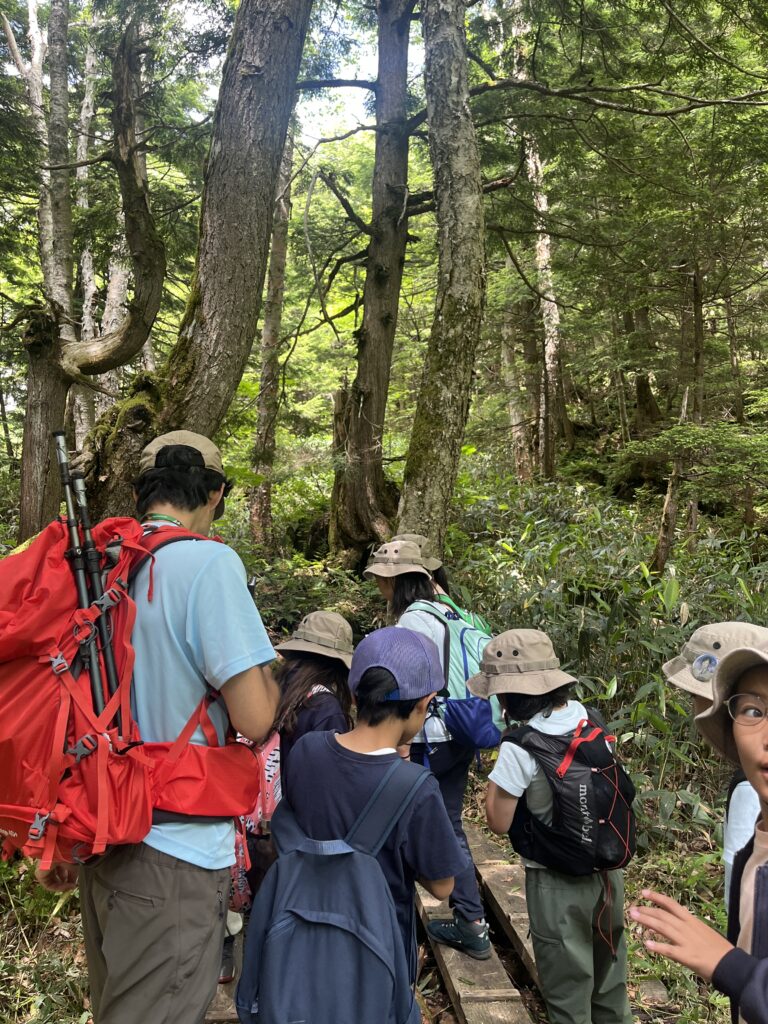
We also wanted to investigate how human activities impact the ecosystem. As we explored the park, we looked for examples of both positive actions, such as conservation efforts and protected boardwalks that help preserve delicate habitats, and negative impacts, such as litter, habitat disturbance, or damage caused by people not respecting the environment.
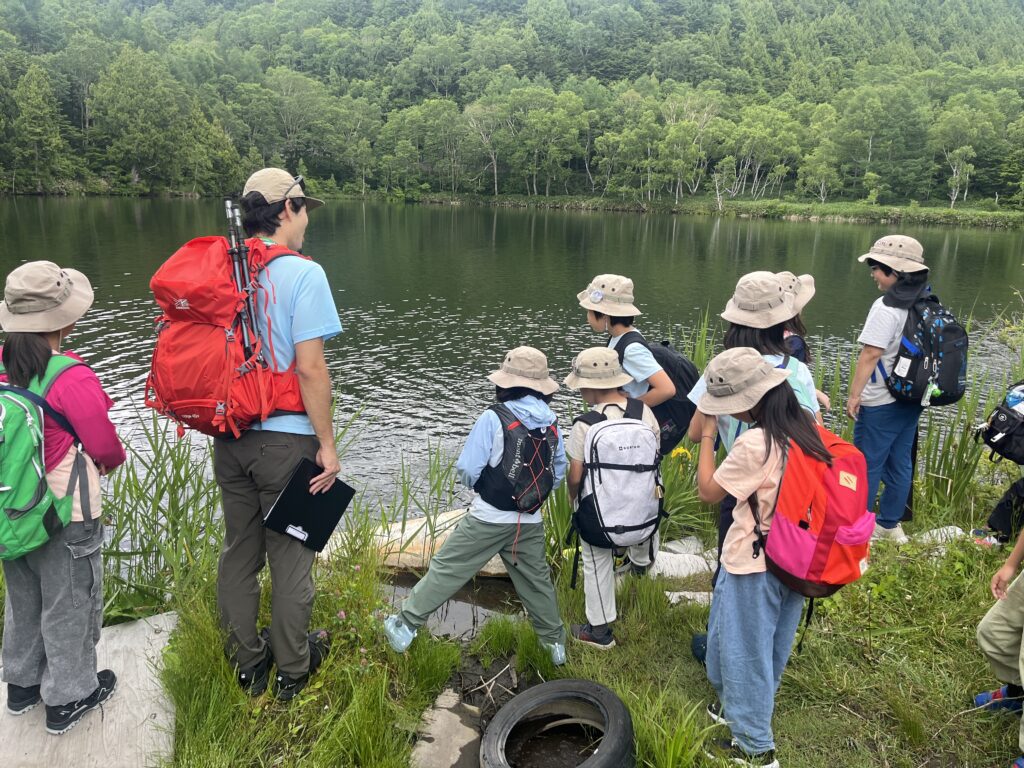
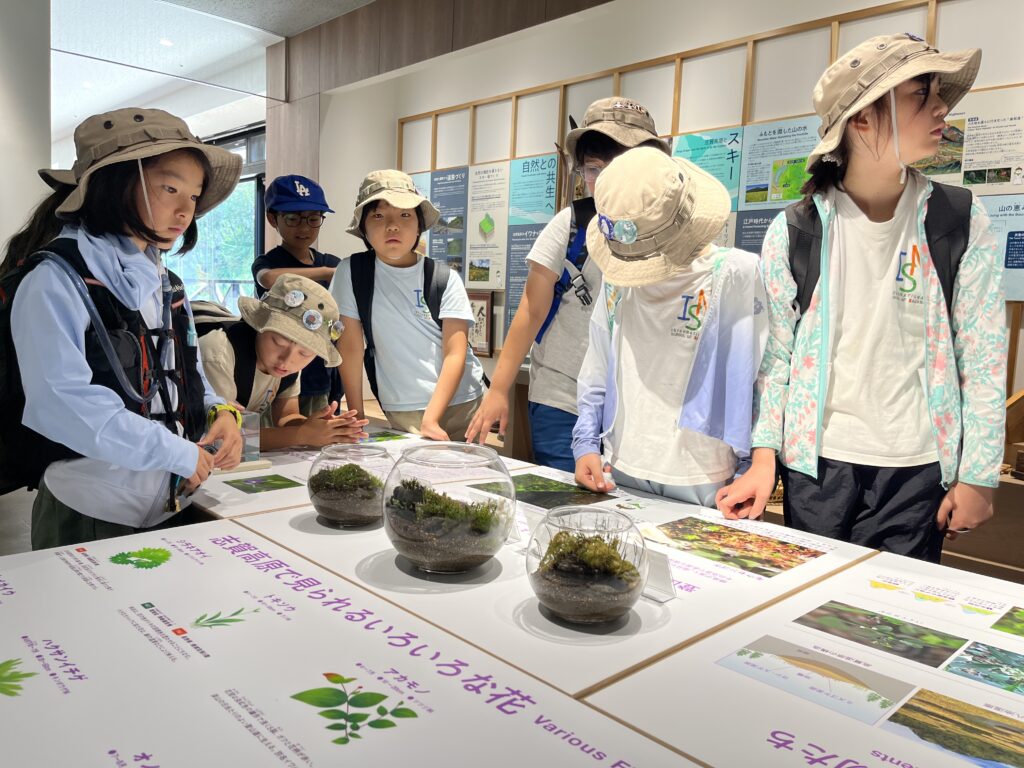
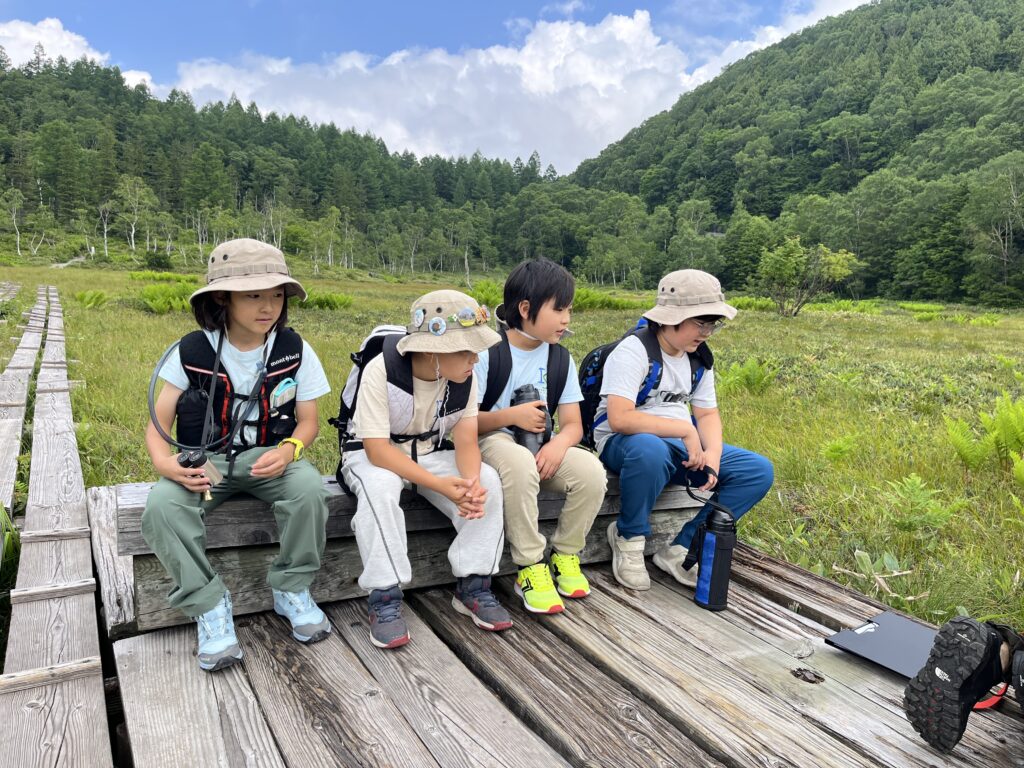
To help answer these questions, we each brought our field notebooks to record our observations, new learning, sketches, and reflections throughout the day. It was wonderful to see the students thinking like real scientists as they carefully observed the environment and asked thoughtful questions.
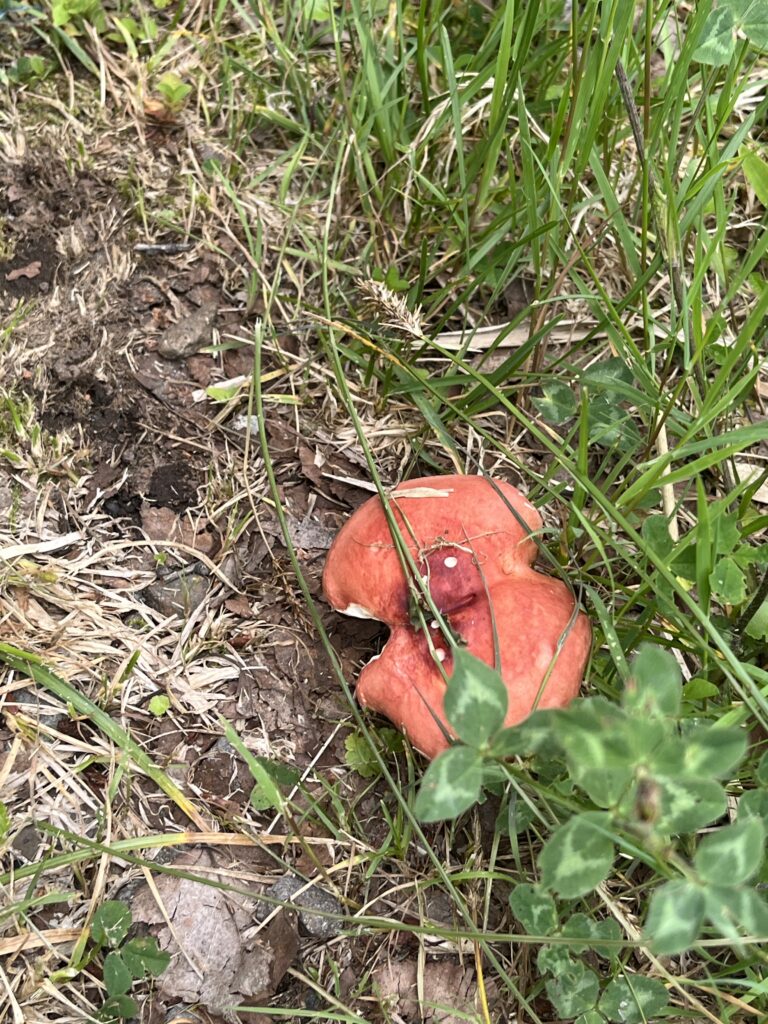
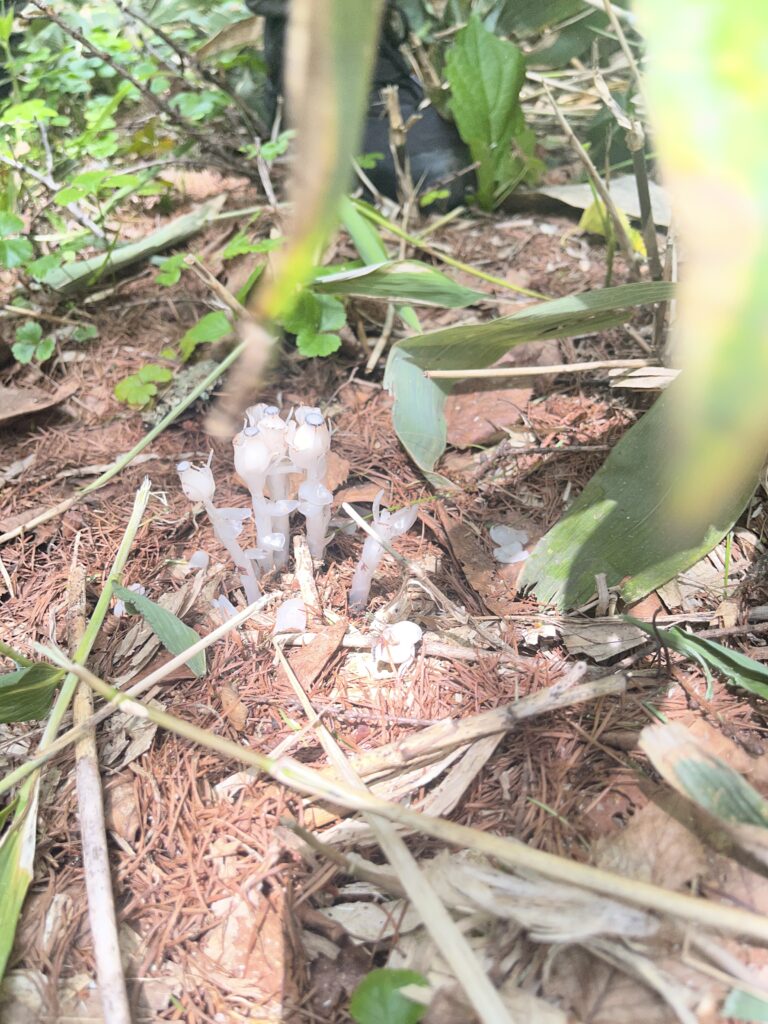
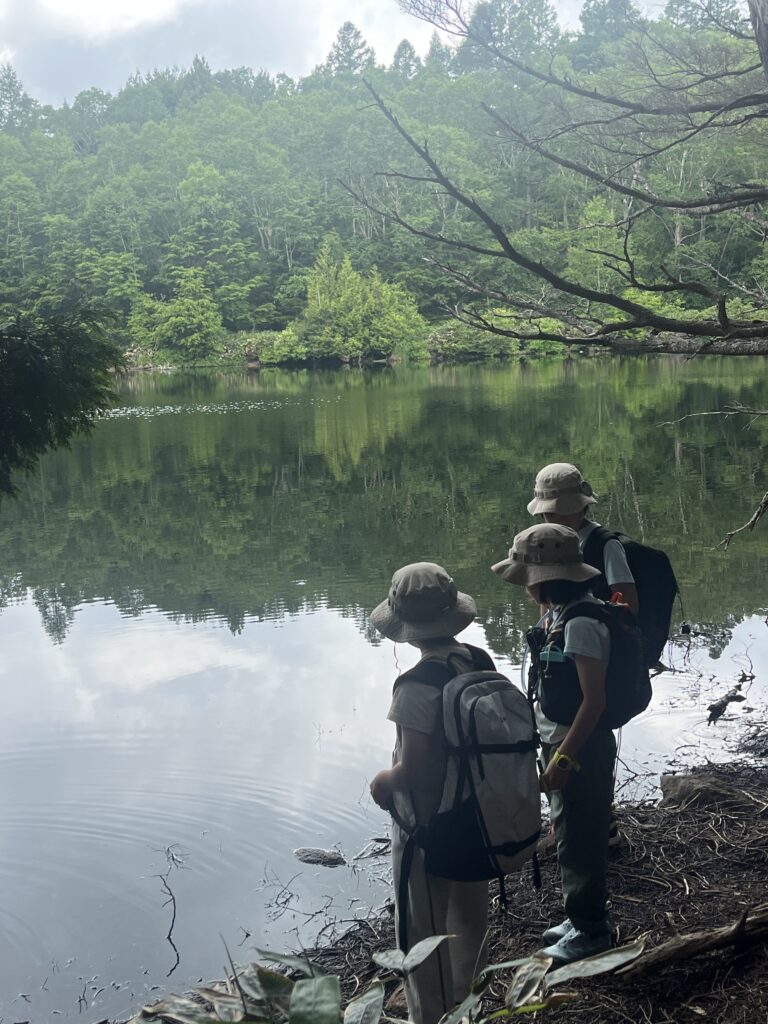
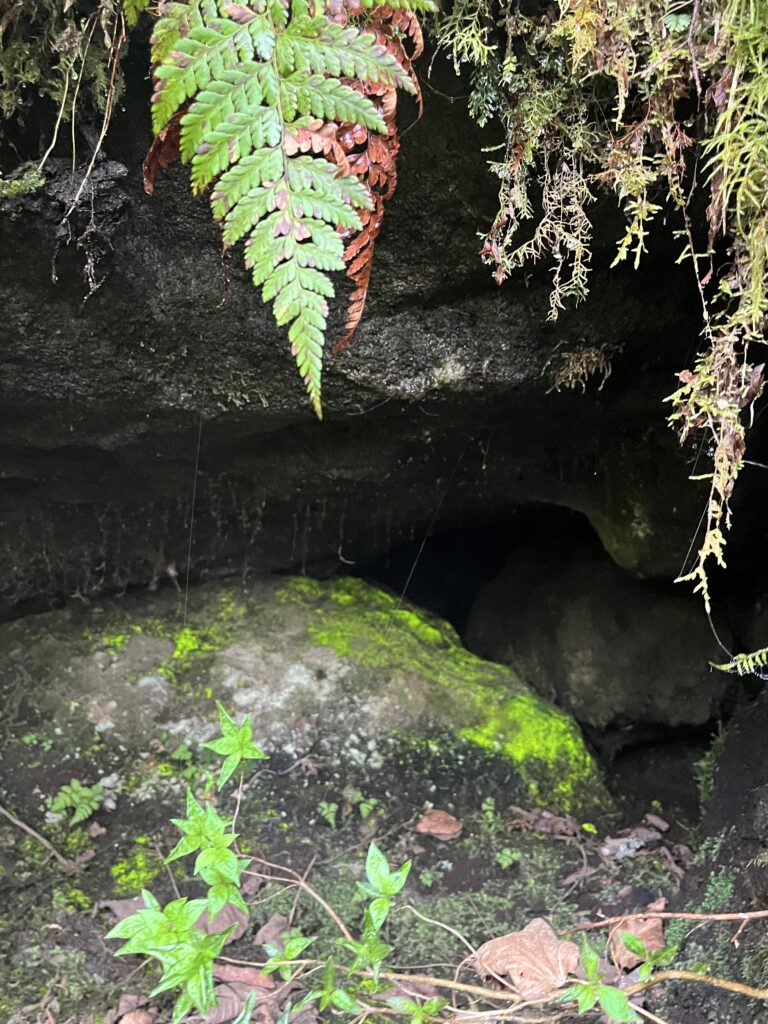
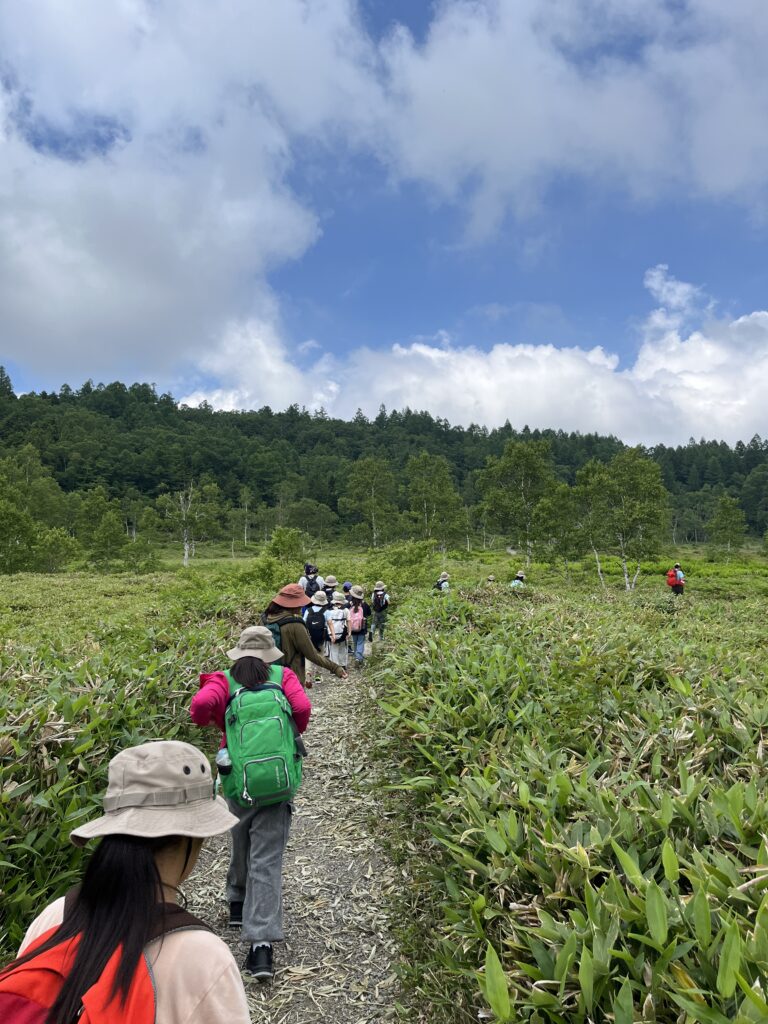
As we explored the cool mountain forests and wetlands, we quickly discovered why this area is so special. We found an amazing variety of living things, including towering trees, colourful fungi, insects, mosses, and even the mysterious white ghost plant. At the same time, we noticed how important the non-living elements—such as clean water, volcanic rocks, rich soil, sunlight, and the cool mountain climate—are in supporting life.
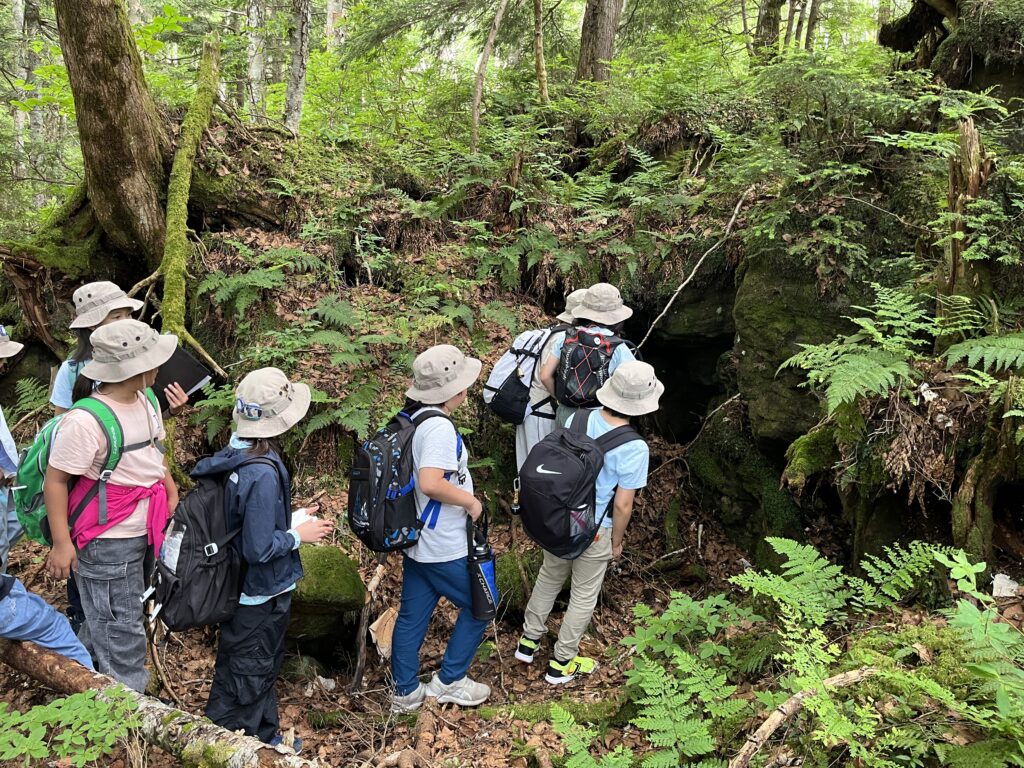
One of the highlights was learning about the incredible moss that carpets the forest floor. Some species grow at a rate of only one millimetre each year, meaning that moss just a few centimetres thick may have taken over 100 years to develop. This helped us understand why visitors must stay on the boardwalks and carefully protect this fragile ecosystem.
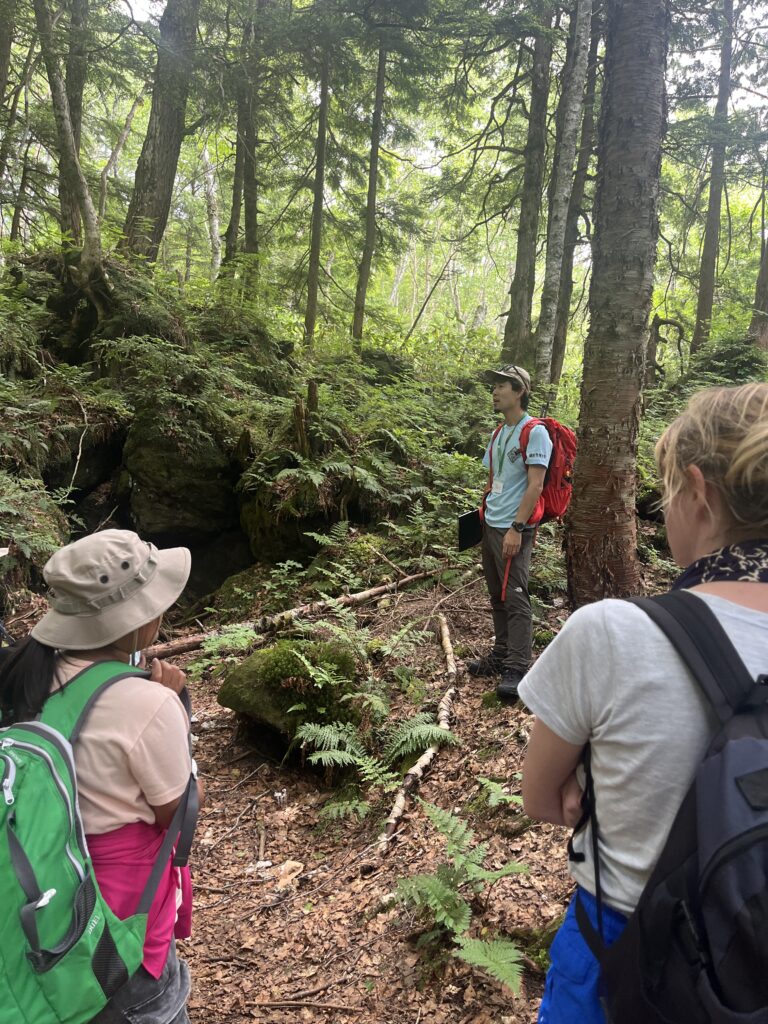
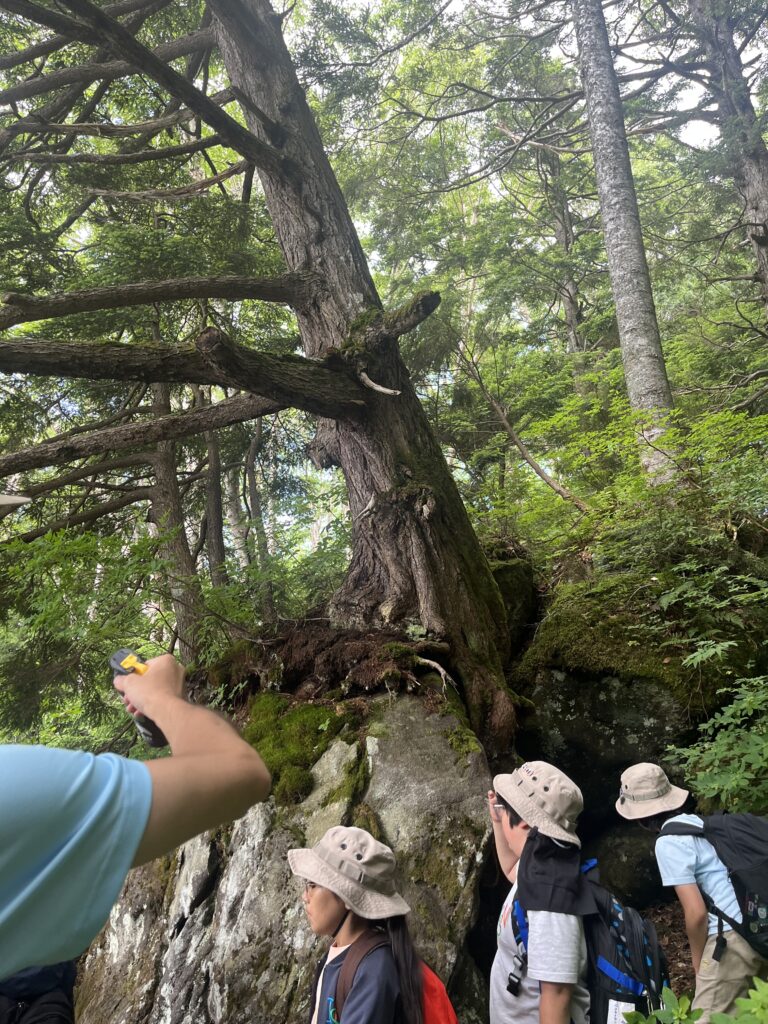
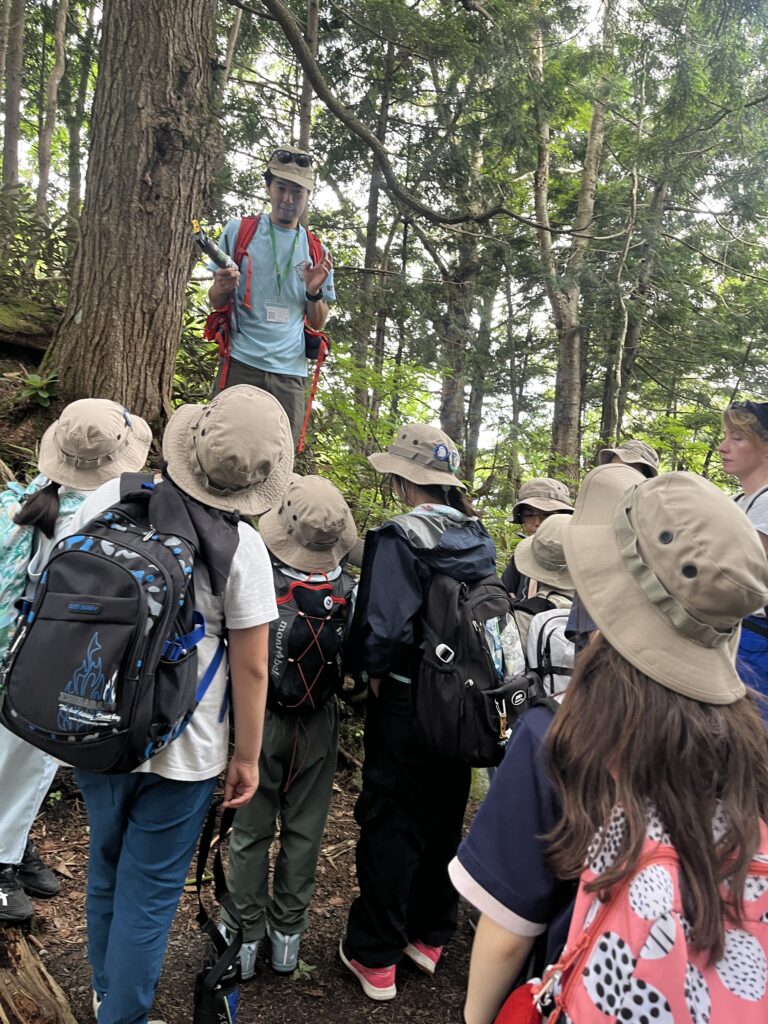
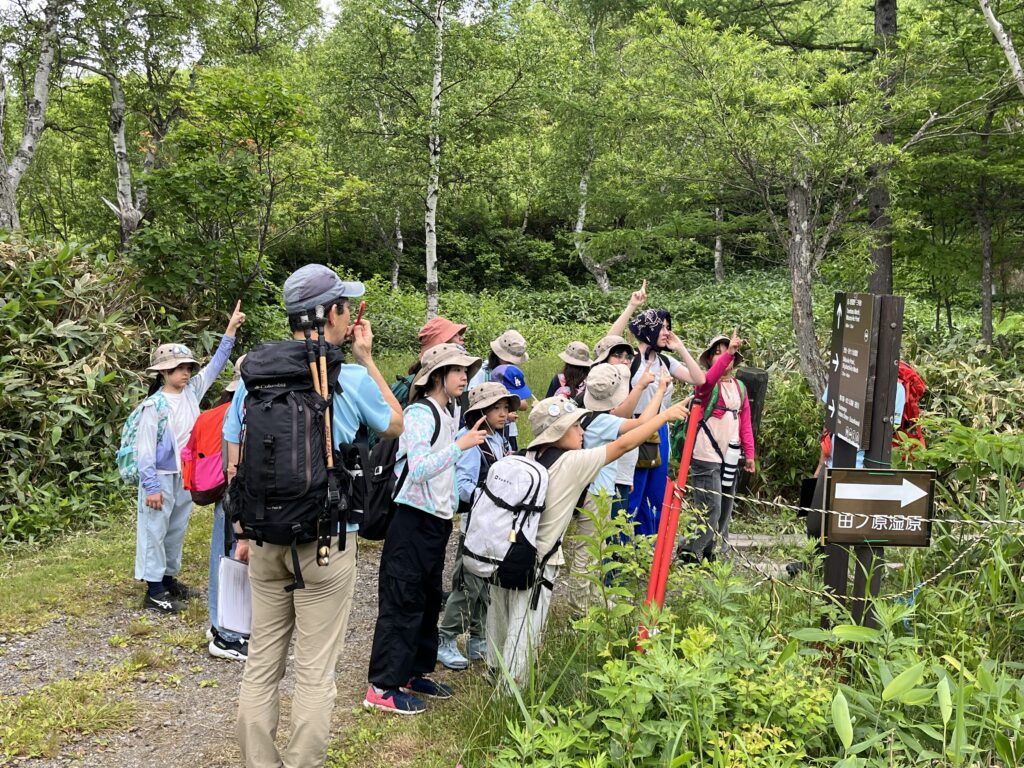
Our guide also showed us how everything in nature is connected. Moss growing on rocks creates a place where seeds can germinate, dead trees provide homes for fungi and insects, and decomposing plants return nutrients to the soil, allowing new life to grow. Seeing these relationships firsthand helped us understand how biotic and abiotic elements depend on one another.
Along the way, we also learned valuable outdoor safety tips, such as recognising dead trees, identifying poisonous plants like Torikabuto (monkshood), and understanding how to safely enjoy nature while respecting the wildlife that lives there.
After returning to school, we reflected on our learning and realised that Shiga Kogen is protected not only because it is beautiful, but because it is a unique ecosystem where people can learn how nature works and why conservation is so important.
We encourage you to ask your child about what they wrote in their field notebook and what discovery amazed them the most. We are sure they have many wonderful stories to share!
This memorable experience reminded us that the more we understand nature, the more inspired we are to protect it for future generations.