Hello everyone!
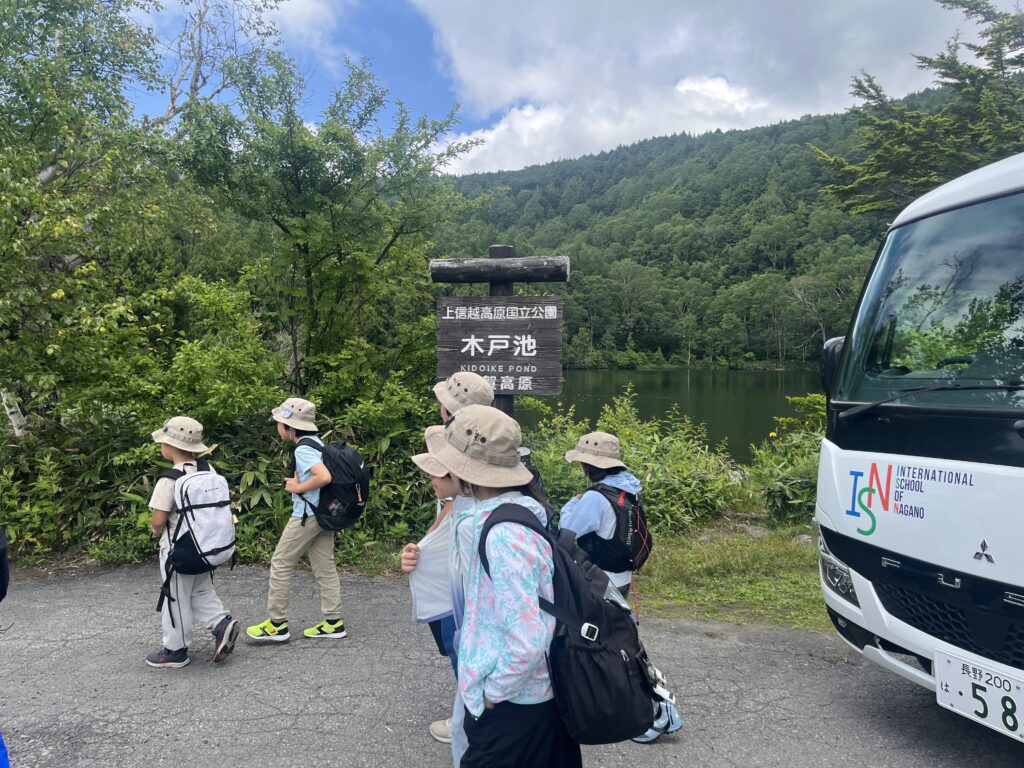
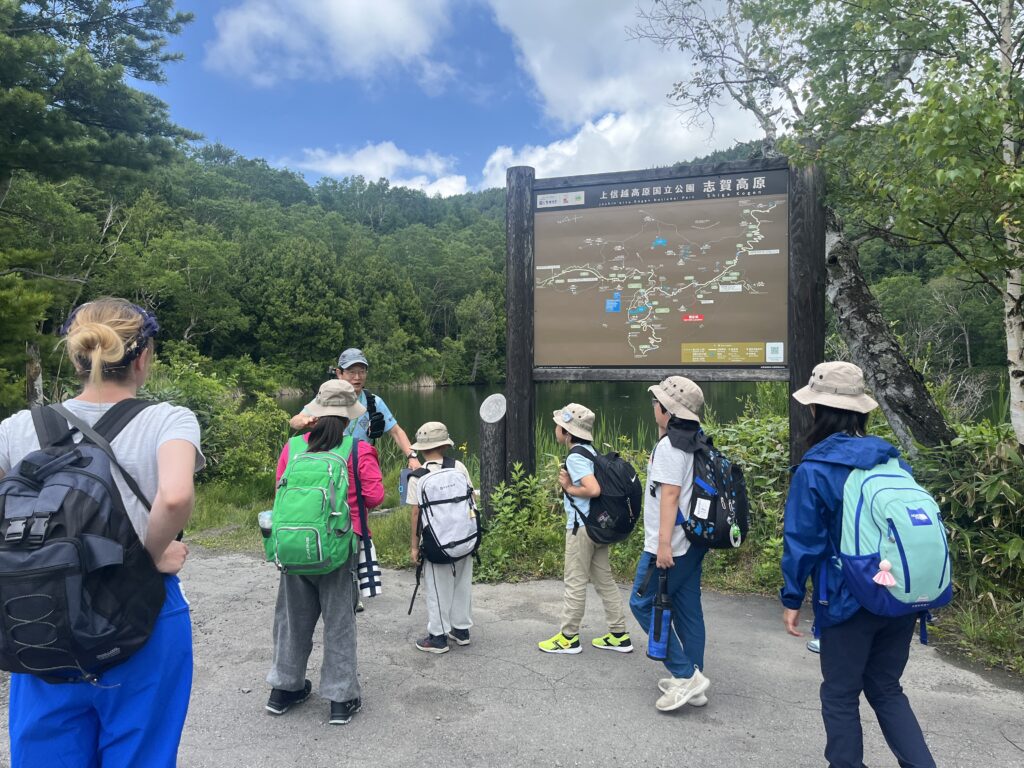
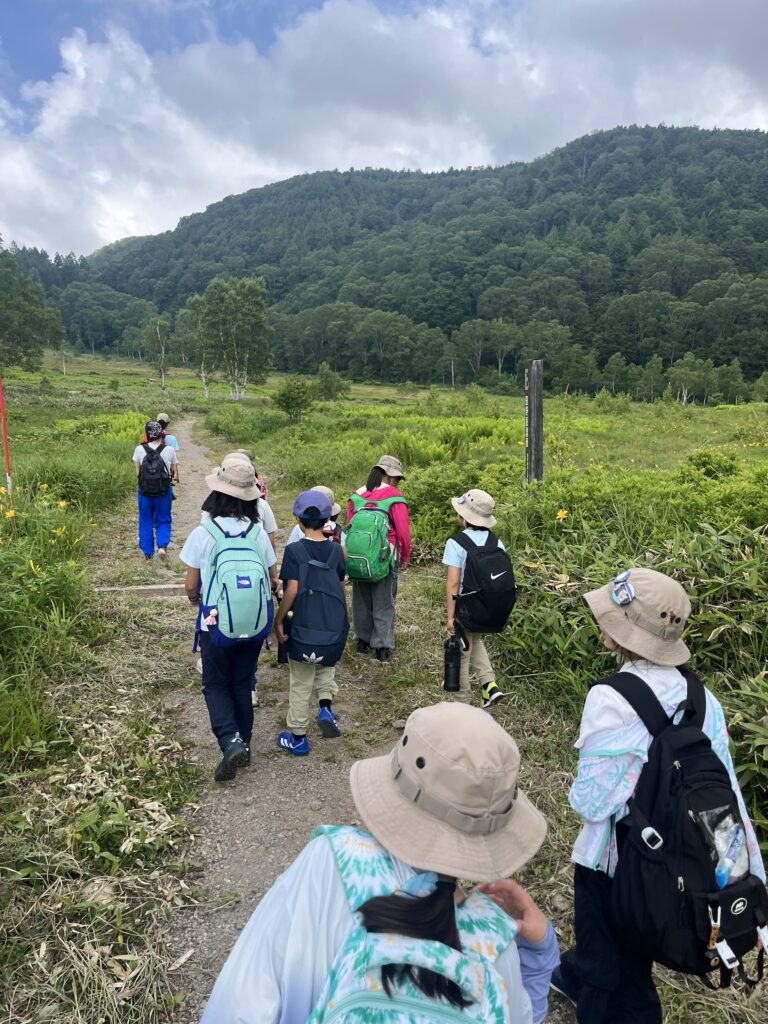
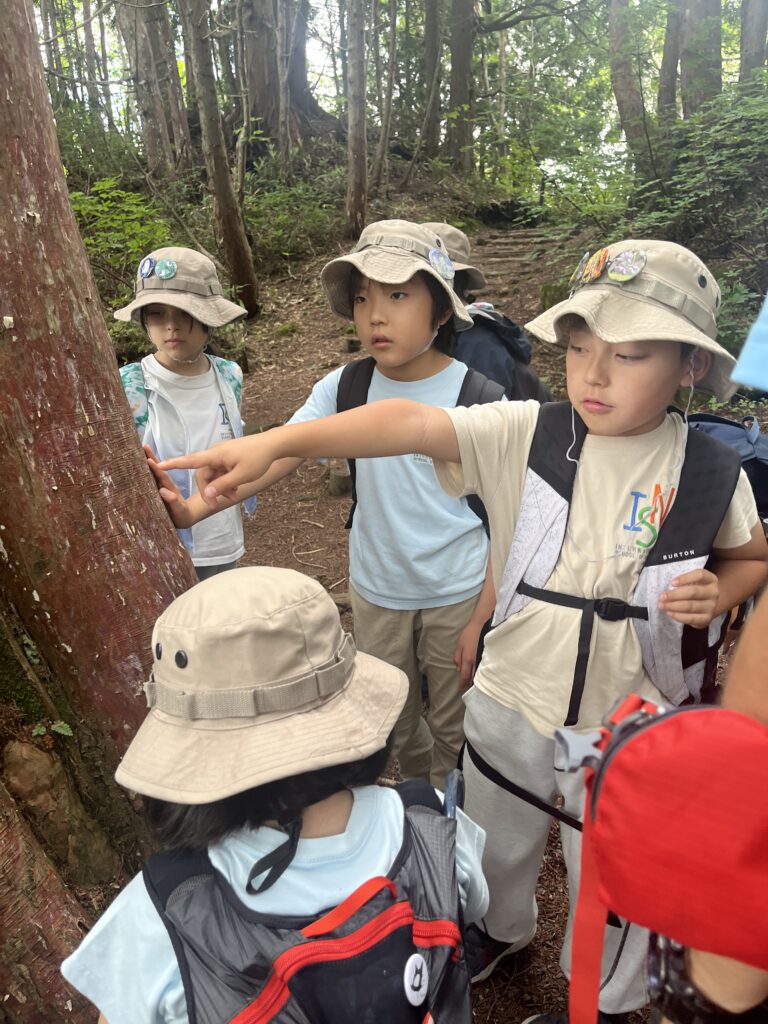
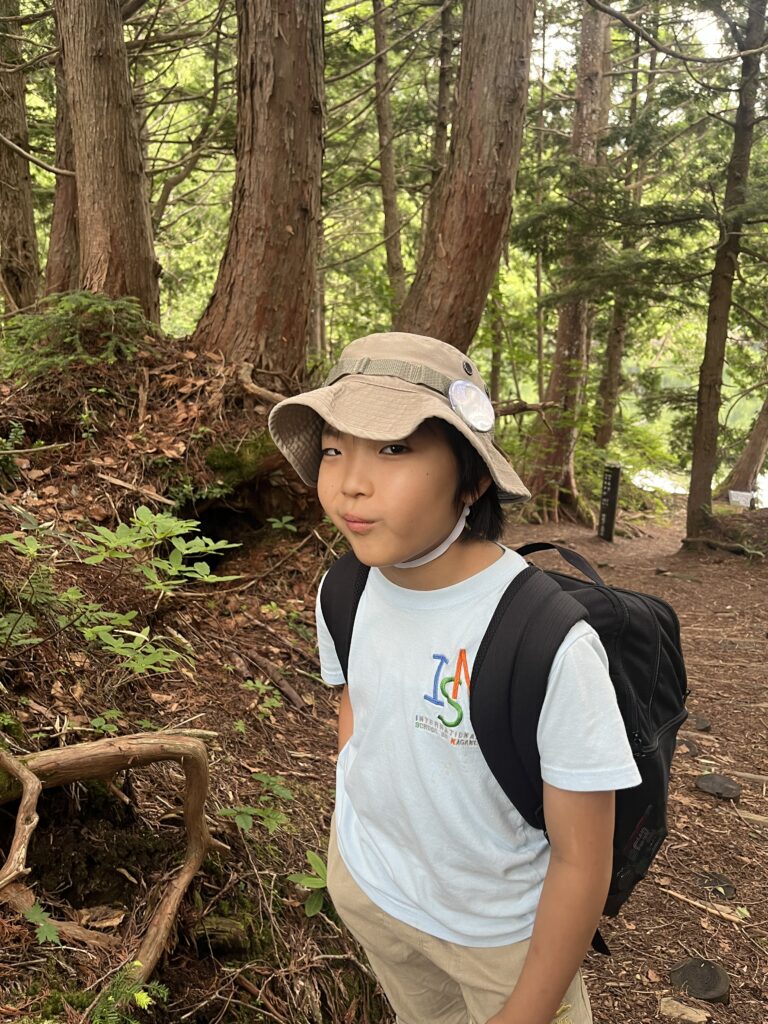
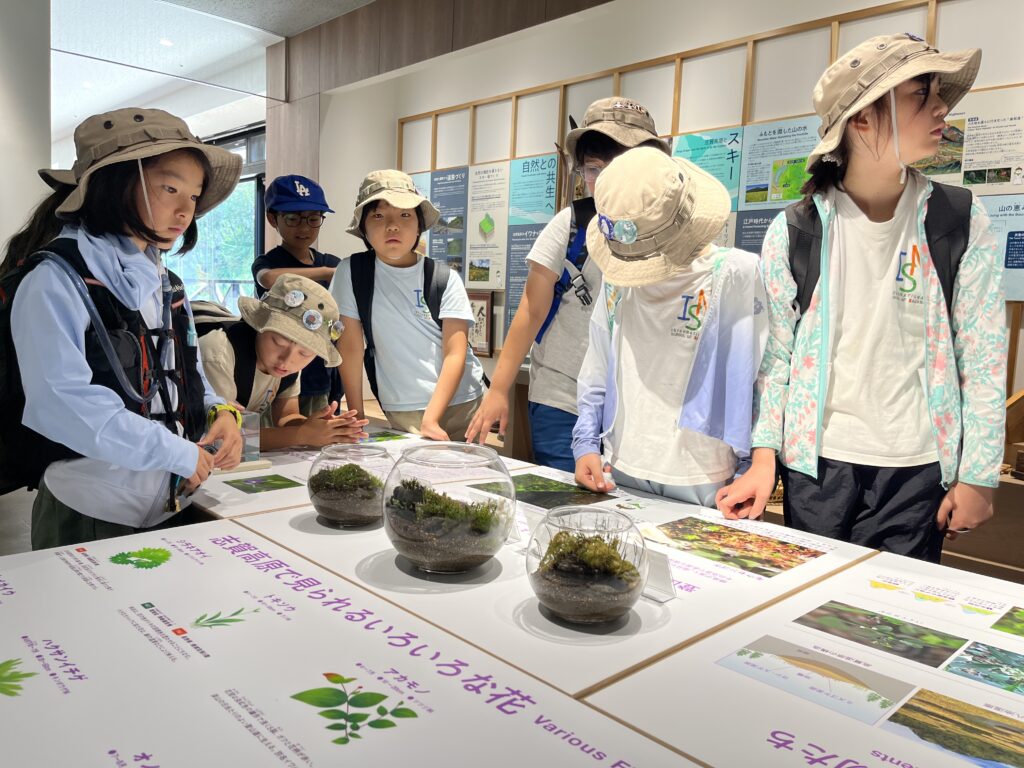
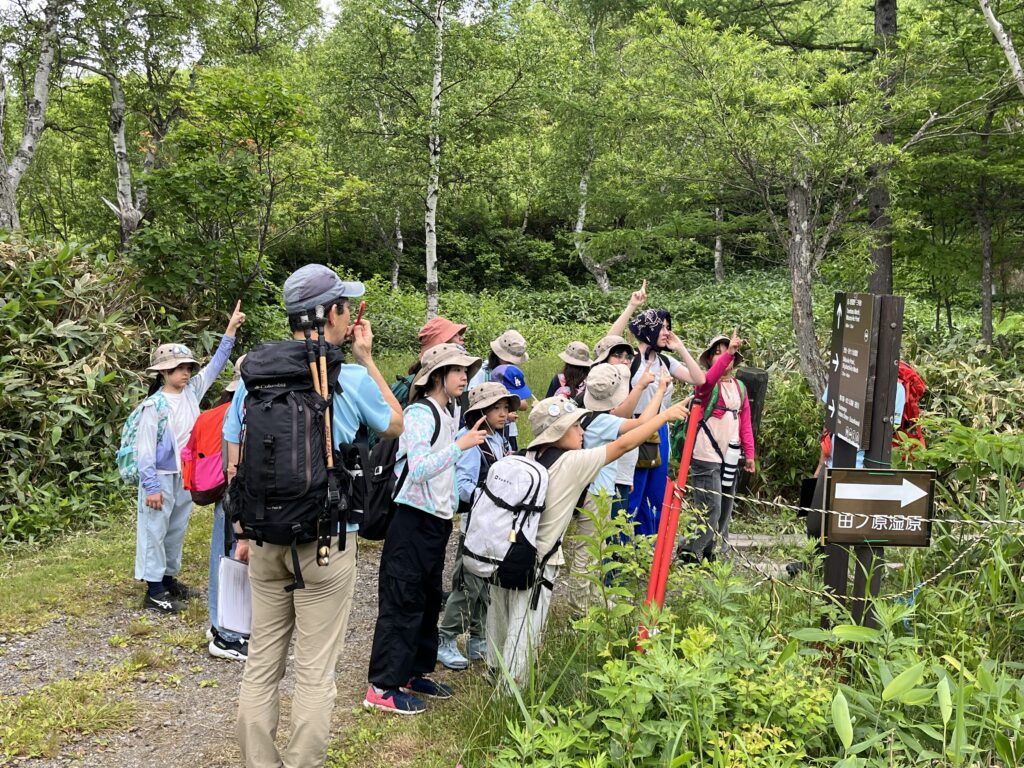
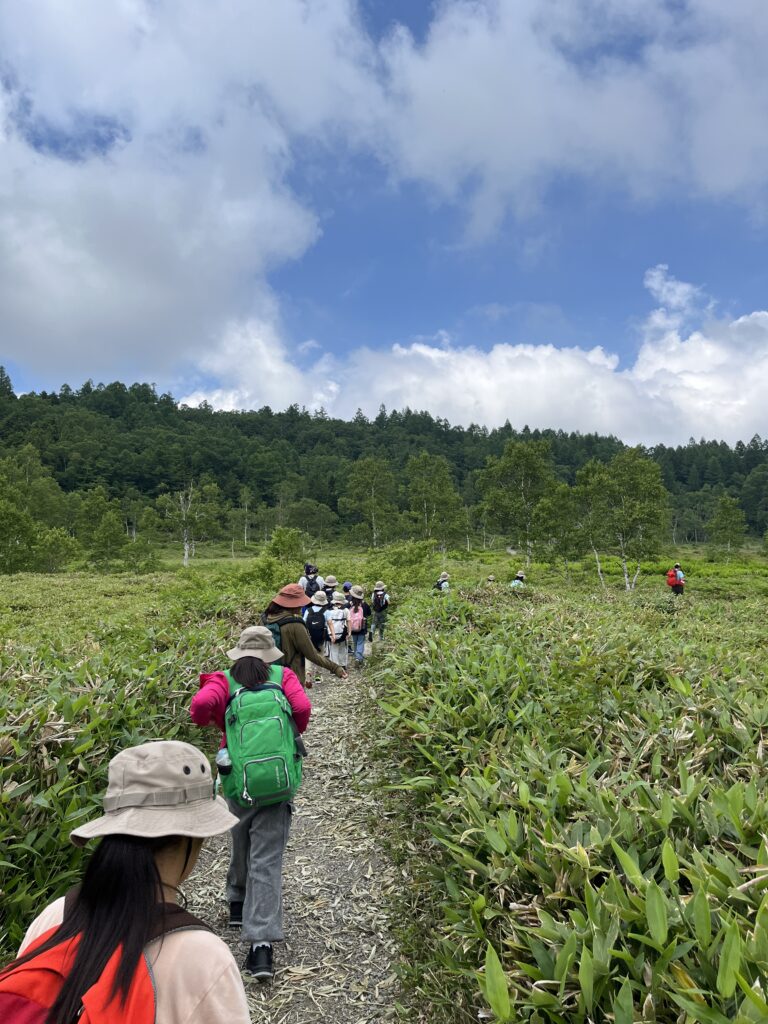
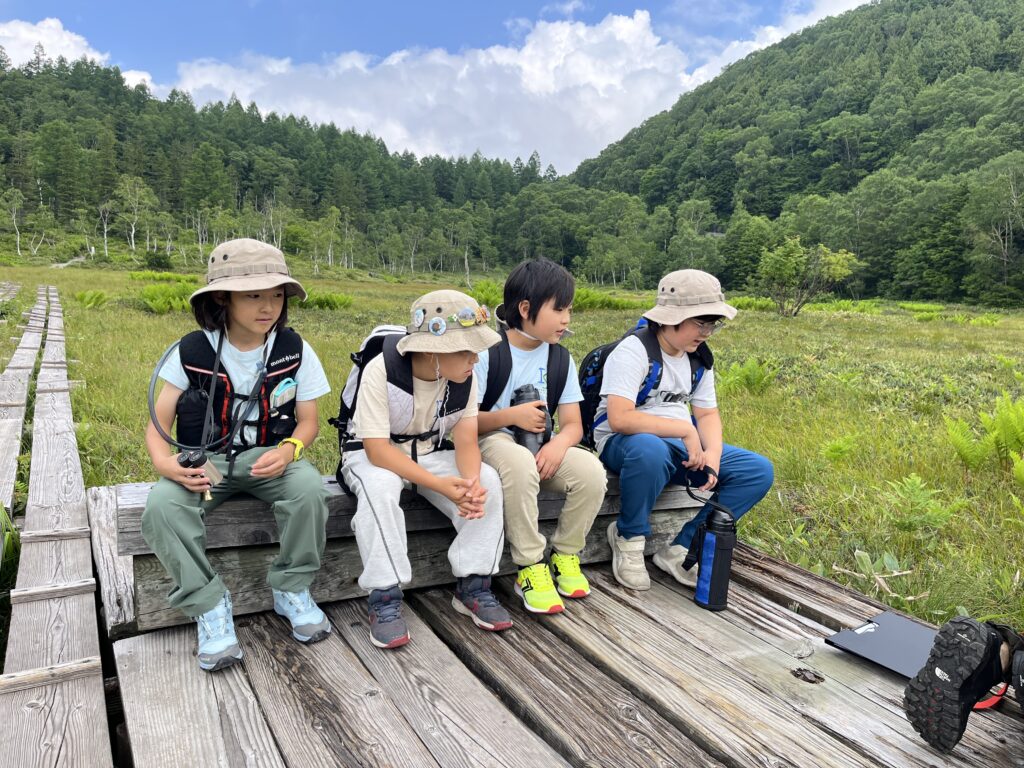
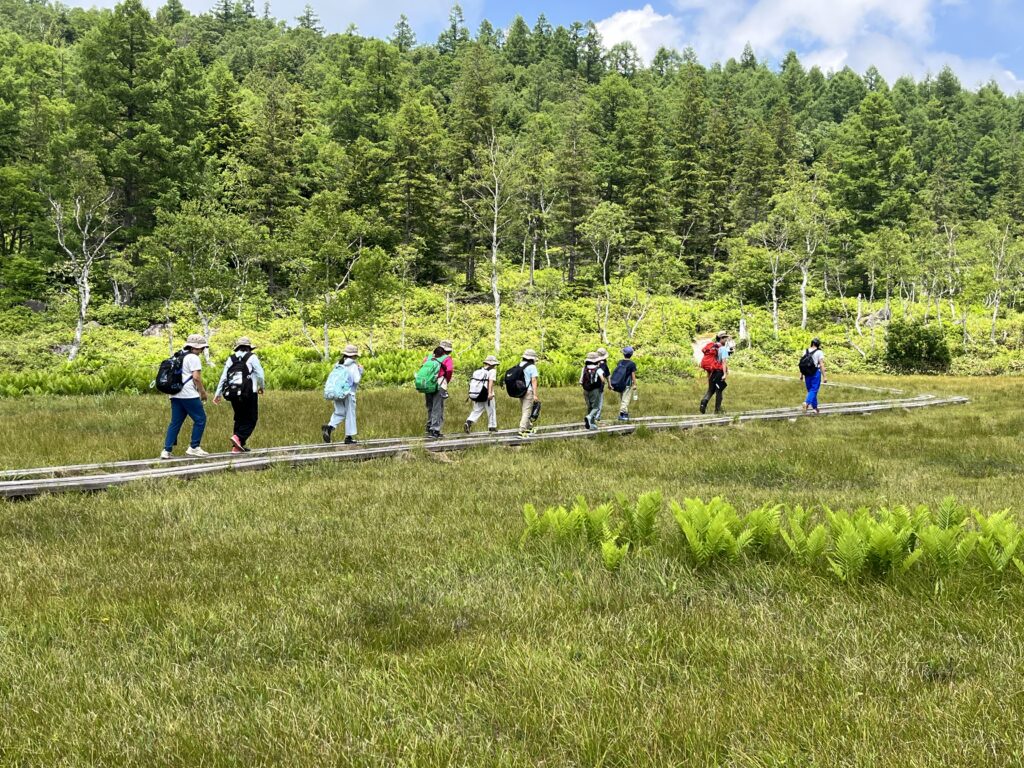
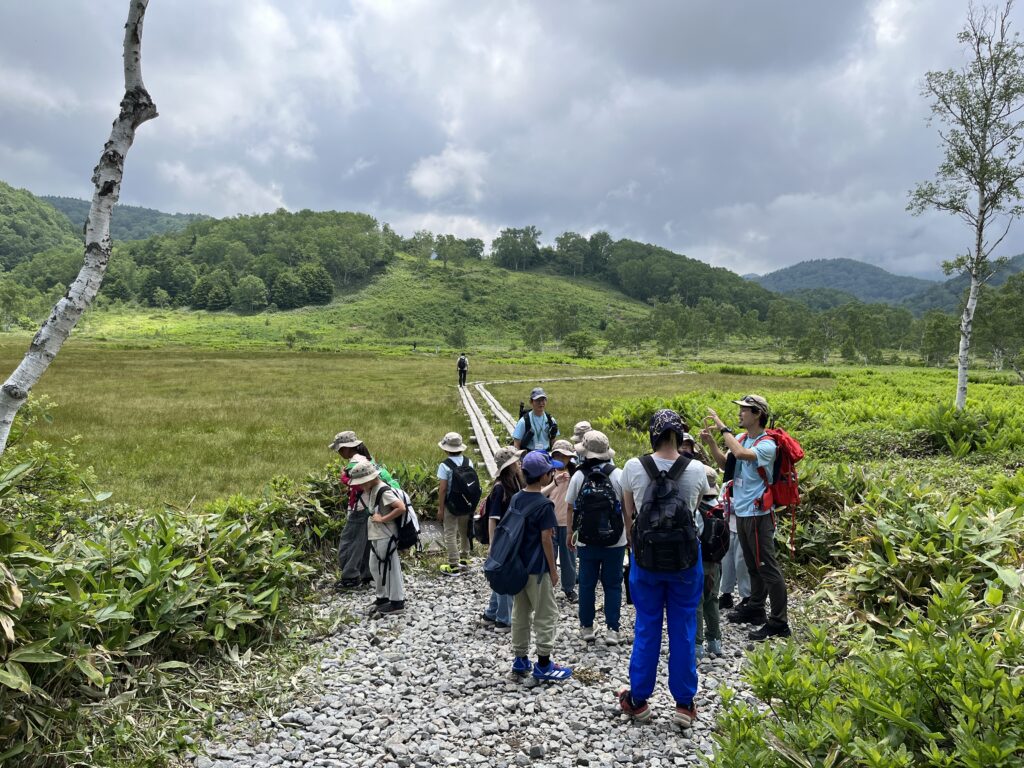
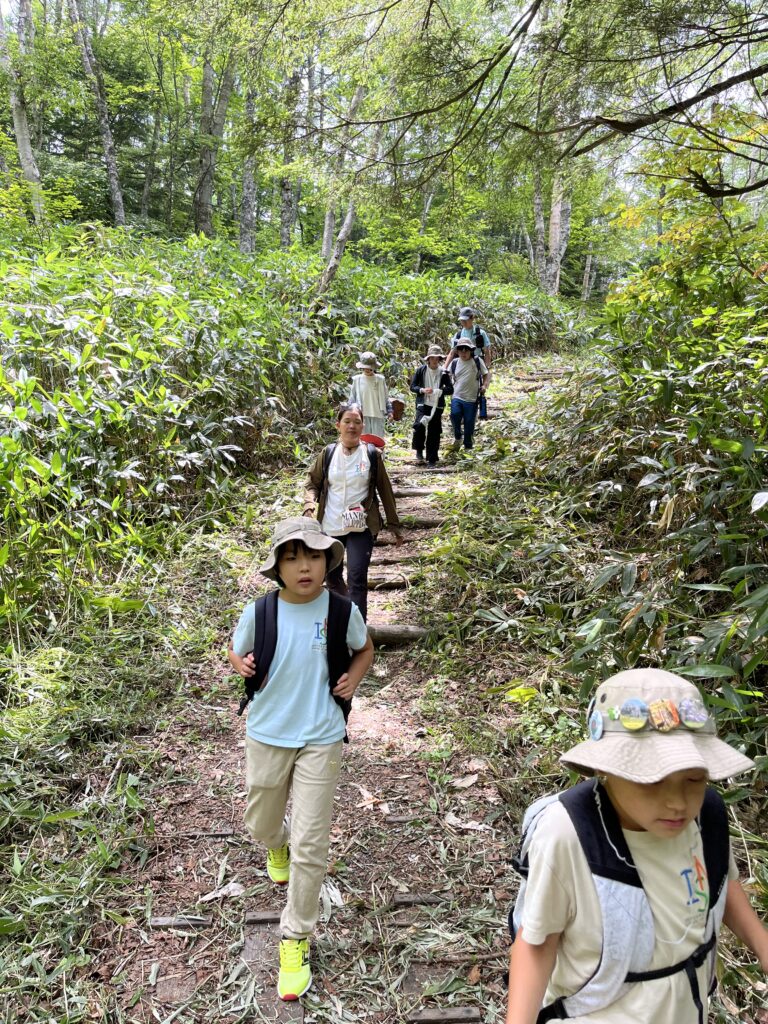
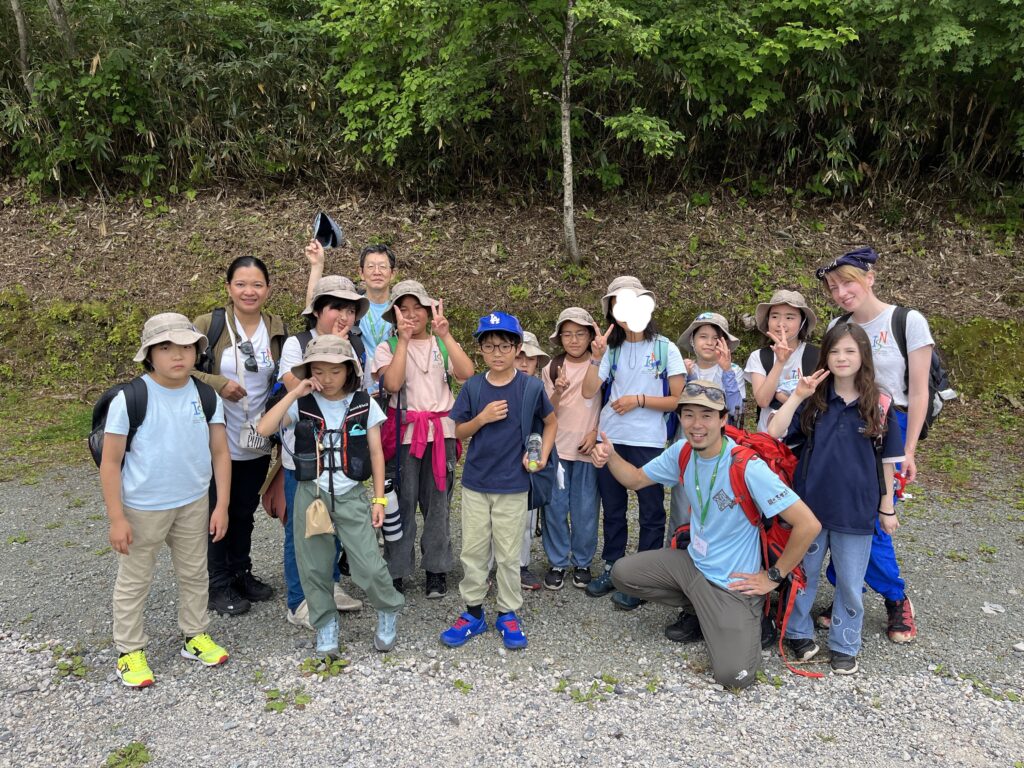
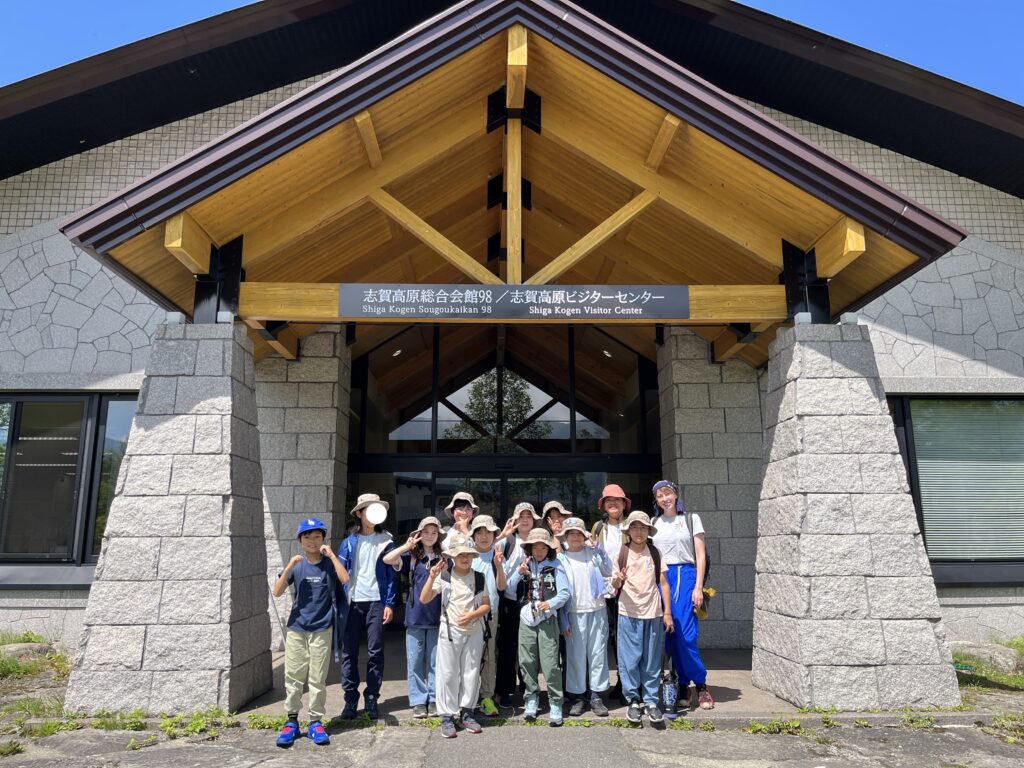
On Thursday, our Grade 5 students enjoyed an exciting day of inquiry at Shiga Kogen UNESCO Ecopark. Before setting off, we brought three big questions with us:
- Why is Shiga Kogen recognised as a UNESCO Ecopark?
- What living things can we find there?
- How do living (biotic) and non-living (abiotic) elements interact with one another?
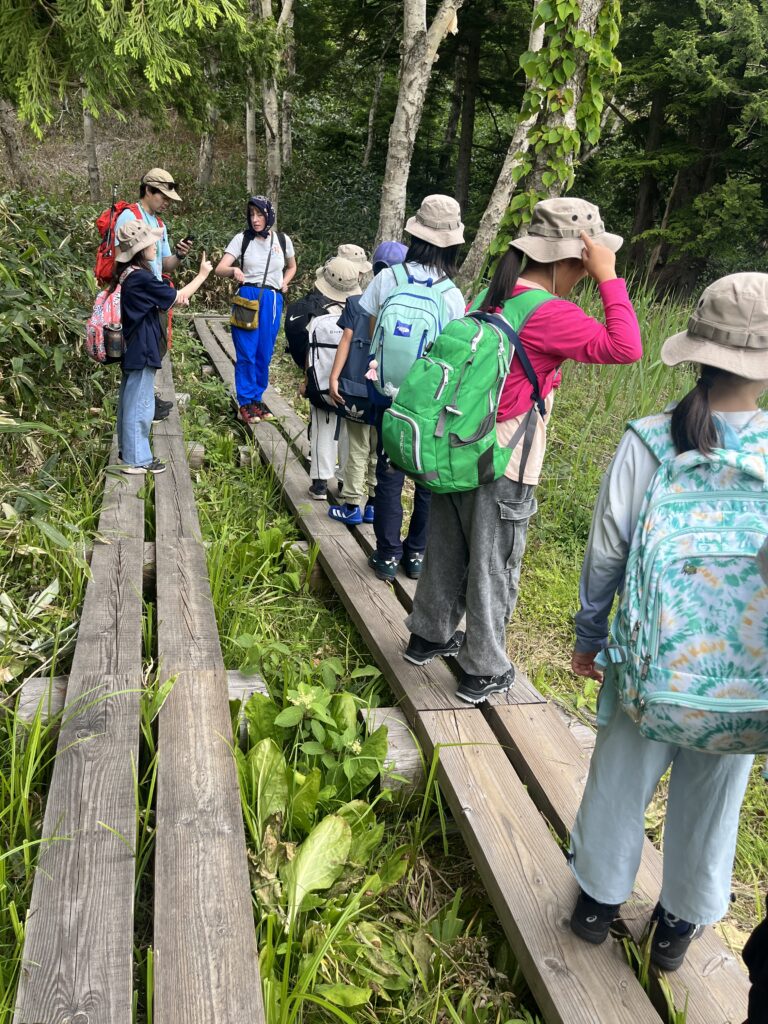
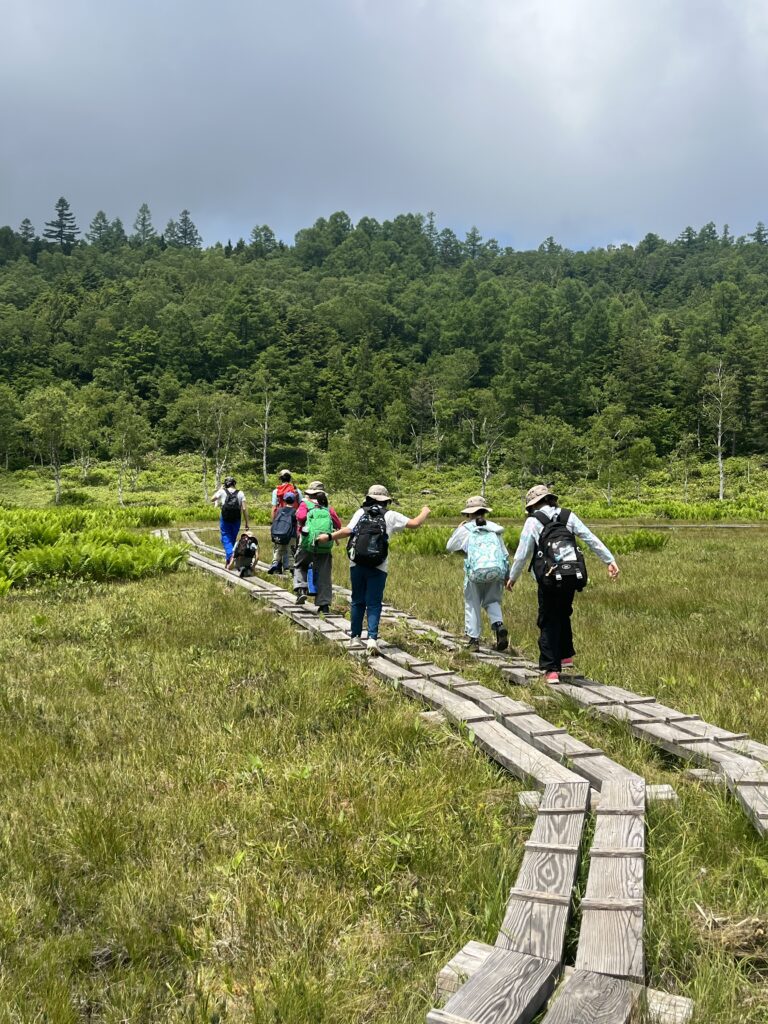
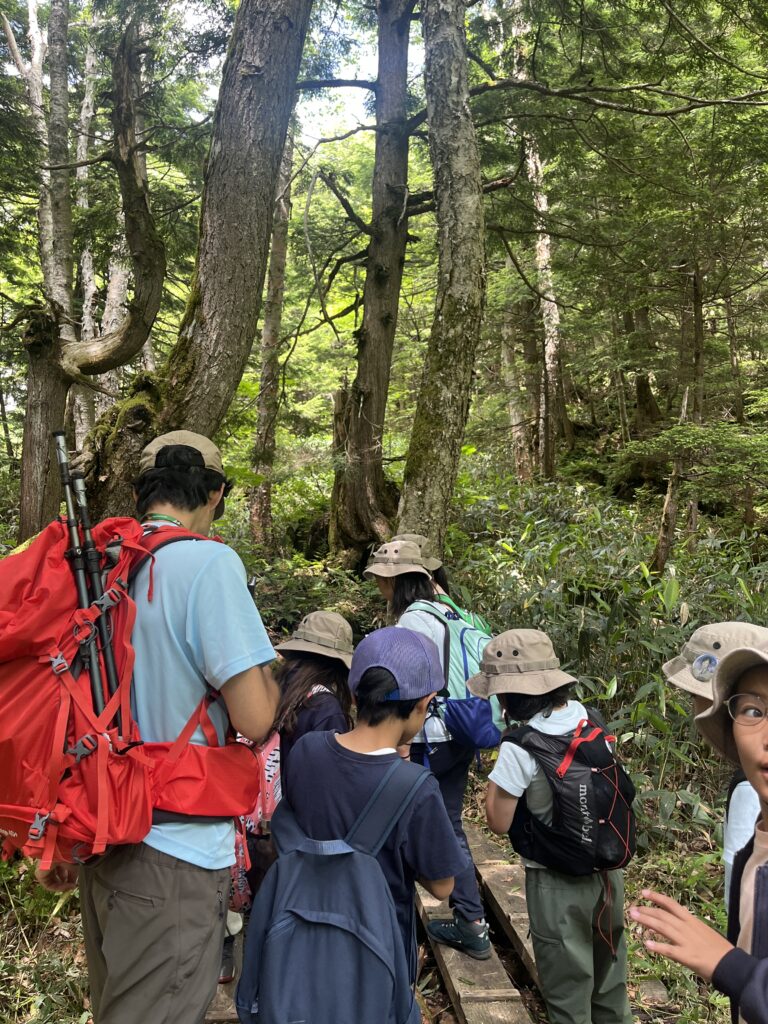
We also wanted to investigate how human activities impact the ecosystem. As we explored the park, we looked for examples of both positive actions, such as conservation efforts and protected boardwalks that help preserve delicate habitats, and negative impacts, such as litter, habitat disturbance, or damage caused by people not respecting the environment.
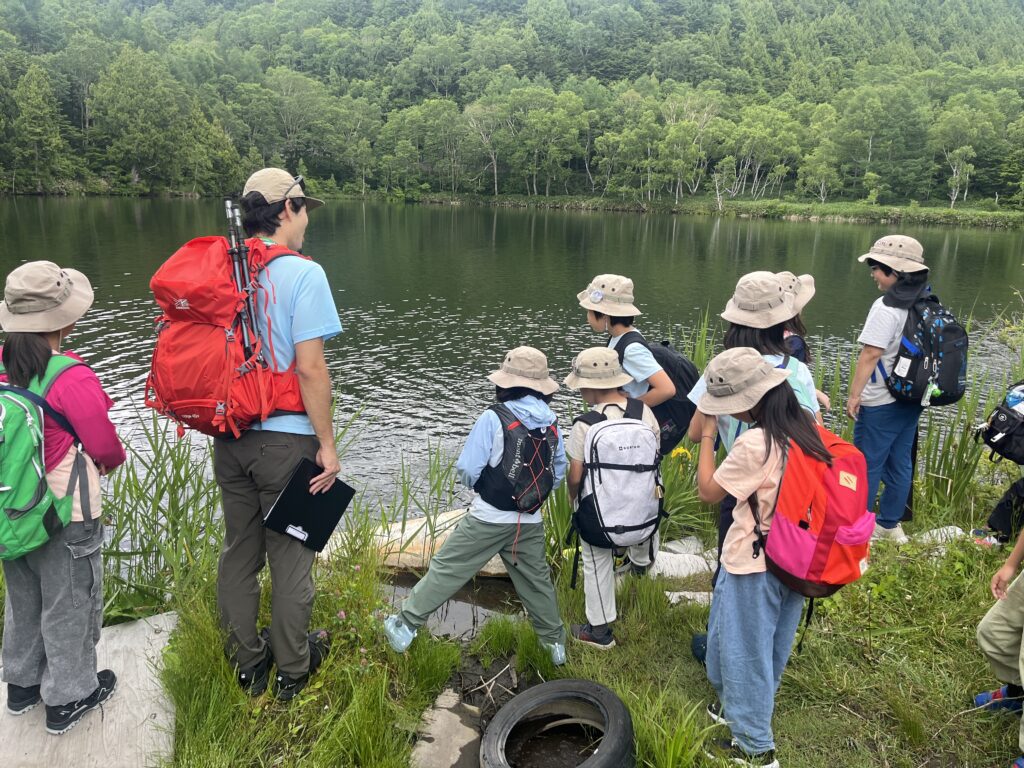
To help answer these questions, we each brought our field notebooks to record our observations, new learning, sketches, and reflections throughout the day. It was wonderful to see the students thinking like real scientists as they carefully observed the environment and asked thoughtful questions.
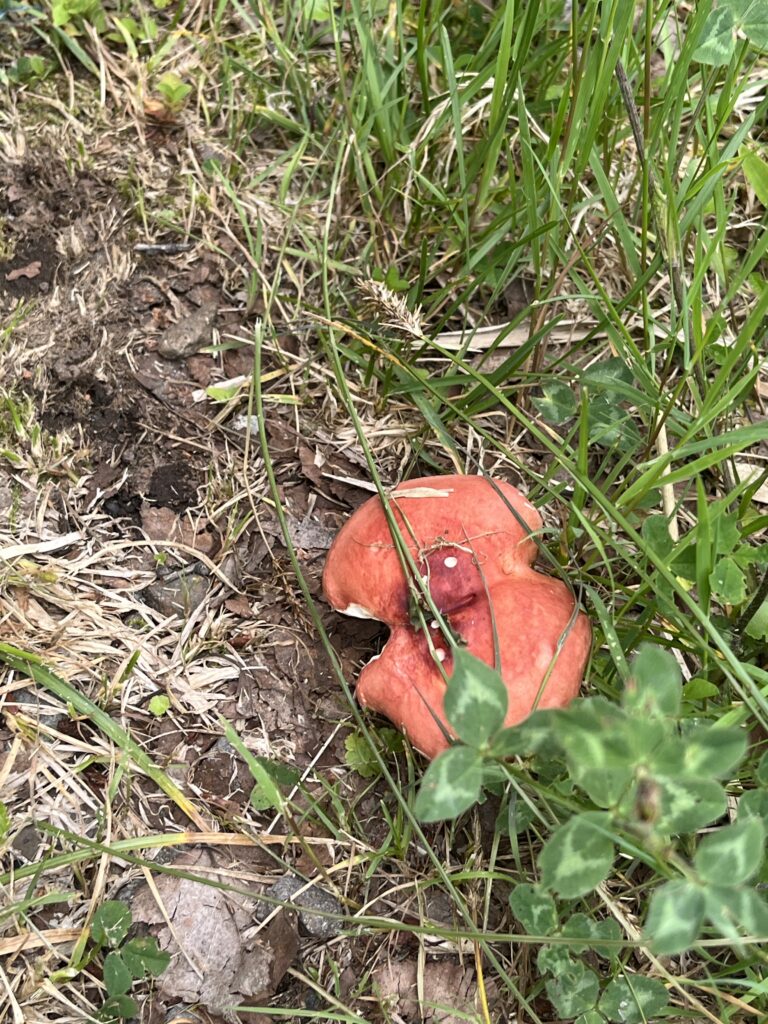
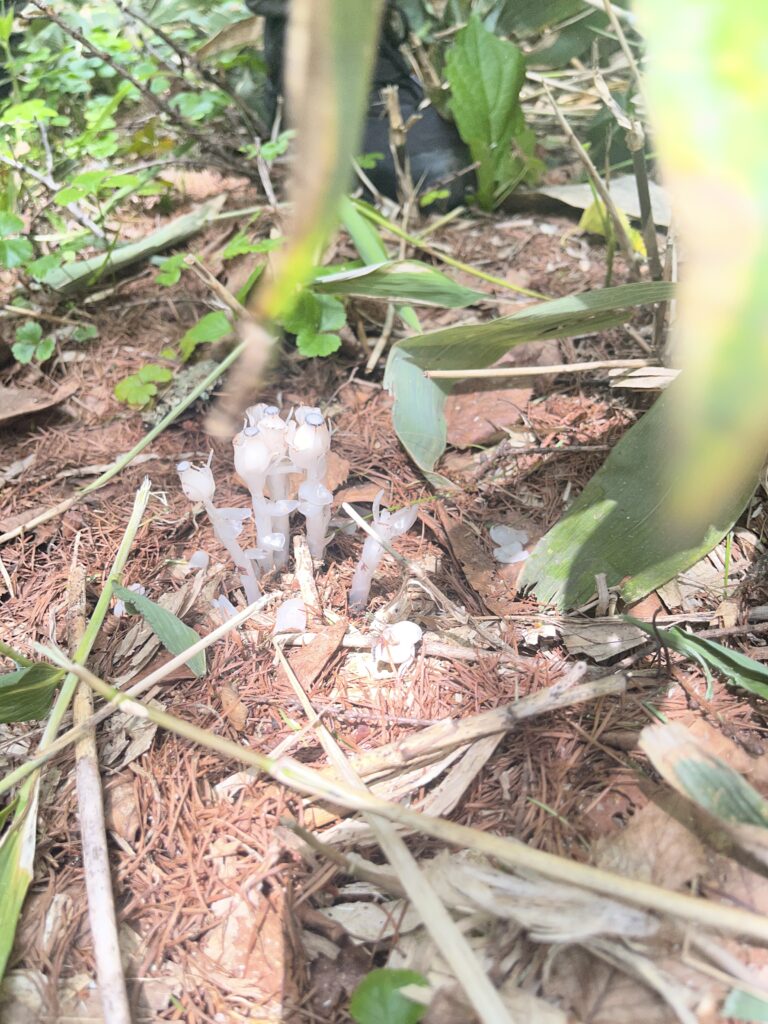
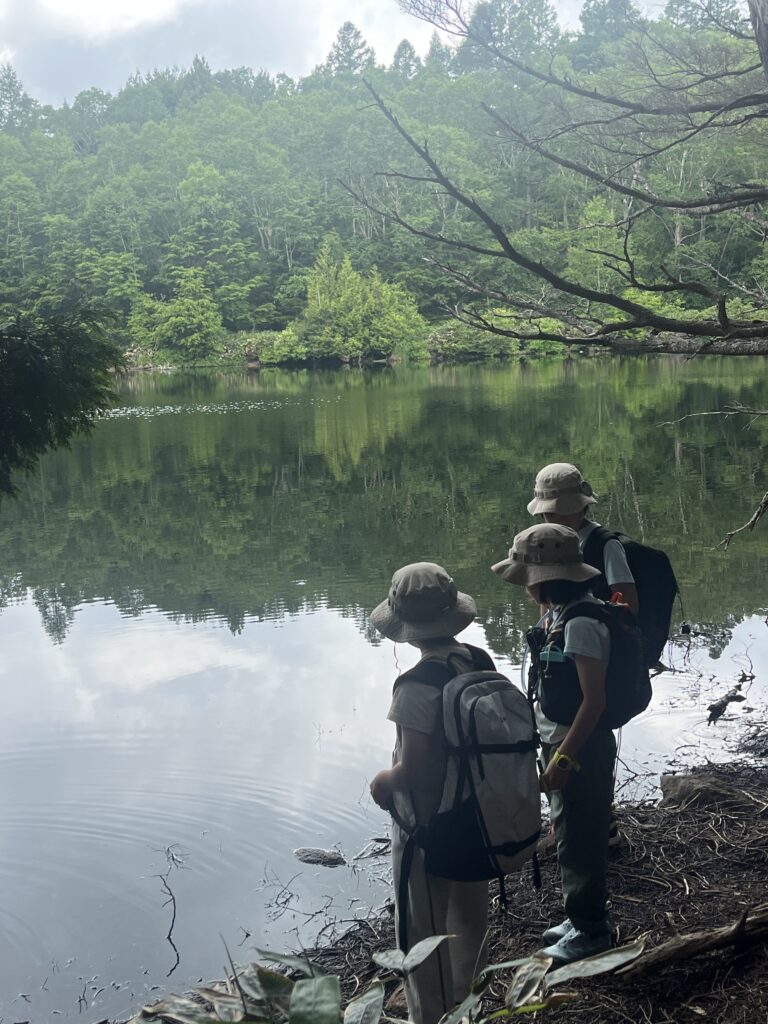
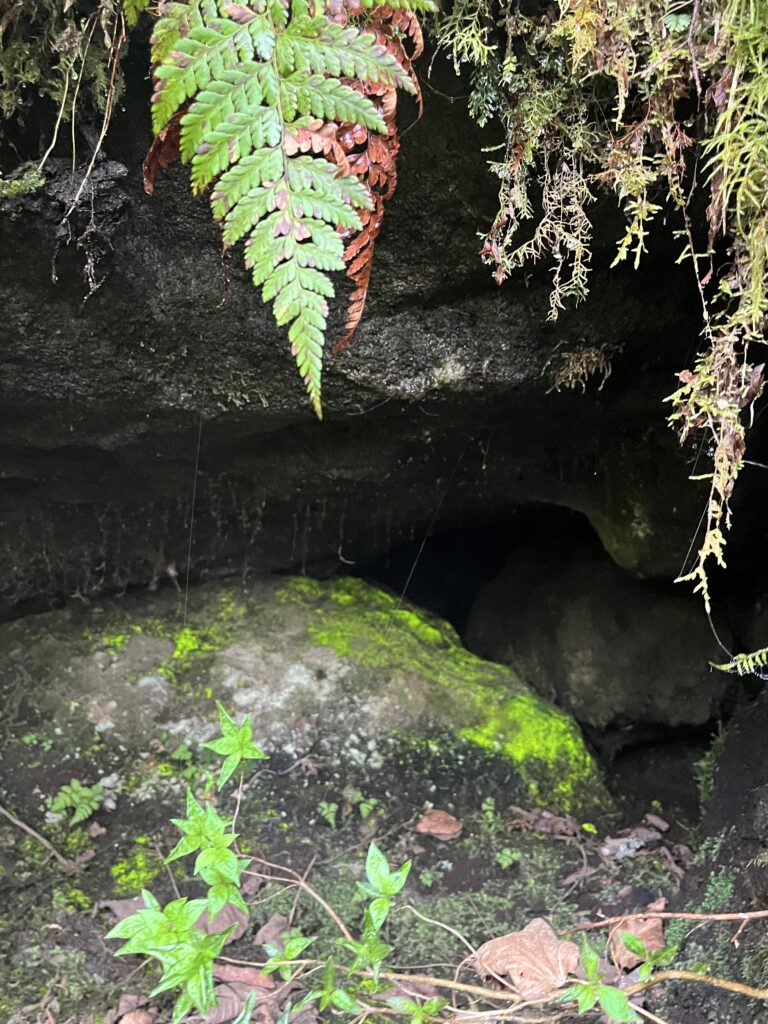
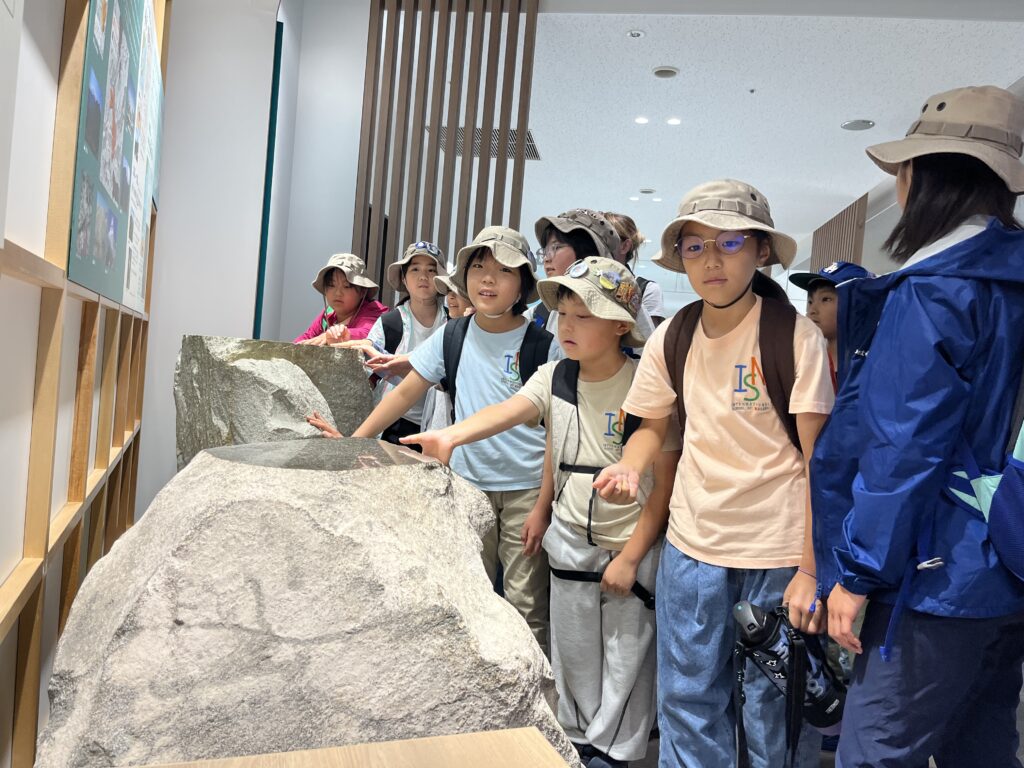
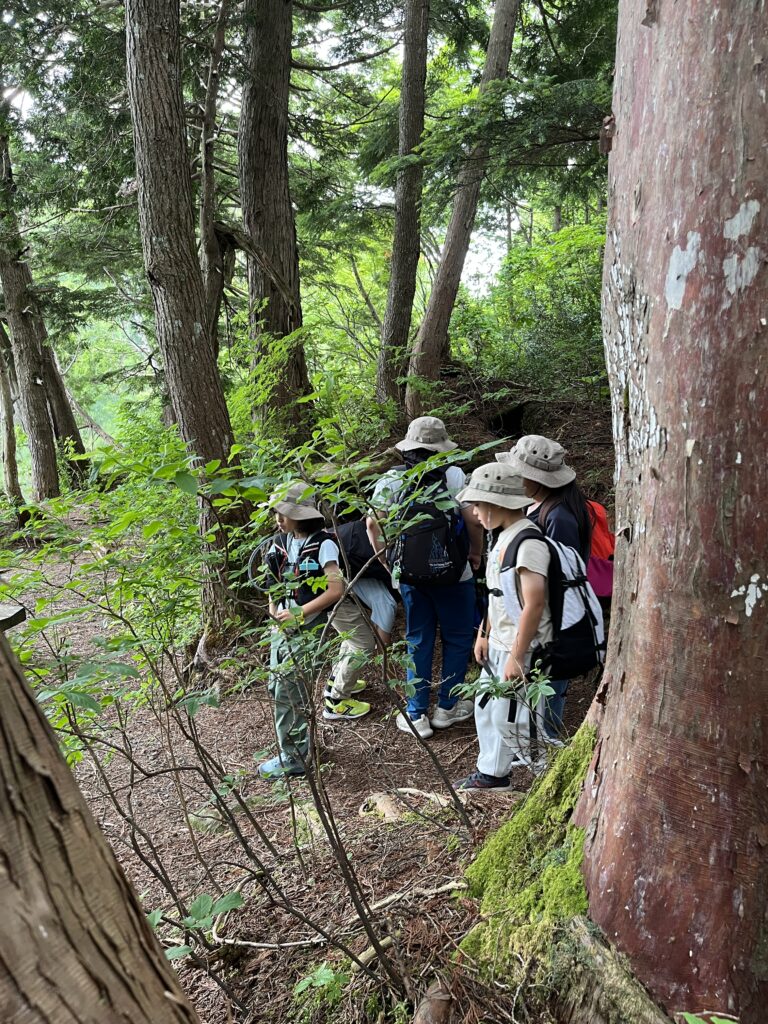
As we explored the cool mountain forests and wetlands, we quickly discovered why this area is so special. We found an amazing variety of living things, including towering trees, colourful fungi, insects, mosses, and even the mysterious white ghost plant. At the same time, we noticed how important the non-living elements—such as clean water, volcanic rocks, rich soil, sunlight, and the cool mountain climate—are in supporting life.
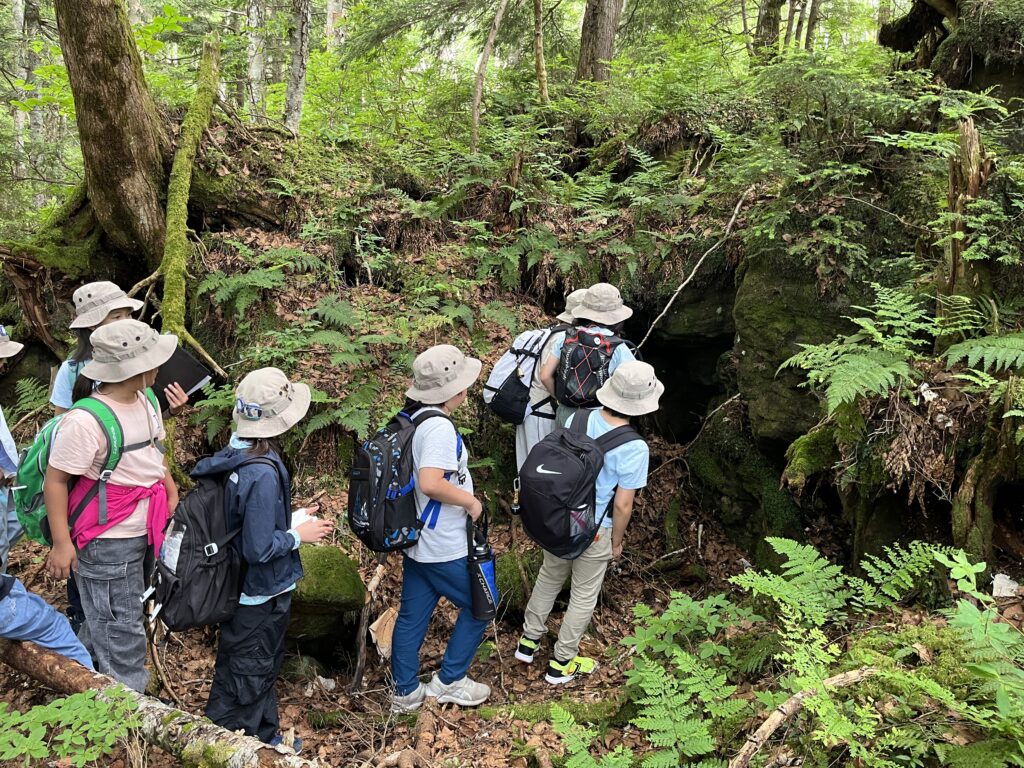
One of the highlights was learning about the incredible moss that carpets the forest floor. Some species grow at a rate of only one millimetre each year, meaning that moss just a few centimetres thick may have taken over 100 years to develop. This helped us understand why visitors must stay on the boardwalks and carefully protect this fragile ecosystem.
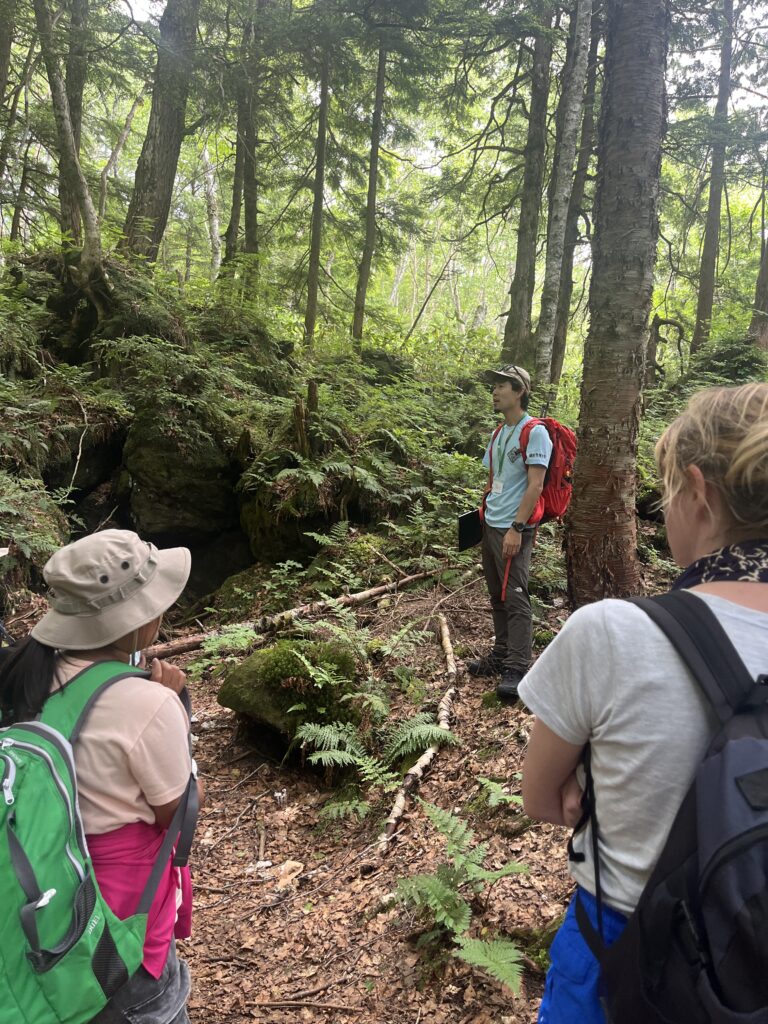
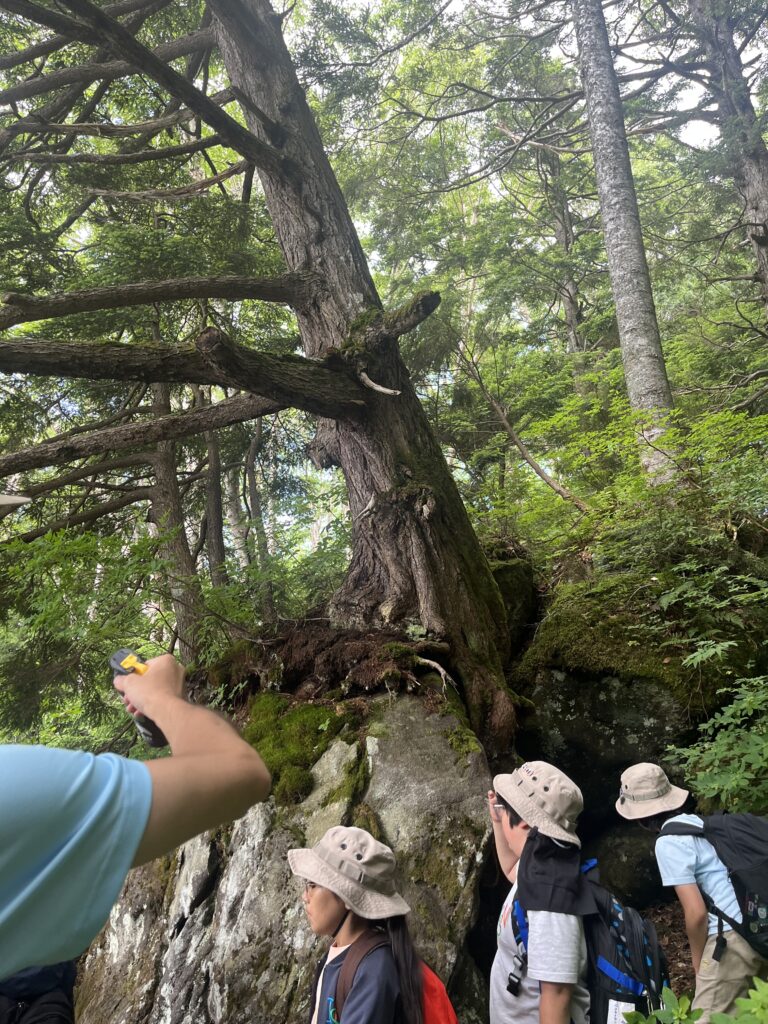
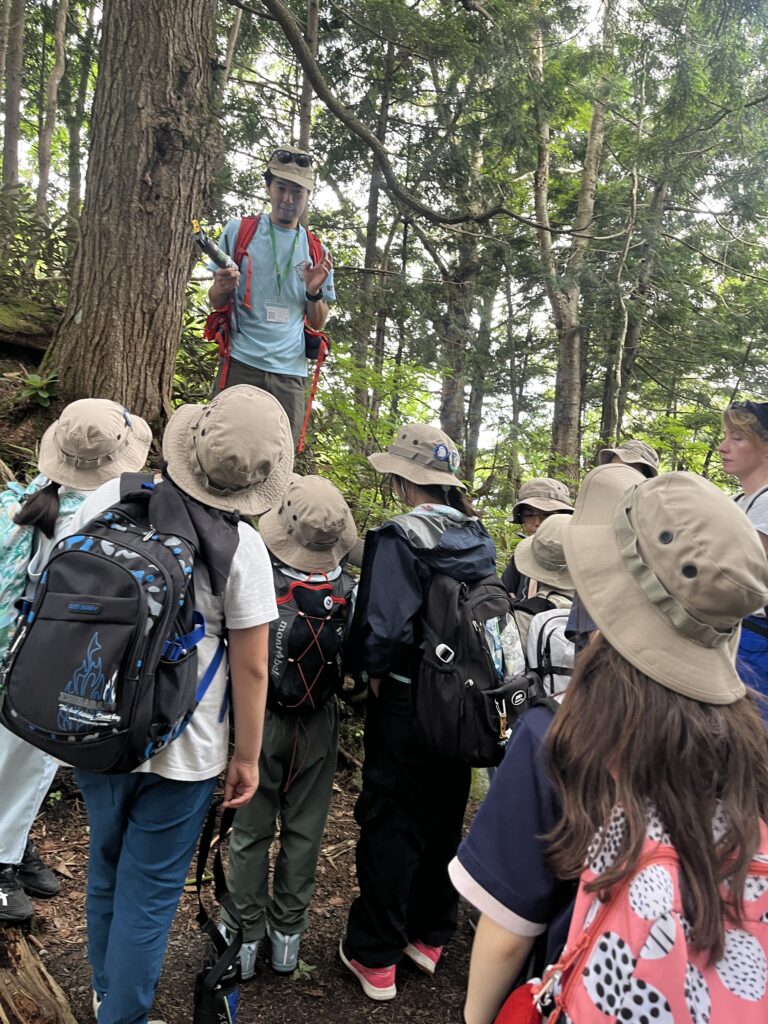
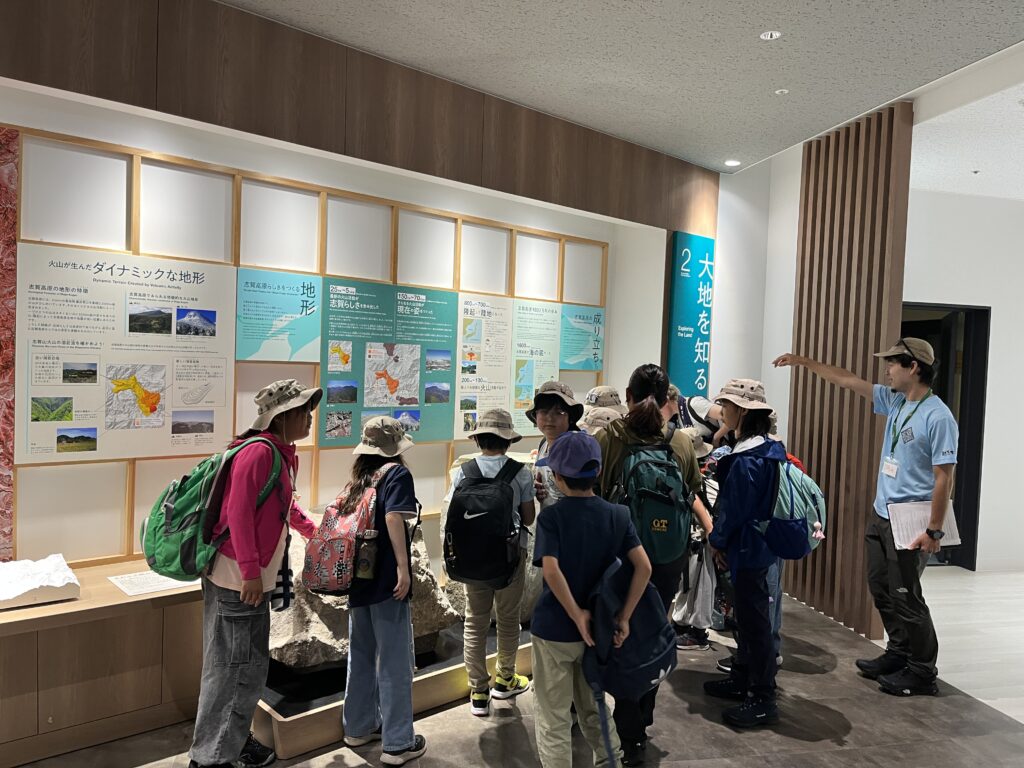
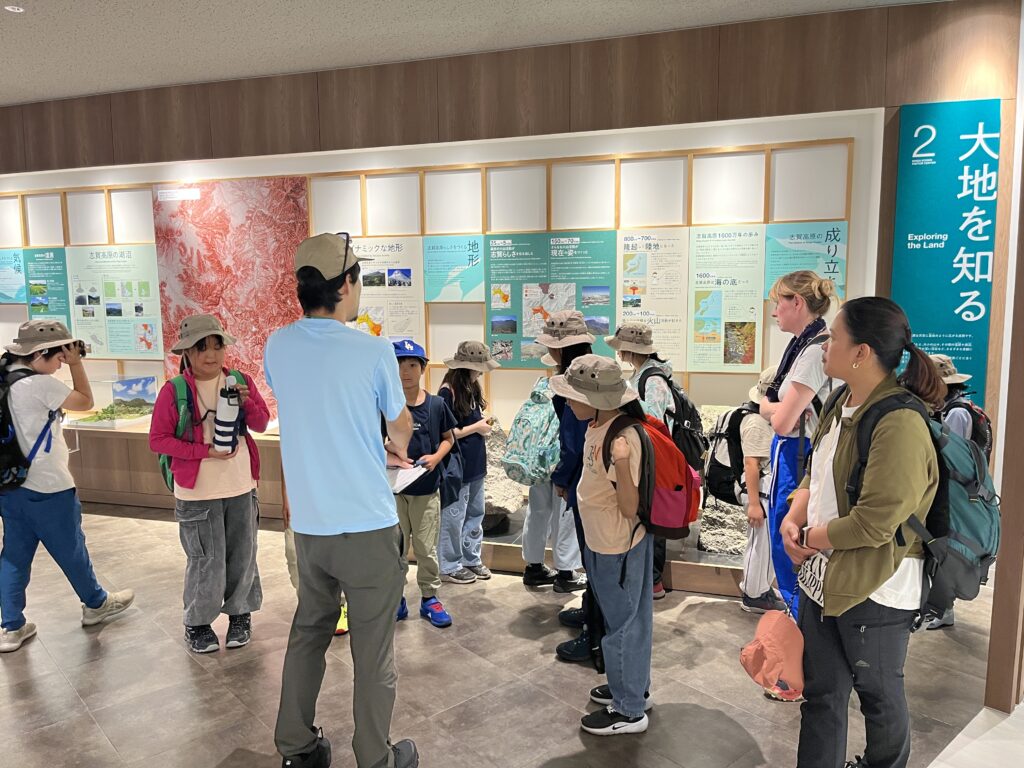
Our guide also showed us how everything in nature is connected. Moss growing on rocks creates a place where seeds can germinate, dead trees provide homes for fungi and insects, and decomposing plants return nutrients to the soil, allowing new life to grow. Seeing these relationships firsthand helped us understand how biotic and abiotic elements depend on one another.
Along the way, we also learned valuable outdoor safety tips, such as recognising dead trees, identifying poisonous plants like Torikabuto (monkshood), and understanding how to safely enjoy nature while respecting the wildlife that lives there.
After returning to school, we reflected on our learning and realised that Shiga Kogen is protected not only because it is beautiful, but because it is a unique ecosystem where people can learn how nature works and why conservation is so important.
We encourage you to ask your child about what they wrote in their field notebook and what discovery amazed them the most. We are sure they have many wonderful stories to share!
This memorable experience reminded us that the more we understand nature, the more inspired we are to protect it for future generations.
こんにちは!
木曜日に、Grade 5 の児童たちは 志賀高原ユネスコエコパーク へ探究学習に出かけました。出発前に、私たちは次の3つの大きな問いを持っていました。
- なぜ志賀高原はユネスコエコパークに選ばれたのだろうか。
- そこにはどのような生き物がいるのだろうか。
- 生物的要素(生き物)と非生物的要素(環境)はどのように関わり合っているのだろうか。
また、人間の活動が生態系にどのような影響を与えているのか についても調べたいと考えました。保護活動やデリケートな環境を守るための木道の設置といった 良い影響、そしてごみの放置や生息地へのダメージなどの 悪い影響 がないかを観察しました。
これらの問いに答えるために、児童たちは フィールドノート を持参し、観察したことや学んだこと、スケッチ、そして振り返りを記録しました。自然を注意深く観察し、たくさんの質問をしながら、まるで本物の科学者のように学ぶ姿が見られました。
涼しい山の森や湿原を歩きながら、私たちはこの場所がなぜ特別なのかを発見しました。大きな木々や色鮮やかな菌類、昆虫、コケ、そして不思議な白い植物であるギンリョウソウなど、多様な生き物を見つけることができました。同時に、きれいな水、火山岩、豊かな土壌、太陽の光、そして涼しい山の気候といった非生物的要素が、生き物たちの暮らしを支えていることにも気付きました。
特に印象的だったのは、森の地面を覆うコケについて学んだことです。種類によっては 1年にわずか1ミリメートルしか成長しない コケもあり、数センチの厚さになるまでに100年以上かかることもあるそうです。この話を聞き、なぜ木道の上を歩き、繊細な自然環境を守ることが大切なのかを理解することができました。
ガイドさんは、自然界のすべてがつながっていることも教えてくださいました。岩の上に生えたコケは種が芽を出す場所をつくり、枯れた木は菌類や昆虫のすみかとなります。そして、それらが分解されることで土に栄養が戻り、新しい命が育ちます。こうした関係を実際に見ることで、生物的要素と非生物的要素が互いに支え合っていることを学びました。
道中では、自然の中で安全に過ごすための知識も学びました。枯れ木の見分け方や、毒性のある トリカブト の特徴、そして野生動物の住む環境を尊重しながら自然を楽しむ方法について教えていただきました。
学校に戻ってから振り返りを行い、志賀高原が守られているのは単に美しいからだけではなく、人々が自然の仕組みを学び、環境保全の大切さを理解できる貴重な場所だからだということに気付きました。
ぜひお子さまに、フィールドノートに書いたことや、一番心に残った発見について聞いてみてください。きっとたくさんの素敵な話を聞かせてくれることでしょう。
今回の体験を通して、自然を理解すればするほど、その自然を守りたいという気持ちが強くなることを実感しました。未来の世代のために、これからも自然を大切にしていきたいと思います。