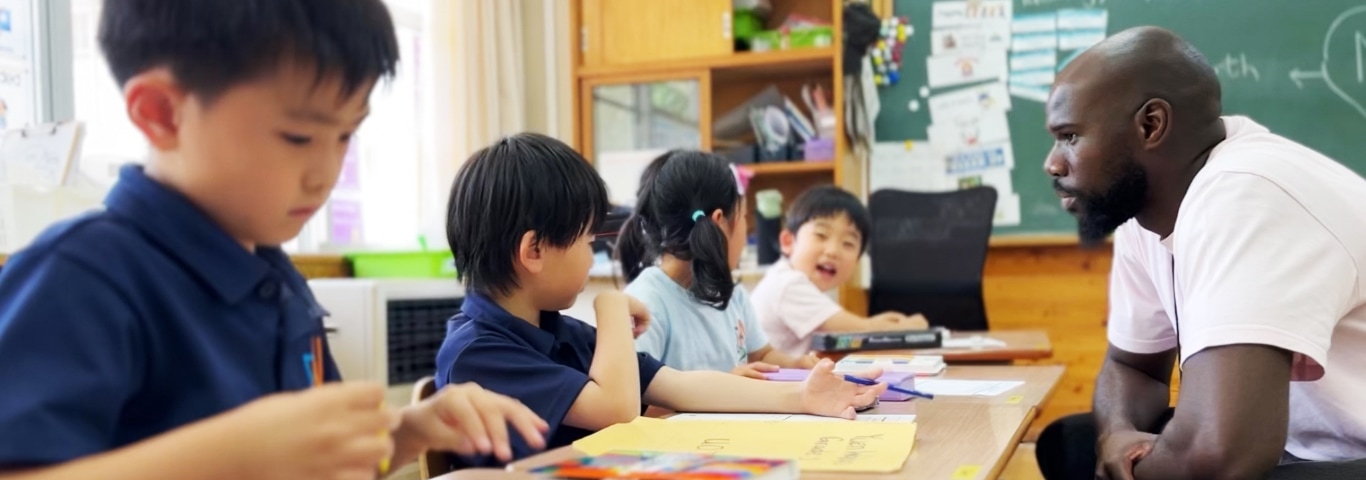
The start of a new school year at the International School of Nagano always brings a special kind of energy. Classrooms fill with curiosity, hallways buzz with new friendships, and our learners step into the year with a sense of excitement and possibility. In Grade 3, this moment is particularly meaningful, as students continue developing independence, confidence, and a deeper understanding of the world around them.
Our learning environment is built on inquiry, collaboration, and student agency, allowing each child to feel seen, valued, and inspired. From the very first day, we focus on building a strong sense of community, where learners feel safe to take risks, ask questions, and grow both academically and personally.
As we begin this journey together, we celebrate not only new beginnings, but also the opportunities ahead to explore, create, and connect. It is a year full of discovery, and we are excited to see how each learner will shape their own path.
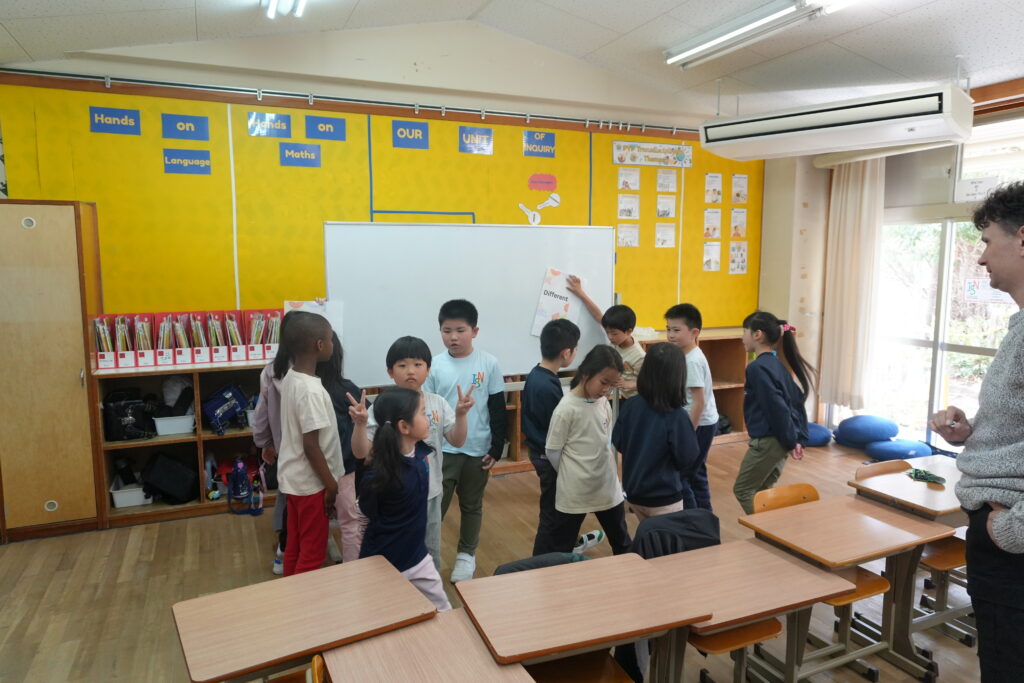
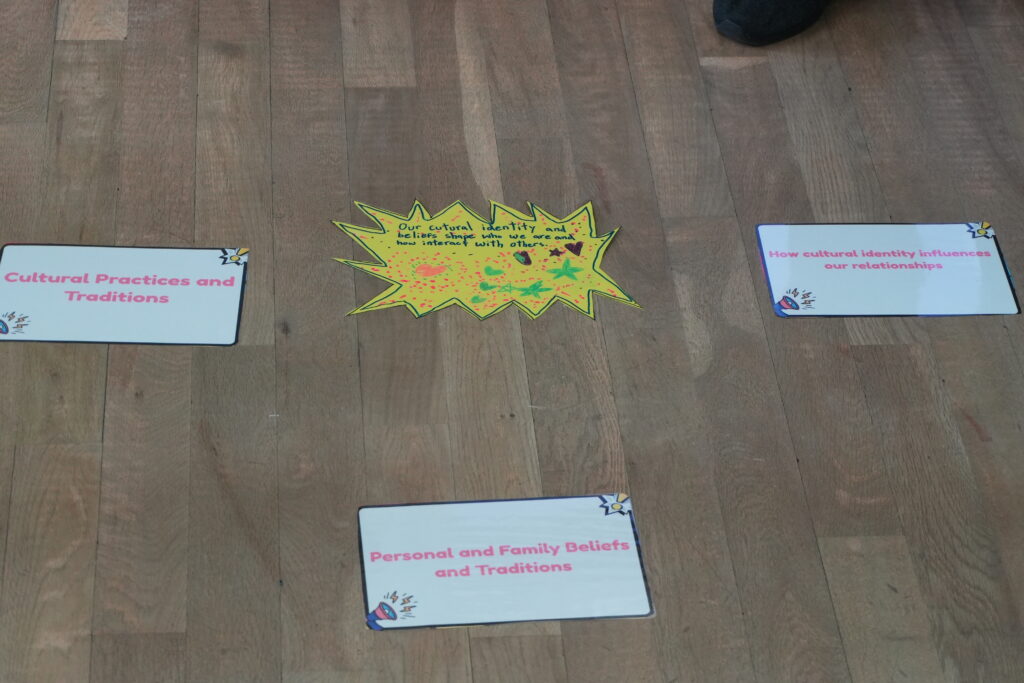
In our current Unit of Inquiry under the transdisciplinary theme Who We Are, Grade 3 learners are exploring the central idea that our cultural identity shapes who we are and how we interact with others. Through an inquiry-based approach, students are encouraged to ask questions, share perspectives, and make meaningful connections to their own lives.
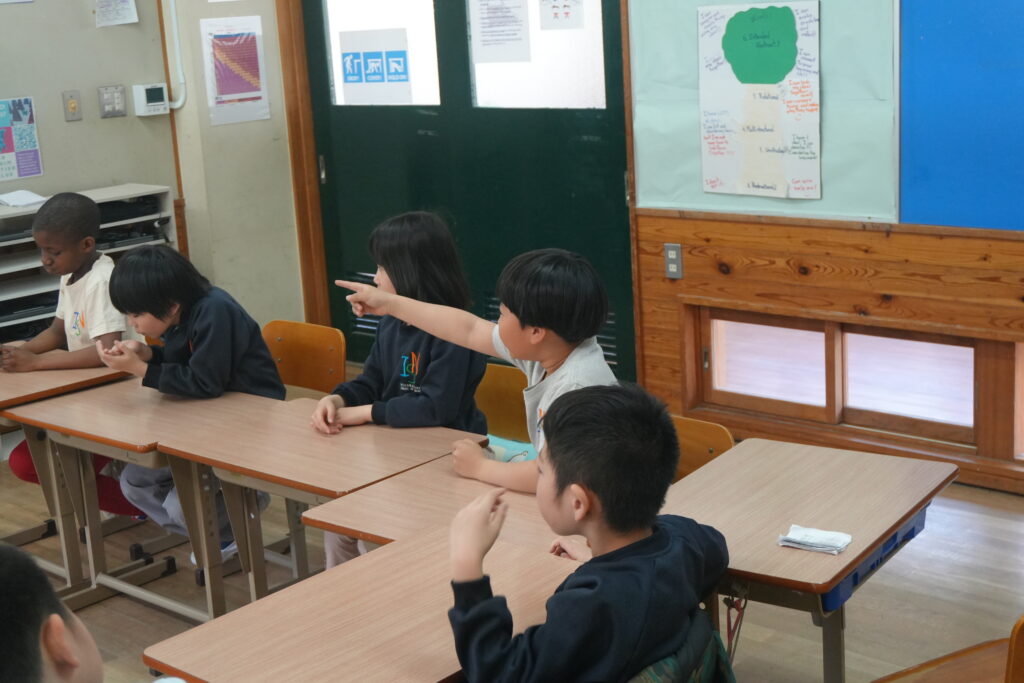
Rather than simply receiving information, learners actively construct their understanding by investigating their own cultural backgrounds, family traditions, and personal experiences. They engage in discussions, collaborative activities, and reflective tasks that allow them to appreciate both similarities and differences within our diverse classroom community.
This process nurtures open-mindedness and empathy, as students begin to understand how culture influences beliefs, values, and interactions. By giving learners voice and choice throughout the unit, we empower them to take ownership of their learning and develop a deeper sense of identity in a global context.
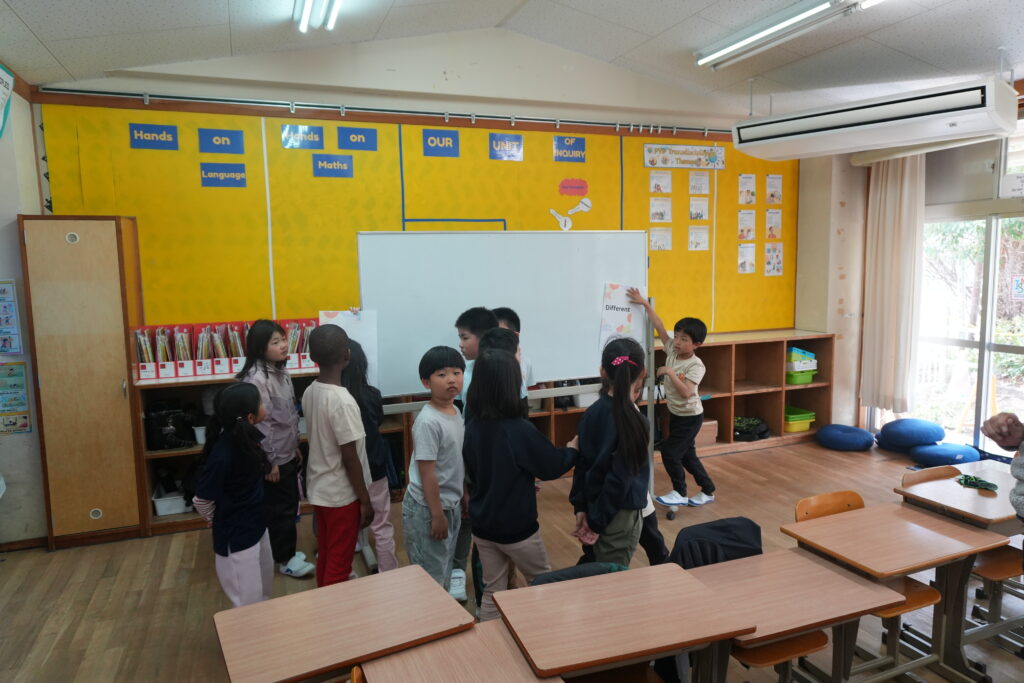
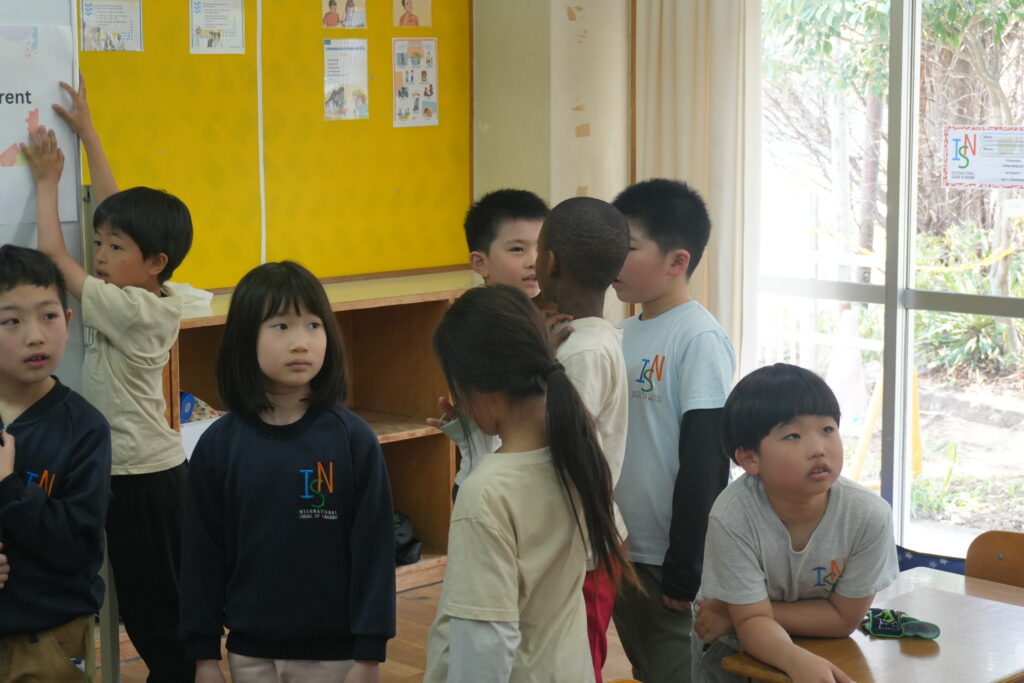
Learning in Grade 3 extends beyond the Unit of Inquiry into all subject areas, where a hands-on, experiential approach allows learners to build understanding through active engagement. In Mathematics, students develop key conceptual skills such as place value, number sense, and flexible problem-solving strategies through the use of concrete materials and visual representations. This approach enables learners to move confidently from the concrete to the abstract, deepening their conceptual understanding and supporting long-term retention.
As learners explore mathematical ideas, they are encouraged to think critically, make connections, and explain their reasoning using appropriate mathematical language. Collaborative learning plays a central role, as students share strategies, compare approaches, and learn to appreciate that there are multiple ways to reach a solution. These experiences strengthen not only their computational skills, but also their ability to communicate, justify, and reflect on their thinking.
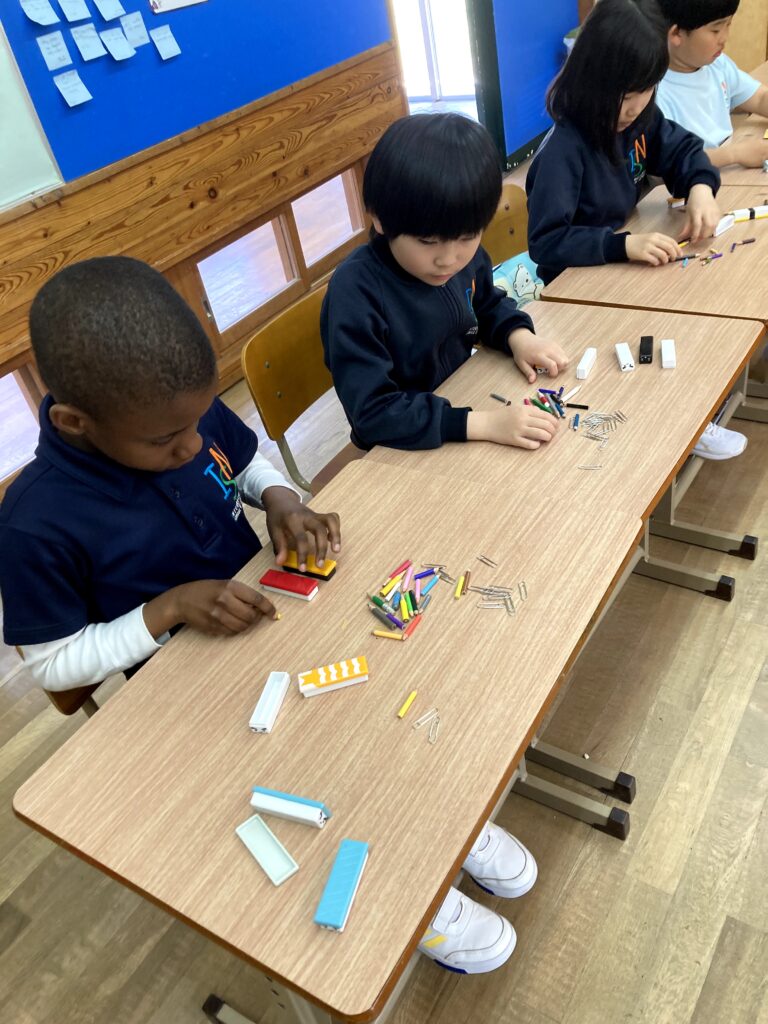
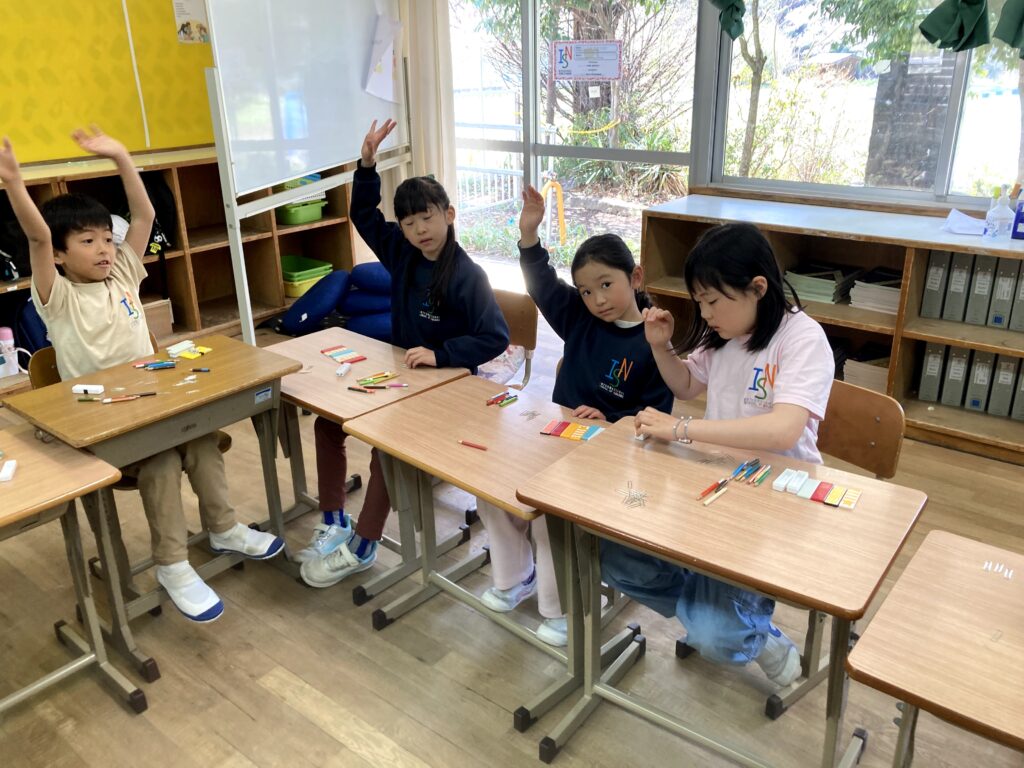
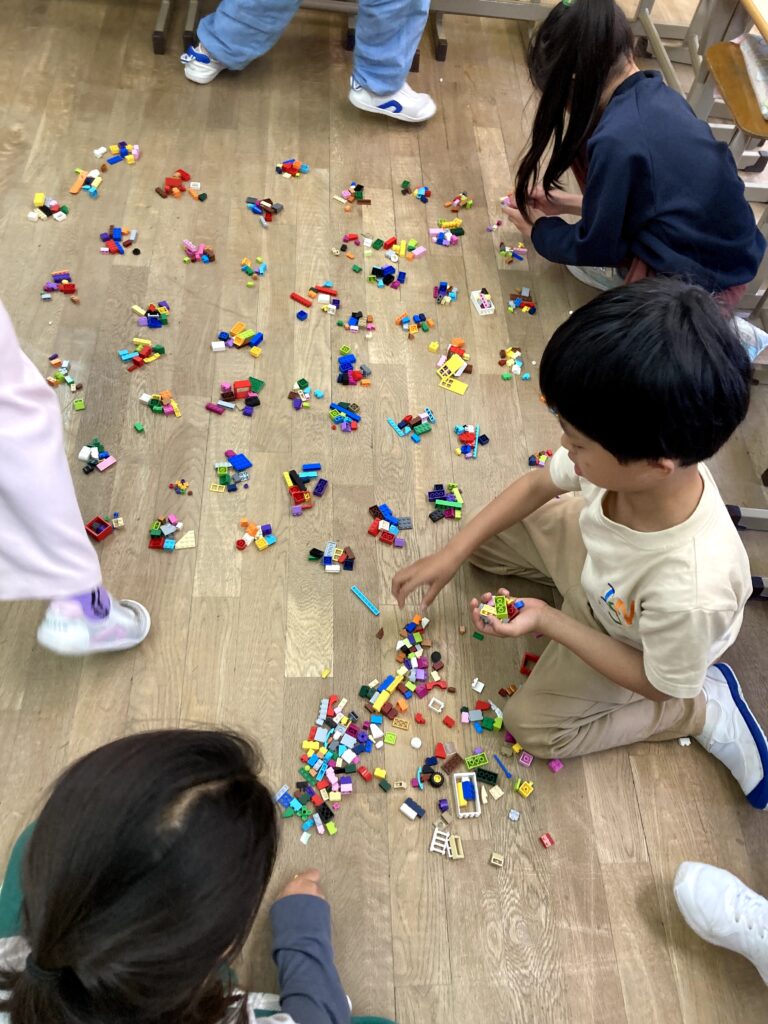
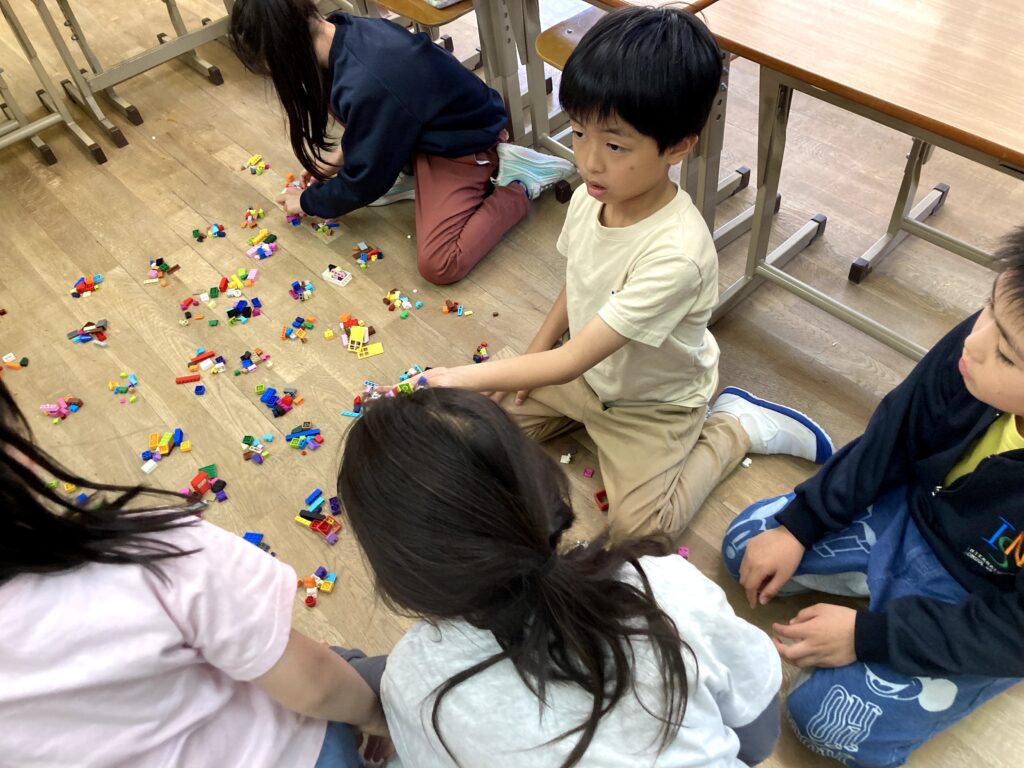
This process nurtures confidence and independence, as learners take ownership of their progress and begin to see themselves as capable problem-solvers. By engaging with meaningful tasks and real-life contexts, students develop a sense of purpose in their learning and an appreciation for how mathematics applies beyond the classroom.
Importantly, this approach connects directly with our Unit of Inquiry, as learners begin to recognise that the ways we approach challenges, think about problems, and interact with others are shaped by our individual experiences and perspectives. Through these integrated learning experiences, students build strong academic foundations while also developing a deeper understanding of themselves and others within a diverse and interconnected community.
Here is to a wonderful start of the school year.
