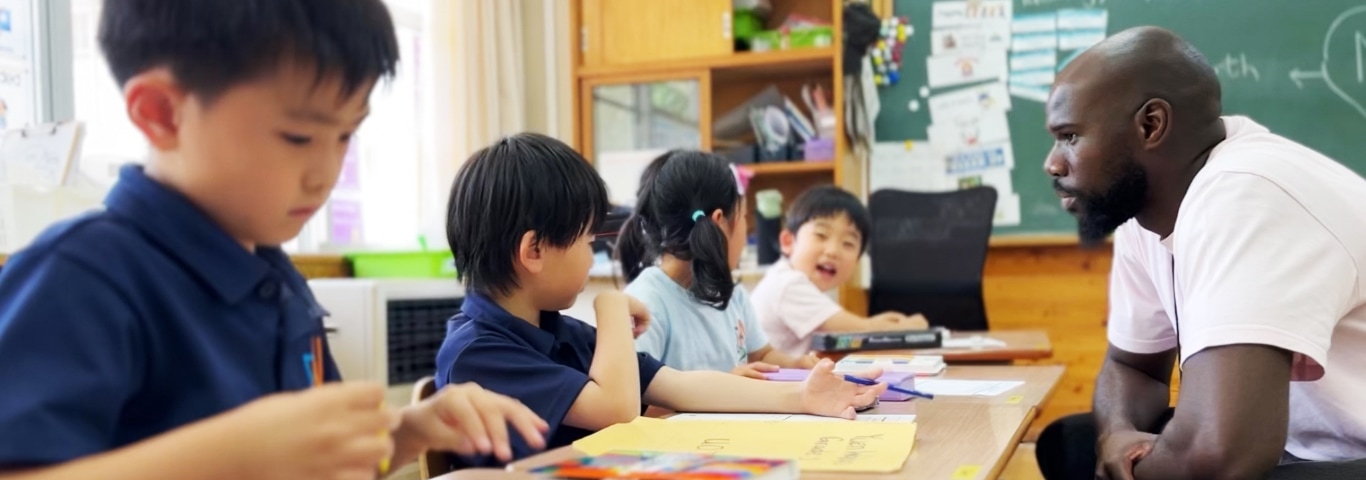
小学3年生にとって、新しい学年が始まります。
The start of a new school year at the International School of Nagano always brings a special kind of energy. Classrooms fill with curiosity, hallways buzz with new friendships, and our learners step into the year with a sense of excitement and possibility. In Grade 3, this moment is particularly meaningful, as students continue developing independence, confidence, and a deeper understanding of the world around them.
Our learning environment is built on inquiry, collaboration, and student agency, allowing each child to feel seen, valued, and inspired. From the very first day, we focus on building a strong sense of community, where learners feel safe to take risks, ask questions, and grow both academically and personally.
As we begin this journey together, we celebrate not only new beginnings, but also the opportunities ahead to explore, create, and connect. It is a year full of discovery, and we are excited to see how each learner will shape their own path.
長野インターナショナルスクールでは、新学期が始まるといつも特別なエネルギーが満ち溢れます。教室は好奇心で満ち、廊下は新しい友情で賑わい、生徒たちは期待と可能性に満ちた気持ちで新学期を迎えます。特に3年生にとって、この瞬間は格別です。生徒たちは自立心、自信、そして周囲の世界への理解を深めていくからです。
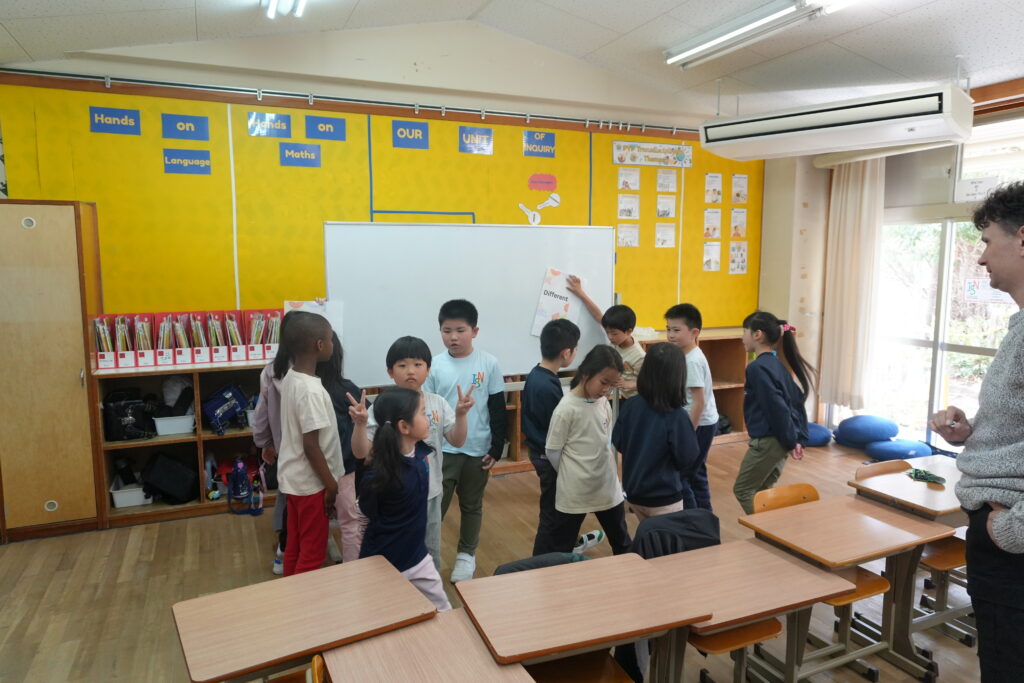
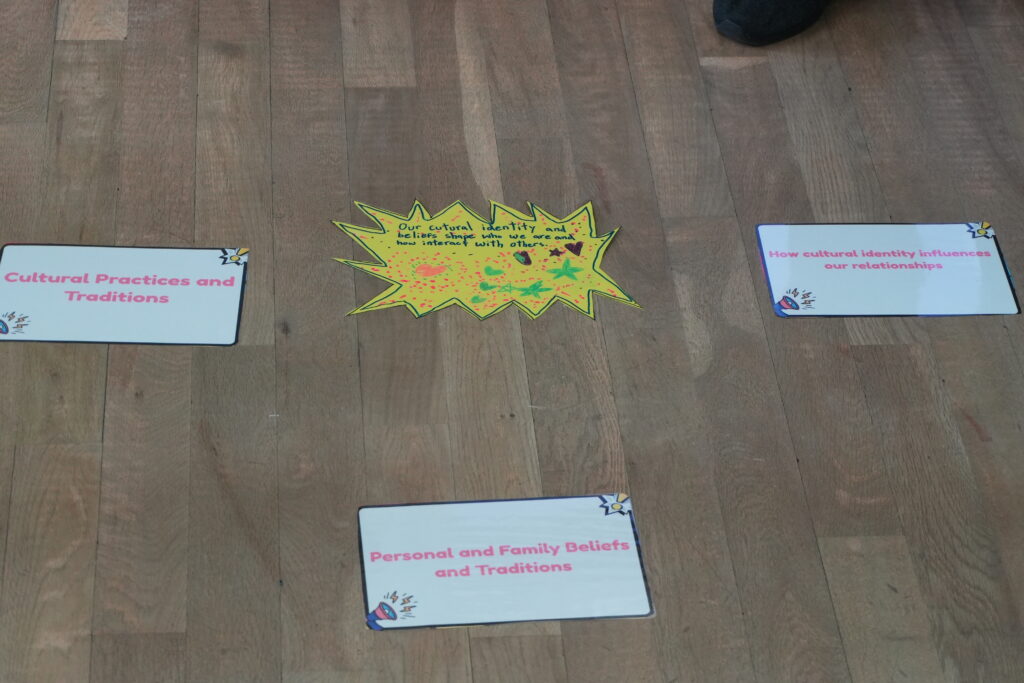
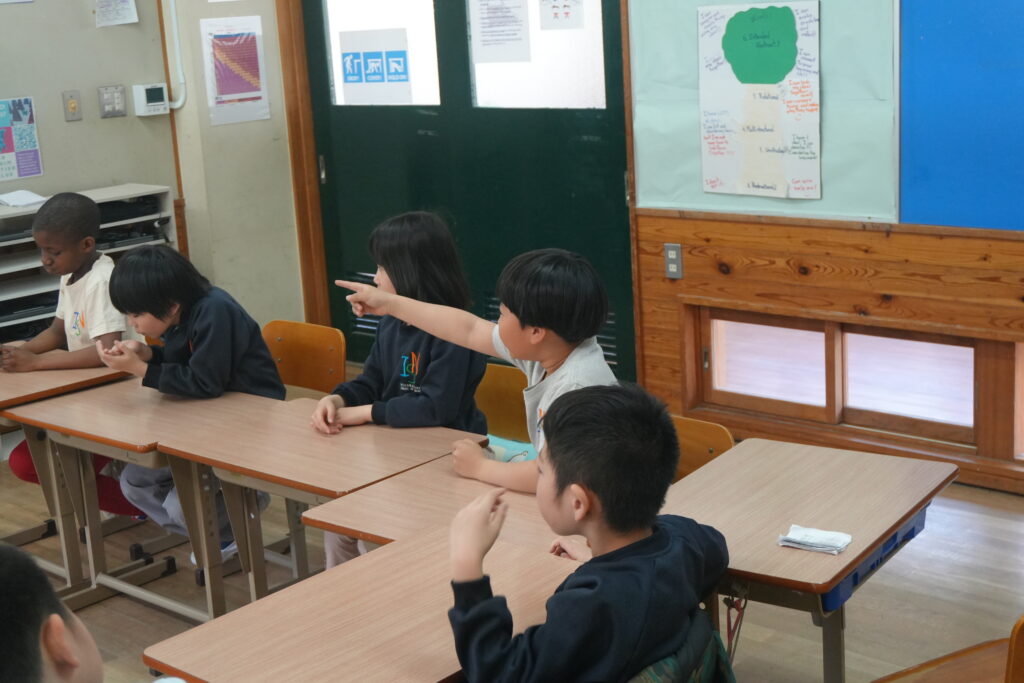
In our current Unit of Inquiry under the transdisciplinary theme Who We Are, Grade 3 learners are exploring the central idea that our cultural identity shapes who we are and how we interact with others. Through an inquiry-based approach, students are encouraged to ask questions, share perspectives, and make meaningful connections to their own lives.
現在、学際的なテーマ「私たちは何者か」のもとで行っている探究学習において、小学3年生は、文化的アイデンティティが私たちの人格形成や他者との関わり方を形作るという中心的な考え方を探求しています。探究型の学習を通して、生徒たちは質問をしたり、様々な視点を共有したり、自分自身の生活と有意義なつながりを見出すよう促されます。
Rather than simply receiving information, learners actively construct their understanding by investigating their own cultural backgrounds, family traditions, and personal experiences. They engage in discussions, collaborative activities, and reflective tasks that allow them to appreciate both similarities and differences within our diverse classroom community.
学習者は単に情報を受け取るだけでなく、自身の文化的背景、家族の伝統、個人的な経験を探究することで、積極的に理解を深めていきます。多様な教室コミュニティの中で、共通点と相違点の両方を認識できるよう、議論や共同作業、内省的な課題に取り組みます。
This process nurtures open-mindedness and empathy, as students begin to understand how culture influences beliefs, values, and interactions. By giving learners voice and choice throughout the unit, we empower them to take ownership of their learning and develop a deeper sense of identity in a global context.
このプロセスを通して、生徒たちは文化が信念、価値観、そして人との関わりにどのように影響を与えるかを理解し始め、寛容さと共感力を育みます。単元全体を通して学習者に発言権と選択肢を与えることで、学習への主体性を高め、グローバルな視点からより深い自己認識を育むことができるようになります。
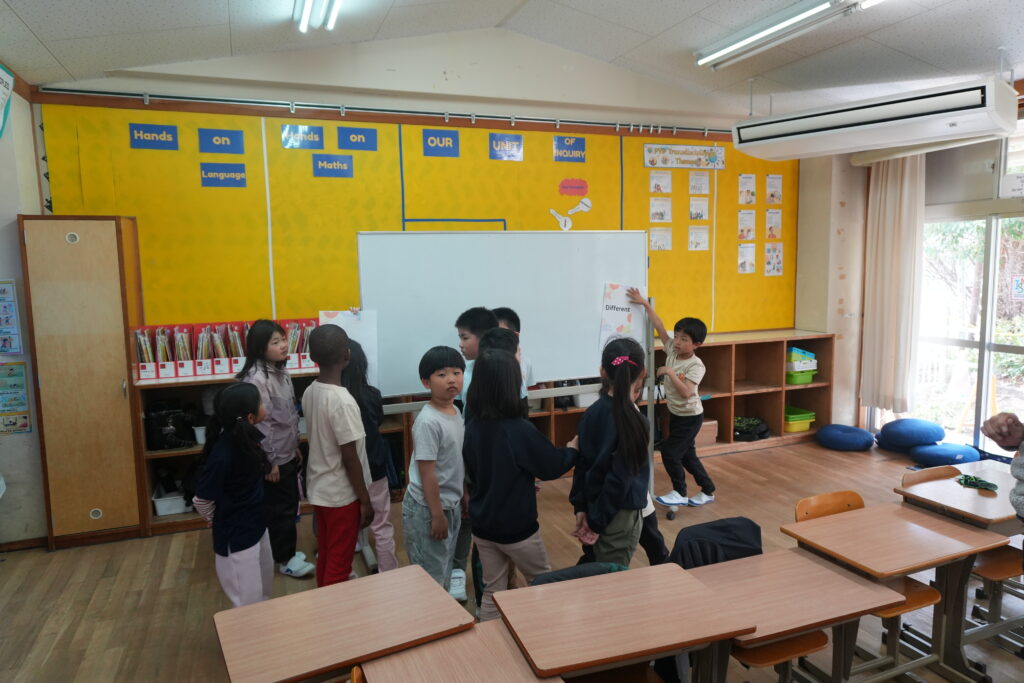
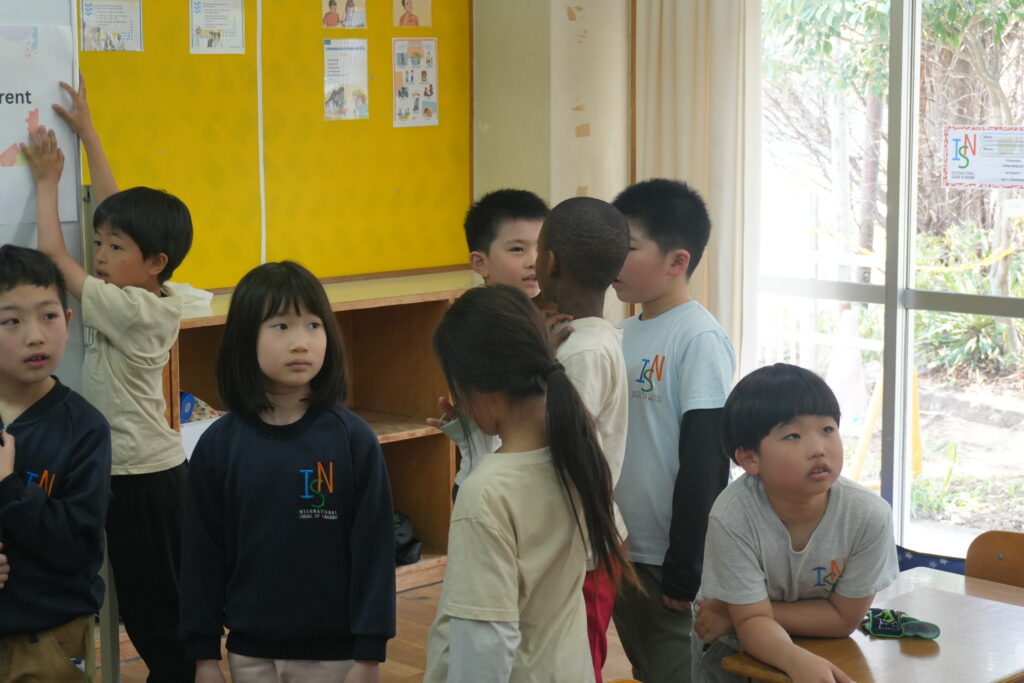
Learning in Grade 3 extends beyond the Unit of Inquiry into all subject areas, where a hands-on, experiential approach allows learners to build understanding through active engagement. In Mathematics, students develop key conceptual skills such as place value, number sense, and flexible problem-solving strategies through the use of concrete materials and visual representations. This approach enables learners to move confidently from the concrete to the abstract, deepening their conceptual understanding and supporting long-term retention.
このプロセスを通して、生徒たちは文化が信念、価値観、そして人との関わりにどのように影響を与えるかを理解し始め、寛容さと共感力を育みます。単元全体を通して学習者に発言権と選択肢を与えることで、学習への主体性を高め、グローバルな視点からより深い自己認識を育むことができるようになります。
As learners explore mathematical ideas, they are encouraged to think critically, make connections, and explain their reasoning using appropriate mathematical language. Collaborative learning plays a central role, as students share strategies, compare approaches, and learn to appreciate that there are multiple ways to reach a solution. These experiences strengthen not only their computational skills, but also their ability to communicate, justify, and reflect on their thinking.
学習者は数学的な概念を探求する中で、批判的に考え、関連性を見出し、適切な数学用語を用いて推論を説明するよう促されます。協働学習は中心的な役割を果たし、生徒は戦略を共有し、アプローチを比較し、解決策にたどり着く方法は複数あることを理解します。これらの経験は、計算能力だけでなく、コミュニケーション能力、論理的思考力、そして思考を振り返る能力も強化します。
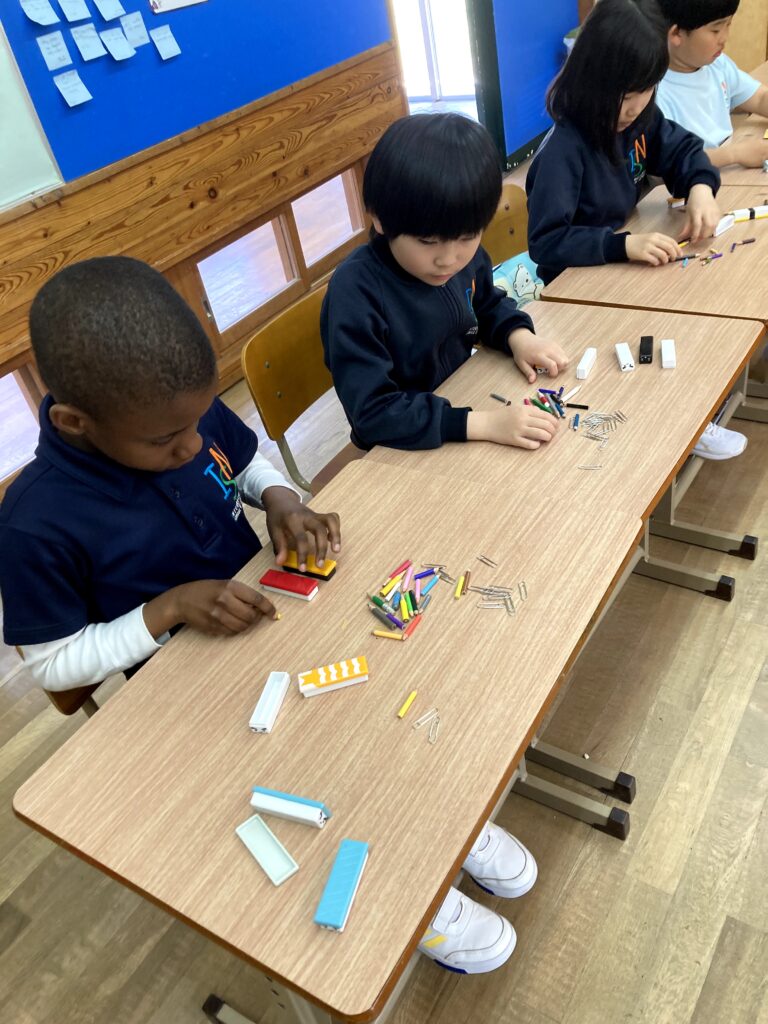
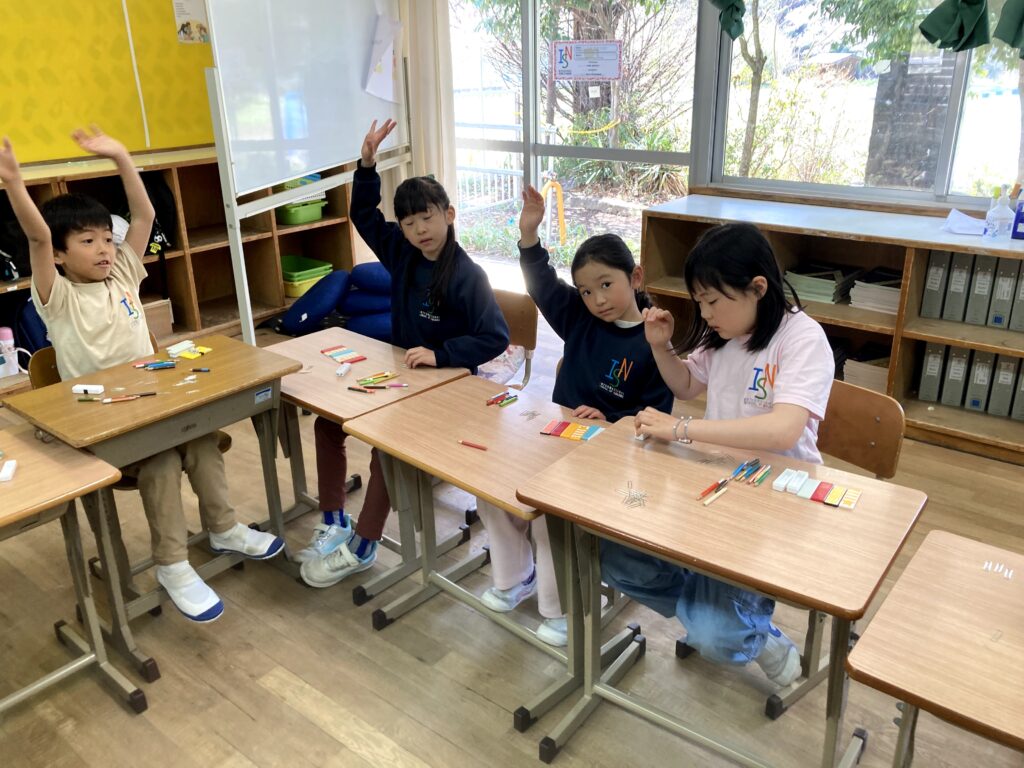
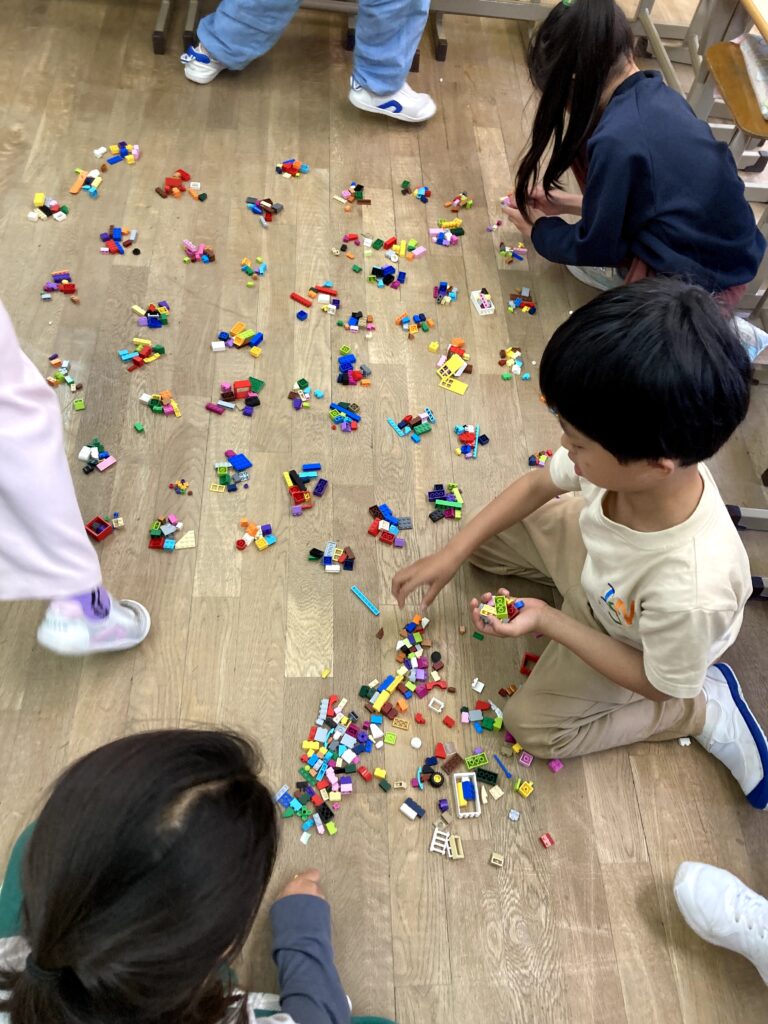
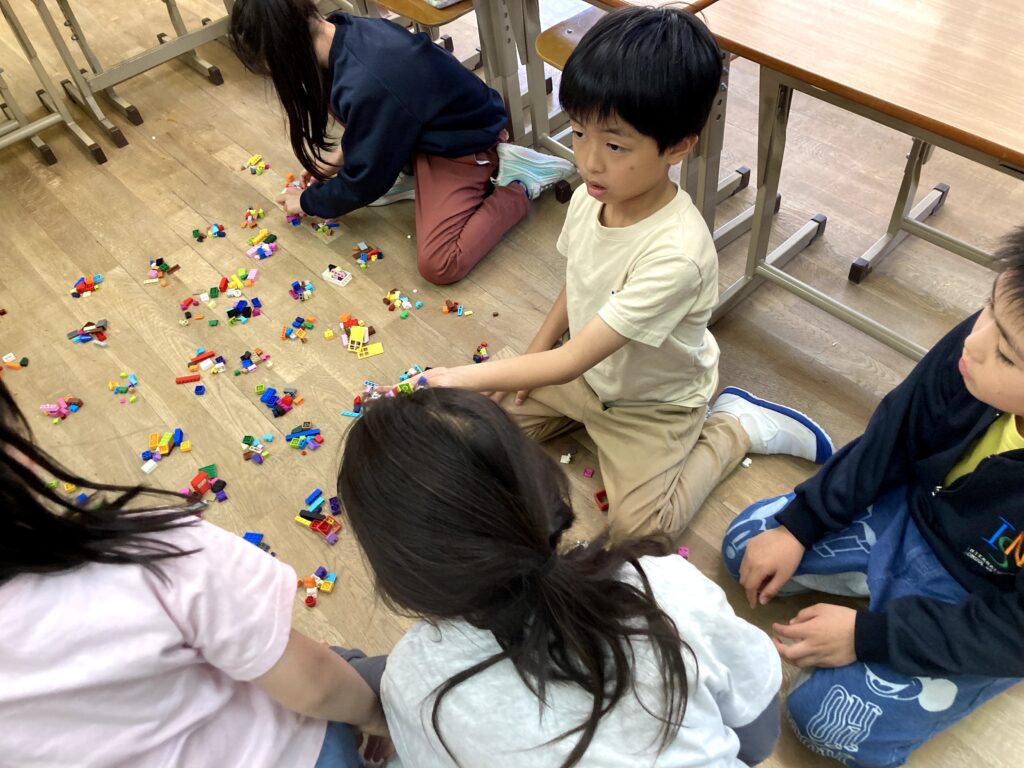
This process nurtures confidence and independence, as learners take ownership of their progress and begin to see themselves as capable problem-solvers. By engaging with meaningful tasks and real-life contexts, students develop a sense of purpose in their learning and an appreciation for how mathematics applies beyond the classroom.
このプロセスを通して、学習者は自身の進歩に責任を持ち、問題解決能力のある人間だと自覚するようになり、自信と自立心が育まれます。有意義な課題や実生活の場面に取り組むことで、生徒は学習における目的意識を養い、数学が教室の外でもどのように応用されるかを理解できるようになります。
Importantly, this approach connects directly with our Unit of Inquiry, as learners begin to recognise that the ways we approach challenges, think about problems, and interact with others are shaped by our individual experiences and perspectives. Through these integrated learning experiences, students build strong academic foundations while also developing a deeper understanding of themselves and others within a diverse and interconnected community.
重要なのは、このアプローチが私たちの探究ユニットと直接結びついている点です。学習者は、課題への取り組み方、問題への考え方、他者との関わり方が、個々の経験や視点によって形作られていることを認識し始めます。こうした統合的な学習体験を通して、生徒は強固な学術的基盤を築くと同時に、多様で相互につながり合うコミュニティの中で、自分自身と他者への理解を深めていきます。
Here is to a wonderful start of the school year.
素晴らしい新学期のスタートを祈って。
