Hello, Milky Way Families!
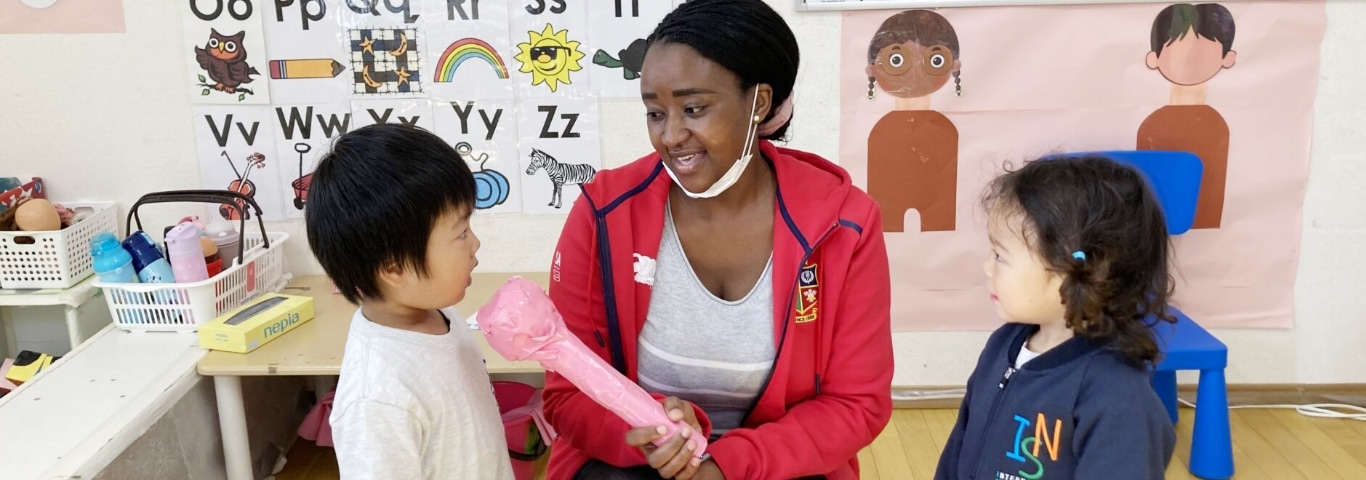
Welcome to another exciting week in the Milky Way class! This week, our learners began their journey into Unit 3, How We Express Ourselves. Our new Central Idea is “Stories help people understand themselves and others,” and our first Line of Inquiry is “There are many ways of telling a story.” Through observing, questioning, discussing, creating, and exploring, our learners began discovering that stories can be expressed and shared in many different ways.
Beginning Our New Unit: Gallery Provocation
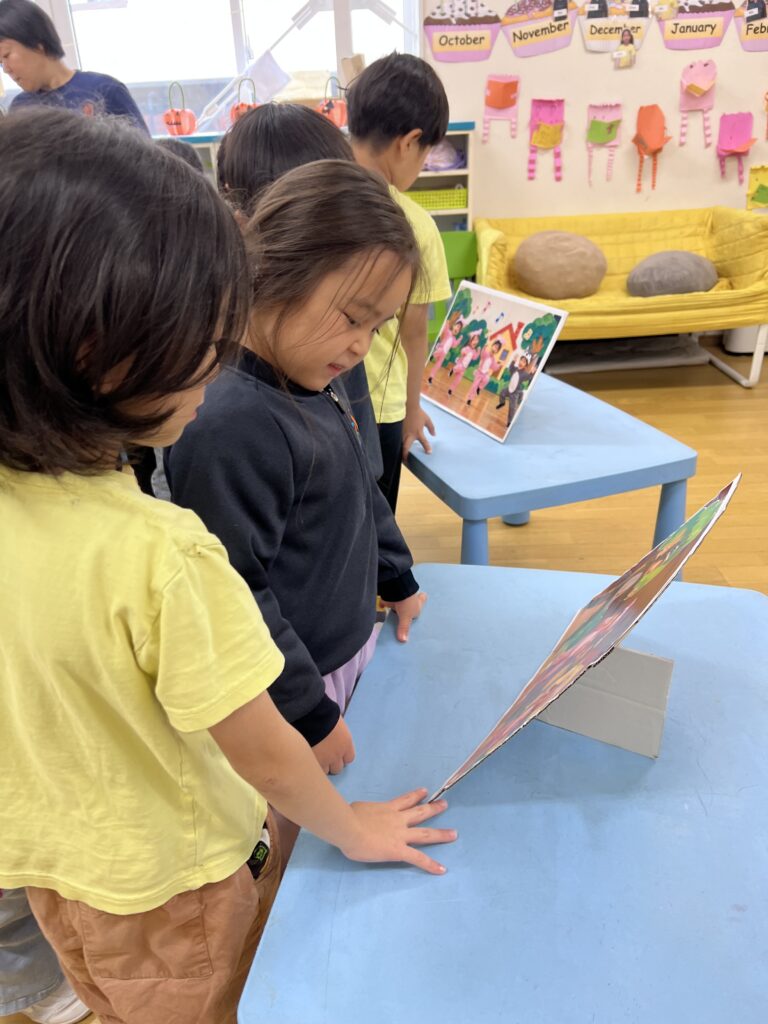
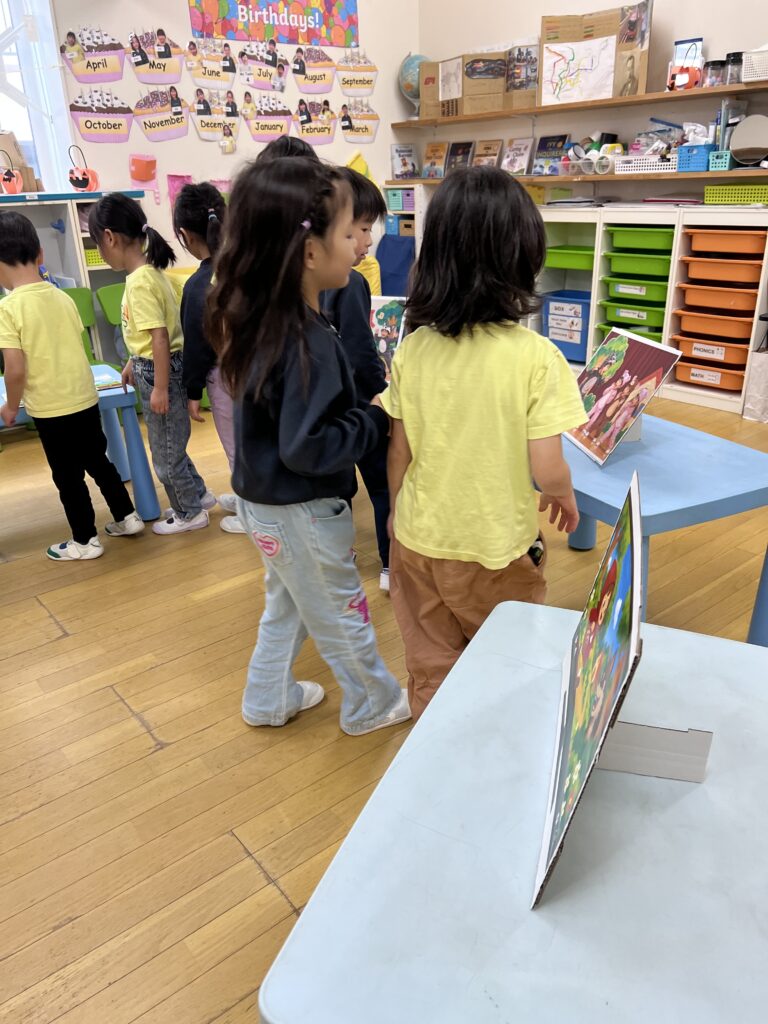
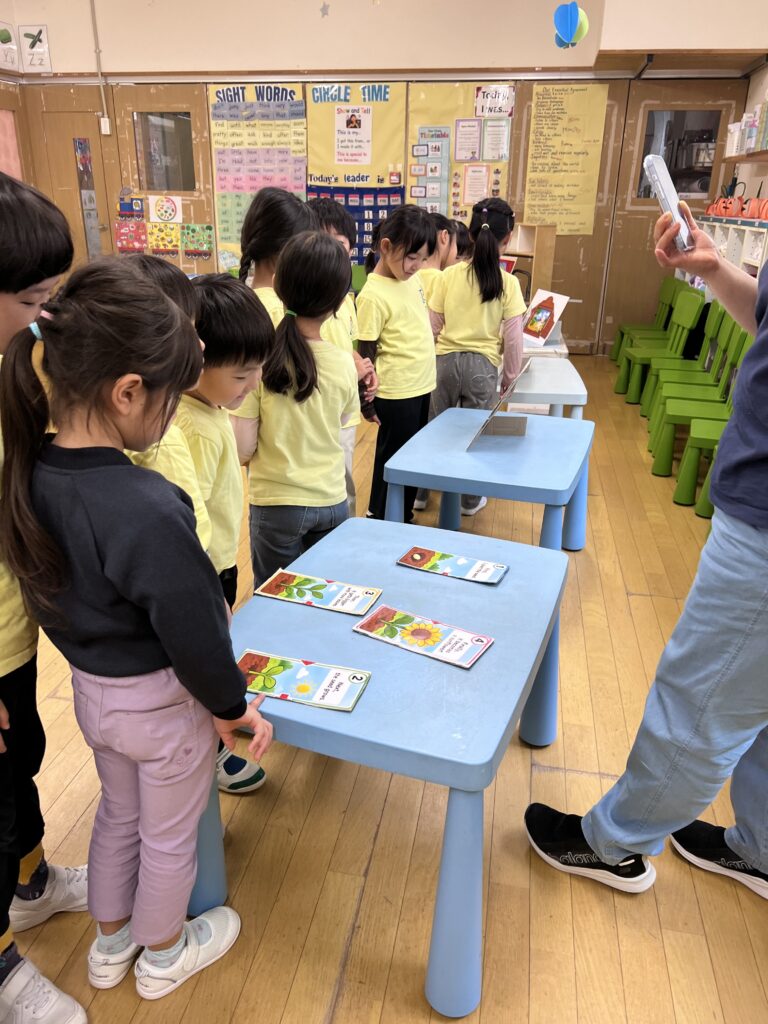
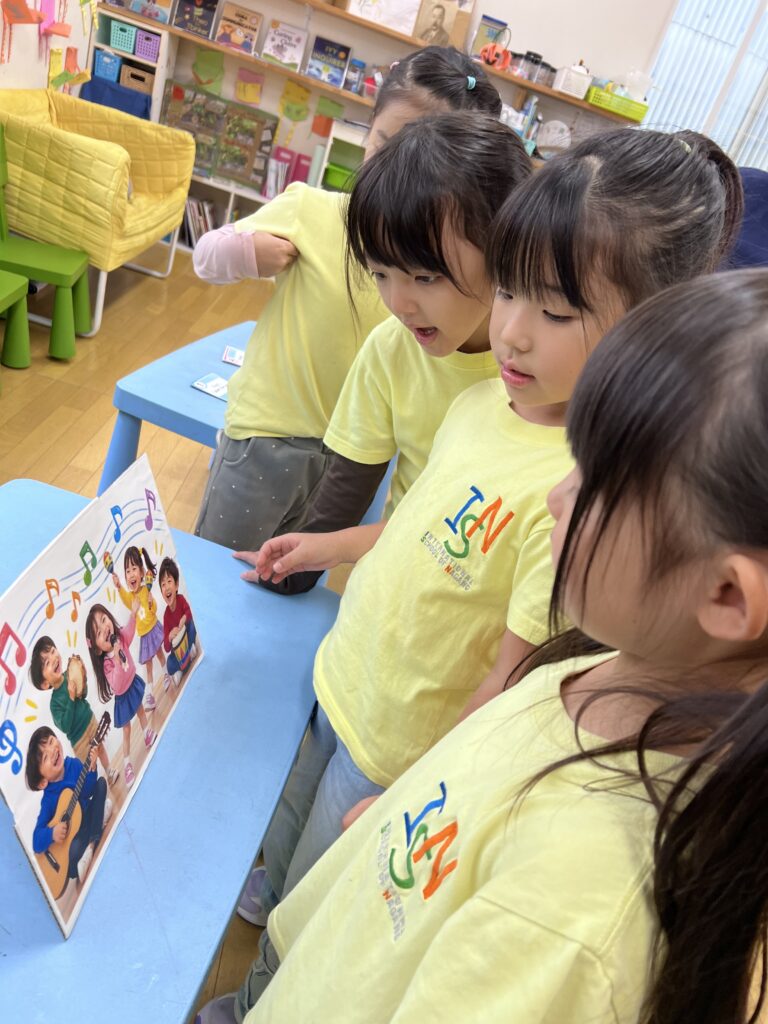
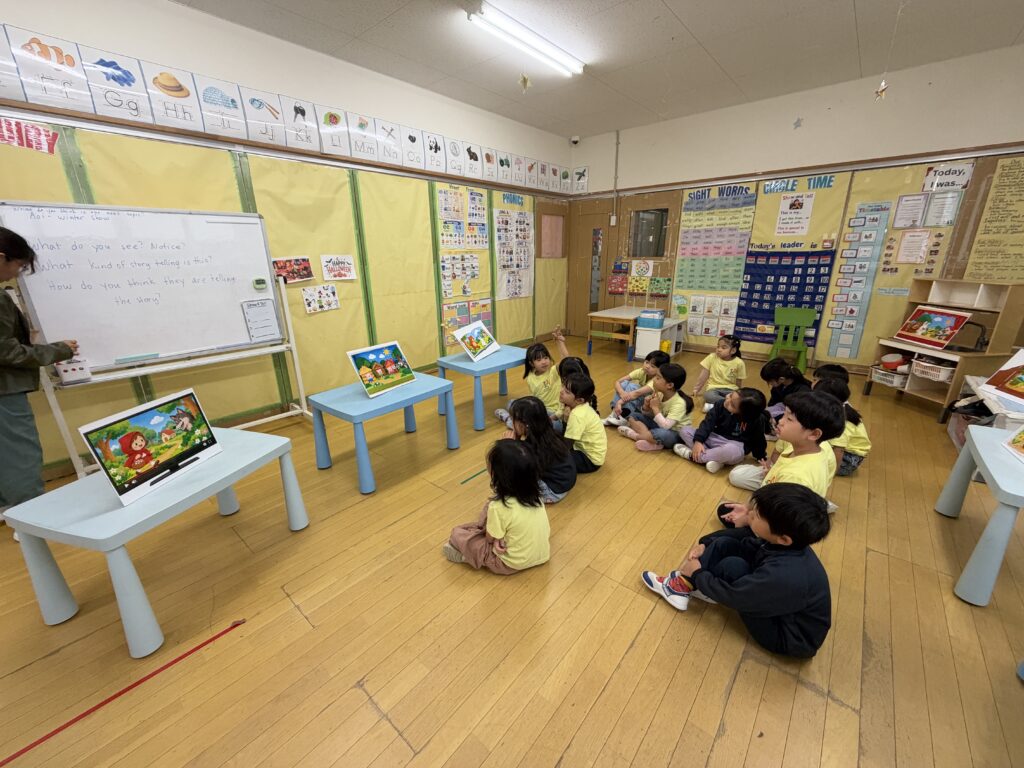
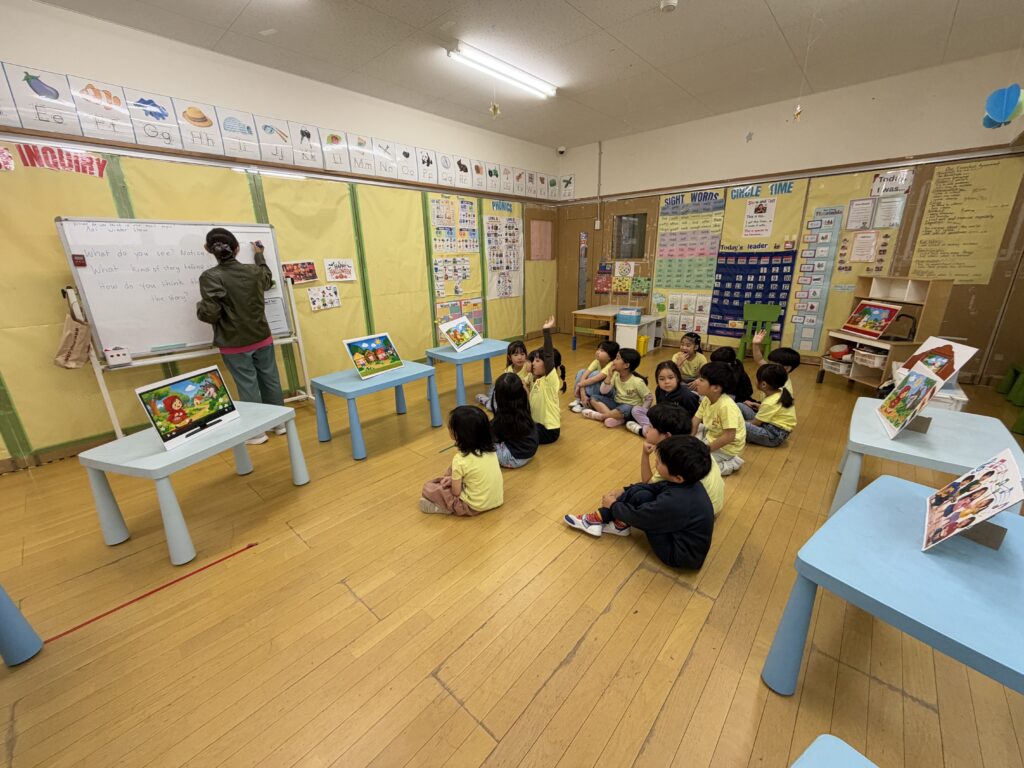
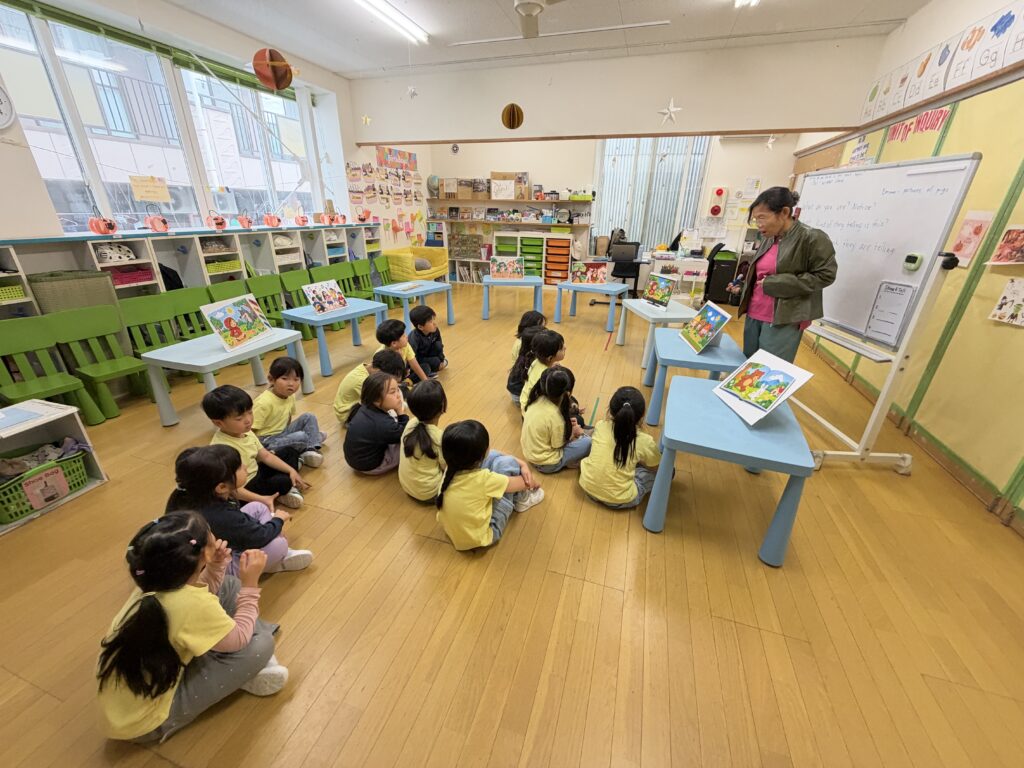
We began our new unit with a Gallery Provocation. The learners walked around the classroom and were given time to look, think, and talk at each station. As they explored the pictures, the learning facilitator encouraged them to observe carefully and share their thinking by asking, “What do you see?”, “What do you notice?”, “What kind of storytelling is this?” and “How do you think they are telling the story?”
The learners shared many interesting ideas, including, “I see pictures of pigs,” “People dancing,” “Drawing,” “TV,” “Play,” “Puppet show,” and “Book.” After exploring the different stations, the learning facilitator asked, “What do you think we will explore in this unit?” One learner thoughtfully answered, “Expressing or telling stories.” What a wonderful way to begin our inquiry!
We then introduced our Transdisciplinary Theme, How We Express Ourselves, our Central Idea, and our first Line of Inquiry: “There are many ways of telling a story.” We also brainstormed the Learner Profile attributes and ATL skills that could support our learning throughout the unit.
Together, we identified three Learner Profile attributes to focus on:
Thinker – Learners will think about their everyday experiences and understand that their experiences can become part of their own stories.
Communicator – Learners will communicate their thoughts, ideas, feelings, and stories.
Open-minded – Learners will learn to appreciate different stories from different cultures and languages. They will also practice being open to their friends’ ideas and suggestions when creating and writing stories.
Our three ATL skills are Research Skills, Communication Skills, and Social Skills. These skills will help our learners ask questions, communicate their thinking, listen to others, and work together throughout our inquiry.
Exploring Books as One Way of Telling a Story
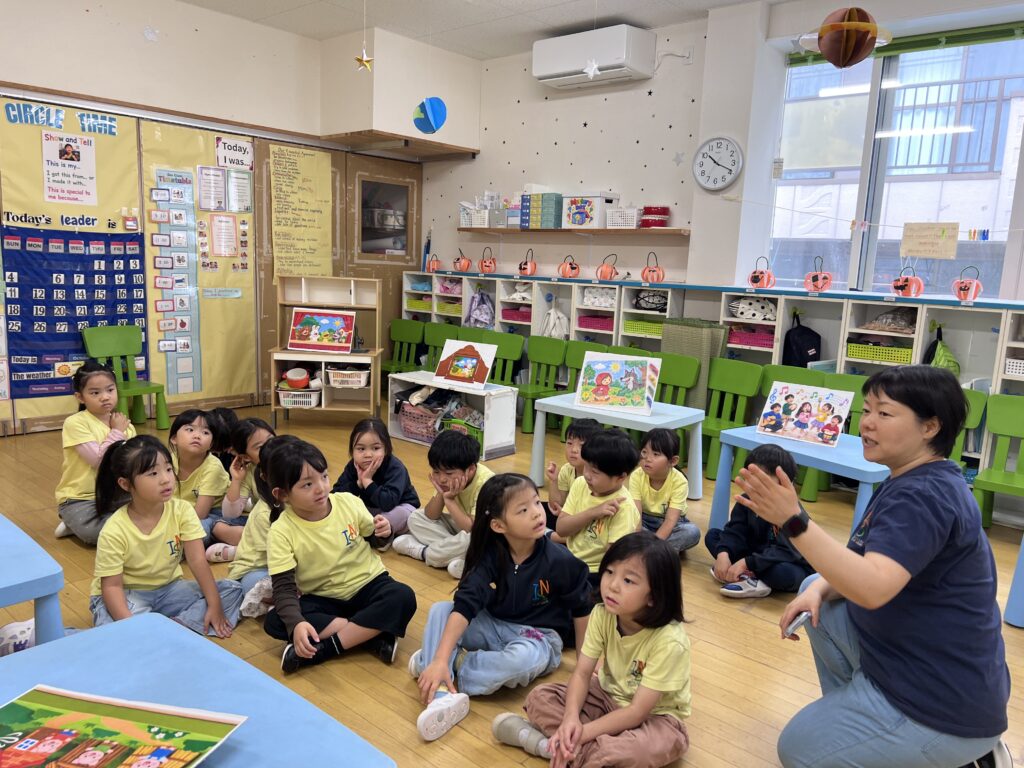
Our inquiry then led us to explore books as one way of telling a story. The learning facilitator read Little Mouse and the Red Wall, followed by a class discussion. We wondered, “How does a book help us tell a story?” The learners shared that books can tell stories through “words,” “pictures,” “characters,” “emotions,” and “pages.”
Through this discussion, our learners began to notice that books are more than something we simply read. Words and pictures work together to help us understand characters, events, feelings, and ideas. This helped us make a meaningful connection to our Line of Inquiry: There are many ways of telling a story.
Can Our Bodies Tell a Story?
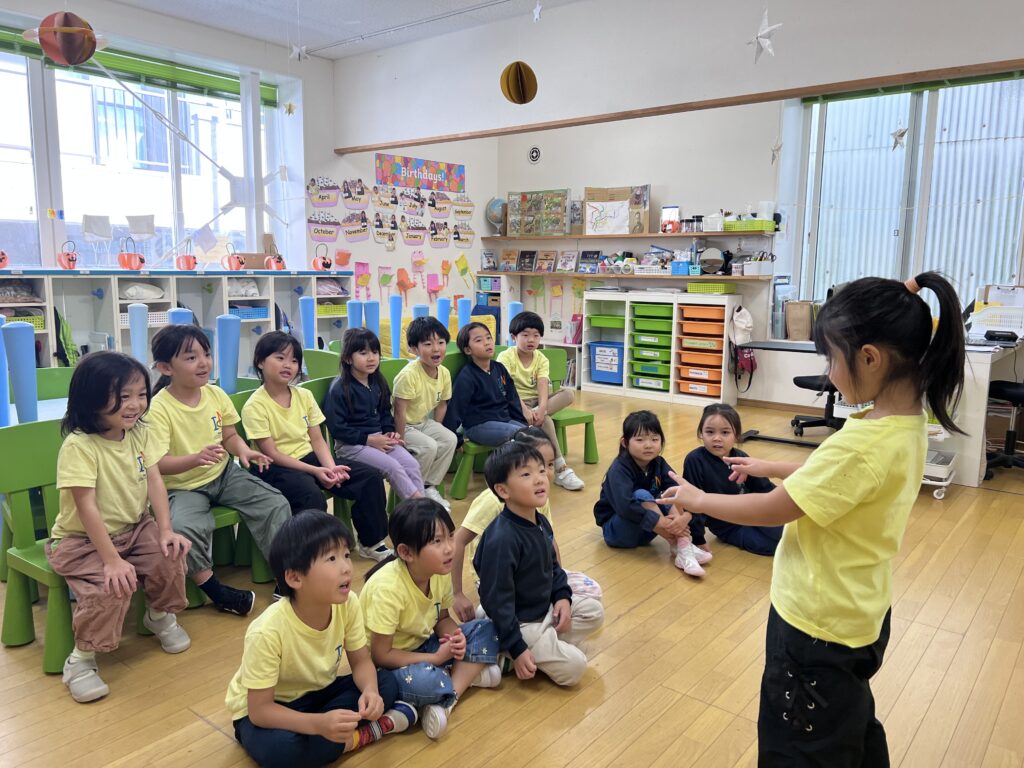
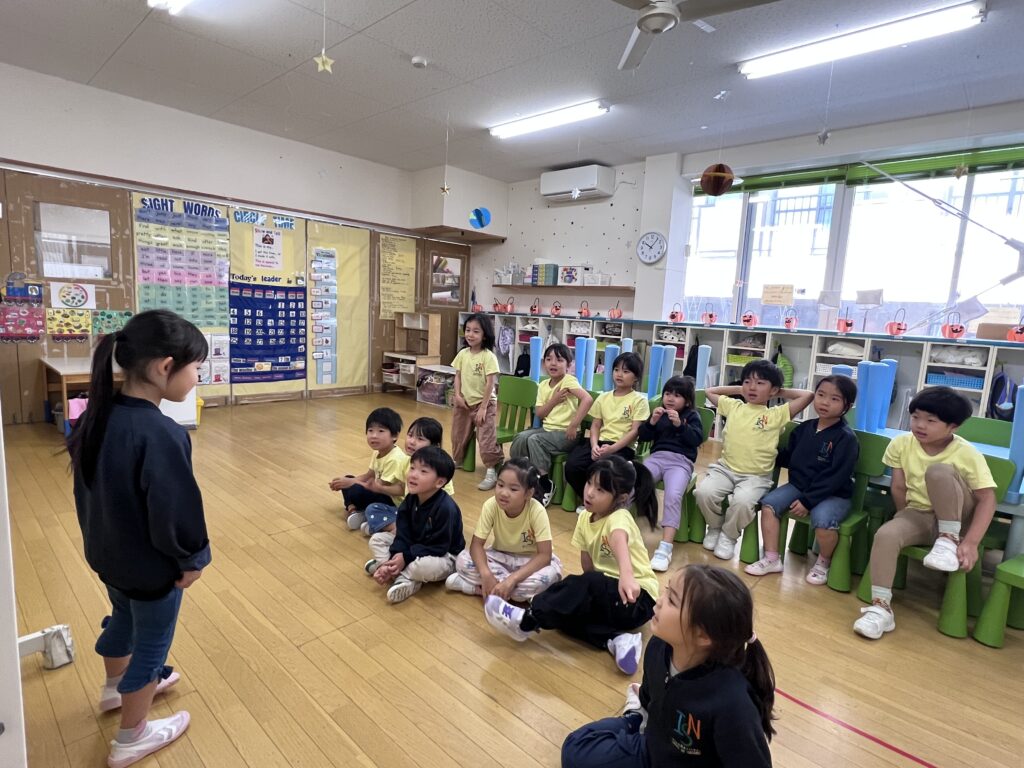
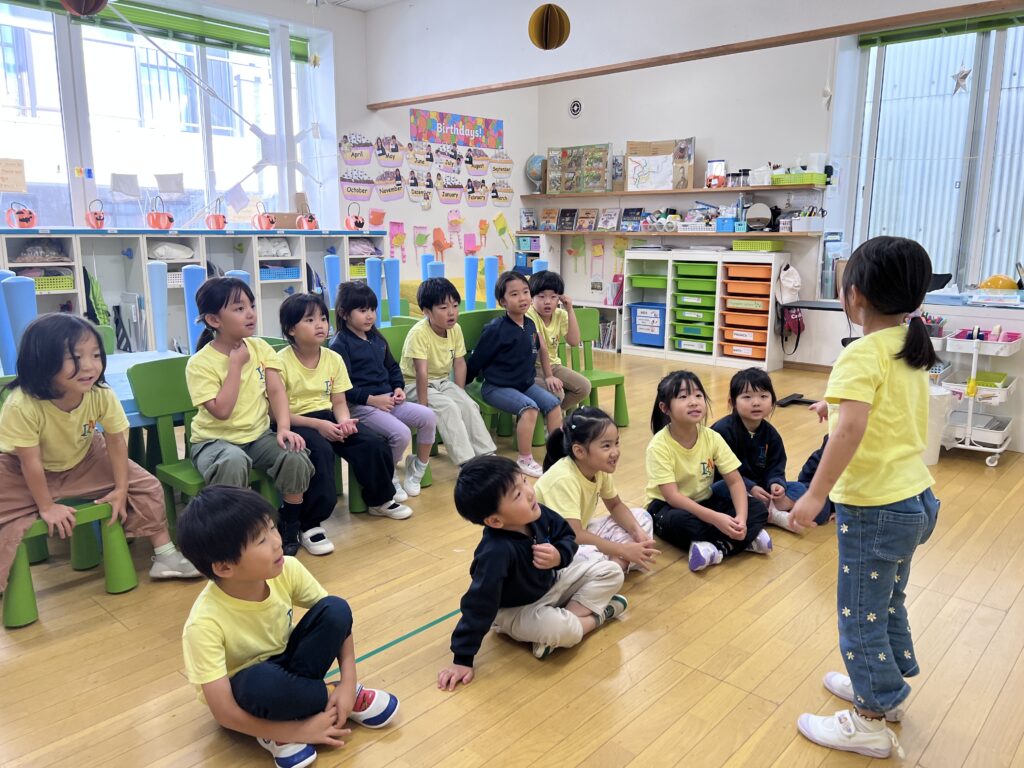
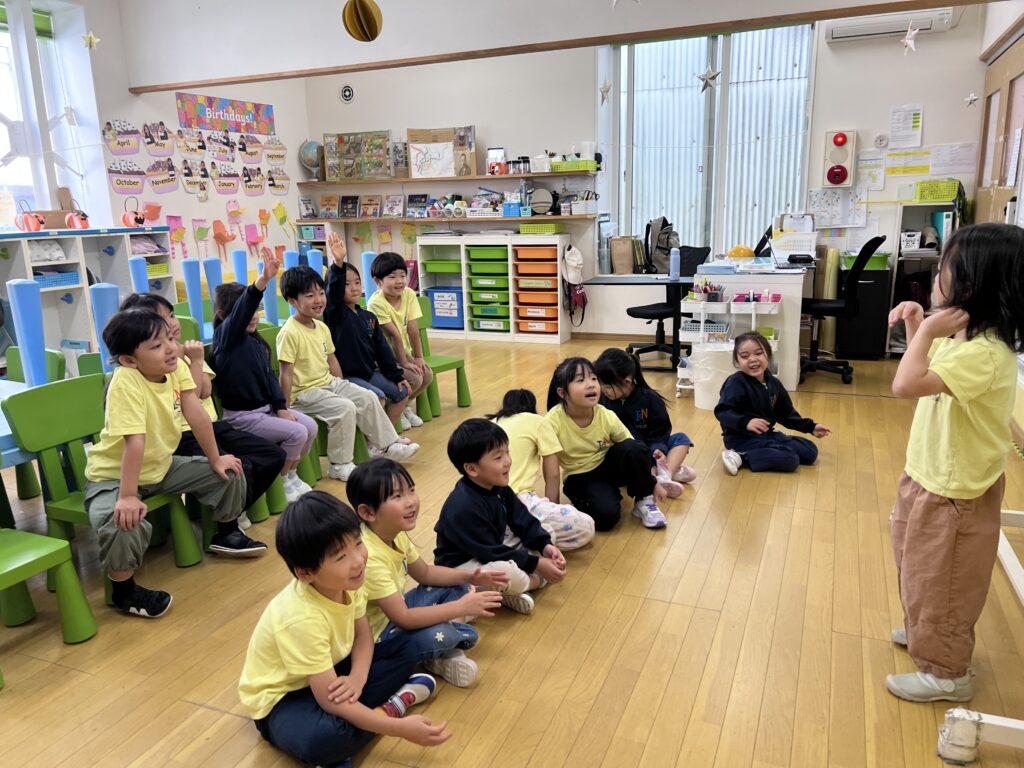
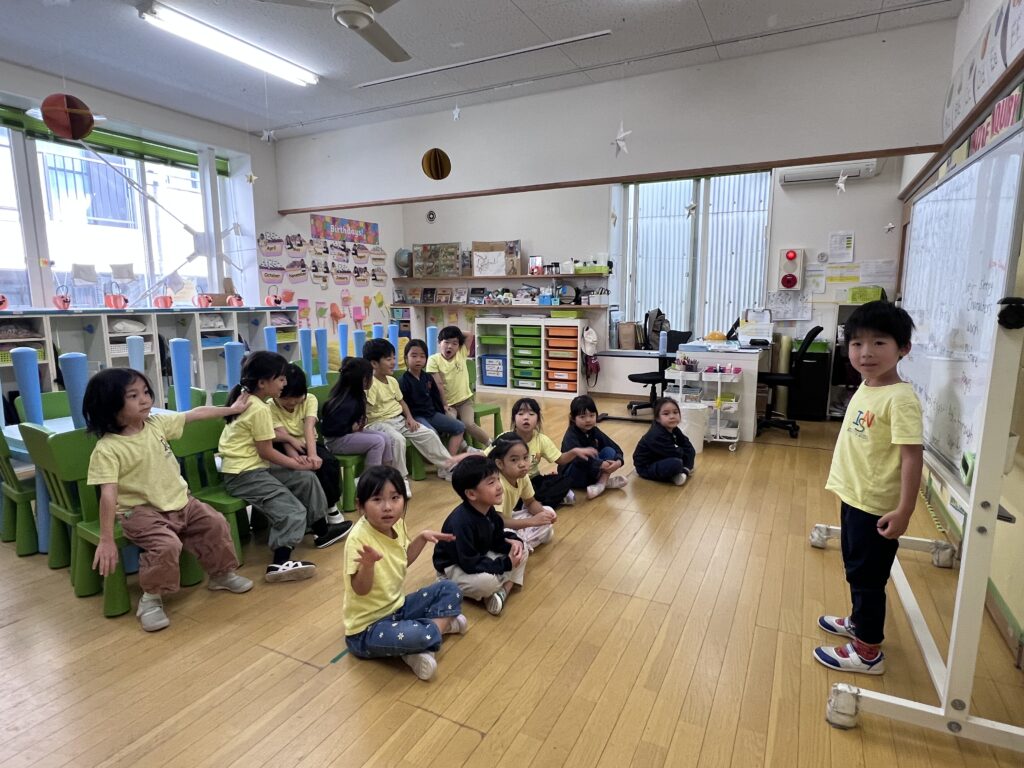
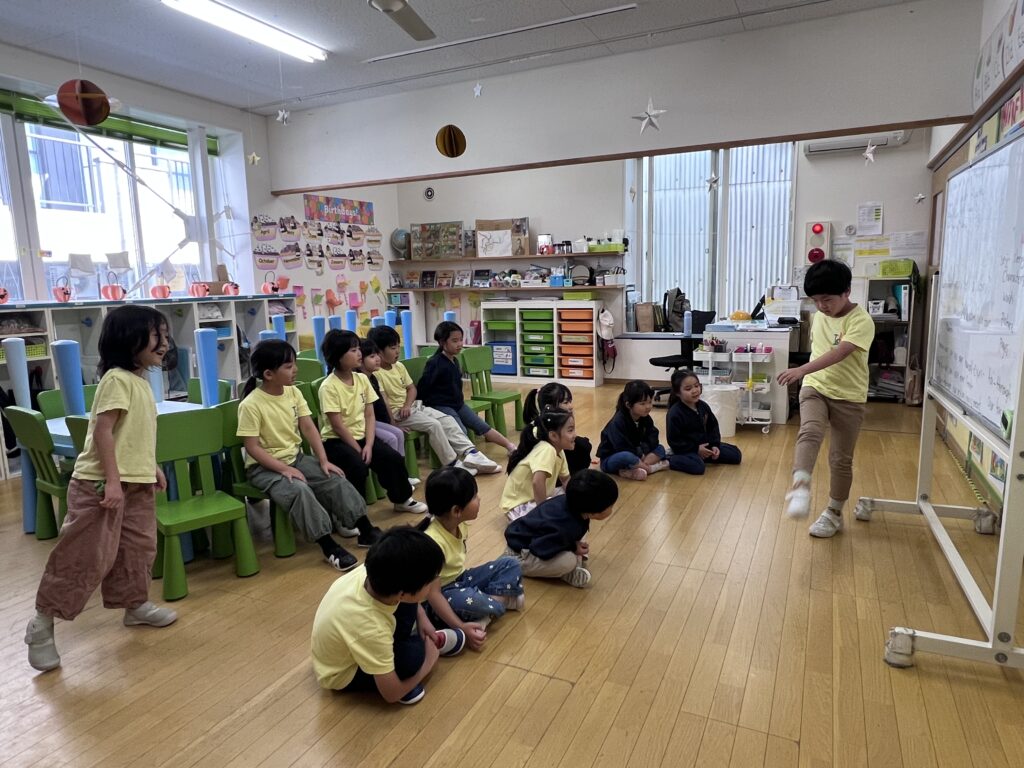
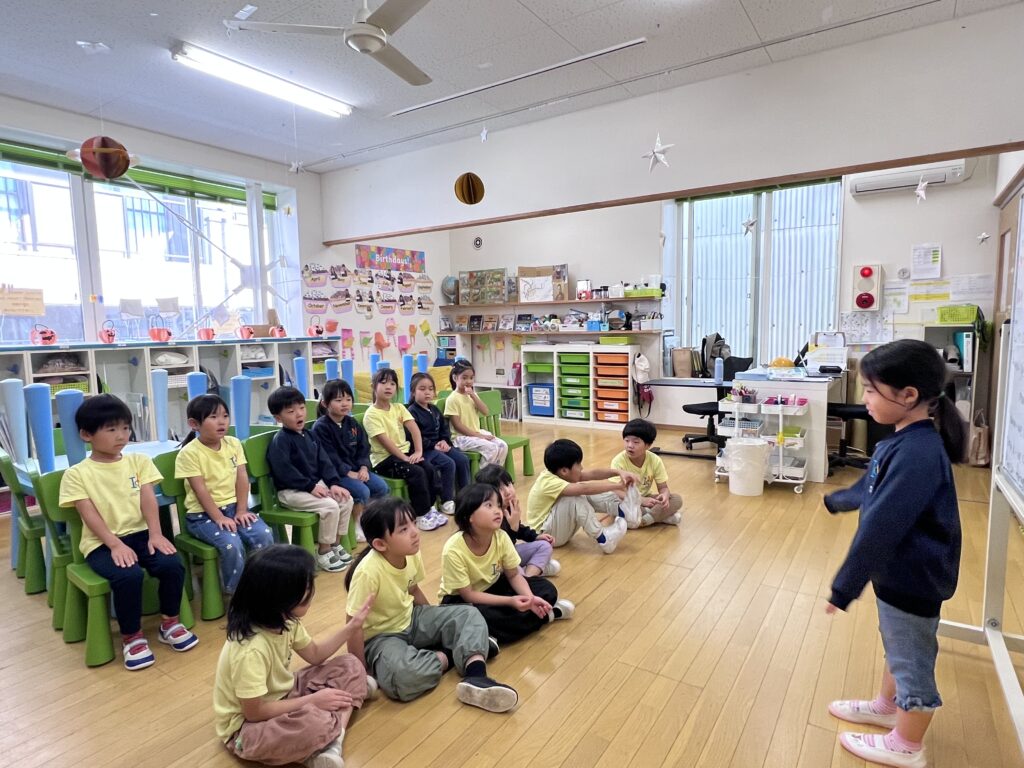
We then explored dance and movement as another way of telling a story. The learning facilitator posed a big question: “Can our body tell a story?” At first, the learners confidently answered, “No!”
To challenge their thinking, the learning facilitator acted as though she was feeling cold and asked, “What story am I telling with my body?” The learners quickly responded, “You are cold!” More actions followed, including being sleepy, scared, and popping bubbles. Each time, the learners were able to guess what was being communicated.
The learning facilitator then asked, “How did you understand my story without using words?” The learners noticed the different clues they were observing and shared, “Your actions,” “Your hands,” “Your feet,” “Your face,” and “Your movements.” When the question was asked again, “Can our body tell a story?” the learners confidently answered, “YES!”
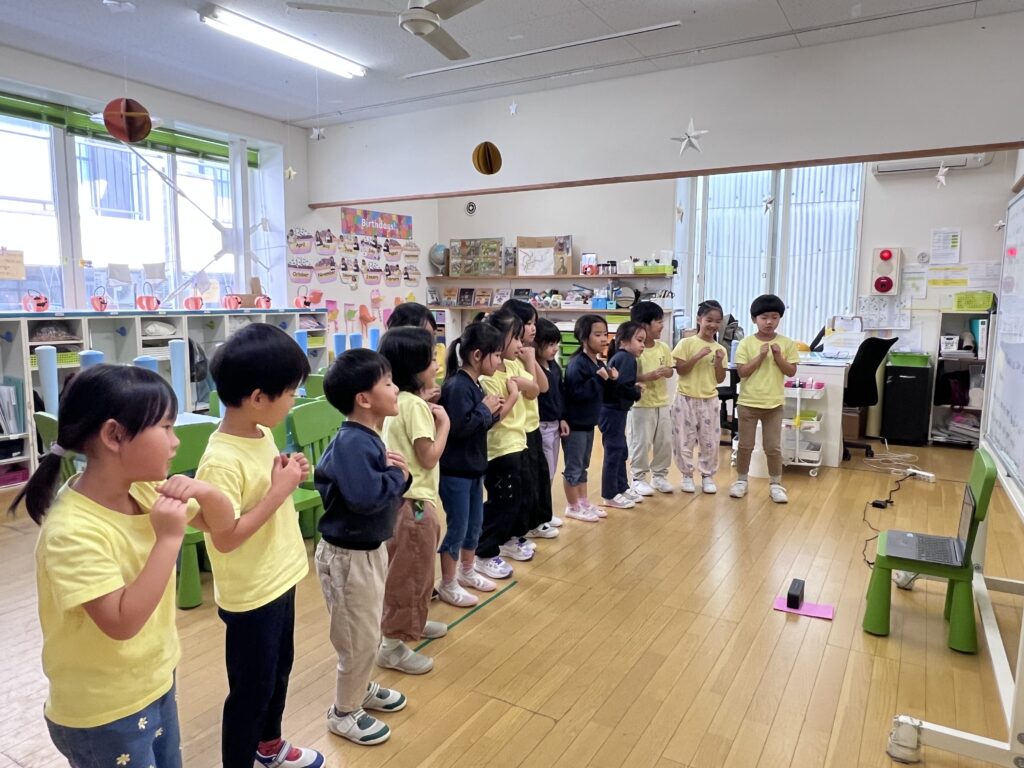
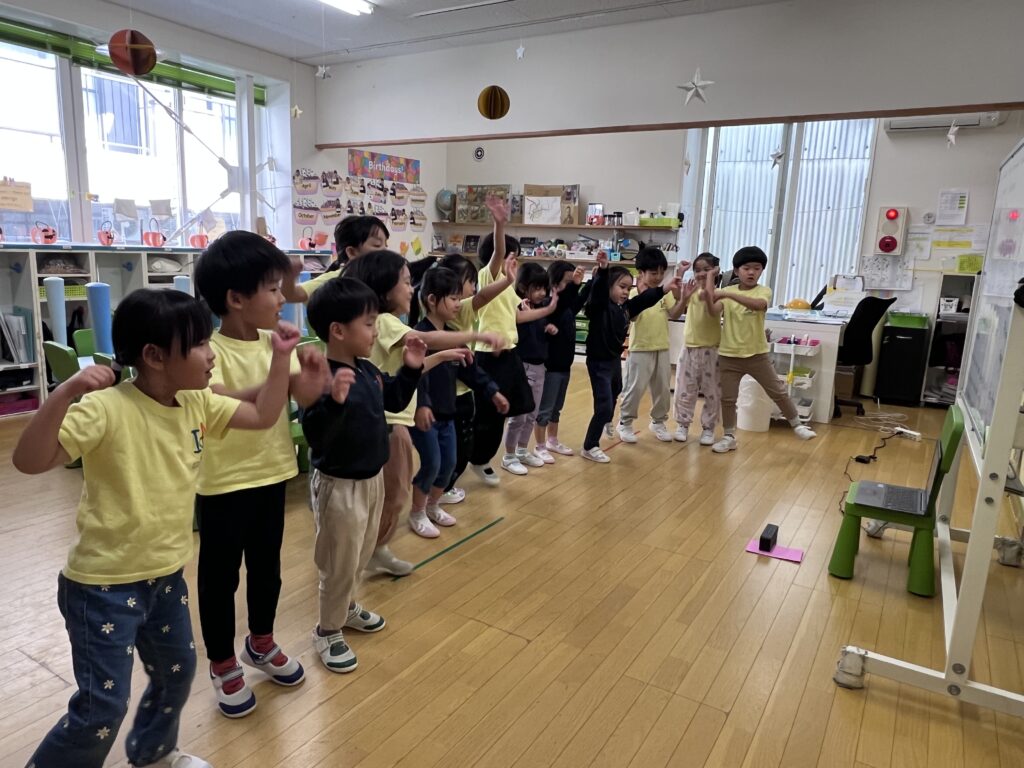
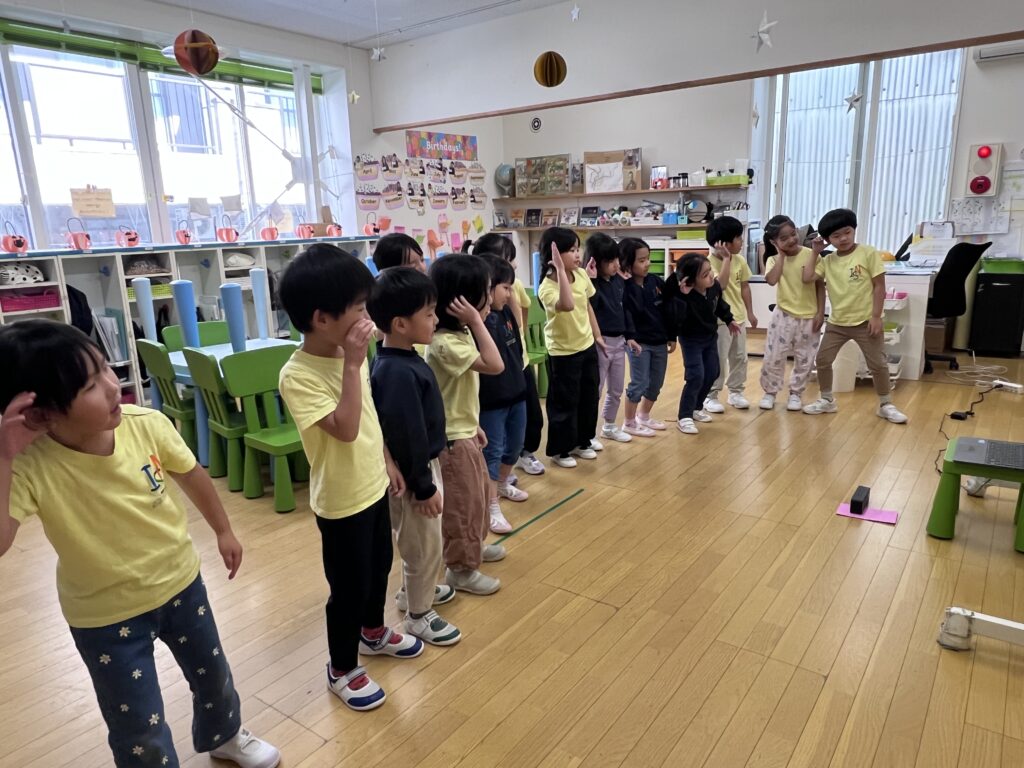
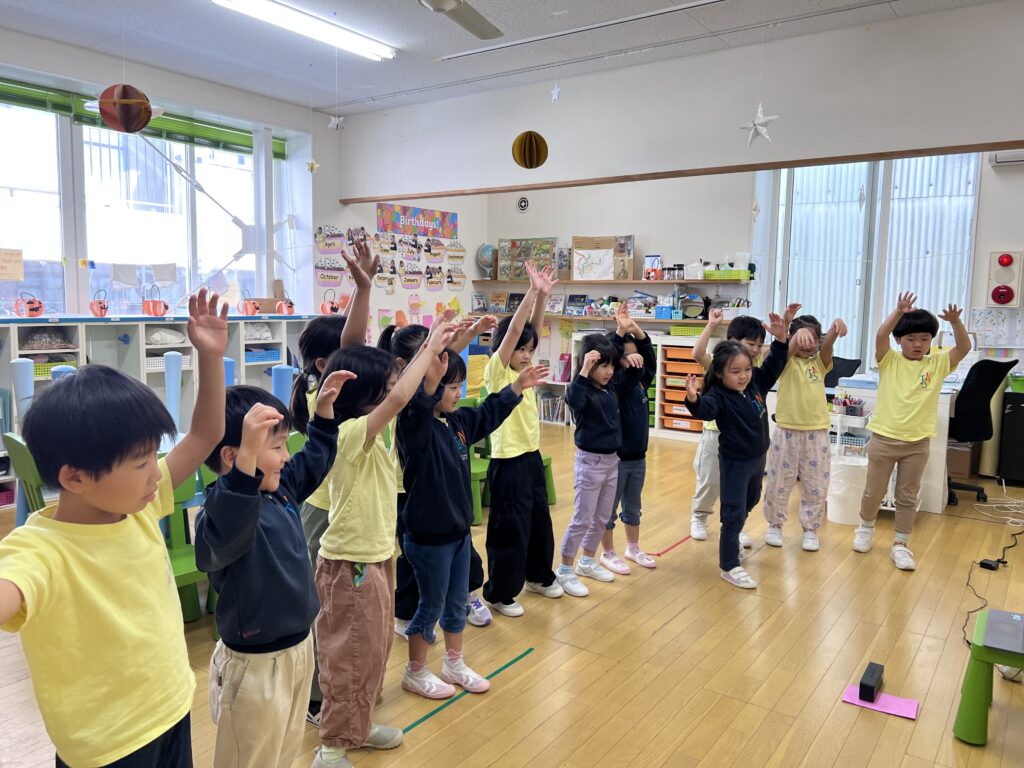
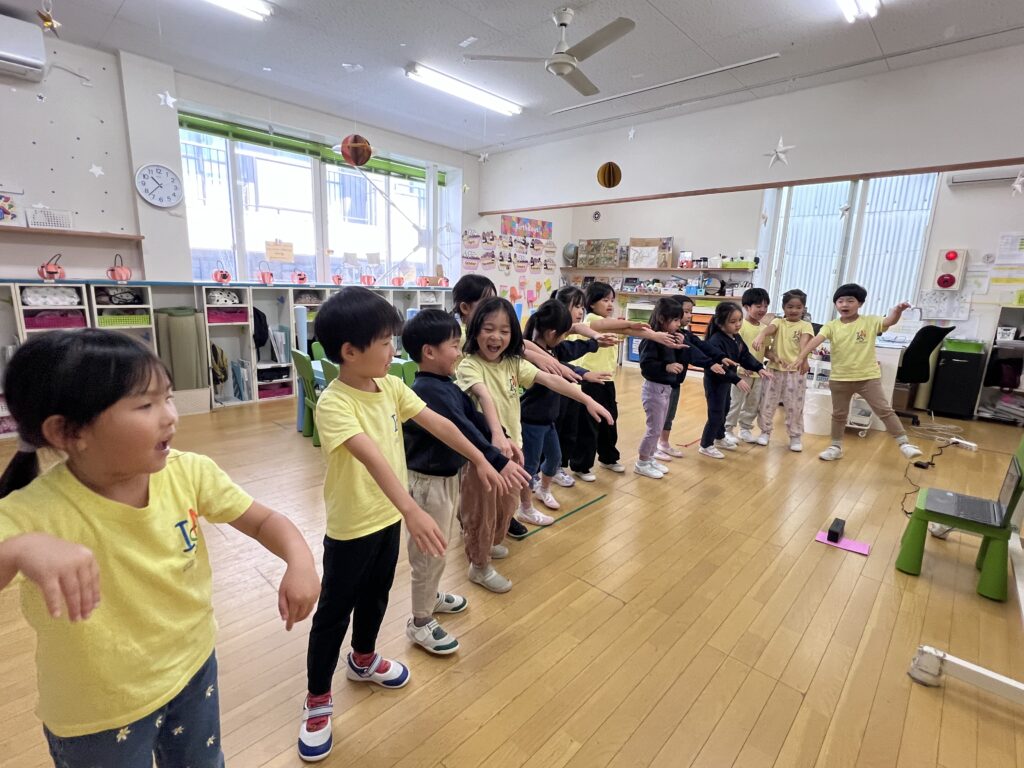
The inquiry continued as each learner had the opportunity to stand in front of the class and tell a story using only their body. We saw many creative actions, including a spider crawling, a frog jumping, walking in the rain, and many more. The amazing part? Our learners became little “action detectives”! They carefully observed their classmates and were able to guess the movements and actions being communicated. Through this experience, they discovered that our bodies can communicate ideas, feelings, and stories even without words. We then made a meaningful connection between body movement and dance. Rather than simply practising our Halloween exercise dance, we explored how dance can also be a way of telling a story. We watched a Halloween dance video and observed how the dancers used their hands, facial expressions, body movements, and emotions to communicate ideas and bring the story to life. The learners then had an opportunity to dance along, using their own actions, facial expressions, and body movements to express the story. Through this experience, they began to understand that dance is not only about following movements, it can also be a creative way to communicate feelings, ideas, and stories without using words. This gave our learners another meaningful connection to our Line of Inquiry: There are many ways of telling a story.
Our Chihiro Art Museum Adventure
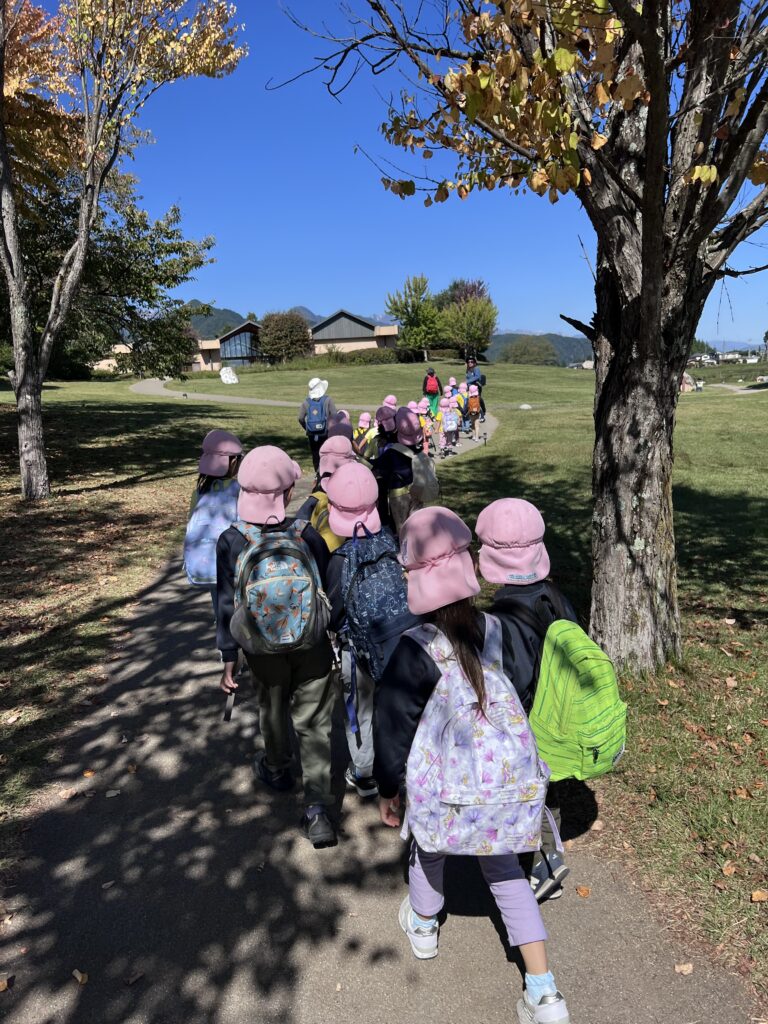
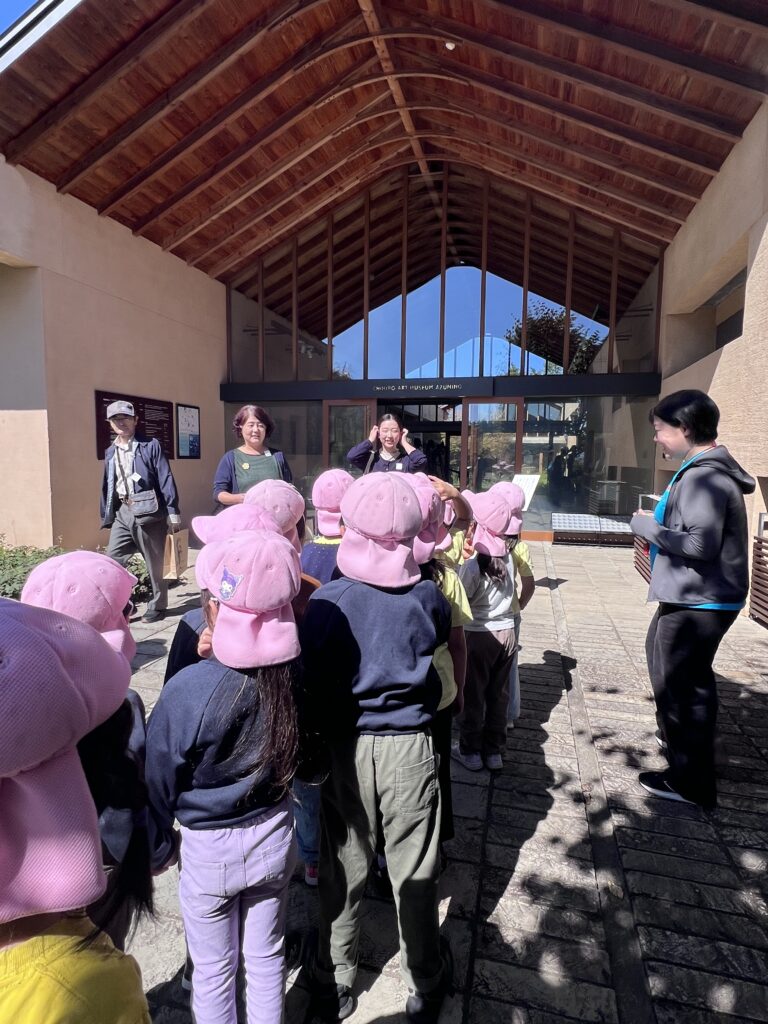
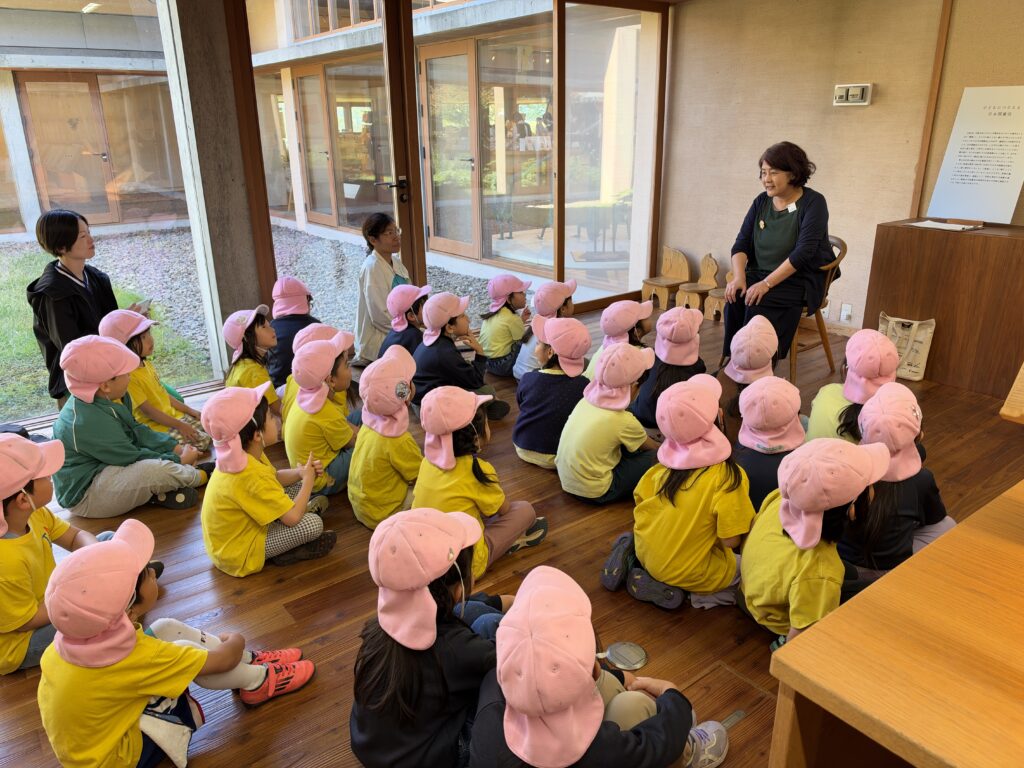
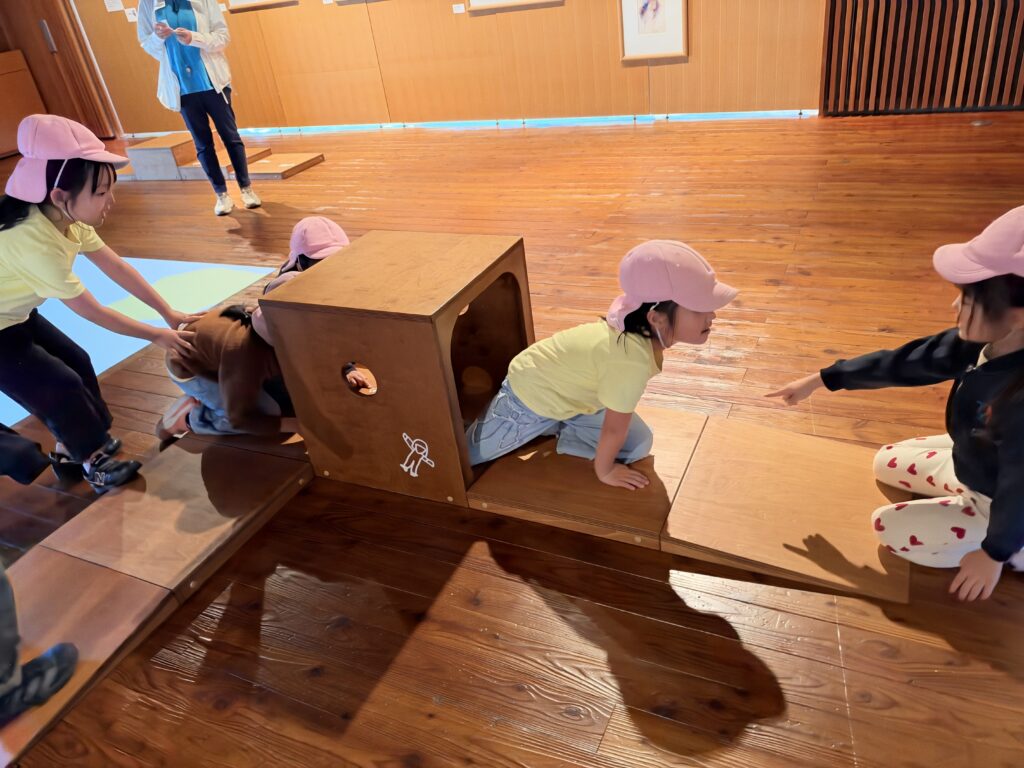
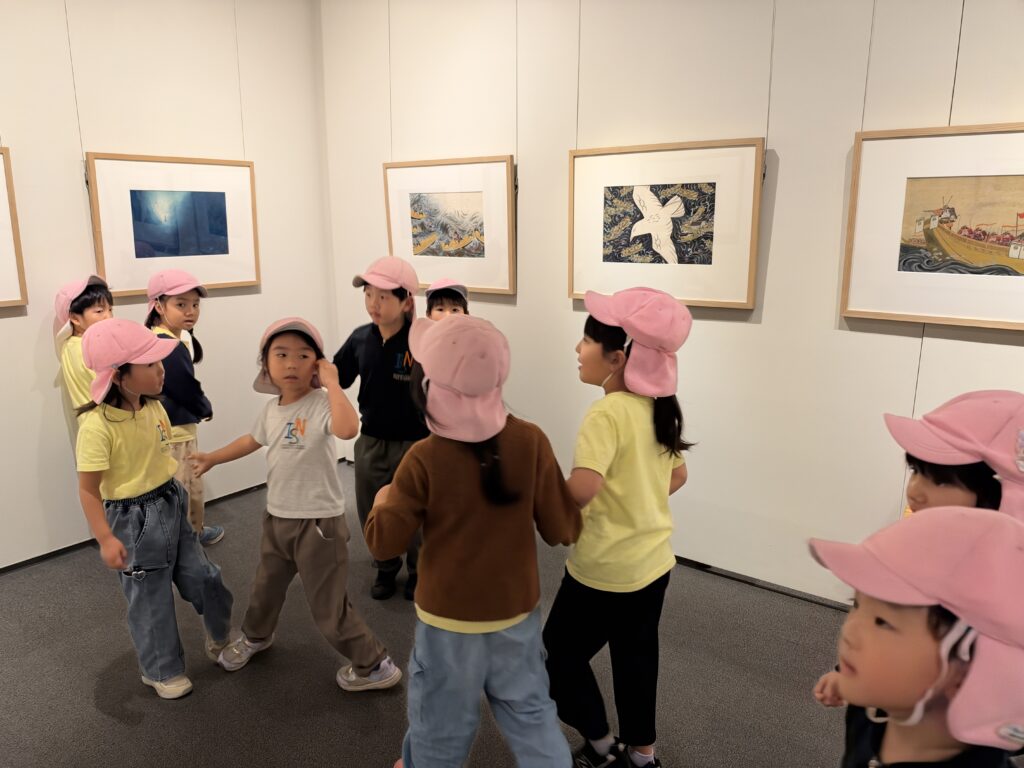
Our inquiry continued beyond the classroom with a special bus trip to the Chihiro Art Museum. We did not go simply to have fun—we went with a purpose: to learn more about stories and different ways of expressing ourselves.
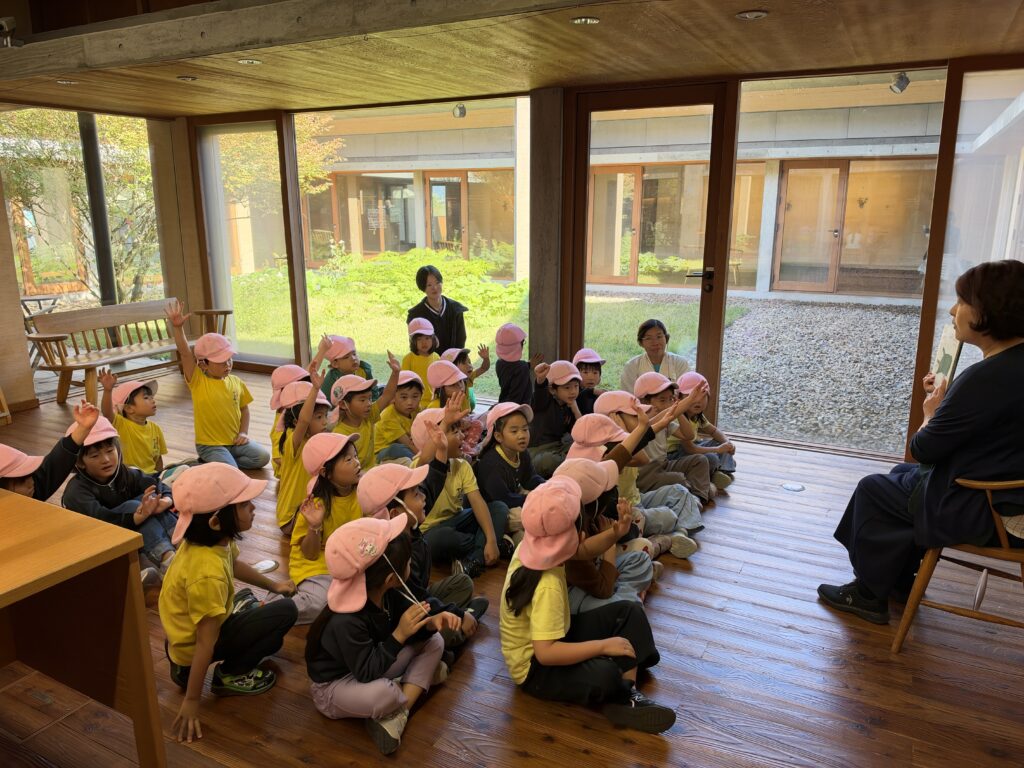
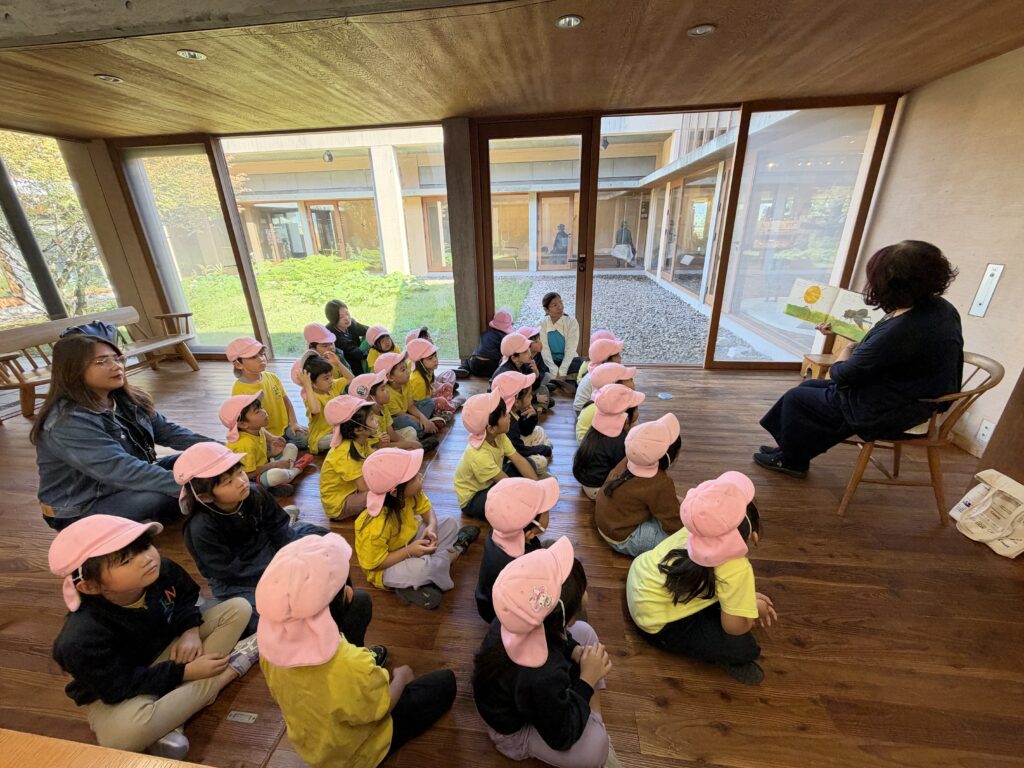
During our visit, we had the opportunity to listen to four different stories through books. Each story offered a different experience and gave our learners another opportunity to listen, imagine, and make meaning through storytelling. We also explored the museum and enjoyed looking at beautiful watercolor illustrations, especially Chihiro Iwasaki’s famous paintings of children, flowers, and everyday childhood scenes. We discovered many picture books throughout the museum, making another meaningful connection to our inquiry into books as a way of telling stories.
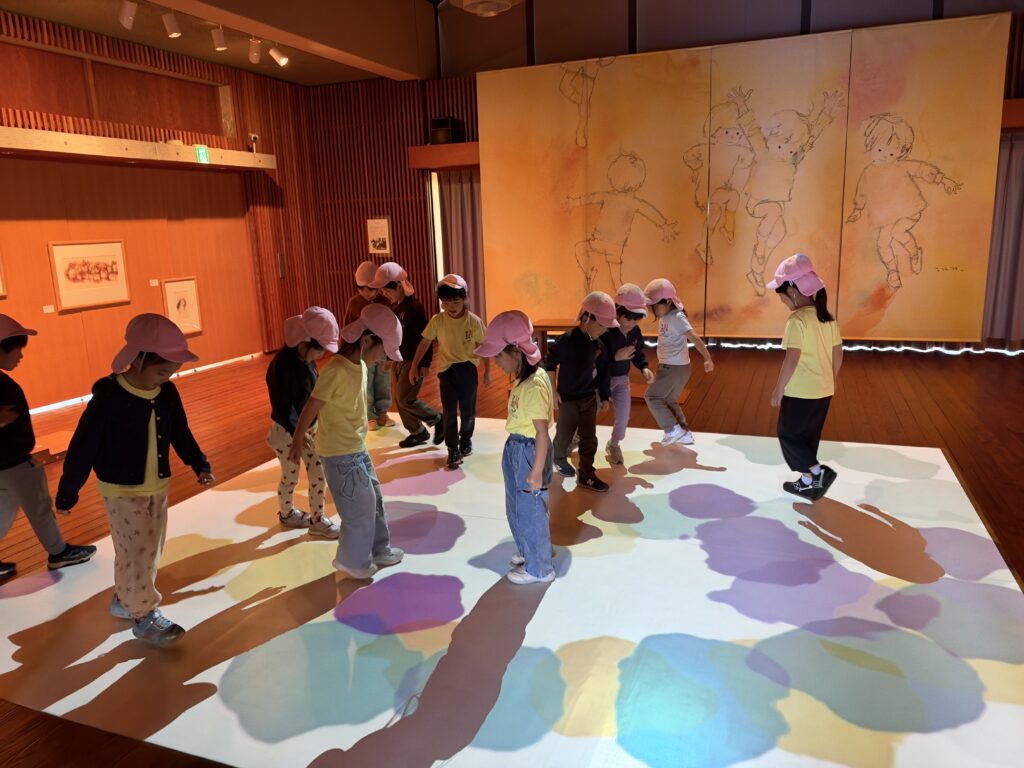
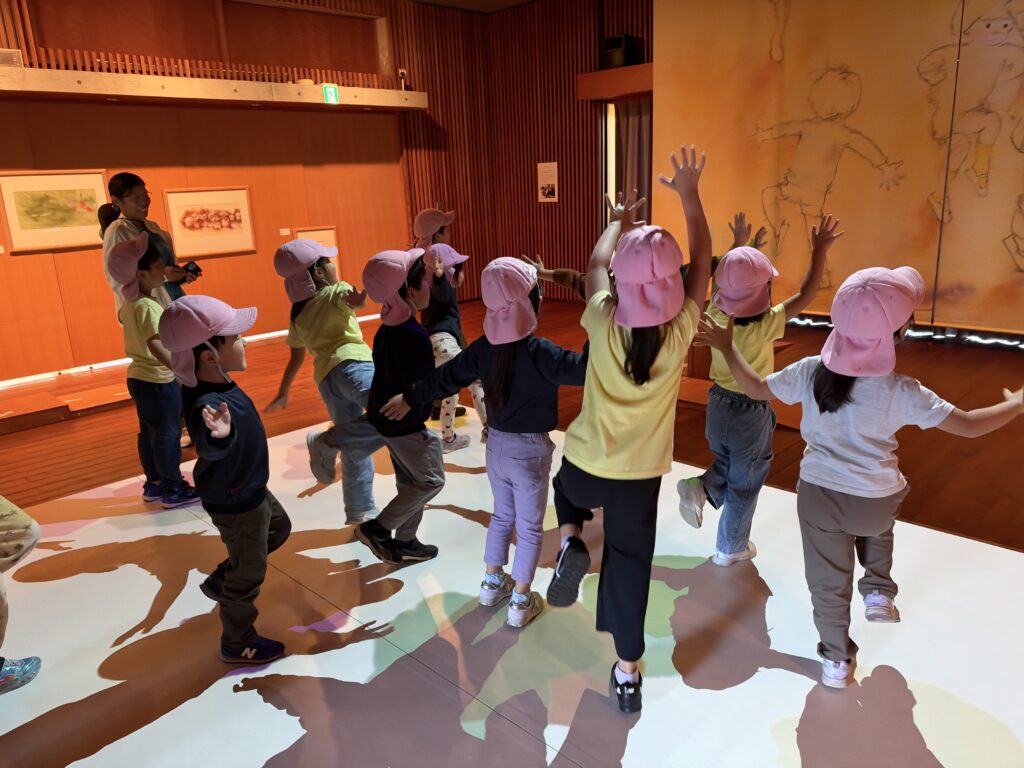
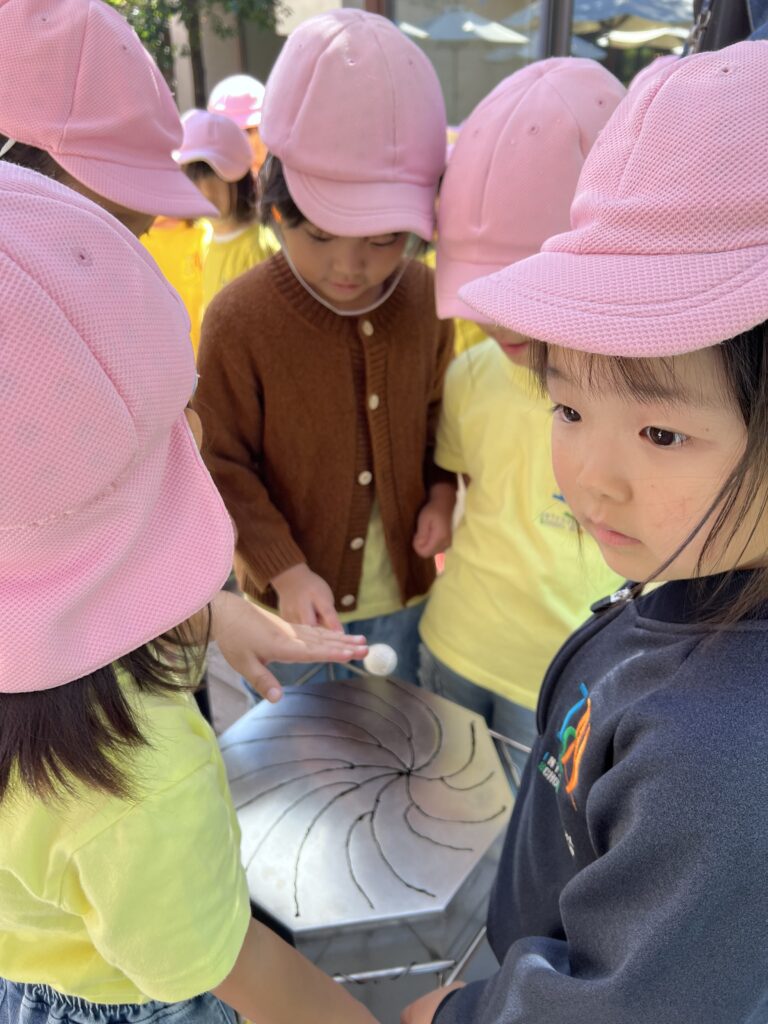
One of the highlights was the interactive art room, where our Milky Way learners explored how movement could create colors and sounds. Their footsteps became part of an interactive artwork, allowing them to experience how movement can be used as a form of expression. This connected beautifully with our Transdisciplinary Theme, How We Express Ourselves, as the learners experienced how their own movements could communicate and create something meaningful.
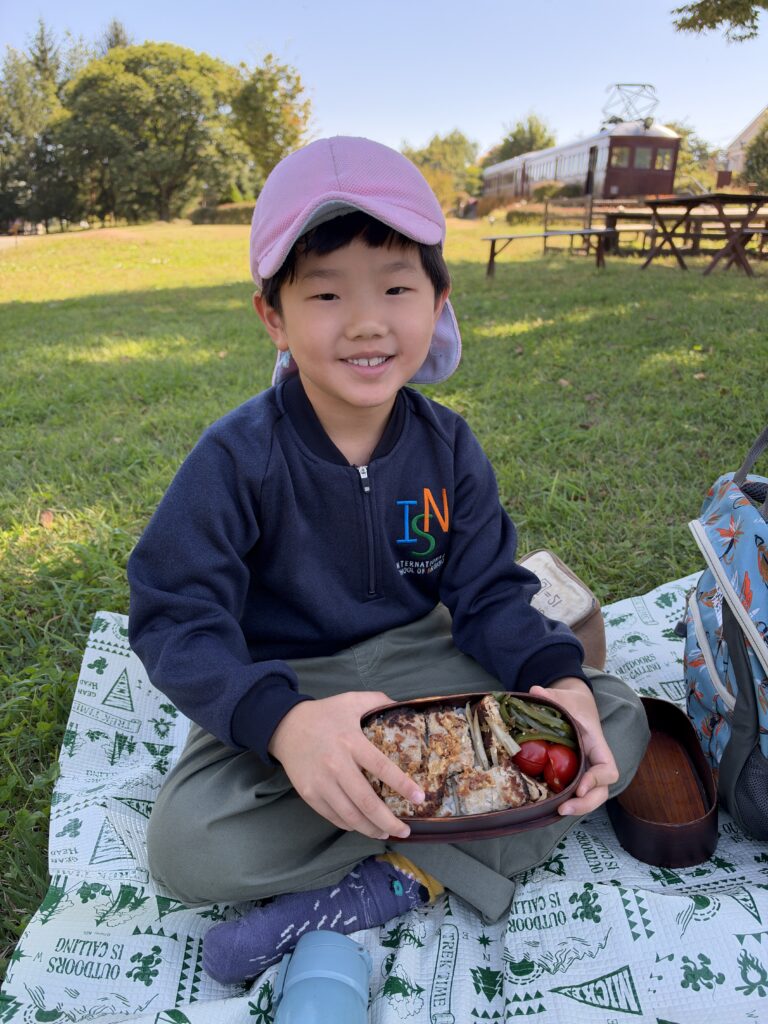
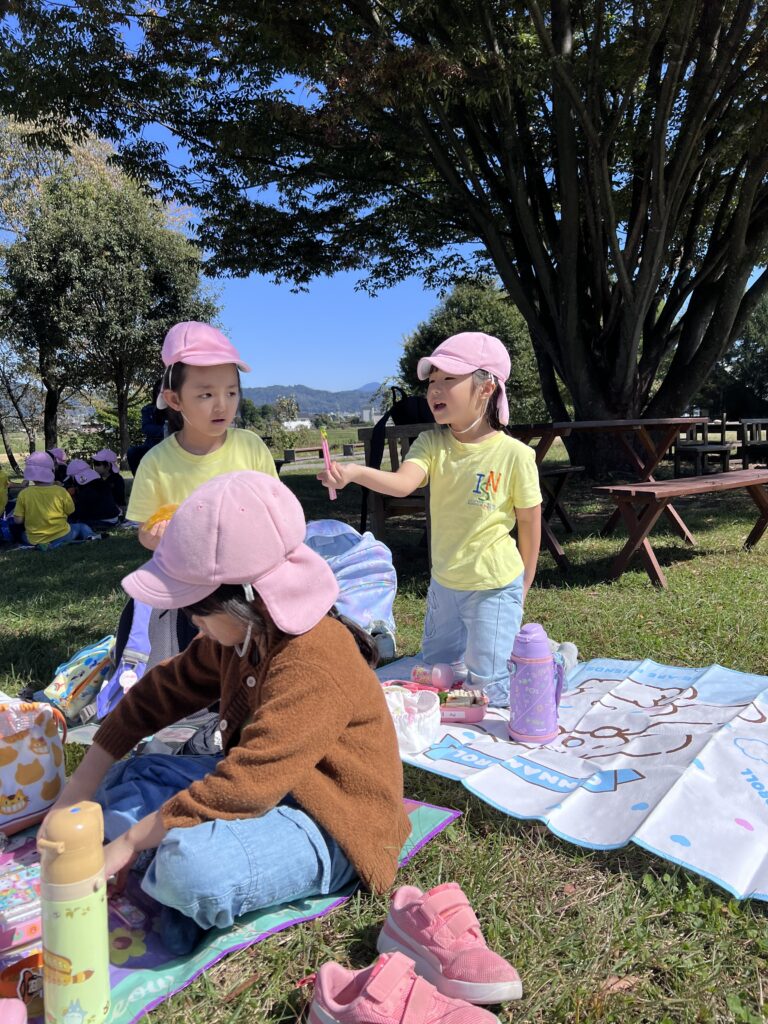
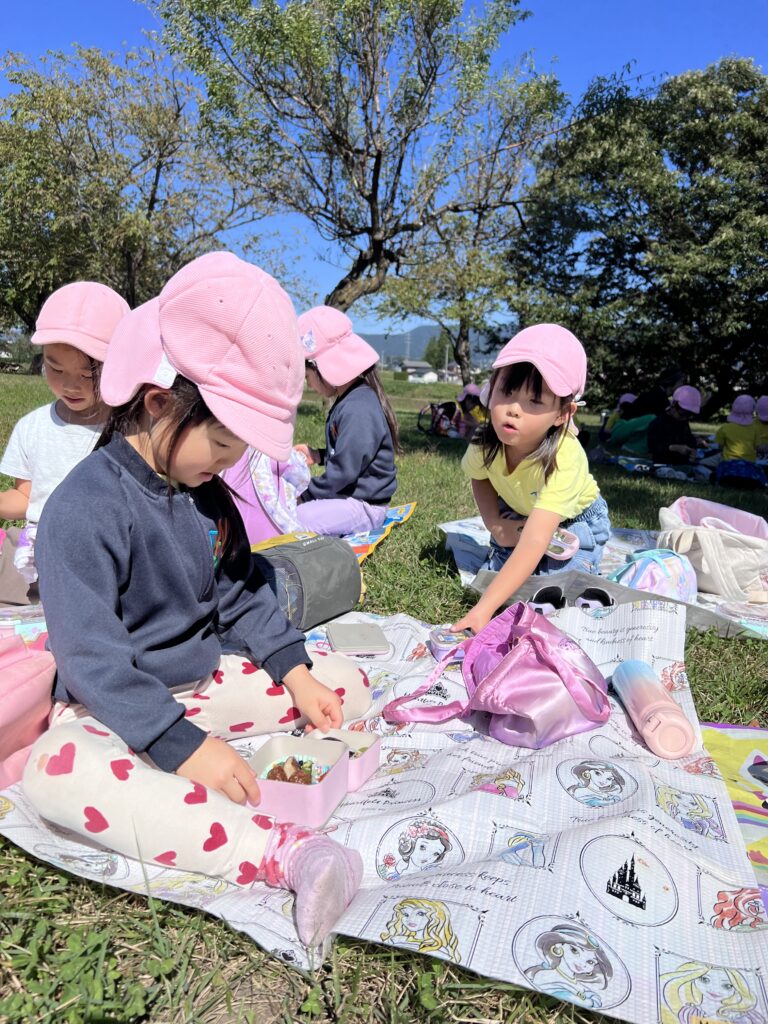
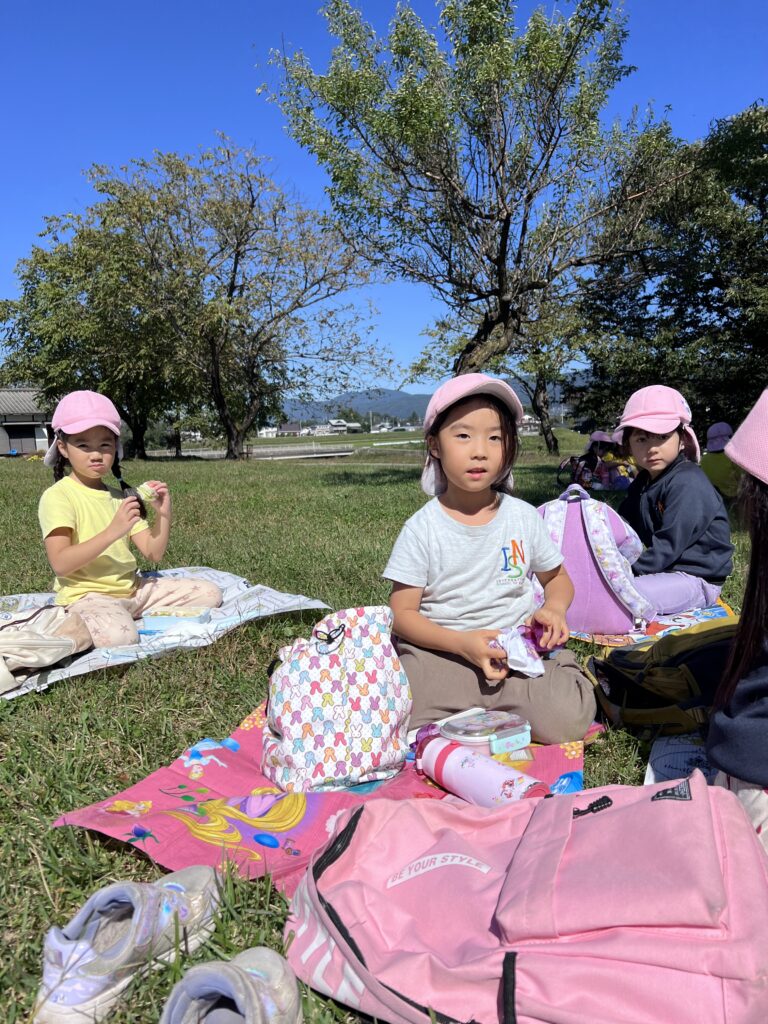
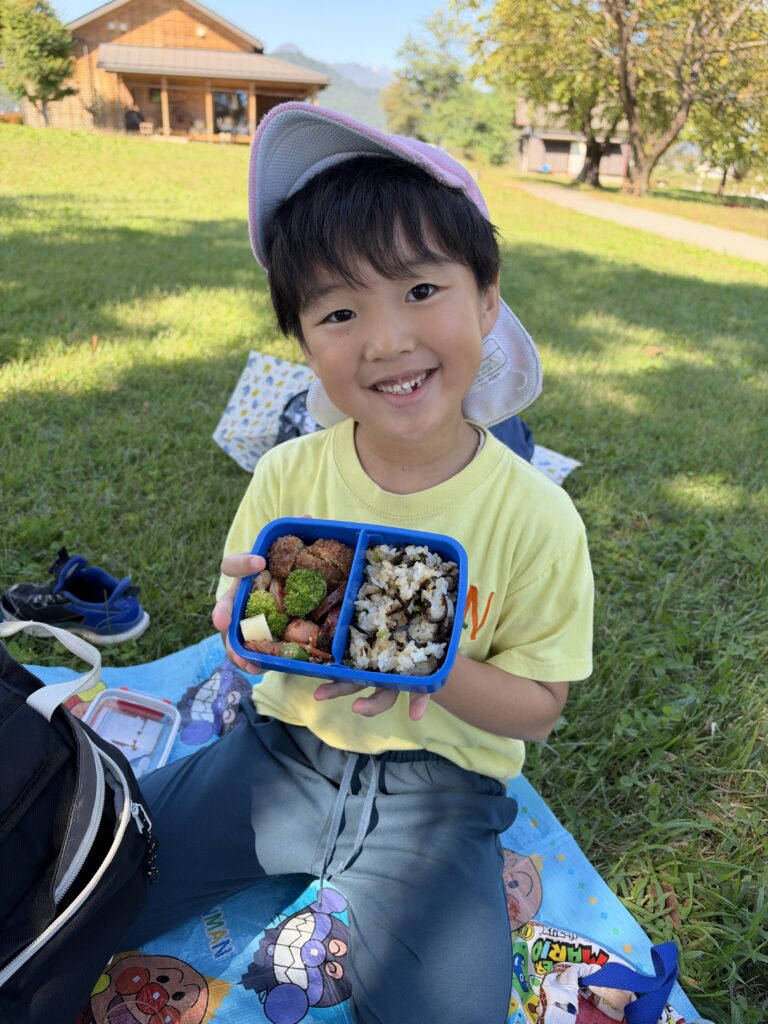
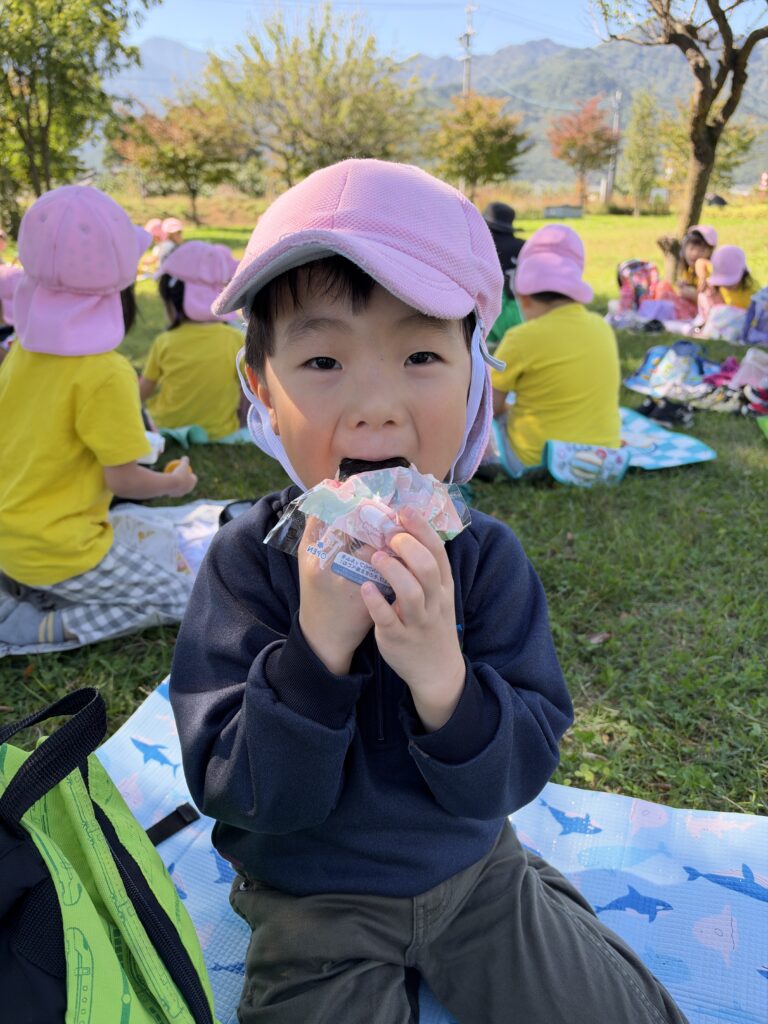
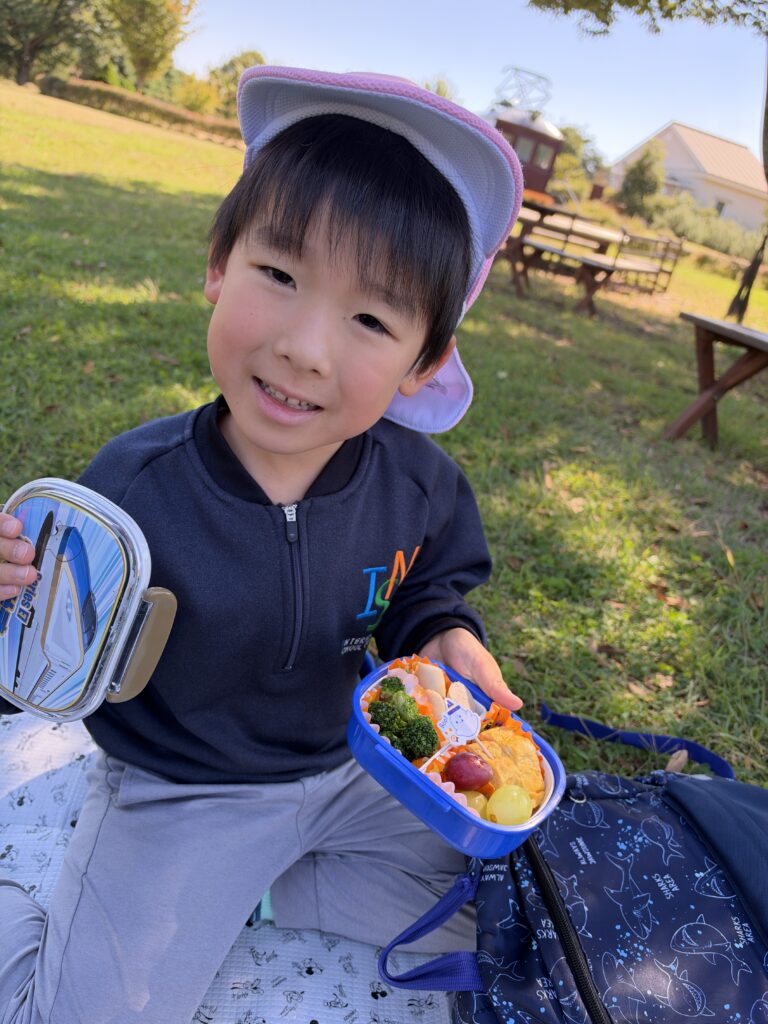
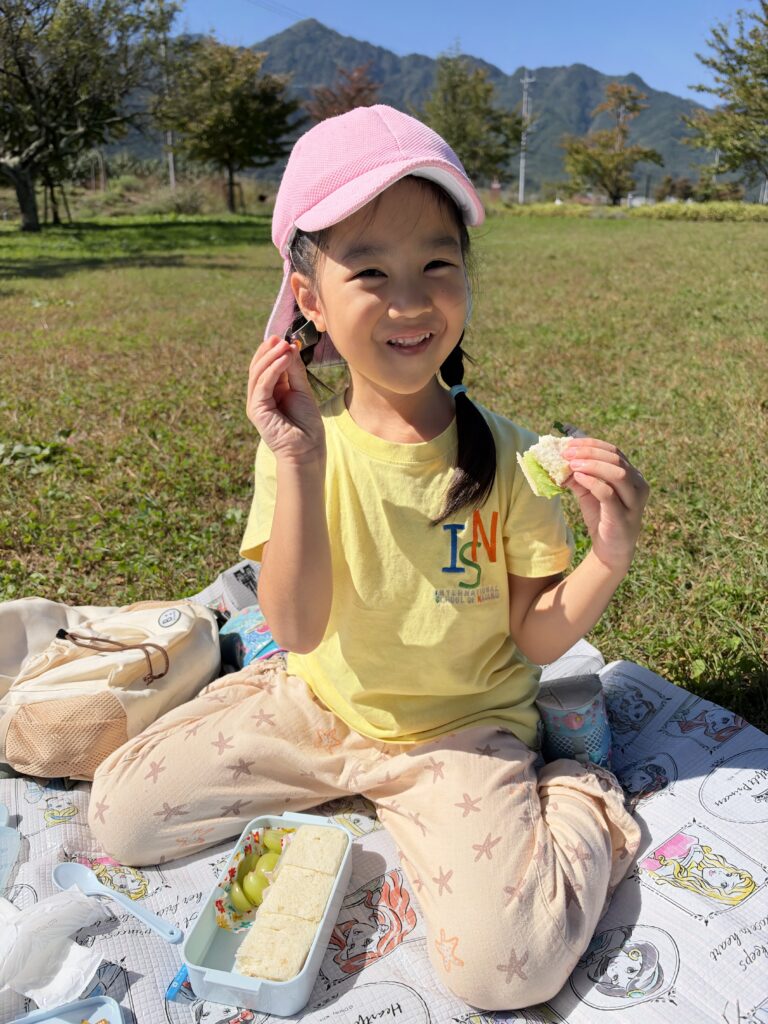
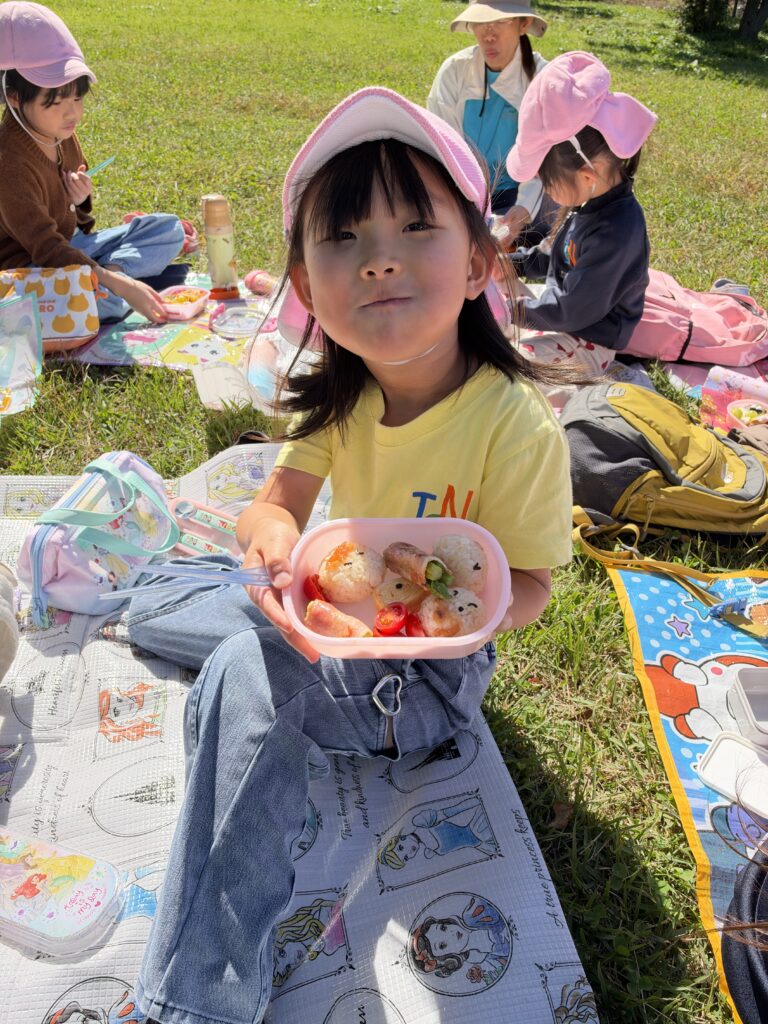
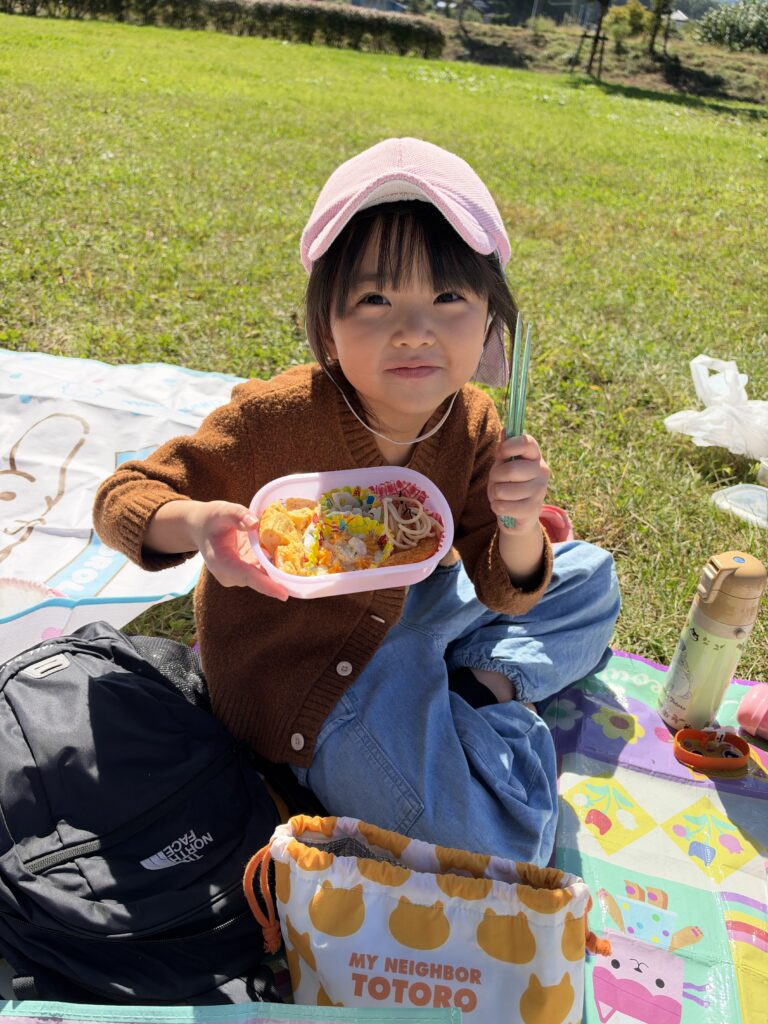
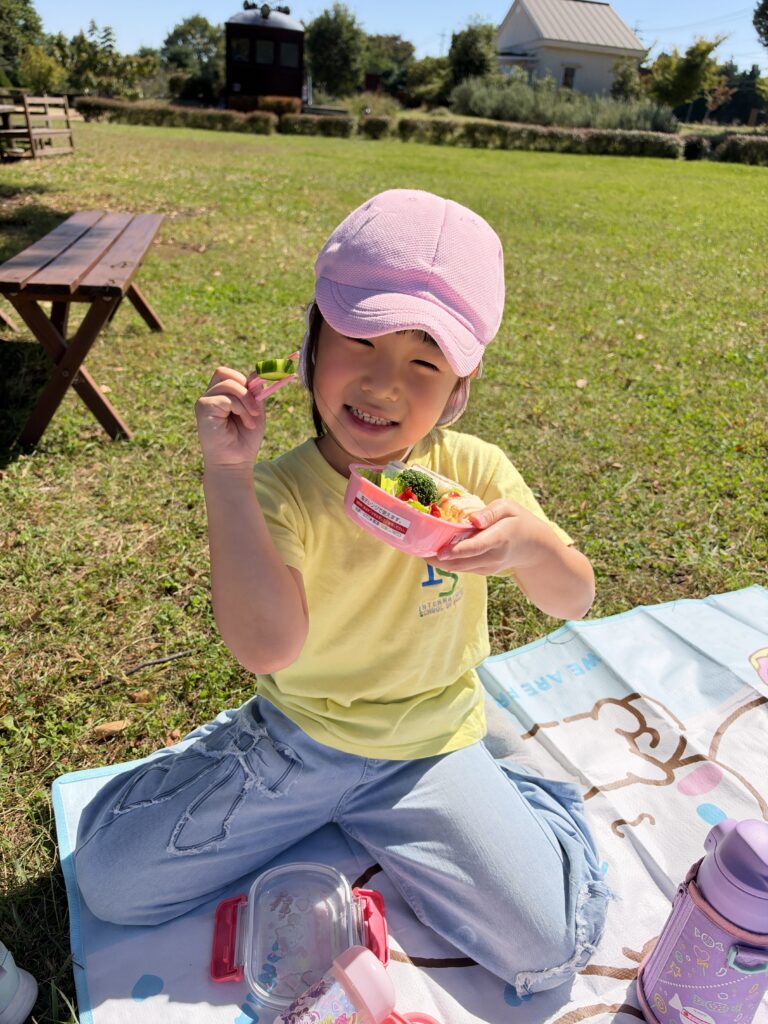
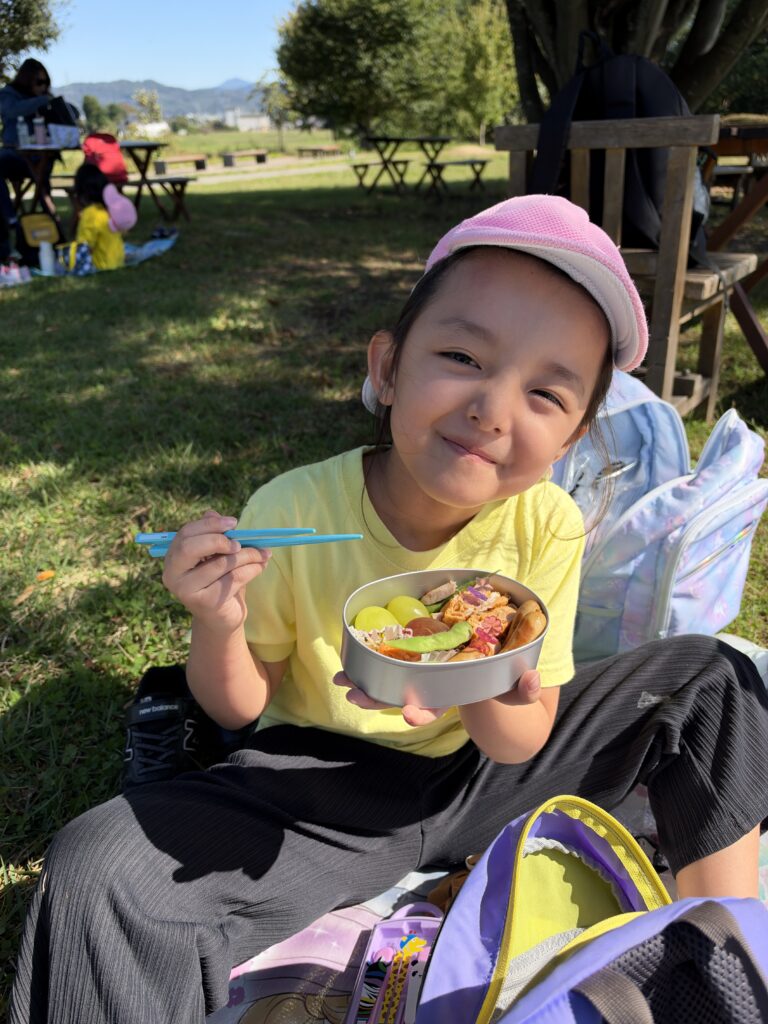
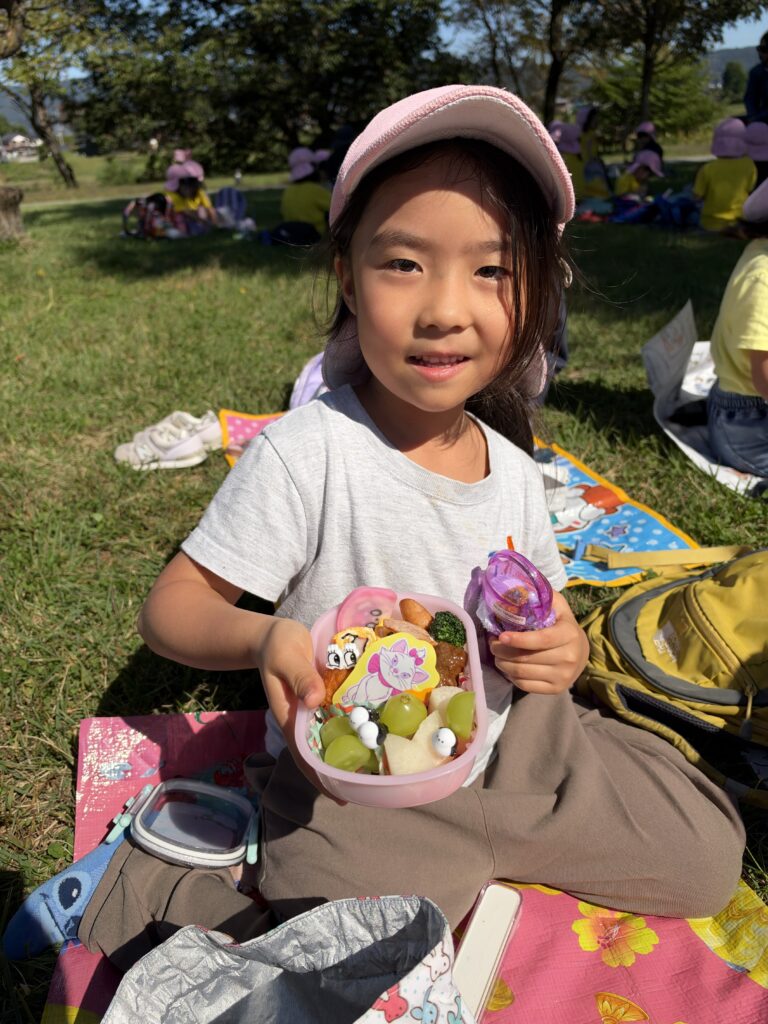
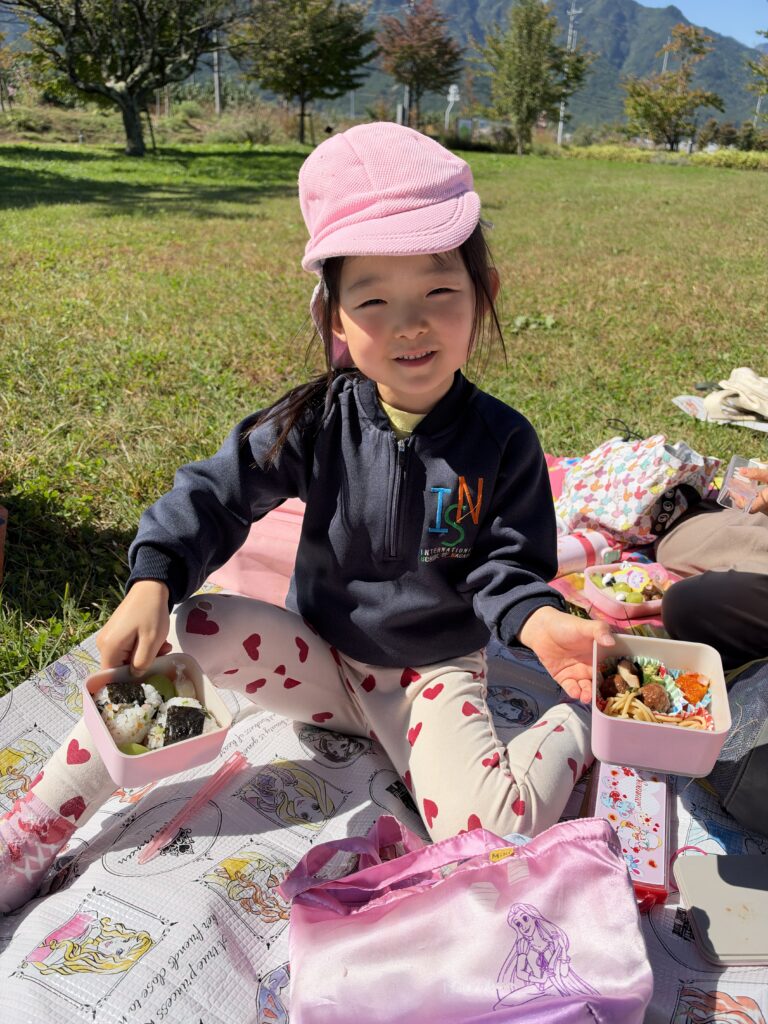
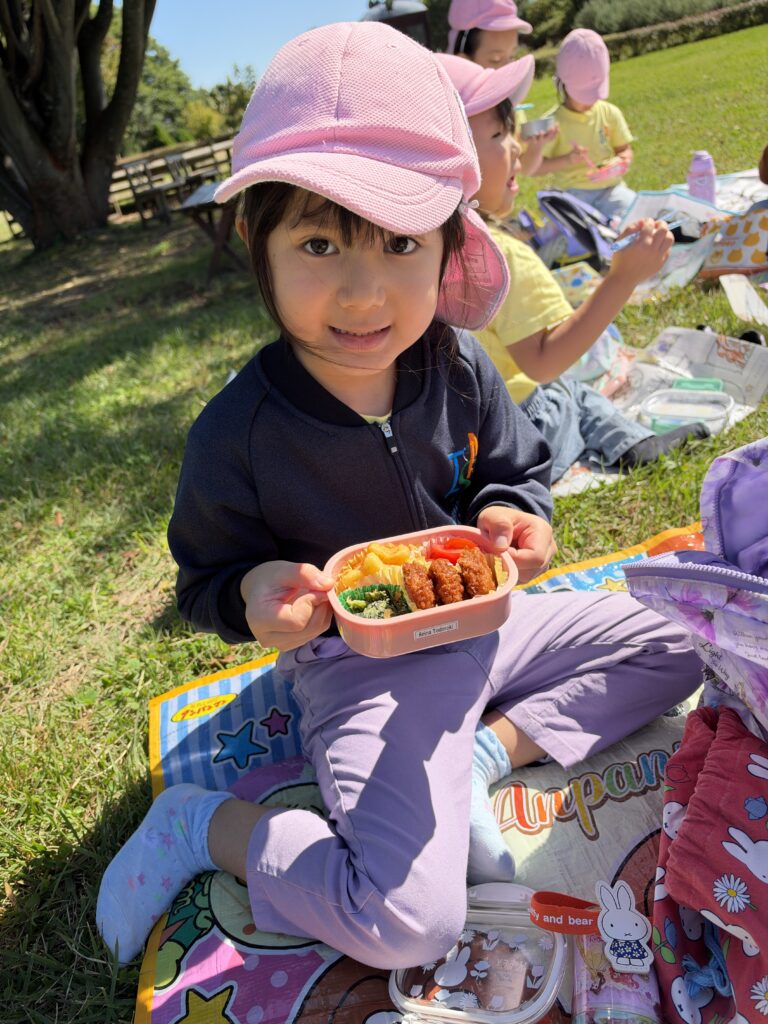
After exploring the museum, we moved to Chihiro Park and gathered under the trees for lunch. Every learner enjoyed the obento lovingly prepared by their parents. We heard many happy voices saying, “It’s yummy!”
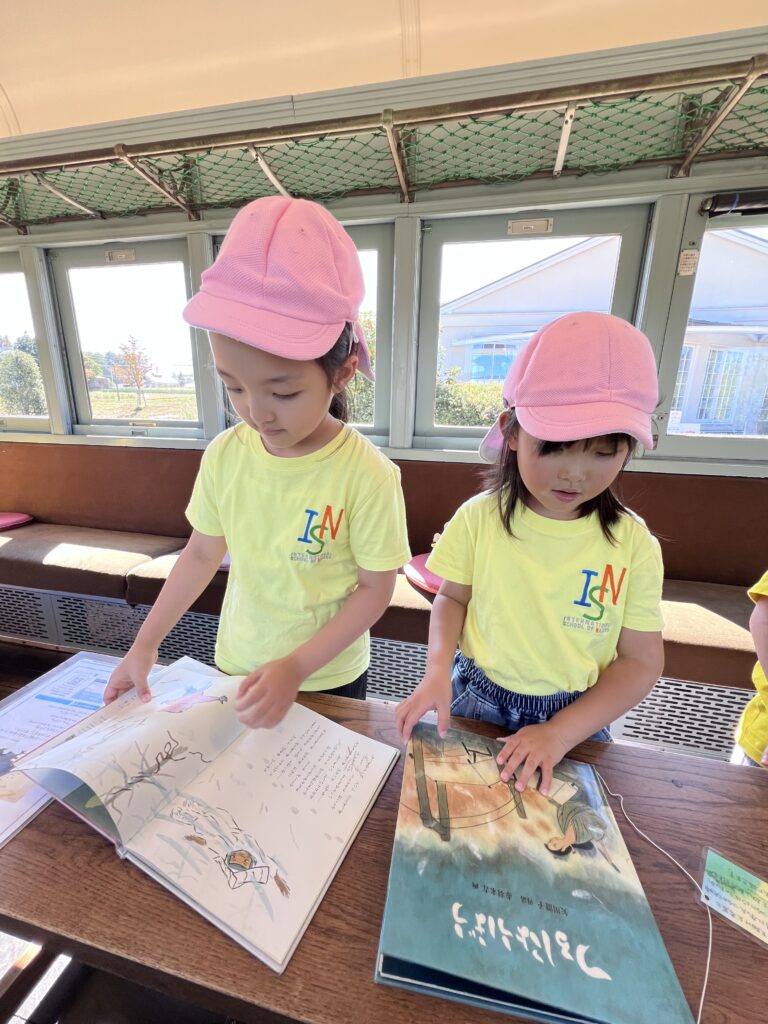
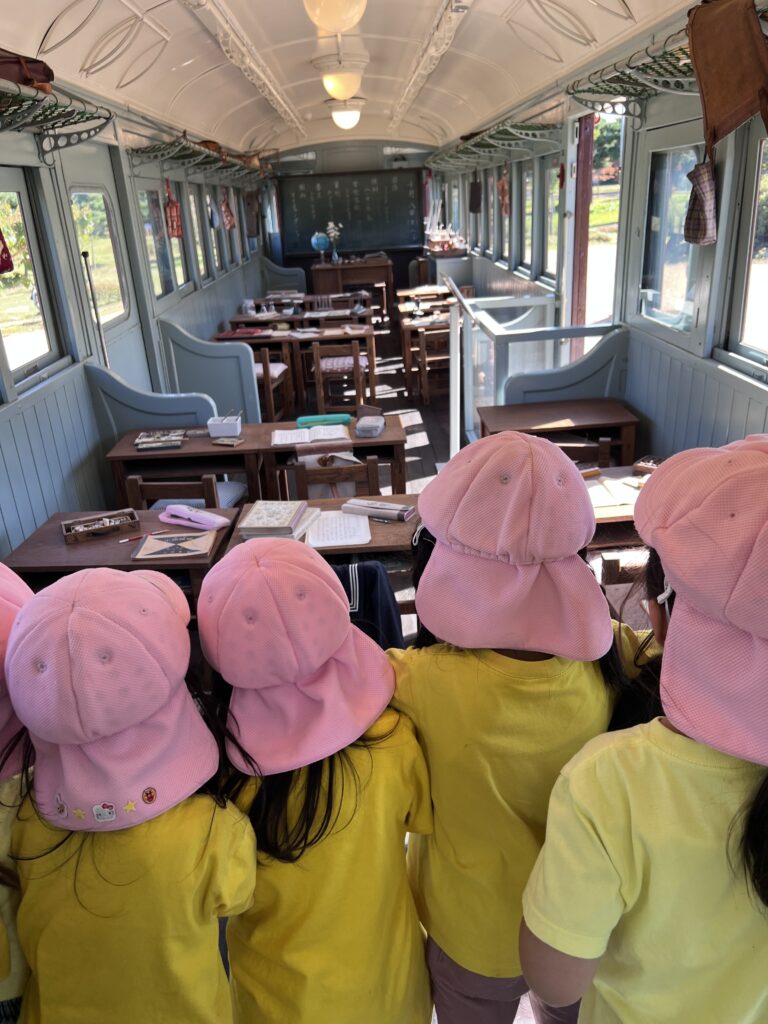
After lunch, we visited Totto-chan Square, where we saw two old-fashioned train carriages recreated as classrooms—one of them a library. The learners had the opportunity to sit inside and enjoy looking at books, making another meaningful connection to our inquiry.
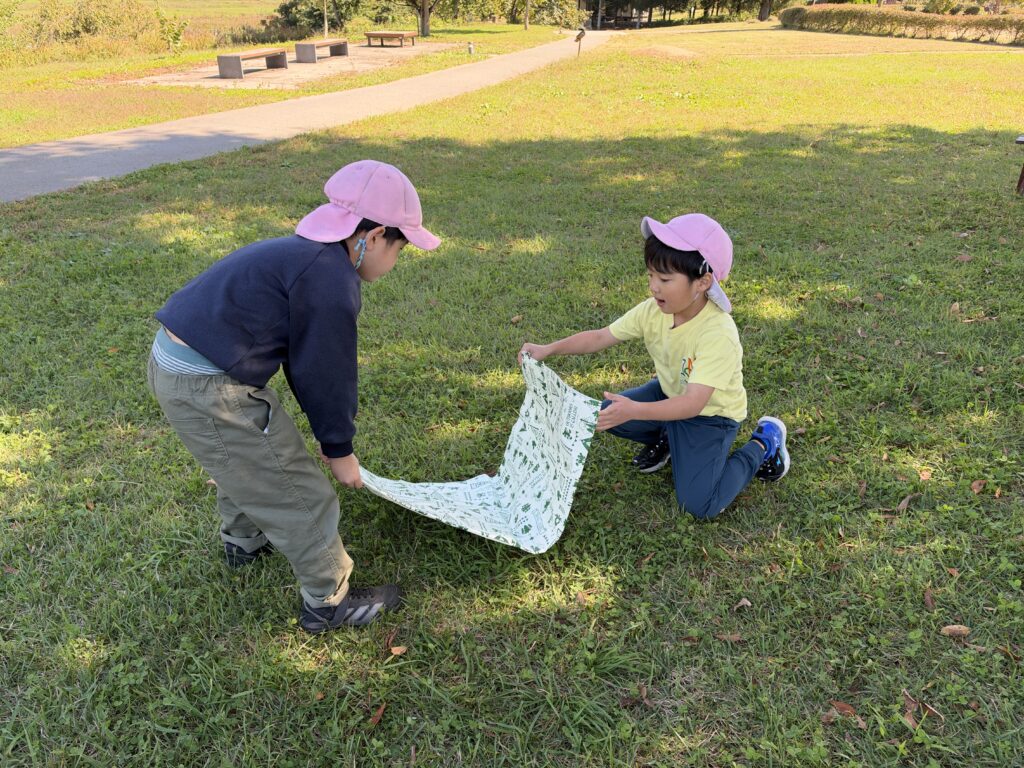
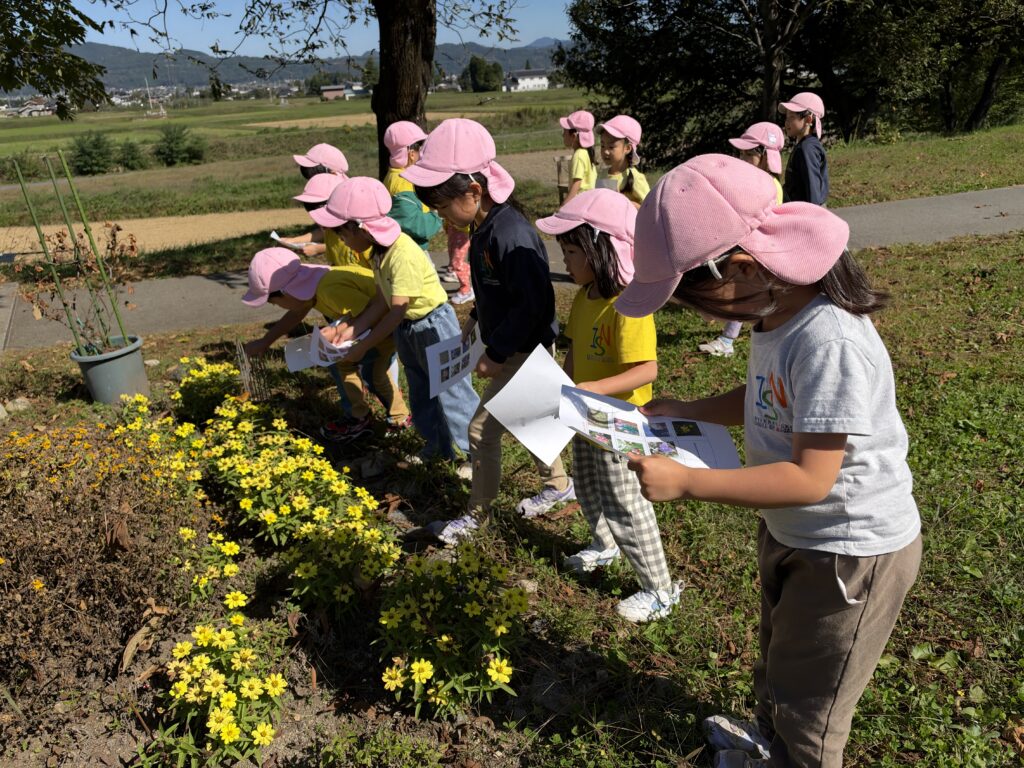
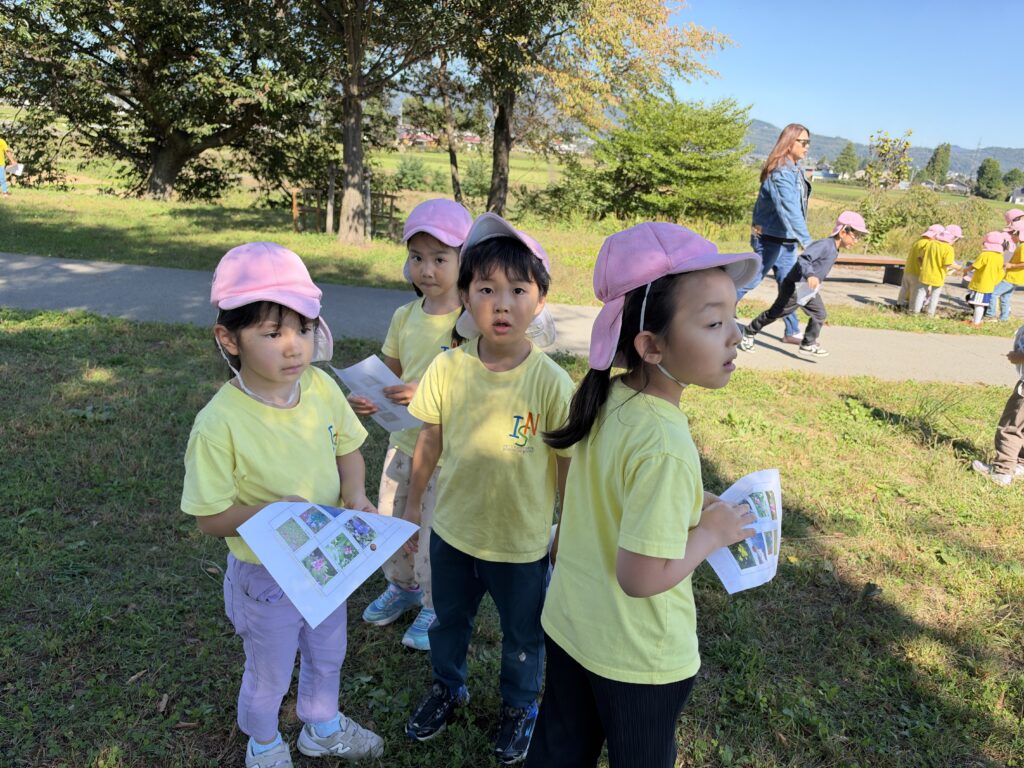
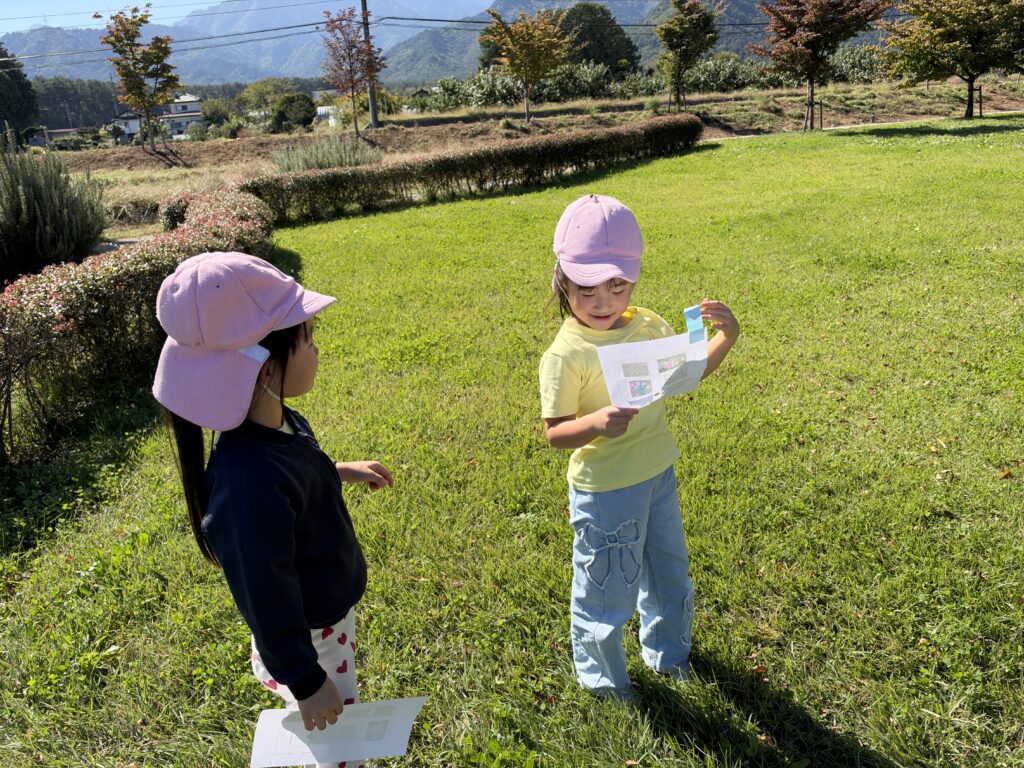
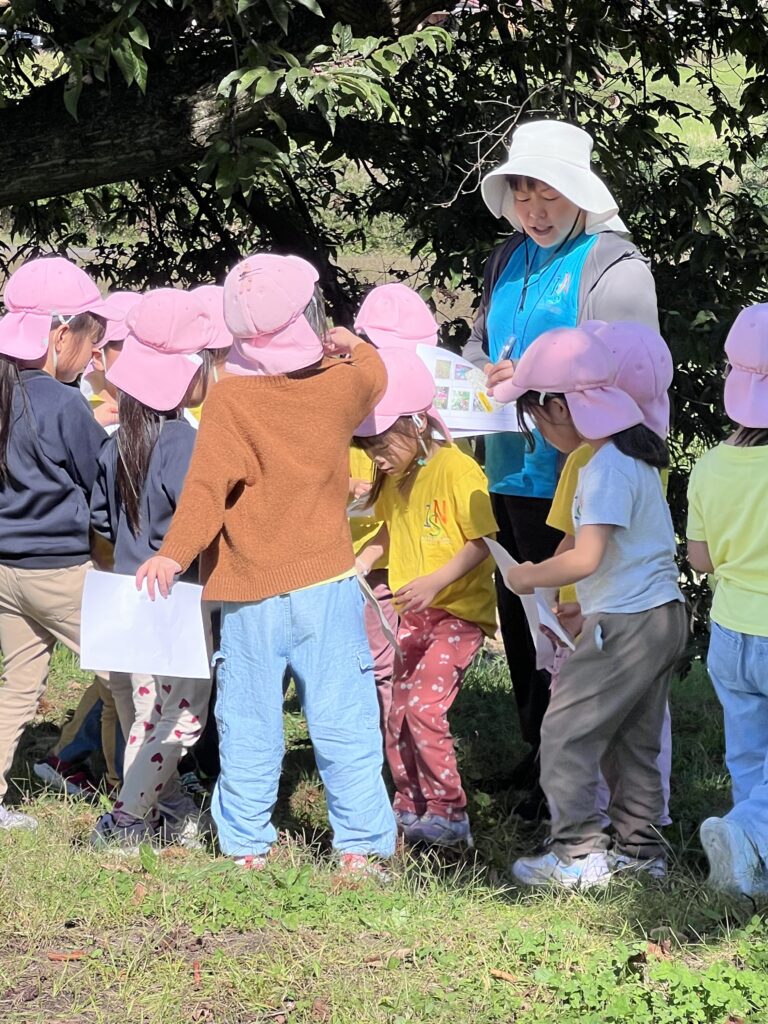
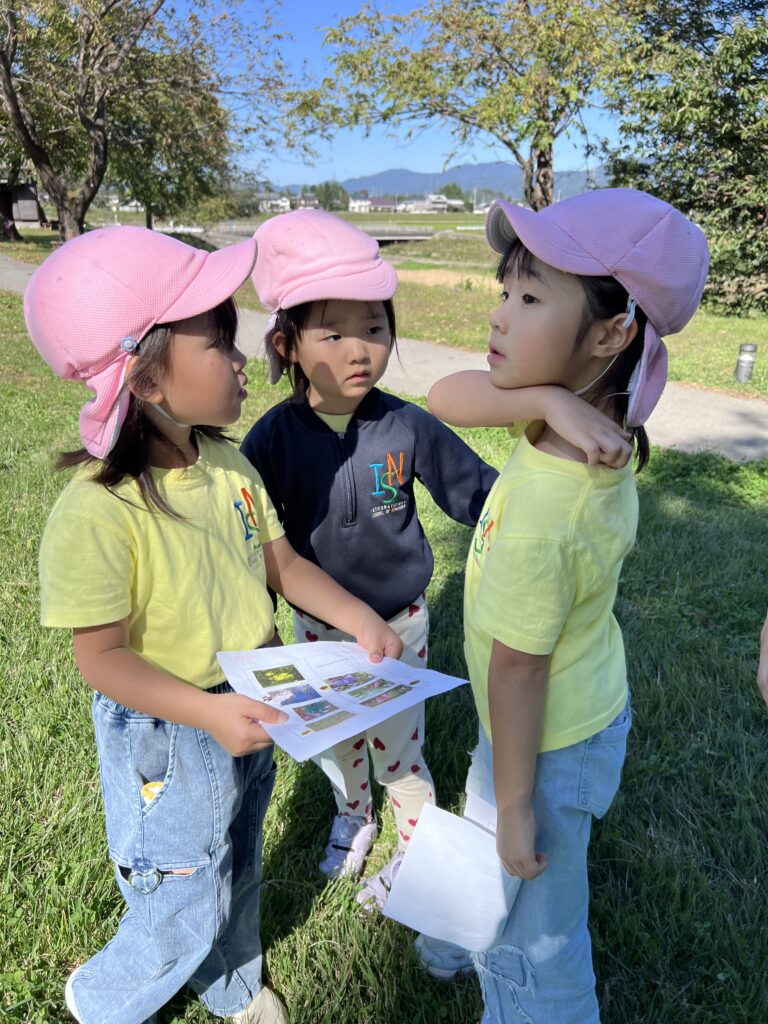
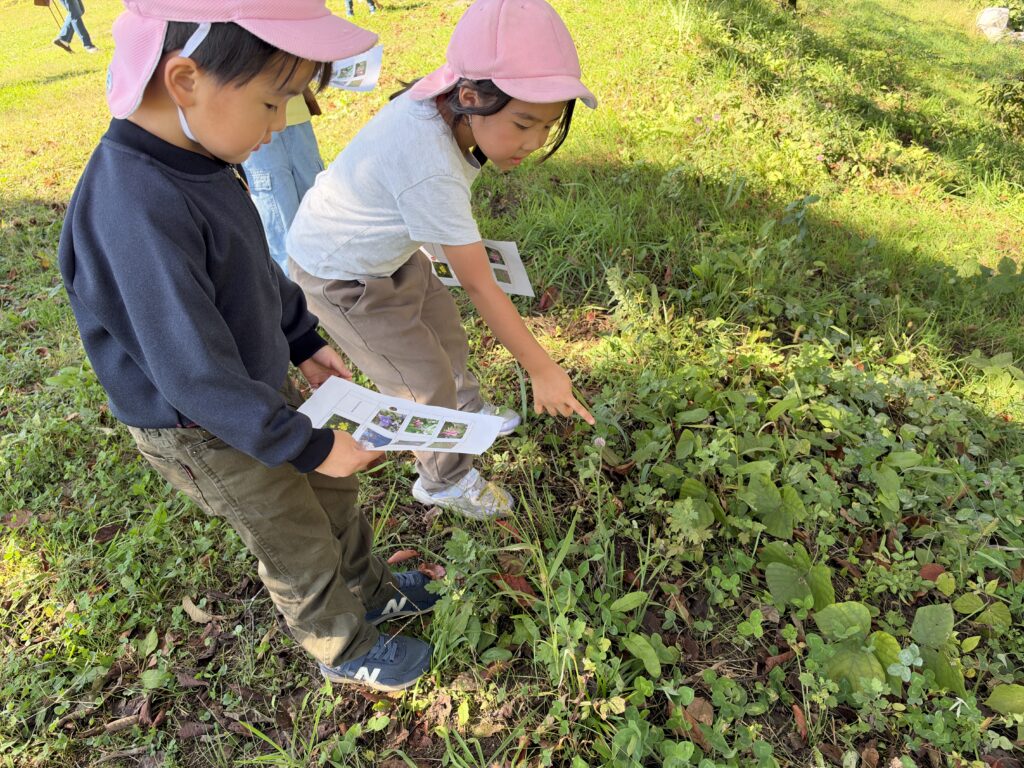
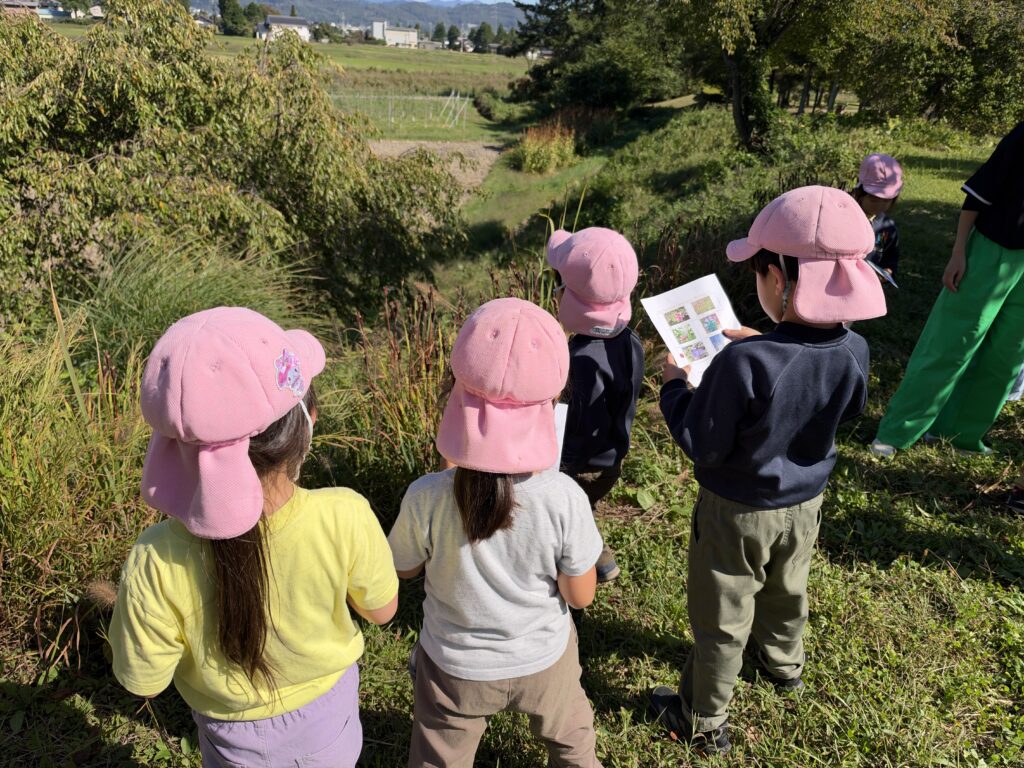
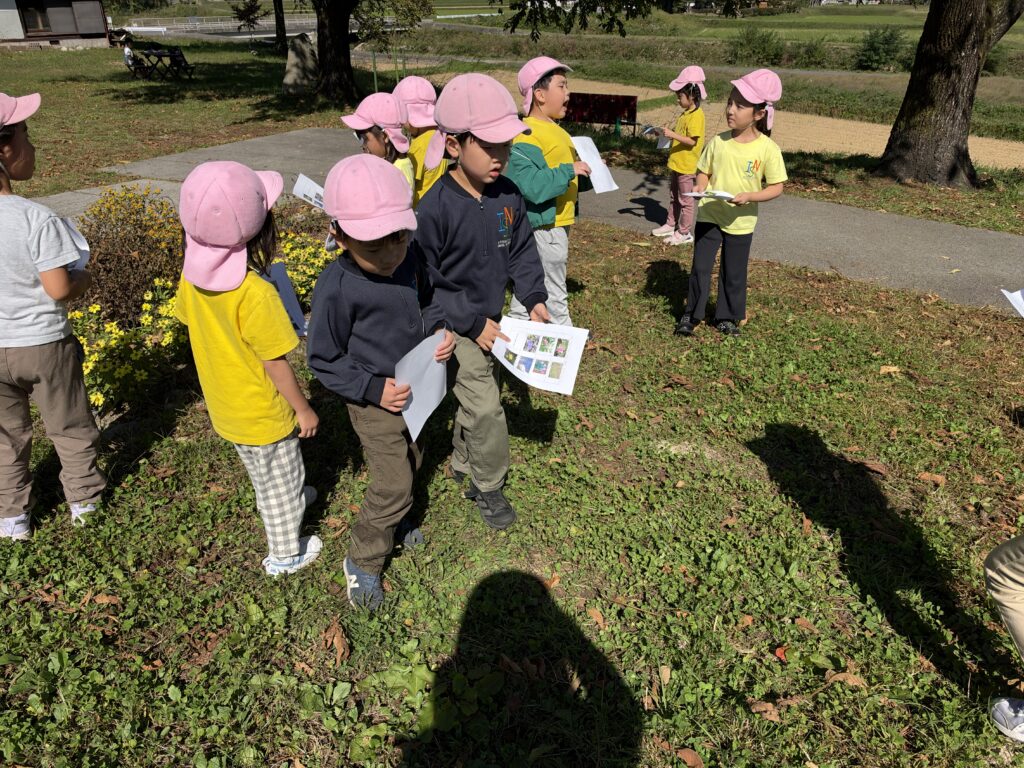
Our final activity was a scavenger hunt! Each learner received a paper with pictures of flowers that they needed to find around the park. This became a wonderful opportunity to practise our Social Skills. The learners communicated with one another, worked together, helped each other search, and celebrated their discoveries. When they found a flower, they excitedly came to the learning facilitator and said, “I found this flower! Can I have a sticker, please?” It was wonderful to see such a beautiful picture of teamwork in action. After using the bathroom, we headed back to school with happy hearts and many wonderful memories from our day of learning and exploring together.
Phonics: Exploring the “wh” Consonant Digraph
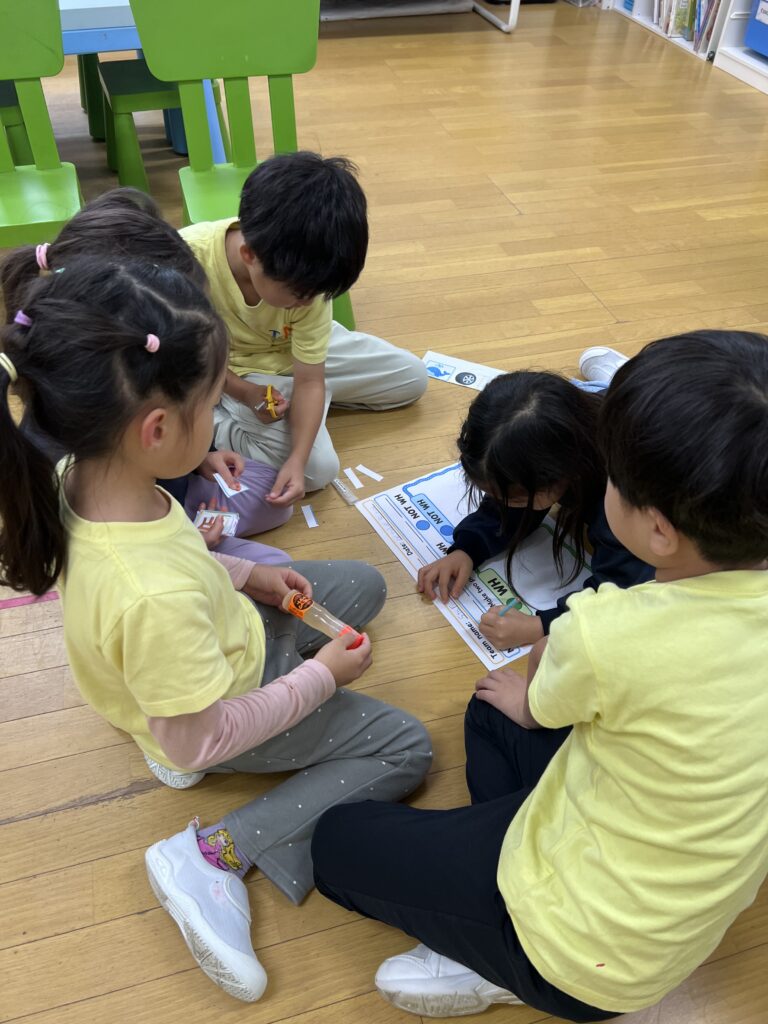
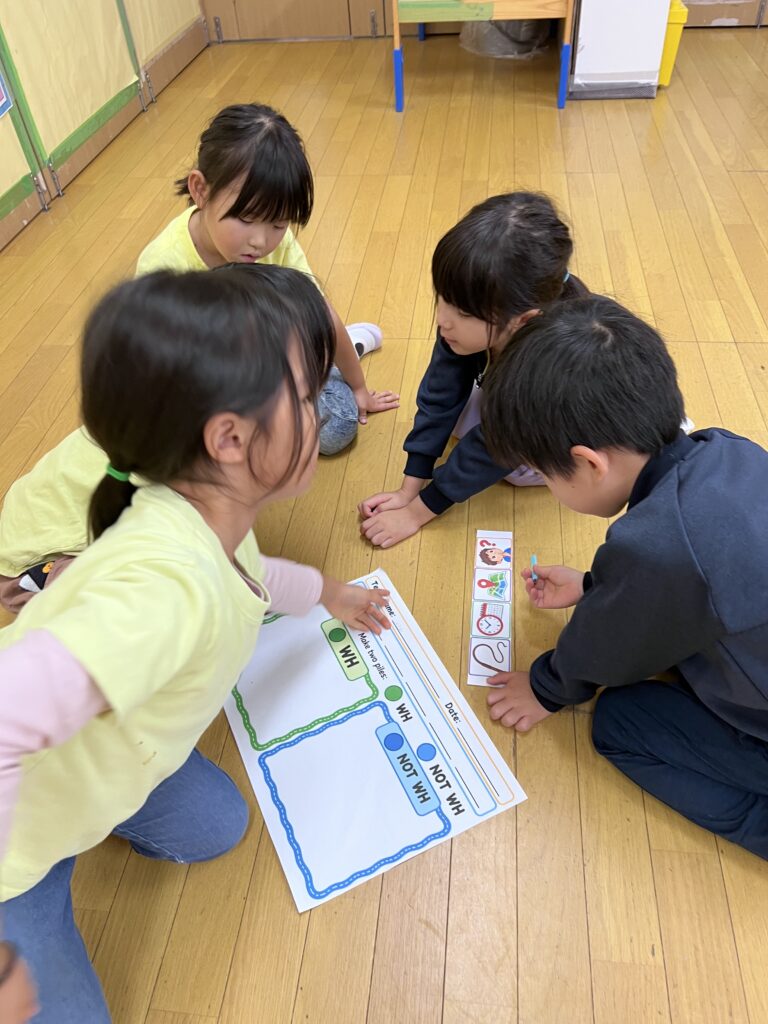
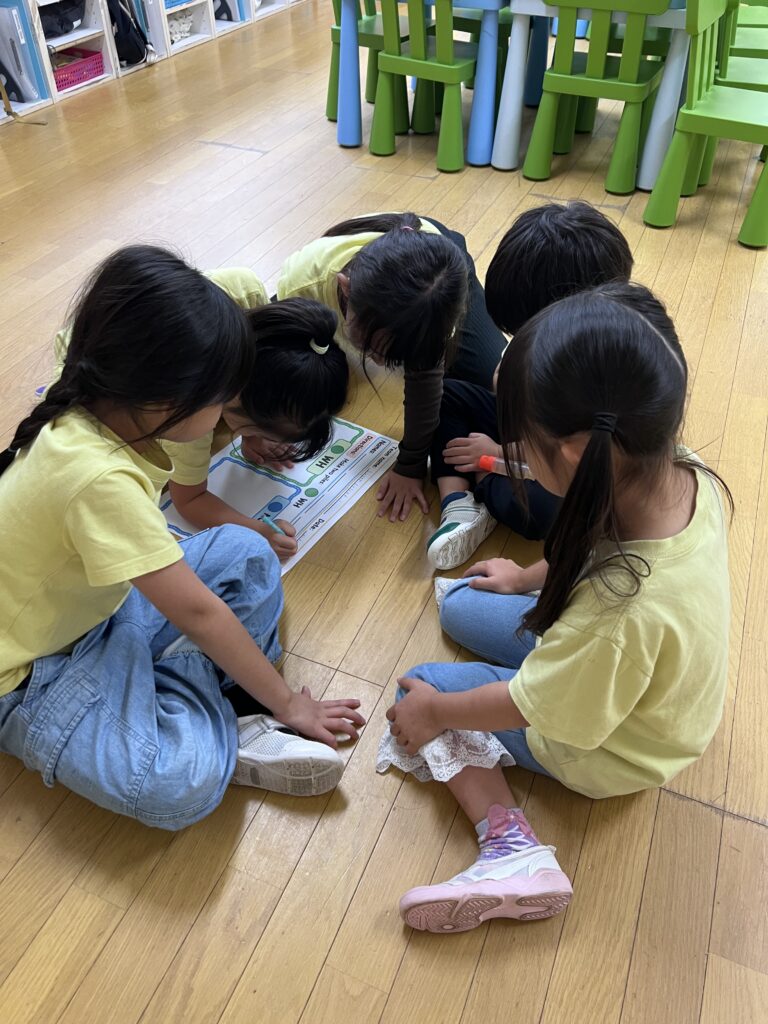
In Phonics, we explored the “wh” consonant digraph. The learning facilitator asked, “What happens when w and h work together? What sound can they make?” The learners thought carefully and shared their ideas. One learner suggested, “/w/.” We then watched a short video, and through this experience, the learners confidently discovered that the “wh” consonant digraph makes the /w/ sound.
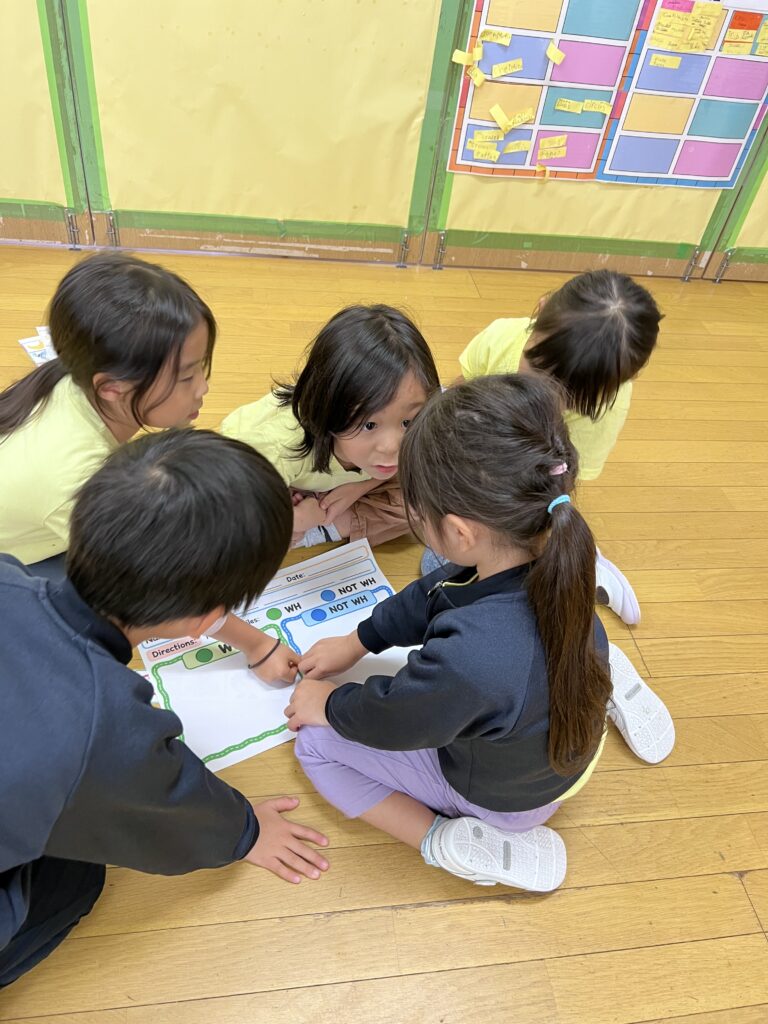
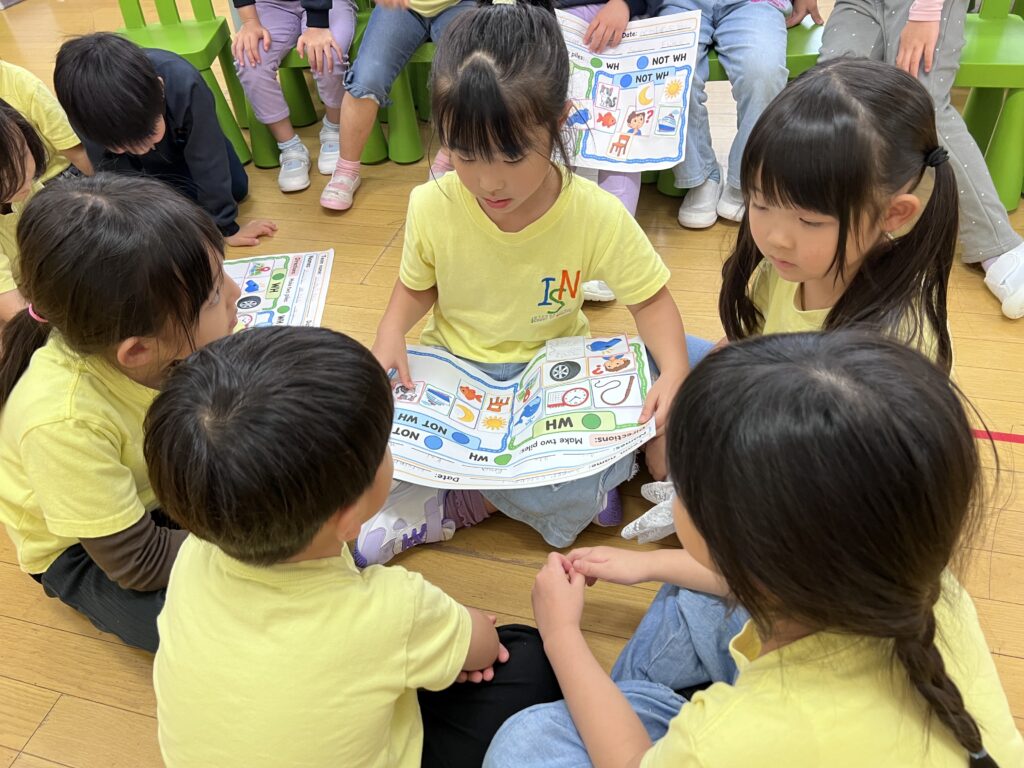
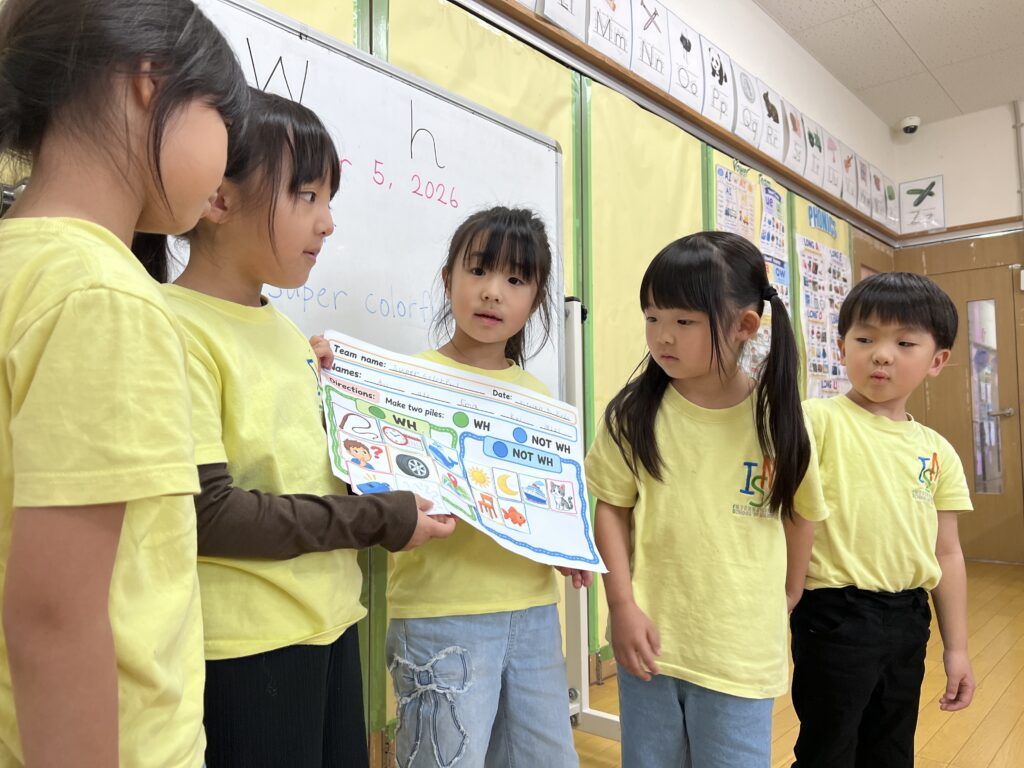
The learners then worked in groups of five to cut out pictures and sort them into the “wh” and “non-wh” columns. It was wonderful to see our Milky Way learners communicating, solving problems together, sharing responsibilities, and collaborating to complete the task. After finishing, each group presented their work in front of the class. Kudos, Milky Way learners!
Becoming Question Detectives!
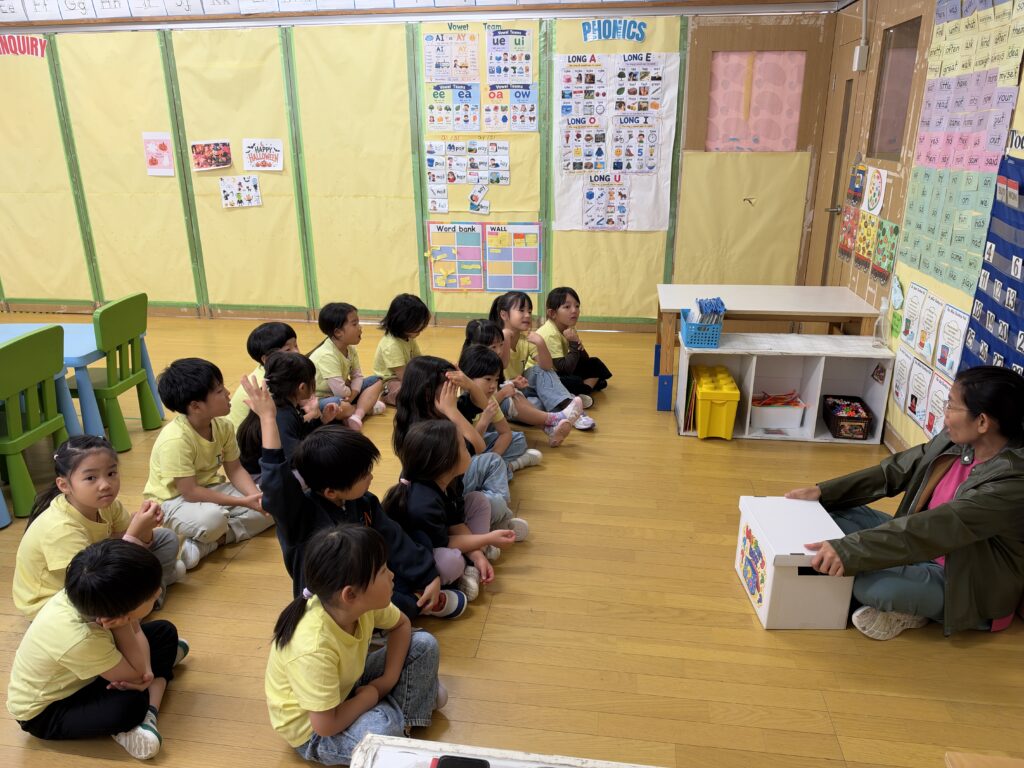
As part of this unit, we want our Milky Way learners to become curious inquirers who are confident in asking questions and using WH-words appropriately. With this goal in mind, we began introducing different activities to encourage questioning, including Mystery Box, Question Detective Picture, Question the Learning Facilitator, and Guess My Object.
It has been wonderful to see our learners becoming more willing to ask questions. They are becoming less shy and less afraid to ask, and they are learning that it is okay to take their time when constructing a question. Even when they are unsure of the words or sentence structure, they are willing to try. With gentle guidance and support from the learning facilitator, they are gradually learning to construct meaningful questions using WH-words. Most importantly, they are developing the confidence to take risks, ask questions, and share their curiosity. We will continue providing opportunities for them to practice and grow as confident inquirers.
Writing: Building Stronger Handwriting and Phonics Connections
For Writing, we practised writing words containing the “wh” consonant digraph on the baseline. The learners’ handwriting is becoming neater and more readable, and they are becoming more confident in forming letters correctly. They are also remembering to write their “monkey letters” below the baseline.
As the learning facilitator checked their work, the learners were encouraged to read each word aloud. The learning facilitator guided them in applying their knowledge of vowel teams and consonant digraphs to decode words, helping them understand how recognizing these patterns can make reading easier. Through this process, the learners are strengthening the connection between phonics, reading, and writing.
Japanese Inquiry
During our Japanese Inquiry, the learners explored counting in Japanese. They practiced how to say the days, months, dates, and years in Japanese. They have also been practising these expressions during our morning circle, giving them regular opportunities to use Japanese in a meaningful daily context.
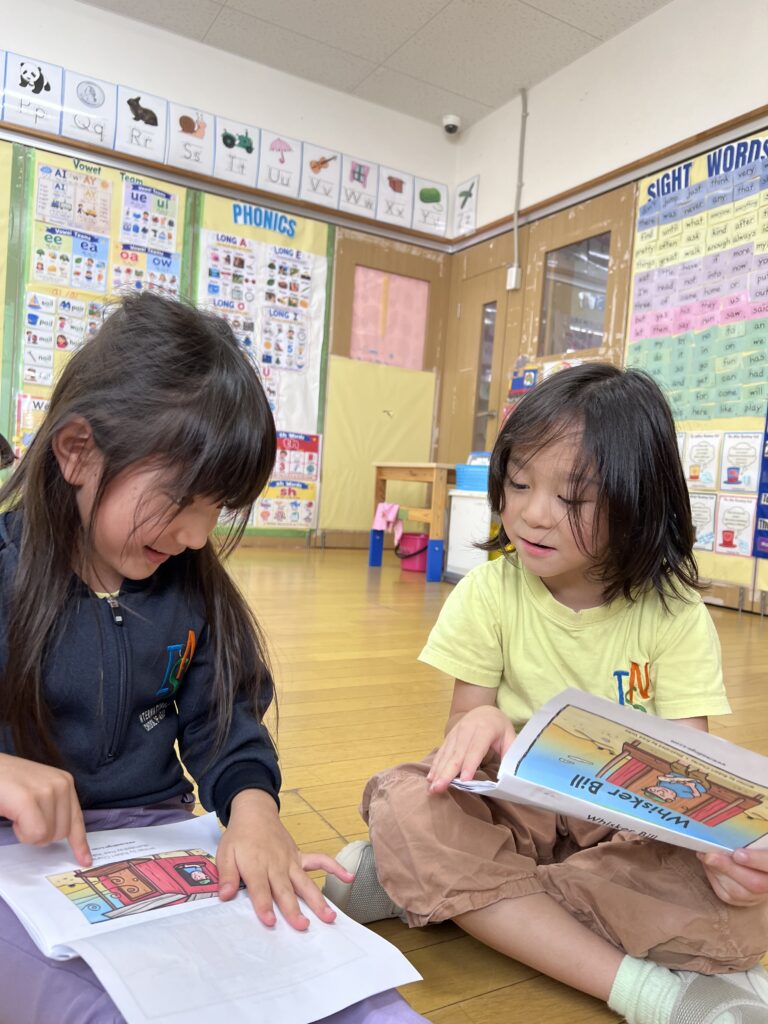
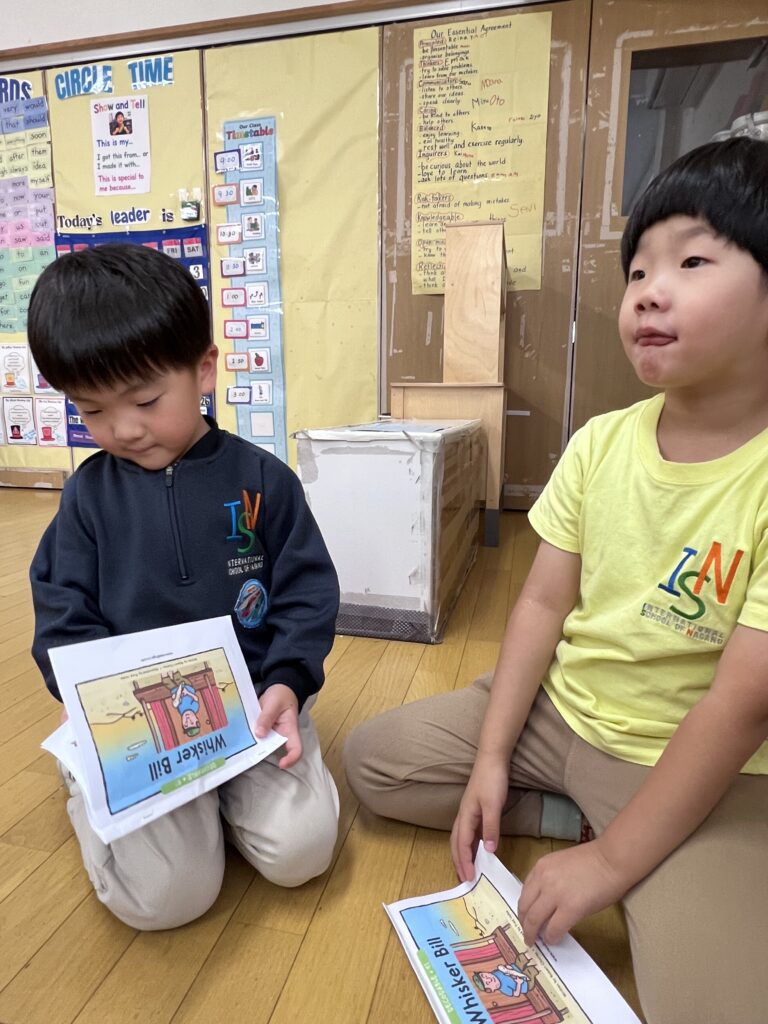
Reading: Whisker Bill
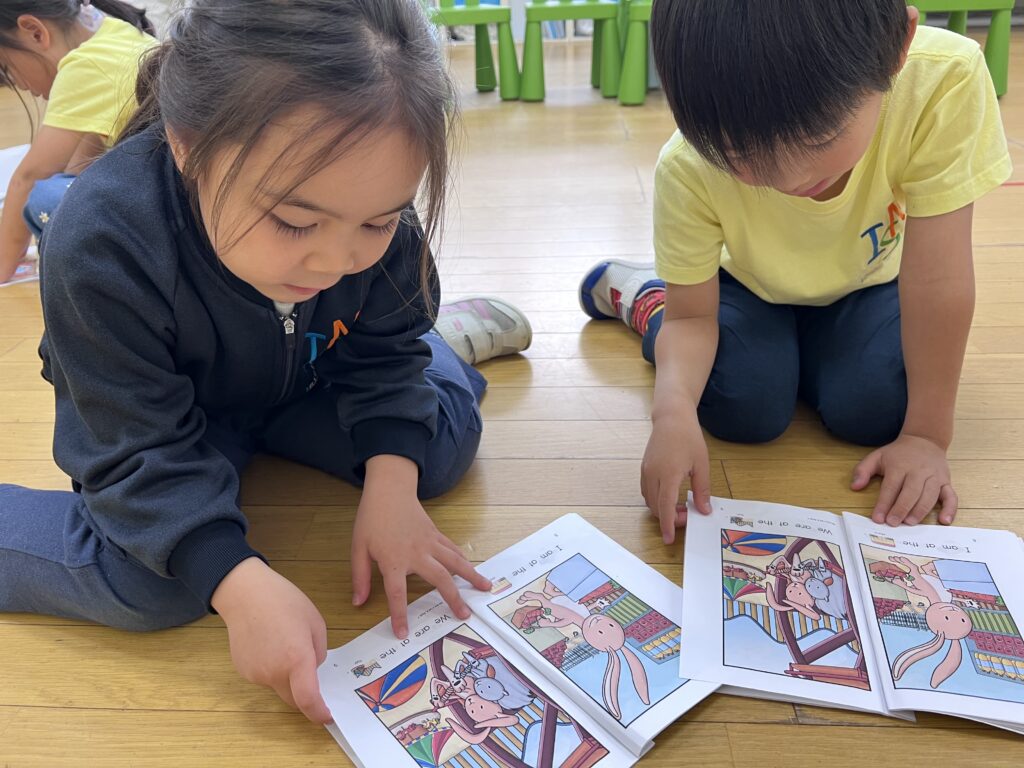
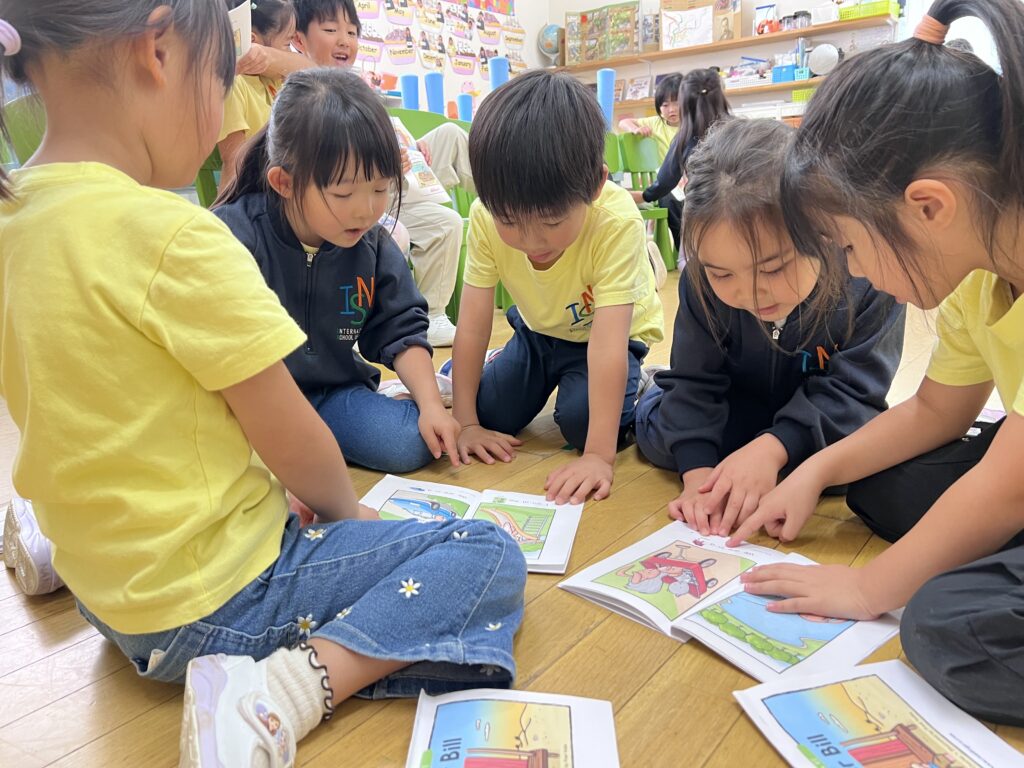
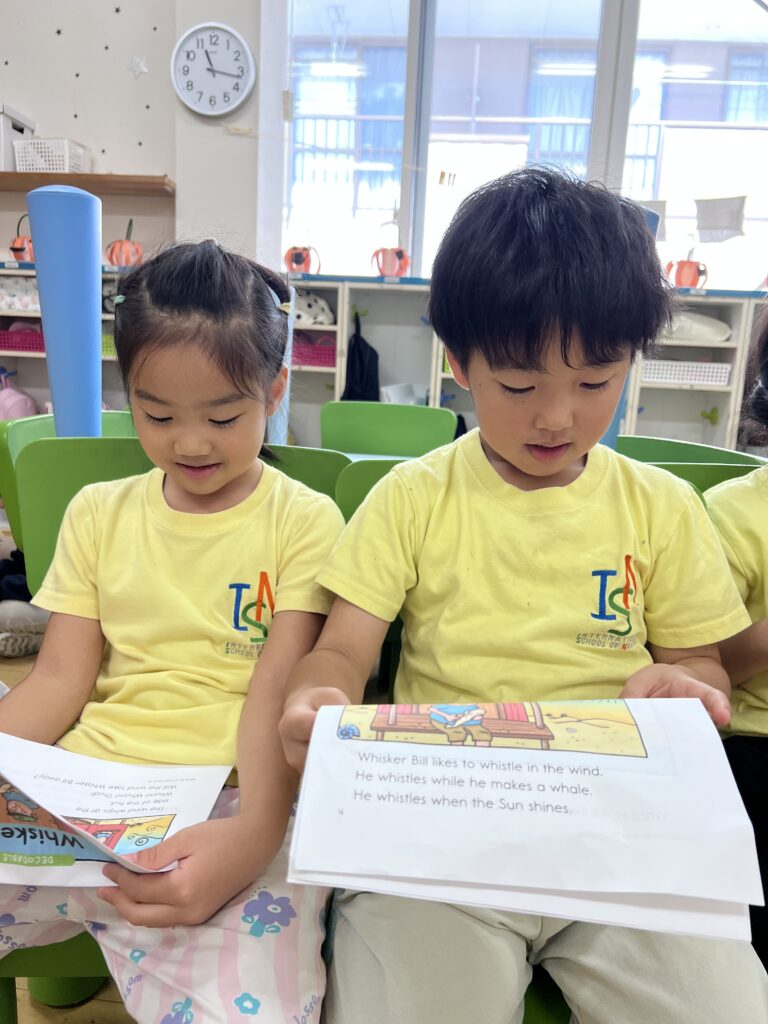
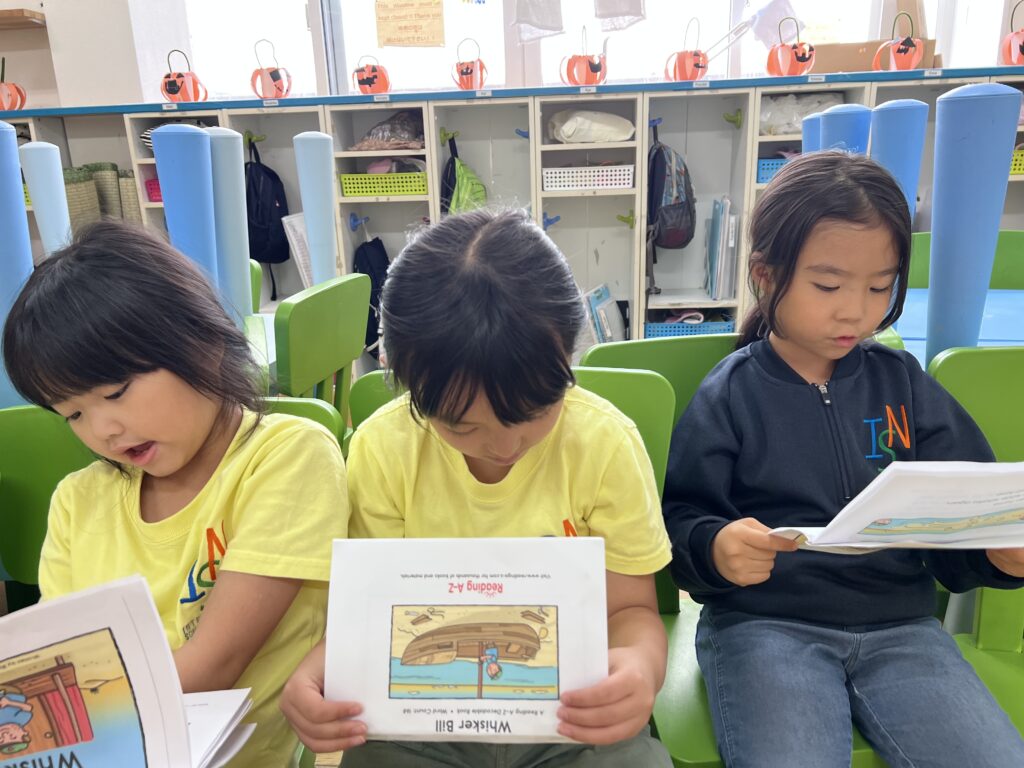
For Reading, we explored the book Whisker Bill. We began by reading together as a whole class, giving everyone an opportunity to listen, follow the text, and practise reading aloud. The learners then had opportunities to read individually and later read with their peers. Reading with others provided opportunities to practice fluency, support one another, and build confidence.
We encourage our Milky Way learners to continue practicing their reading at home. Even a few minutes of reading each day can make a meaningful difference!
Looking Ahead
Next week, we will continue exploring the different ways of telling a story as we deepen our inquiry into How We Express Ourselves. We will continue to investigate, ask questions, share ideas, and explore different forms of storytelling. We will also hopefully spend some time playing and learning together in the park and enjoy our Music lesson.
As we come to the end of another wonderful week, we are so proud of the curiosity, creativity, collaboration, and growing confidence our Milky Way learners have shown. They are learning that stories are all around us and that there are many ways to express and share them.
We hope everyone enjoys the upcoming long weekend! Take some time to rest, enjoy your family time, explore, talk, read a story together, and perhaps even ask your child, “What story can you tell me today?”
Have a wonderful and relaxing long weekend, Milky Way families! We look forward to welcoming our learners back with more stories, questions, discoveries, and exciting learning adventures!
