This week, our Grade 5 students continued their inquiry into how and why countries trade. As they explored the connections between natural resources, production, imports, and exports, they began to understand more deeply why countries depend on one another through trade.
Each student was assigned a topic related to Japan’s natural resources, focusing on energy, minerals, or food. Through their research, they investigated several important questions:
- What natural resources are found in Japan?
- Where in Japan are these resources abundant?
- Does Japan have enough of these resources to meet its needs?
- Why does Japan need to import certain resources?
- What products does Japan produce using these resources for export?
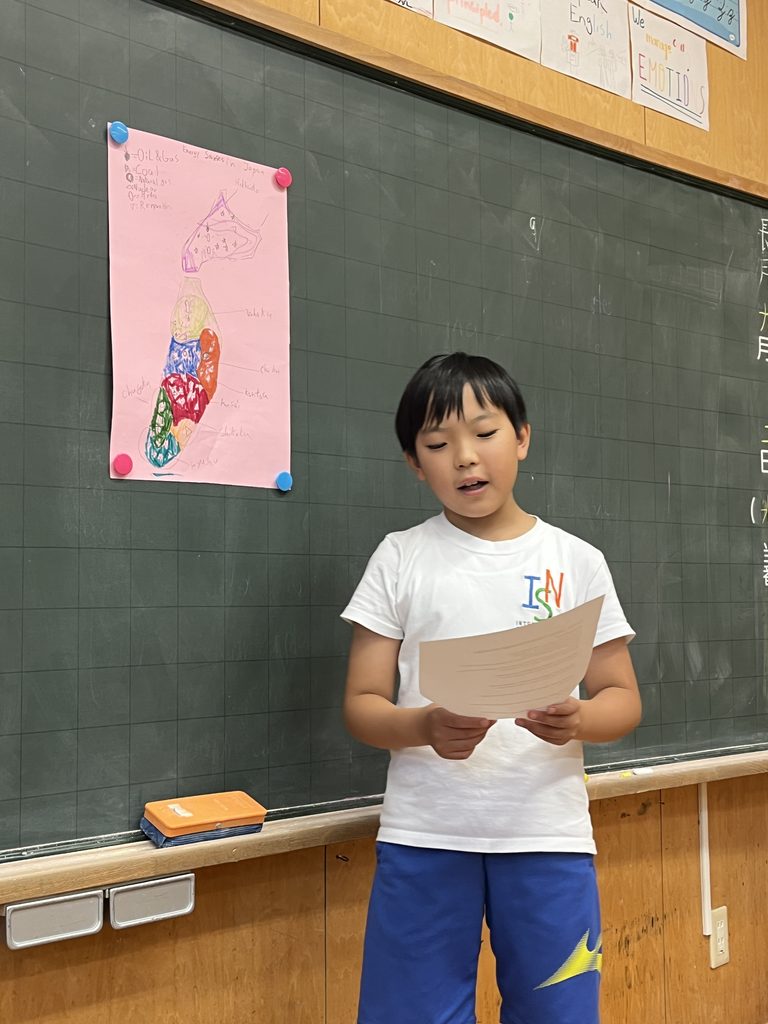
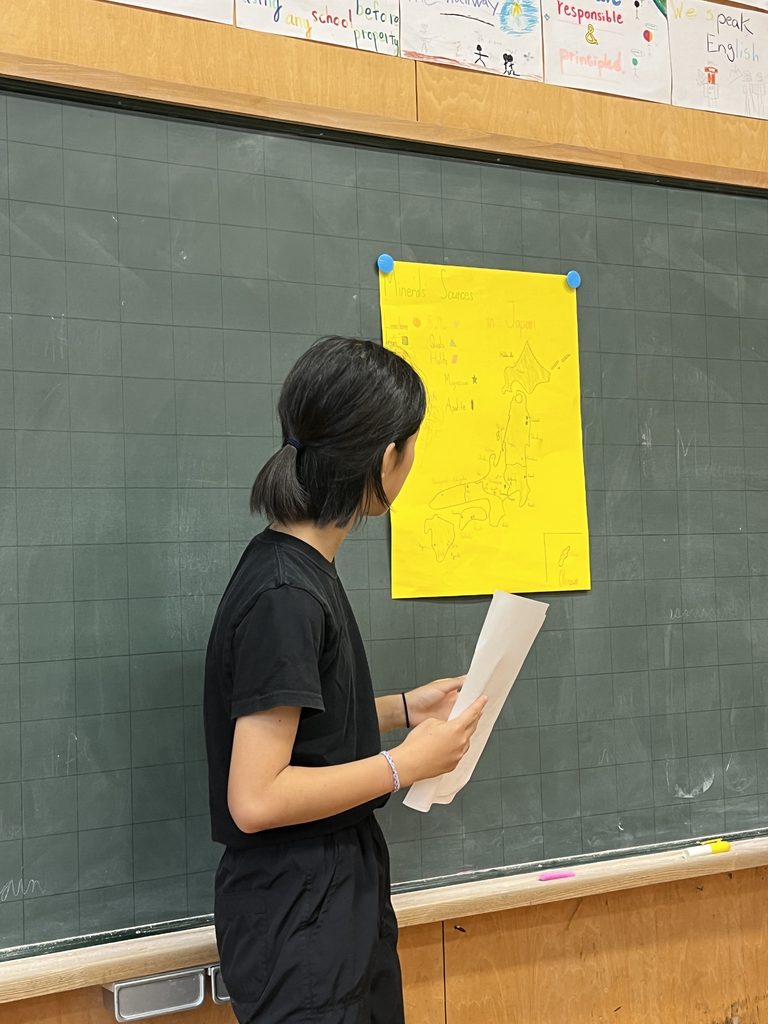
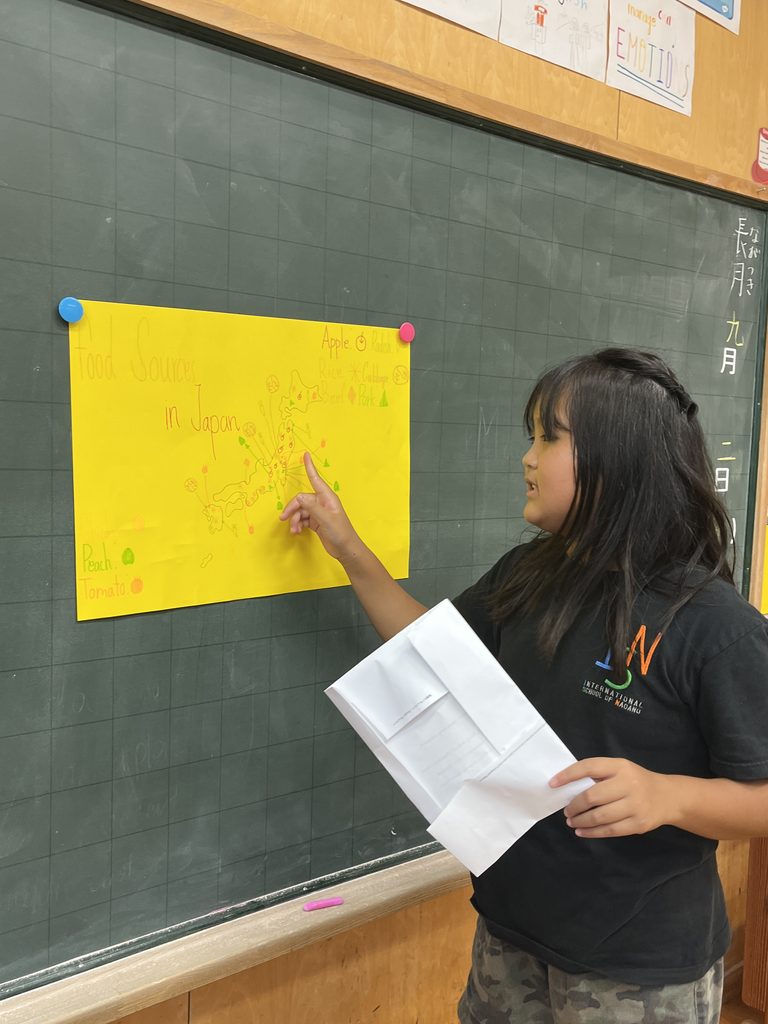
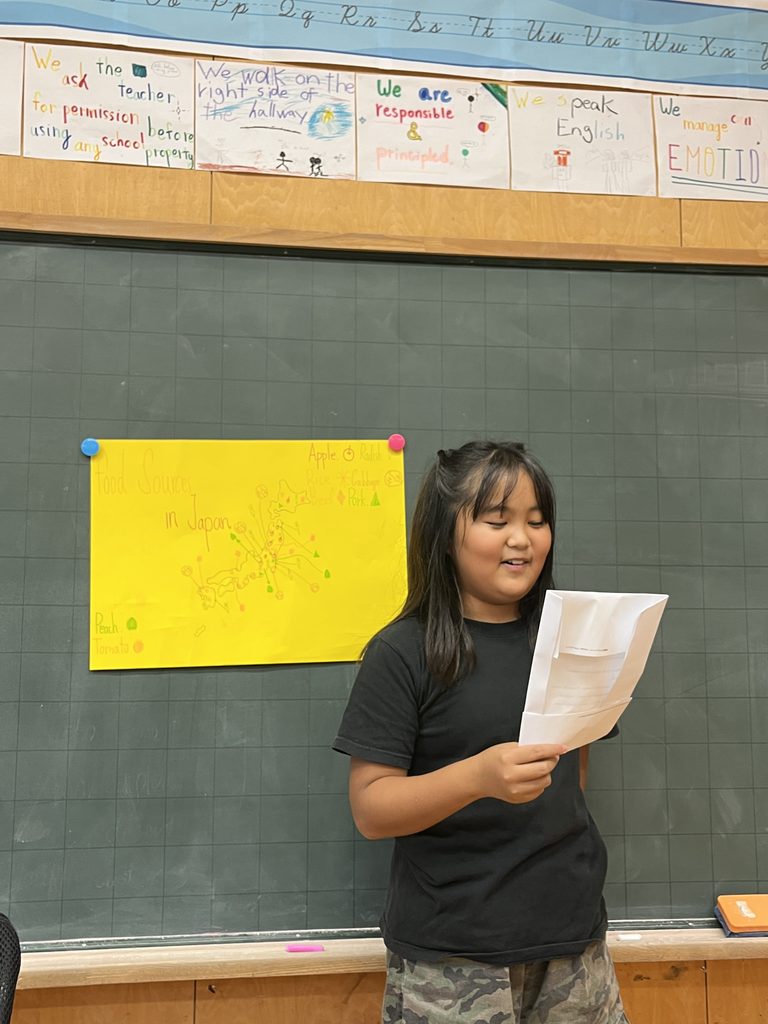
To share their findings, students created their own resource maps of Japan, identifying where different resources can be found across the country. They then prepared and delivered a class report, giving everyone an opportunity to learn from one another.
After all the presentations, we put our learning to the test with a fun round of Kahoot! 🎮 Students answered questions based on their classmates’ reports, helping us see how much information they had understood and remembered.
Through this inquiry, students are beginning to see that trade is more than simply buying and selling goods. Japan’s geography, natural resources, needs, production, imports, and exports are all connected to the global trading system. 🌏🤝
It was a week full of research, map-making, presenting, listening, and learning from one another! 📚🗺️🎤✨
Describing the World Through Our Senses 👀👂👃👅🖐️
In English this week, Grade 5 students continued developing their descriptive writing skills by exploring the five senses. We learned how writers use sensory details to help readers imagine and experience a scene through words.
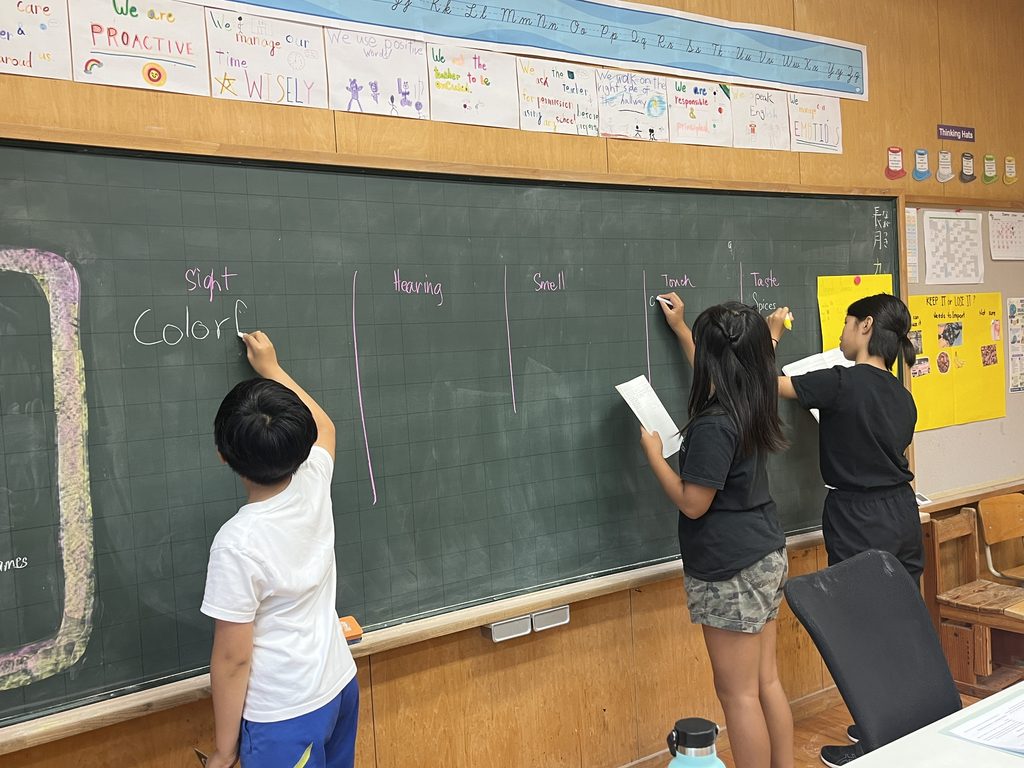
Students were given a descriptive passage and challenged to dissect the text, identifying the sensory words and phrases used by the writer. They then sorted these words according to the sense they activated: sight, sound, smell, taste, and touch.
Through this activity, students discovered that strong descriptive writing goes beyond simply telling readers what something looks like. By carefully choosing sensory details, writers can create vivid images and make their writing more engaging and immersive.
Our young writers are now beginning to think more intentionally about how they can use sensory language in their own writing. ✍️📖✨