Welcome back! We hope everyone had a wonderful and refreshing summer break. This week, our students returned to school with lots of energy and curiosity as we began our Unit 3 inquiry into global trade and economic interdependence.
Our new Central Idea is:
“Countries are connected through trade and economic systems that affect our daily lives.”
🌏 Where in the World Do Our Products Come From?
To begin our inquiry, we started with something very familiar—the things we use at home every day.
As part of our provocation and tuning-in activities, students brought or identified different products from their homes and checked where they were made. We discovered that many of the things around us come from countries all over the world!
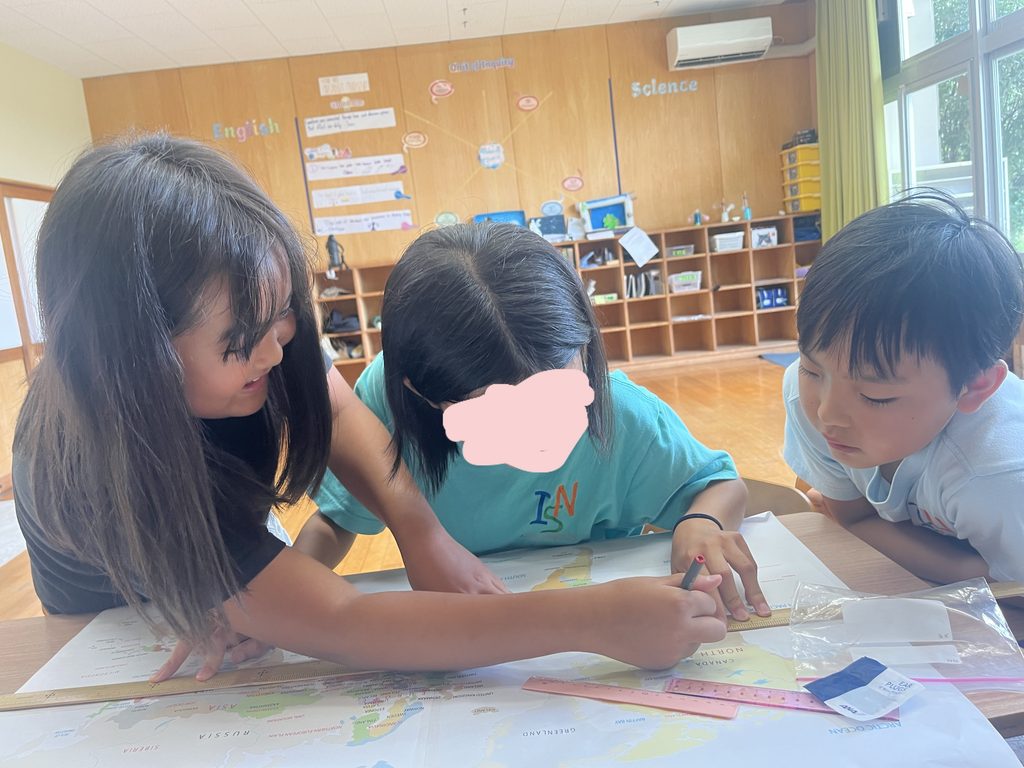
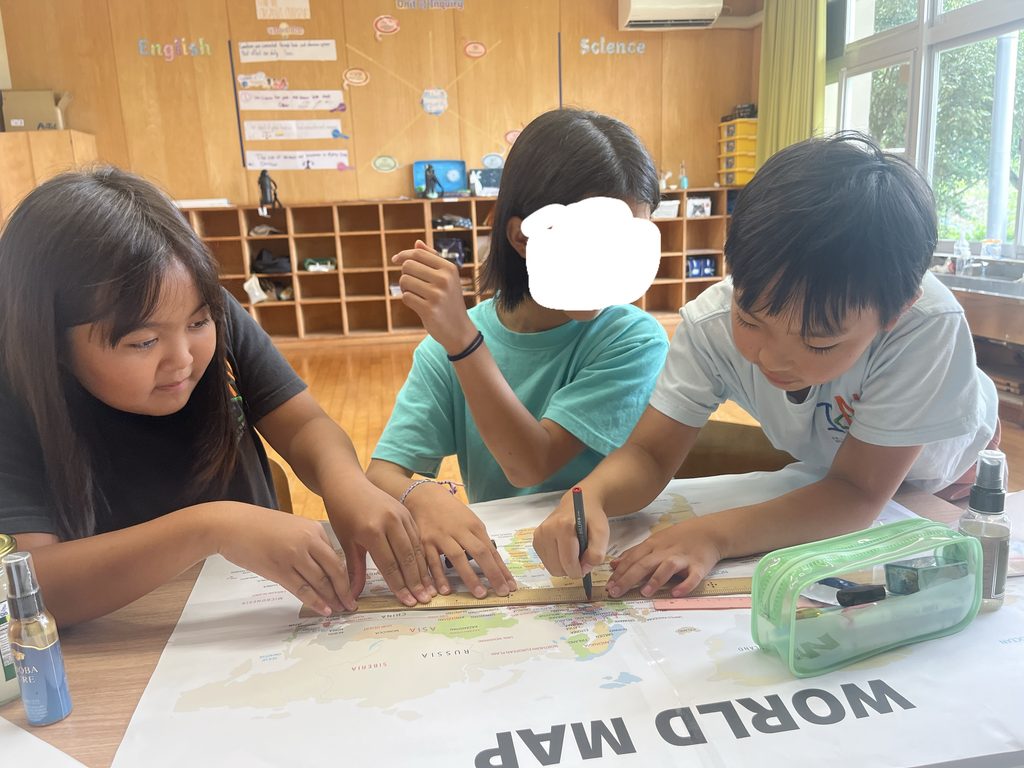
We then used a world map to visualize these connections. Students identified the countries where their products were made and drew lines from those countries to Japan, where we live. This activity helped us see just how connected Japan is to other countries through the products we use every day.
From there, we began exploring important vocabulary from our Line of Inquiry 1: “How countries trade goods and services with each other.”
🧶 Connecting Countries Through Trade
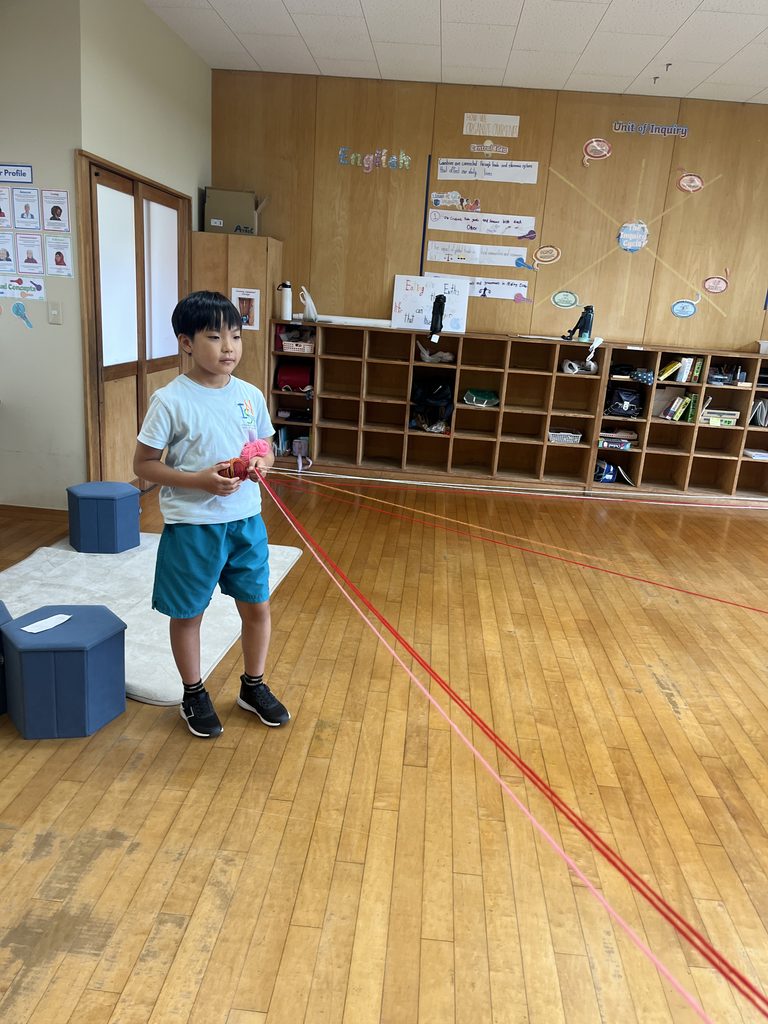
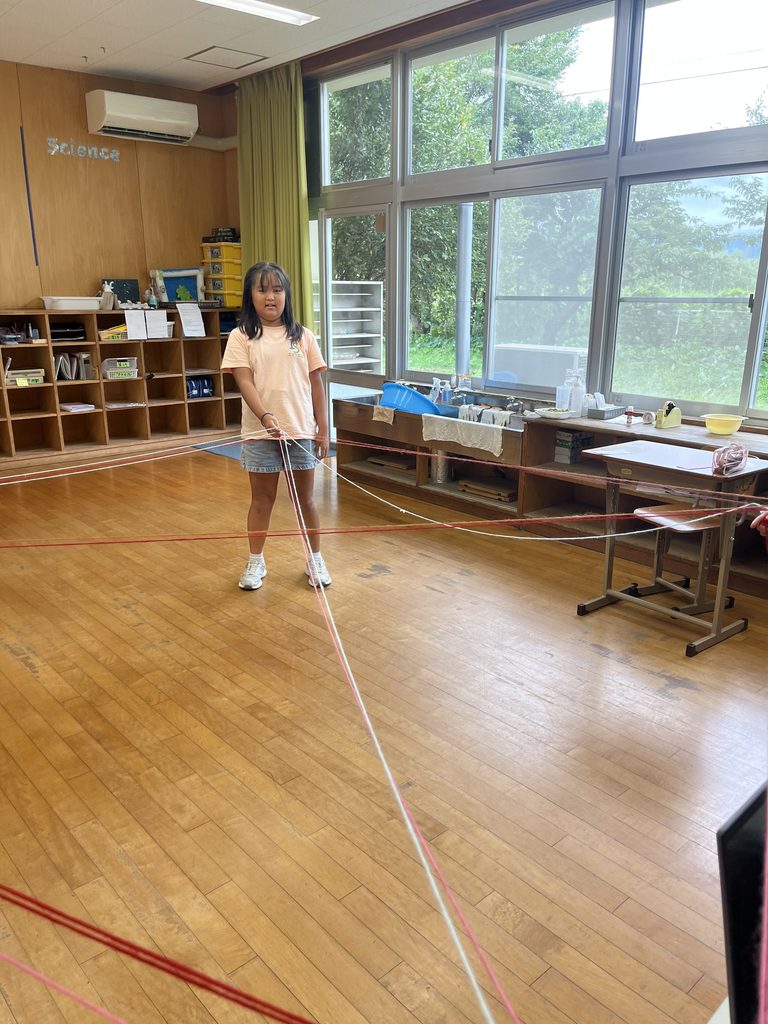
To deepen our understanding of how countries depend on one another, we also took part in an interactive balls of yarn activity.
Each student represented a different country. Every country was given certain resources that it had and identified things that it needed. However, no country had everything it needed!
In order to fulfill those needs, students had to find and connect with other countries that had the resources they required. We used yarn to represent the process of trading and exchanging resources. As students made connections with one another, the yarn gradually created a large web across the classroom.
The activity helped us visually understand how trade connects countries around the world. We also discovered that fulfilling just one need could require connections with several different countries and resources.
At the end of the activity, students reflected on an important understanding:
Countries are connected to one another through trade. By exchanging resources, goods, and services, countries can help meet one another’s needs.
The web of yarn reminded us that countries do not exist independently. Instead, they are part of a larger global network where resources, products, and services move from one place to another.
🌱 From Our Garden to Our School Community
We also had a wonderful opportunity to connect our current learning with our previous inquiry.
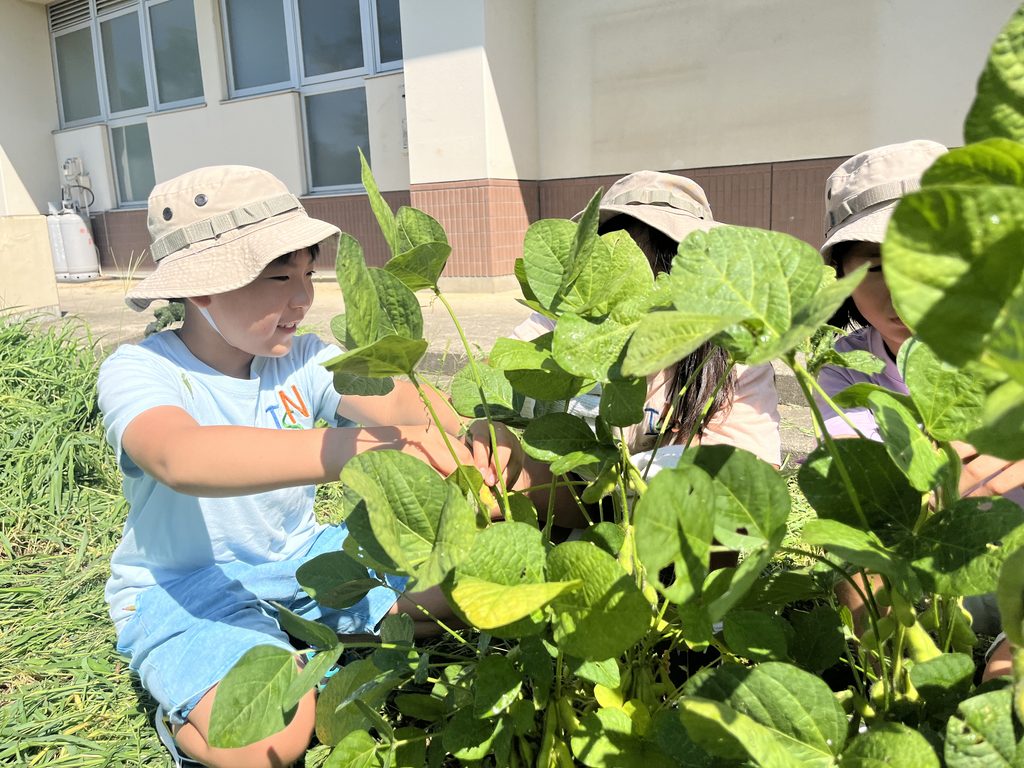
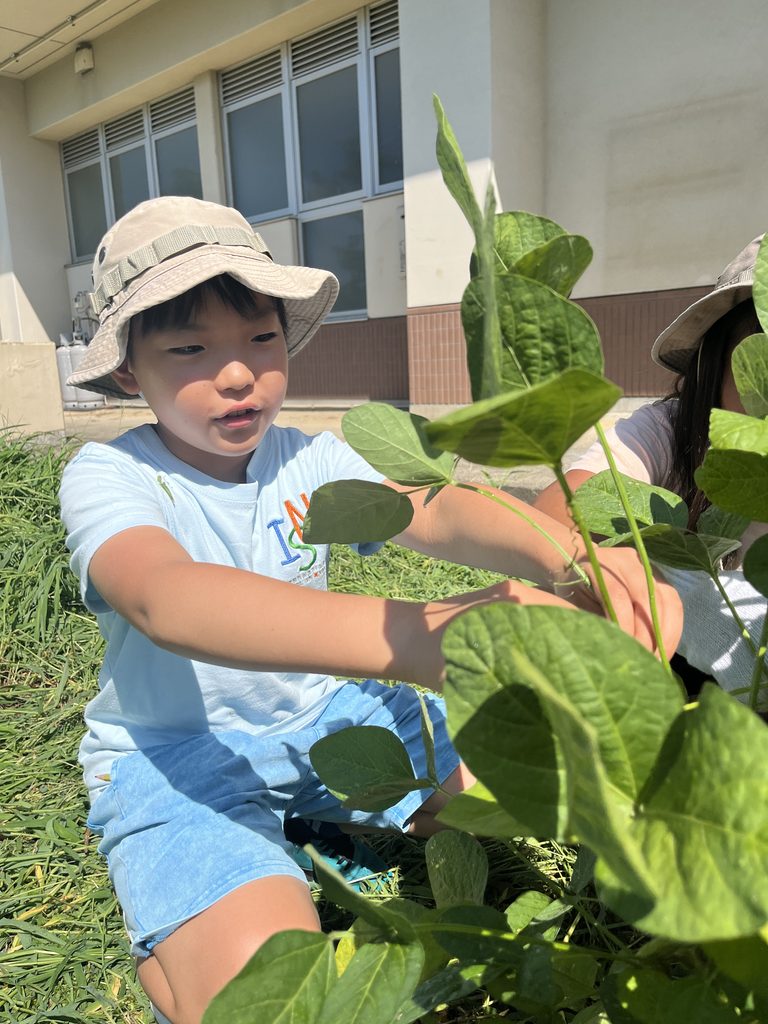
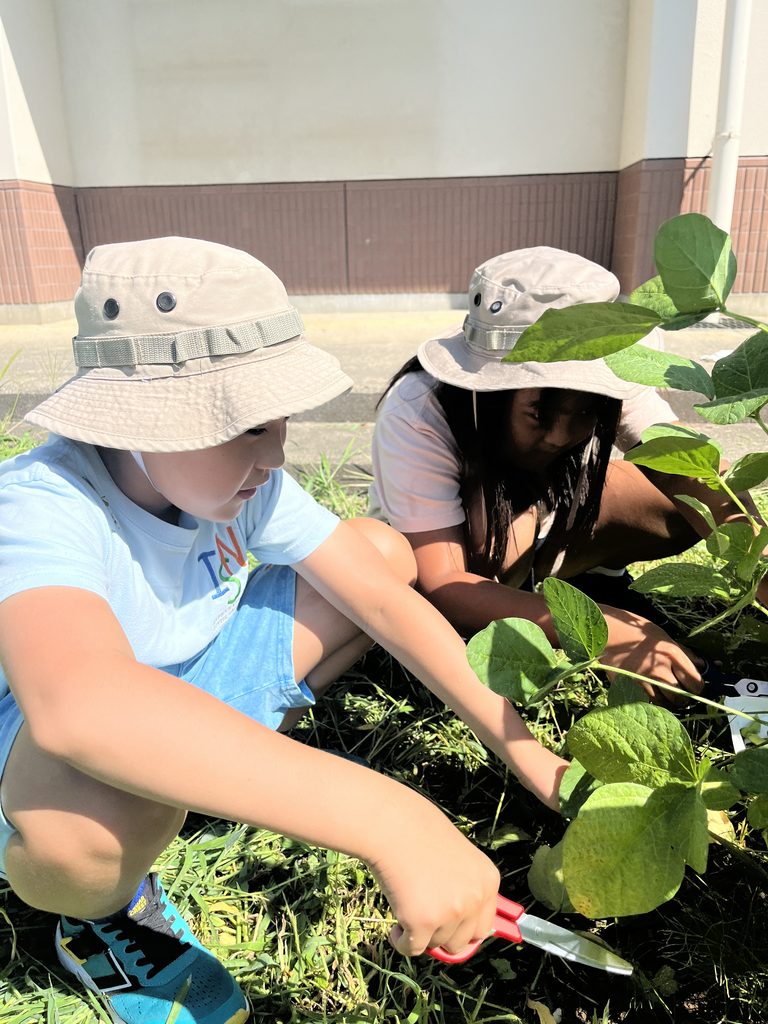
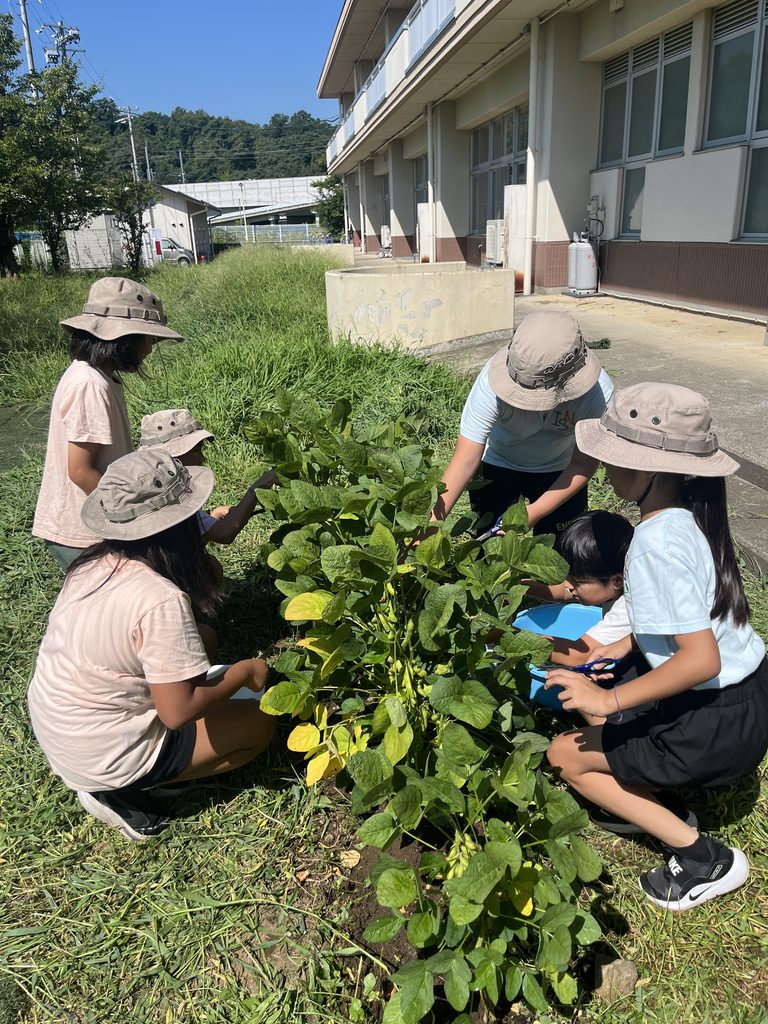
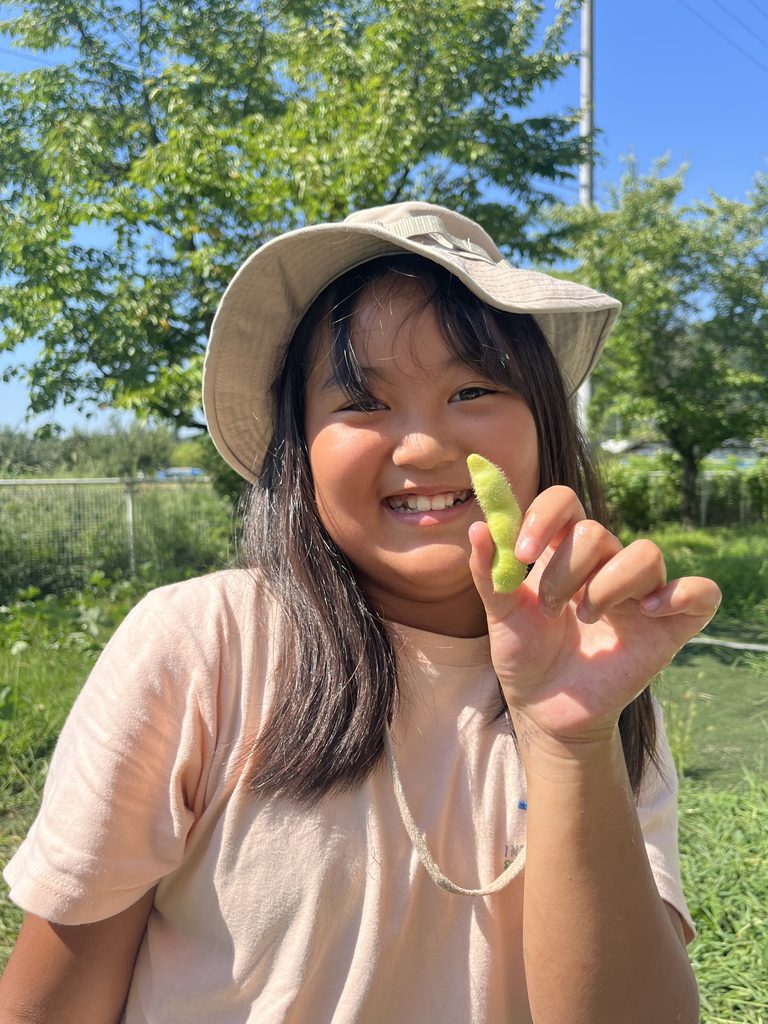
Back in June, as part of our Unit 2 inquiry into ecosystems, students planted soybean seeds and cared for them as they grew. This week, it was finally time to harvest our soybeans!
After harvesting, the students shared the soybeans with their schoolmates and teachers. It was a meaningful way to celebrate the results of their work and to share something that they had grown themselves with the wider school community.
This experience also gave us another opportunity to think about where the things we eat come from, how food is produced, and how the resources we have can be shared with others.
🔎 Looking Ahead
Our inquiry has only just begun! In the coming weeks, students will continue investigating how countries trade goods and services, how products travel from one country to another, and the many people and systems involved in bringing products into our daily lives.
Through maps, discussions, simulations, and hands-on activities, students are beginning to discover just how connected our world really is.
We are excited to see where their questions and discoveries take us next! 🌏
