私たちの家庭から世界へ:貿易を通して探るグローバルなつながり
Welcome back! We hope everyone had a wonderful and refreshing summer break. This week, our students returned to school with lots of energy and curiosity as we began our Unit 3 inquiry into global trade and economic interdependence.
おかえりなさい!みなさんが素敵でリフレッシュした夏休みを過ごされたことと思います。今週、子どもたちは元気いっぱい、そしてたくさんの好奇心を持って学校に戻ってきました。いよいよ、「グローバルな貿易と経済的な相互依存」について探究するユニット3が始まりました。
Our new Central Idea is:
“Countries are connected through trade and economic systems that affect our daily lives.”
今回のセントラルアイデアは、
「国々は、私たちの日々の生活に影響を与える貿易や経済の仕組みを通してつながっている。」です。
🌏 Where in the World Do Our Products Come From?
私たちの製品は、世界のどこから来ているの?
To begin our inquiry, we started with something very familiar—the things we use at home every day.
As part of our provocation and tuning-in activities, students brought or identified different products from their homes and checked where they were made. We discovered that many of the things around us come from countries all over the world!
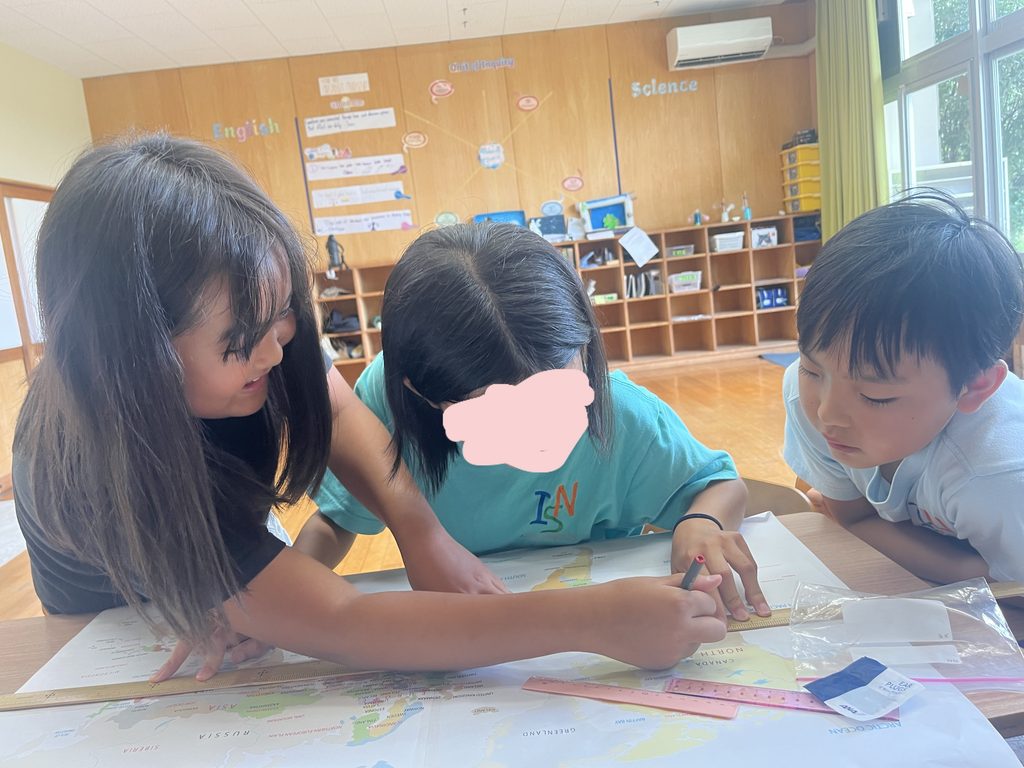
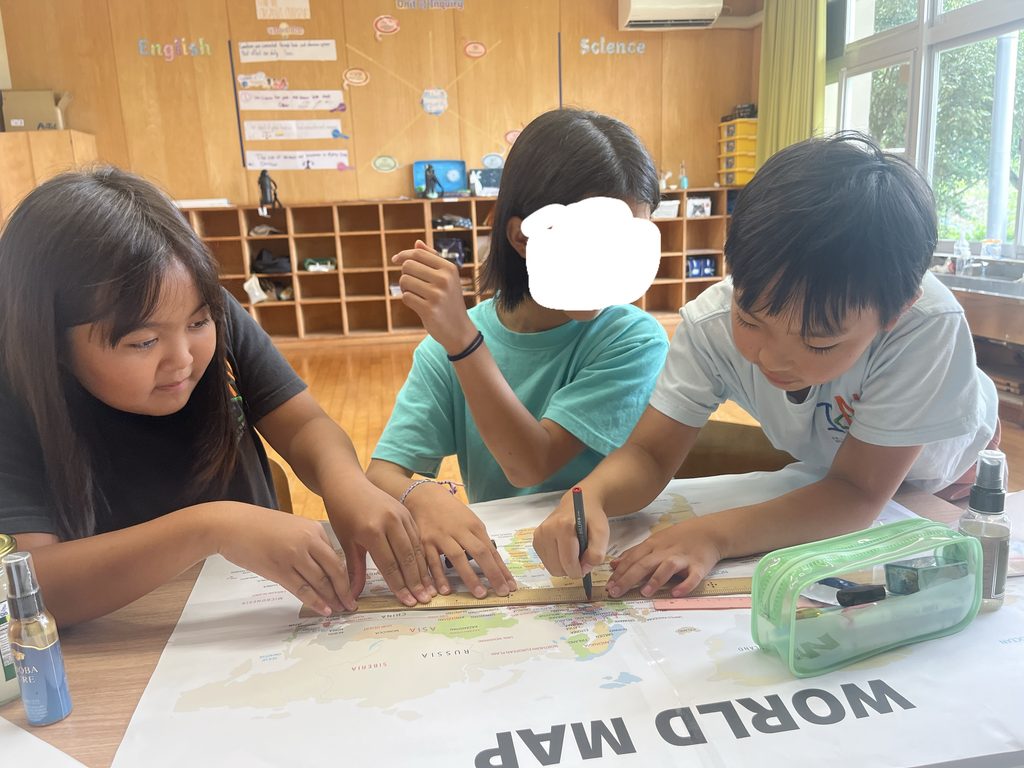
We then used a world map to visualize these connections. Students identified the countries where their products were made and drew lines from those countries to Japan, where we live. This activity helped us see just how connected Japan is to other countries through the products we use every day.
From there, we began exploring important vocabulary from our Line of Inquiry 1: “How countries trade goods and services with each other.”
探究のスタートとして、まずは私たちにとって身近なもの、つまり毎日家庭で使っているものに目を向けました。
プロボケーションとチューニング・インの活動では、子どもたちが家庭にあるさまざまな製品を持ってきたり、身の回りにある製品を調べたりして、それぞれがどの国で作られているのかを確認しました。
すると、私たちの身の回りにある多くのものが、世界中のさまざまな国から来ていることが分かりました!
さらに、世界地図を使って、これらのつながりを目に見える形にしました。 子どもたちは、自分たちが見つけた製品が作られた国を地図上で探し、その国から、私たちが暮らす日本まで線を引きました。
この活動を通して、私たちが毎日使っている製品を通じて、日本が世界のさまざまな国とつながっていることを実感することができました。
その後、LOI 1「国々はどのようにしてお互いに財やサービスを取引しているのか」に関連する重要な言葉について学び始めました。
🧶 Connecting Countries Through Trade 🧶 貿易を通してつながる国々
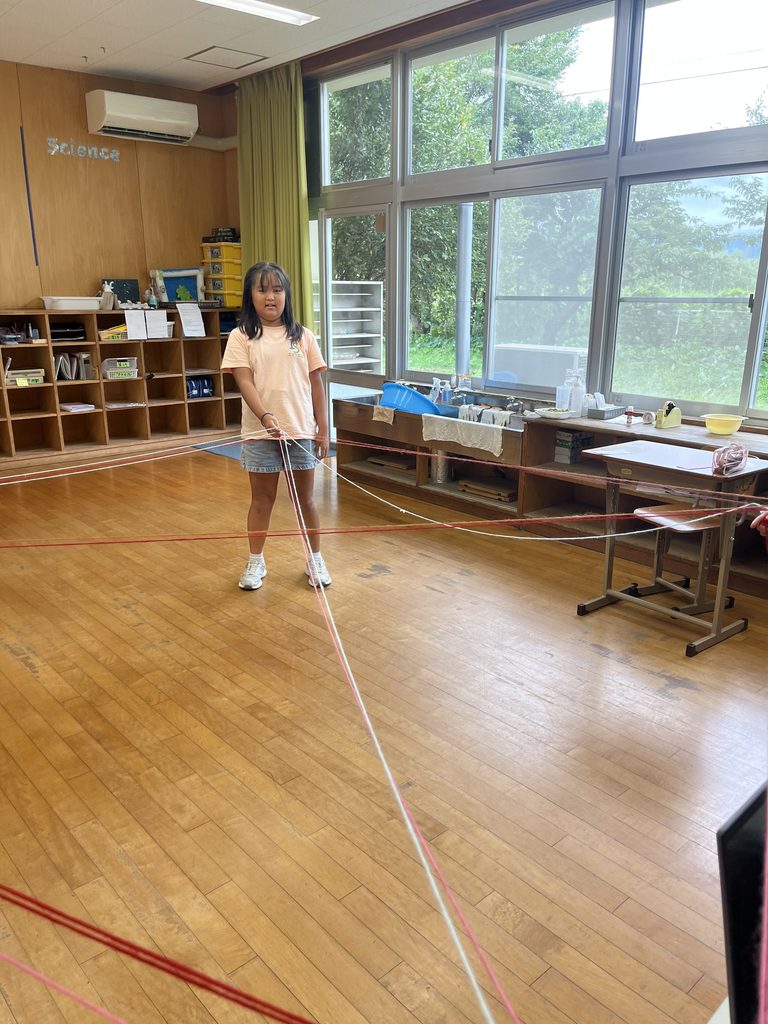
To deepen our understanding of how countries depend on one another, we also took part in an interactive balls of yarn activity.
Each student represented a different country. Every country was given certain resources that it had and identified things that it needed. However, no country had everything it needed!
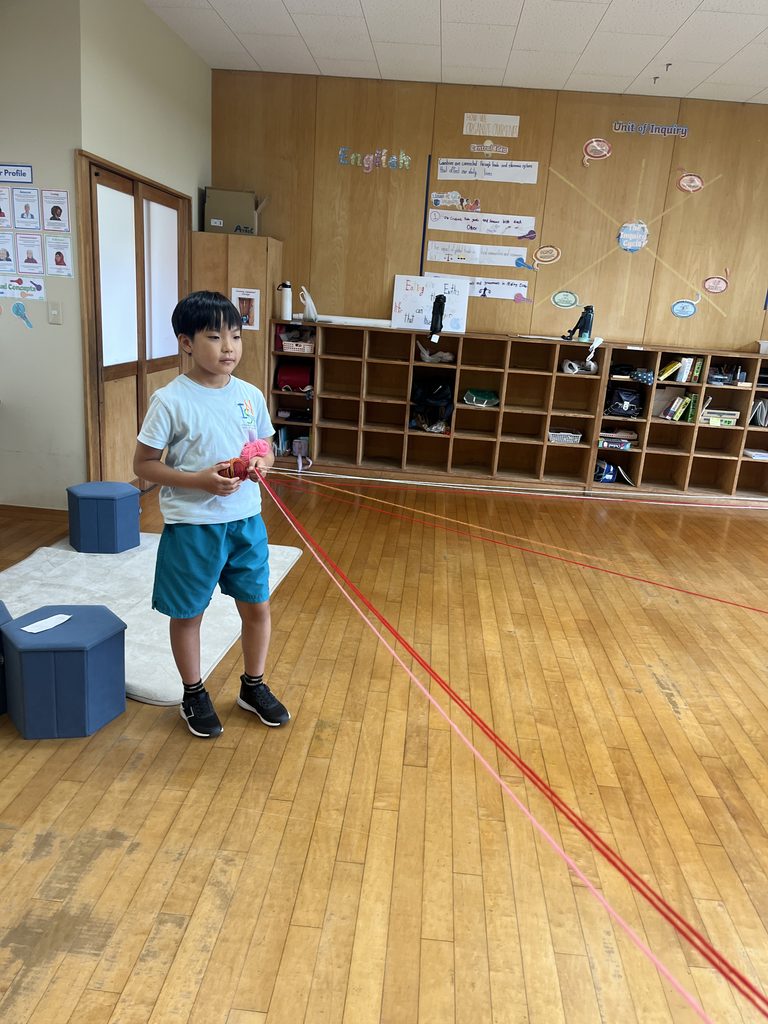
In order to fulfill those needs, students had to find and connect with other countries that had the resources they required. We used yarn to represent the process of trading and exchanging resources. As students made connections with one another, the yarn gradually created a large web across the classroom.
The activity helped us visually understand how trade connects countries around the world. We also discovered that fulfilling just one need could require connections with several different countries and resources.
At the end of the activity, students reflected on an important understanding:
Countries are connected to one another through trade. By exchanging resources, goods, and services, countries can help meet one another’s needs.
The web of yarn reminded us that countries do not exist independently. Instead, they are part of a larger global network where resources, products, and services move from one place to another.
国々がどのようにお互いに支え合い、依存し合っているのかについて理解を深めるために、毛糸を使った貿易活動にも取り組みました。
この活動では、一人ひとりが異なる国を担当しました。それぞれの国には、持っている資源と、必要としているものが設定されていました。しかし、どの国も自分たちだけですべての必要なものを持っているわけではありませんでした。
必要なものを手に入れるために、子どもたちは、自分たちが必要としている資源を持っている国を探し、つながる必要がありました。そこで、毛糸を貿易や資源の交換を表すものとして使いました。子どもたちが次々と他の国とつながっていくと、教室全体に大きな毛糸のネットワークができあがりました。
この活動を通して、貿易が世界中の国々をつないでいることを視覚的に理解することができました。また、たった一つの「必要なもの」を満たすためにも、複数の国やさまざまな資源とのつながりが必要になる場合があることにも気づきました。
活動の最後には、子どもたちが次のような大切なことを振り返りました。
「国々は、貿易を通してお互いにつながっています。資源や商品、サービスを交換することで、国々はお互いの必要を満たすことができます。」
教室いっぱいに広がった毛糸のネットワークは、国々がそれぞれ独立して存在しているのではなく、資源や製品、サービスがさまざまな場所から別の場所へと行き交う、より大きな世界のネットワークの一部であることを私たちに教えてくれました。
🌱 From Our Garden to Our School Community 🌱 私たちの畑から学校コミュニティへ
We also had a wonderful opportunity to connect our current learning with our previous inquiry.
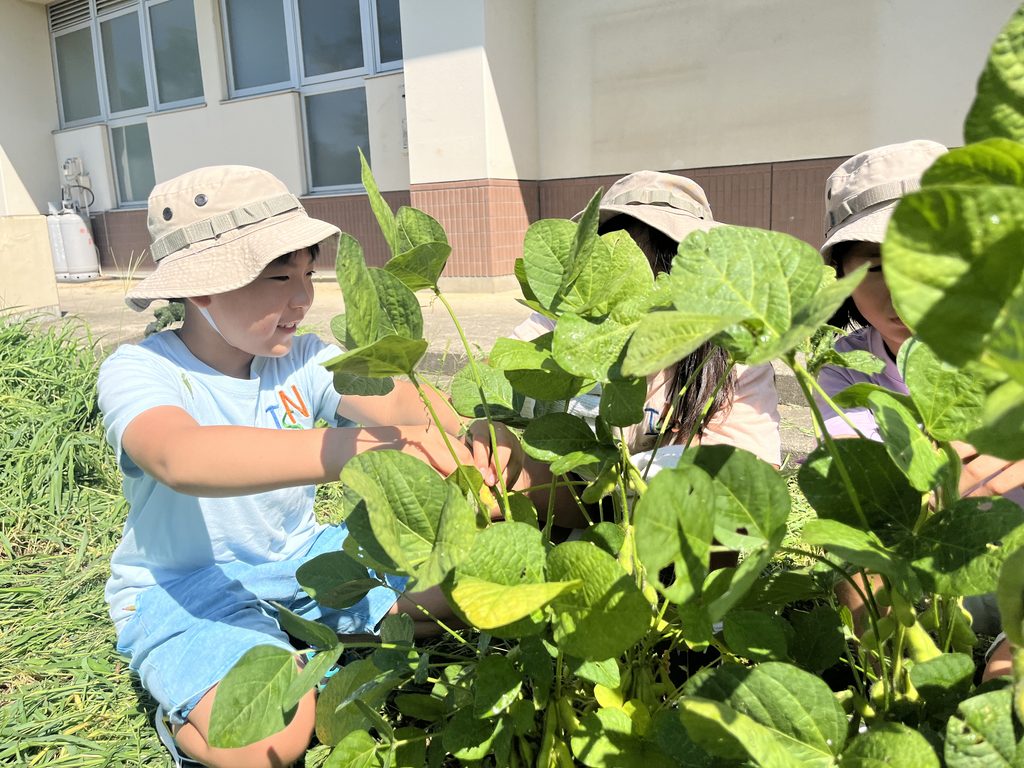
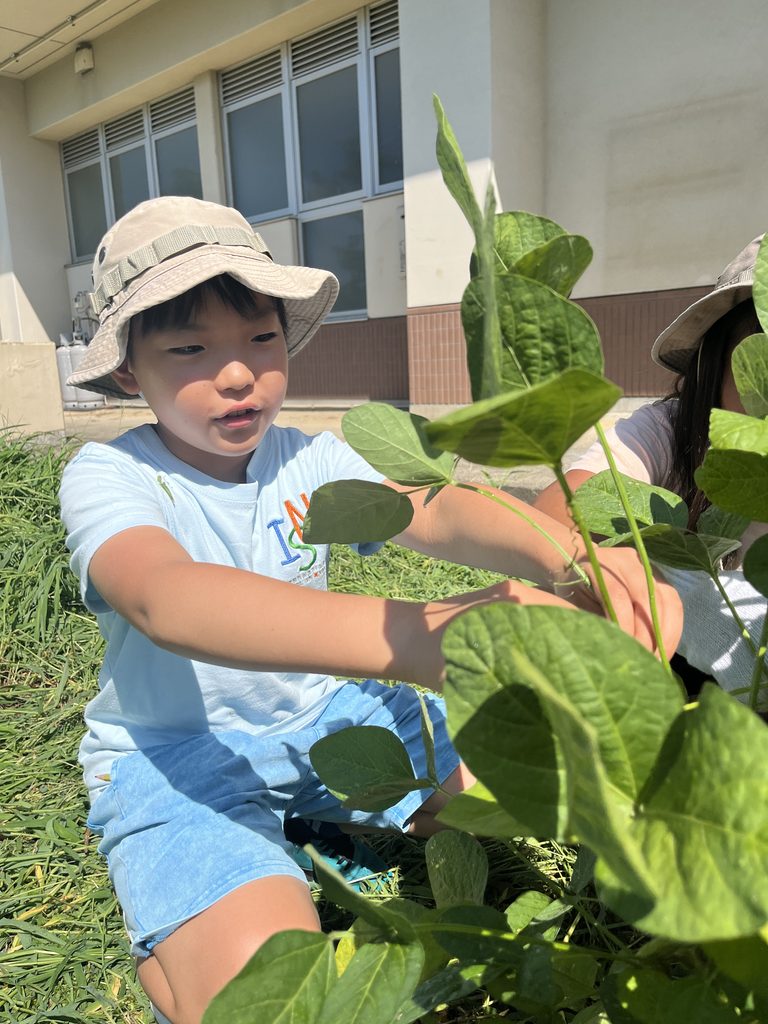
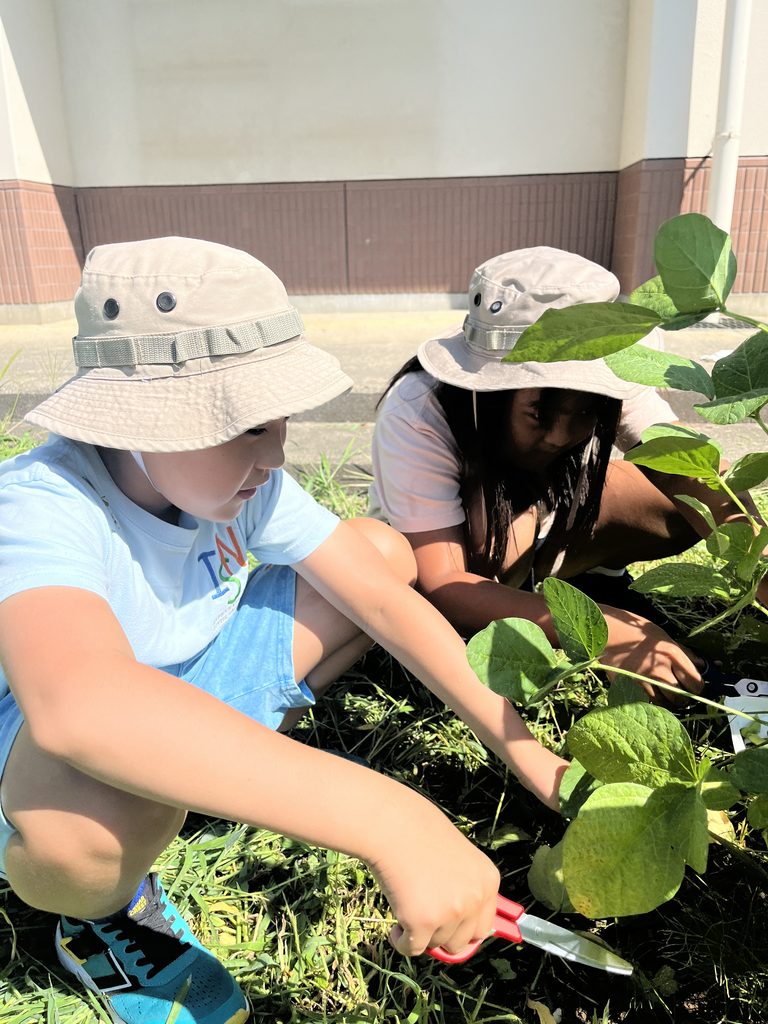
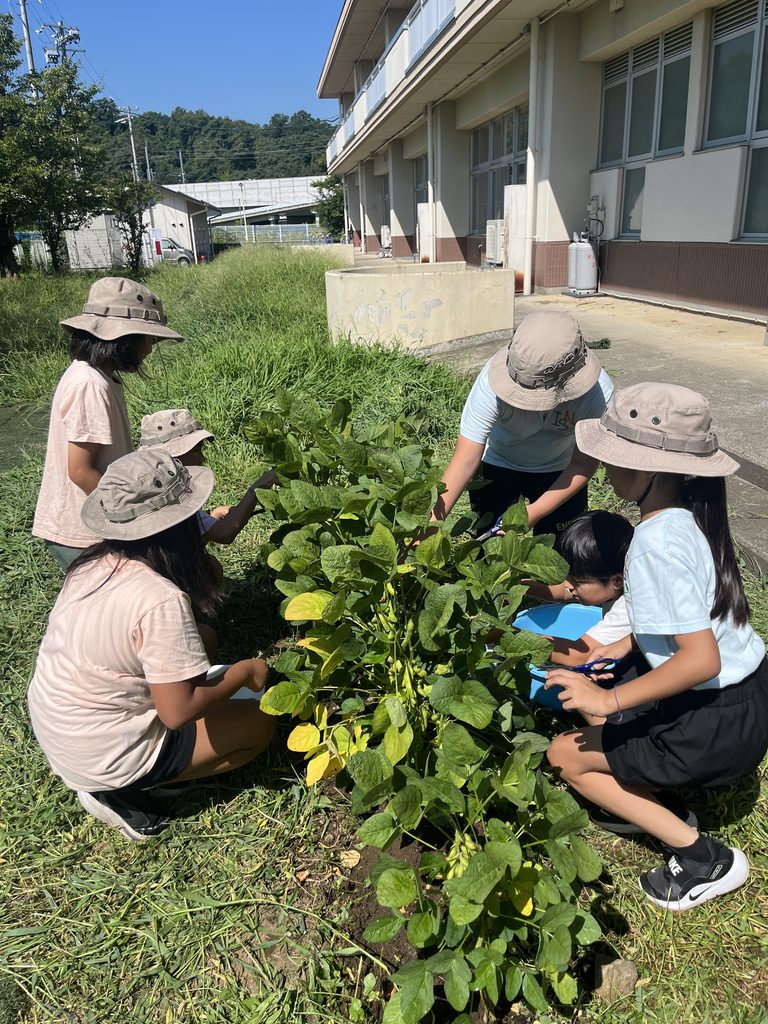
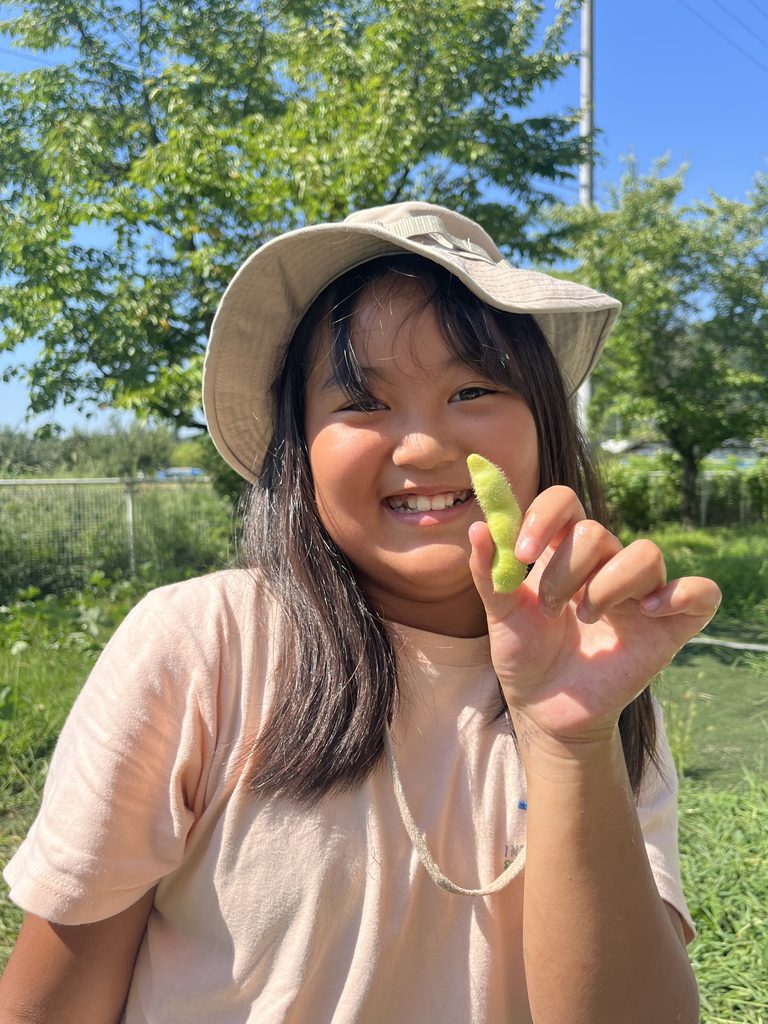
Back in June, as part of our Unit 2 inquiry into ecosystems, students planted soybean seeds and cared for them as they grew. This week, it was finally time to harvest our soybeans!
After harvesting, the students shared the soybeans with their schoolmates and teachers. It was a meaningful way to celebrate the results of their work and to share something that they had grown themselves with the wider school community.
This experience also gave us another opportunity to think about where the things we eat come from, how food is produced, and how the resources we have can be shared with others.
前回の探究学習と今回の学びをつなげる、素敵な機会もありました。
6月、ユニット2「生態系(Ecosystems)」の探究の一環として、子どもたちは大豆の種を植え、成長を見守りながら大切に育ててきました。そして今週、いよいよ大豆を収穫する時期を迎えました!
収穫した後、子どもたちは育てた大豆を学校の仲間や先生たちと分かち合いました。自分たちで育てたものをみんなと共有することで、これまでの取り組みの成果を喜び、学校コミュニティ全体で味わうことができました。
この経験を通して、私たちが普段食べているものがどこから来るのか、どのように生産されているのか、そして自分たちが持っている資源をどのように他の人と分かち合うことができるのかについて、改めて考える機会にもなりました。
🔎 Looking Ahead これからの学び
Our inquiry has only just begun! In the coming weeks, students will continue investigating how countries trade goods and services, how products travel from one country to another, and the many people and systems involved in bringing products into our daily lives.
Through maps, discussions, simulations, and hands-on activities, students are beginning to discover just how connected our world really is.
We are excited to see where their questions and discoveries take us next! 🌏
私たちの探究は、まだ始まったばかりです!
これからの数週間、子どもたちは、国々がどのように商品やサービスを取引しているのか、商品がどのようにある国から別の国へ運ばれていくのか、そして私たちの毎日の生活に商品が届くまでに、どのような人々や仕組みが関わっているのかについて、さらに探究を深めていきます。
地図を使った活動や話し合い、シミュレーション、体験的な活動を通して、子どもたちは、私たちの世界が実はどれほど深くつながっているのかを少しずつ発見し始めています。
これから、子どもたちの「なぜ?」「どうして?」という疑問や新たな発見が、どのような学びへとつながっていくのか、私たちも楽しみにしています!🌏
