Over the past two weeks, we have continued our learning adventure in Grade 3 through a wide range of meaningful and engaging experiences both inside and outside the classroom. From continuing our Unit of Inquiry to participating in hands-on activities such as rice planting, we have been exploring learning through collaboration, curiosity, and real-world connections. These experiences have encouraged us to deepen our understanding of the world around us while also developing important skills such as communication, reflection, problem-solving, and teamwork. By connecting our learning to authentic experiences, we continue to grow as inquirers who are open-minded, reflective, and actively engaged in our learning journey.
この2週間、グレード3では教室内外でのさまざまな有意義な活動を通して、私たちの学びの冒険(learning adventure)を続けてきました。探究の学習を深めるだけでなく、田植えのような体験的な活動にも参加し、協働や好奇心、そして実社会とのつながりを大切にしながら学びを進めてきました。こうした経験を通して、世界への理解を深めるとともに、コミュニケーション能力、振り返る力、問題解決能力、チームワークといった重要なスキルも育んでいます。実際の体験と結びついた学びを通して、私たちは探究心を持ち、オープンマインドで、自らの学びに主体的に関わる学習者として成長し続けています
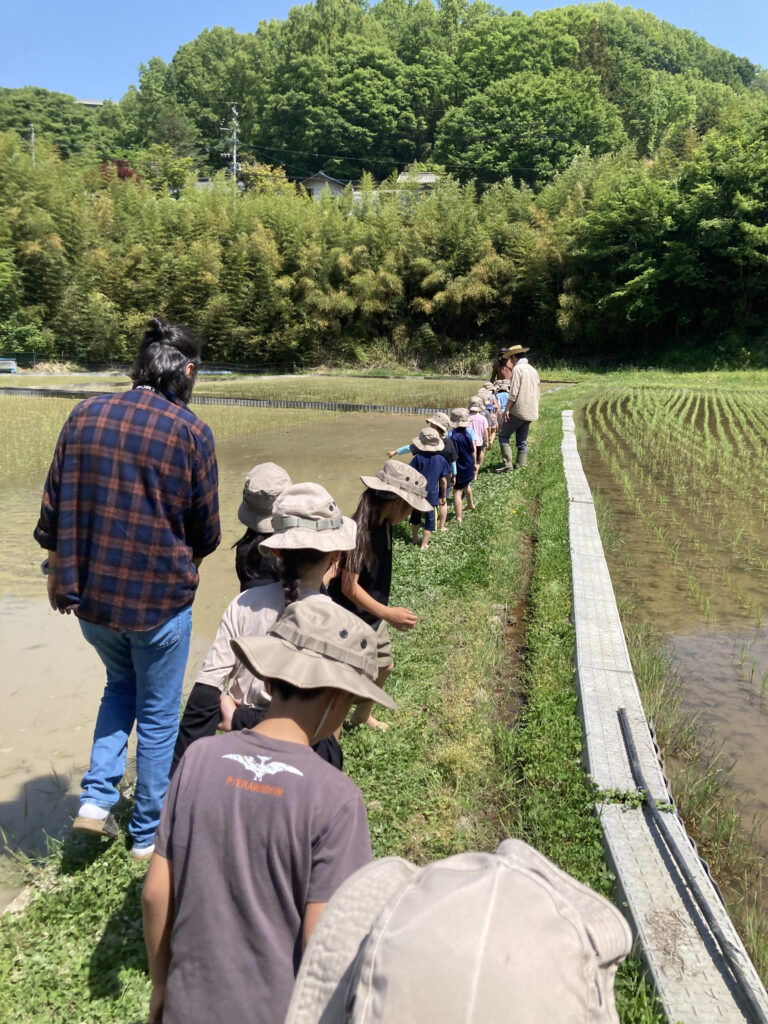
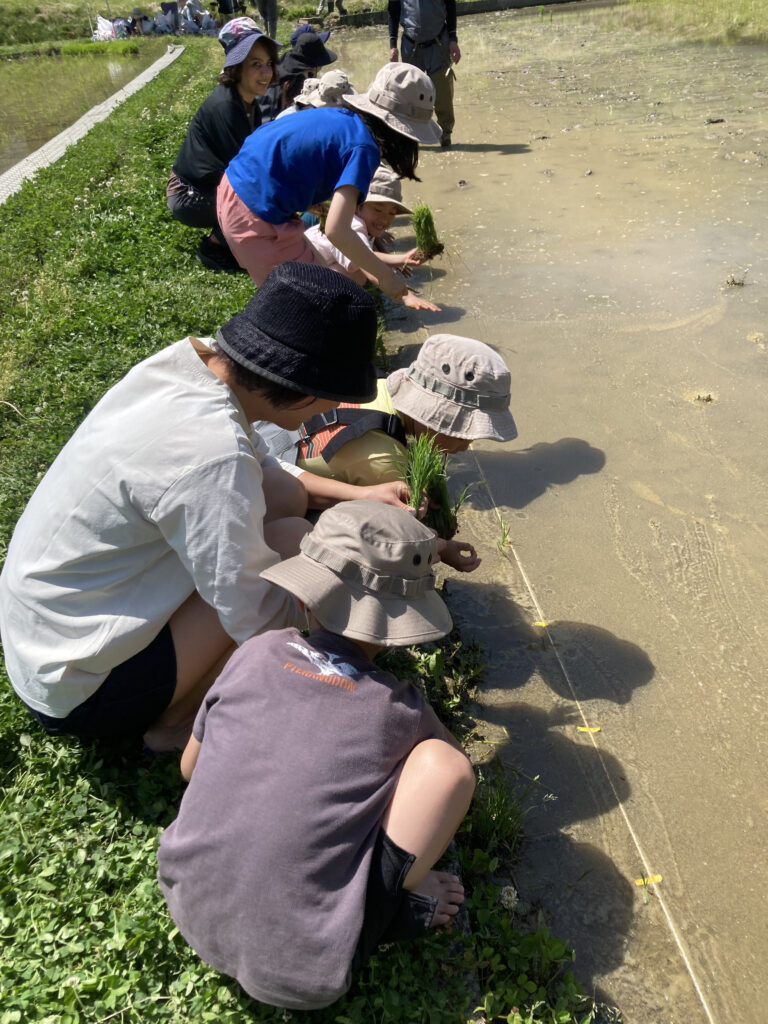
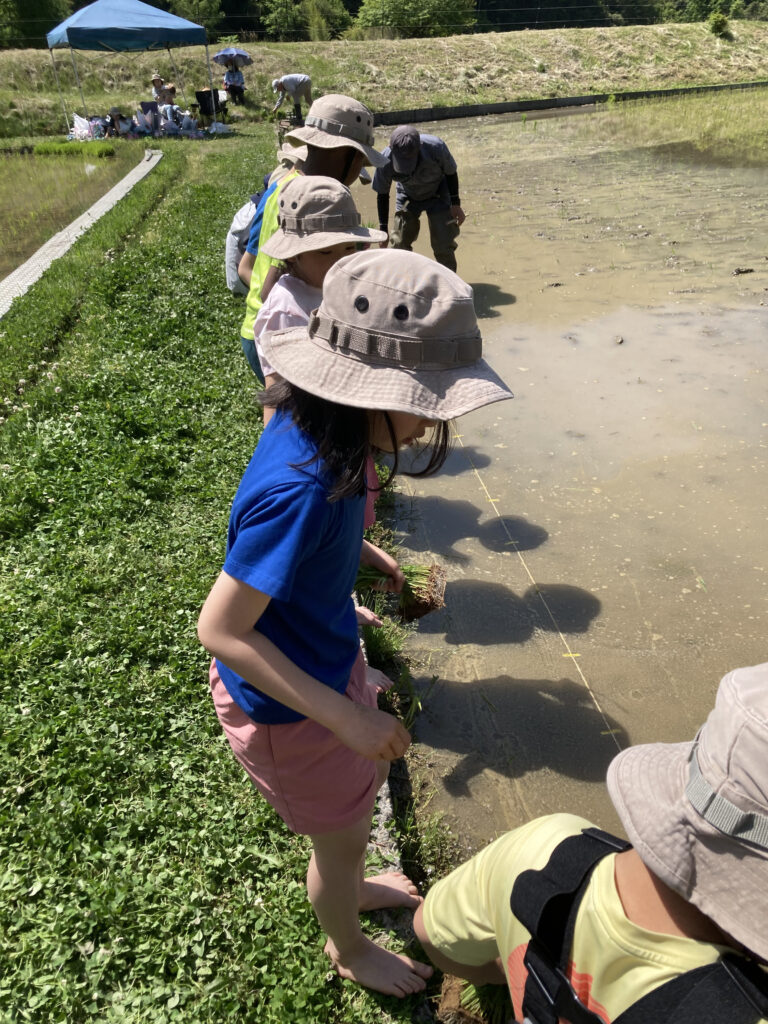
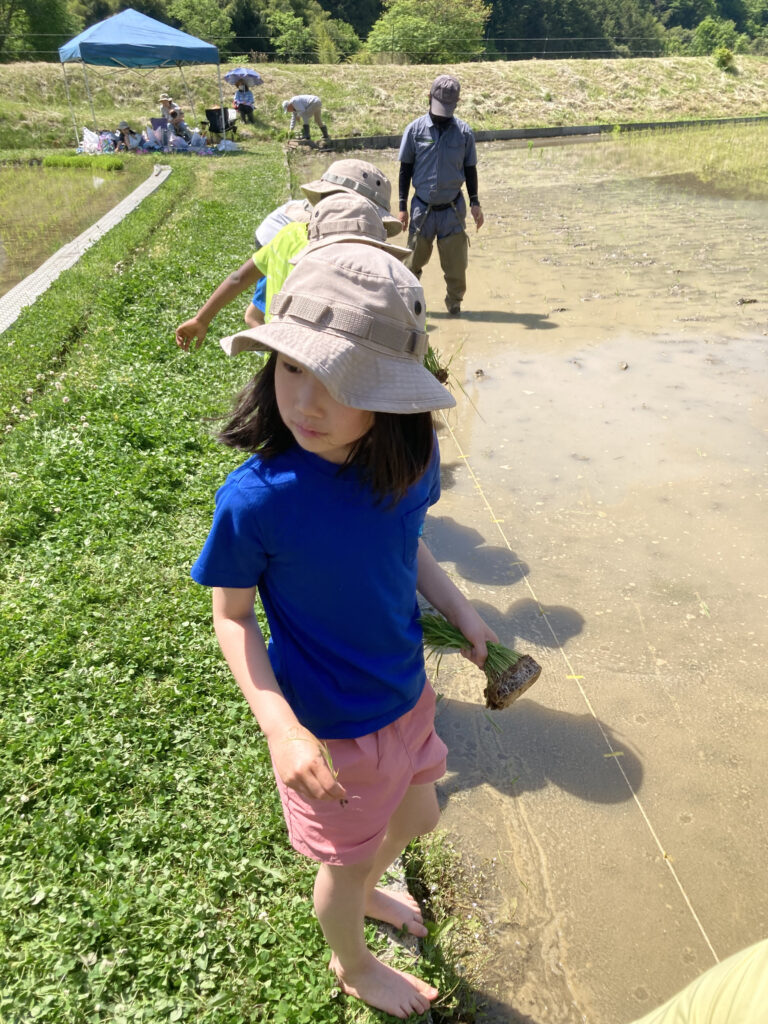
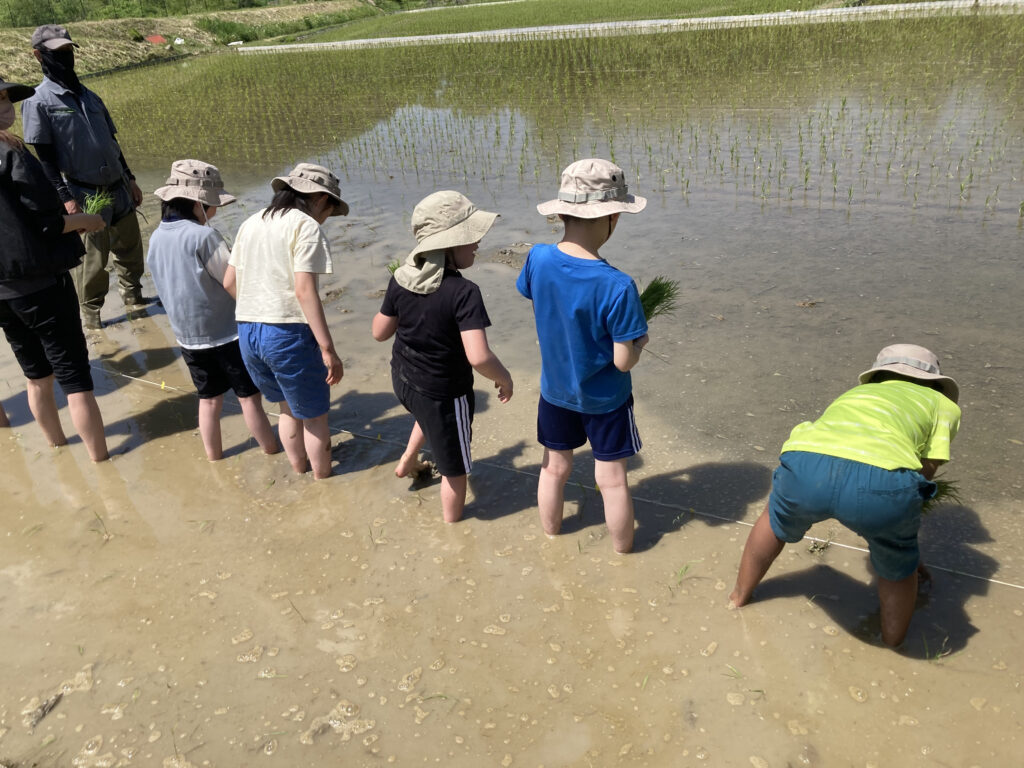
One of the highlights of the past two weeks was our rice planting experience, which provided us with a meaningful opportunity to connect our learning to the local community and culture in an authentic and memorable way. Through this hands-on activity, we not only enjoyed working together outdoors, but also gained a deeper appreciation for the importance of rice within Japanese culture and daily life. As we planted the rice together, we experienced first-hand the effort, patience, and collaboration involved in a process that has been an essential part of Japanese traditions and communities for generations. The experience encouraged us to step outside of our comfort zones, support one another, and reflect on the relationship between people, culture, and the environment.
This activity connected closely with our Unit of Inquiry under the transdisciplinary theme Who We Are, as it allowed us to explore how cultural practices and traditions help shape identity and community. By participating in a traditional activity that remains deeply connected to Japanese history and society, we developed a greater understanding of how culture influences the ways people live, work, and interact with others. The rice planting experience also encouraged us to think about gratitude, sustainability, and the importance of respecting traditions that continue to play a significant role in communities around the world. Through this shared experience, we strengthened our sense of community, international-mindedness, and appreciation for the diverse cultural perspectives that enrich our learning journey.
この2週間の中でも特に印象的だった活動の一つが、田植え体験でした。この活動を通して、地域社会や日本文化と実際につながりながら、より意味のある形で学びを深めることができました。屋外で協力しながら活動を楽しむだけでなく、日本の文化や日常生活においてお米がどれほど重要な存在であるかについても理解を深めました。実際に田植えを体験することで、日本の伝統や地域社会を長年支えてきた営みには、多くの努力や忍耐、そして協力が必要であることを実感することができました。また、この経験を通して、自分たちのコンフォートゾーンを越えて挑戦し、お互いを支え合いながら、人・文化・環境のつながりについて考える機会にもなりました。
この活動は、「Who We Are(私たちは誰なのか)」という探究テーマとも深く結びついています。文化的な習慣や伝統が、どのように人々のアイデンティティやコミュニティを形づくっているのかを考える貴重な機会となりました。日本の歴史や社会と深く関わる伝統的な活動に参加することで、文化が人々の暮らし方や働き方、他者との関わり方にどのような影響を与えているのかについて理解を深めています。また、田植え体験を通して、感謝の気持ちや持続可能性、そして今もなお世界中の地域社会で大切にされている伝統を尊重することの重要性についても考えることができました。この共有体験を通して、私たちはコミュニティとしてのつながりや国際的な視野をさらに広げ、多様な文化的視点を尊重する姿勢を育んでいます。
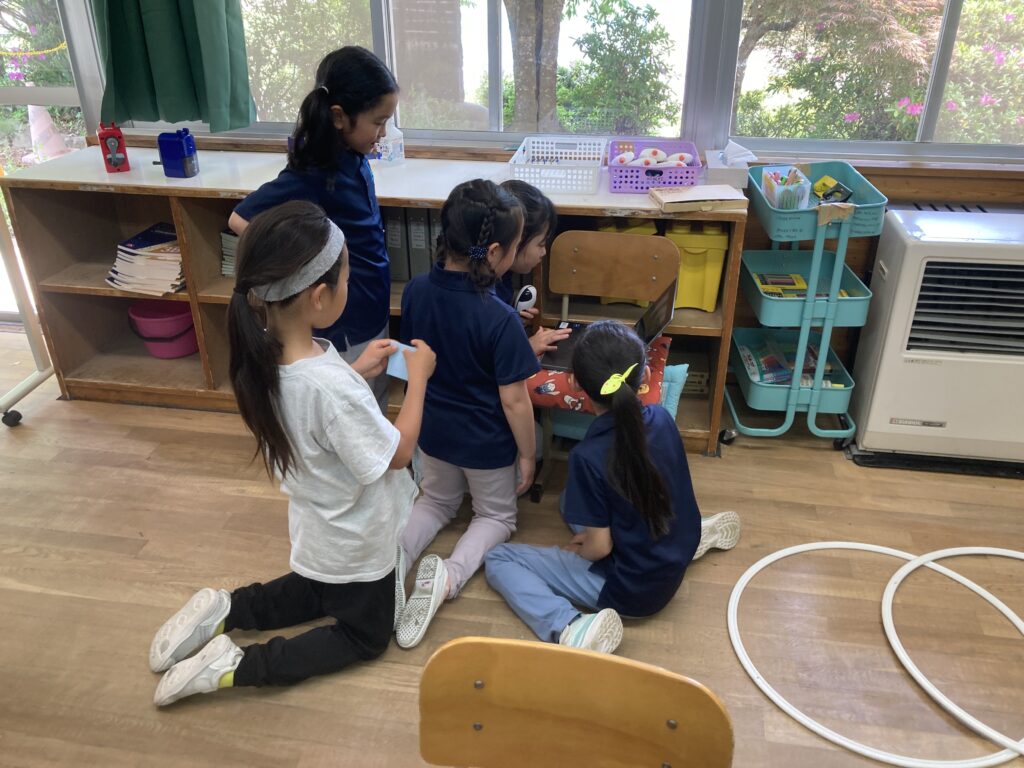
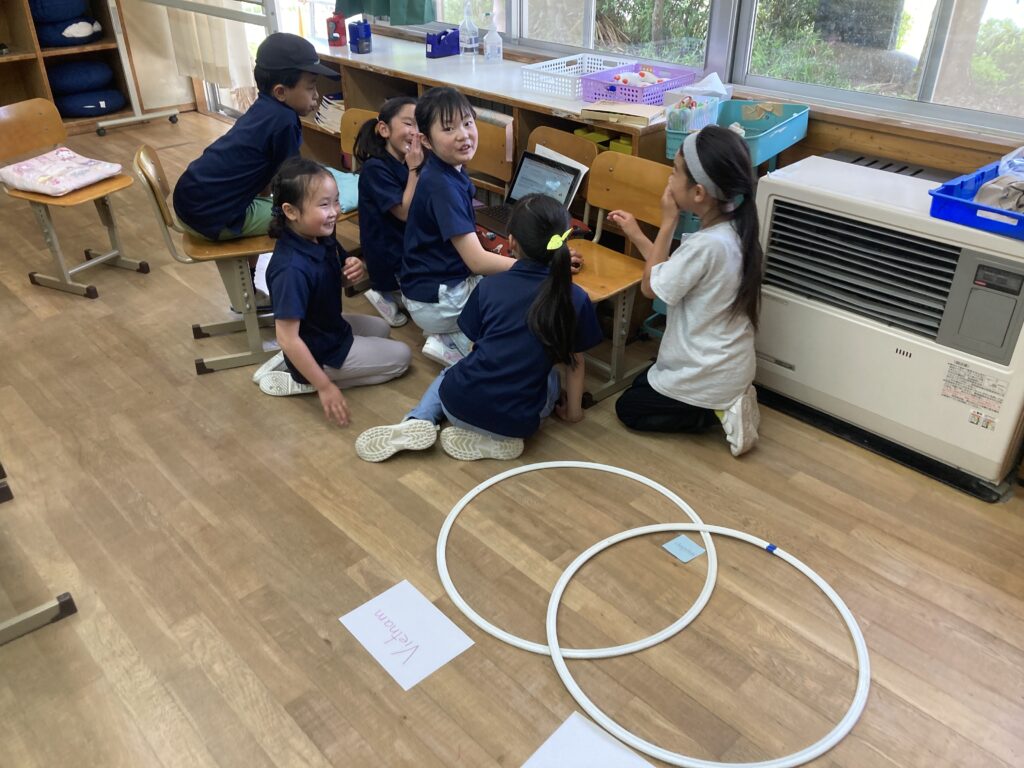
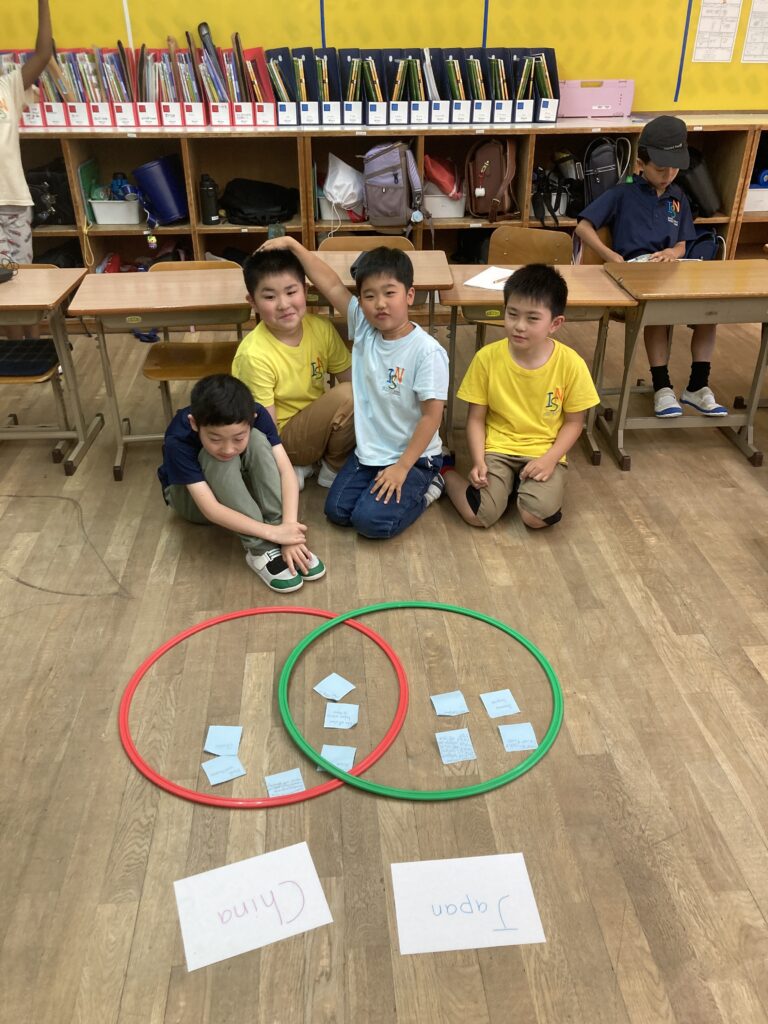
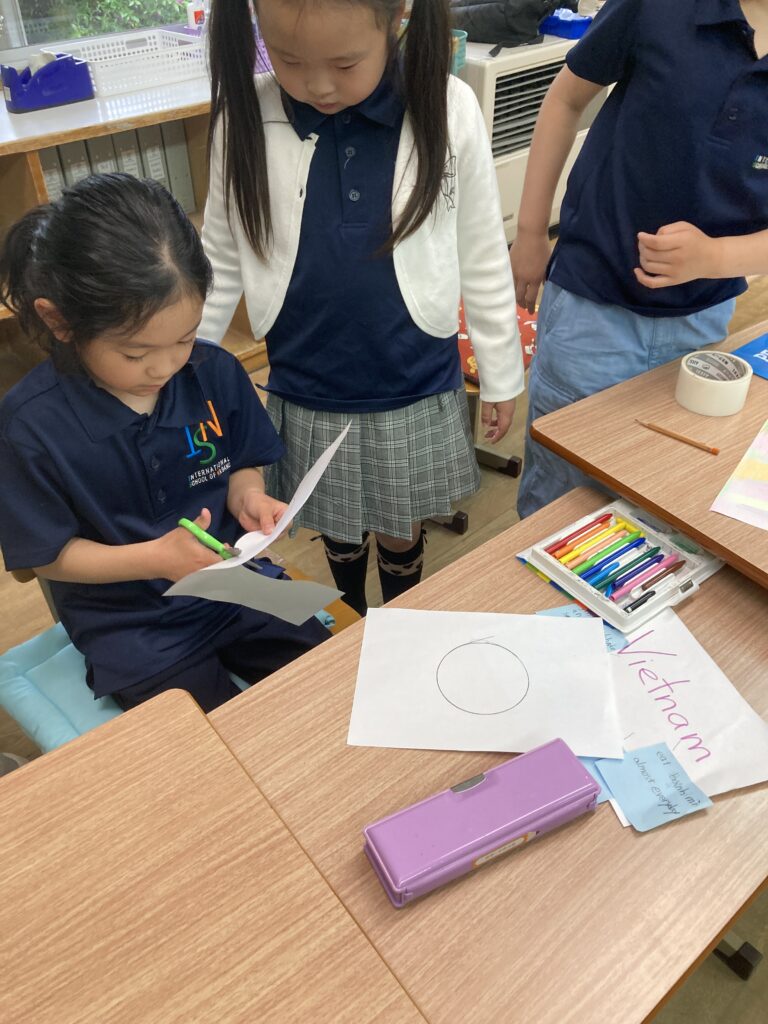
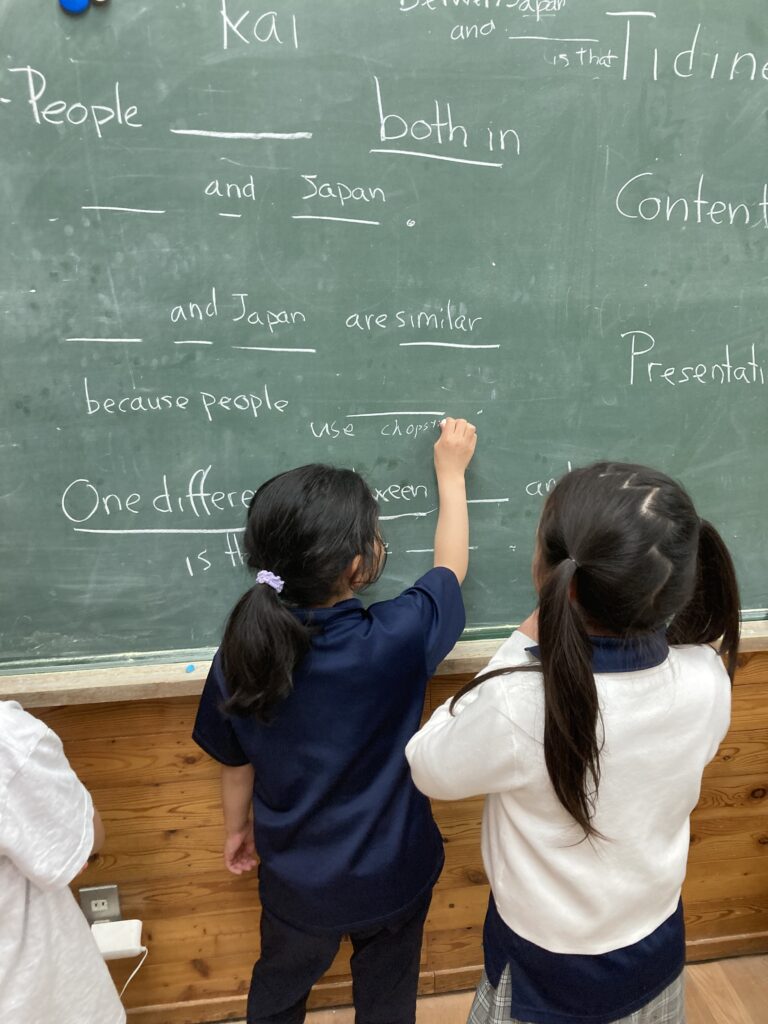
Another important part of our learning over the past two weeks has been exploring similarities and differences between Japanese culture and other cultures through the use of Venn diagrams. This learning experience allowed us to make meaningful connections across subjects while continuing to deepen our understanding of our Unit of Inquiry under the transdisciplinary theme Who We Are. By comparing cultural traditions, food, daily routines, celebrations, and social behaviours, we developed a greater awareness of how cultures can be unique while also sharing many common values and experiences. These discussions encouraged us to think critically about identity, perspective, and human connection, while also strengthening our appreciation for diversity within our classroom and beyond.
Through the use of Venn diagrams, we were able to visually organise and communicate our thinking, making connections between ideas in a clear and structured way. This activity also created strong links with Mathematics, as we applied logical thinking, classification skills, and the understanding of relationships between categories to organise information effectively. By recognising what belongs in shared or separate sections of the diagram, we strengthened our ability to analyse information, identify patterns, and draw conclusions. These experiences highlighted the transdisciplinary nature of learning, showing us how skills developed in one subject area can support understanding in another.
In English, this inquiry provided authentic opportunities to develop sentence structure, vocabulary, and communication skills in meaningful contexts. We practised using language structures such as “Both are…,” “…and… are similar because…,” “A difference between Japan and… is that…,” and the conjunction “but” to compare ideas and express similarities and differences clearly. Through speaking, writing, and collaborative discussions, we became more confident in organising our ideas and communicating them effectively to others. By applying language to real-world and culturally relevant topics, we were able to strengthen both our grammatical understanding and our ability to communicate thoughtfully and respectfully.
Technology also played an important role throughout this learning process. Using our Chromebooks, we carried out research to gather information about different countries, traditions, and cultural practices. This supported the development of important research and digital literacy skills, as we learned how to locate information, identify relevant details, and use online resources responsibly and purposefully. Through inquiry, collaboration, and reflection, we continued developing as communicators, thinkers, and internationally minded learners who are able to make meaningful connections across different areas of learning.
この2週間の学習では、ベン図(Venn Diagram)を使いながら、日本文化と他国の文化の共通点や相違点について探究したことも大きな学びの一つとなりました。この活動を通して、教科を越えたつながりを感じながら、「Who We Are(私たちは誰なのか)」という探究テーマへの理解をさらに深めることができました。文化的な伝統や食べ物、日常生活、行事、社会的な行動などを比較することで、それぞれの文化には独自性がある一方で、多くの共通する価値観や経験が存在することにも気づきました。こうした対話を通して、アイデンティティや視点、人とのつながりについて批判的に考える力を育むとともに、教室内外の多様性への理解と尊重を深めています。
ベン図を活用することで、自分たちの考えを視覚的かつ整理された形で表現し、アイデア同士のつながりを分かりやすく示すことができました。この活動は算数との関連性も強く、論理的思考力や分類する力、カテゴリー間の関係性を理解する力を活用しながら情報を整理しました。図の中で「共通する部分」と「異なる部分」を考えることで、情報を分析し、パターンを見つけ、結論を導き出す力も伸ばしています。この経験を通して、ある教科で身につけたスキルが別の教科の理解にもつながるという、教科横断的な学びの大切さを実感しています。
英語の学習では、この探究活動を通して、文法や語彙、コミュニケーション能力を実際の文脈の中で活用する機会を得ました。「Both are…」「…and… are similar because…」「A difference between Japan and… is that…」や接続詞 “but” などの表現を使いながら、共通点や相違点を説明する練習を行いました。話す活動や書く活動、協働的な対話を通して、自分たちの考えを整理し、相手に分かりやすく伝える力を高めています。実社会や文化に関連したテーマの中で英語を使うことで、文法理解だけでなく、相手を尊重しながら考えを伝える力も育まれています。
また、この学習ではテクノロジーも重要な役割を果たしました。Chromebookを活用して、さまざまな国や文化、伝統について調べるリサーチ活動を行いました。これにより、必要な情報を見つける力や、重要な情報を選び取る力、オンライン資料を適切かつ目的を持って活用するデジタルリテラシーとリサーチスキルも伸ばしています。探究、協働、振り返りを通して、私たちはコミュニケーション能力や思考力を高めながら、教科を越えて意味のあるつながりを見つけられる国際的な視野を持った学習者として成長し続けていま
