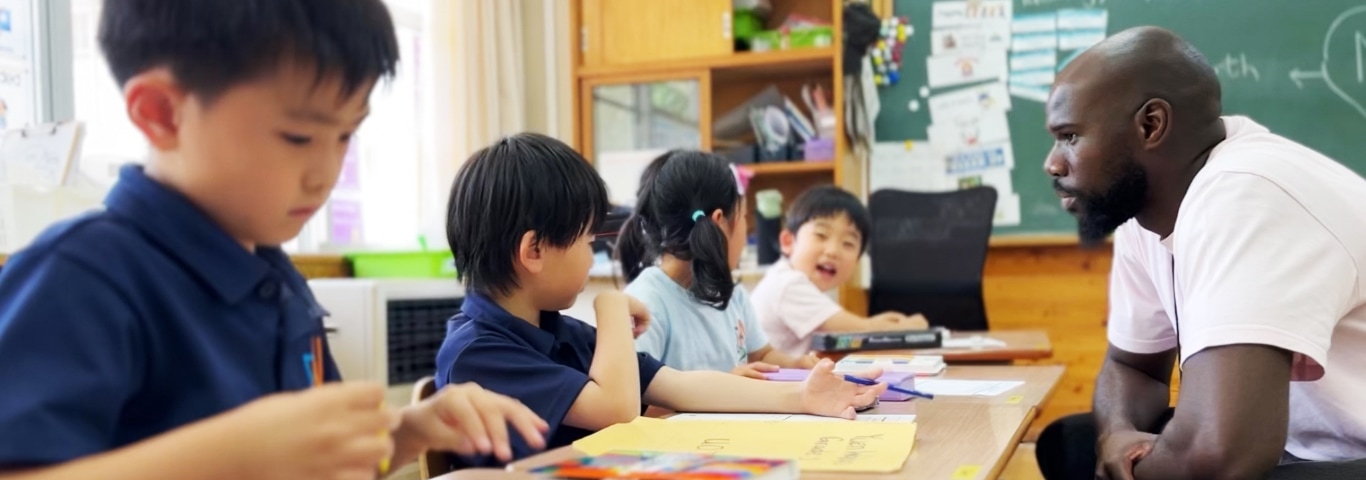
Over the past two weeks, we have continued our learning adventure in Grade 3 through a wide range of meaningful and engaging experiences both inside and outside the classroom. From continuing our Unit of Inquiry to participating in hands-on activities such as rice planting, we have been exploring learning through collaboration, curiosity, and real-world connections. These experiences have encouraged us to deepen our understanding of the world around us while also developing important skills such as communication, reflection, problem-solving, and teamwork. By connecting our learning to authentic experiences, we continue to grow as inquirers who are open-minded, reflective, and actively engaged in our learning journey.
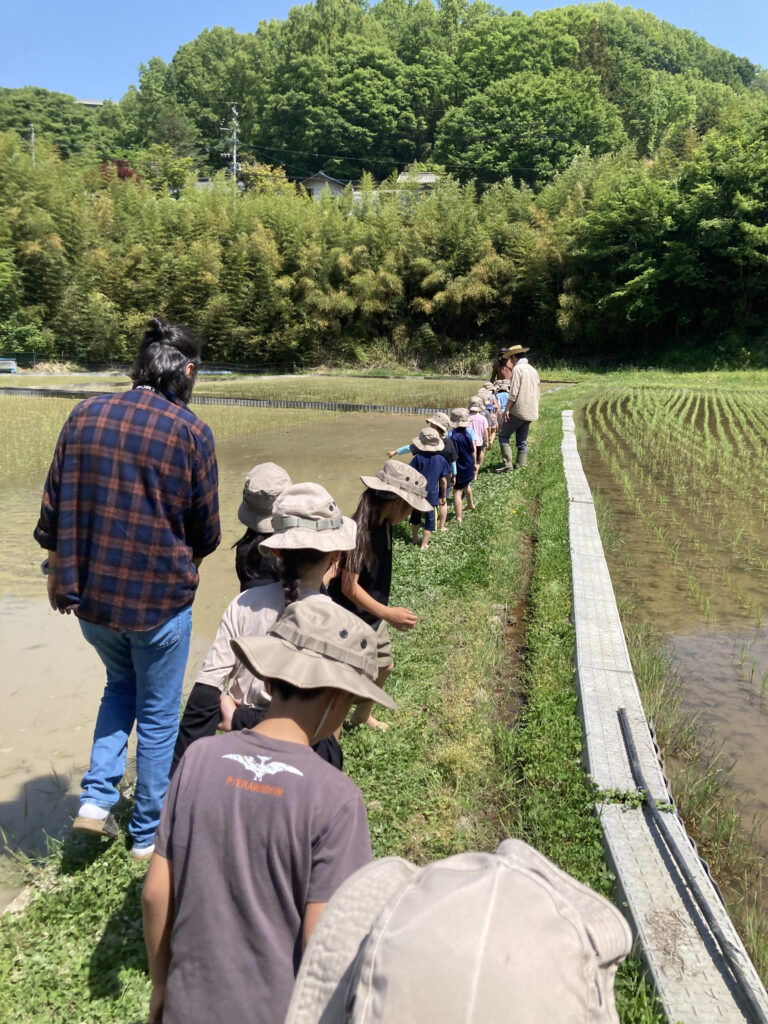
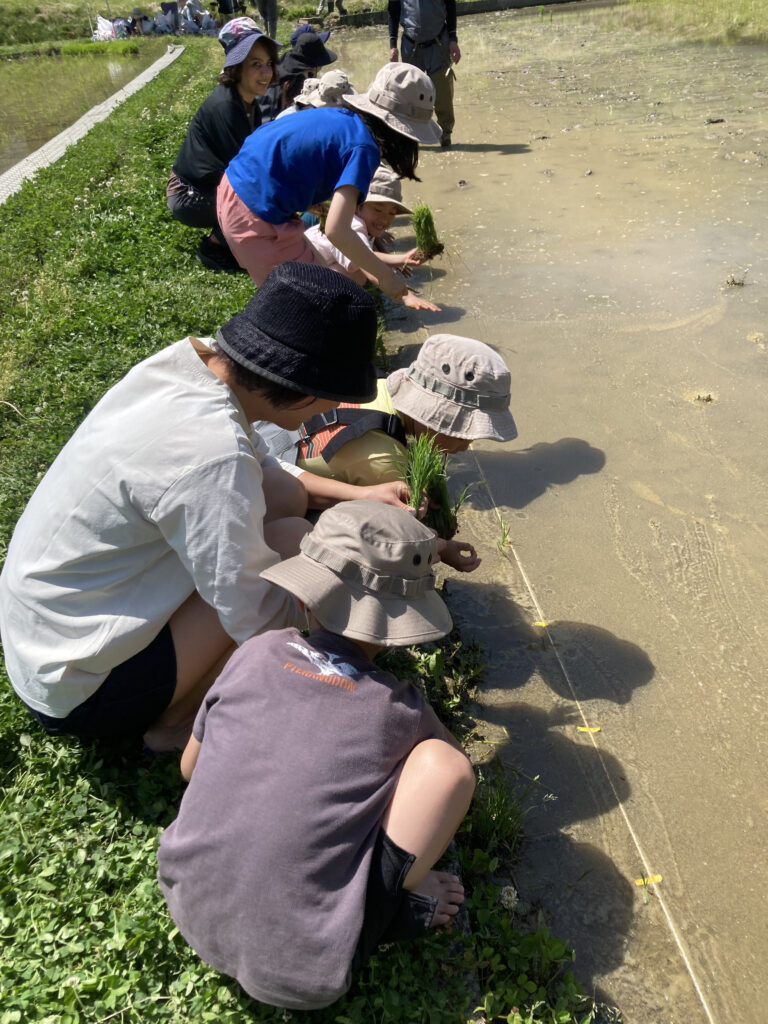
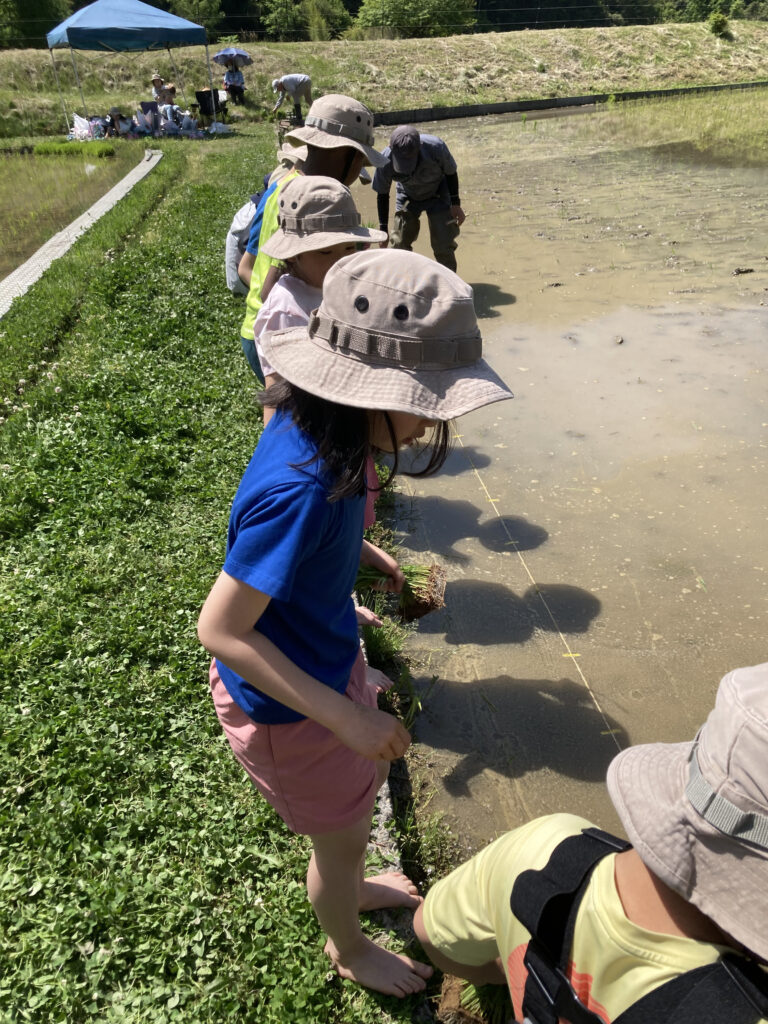
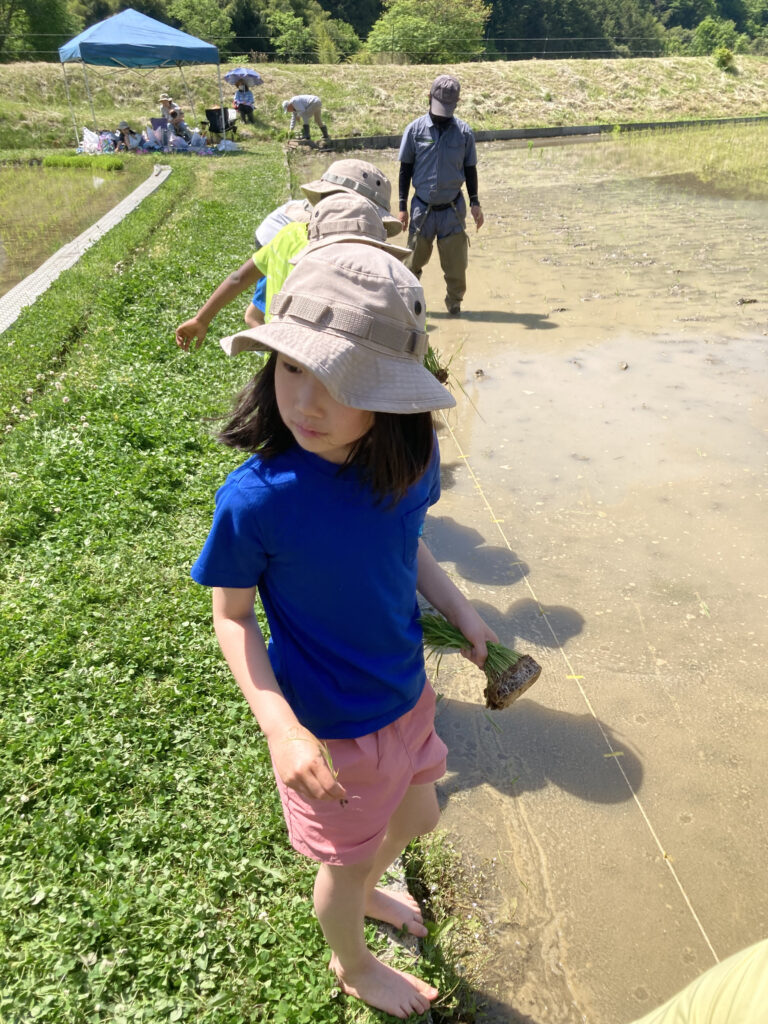
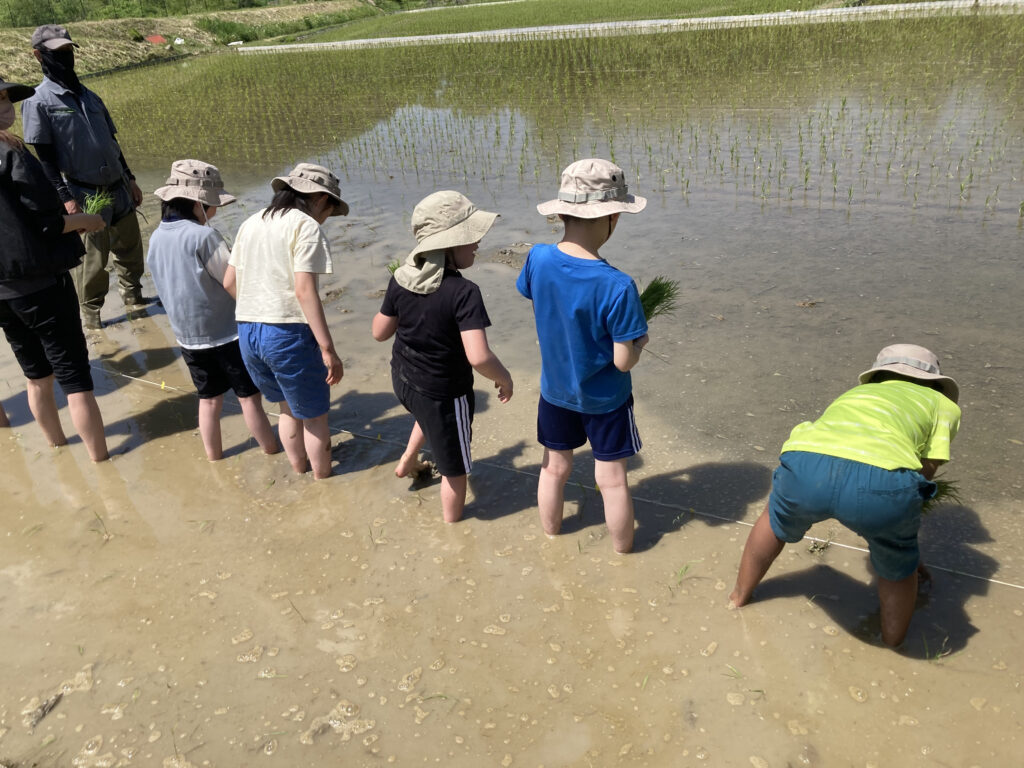
One of the highlights of the past two weeks was our rice planting experience, which provided us with a meaningful opportunity to connect our learning to the local community and culture in an authentic and memorable way. Through this hands-on activity, we not only enjoyed working together outdoors, but also gained a deeper appreciation for the importance of rice within Japanese culture and daily life. As we planted the rice together, we experienced first-hand the effort, patience, and collaboration involved in a process that has been an essential part of Japanese traditions and communities for generations. The experience encouraged us to step outside of our comfort zones, support one another, and reflect on the relationship between people, culture, and the environment.
This activity connected closely with our Unit of Inquiry under the transdisciplinary theme Who We Are, as it allowed us to explore how cultural practices and traditions help shape identity and community. By participating in a traditional activity that remains deeply connected to Japanese history and society, we developed a greater understanding of how culture influences the ways people live, work, and interact with others. The rice planting experience also encouraged us to think about gratitude, sustainability, and the importance of respecting traditions that continue to play a significant role in communities around the world. Through this shared experience, we strengthened our sense of community, international-mindedness, and appreciation for the diverse cultural perspectives that enrich our learning journey.
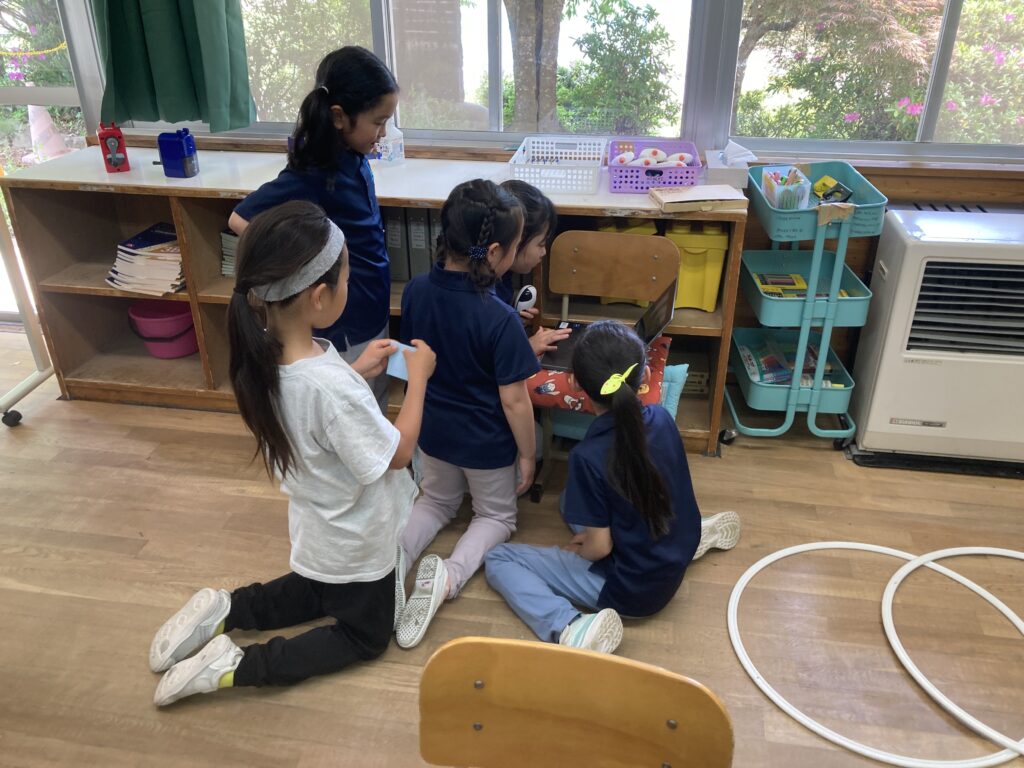
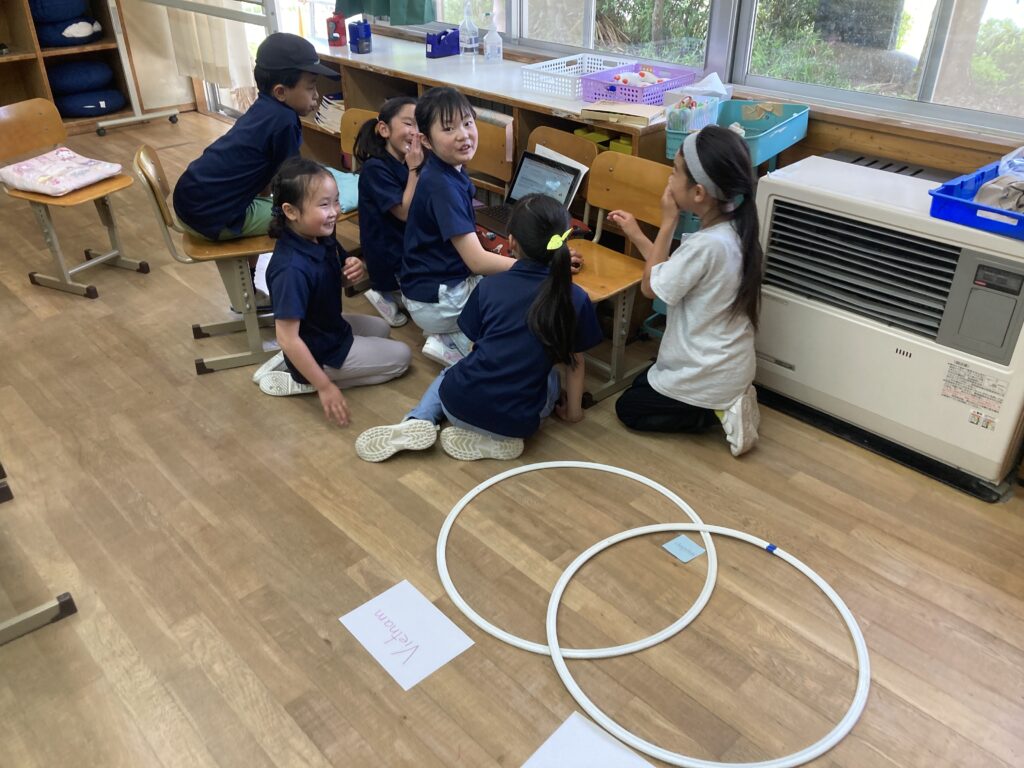
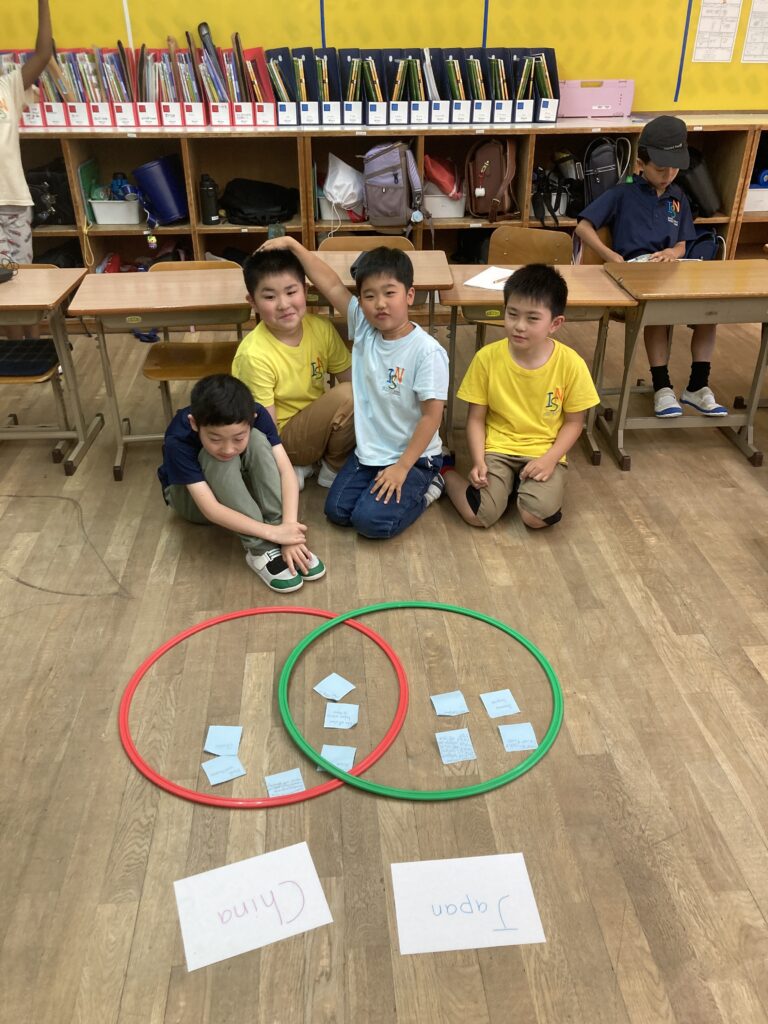
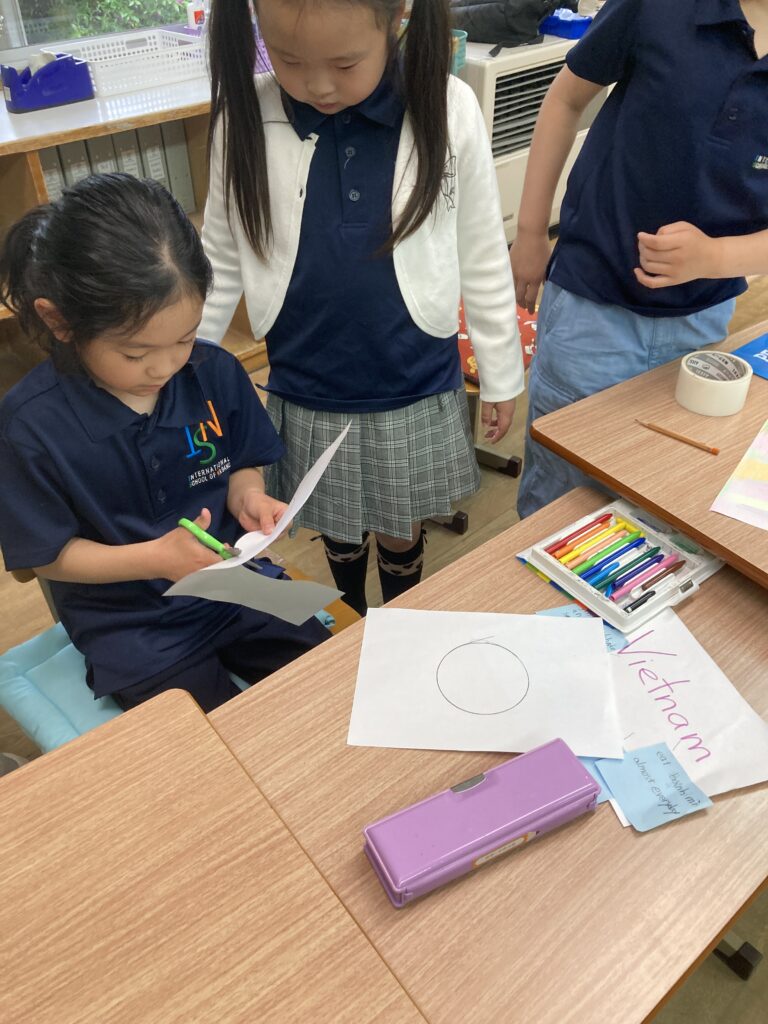
Another important part of our learning over the past two weeks has been exploring similarities and differences between Japanese culture and other cultures through the use of Venn diagrams. This learning experience allowed us to make meaningful connections across subjects while continuing to deepen our understanding of our Unit of Inquiry under the transdisciplinary theme Who We Are. By comparing cultural traditions, food, daily routines, celebrations, and social behaviours, we developed a greater awareness of how cultures can be unique while also sharing many common values and experiences. These discussions encouraged us to think critically about identity, perspective, and human connection, while also strengthening our appreciation for diversity within our classroom and beyond.
Through the use of Venn diagrams, we were able to visually organise and communicate our thinking, making connections between ideas in a clear and structured way. This activity also created strong links with Mathematics, as we applied logical thinking, classification skills, and the understanding of relationships between categories to organise information effectively. By recognising what belongs in shared or separate sections of the diagram, we strengthened our ability to analyse information, identify patterns, and draw conclusions. These experiences highlighted the transdisciplinary nature of learning, showing us how skills developed in one subject area can support understanding in another.
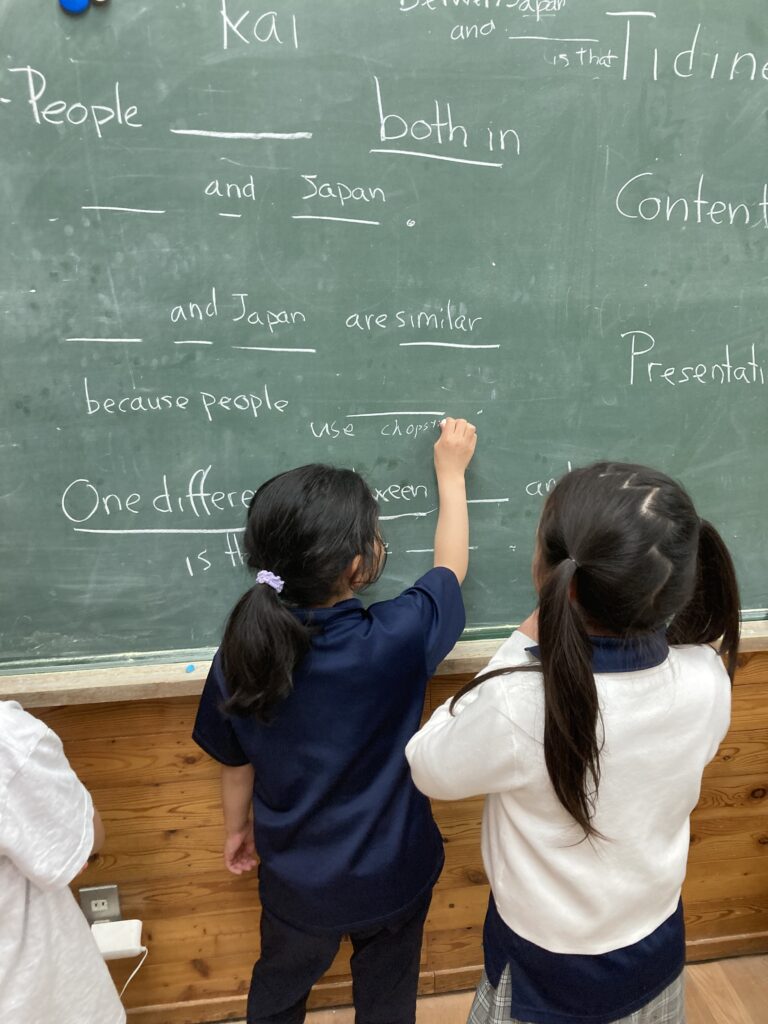
In English, this inquiry provided authentic opportunities to develop sentence structure, vocabulary, and communication skills in meaningful contexts. We practised using language structures such as “Both are…,” “…and… are similar because…,” “A difference between Japan and… is that…,” and the conjunction “but” to compare ideas and express similarities and differences clearly. Through speaking, writing, and collaborative discussions, we became more confident in organising our ideas and communicating them effectively to others. By applying language to real-world and culturally relevant topics, we were able to strengthen both our grammatical understanding and our ability to communicate thoughtfully and respectfully.
Technology also played an important role throughout this learning process. Using our Chromebooks, we carried out research to gather information about different countries, traditions, and cultural practices. This supported the development of important research and digital literacy skills, as we learned how to locate information, identify relevant details, and use online resources responsibly and purposefully. Through inquiry, collaboration, and reflection, we continued developing as communicators, thinkers, and internationally minded learners who are able to make meaningful connections across different areas of learning.
