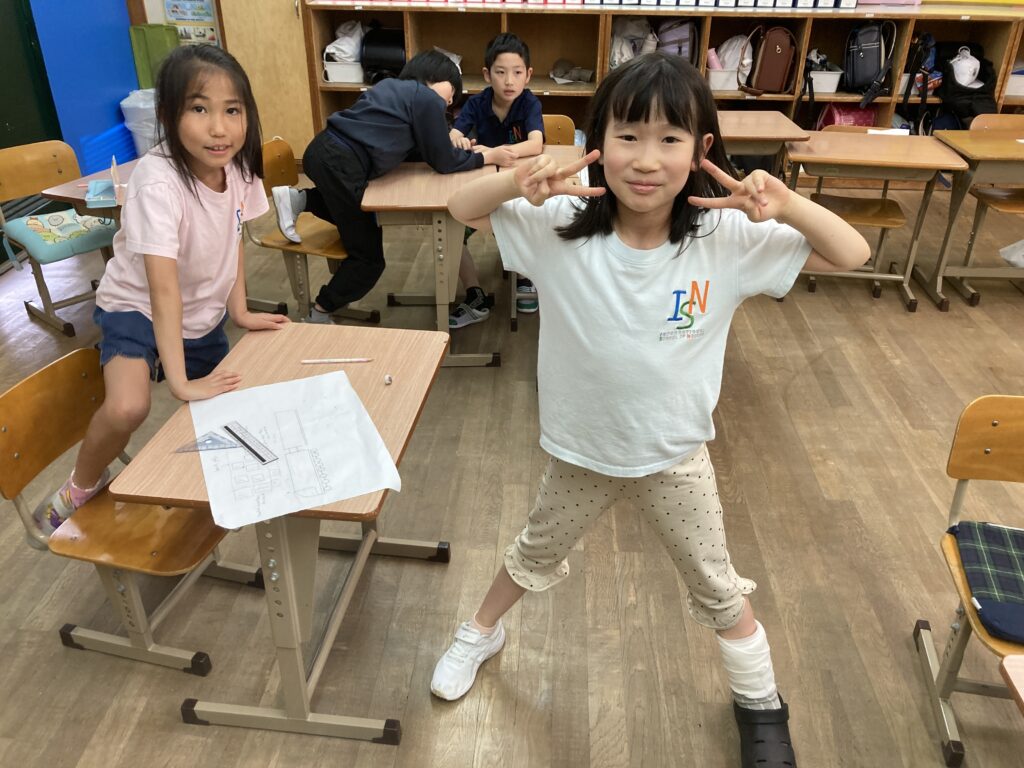
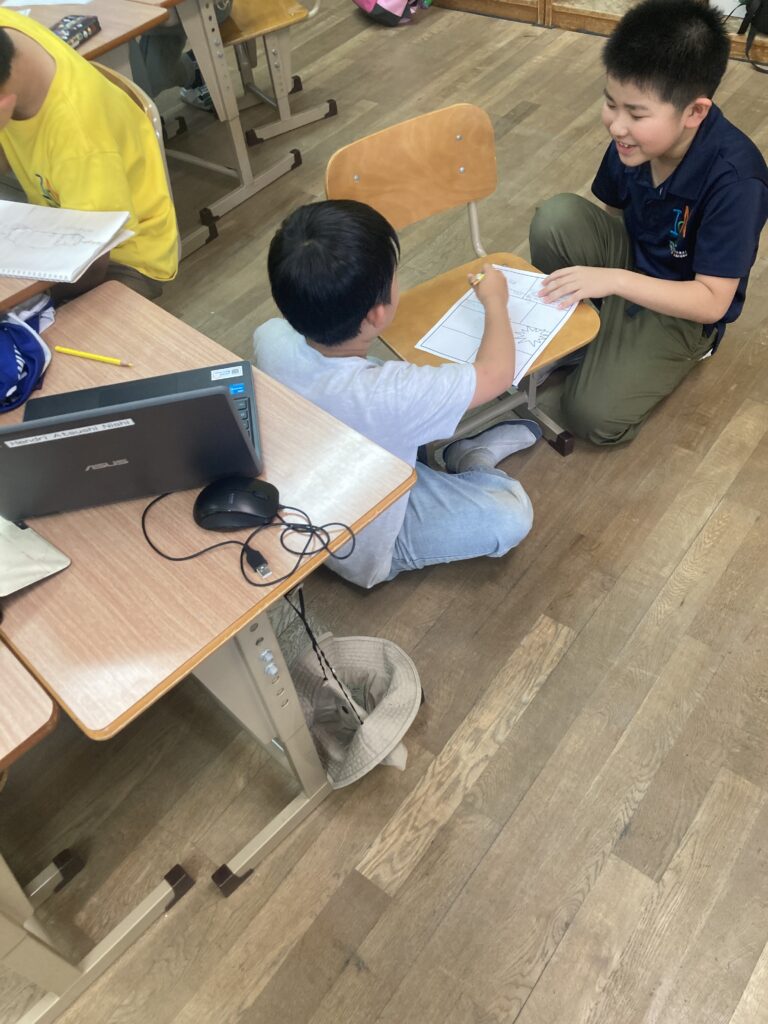
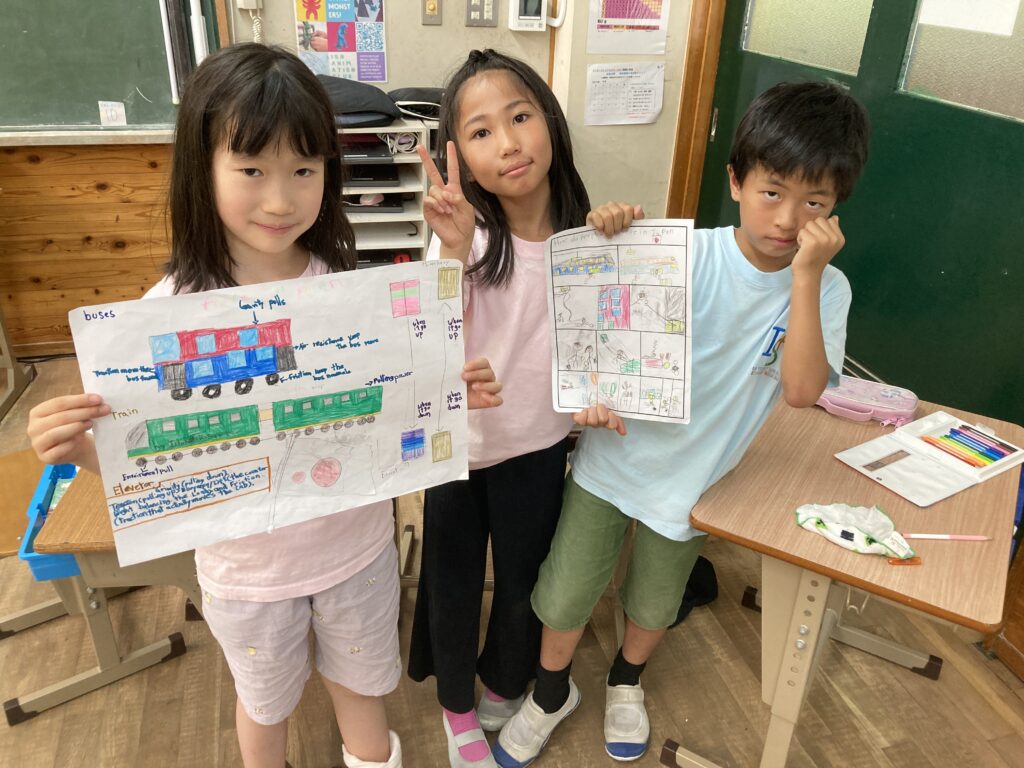
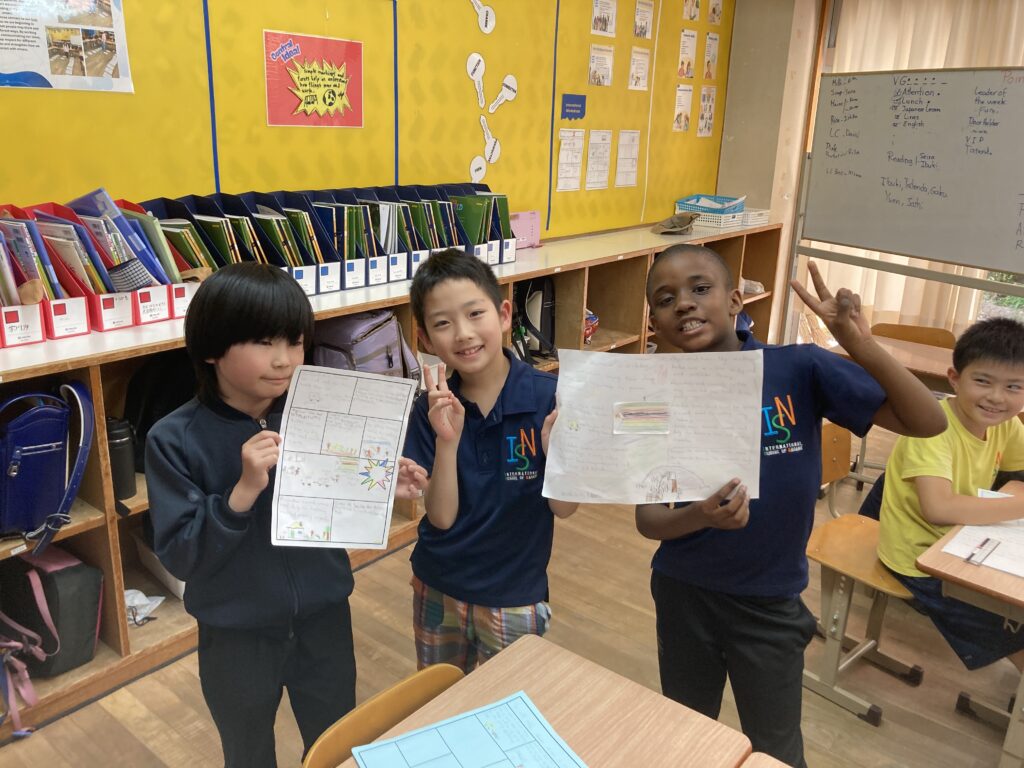
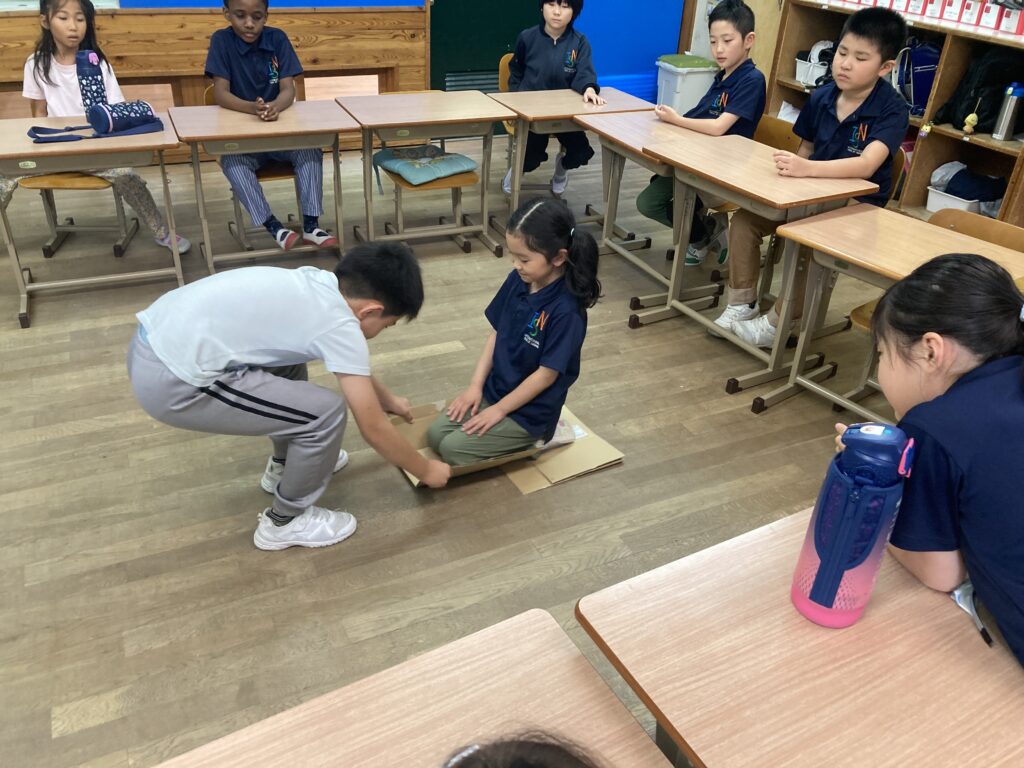
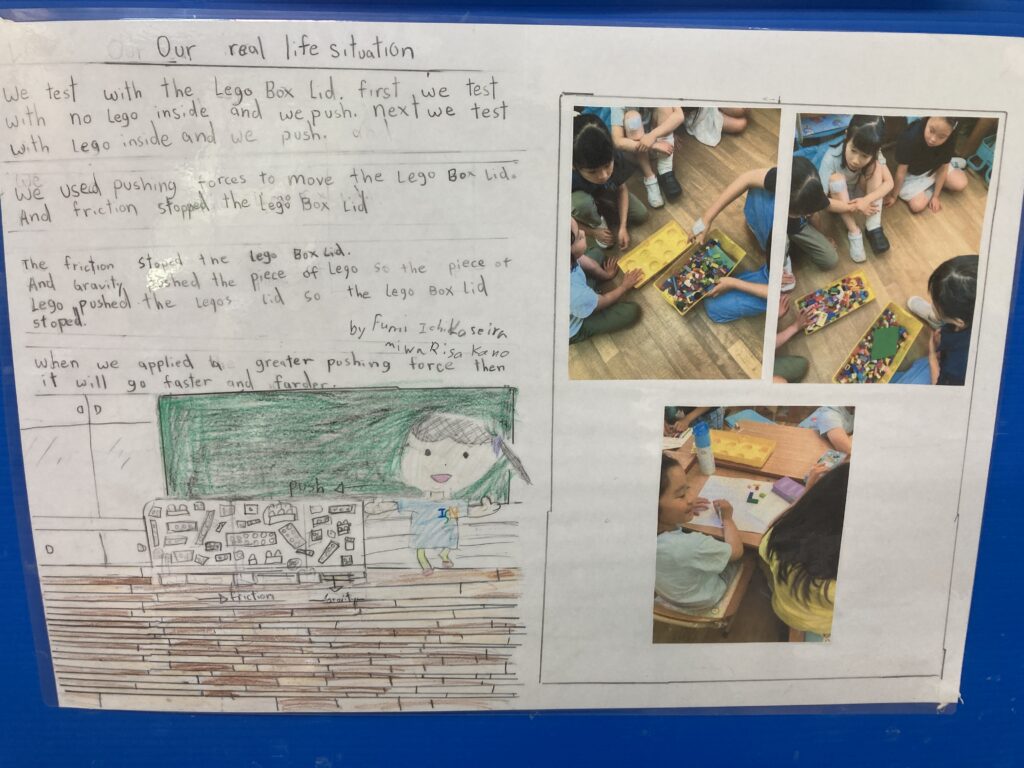
One of the highlights of the past two weeks has been the opportunity to explore our Unit of Inquiry through a series of hands-on investigations focused on gravity and friction. As part of our line of inquiry, Different types of forces and how these affect movement, we revisited many of the questions we had previously added to our Wonder Wall and used them as a starting point for our learning. Working collaboratively in groups, we planned, carried out, and reflected on a range of experiments designed to help us better understand how forces influence the movement of objects. Through observation, discussion, and testing different ideas, we explored how surfaces, materials, and other variables can affect the way objects move.
Throughout these investigations, we were encouraged to think like scientists by making predictions, collecting evidence, and analysing the results of our experiments. Rather than simply being given answers, we were able to discover concepts for ourselves through inquiry and exploration. Working in groups also helped us develop important communication and collaboration skills as we shared responsibilities, listened to different perspectives, and worked together to solve problems. Once our investigations were complete, we shared our findings with one another, comparing results and discussing the connections between different experiments. These conversations helped us deepen our understanding of gravity and friction while also reinforcing the idea that learning is strengthened when we learn from and with others. Through this process, we continued developing curiosity, critical thinking, and a deeper understanding of how forces shape the world around us.
この2週間の学びの中でも特に印象的だった活動の一つが、重力と摩擦について探究するための体験的な実験でした。探究のラインオブインクワイアリーである「さまざまな力の種類と、それらが物の動きにどのような影響を与えるのか」を学ぶ一環として、私たちは以前ワンダーウォールに書き出した疑問を振り返り、それらを出発点として探究を進めました。グループで協力しながら実験を計画し、実施し、結果について振り返ることで、力が物体の動きにどのような影響を与えるのかをより深く理解しようとしました。観察や話し合い、さまざまな方法の試行を通して、表面の違いや素材の違いなどが物の動きにどのように関係しているのかを探究しました。
これらの活動では、予想を立て、証拠を集め、結果を分析することで、科学者のように考えることが求められました。答えを教わるのではなく、自分たちで調べ、試し、発見することを通して理解を深めていきました。また、グループで活動することで、役割を分担したり、他者の意見に耳を傾けたりしながら、コミュニケーション能力や協働する力も育まれました。実験の後には、それぞれのグループが発見したことを共有し、結果を比較したり、異なる実験の共通点や違いについて話し合ったりしました。こうした対話を通して、重力や摩擦についての理解をさらに深めるとともに、学びは他者と共有し、協力することでより豊かなものになることを実感することができました。この探究を通して、私たちは好奇心や批判的思考力を育みながら、身の回りの世界を形作る力についての理解を深めています。
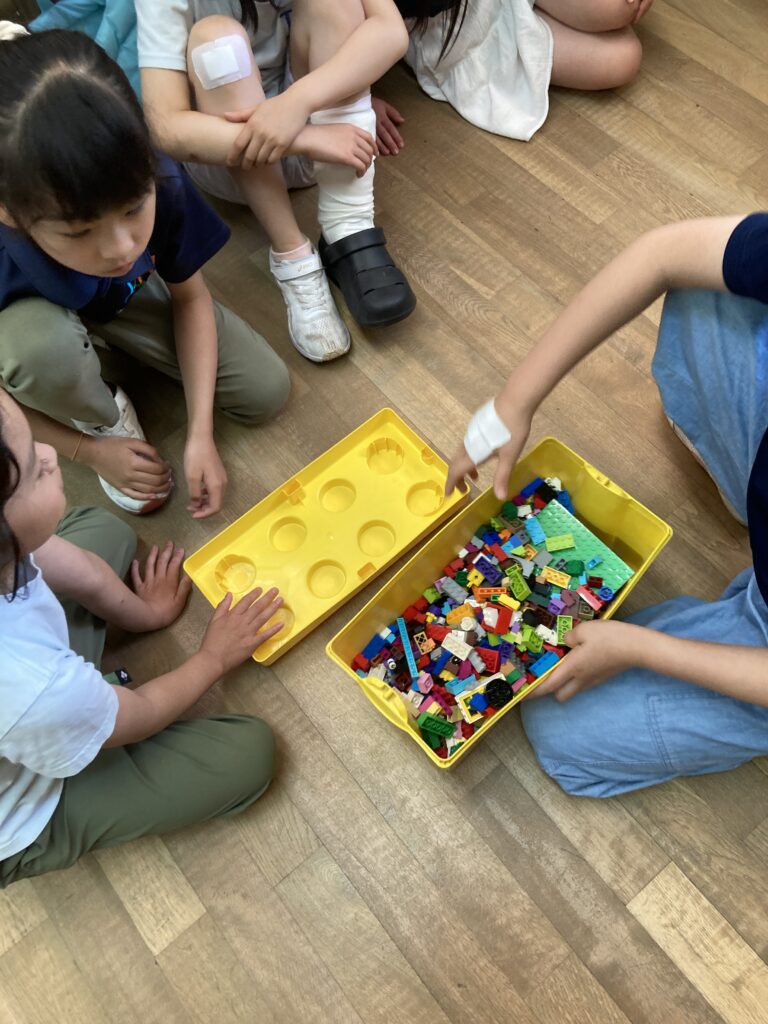
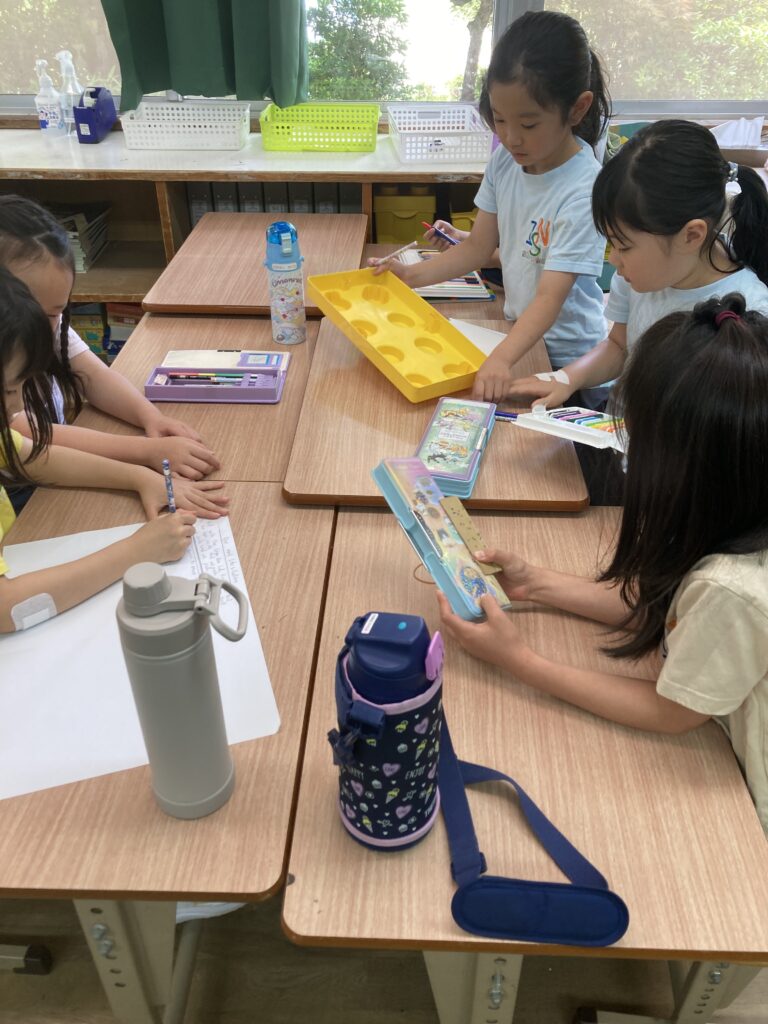
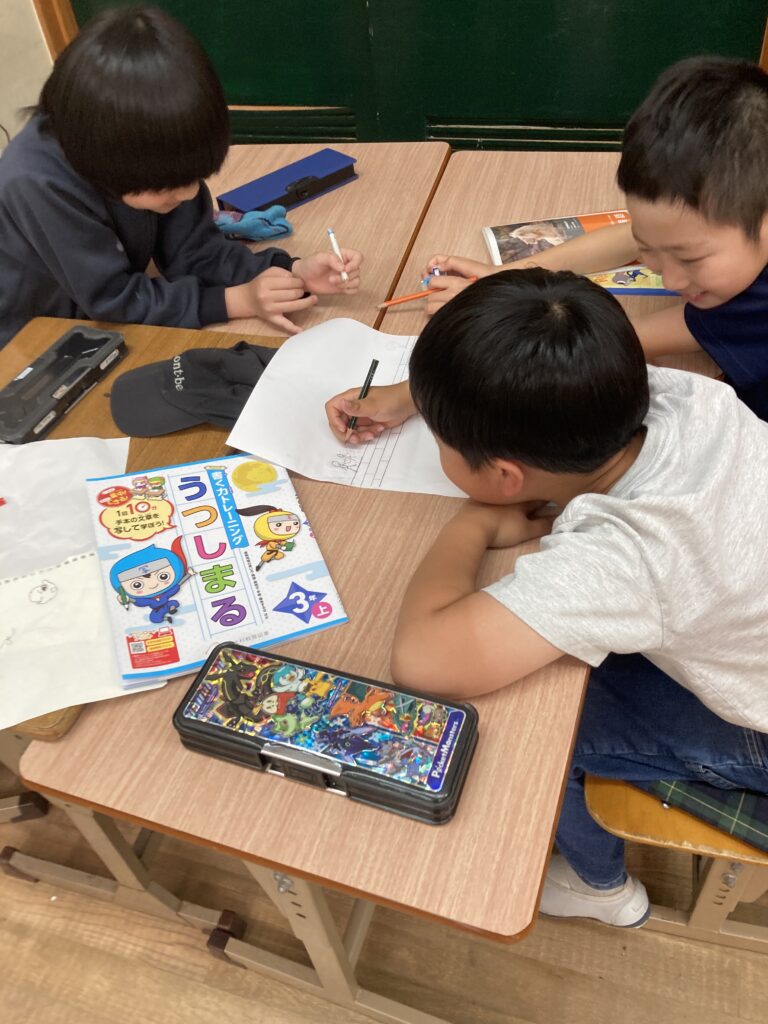
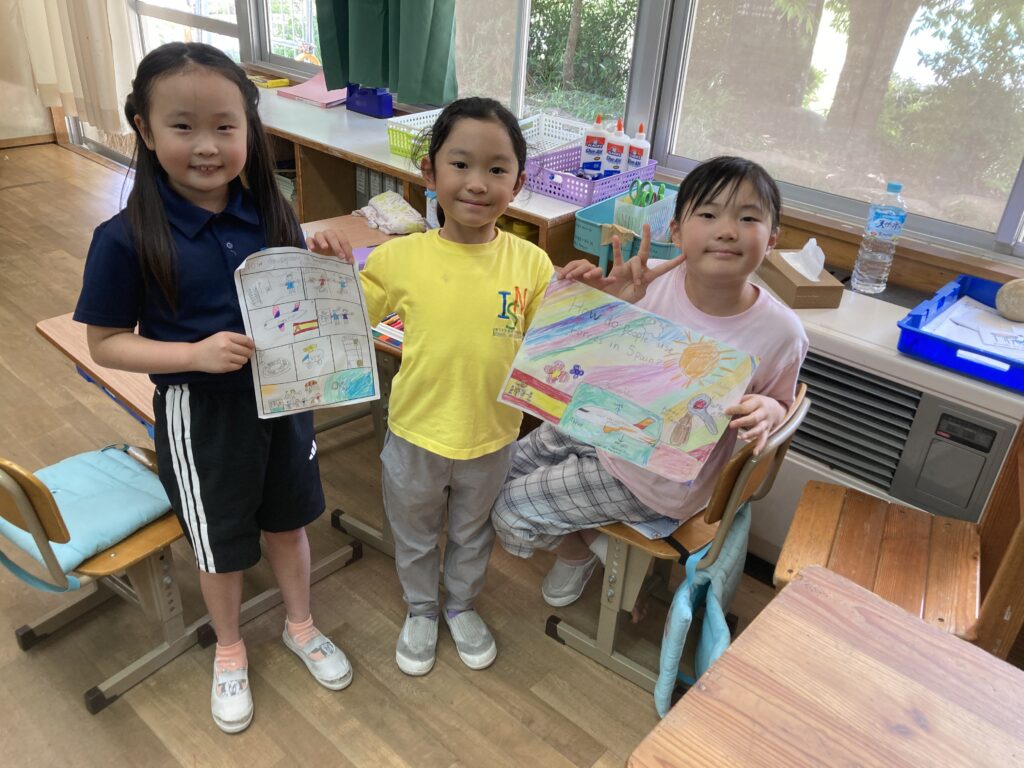
Another meaningful part of our learning over the past two weeks has been exploring international-mindedness, one of the core elements of the IB programme. As part of our Unit of Inquiry, we investigated how people around the world use forces and simple machines in their daily lives. Drawing on the rich diversity within our own classroom, we explored examples from Zimbabwe, Japan, Brazil, and Spain, discovering how people in different cultures solve problems, transport materials, grow food, and make everyday tasks easier through the use of forces and simple machines. This helped us understand that while communities around the world may have different traditions, environments, and ways of life, they often use similar scientific principles to meet their needs.
Through research, discussion, and collaborative learning, we examined how geography, climate, culture, and available resources can influence the way people use technology and simple machines. We were fascinated to discover both the similarities and differences between countries and to see how innovation can take many different forms. These conversations encouraged us to look beyond our own experiences and appreciate the perspectives of others, helping us develop empathy, curiosity, and a greater understanding of the interconnected world in which we live.
This learning experience also reinforced an important idea within our Unit of Inquiry. Forces and simple machines are not just scientific concepts found in textbooks. They are tools that people across the world use every day to overcome challenges, improve efficiency, and support their communities. By exploring examples from countries represented within our classroom, we were able to make our learning more personal and meaningful while strengthening our appreciation for the cultural diversity that makes our learning community unique. Through this inquiry, we continued to grow as open-minded learners who recognise that different perspectives and experiences enrich our understanding of the world.
この2週間の学びの中で、IBプログラムの中核となる考え方の一つであるインターナショナル・マインデッドネスについても探究を深めました。今回のユニットでは、世界中の人々が日常生活の中でどのように力や単純機械を活用しているのかについて学びました。私たちのクラスにはジンバブエ、日本、ブラジル、スペインにゆかりを持つ仲間がおり、それぞれの国を例にしながら、人々がどのように問題を解決し、物を運び、食料を育てたり、日々の作業をより効率的に行ったりしているのかを調べました。この活動を通して、世界中の人々は異なる文化や環境の中で生活していても、多くの場合、同じ科学的な原理を活用して課題を解決していることに気づくことができました。
調査や話し合い、協働的な学習を通して、地理的条件や気候、文化、利用できる資源が、人々の技術や単純機械の使い方にどのような影響を与えているのかについて考えました。また、国ごとの共通点や相違点を発見しながら、同じ目的を達成するためにもさまざまな方法が存在することを学びました。こうした対話を通して、自分自身の経験だけではなく、他者の視点や考え方にも目を向けることができるようになり、共感する力や好奇心、そして世界への理解をさらに深めることができました。
この学習は、今回のユニットの重要な考え方をより深く理解する機会にもなりました。力や単純機械は、教科書の中だけに存在する科学的な概念ではなく、世界中の人々が日々の課題を解決し、作業を効率化し、地域社会を支えるために活用している実践的な道具です。クラスにいる仲間たちの国々を例に探究することで、学びをより身近で意味のあるものにすると同時に、多様な文化的背景が私たちの学習コミュニティを豊かにしていることを改めて実感しました。この探究を通して、私たちは異なる視点や経験が学びをより深いものにしてくれることを理解し、オープンマインドな学習者として成長し続けています。