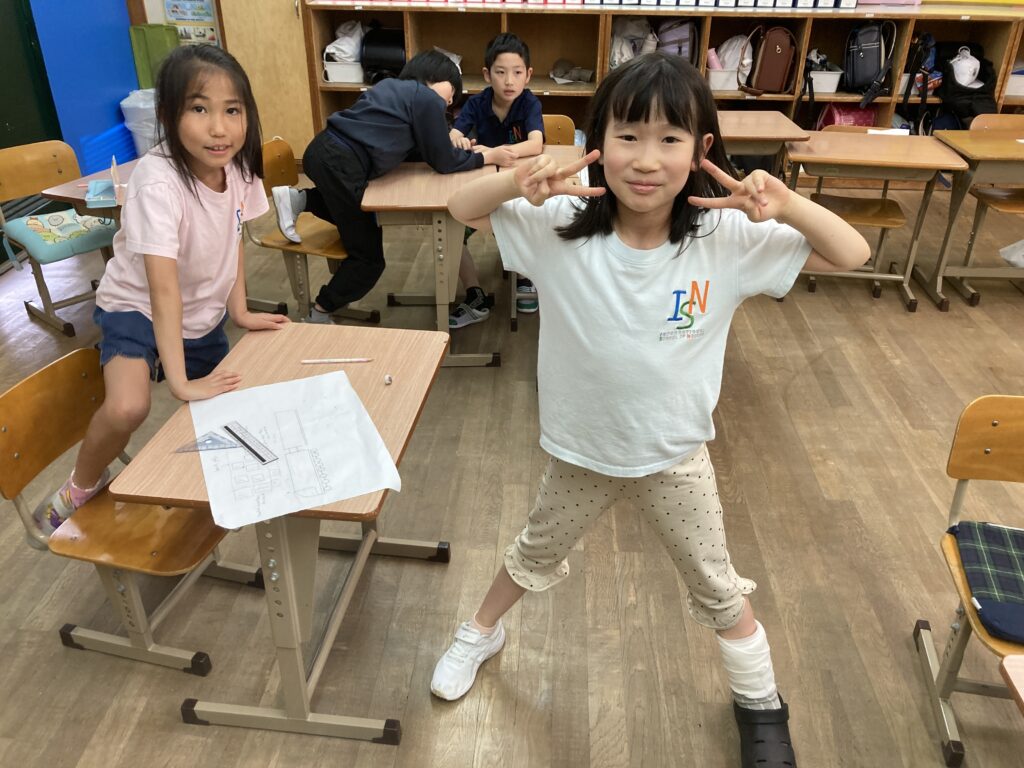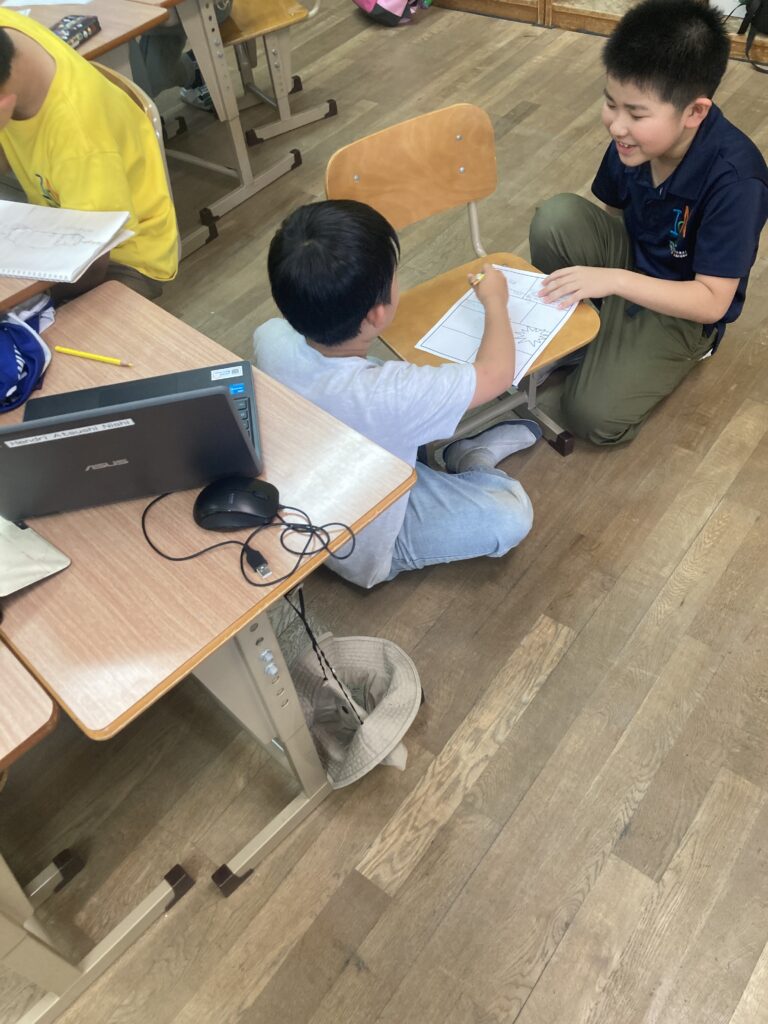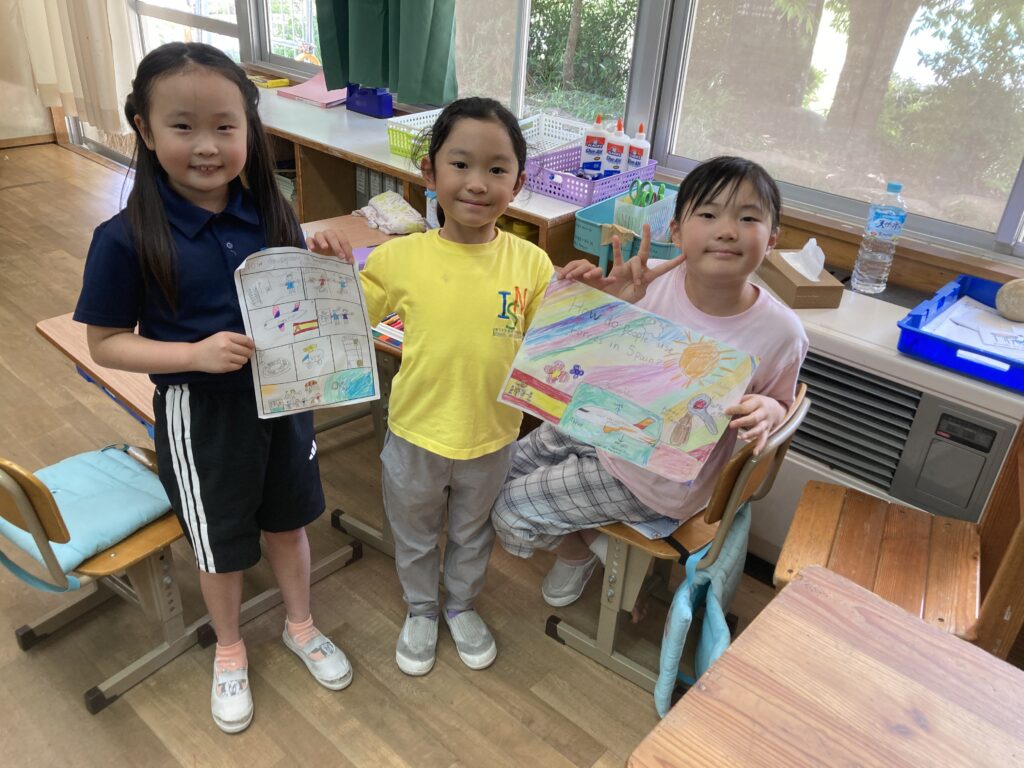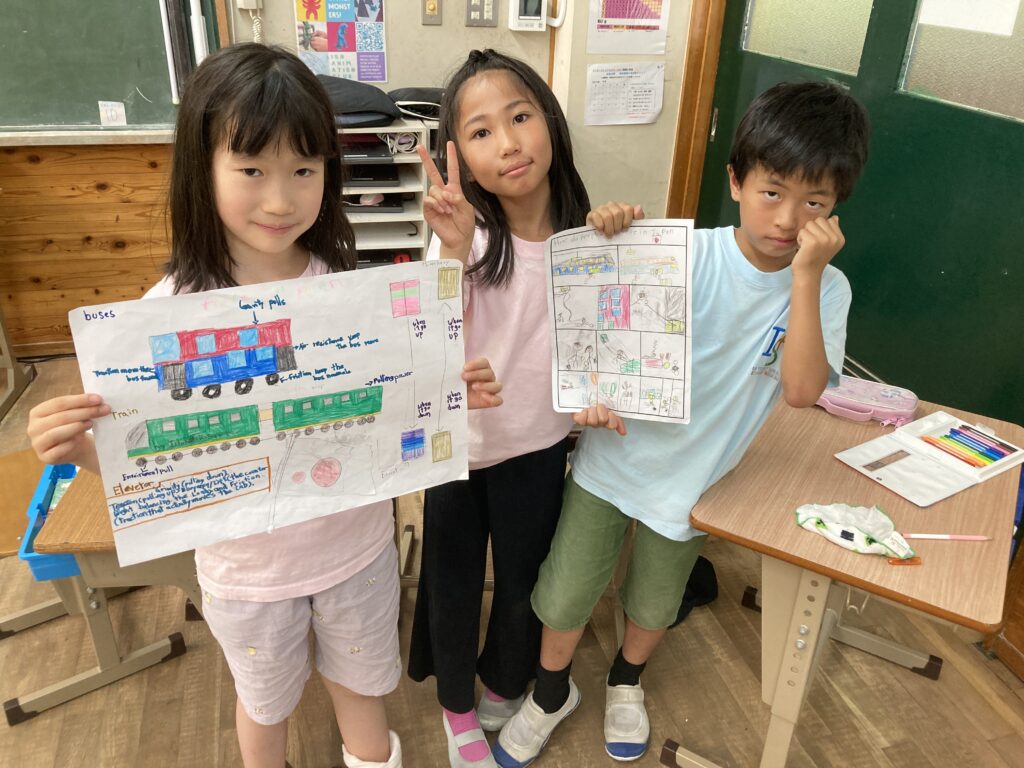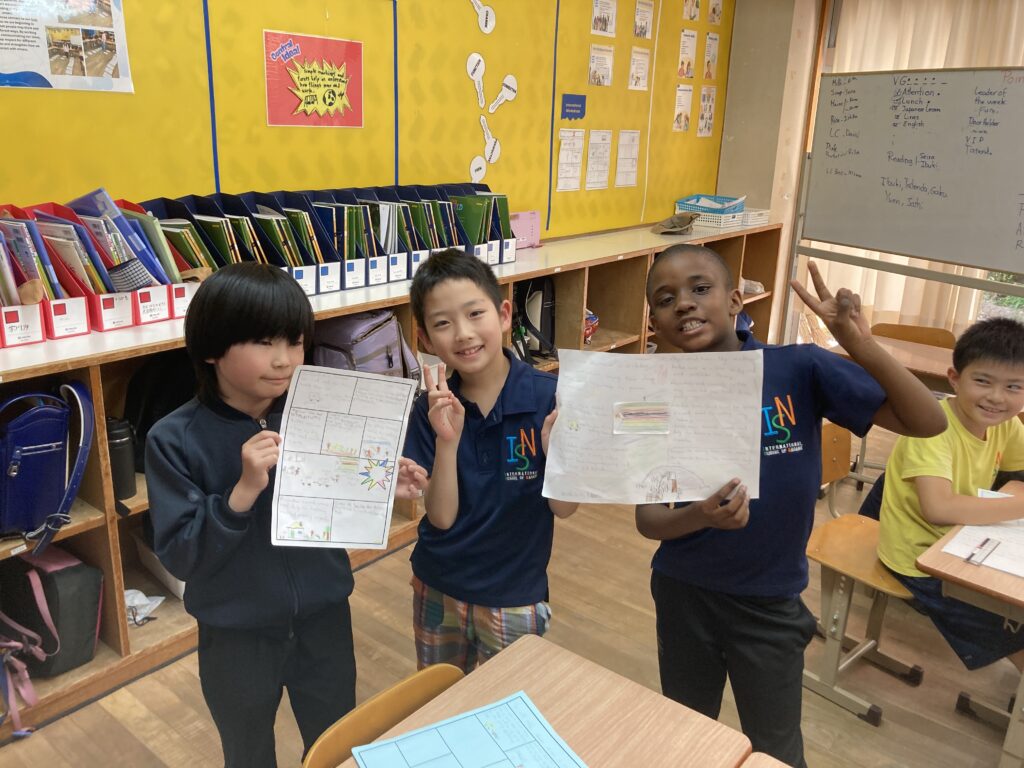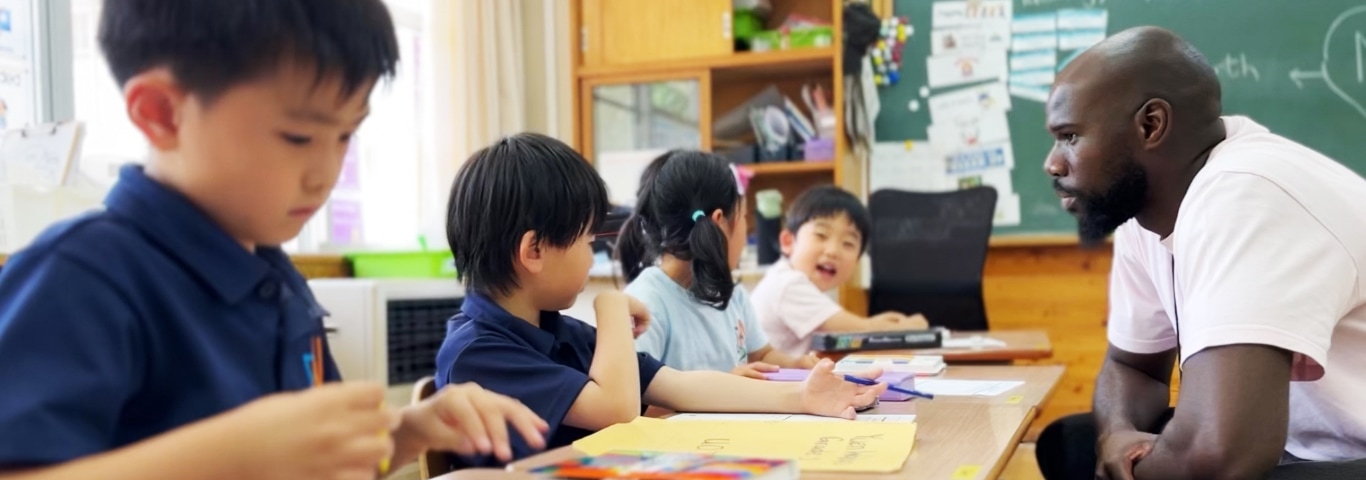
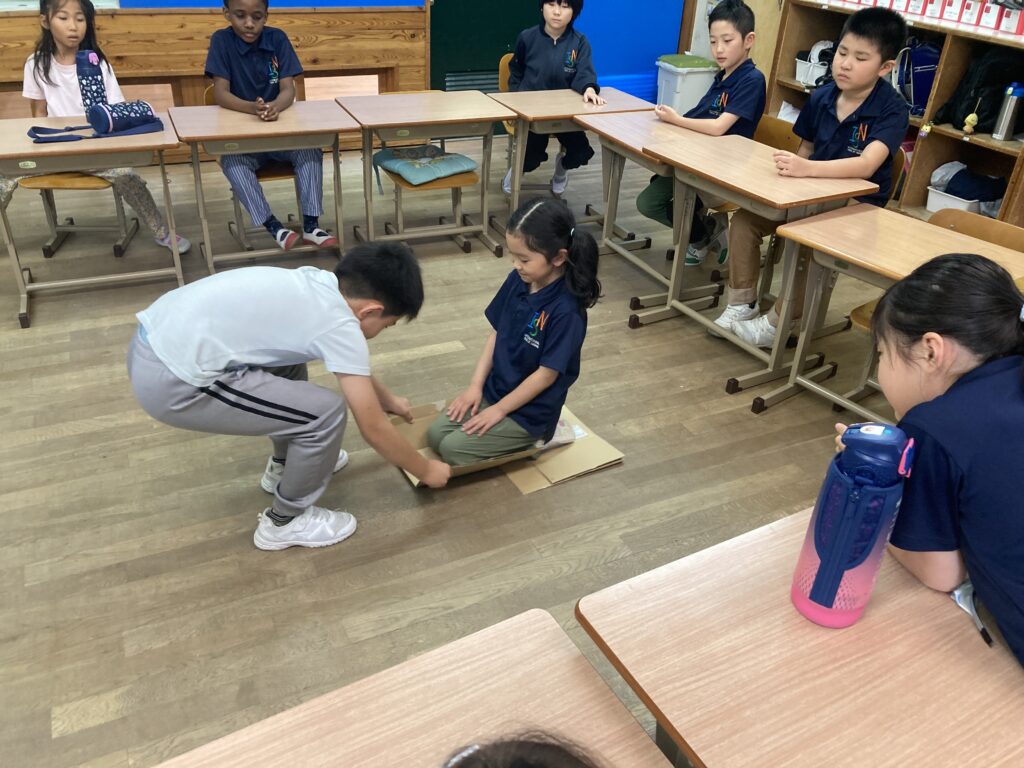
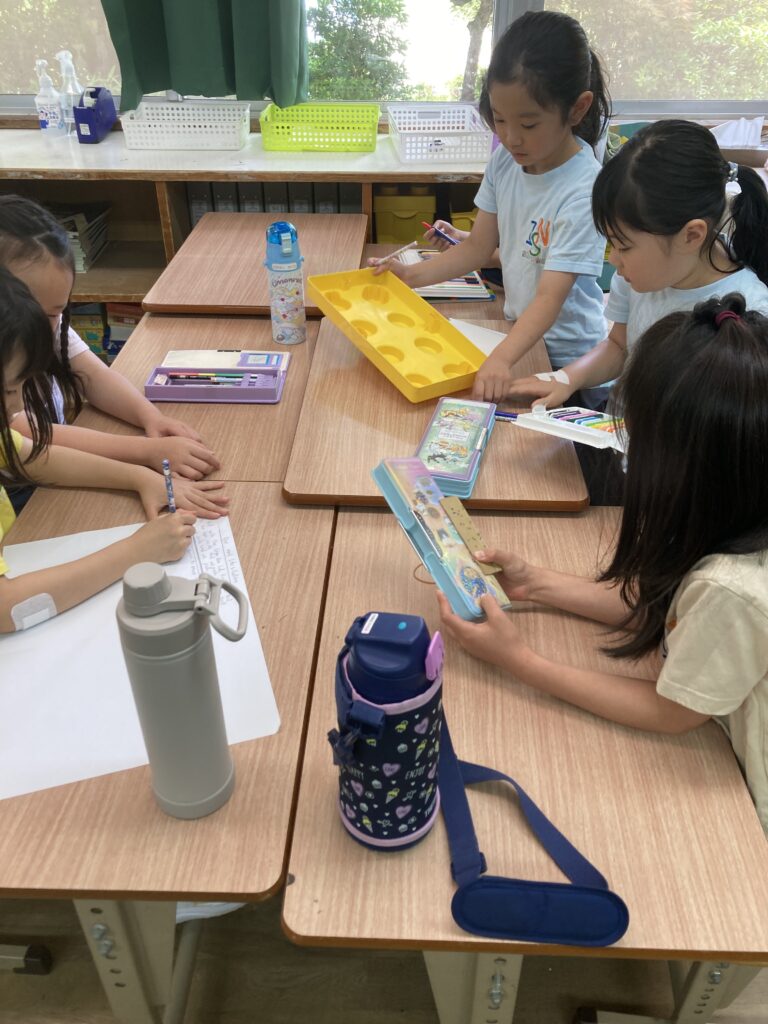
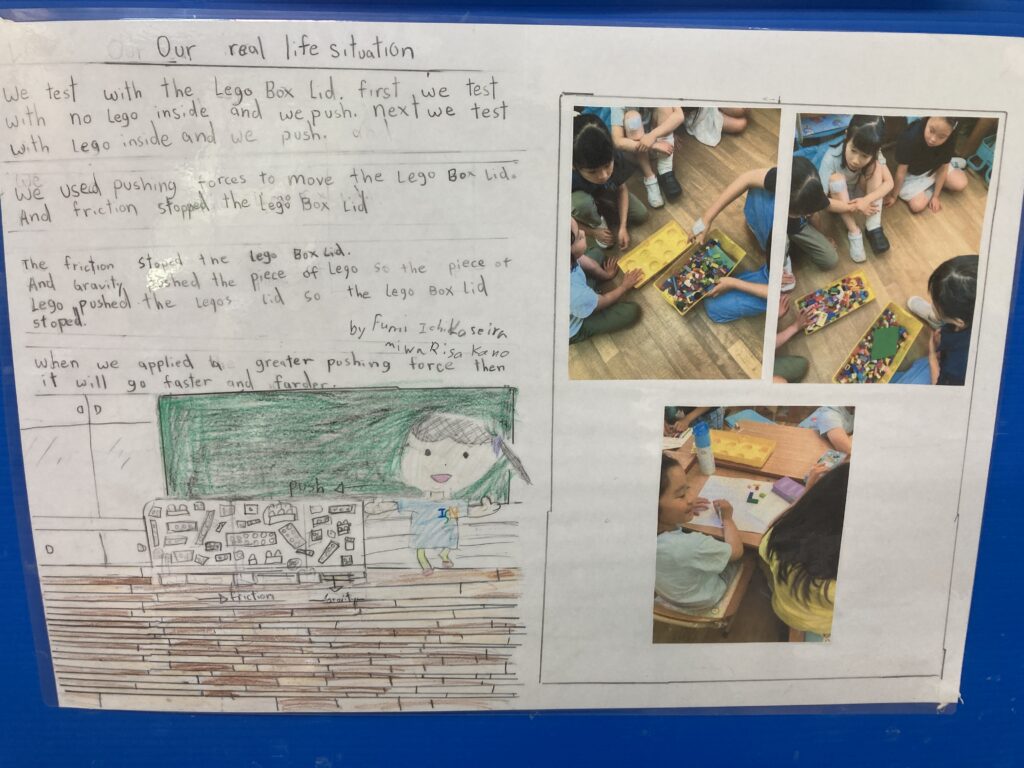
One of the highlights of the past two weeks has been the opportunity to explore our Unit of Inquiry through a series of hands-on investigations focused on gravity and friction. As part of our line of inquiry, Different types of forces and how these affect movement, we revisited many of the questions we had previously added to our Wonder Wall and used them as a starting point for our learning. Working collaboratively in groups, we planned, carried out, and reflected on a range of experiments designed to help us better understand how forces influence the movement of objects. Through observation, discussion, and testing different ideas, we explored how surfaces, materials, and other variables can affect the way objects move.
Throughout these investigations, we were encouraged to think like scientists by making predictions, collecting evidence, and analysing the results of our experiments. Rather than simply being given answers, we were able to discover concepts for ourselves through inquiry and exploration. Working in groups also helped us develop important communication and collaboration skills as we shared responsibilities, listened to different perspectives, and worked together to solve problems. Once our investigations were complete, we shared our findings with one another, comparing results and discussing the connections between different experiments. These conversations helped us deepen our understanding of gravity and friction while also reinforcing the idea that learning is strengthened when we learn from and with others. Through this process, we continued developing curiosity, critical thinking, and a deeper understanding of how forces shape the world around us.
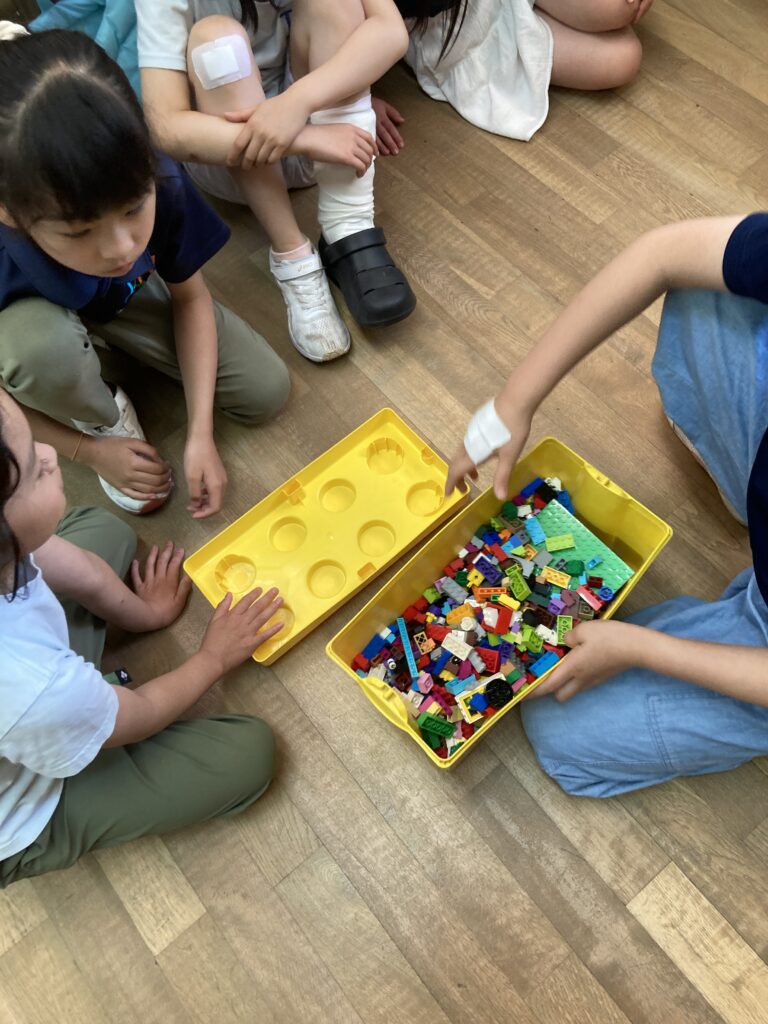
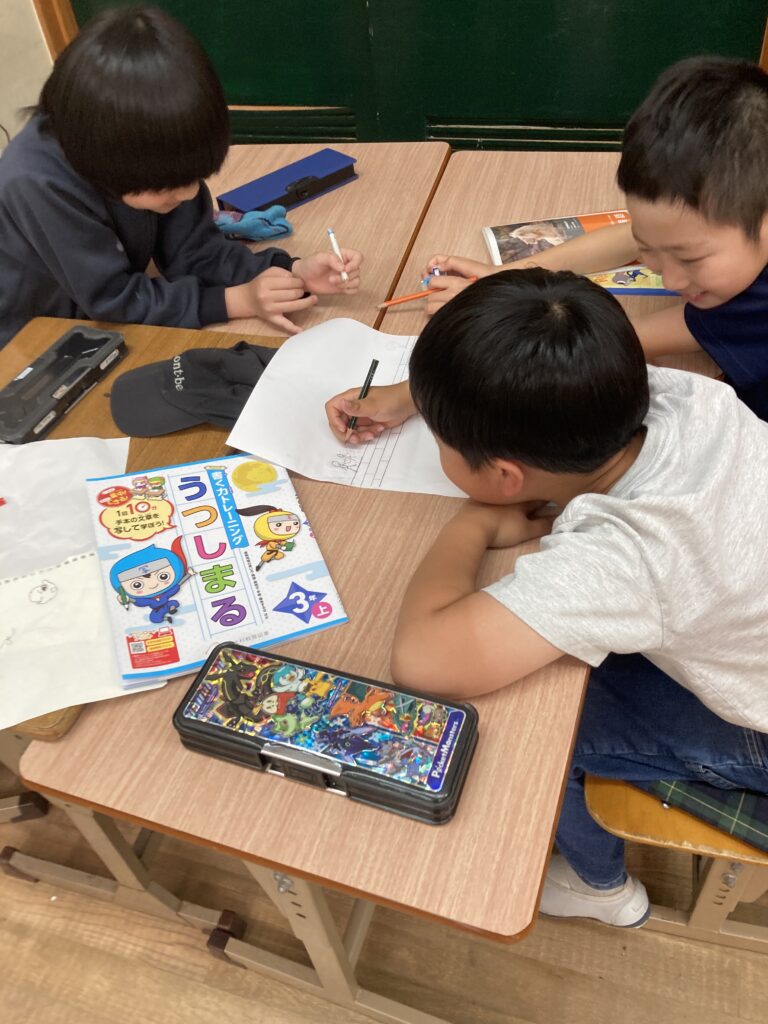
Another meaningful part of our learning over the past two weeks has been exploring international-mindedness, one of the core elements of the IB programme. As part of our Unit of Inquiry, we investigated how people around the world use forces and simple machines in their daily lives. Drawing on the rich diversity within our own classroom, we explored examples from Zimbabwe, Japan, Brazil, and Spain, discovering how people in different cultures solve problems, transport materials, grow food, and make everyday tasks easier through the use of forces and simple machines. This helped us understand that while communities around the world may have different traditions, environments, and ways of life, they often use similar scientific principles to meet their needs.
Through research, discussion, and collaborative learning, we examined how geography, climate, culture, and available resources can influence the way people use technology and simple machines. We were fascinated to discover both the similarities and differences between countries and to see how innovation can take many different forms. These conversations encouraged us to look beyond our own experiences and appreciate the perspectives of others, helping us develop empathy, curiosity, and a greater understanding of the interconnected world in which we live.
This learning experience also reinforced an important idea within our Unit of Inquiry. Forces and simple machines are not just scientific concepts found in textbooks. They are tools that people across the world use every day to overcome challenges, improve efficiency, and support their communities. By exploring examples from countries represented within our classroom, we were able to make our learning more personal and meaningful while strengthening our appreciation for the cultural diversity that makes our learning community unique. Through this inquiry, we continued to grow as open-minded learners who recognise that different perspectives and experiences enrich our understanding of the world.