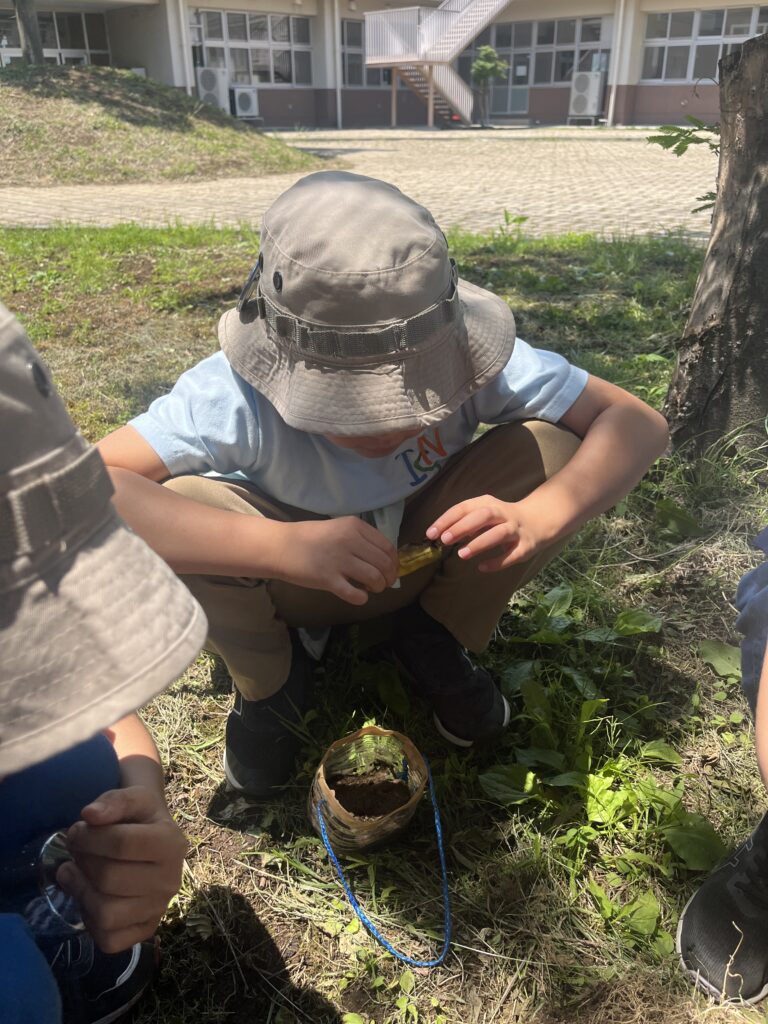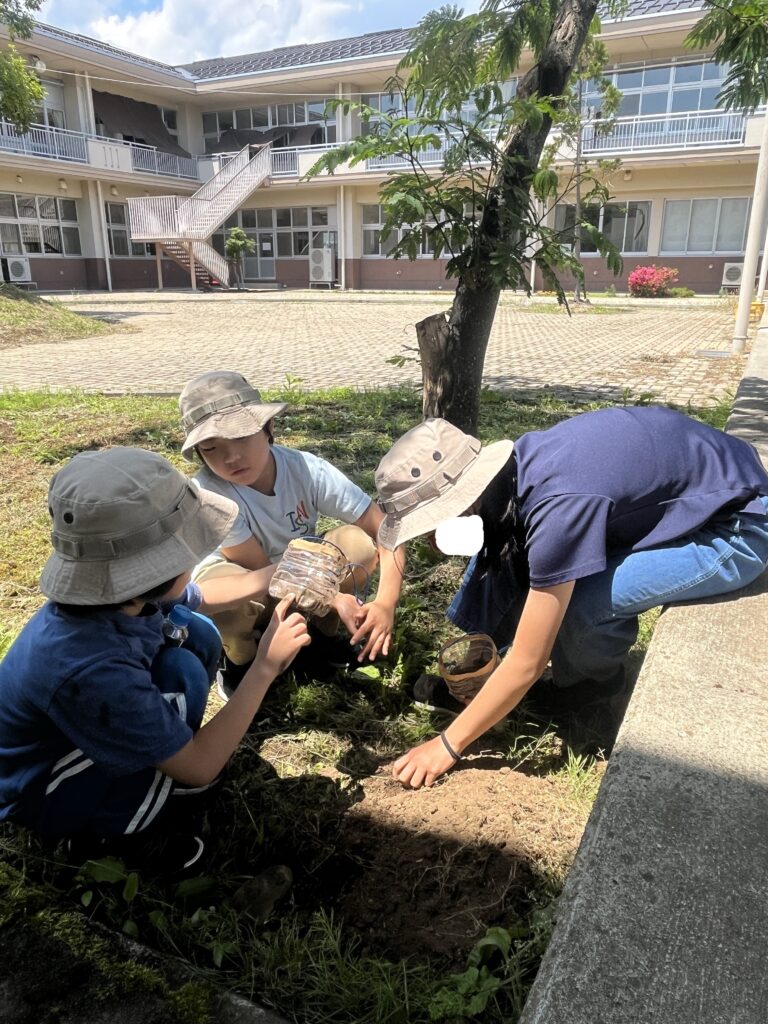
As part of our current Unit of Inquiry, students have been exploring the fascinating relationships between biotic and abiotic elements within ecosystems. Through inquiry, discussion, and research, students developed an understanding of how living things depend on and interact with the non-living components of their environment.
To deepen their learning, each student was assigned a specific biotic element, such as plants, animals, fungi, or microorganisms, and became an “expert” on that topic. Their challenge was to investigate how their assigned living organism interacts with various abiotic elements, including sunlight, water, air, soil, temperature, and minerals.
They discovered that biotic elements rely on abiotic factors for survival and that changes in non-living elements can significantly impact living organisms within an ecosystem. Through their investigations, students also recognized that all parts of an ecosystem are interconnected and that the well-being of one element can affect the entire system.
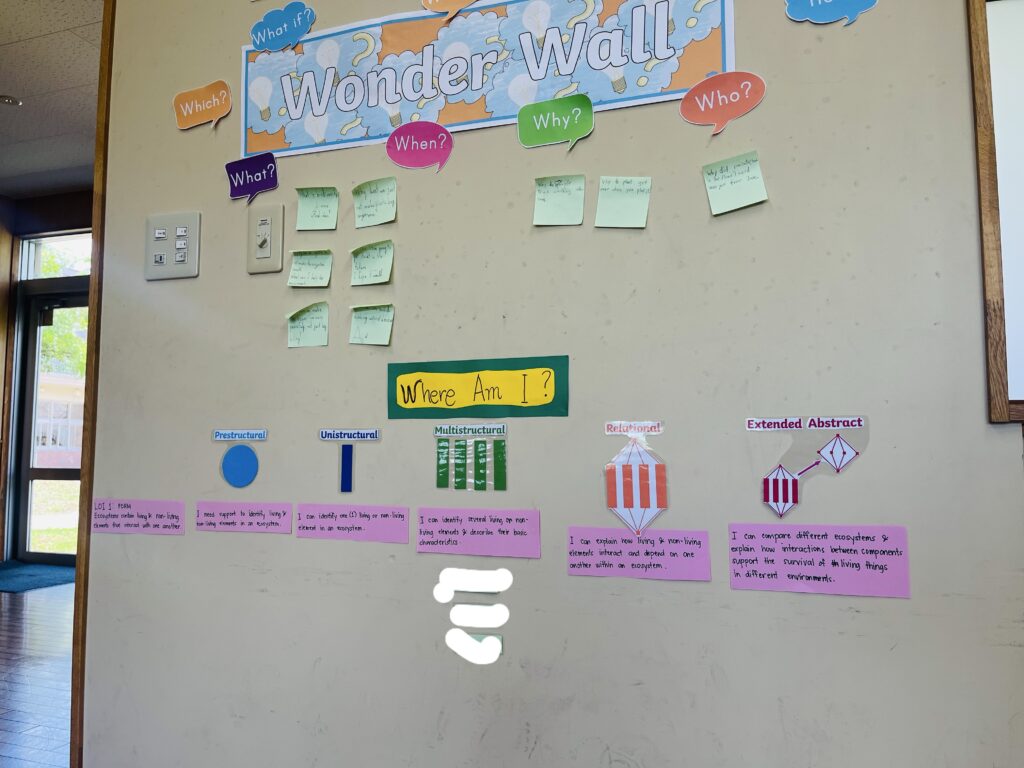
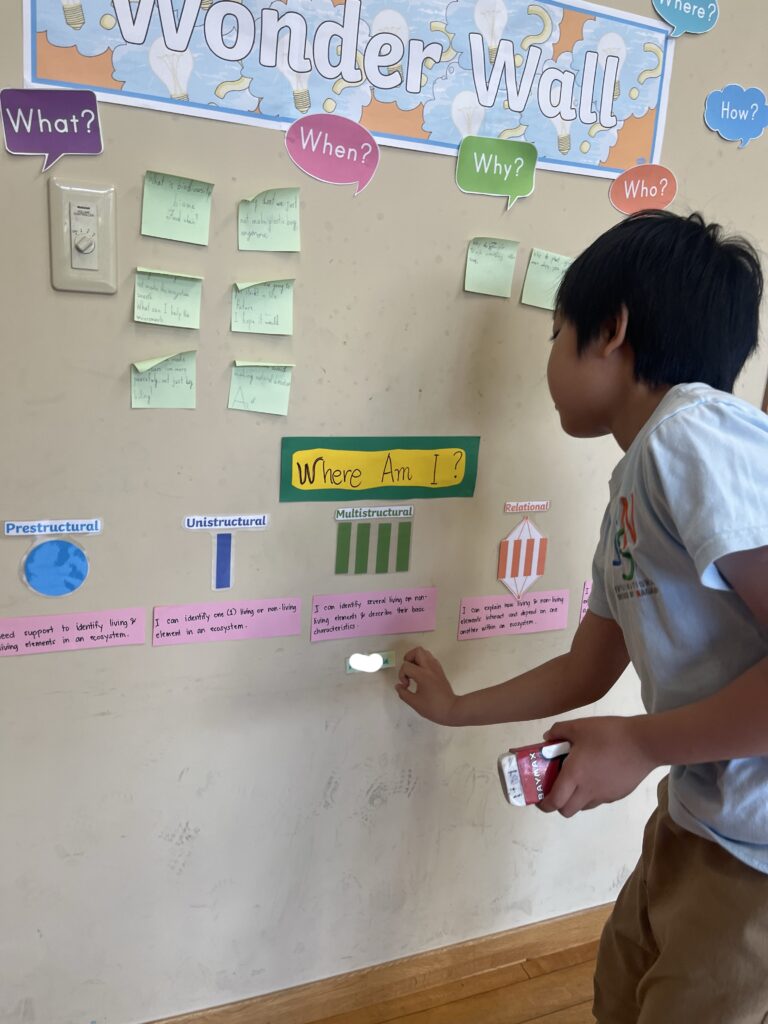
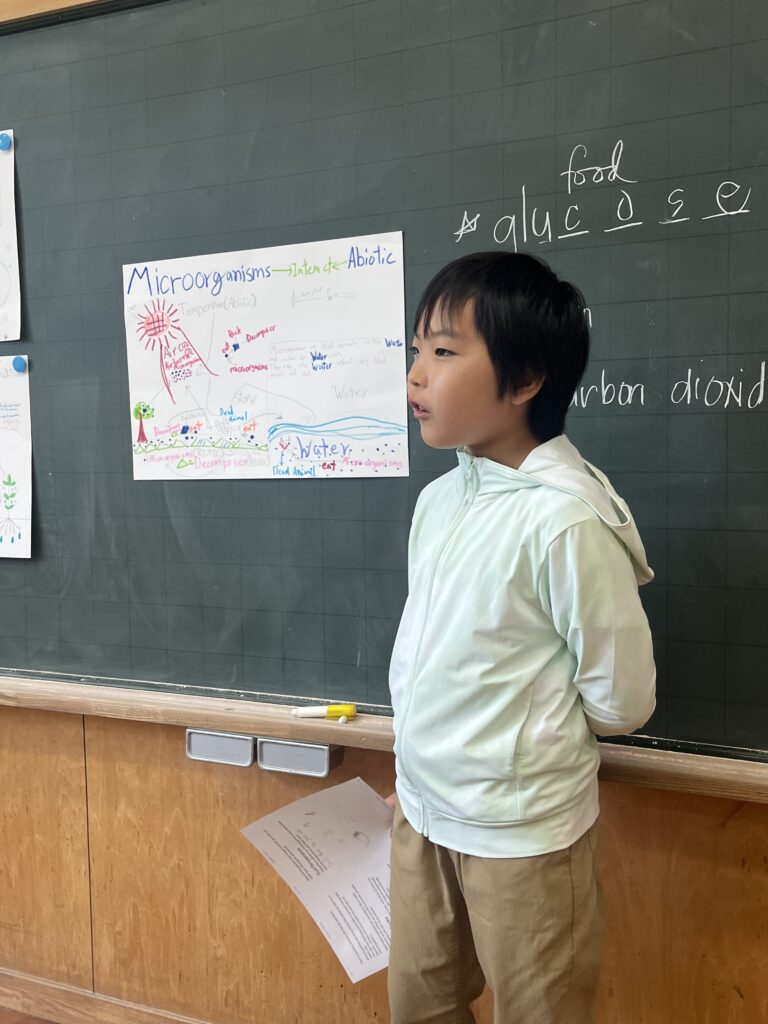
As experts, students confidently shared their findings with their classmates, explaining the unique relationships between their biotic element and the surrounding abiotic environment. This learning experience not only strengthened their understanding of ecosystems but also developed their research, communication, and critical-thinking skills.
We are proud of the curiosity, collaboration, and enthusiasm our students demonstrated throughout this inquiry. Their growing understanding of the interconnectedness of ecosystems is helping them become more informed and responsible stewards of the environment.