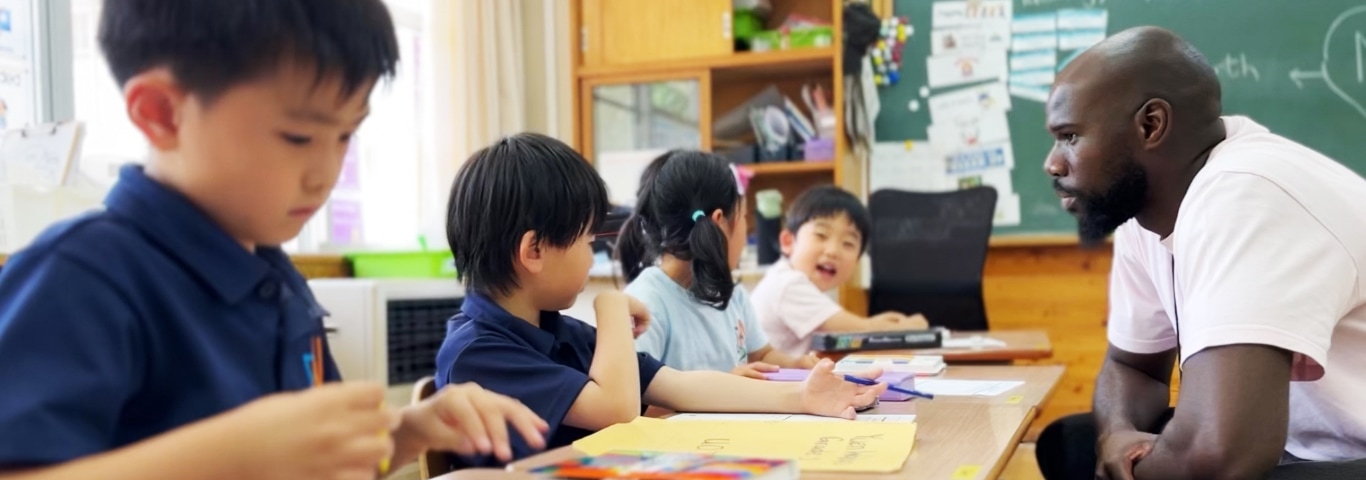
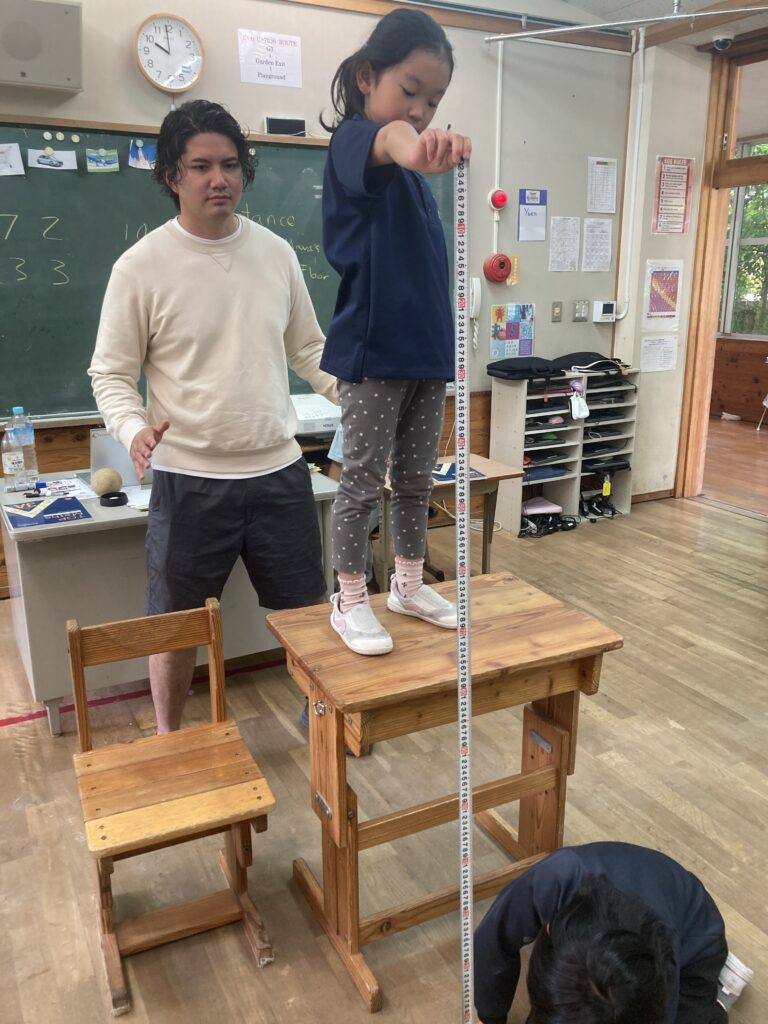
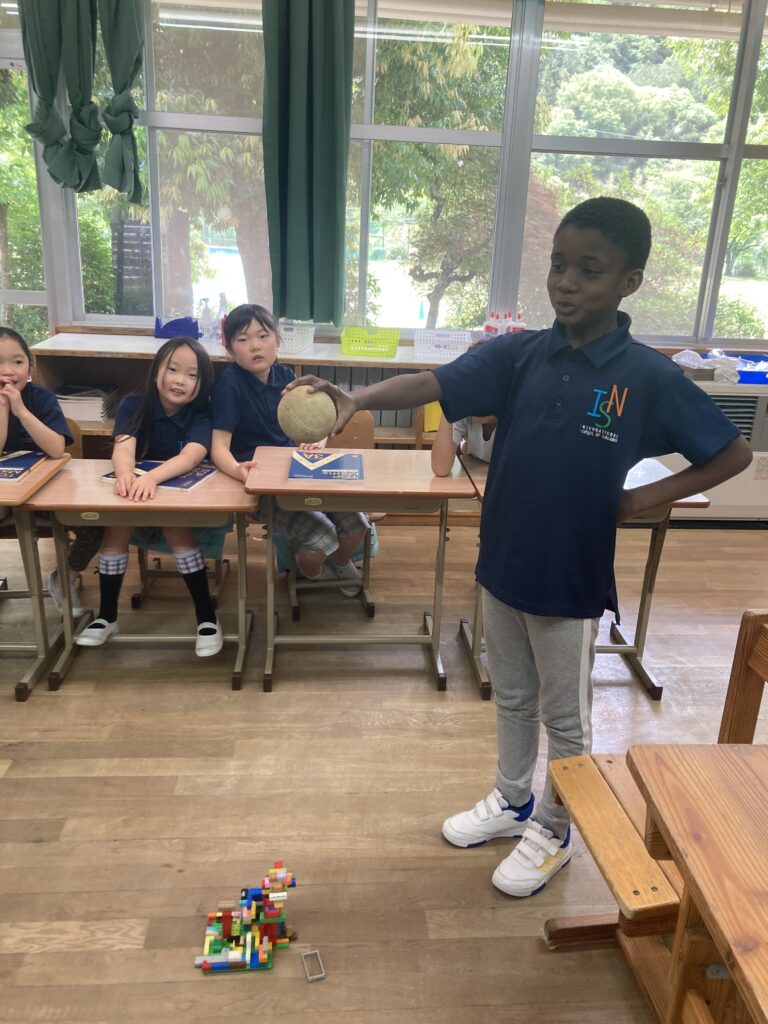
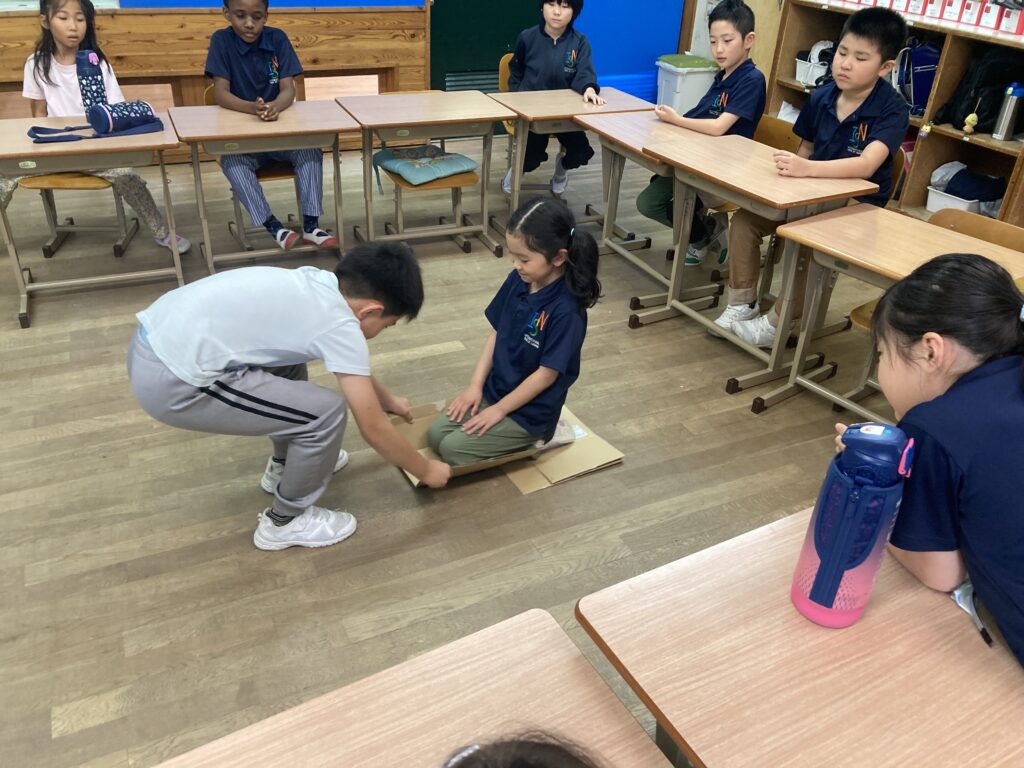
Over the past two weeks, we have started an exciting new chapter in our learning journey with our new Unit of Inquiry under the transdisciplinary theme How the World Works. Our central idea is that simple machines and forces help us understand how things move and work, and from the very beginning we have approached this unit with curiosity and enthusiasm. So far, we have been investigating two forces that we experience every single day but often take for granted, gravity and friction. Instead of simply learning definitions, we have explored why these forces exist, how they affect our daily lives, and how they help explain the world around us. The key concept guiding our inquiry has been causation, encouraging us to ask not only what happens but why it happens. This has led to many questions, discussions, predictions, and moments of discovery as we tested ideas and reflected on our observations.
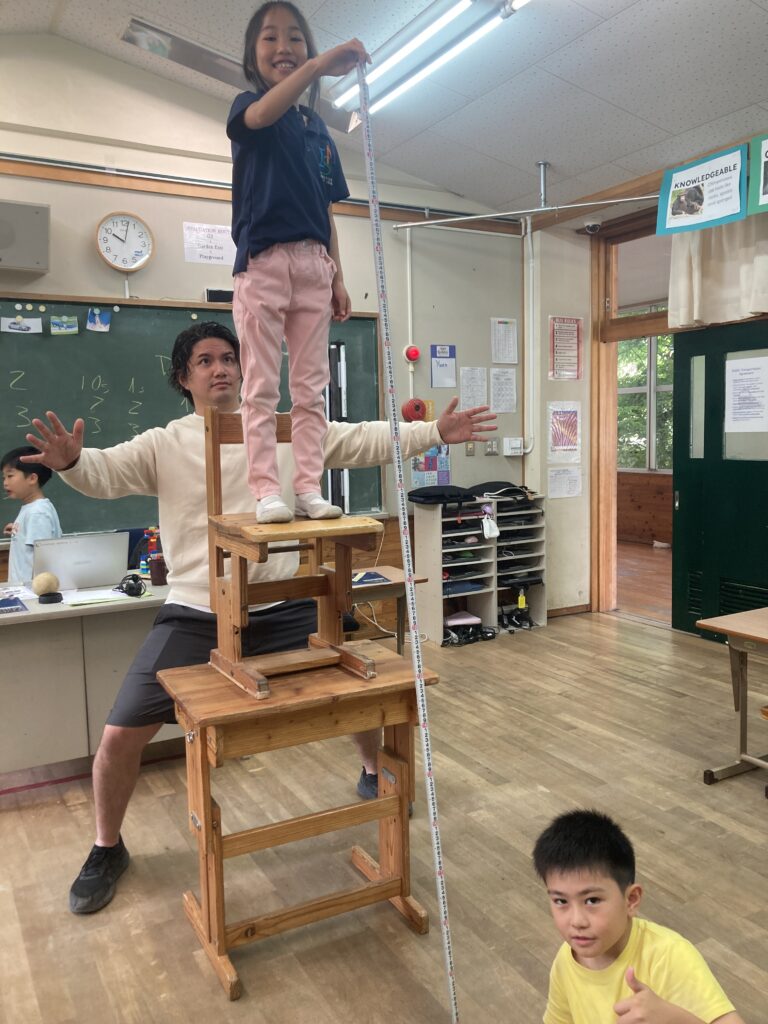
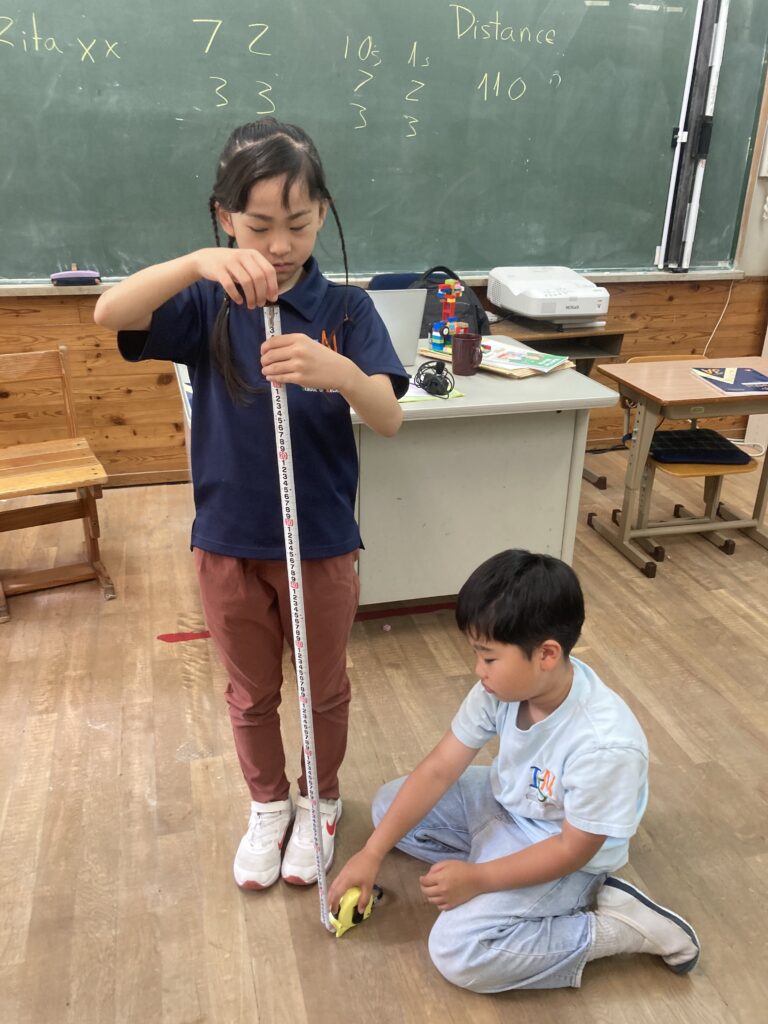
One of the most rewarding aspects of this unit has been seeing how naturally our learning connects across different subjects. In Science, we have explored the relationship between forces and movement through practical investigations and experiments. In Mathematics, we have applied observation, measurement, estimation, and logical thinking to better understand and interpret what we discovered. At the same time, our English lessons have provided us with the scientific vocabulary and language structures needed to explain our ideas clearly. We have practised using words such as gravity, friction, force, motion, and surface while learning to describe cause and effect using accurate scientific language. Rather than studying each subject separately, we are making meaningful connections between them, allowing us to build a deeper and more authentic understanding of how the world works while continuing to develop as curious, reflective, and internationally minded learners.
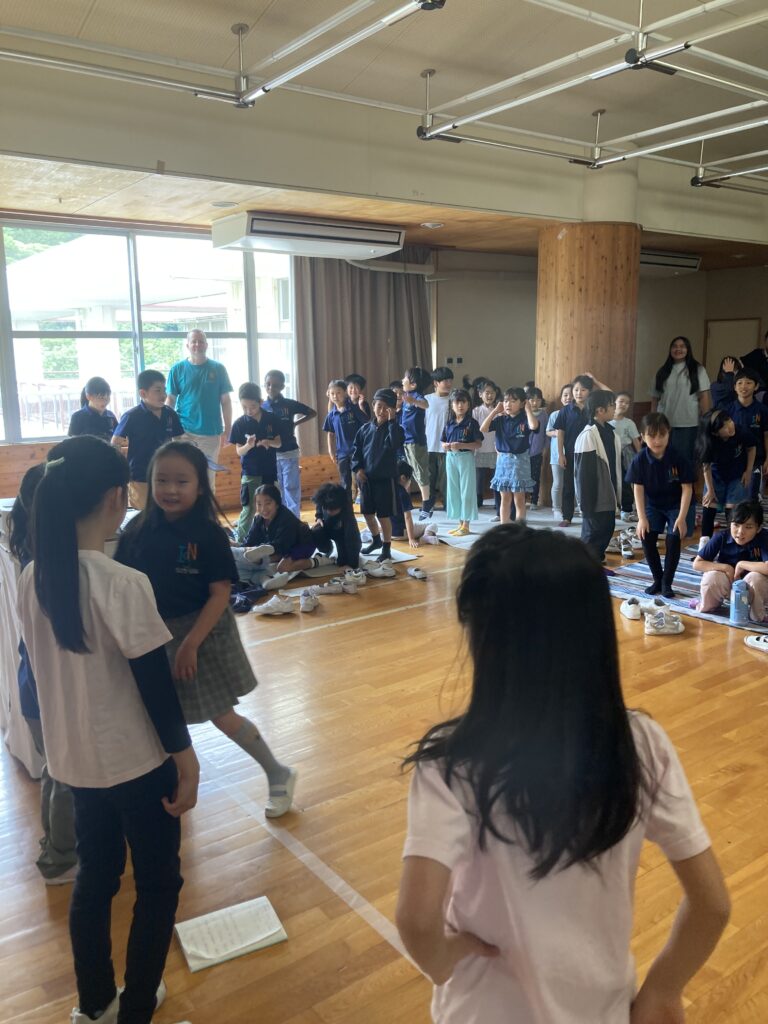
Another highlight of the past two weeks was the opportunity to lead our school assembly. Although standing in front of the entire school can feel a little intimidating at first, we embraced the challenge and worked together to create an assembly that was both informative and enjoyable. Preparing for the event required teamwork, organisation, and plenty of practice as we learned our speaking parts, supported one another, and thought carefully about how to engage our audience. It was a wonderful opportunity to build confidence and develop our communication skills in a real and meaningful context.
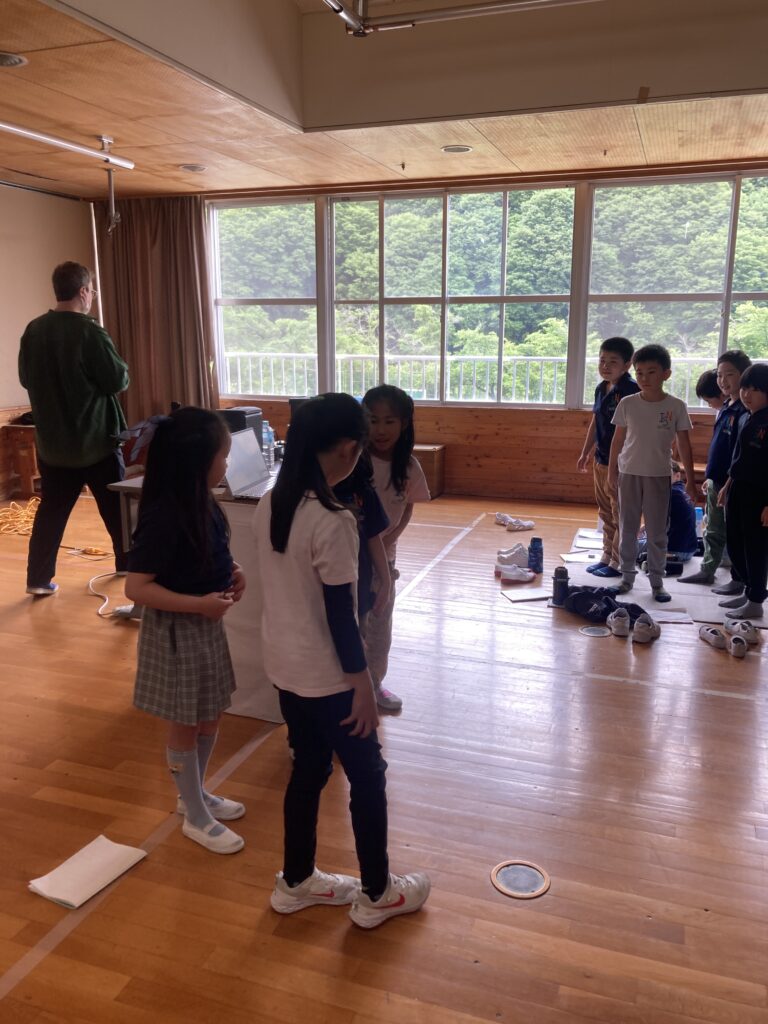
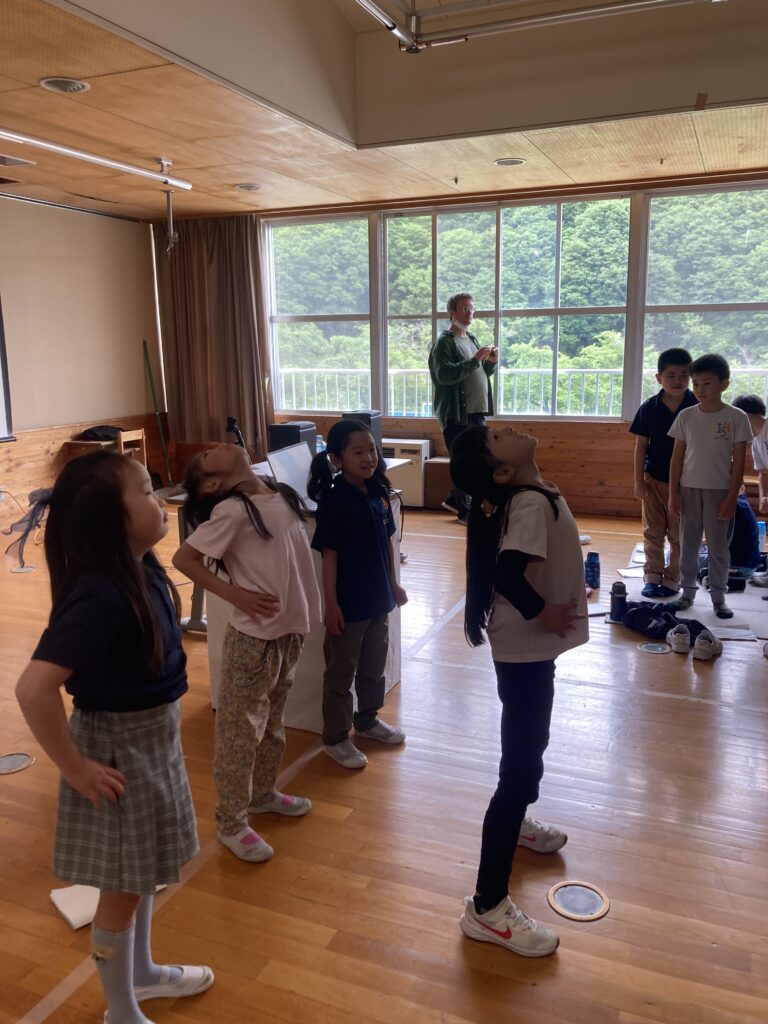
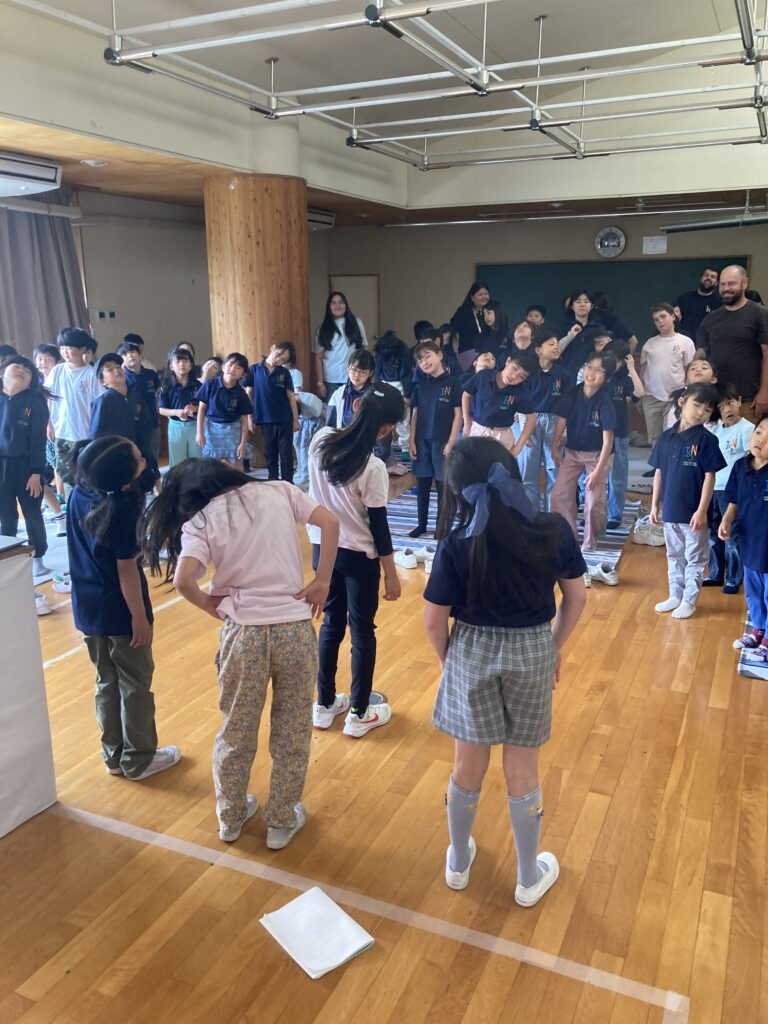
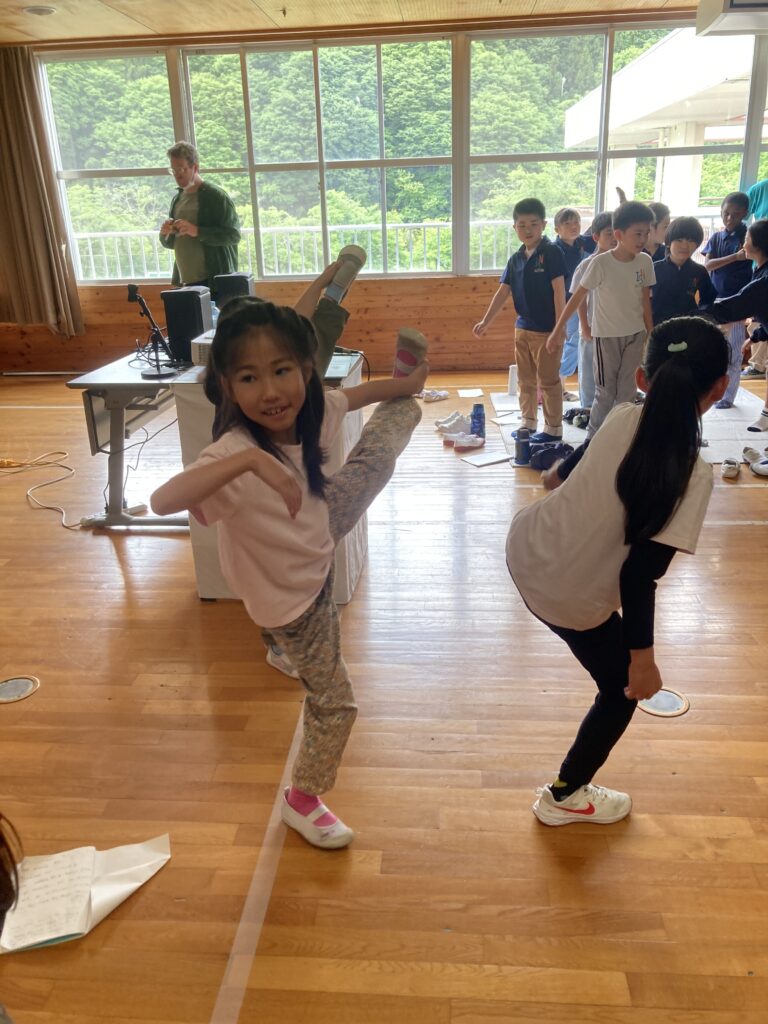
To begin the assembly, we led a stretching session that encouraged everyone to start the day feeling energised and ready to learn. It was great to see students and teachers joining in together, creating a positive atmosphere across the whole school. We then shared some of the most interesting facts we had discovered about gravity during our current Unit of Inquiry. Explaining scientific ideas to a larger audience challenged us to use clear language and helped us deepen our own understanding of the concepts we have been exploring in class. Sharing our learning with others reminded us that knowledge becomes even more meaningful when it is communicated and discussed within a community.
We also had the responsibility of announcing birthdays and upcoming school events, helping to keep everyone informed about important moments in our school community. Taking part in the assembly allowed us to develop leadership skills, public speaking skills, and confidence while contributing something positive to the wider school. Most importantly, it was a lot of fun. Seeing the assembly come together after all our preparation gave us a real sense of accomplishment and showed us what can be achieved when we work together towards a shared goal. Experiences like these help us understand that learning does not only happen inside the classroom. It also happens when we collaborate, communicate, and share our ideas with others.